
You can design a garden that unfolds scent from spring bulbs to autumn blossoms by choosing species with distinct fragrance windows and cultural needs. Focus on timing, sun, soil and pruning so lilacs, osmanthus, bay laurel and kumquat each perform at their best; place evening‑scented plants near patios and daytime‑bloomers along paths to catch breezes. Keep plant health and pollinator visits in mind — and here’s what to take into account next.
Lilac – Powerful Floral Scent
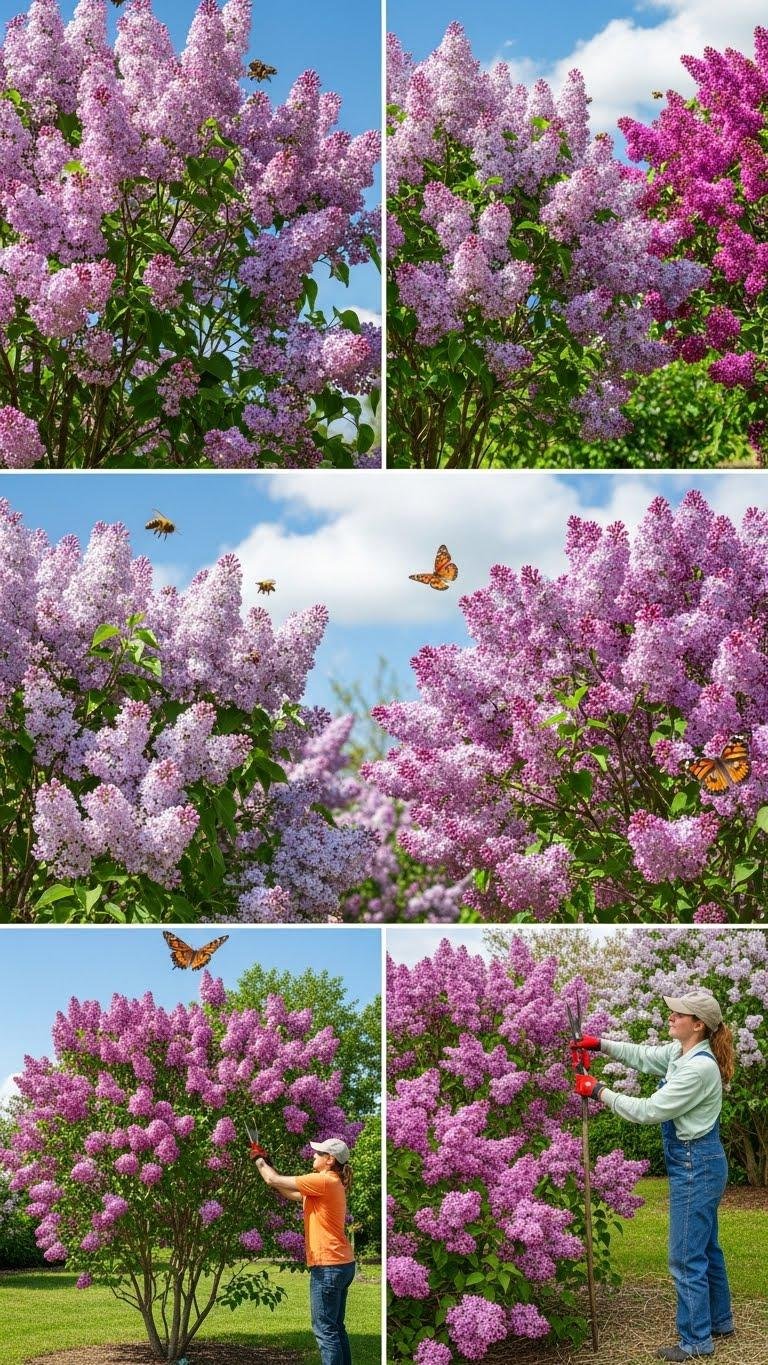
Though lilacs are best known for their intoxicating spring perfume, they also offer clear cues for choosing and caring for them: you’ll find the strongest scent in older, well-established shrubs and in varieties with larger, dense panicles of flowers.
You’ll assess scent chemistry by noting floral notes and bloom density, prune to boost vigor, and favor plants that maximize pollinator attraction while giving you seasonal freedom.
Vanilla Spice Summersweet – Vanilla-Scented Blooms
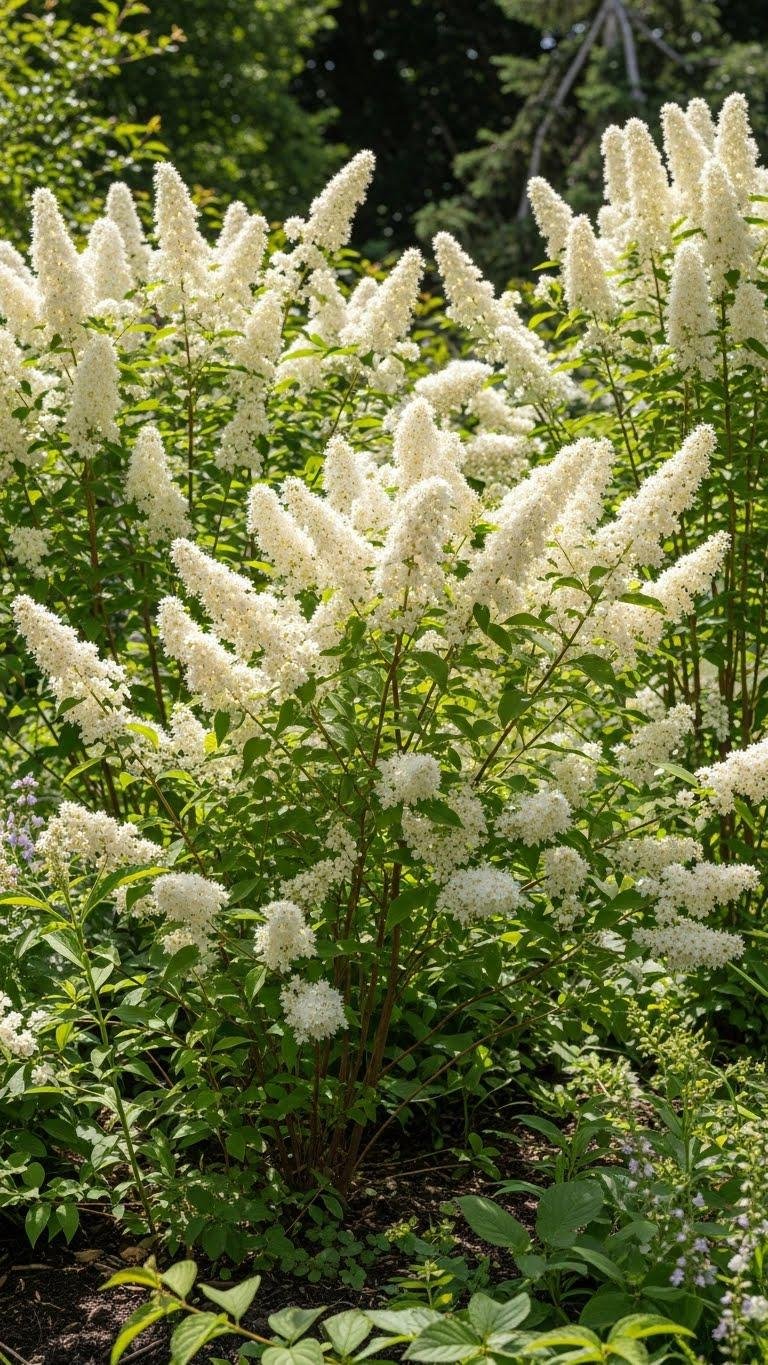
If you liked the steady sweetness of Ruby Anniversary Abelia, you’ll appreciate Vanilla Spice Summersweet for its true vanilla-scented summer blooms and tough, shrub-form habit. You’ll plant it in sun to part shade, prune after flowering, and expect airy panicles that suggest vanilla cultivation without being actual orchids. Use it for scent layering; don’t confuse fragrance with spice extraction techniques.
Koreanspice Viburnum – Spicy Floral Scent
Paragraphs
Scentsation’ Honeysuckle – Strong Sweet Aroma
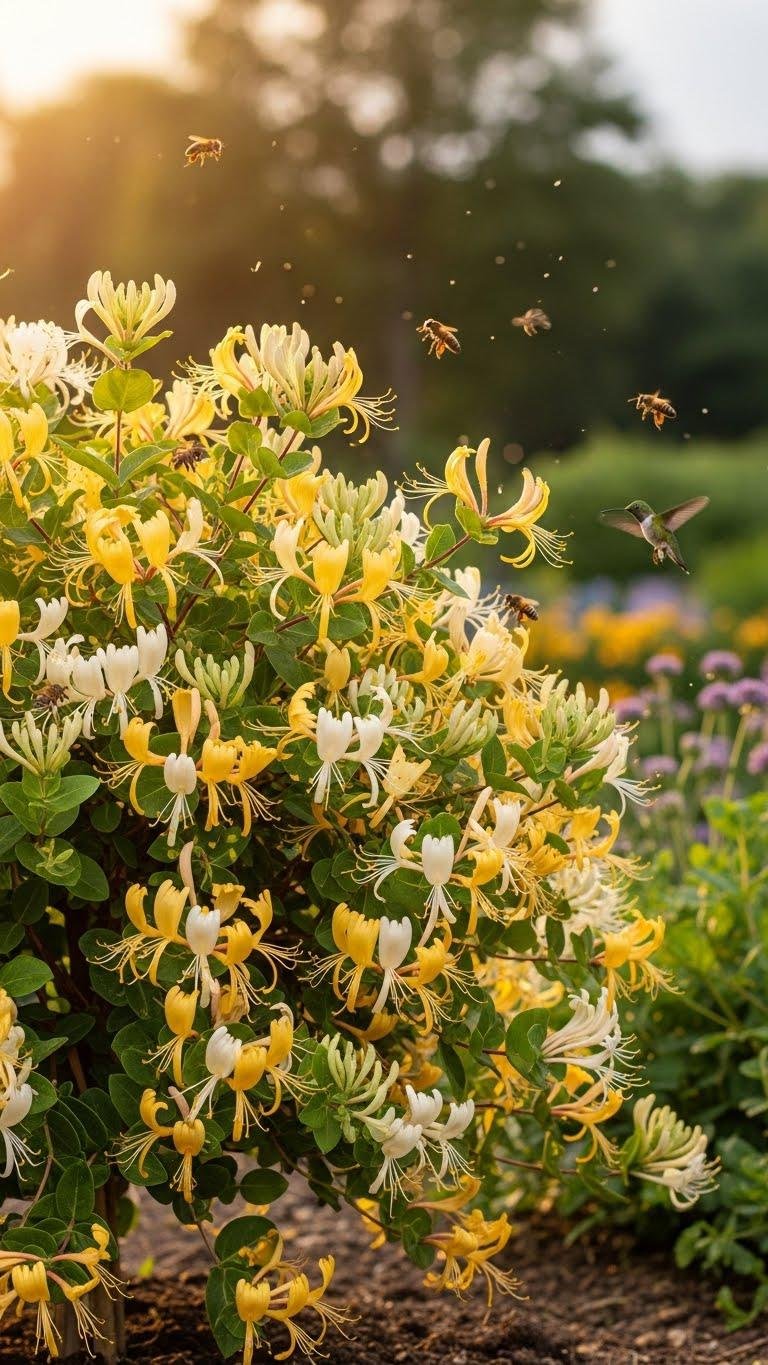
You’ll notice ‘Scentsation’ honeysuckle greets you with an unmistakable, strong sweet aroma that carries across the garden on warm evenings.
You’ll plant it where airflow boosts scent intensity and full sun promotes flowering. Prune to shape and encourage repeat bloom; soil should drain well.
Expect excellent pollinator attraction—bees and hummingbirds—so give space for visits and avoid pesticides to preserve wildlife freedom.
Chinese Wisteria – Overpowering Fragrance
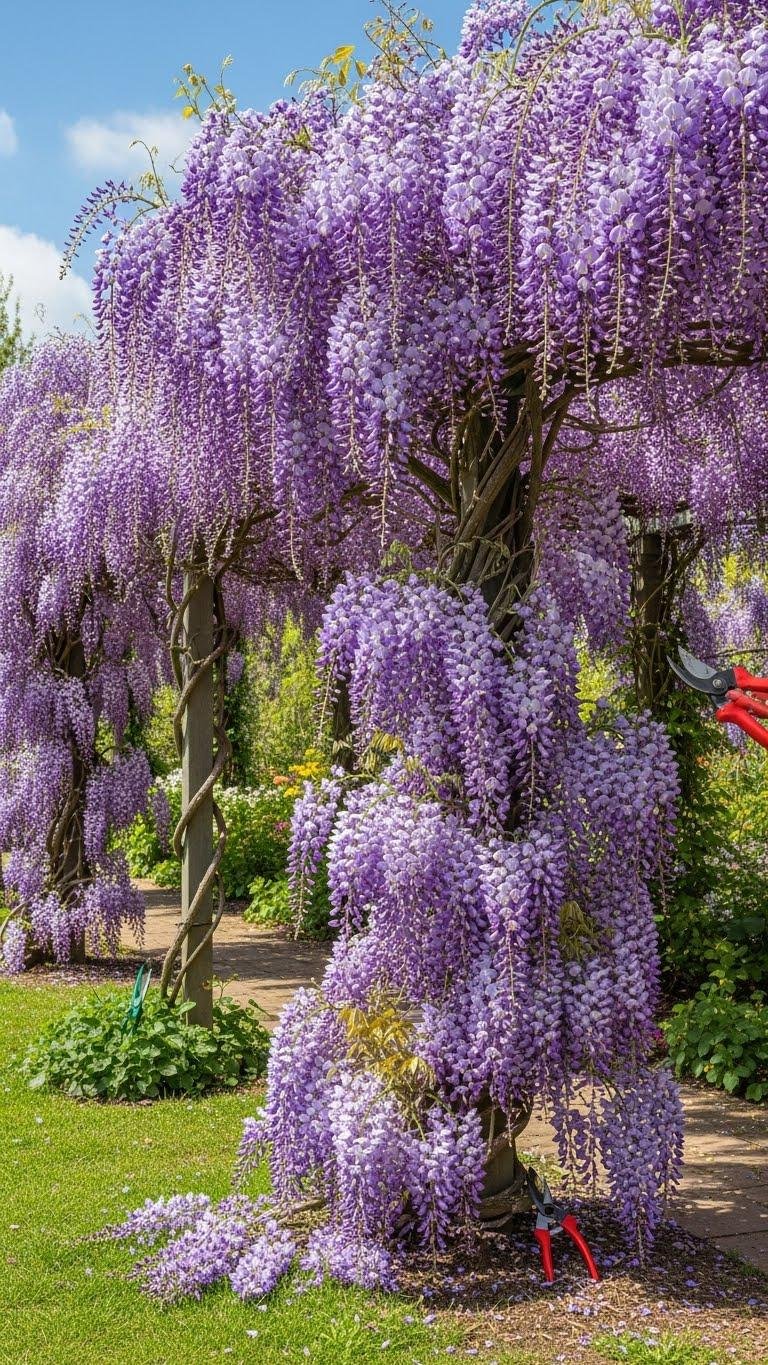
Moving from the concentrated sweetness of ‘Scentsation’ honeysuckle, Chinese wisteria offers a very different olfactory experience: its pendant clusters release a heady, often overpowering fragrance that can dominate a garden on warm, still days.
You’ll manage it by acknowledging invasive potential, selecting sturdy supports, and scheduling pruning timing after flowering to control spread and preserve bloom vigor while keeping freedom in design.
Lonicera ‘Major Wheeler’ Honeysuckle – Highly Aromatic Blooms
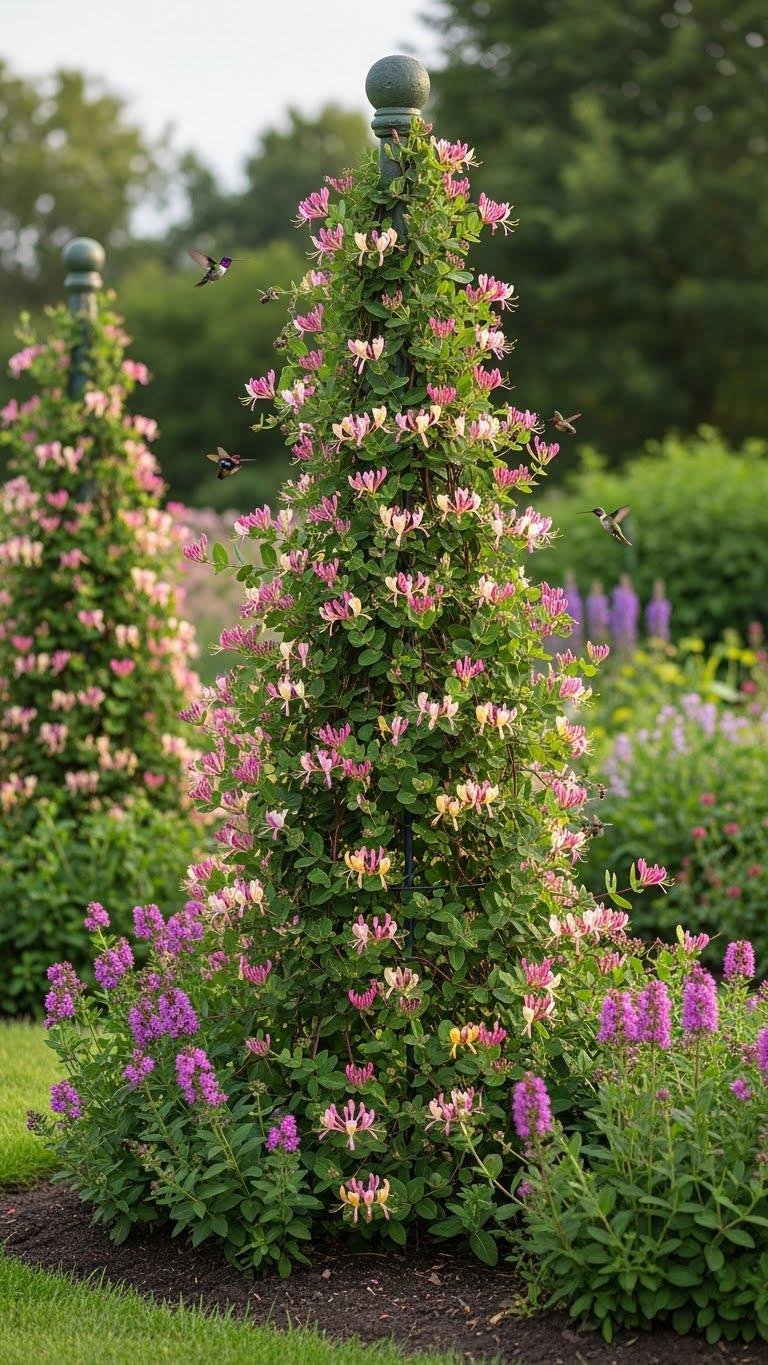
When trained on a sturdy support and placed where evening breezes can carry its scent, Lonicera ‘Major Wheeler’ rewards you with intensely aromatic, tubular blooms that attract hummingbirds and pollinators.
You’ll prune lightly after flowering, position it in full sun to partial shade, and guarantee well-drained soil to maximize scent diffusion and pollinator attraction while keeping vigorous growth controlled for a free, manageable display.
Clematis ‘Betty Corning’ – Fragrant Flowers
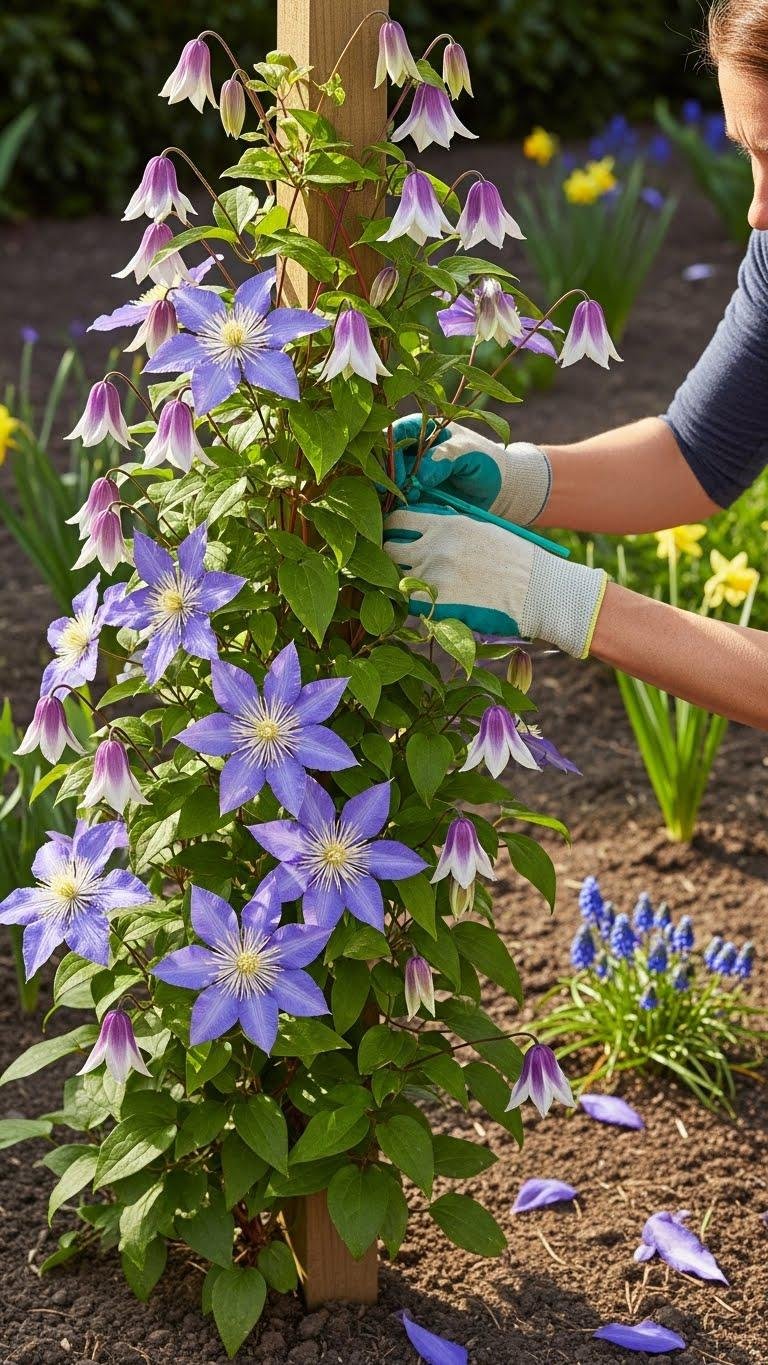
Train Clematis ‘Betty Corning’ on a sturdy support where its fragrant, mid‑season blooms can unfurl in full sun to light afternoon shade.
You’ll appreciate this compact climbing, heritage cultivar for reliable scent and repeat flowering.
Prune to maintain size, tie young stems gently, feed in spring, and guarantee well‑drained soil.
Let it roam within bounds you choose for scented freedom.
Passion Flower ‘Incense’ – Notable Scented Blooms
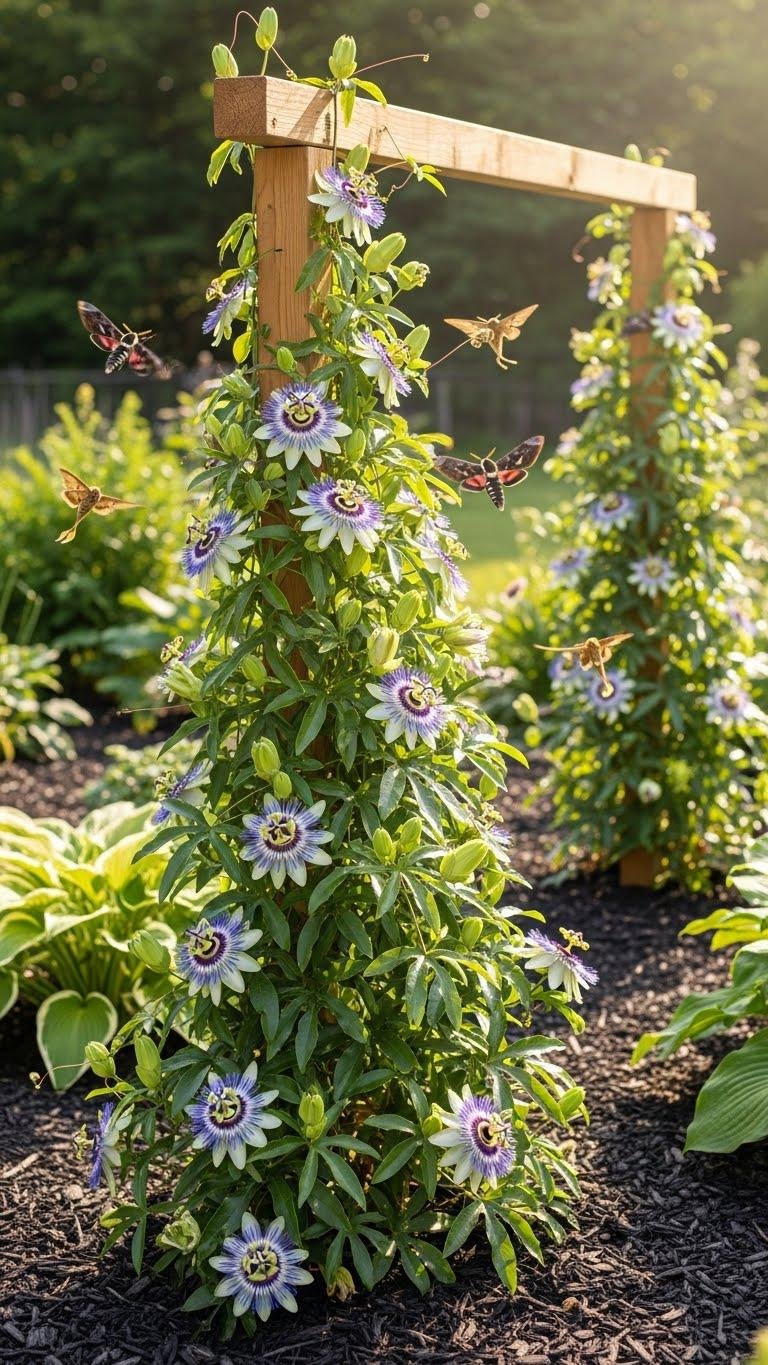
After enjoying the scented charm of Clematis ‘Betty Corning’, you can extend fragrance into summer with Passion Flower ‘Incense’, a vigorous vine prized for its perfumed, exotic blooms.
You’ll train it on a sunny trellis, encourage scented pollination by night-flying insects, and prune lightly for airflow. Feed and mulch to boost fragrance longevity; expect repeat blooms and a bold, liberating scent statement.
Hosta Plantaginea – Late-Summer Fragrant White Flowers
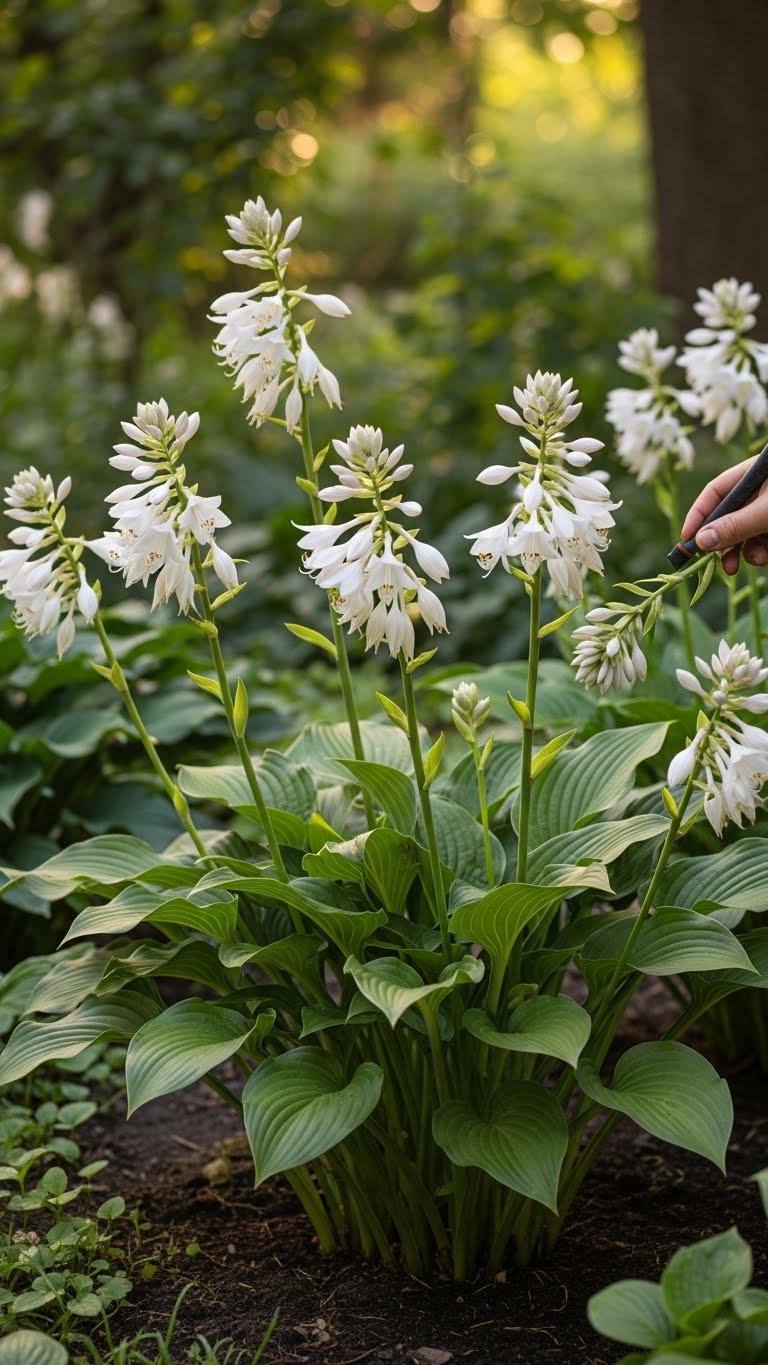
Often overlooked in summer borders, Hosta plantaginea rewards you with tall stalks of pure white, late-summer flowers that emit a clear, sweet fragrance particularly strong at dusk. You’ll note fragrant timing aligns with warm evenings; plant where scent travels.
Follow shade preferences—morning sun, afternoon shade or dappled light—and provide rich, moist soil. Deadhead spent scapes to prolong vigor and tidy clumps.
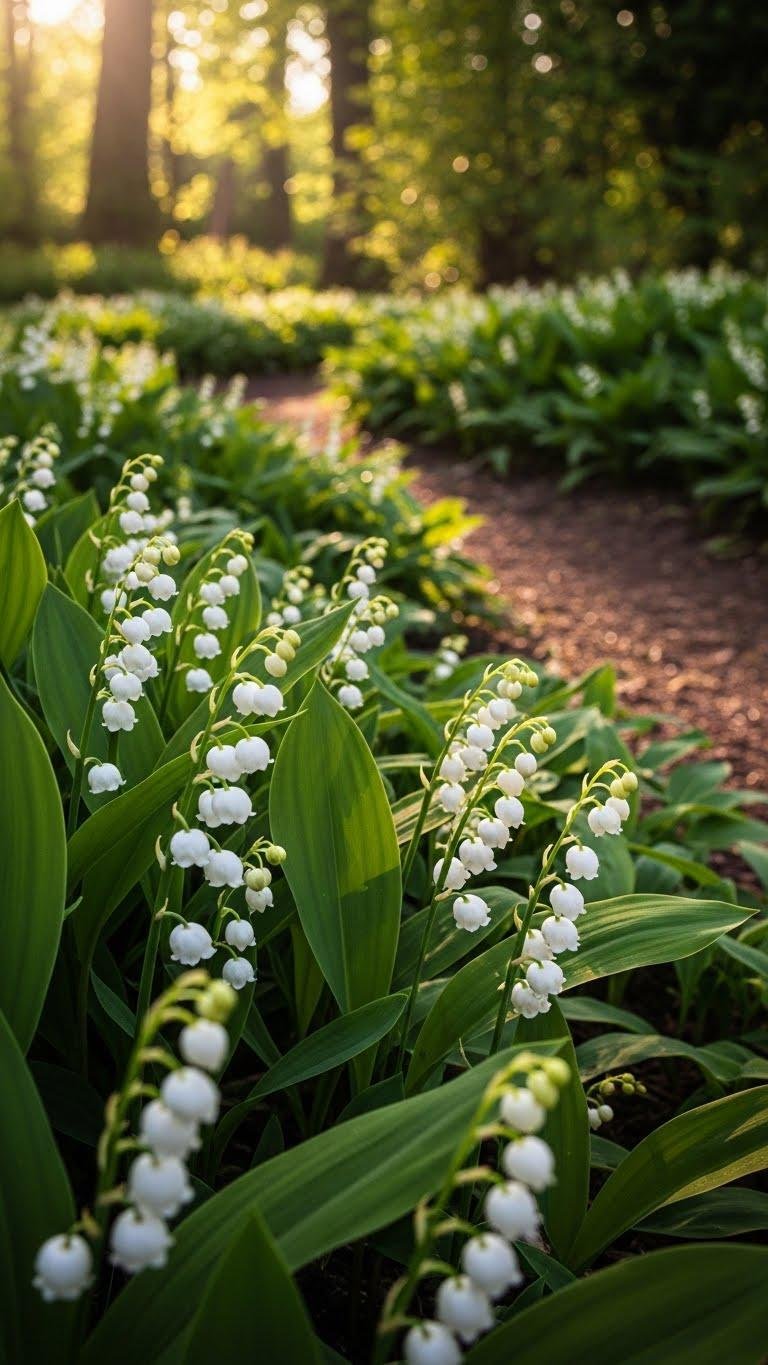
Lily of the Valley (Convallaria Majalis) – Intensely Scented Bells
Pale Evening Primrose – Almond-Jasmine Aroma
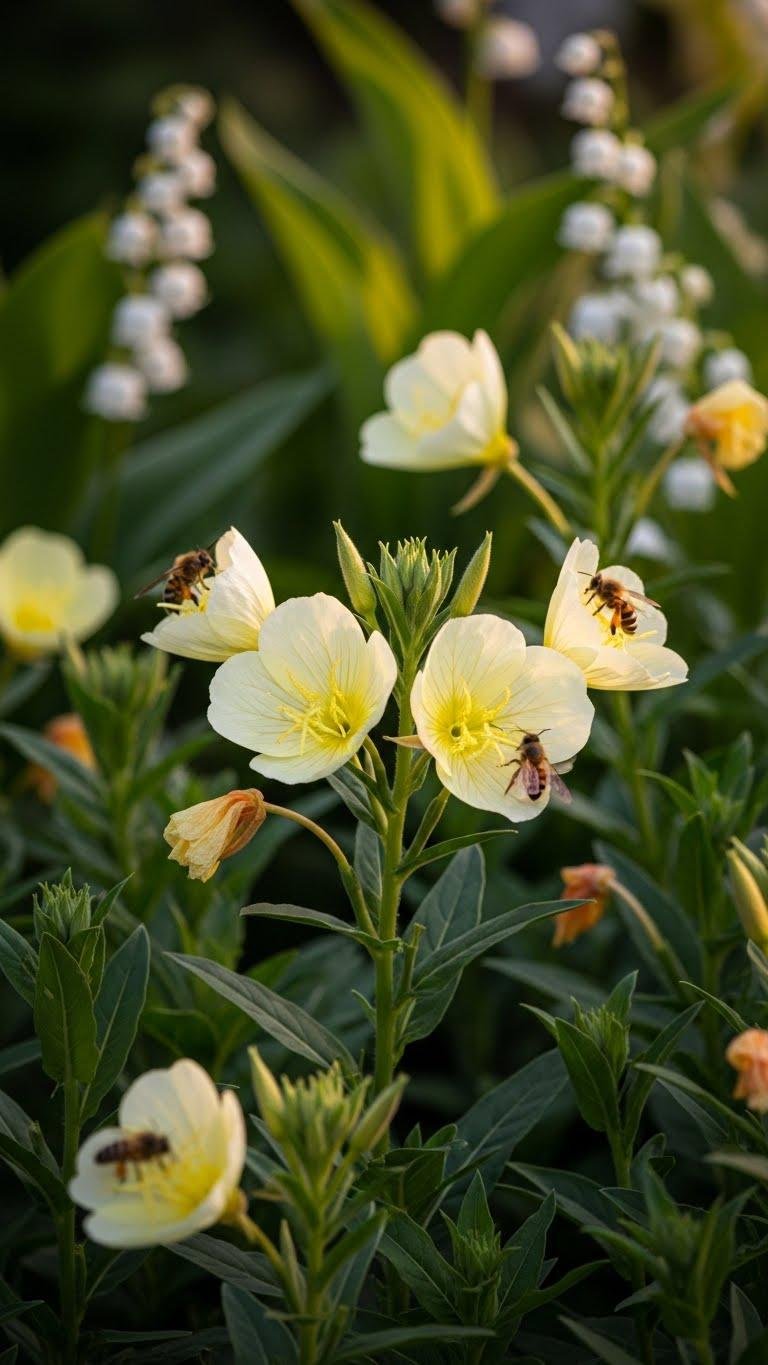
Moving from the cool, honeyed bells of Lily of the Valley, you’ll find the Pale Evening Primrose brings a very different evening perfume to the garden: a soft almond-jasmine scent released as its pale, four-petaled blooms open at dusk.
You’ll plant it in well-drained soil, full sun to light shade, expect pollinator visits, deadhead spent flowers, and enjoy its reliable evening scent.
Agastache ‘Blue Boa’ Hyssop – Licorice-Like Fragrance
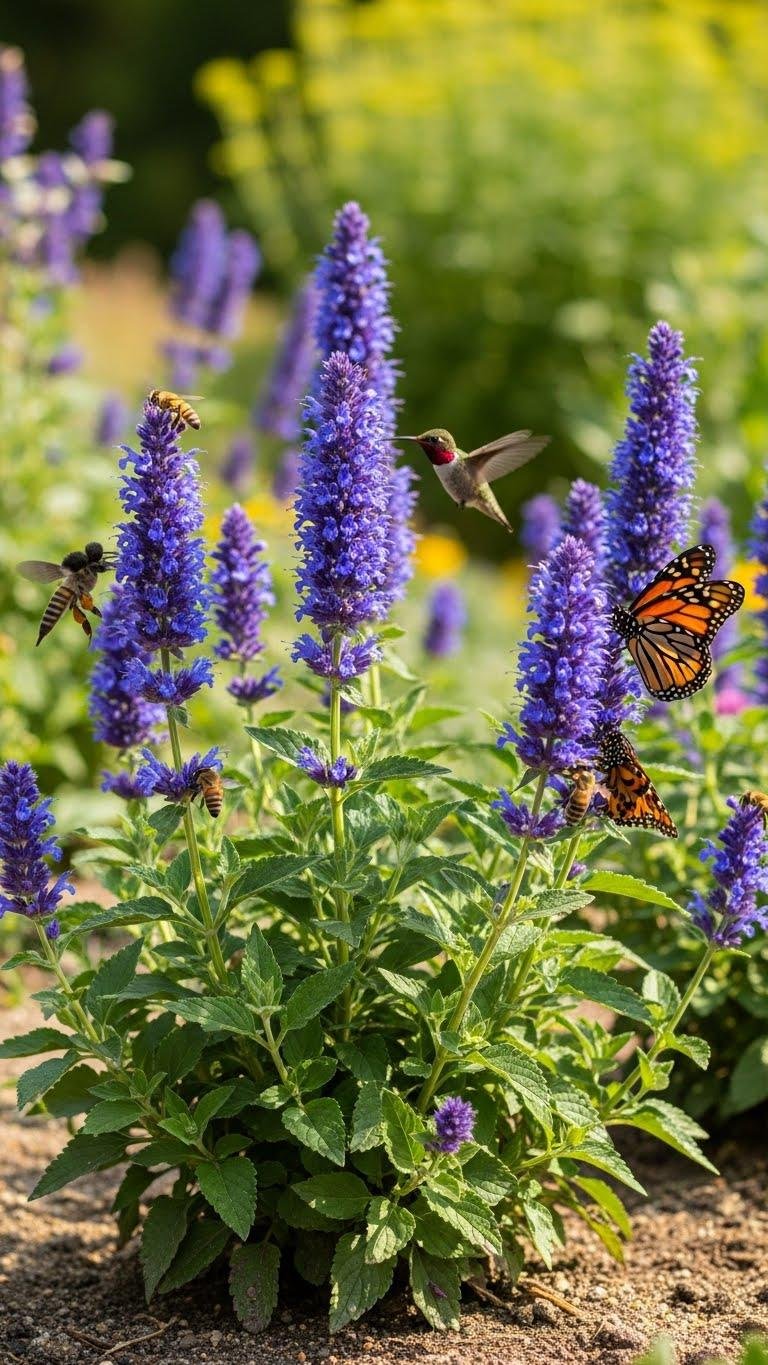
You’ll frequently notice Agastache ‘Blue Boa’ announcing itself with a bold, licorice-like scent that carries across borders on warm evenings; the compact spike-forming perennial combines aromatic foliage and deep blue flower spikes that bees, hummingbirds and butterflies find irresistible.
You’ll plant it in free-draining soil, full sun, minimal water; its licorice aroma boosts pollinator attraction and makes a resilient, low-maintenance sensory focal point.
Hyacinth – Early Spring Fragrance
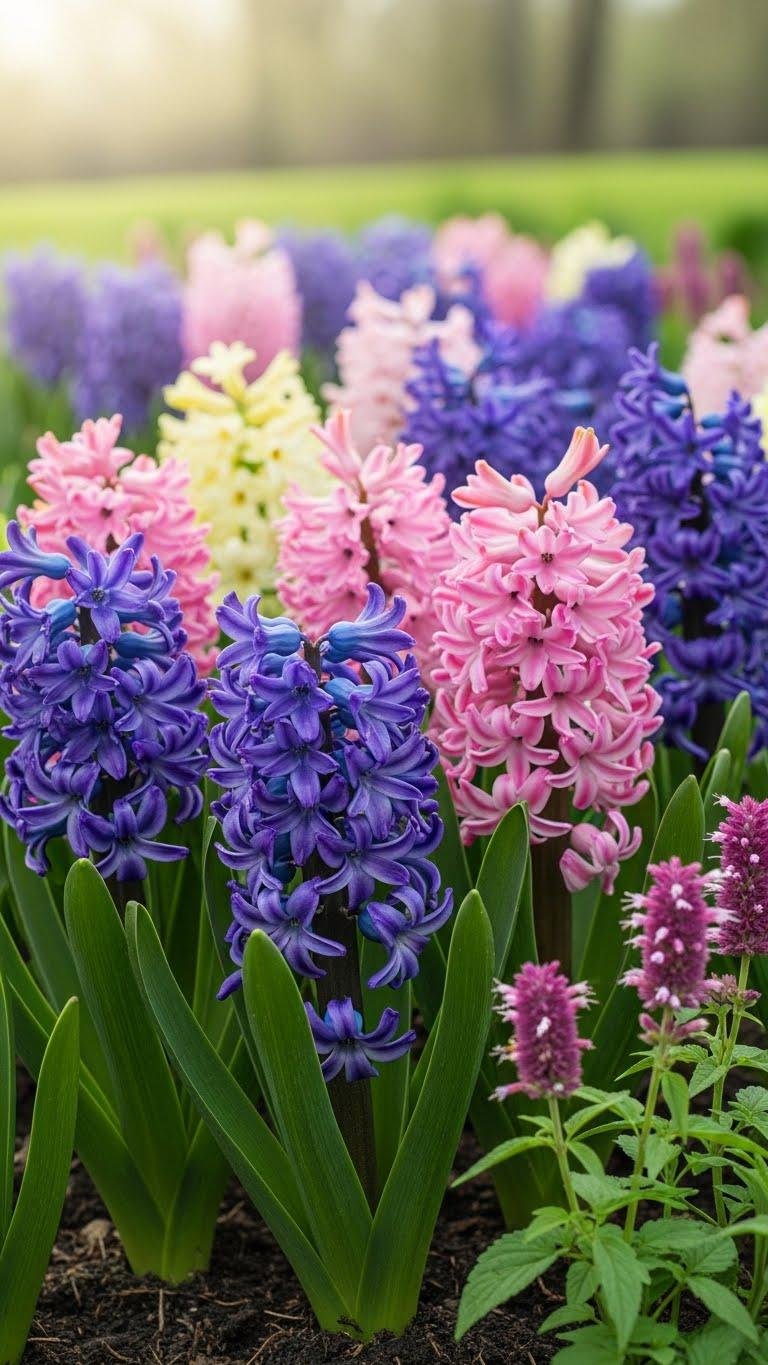
After enjoying Agastache’s warm-evening licorice notes, shift to the cool, intense perfume hyacinths release in early spring—small, bulbous perennials that announce the season with dense flower spikes and a powerful, sweet fragrance.
You’ll plant bulbs autumn-winter for early bloom, choose well-drained sun, and follow strict bulb care: lift in warm zones, store dry, and fertilize lightly after flowering to guarantee robust bulbs and repeat performance.
Groundcover Gardenias – Low-Growing Fragrant Shrubs
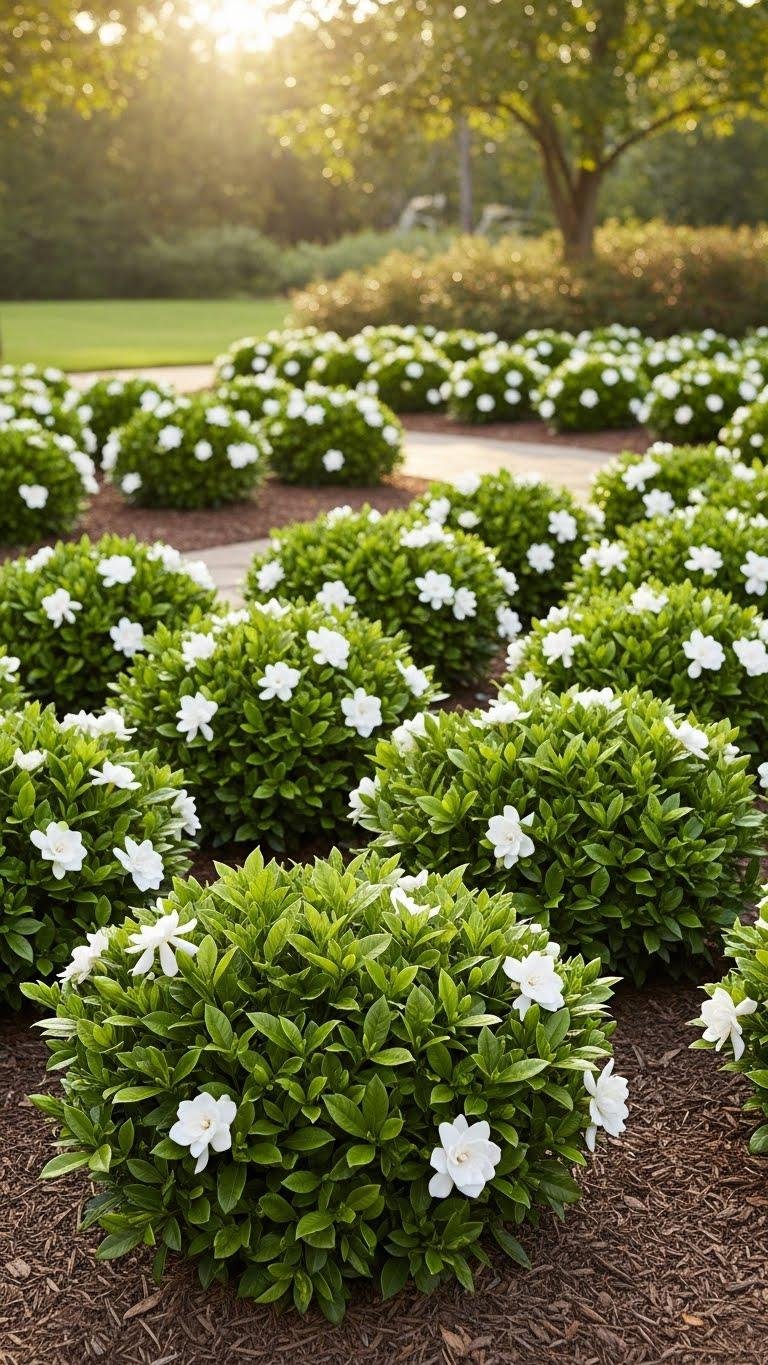
Though groundcover gardenias stay low, their dense mats of glossy leaves and frequent fragrant blooms make them powerful scent-makers along pathways and under eaves. You’ll plant these fragrant groundcover selections where airflow’s good, pruning lightly to maintain spread.
Choose well-draining soil, mulch to retain moisture, and favor shade tolerant cultivars for filtered sun sites so they thrive without fuss.
Double Gardenias – Extra Fragrant Double Blooms
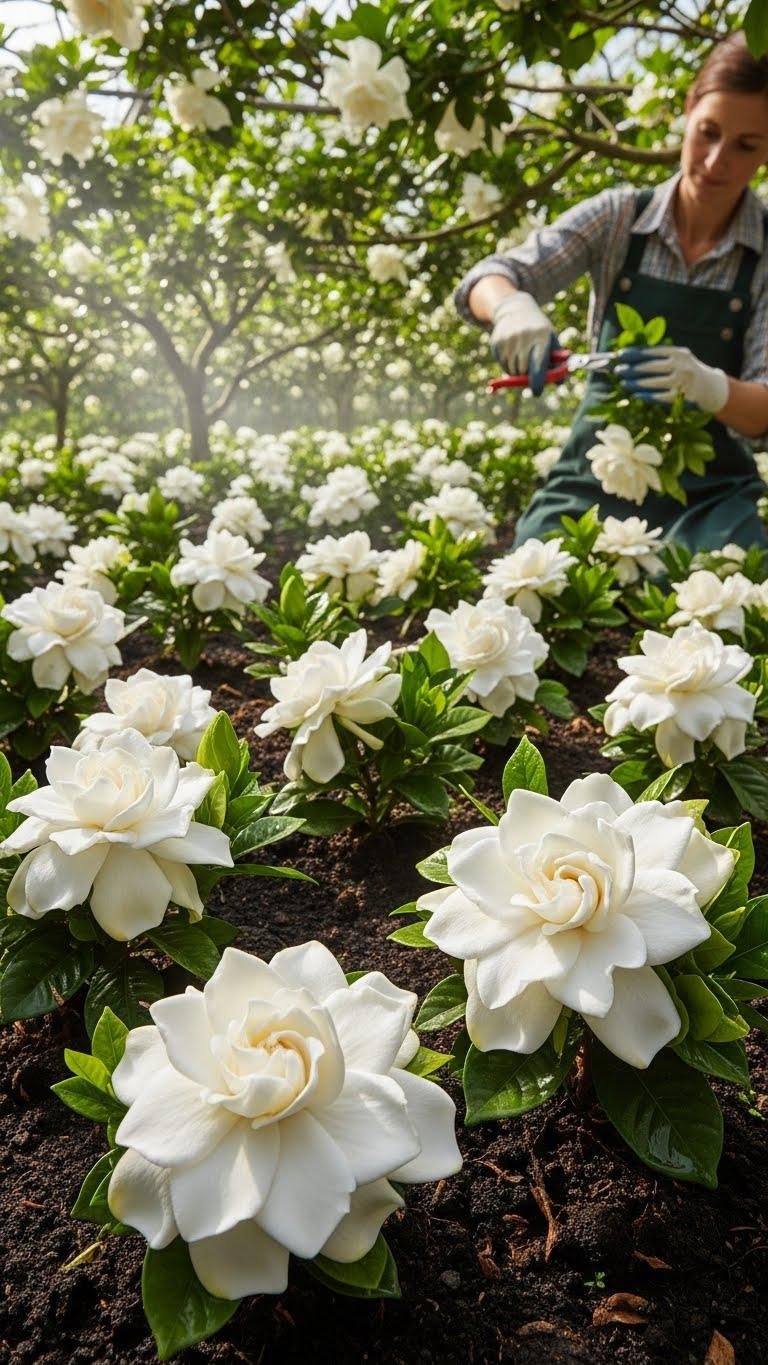
If you love the scent power of groundcover gardenias but want bigger, more ornate flowers, double gardenias give you richly layered blooms with intensified fragrance.
You’ll select sun-filtered sites, rich acidic soil, and steady moisture to maximize scent intensity.
Prune after flowering using light pruning tips to shape plants and promote air flow; avoid heavy cuts to preserve bloom buds and freedom to naturalize.
Thimbleberry (Rubus Odoratus) – Aromatic Foliage
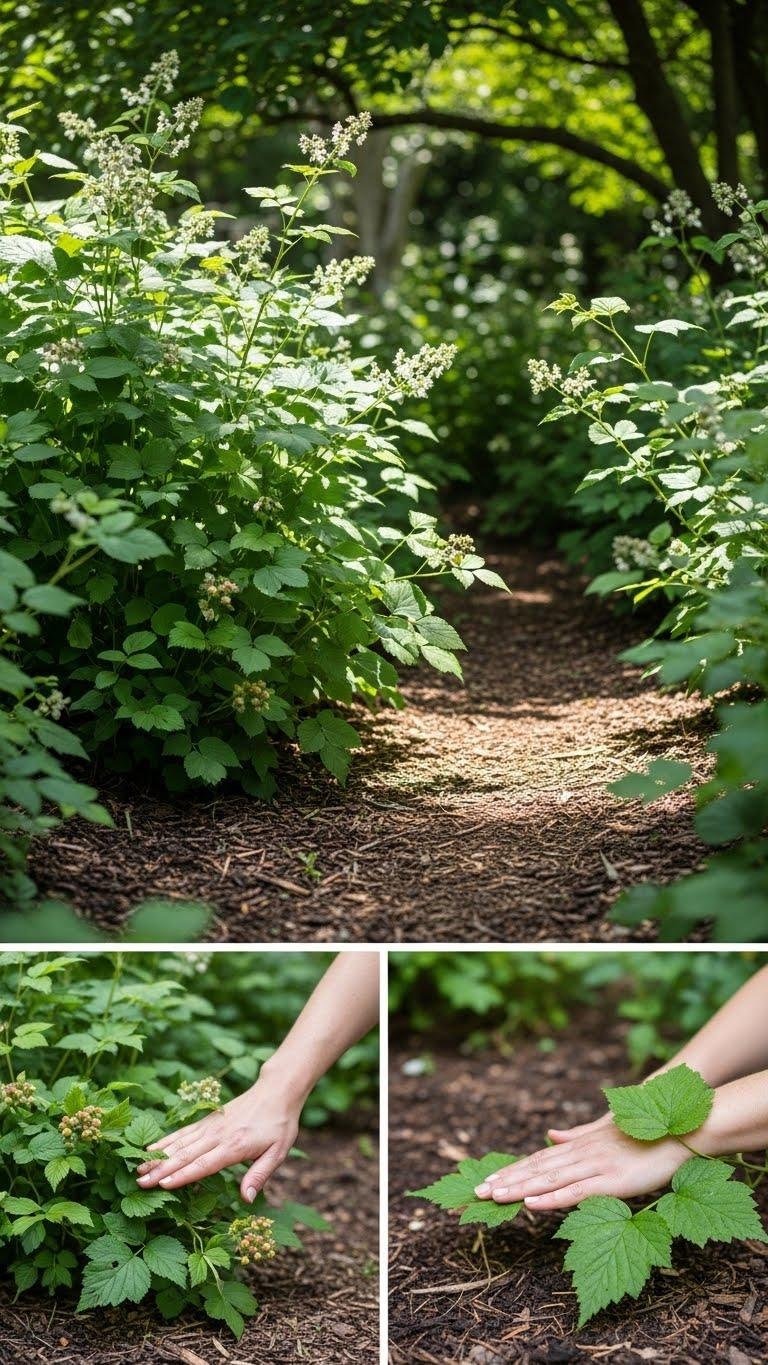
Often overlooked, thimbleberry (Rubus odoratus) rewards a spot in shade-edge plantings with aromatic foliage and airy summer blooms. You’ll appreciate its scented foliage that perfumes paths when brushed.
Prune selectively to encourage airflow, mulch to retain moisture, and tolerate suckering to support berry ecology and wildlife. Plant where freedom of form is welcome; it performs best in rich, well-drained soil with partial shade.
Alyssum – Anise-Scented Leaves When Bruised
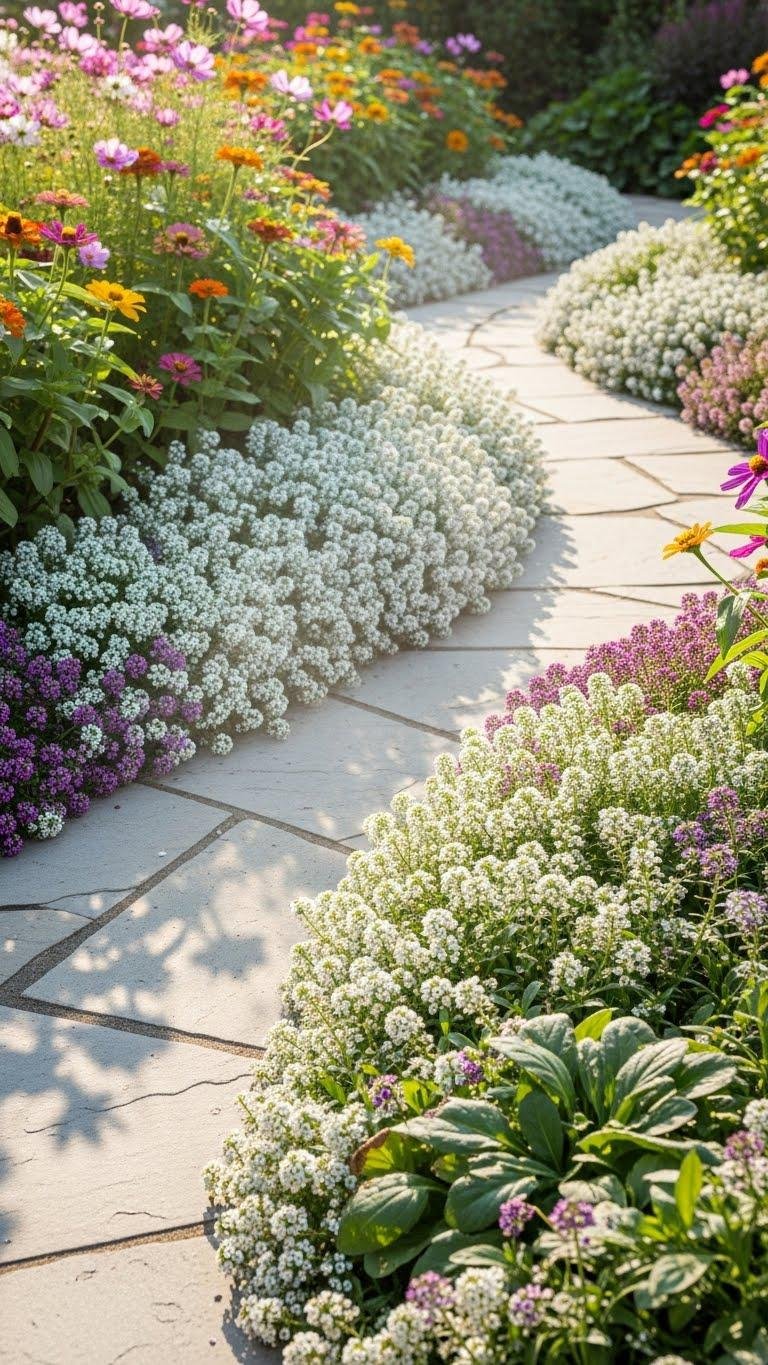
When you brush against alyssum (Lobularia maritima) its crushed leaves give off a clear anise-like aroma, making it a useful low border plant for scented pathways and mixed containers.
You’ll appreciate its compact habit, groundcover potential, drought tolerance and quick flowering. Use it for companion planting with taller annuals to fill gaps, suppress weeds, and freely scent edges without demanding care.
Sicilian Sunshine Bay Laurel – Herbal Aromatic Leaves
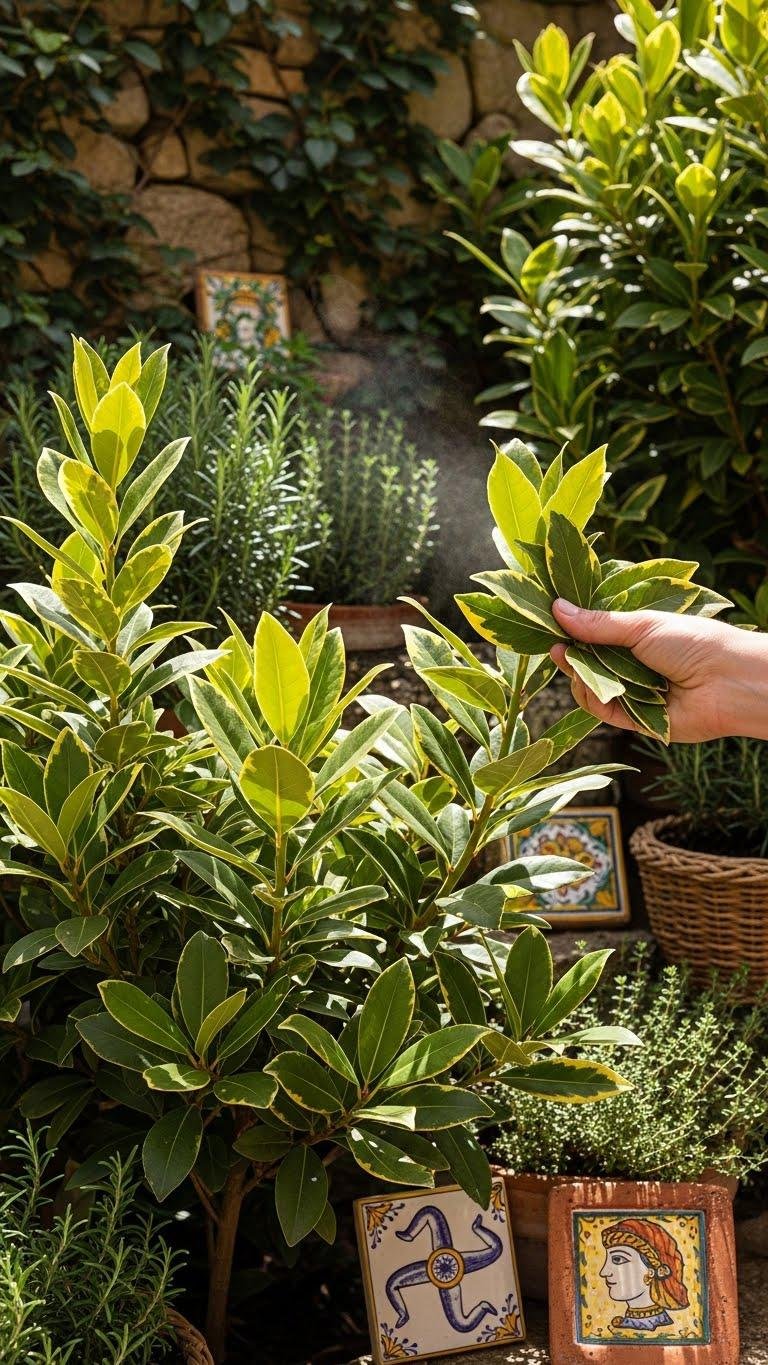
Bring a touch of Mediterranean sun to your garden with the Sicilian Sunshine Bay Laurel (Laurus nobilis ‘Siciliana’ or similar cultivars), a compact, slow-growing shrub prized for glossy, leathery leaves that release a warm, camphorous, slightly citrusy aroma when bruised or cooked.
You’ll prune for shape, prefer full sun and well-drained soil, harvest leaves for culinary uses, and enjoy mediterranean folklore ties.
Osmanthus – Citrus-Sweet Blooms in Fall to Spring
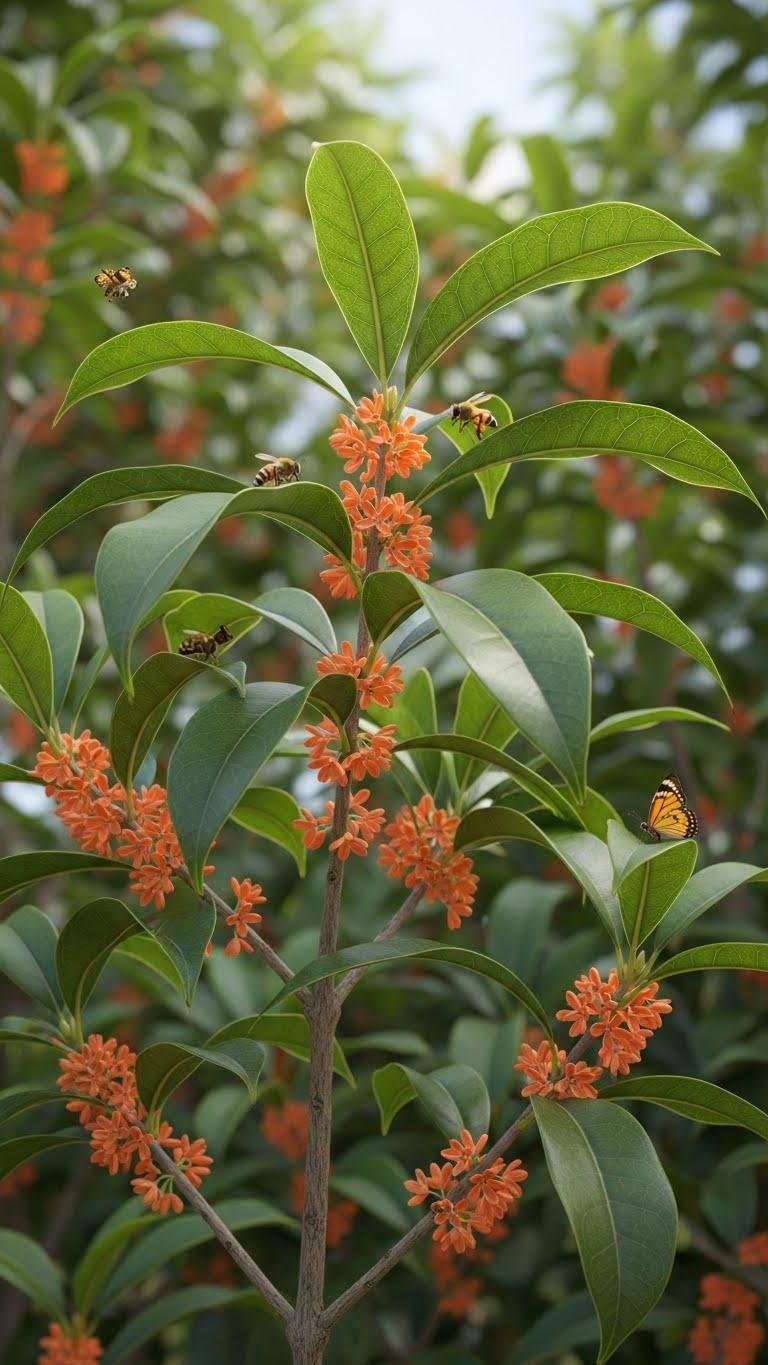
After enjoying the savory, camphorous scent of bay leaves, you’ll appreciate Osmanthus for its contrastingly bright, citrusy fragrance that perfumes gardens from fall into spring.
You’ll learn basic fragrance chemistry: abundant terpenes and lactones produce orange-like notes. Plant it in sun to partial shade, prune for airflow, and mulch. Its long bloom and modest size enhance pollinator attraction while letting you shape a free, scented space.
Changshou Kumquat (Fortunella Obovata) – Fragrant Blossoms

Often overlooked in mixed borders, the Changshou kumquat (Fortunella obovata) rewards you with prolific, fragrant white blossoms in spring that attract pollinators and herald small, edible orange fruits.
For successful kumquat cultivation, site it in full sun with well‑drained soil, water deeply but infrequently, and prune lightly. Encourage blossom pollination by planting pollinator‑friendly flowers nearby and avoiding pesticides.