
You can transform any outdoor space into a sensory oasis by planting 25 aromatic herbs chosen for scent, flavor and ease of care. I’ll point out proven varieties—mints for brightness, rosemary and thyme for Mediterranean warmth, lemon-scented herbs for lift, and pollinator-friendly blooms—plus tips on placement, containers and maintenance so the aromas last through the seasons. Keep going to see the complete list and practical layout ideas.
Peppermint (Mentha × Piperita)
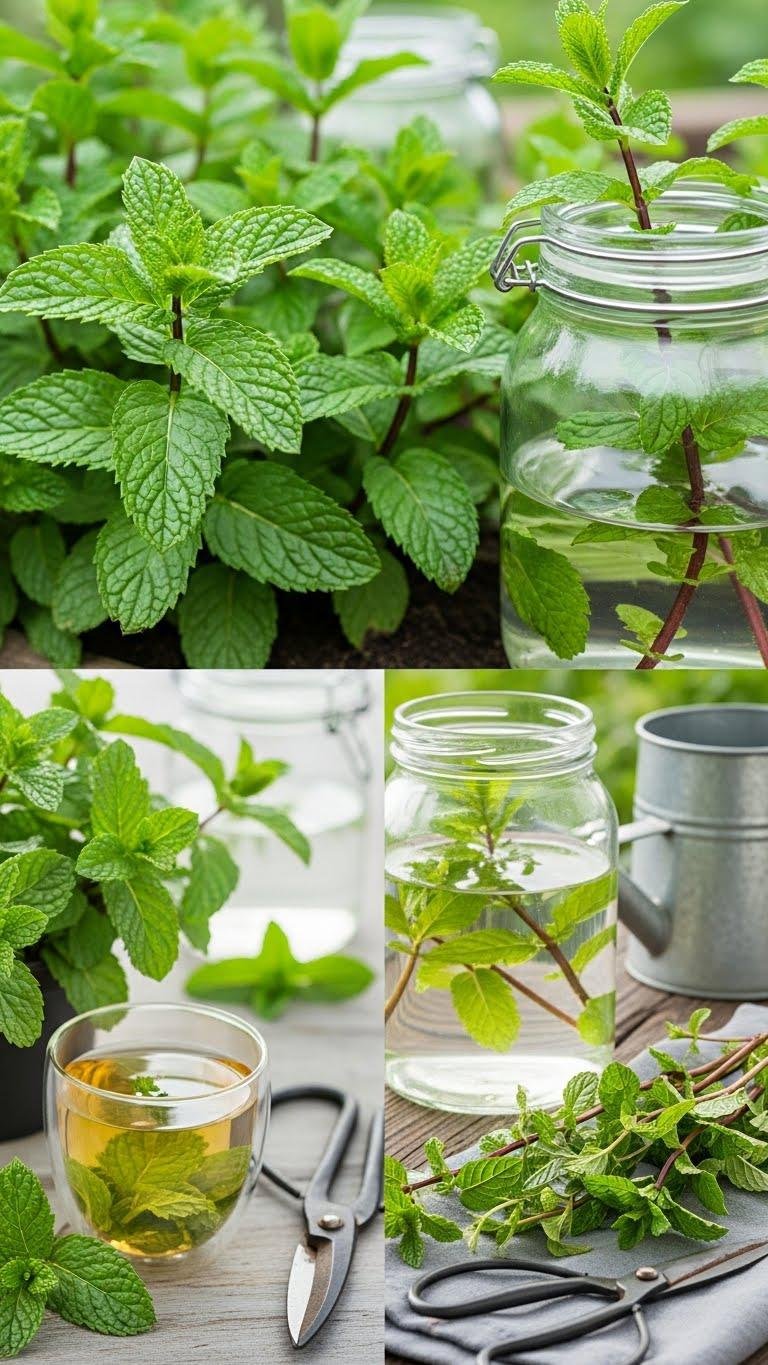
Peppermint (Mentha × piperita) is a vigorous, aromatic perennial prized for its intense menthol scent and versatile culinary, medicinal, and garden uses.
You’ll favor mint propagation by rooting cuttings in water or dividing runners to control spread.
Use leaves for teas, topical salves, and digestive relief; understand medicinal uses while harvesting sustainably so your garden stays abundant and free.
Spearmint (Mentha Spicata)
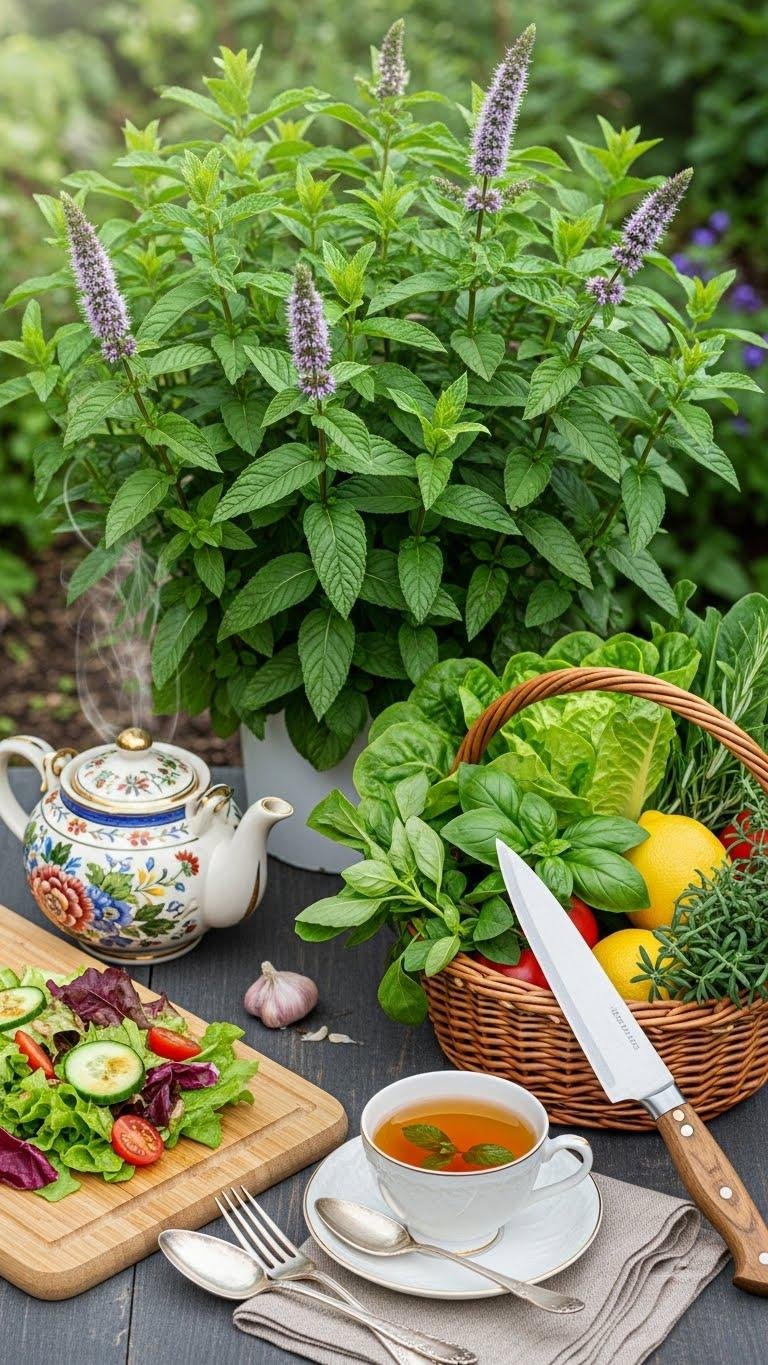
For a cooler, sweeter mint note in your garden and kitchen, plant spearmint (Mentha spicata), a hardy, spreading perennial with lance-shaped leaves and a milder menthol profile than peppermint.
You’ll appreciate its vigorous growth and should contain invasive spread with root barriers or pots.
Harvest readily for teas, salads, sauces and other culinary uses, drying or using fresh to keep flavor bright.
Chocolate Mint (Mentha × Piperita ‘Chocolate’)
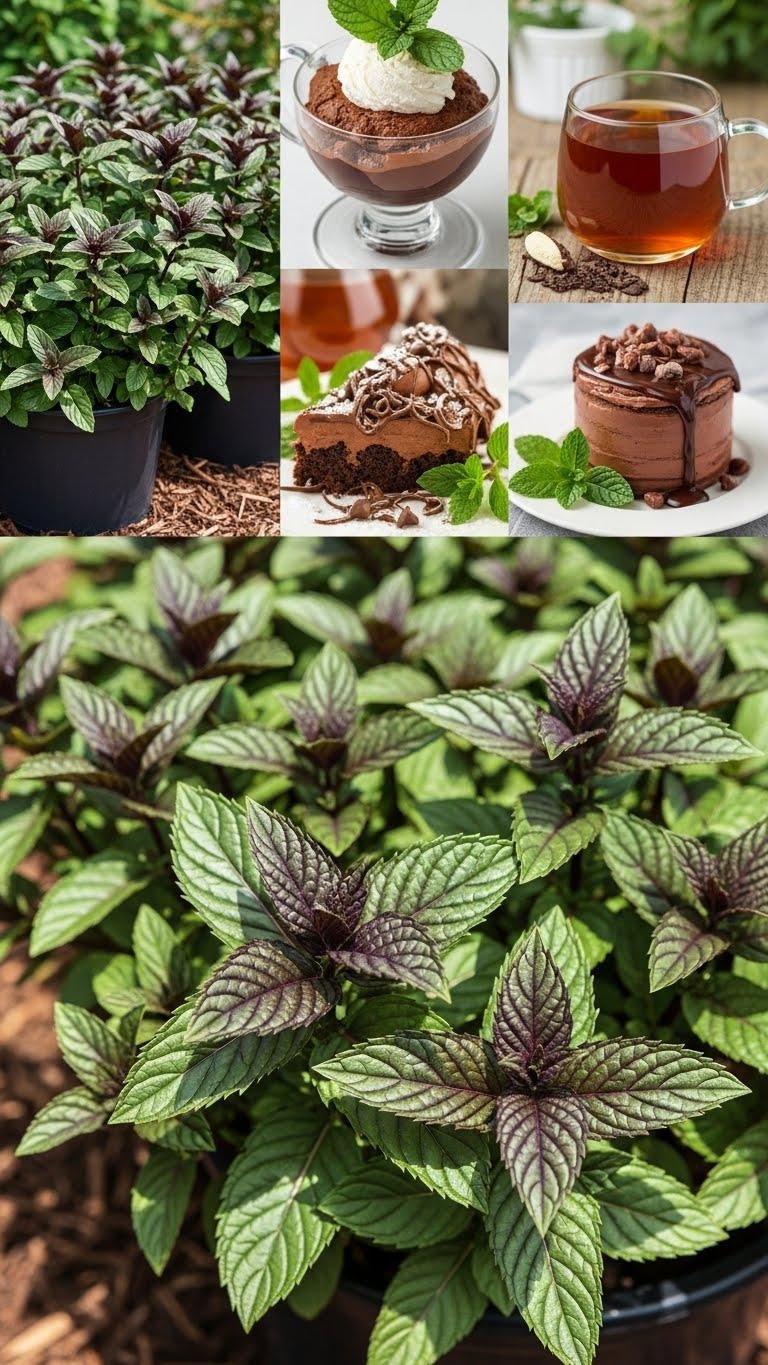
Often overlooked for its novelty, chocolate mint (Mentha × piperita ‘Chocolate’) brings a sweet, cocoa-tinged aroma and flavor to your garden and kitchen while retaining peppermint’s vigor. You’ll harvest leaves for chocolate desserts, teas, and garnishes.
Plant in sun to part shade, prune to prevent legginess, and practice strict container care to contain spread. Mulch and feed lightly for vigorous, free-growing beds.
Orange Mint (Mentha × Piperita ‘Citrata’)
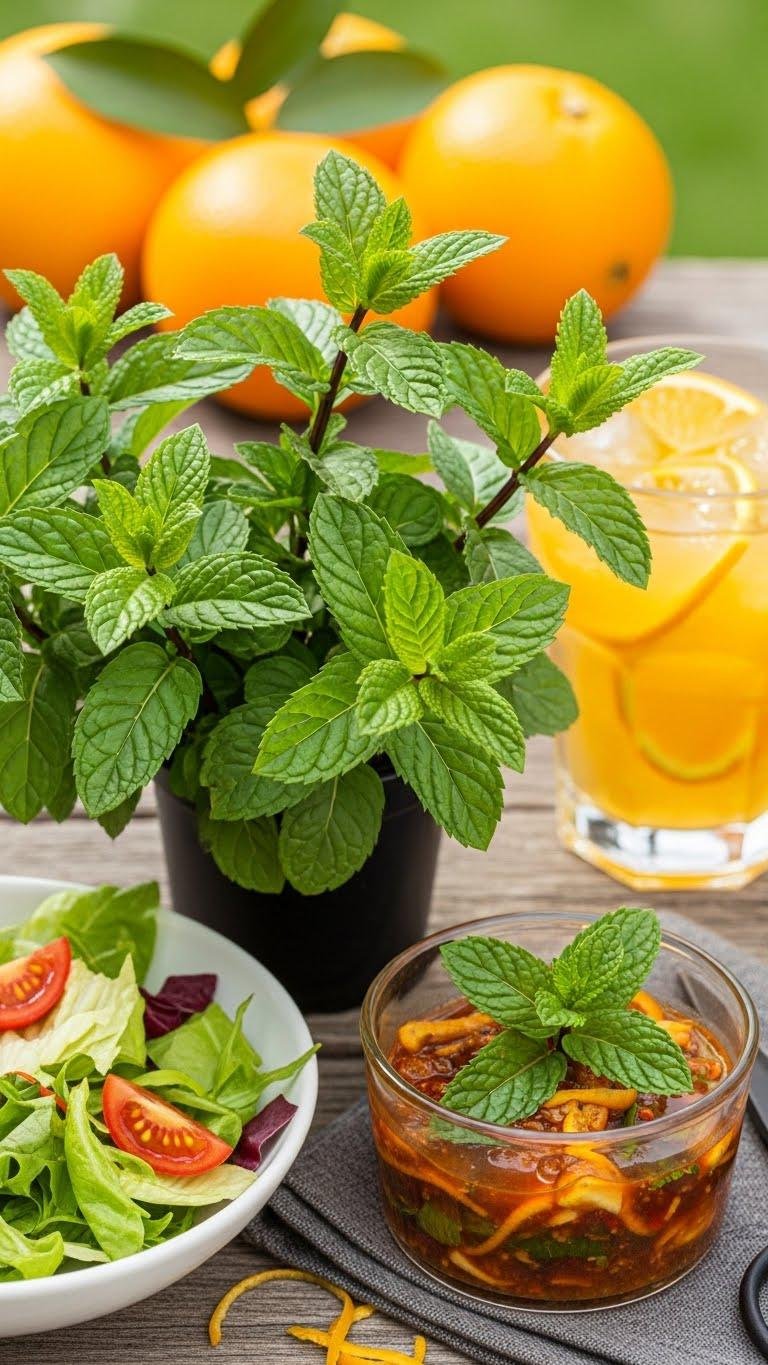
If you enjoyed chocolate mint’s dessert-friendly charm, you’ll appreciate orange mint’s bright, citrusy twist that lifts both savory and sweet dishes. You’ll reap citrus aroma pairing benefits in salads, cocktails, and marinades.
Grow it freely with container cultivation tips: use well-draining soil, partial sun, regular pruning to prevent legginess, and root barriers to control spread. Harvest leaves young for peak zest.
Apple Mint (Mentha Suaveolens)
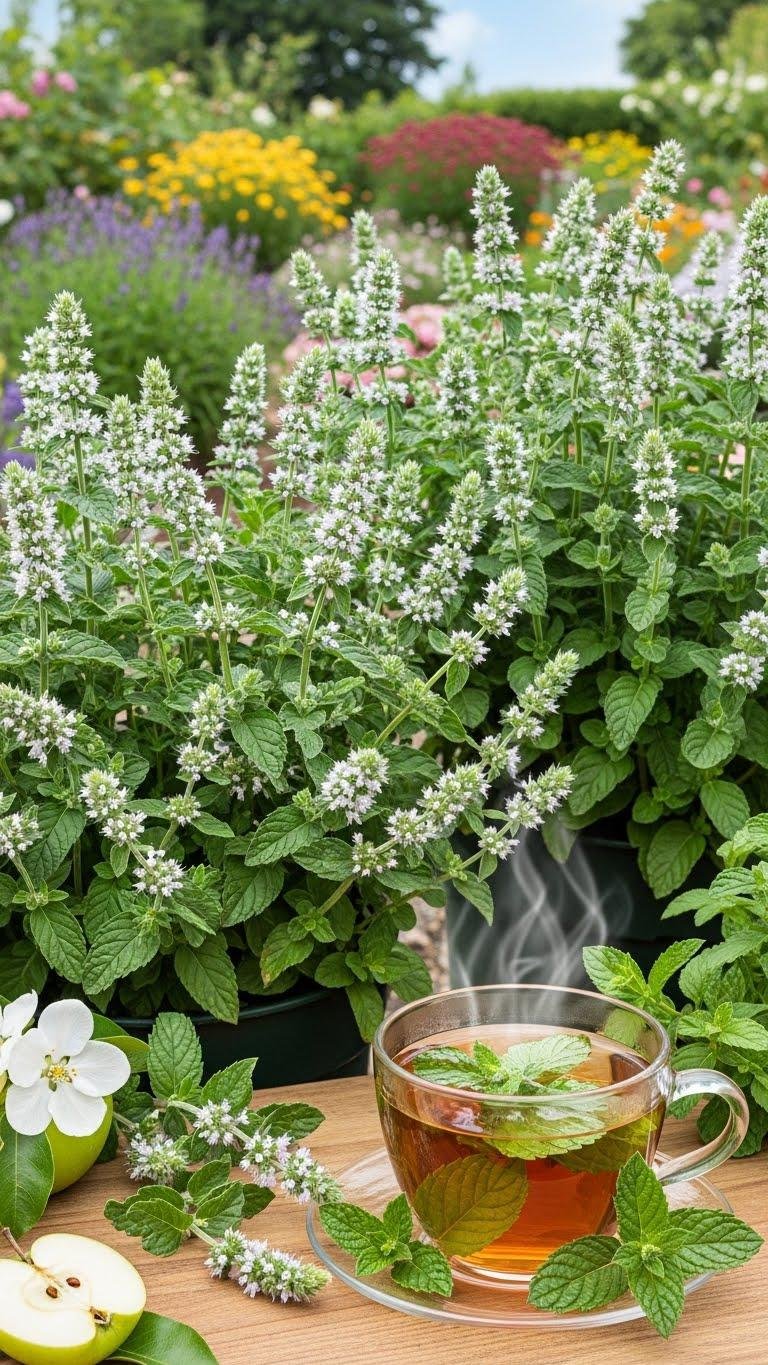
Frequently prized for its sweet, fruity scent, apple mint (Mentha suaveolens) brings a soft, fuzzy texture and gentle apple-like aroma to both drinks and dishes, and you’ll find it especially forgiving in containers and mixed borders.
You can use it for tea uses, exploit its groundcover potential, practice container cultivation for control, and enjoy a mild pest deterrent without sacrificing freedom in the garden.
Moroccan Mint (Mentha Spicata Var. Crispa)
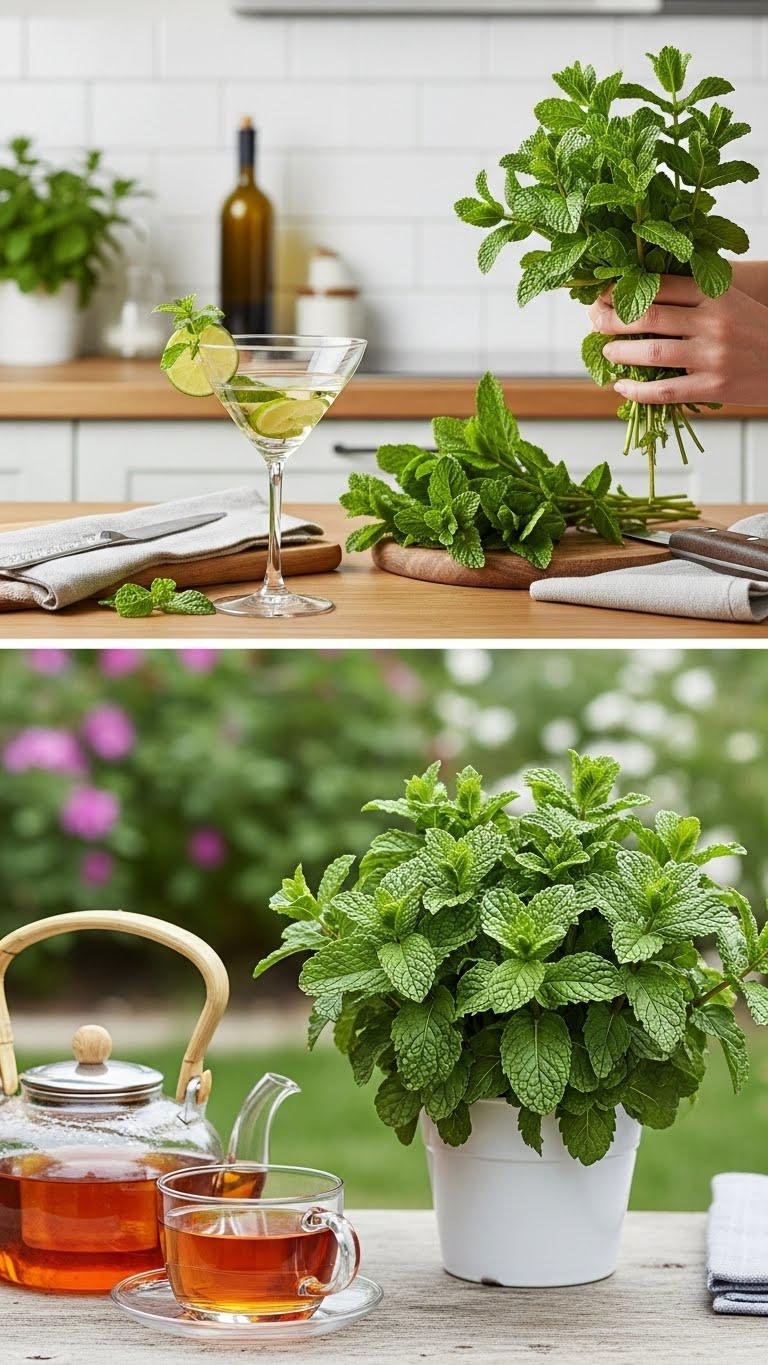
Moroccan mint (Mentha spicata var. crispa) stands out for its bright, cooling flavor and tightly crinkled leaves that make it ideal for tea, cocktails, and savory dishes.
You’ll plant it where it can spread, using companion planting to deter pests and boost nearby herbs.
Know its historical uses in cuisine and medicine, prune regularly, and harvest leaves young for maximum aroma and freedom in the kitchen.
Monardella Odoratissima (Sweet Mint Sage)
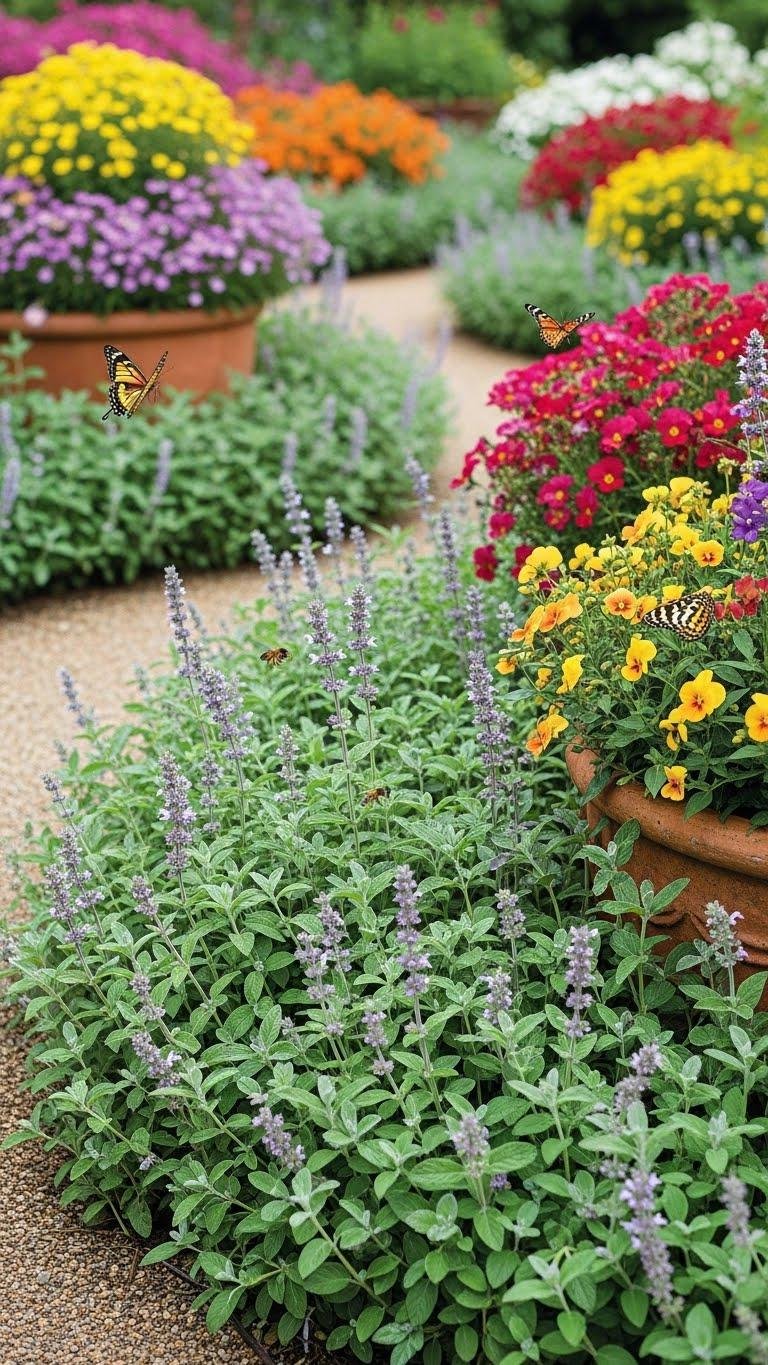
Where Moroccan mint brightens tea and cocktails with crisp, crinkled leaves, sweet mint sage (Monardella odoratissima) offers a more delicate, floral mintiness that works beautifully in borders, containers, and culinary uses.
You’ll plant it as a drought-tolerant fragrant groundcover that hugs paths, requires little care, and attracts bees and butterflies — a true pollinator magnet that lets your garden roam free.
Thyme (Thymus Spp.)
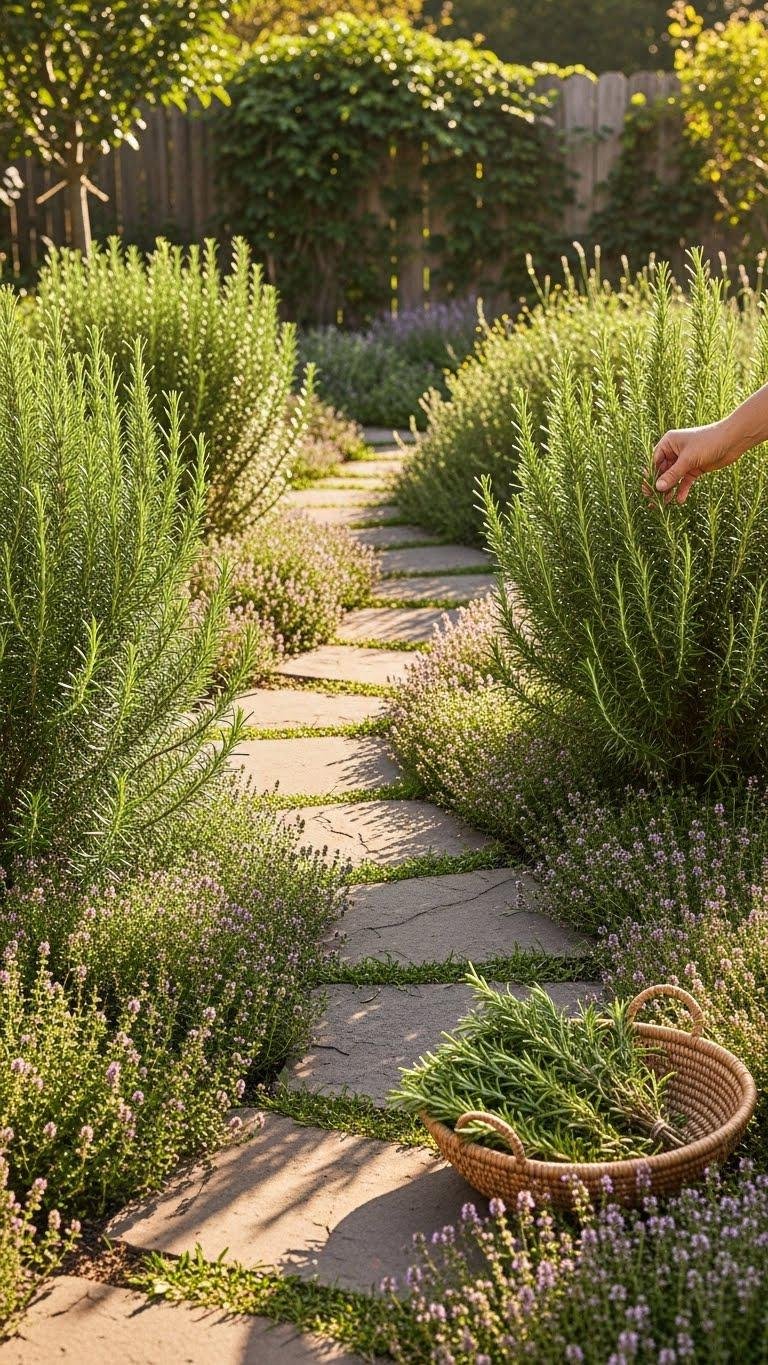
Rosemary’s upright, woody habit and bold scent pair beautifully with thyme’s low, mat-forming habit and subtle, lemony notes, so plant them together where contrasting textures and flavors will complement each other.
You’ll manage thyme easily: give full sun, sharp drainage, and light pruning. Use it for culinary uses, fragrant paths, and efficient groundcover planting that lets you wander, harvest, and enjoy freedom in your garden.
Lavender (Lavandula Spp.)
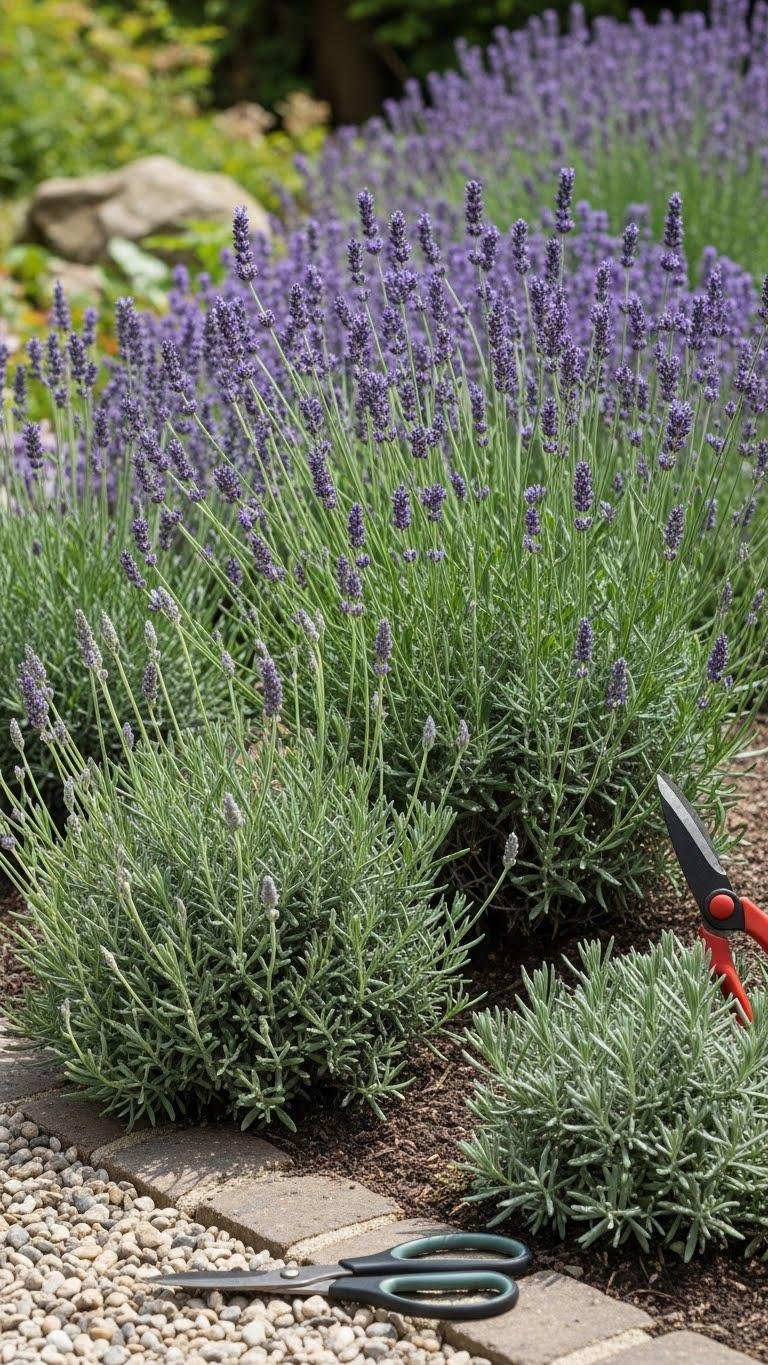
Plant lavender for its silvery foliage, aromatic flower spikes, and reliable drought tolerance — it’s ideal for sunny borders, gravel gardens, and fragrant cutting beds.
You’ll enjoy low-maintenance care: full sun, sharp drainage, and minimal feeding.
Embrace its drought tolerance and freedom to shape plantings; follow seasonal pruning tips to prevent woodiness and prolong bloom, cutting back into green growth each spring.
Lemon Balm (Melissa Officinalis)
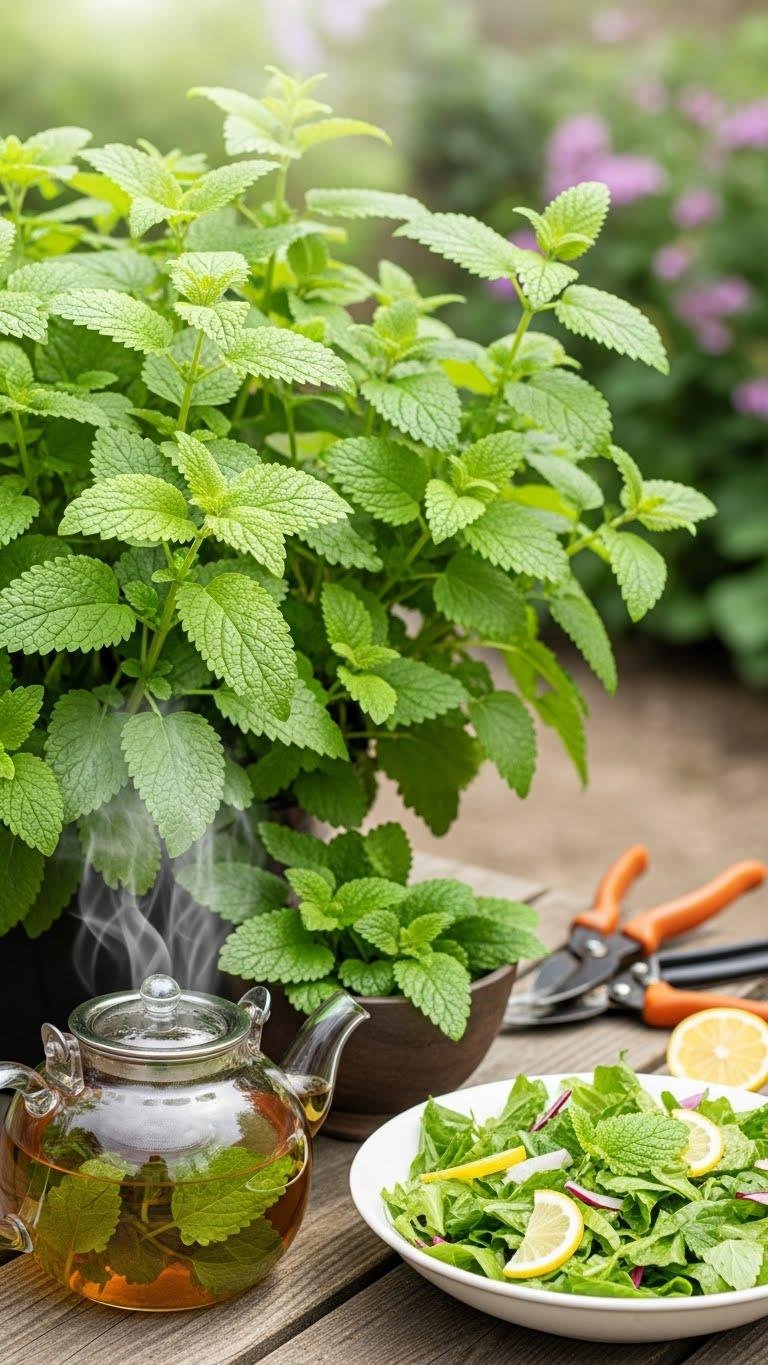
Frequently found in cottage and herb gardens, lemon balm (Melissa officinalis) offers a bright, lemon-scented foliage you’ll use fresh or dried for teas, salads, and potpourri.
You’ll grow it easily in sun or partial shade, prune to prevent scrambling, and harvest leaves often. Note medicinal uses like mild calming teas and culinary applications in dressings; it rewards low-effort, liberating gardening.
Lemon Verbena (Aloysia Citriodora)
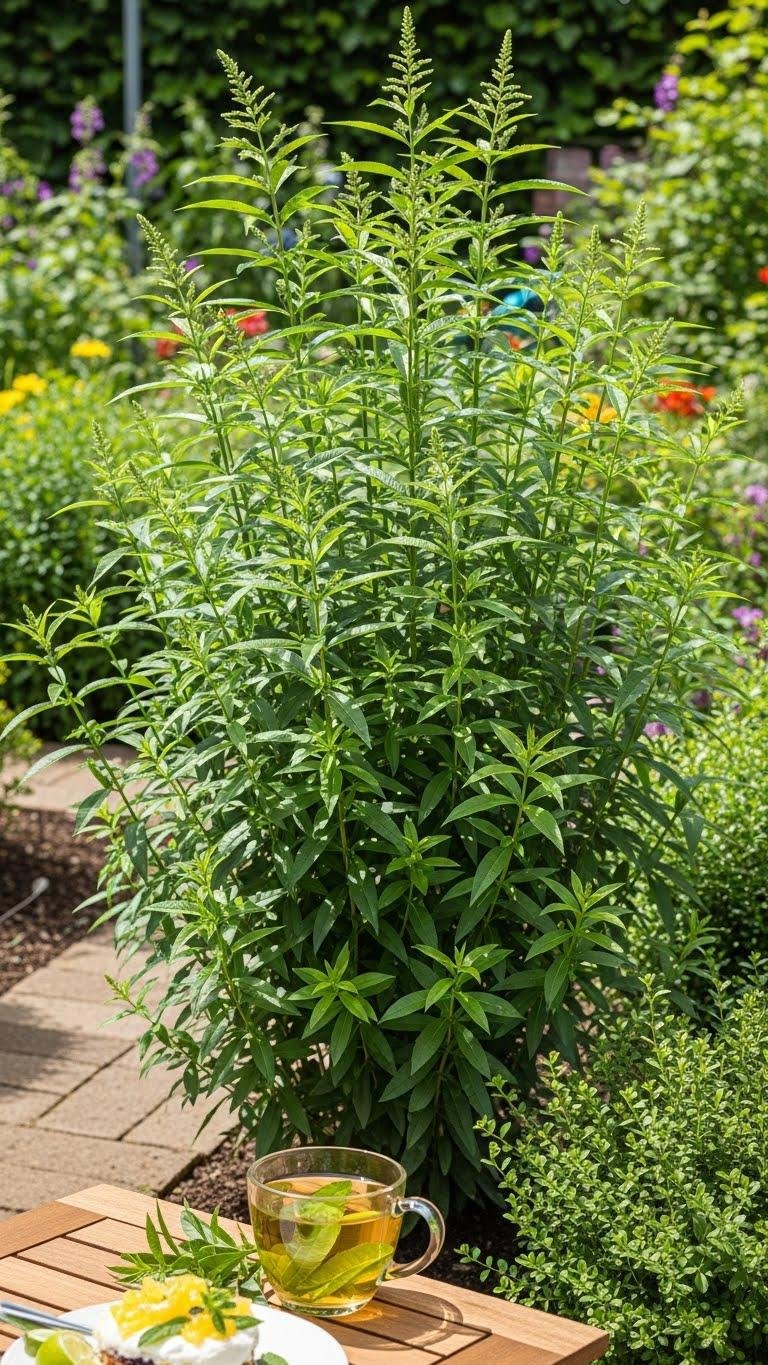
If you enjoy lemon balm’s bright, easy-care charm, you’ll appreciate lemon verbena (Aloysia citriodora) for its stronger, more pronounced citrus aroma and taller, shrub-like habit.
You’ll harvest leaves for tea and desserts—culinary uses that elevate simple freedom in the kitchen.
Plant it in full sun with well-draining soil, prune to shape, and follow container care: regular watering, feeding, and winter protection for roots.
Verbena Bonariensis
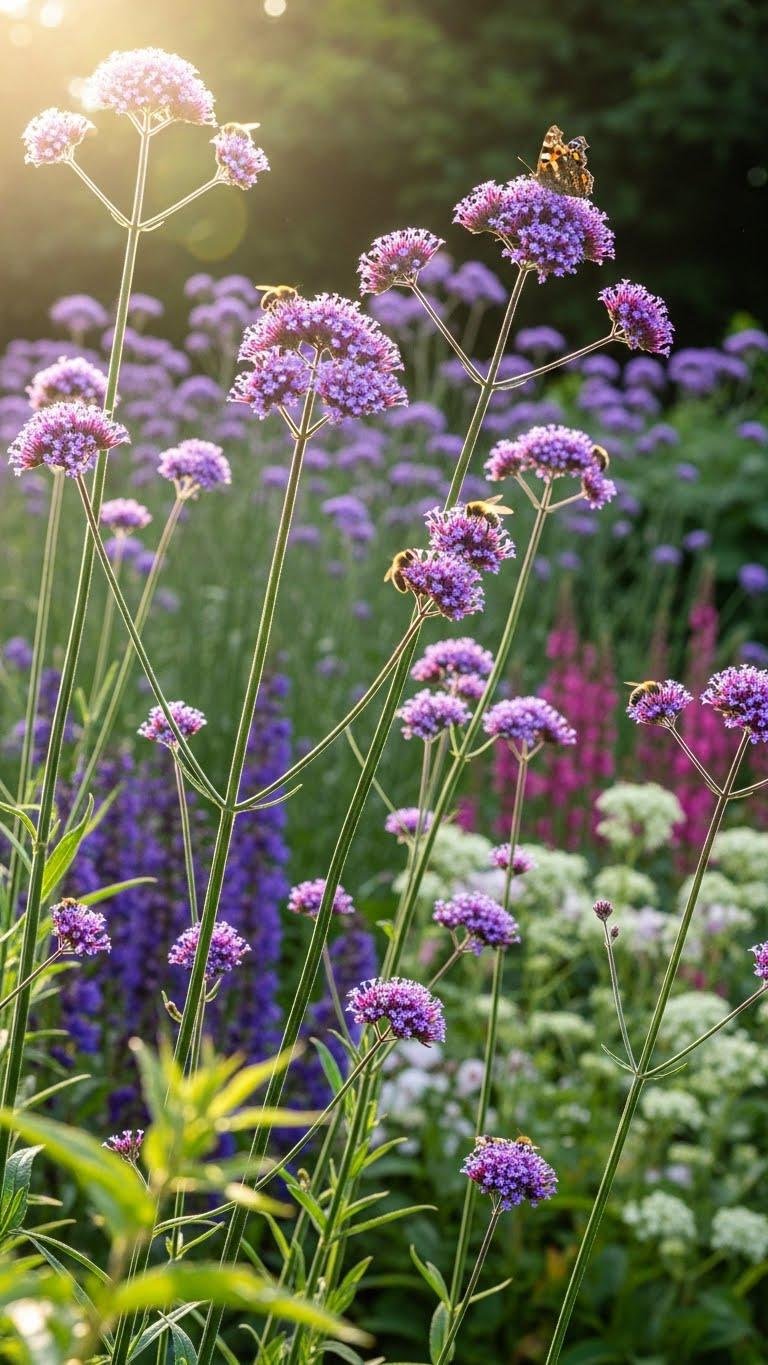
Often towering above mixed borders, Verbena bonariensis offers lanky stems topped with clusters of tiny purple flowers that attract pollinators and give a garden airy vertical interest.
You’ll appreciate its tall flowerheads and freedom-friendly habit: plant in sun, provide well-drained soil, deadhead lightly to control self-seeding, and watch this pollinator magnet support bees and butterflies while adding effortless height and movement.
Chamomile (Matricaria Chamomilla)
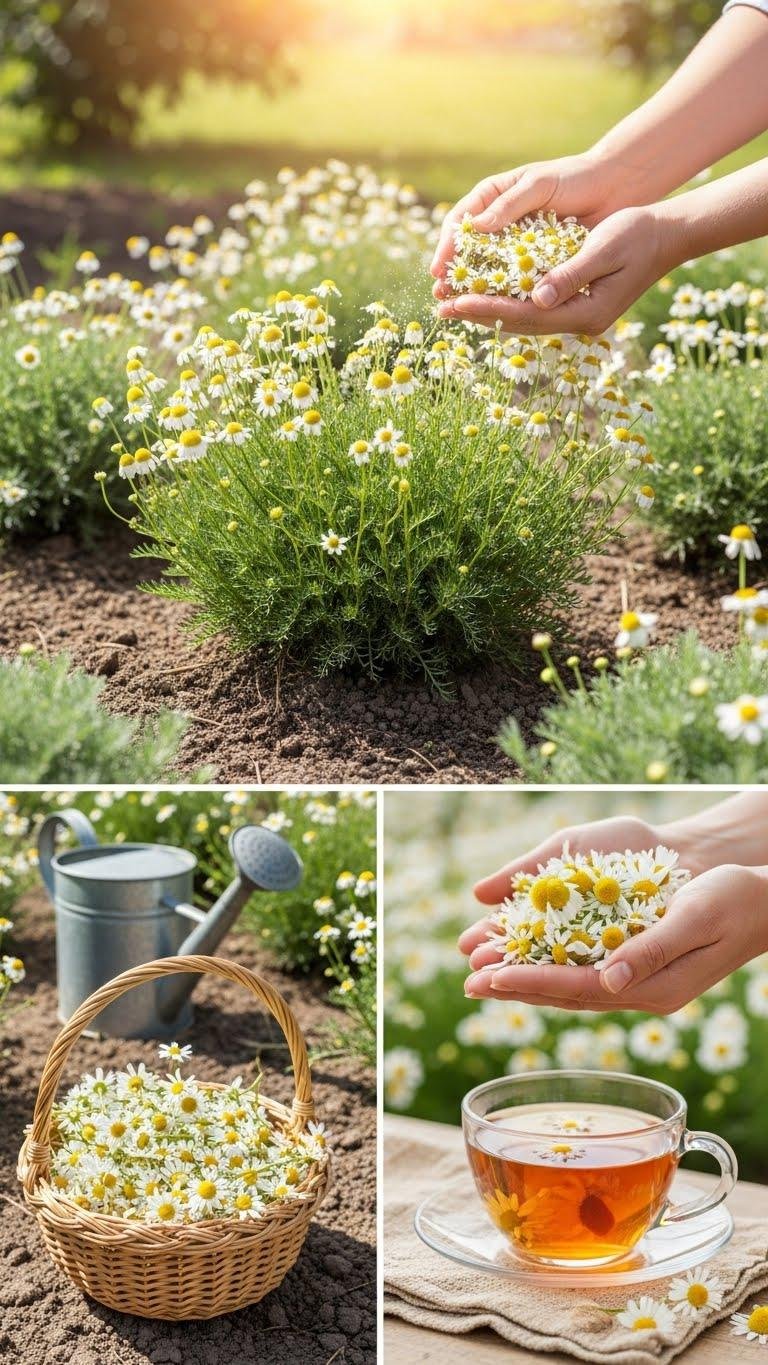
Sow chamomile (Matricaria chamomilla) in full sun to light shade and you’ll get a low, feathery annual with frothy white daisy-like blooms that smell pleasantly apple-like when crushed.
You’ll grow organic chamomile for dry, airy soil, regular watering, and light trimming.
Harvest flowers at peak bloom for calming evening teas; dry quickly, store airtight, and brew loose for true freedom of flavor.
Basil (Ocimum Basilicum)
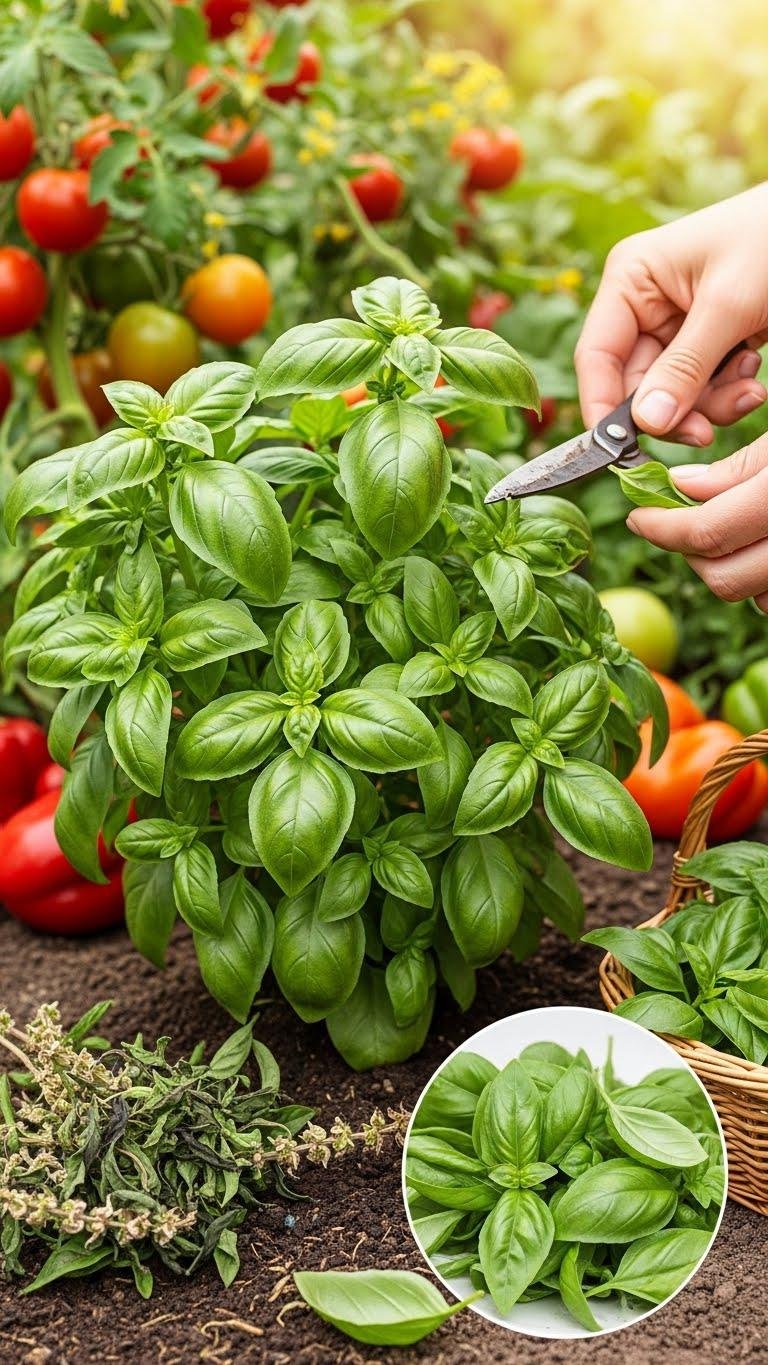
Start basil (Ocimum basilicum) in warm, well-drained soil with plenty of sun and you’ll get a fast-growing, aromatic annual prized for its glossy leaves and intense flavor.
You’ll prune regularly to encourage bushy growth, use companion planting with tomatoes and peppers, harvest before flowering for flavor preservation, and dry or freeze leaves for year-round use while keeping plants vigorous and free.
Hyssop / Agastache (Agastache Spp.)
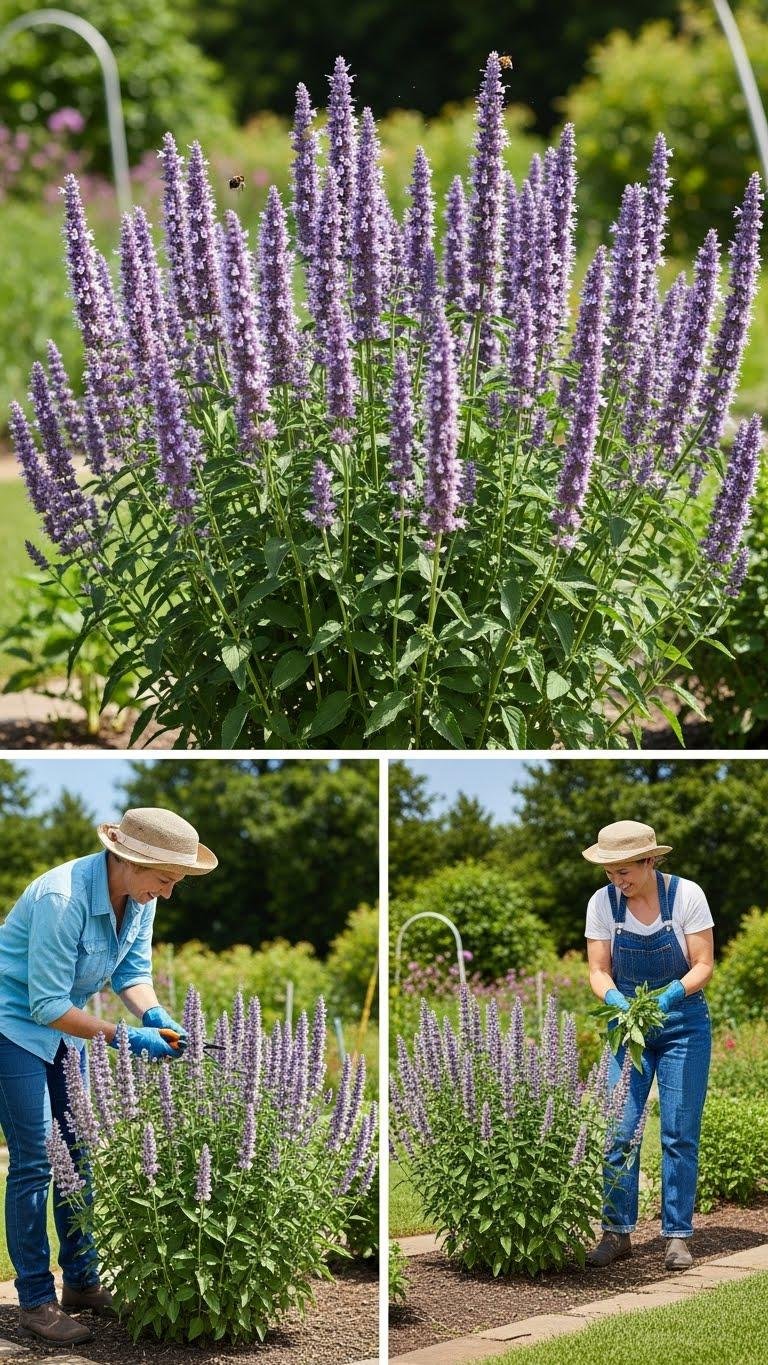
When given full sun, well-drained soil, and good air circulation, hyssop (Agastache spp.) rewards you with tall spikes of aromatic foliage and nectar-rich flowers that attract pollinators and dry beautifully for teas and sachets. You’ll enjoy reliable pollinator magnetism, strong drought tolerance, and low-maintenance growth.
Prune spent blooms to extend flowering, divide clumps every few years, and harvest leaves when oils peak at midday.
Agastache Rupestris (Licorice Mint Hyssop)
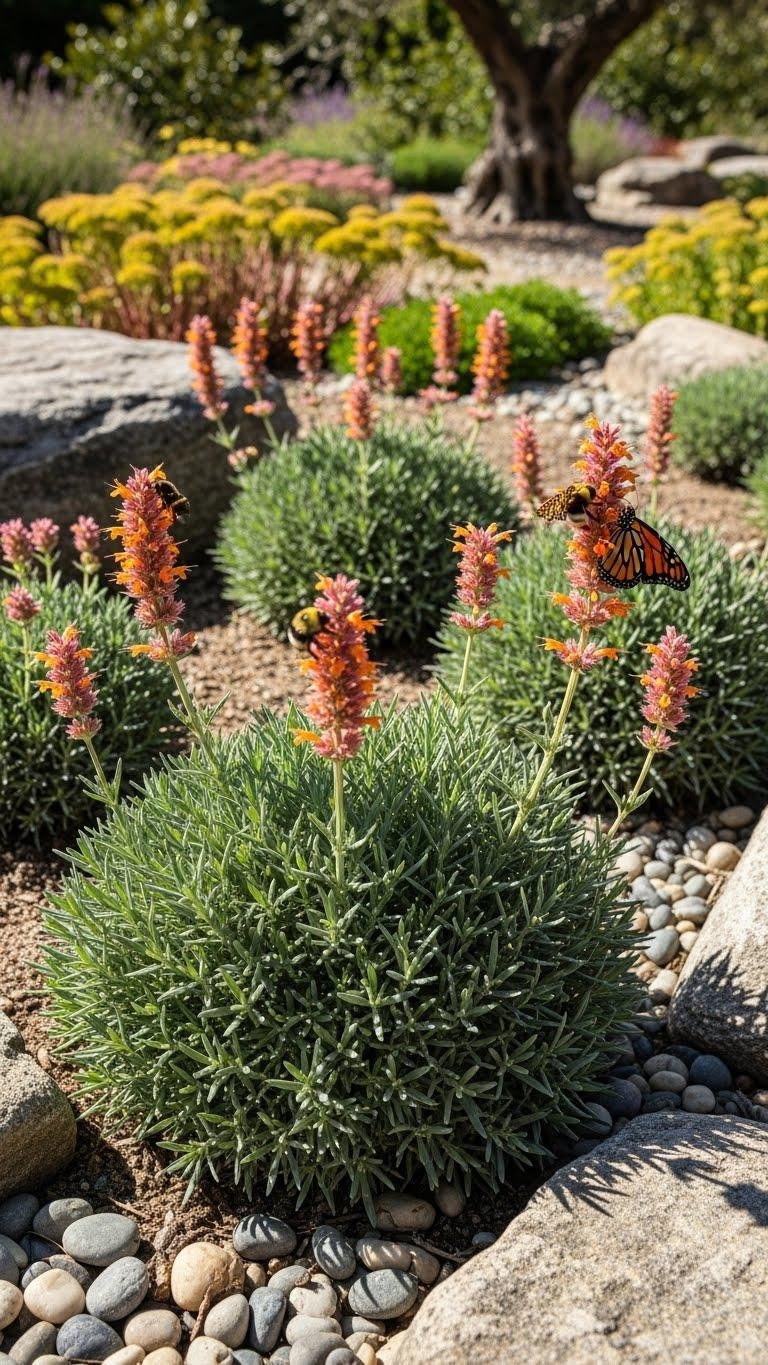
If you loved the pollinator appeal and aromatic foliage of common Agastache, you’ll find Agastache rupestris — licorice mint hyssop — a particularly striking choice for sunny, dry borders and rock gardens.
You’ll enjoy spicy, licorice-scented leaves, compact mounds, and upright flower spikes that boost pollinator attraction. It’s low-maintenance, shows excellent drought tolerance, and lets you craft a fragrant, resilient landscape with minimal fuss.
Bee Balm / Bergamot (Monarda Didyma)
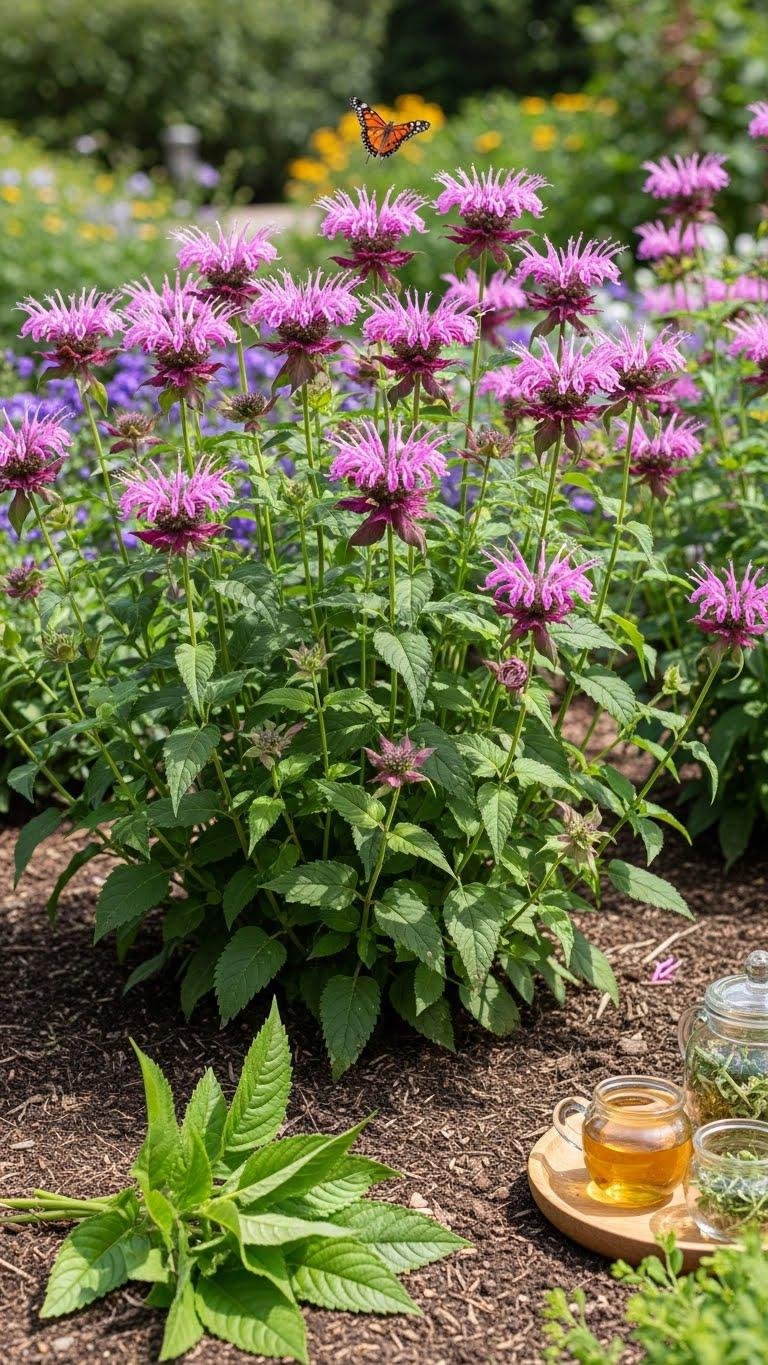
Pull a patch of Monarda didyma into your sunny border and you’ll get bold, fragrant color that hummingbirds, bees, and butterflies can’t resist.
You’ll enjoy strong pollinator attraction, easy care in well-drained soil, and regular deadheading to prolong blooms.
Harvest leaves for tea; note documented medicinal uses like mild antiseptic and digestive support.
Plant in clumps for freedom to roam and naturalize.
Borage (Borago Officinalis)
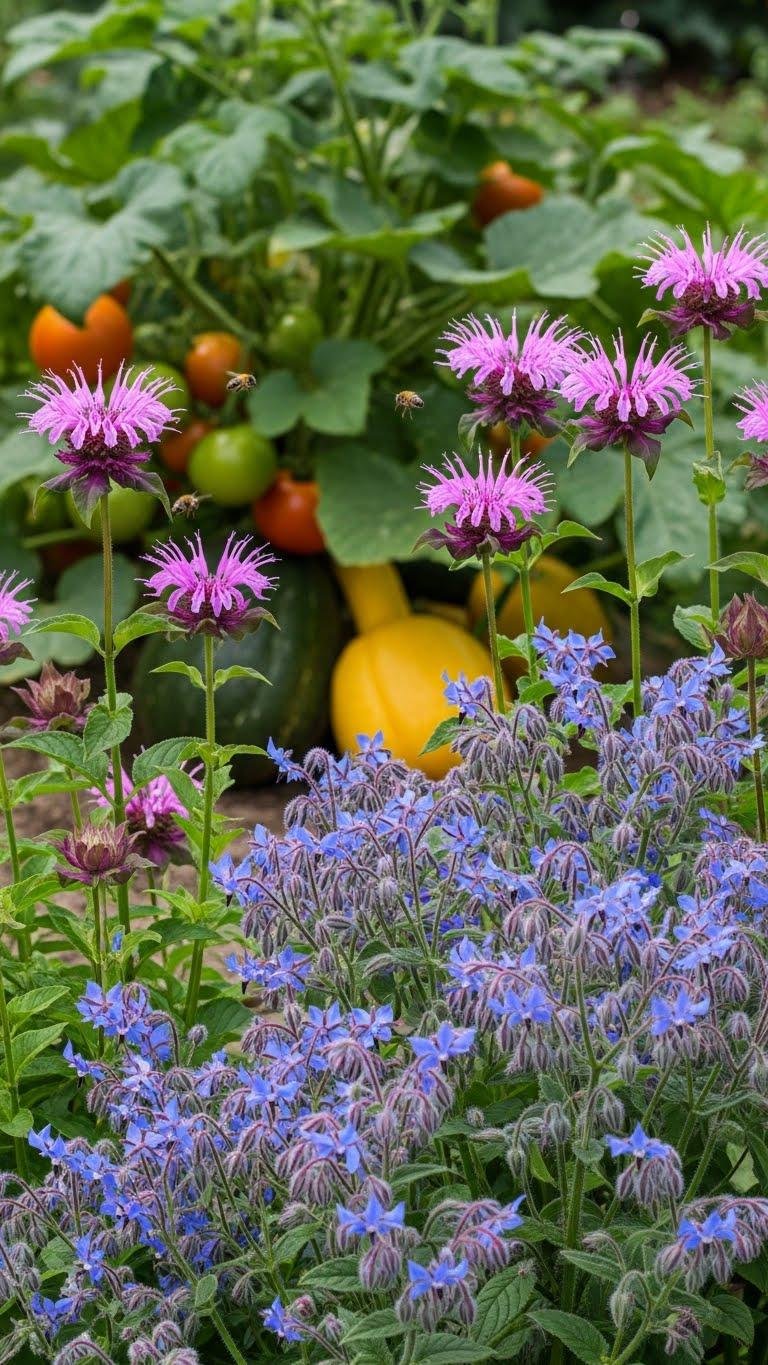
After enjoying the showy, nectar-rich Monarda in your sunny border, consider sowing borage nearby to extend pollinator interest and add edible charm.
You’ll get effortless, blue star blooms that attract bees, serve as edible flowers in salads or cocktails, and self-seed for next season.
Use borage in companion planting with tomatoes and squash to deter pests and boost vigor while keeping your garden free.
Catnip (Nepeta Cataria)
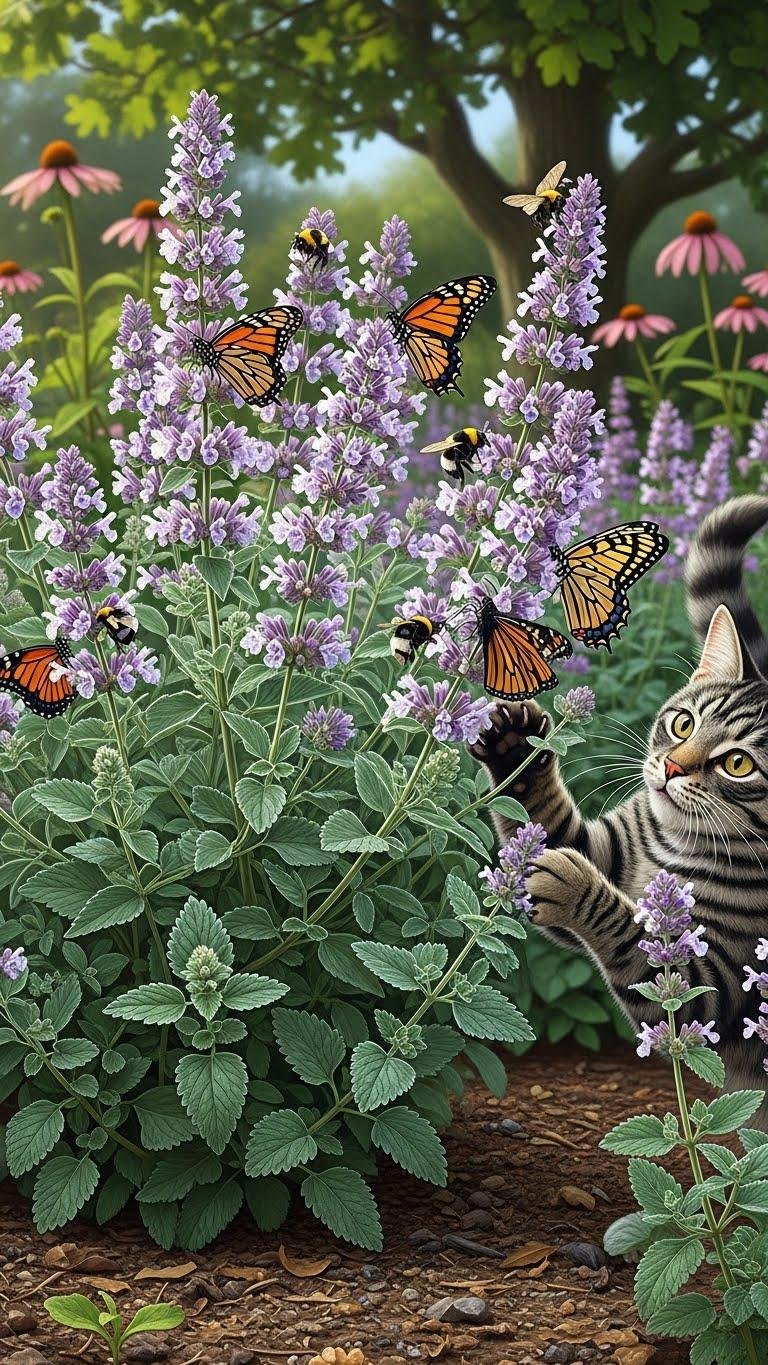
Give catnip a sunny to partly shaded spot with well-drained soil and you’ll get a vigorous, low-maintenance perennial that’s both useful and entertaining: Nepeta cataria produces gray-green foliage and spikes of small, lavender-white flowers that attract pollinators while its volatile oils reliably charm cats. You’ll use it for companion planting, pest deterrence and feline enrichment, pruning to contain spread and encourage bloom.
Chives (Allium Schoenoprasum)

Paragraphs
Yarrow (Achillea Millefolium)
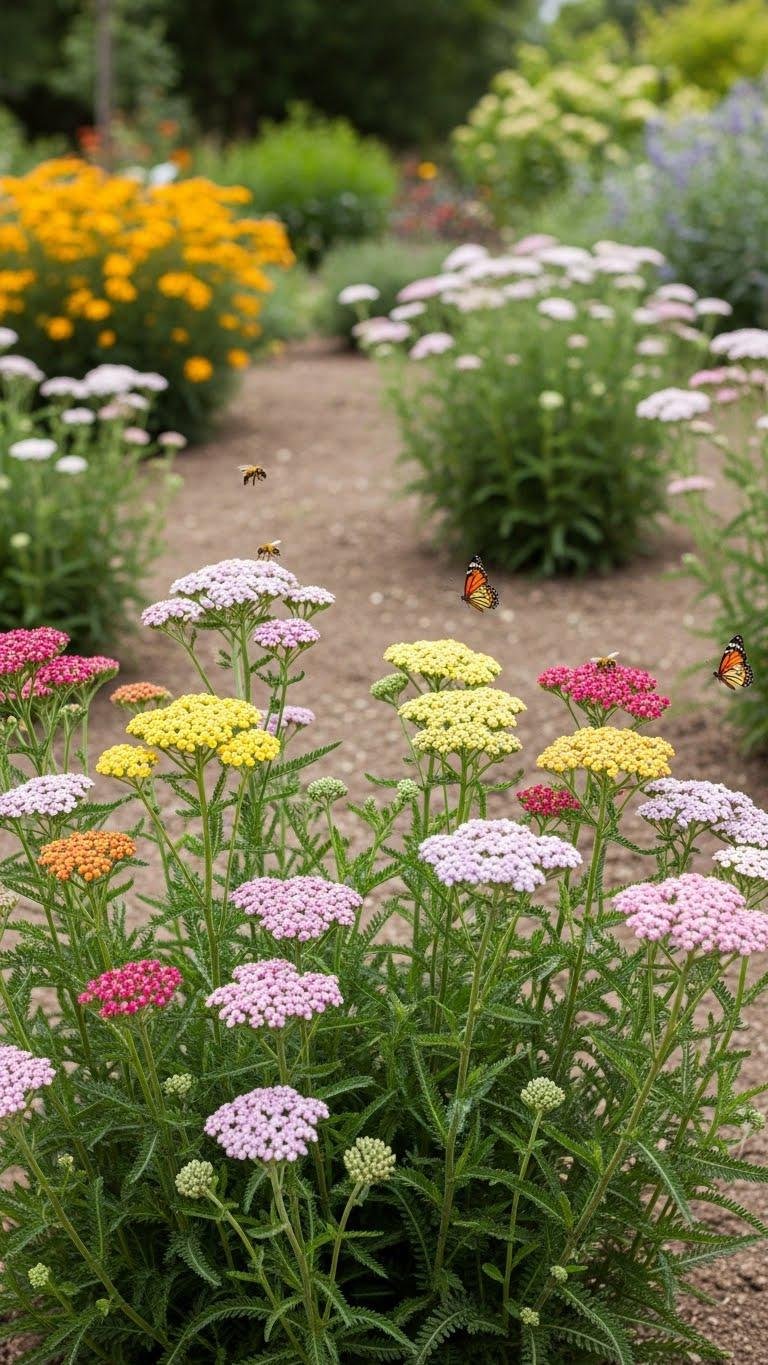
Although yarrow tolerates poor soil and drought, you’ll get the best blooms and foliage when you plant it in well‑drained soil with full sun to light afternoon shade.
You’ll enjoy its long flowering, low maintenance and excellent drought tolerance.
Use yarrow in companion planting to attract pollinators, reduce pests, and create open, liberated beds where you control spacing and pruning for airy, fragrant borders.
Fennel (Foeniculum Vulgare)
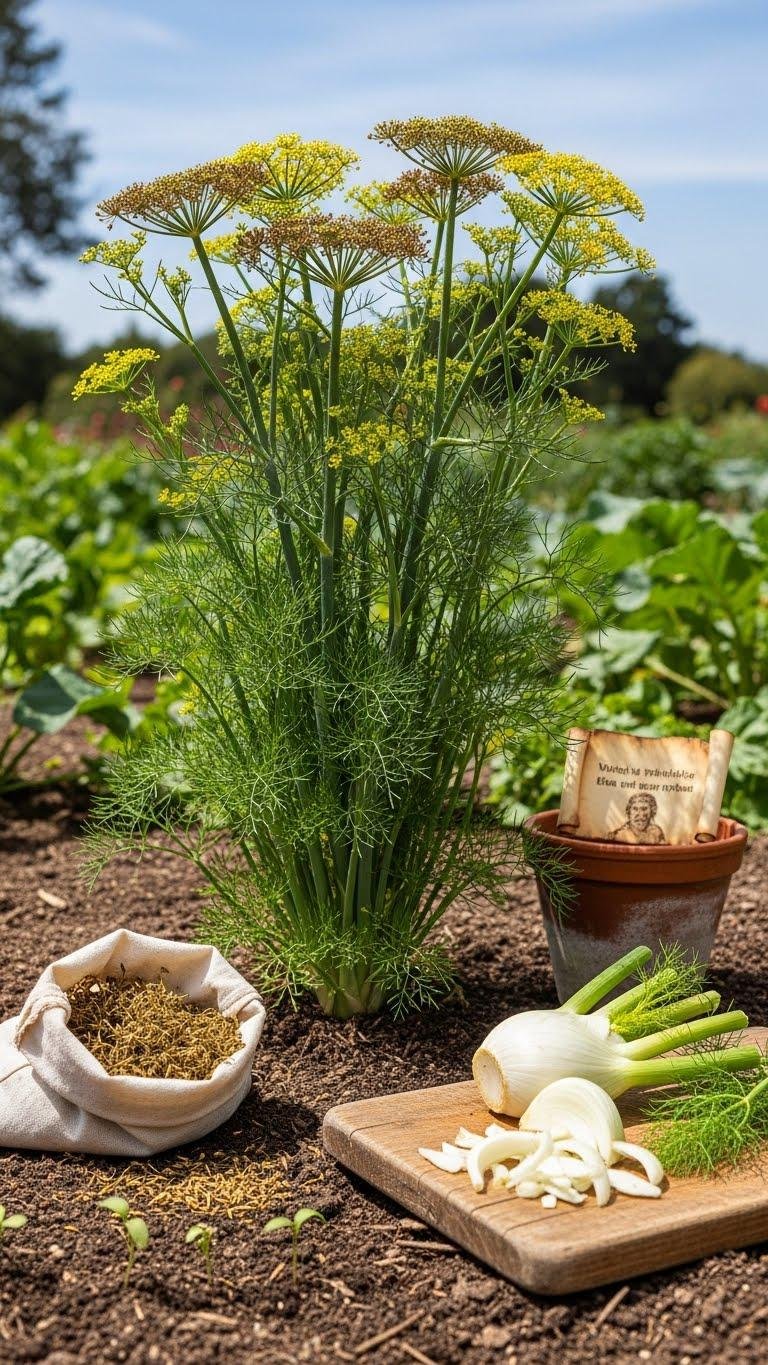
Plant fennel (Foeniculum vulgare) where it gets full sun and rich, well‑drained soil, and you’ll be rewarded with feathery foliage, tall bronze‑topped umbels of yellow flowers, and a harvestable stalk, fronds, and seeds.
You’ll steward self‑sowing patches, practice seed saving for independence, and enjoy culinary uses.
Learn Fennel folklore to connect culture with cultivation and assert your gardening freedom.
Rosemary ‘santa Fe Dark Blue’
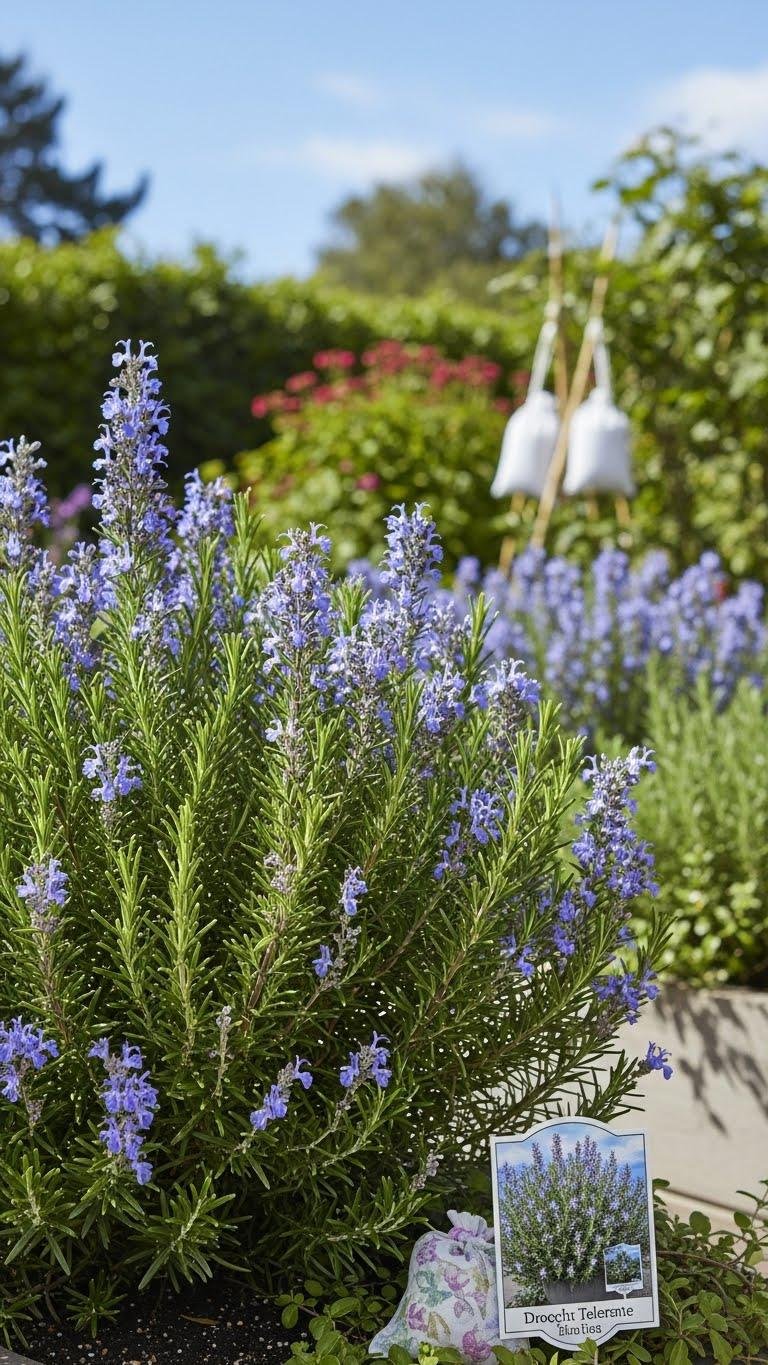
If you want a hardy, aromatic rosemary that handles heat and drought while offering deep blue blooms, Rosemary ‘Santa Fe Dark Blue’ is an excellent choice.
You’ll enjoy strong drought tolerance, fragrant foliage for cooking and sachets, and a shrubby habit that suits borders or containers.
Use focused pruning techniques to shape growth, encourage flowering, and maintain airflow for long-term vigor and freedom in your garden.