
If you want a low‑water garden that actually thrives, you’ll appreciate these 25 drought‑tolerant plants. You’ll find hardy groundcovers, bold xeric focal points, nectar magnets for pollinators and tough shrubs that need little care once established. I’ll point out which ones handle sun, poor soil and long dry spells, and how to plant them for success — so you can pick the right survivors for your site and climate.
Heuchera Sanguinea (Coral Bells)
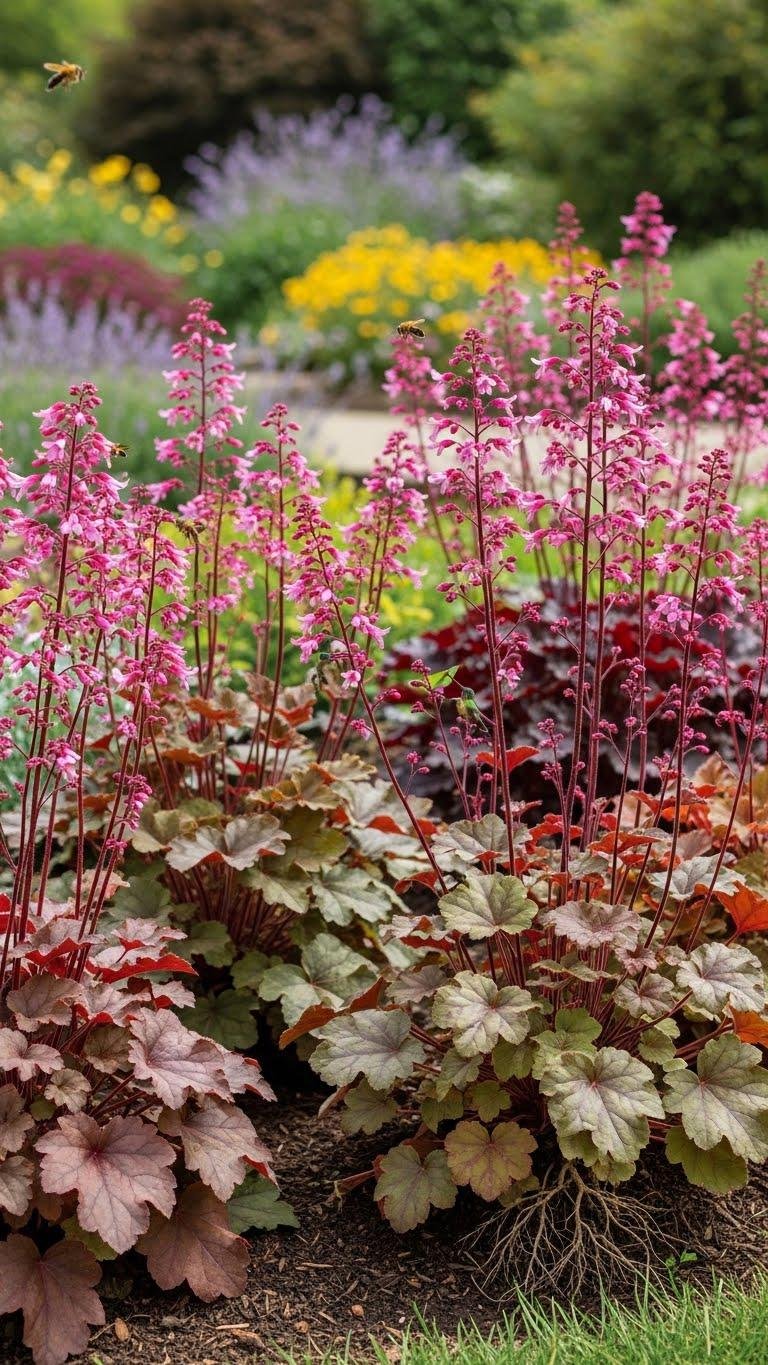
Heuchera sanguinea, commonly called coral bells, brings long-lasting color and tough heat tolerance to sunny, well-drained spots in your garden.
You’ll find it low-maintenance, resisting drought once established and offering pollinator attraction with delicate blooms.
Plant where roots stay cool; it shows surprising shade tolerance in afternoon relief.
You’ll enjoy freedom from constant watering while supporting bees and hummingbirds.
Erigeron Glaucus (Beach Aster)
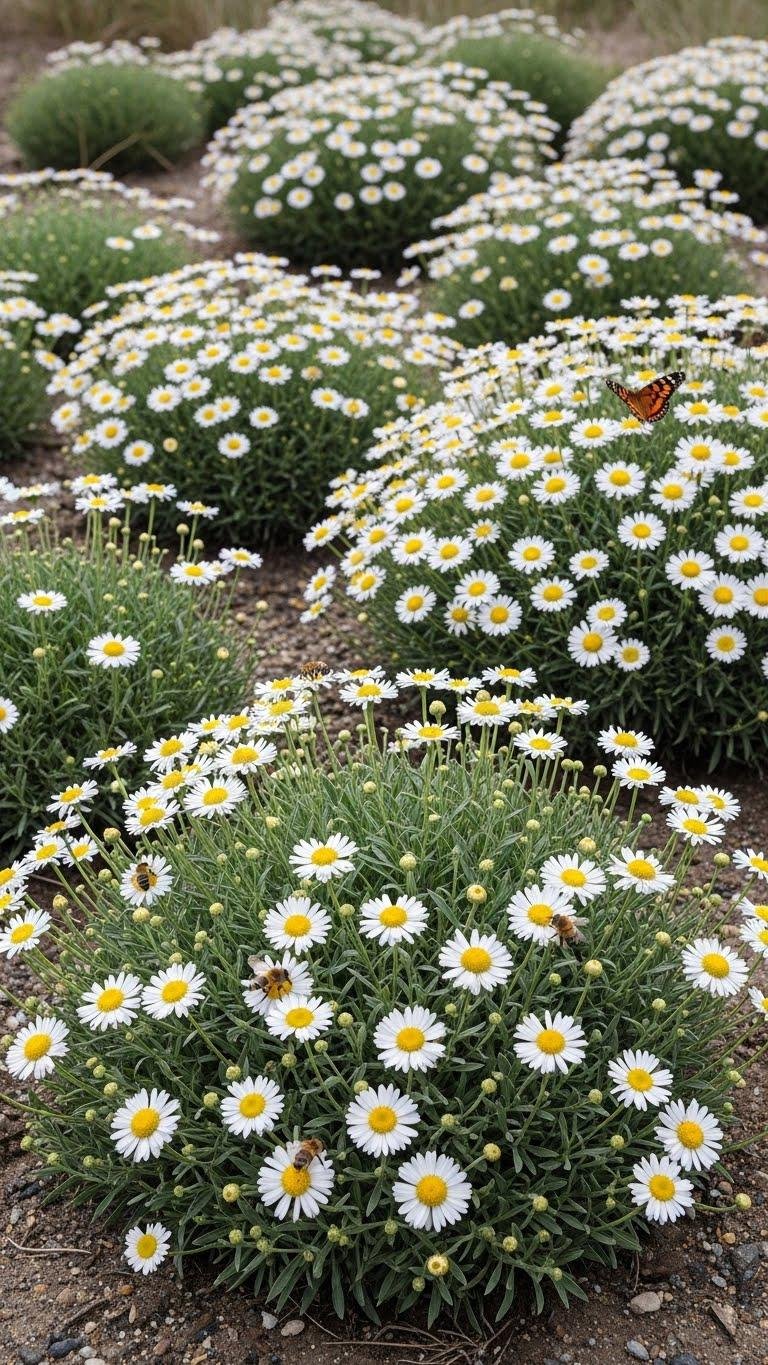
If you want a low-fuss coastal performer, beach aster (Erigeron glaucus) deserves a spot in your garden: it forms tidy, mat-forming clumps of silver-green leaves and produces abundant daisy-like blooms from spring into fall, attracting bees and butterflies while standing up to salty winds and drought.
You’ll enjoy coastal tolerance, easy care, and strong pollinator attraction—plant it in well-drained soil, prune lightly.
Erigeron Karvinskianus (Mexican Daisy)
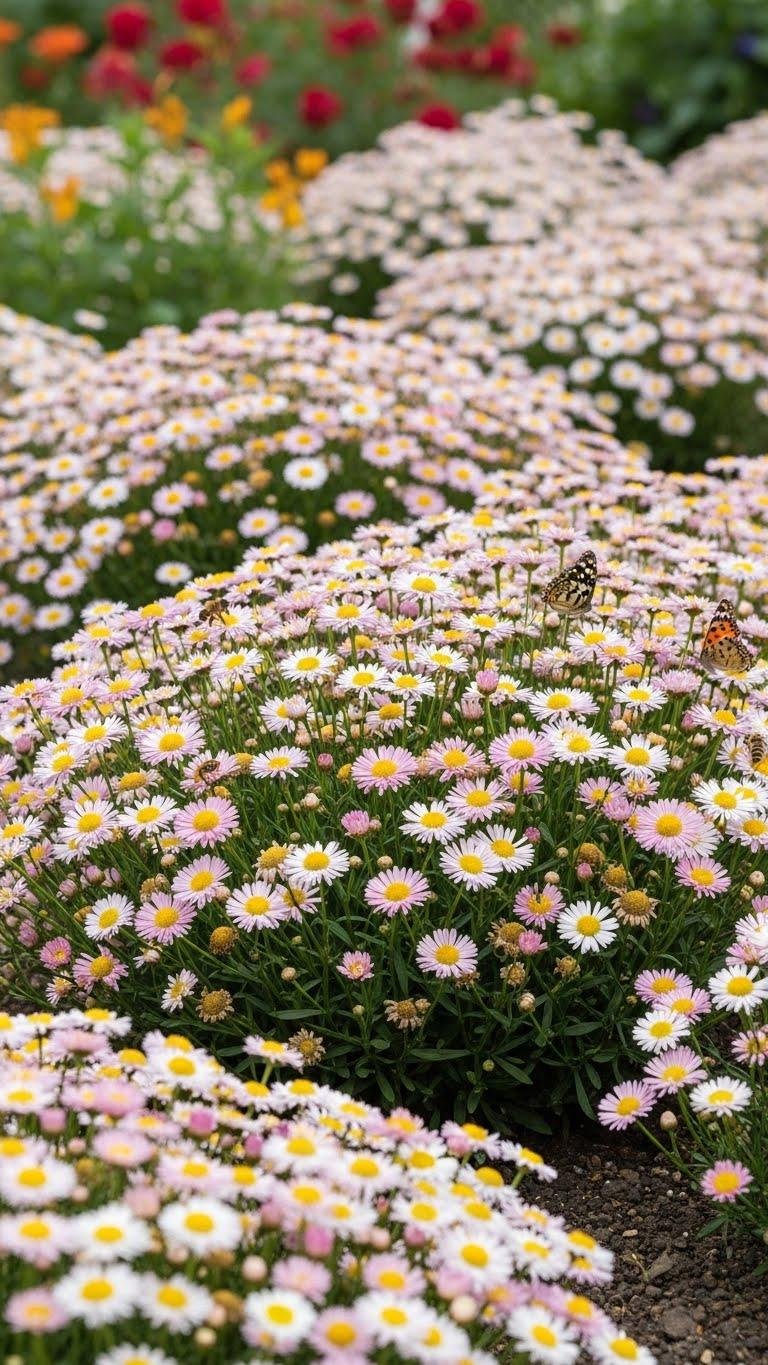
Think of Mexican daisy (Erigeron karvinskianus) as a cheerful, low-maintenance groundcover that fills gaps with frothy clouds of tiny white-to-pink daisy flowers from spring through fall.
You’ll plant this compact groundcover in poor, well-drained soil, water sparingly, and watch it spread.
It’s a pollinator magnet, resilient, drought-tolerant, and perfect if you want effortless color and freedom in the garden.
Fragaria Vesca (Woodland Strawberry)
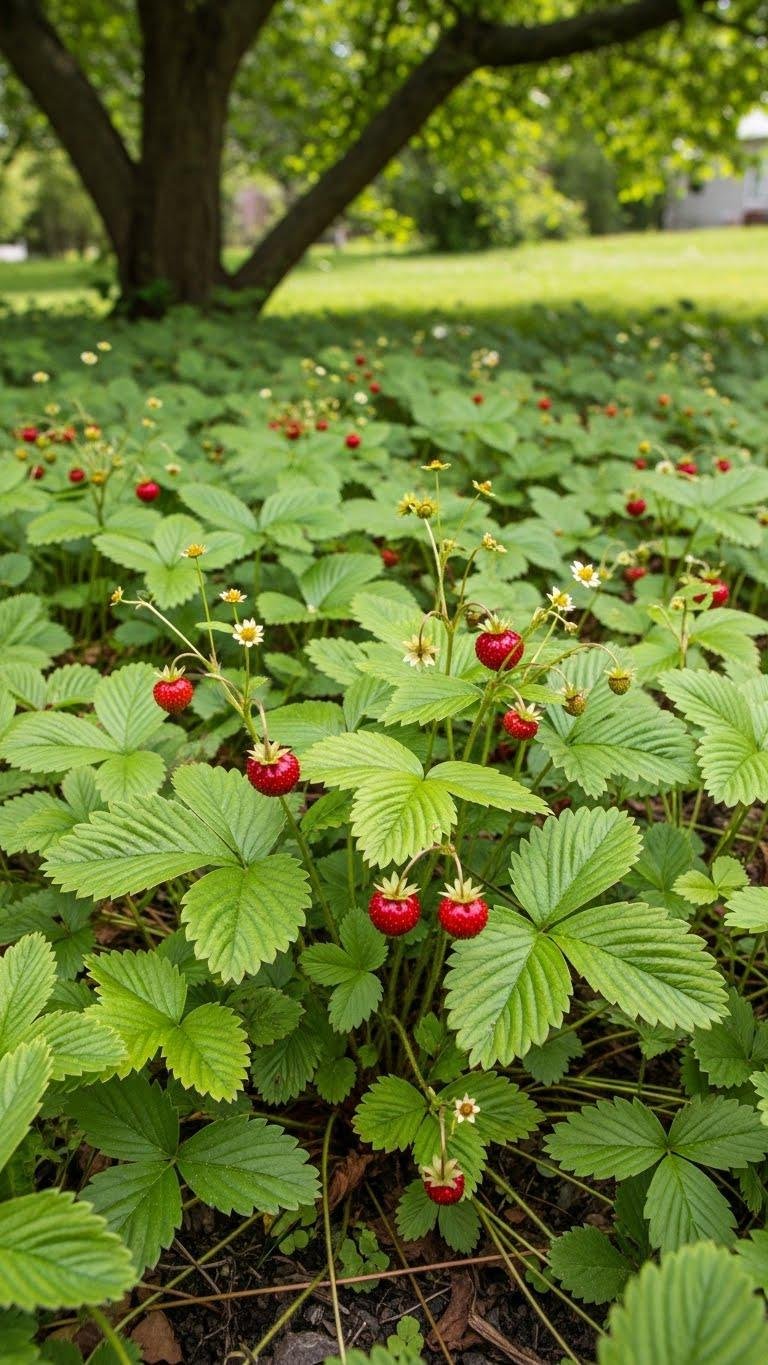
Fragaria vesca, the woodland strawberry, makes a smart, drought-tolerant choice when you want edible groundcover that’s both attractive and low-maintenance. You’ll enjoy fruits with wild flavor while conserving water; plants spread quietly and need minimal care.
Plant in light shade to benefit from good shade tolerance, trim runners to control spread, and harvest freely for a taste of independence in your garden.
Gaillardia ‘Arizona Sun’
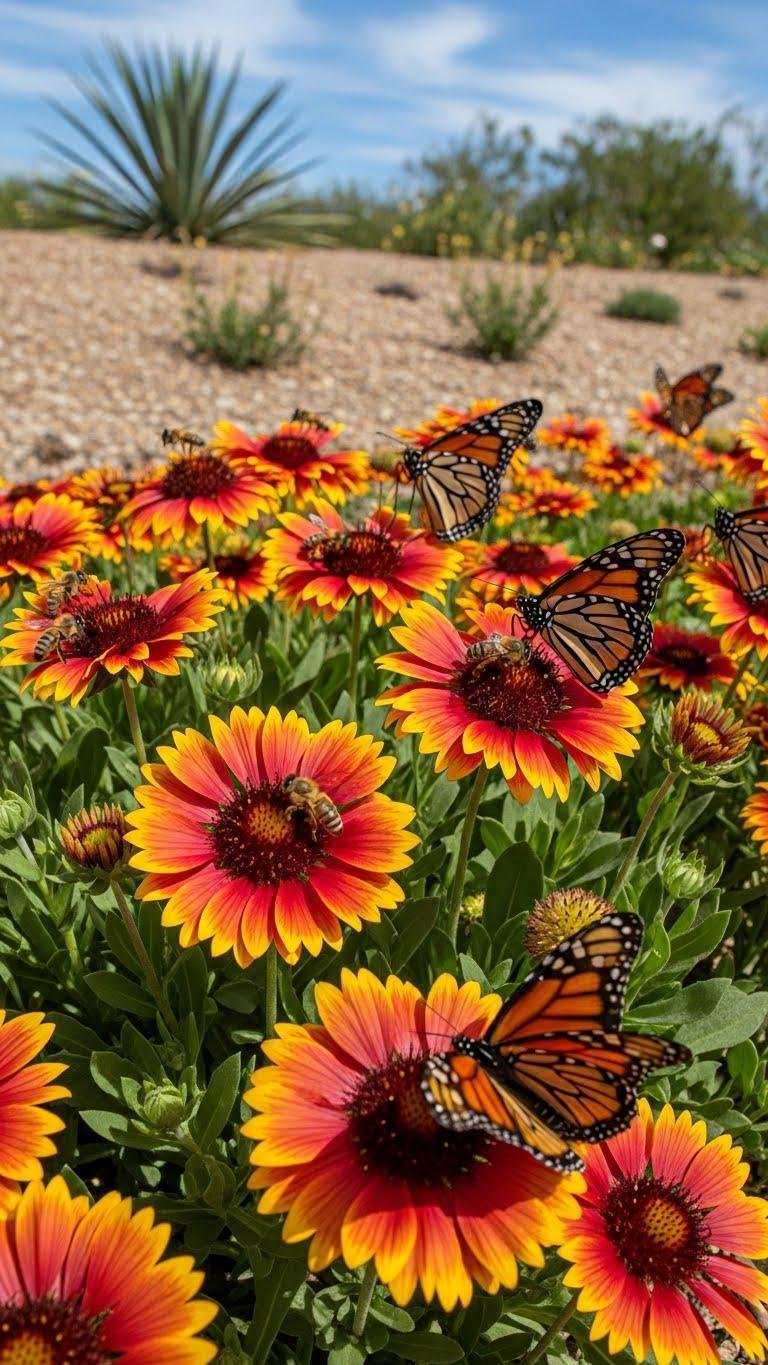
Choose Gaillardia ‘Arizona Sun’ when you want a bold, drought-tolerant perennial that blooms reliably through summer and into fall. You’ll enjoy vibrant red-yellow blooms that draw bees and butterflies, boosting pollinator attraction.
Plant in free-draining soil, give minimal summer maintenance, deadhead occasionally, and let it naturalize. It’s low-fuss, resilient, and perfect if you value freedom in your garden routine.
Carpenteria Californica (Bush Anemone)
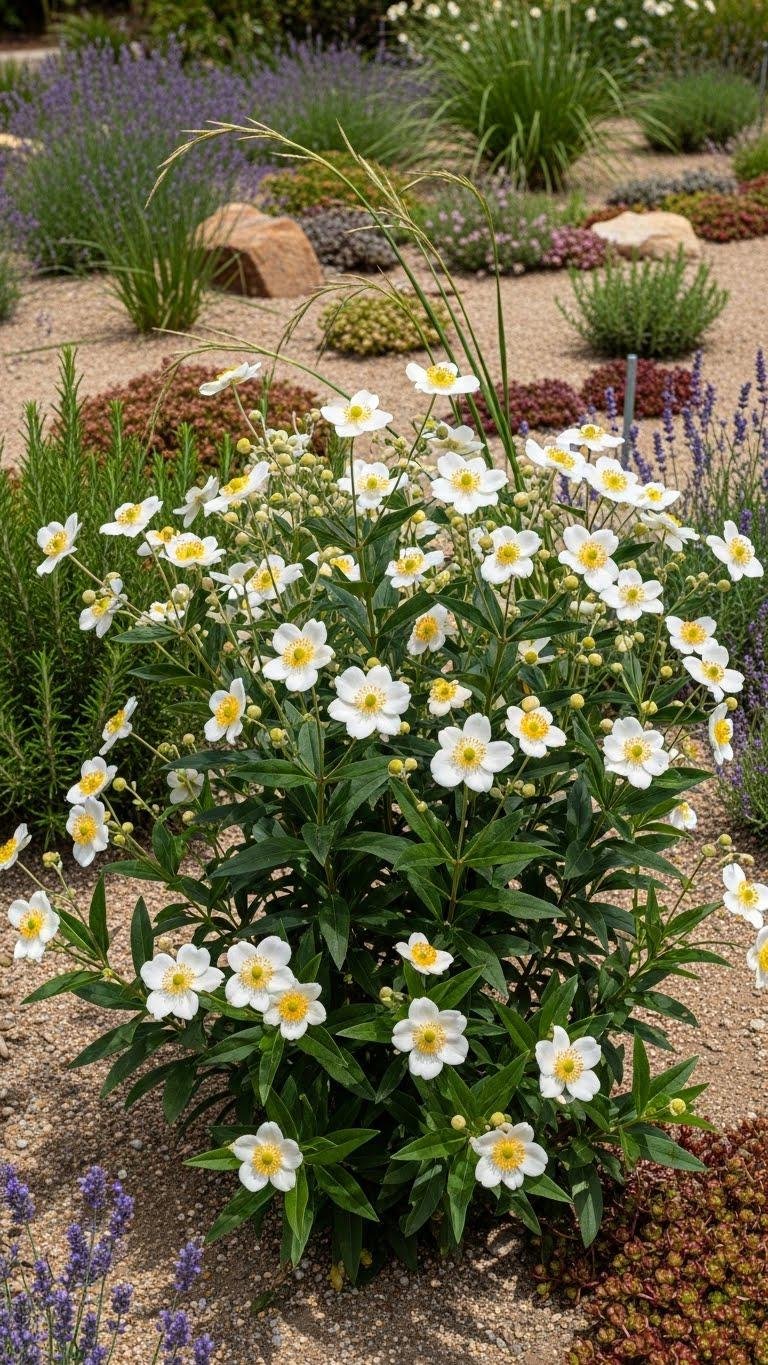
If you like the low-fuss appeal of Gaillardia but want something evergreen with late-spring showiness, Carpenteria californica (bush anemone) makes a great companion.
You’ll appreciate its reliable flowering timing, fragrant white blooms, and drought resilience. Plant it in well-drained soil, prune lightly, and use it for habitat restoration or low-water gardens.
It frees you to enjoy long seasons with minimal fuss.
Ceanothus Gloriosus (Point Reyes Ceanothus)
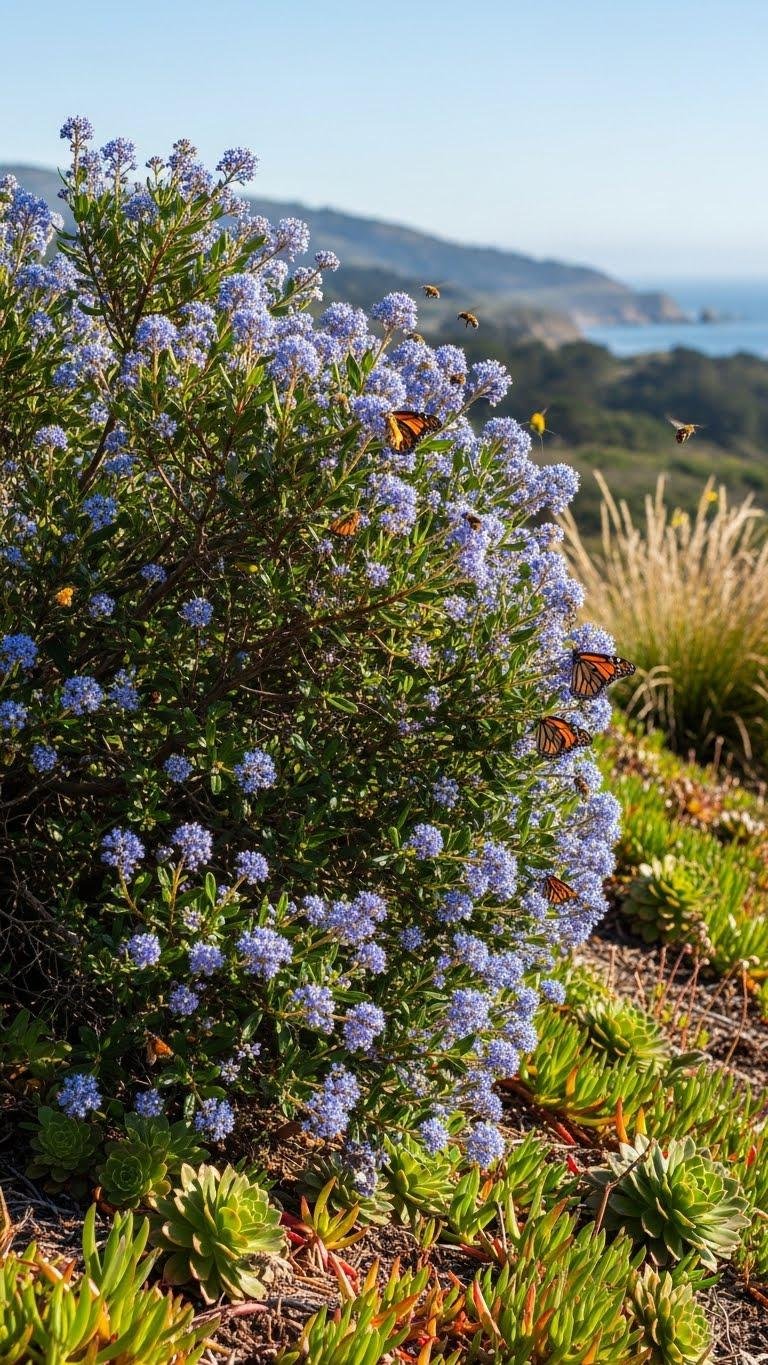
When you want a low-water shrub that brings a burst of sky-blue flowers and reliable coastal charm, Ceanothus gloriosus (Point Reyes ceanothus) is a top pick.
You’ll get excellent drought resistance, glossy evergreen leaves, and a compact form that suits slopes or mixed borders.
In coastal gardening it rewards minimal care, attracts pollinators, and frees you to enjoy a resilient, low-maintenance landscape.
Galvezia Speciosa (Island Bush Snapdragon)
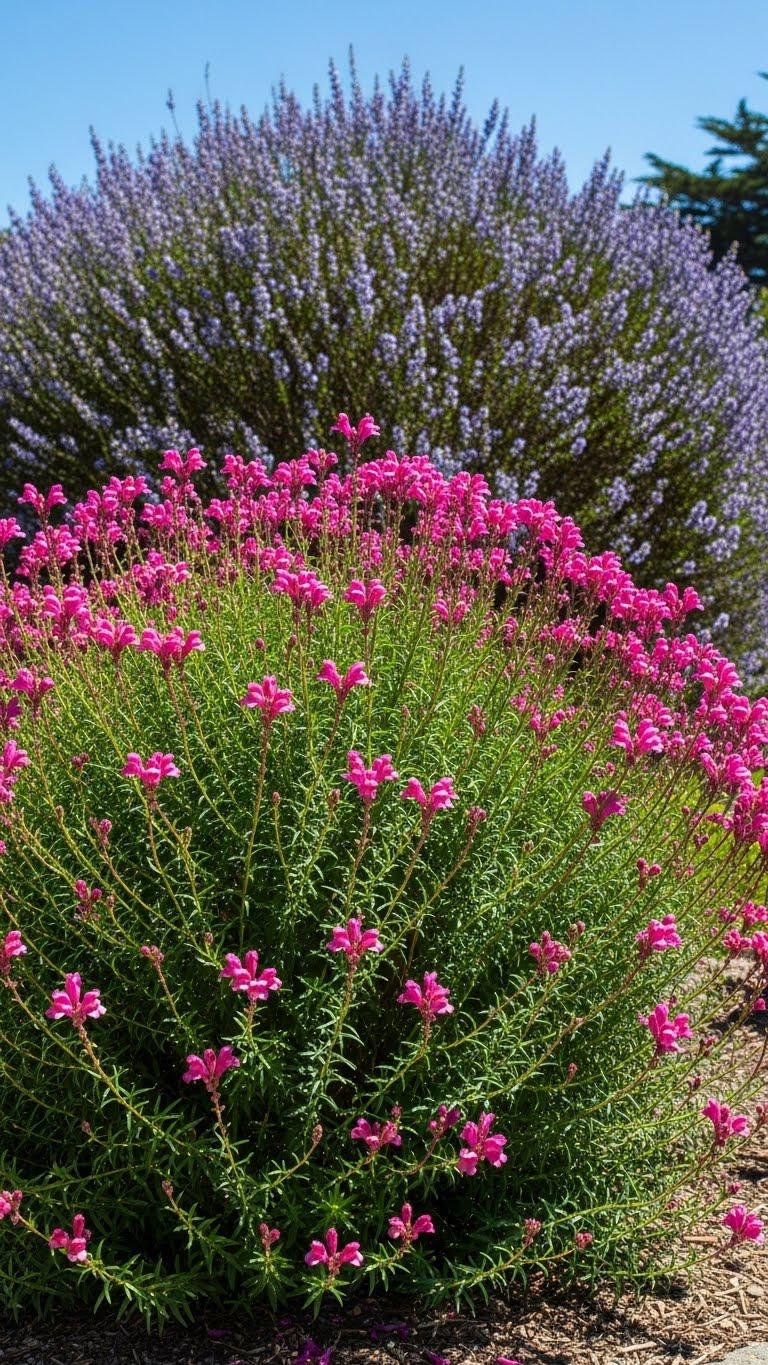
After enjoying the sky-blue blooms and evergreen form of Point Reyes ceanothus, you might want a shrub that adds bright, hummingbird-friendly color and a slightly more tropical feel—enter Galvezia speciosa, the island bush snapdragon.
You’ll plant it for pollinator attraction, easy drought performance, and coastal salt tolerance. Prune lightly, give full sun, and enjoy vibrant, low-maintenance freedom in your garden.
Lavender
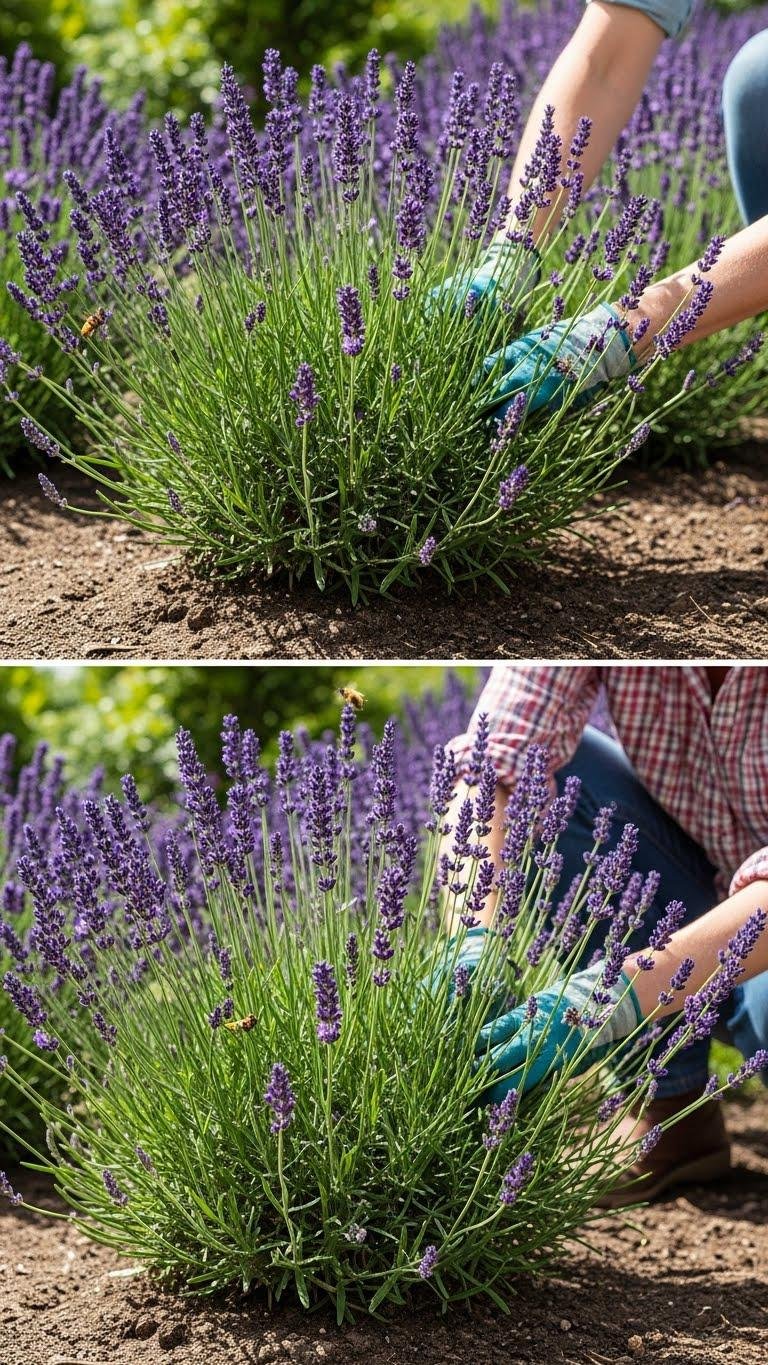
Looking for a fragrant, drought-tolerant staple that’ll reward you with long-lasting blooms and neat, aromatic foliage? Lavender gives you a calming scent profile, tough heat tolerance, and pollinator appeal.
Plant in free-draining soil, position for full sun, and water sparingly once established. Follow simple pruning tips: trim after flowering to keep shape and prevent woodiness, letting the plant stay vigorous and low-maintenance.
Magellan Wheatgrass
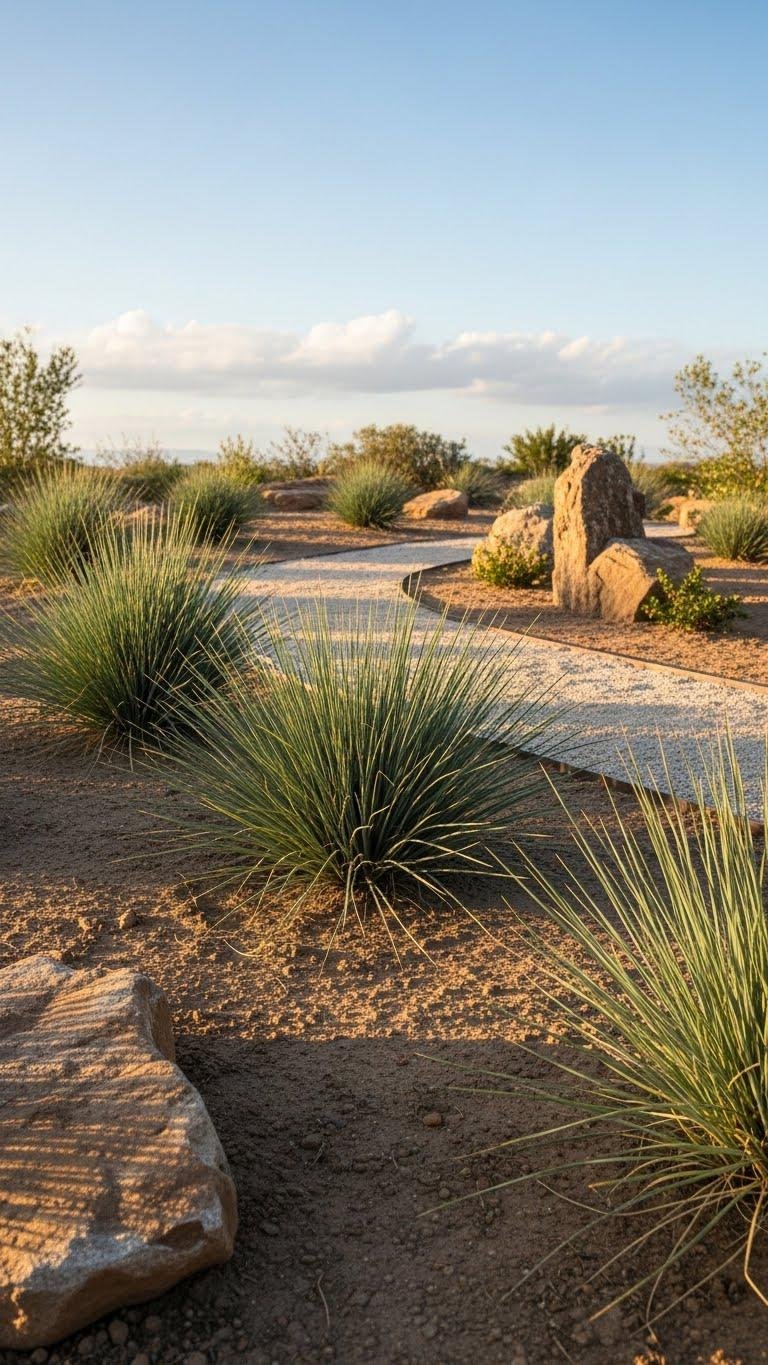
Magellan wheatgrass is a hardy, low-water ornamental grass that’s ideal for sunny, well-drained sites where you want texture and movement without constant watering. You’ll love its clean lines and resilience; use it for effortless drought management and low-maintenance borders.
Its deep root architecture stabilizes soil and taps moisture, so you can create open, freeing landscapes that stay attractive with minimal intervention.
Muhlenbergia (Pink Muhly Grass)
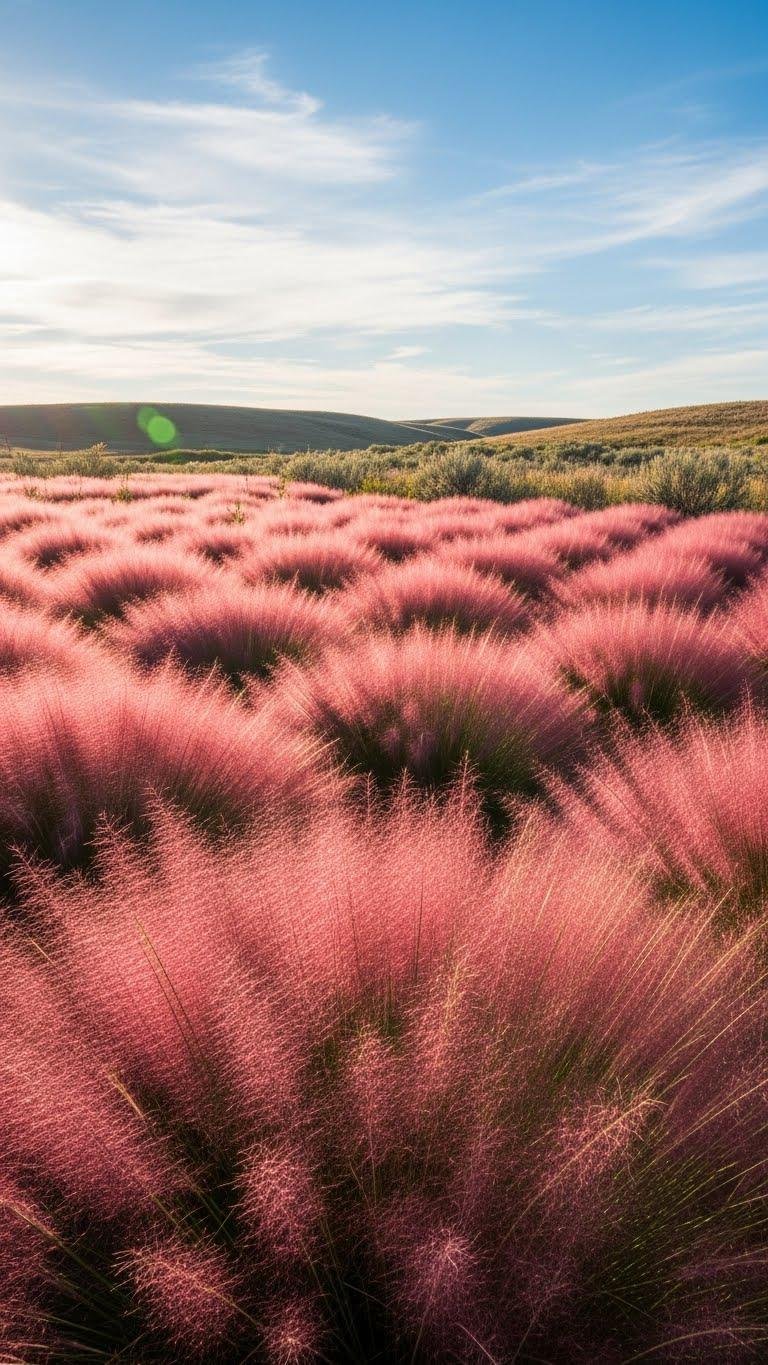
If you liked Magellan wheatgrass for its low-water habits and clean form, you’ll appreciate Muhlenbergia — commonly called pink muhly — for bringing airy, rosy plumes and the same drought resilience to sunny borders and slopes.
You’ll value its straightforward drought physiology, low maintenance and erosion control. Use it for dramatic ornamental uses, massing, or prairie-style freedom in landscapes that want bold texture with minimal fuss.
Encelia Californica (California Encelia)
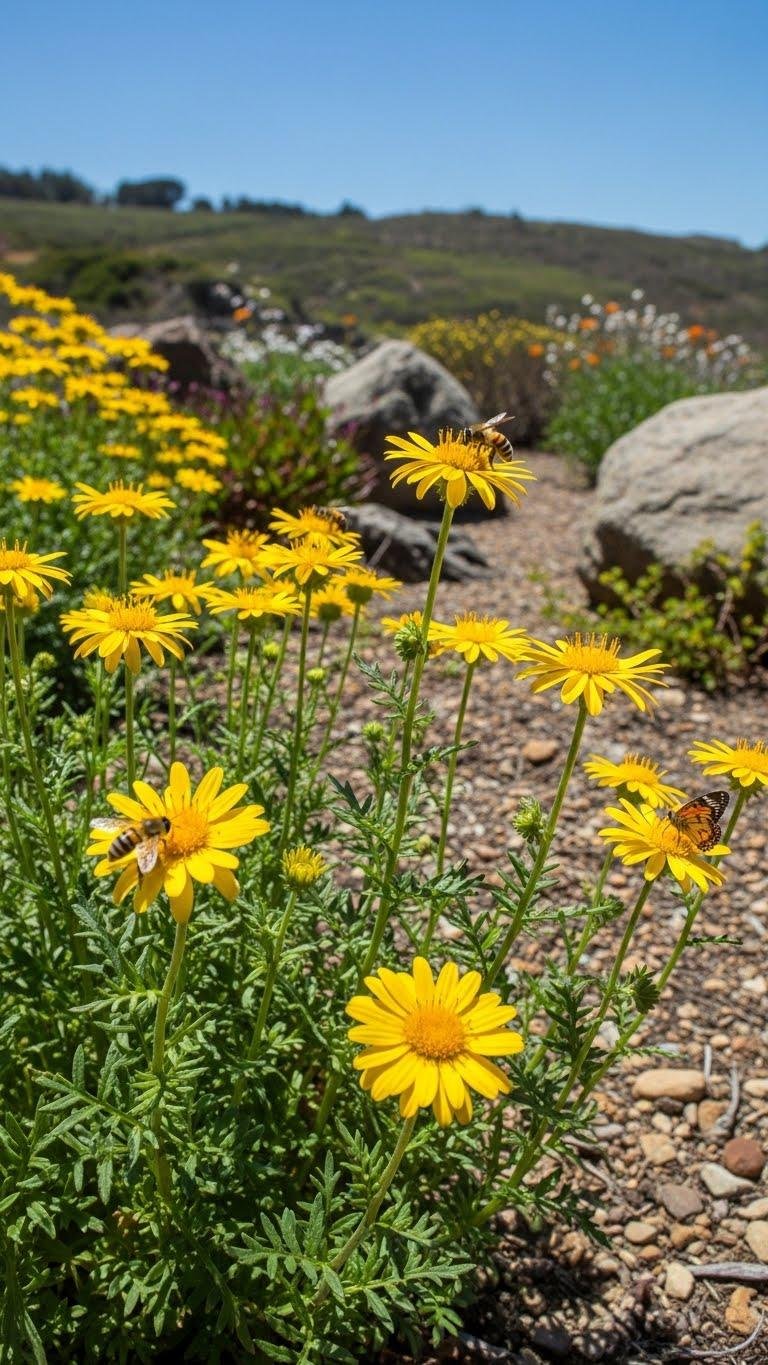
Though it thrives on blazing sun and rocky, low‑water soils, California encelia (Encelia californica) rewards you with bright golden daisy‑like blooms and a compact, drought‑tolerant form that’s ideal for coastal slopes, dry borders, and habitat gardens.
Plant it to support coastal pollinators; its simple care showcases smart drought physiology. Prune lightly, let it dry between waterings, and enjoy resilient color with minimal fuss.
Stonecrop (Sedum Spp.)
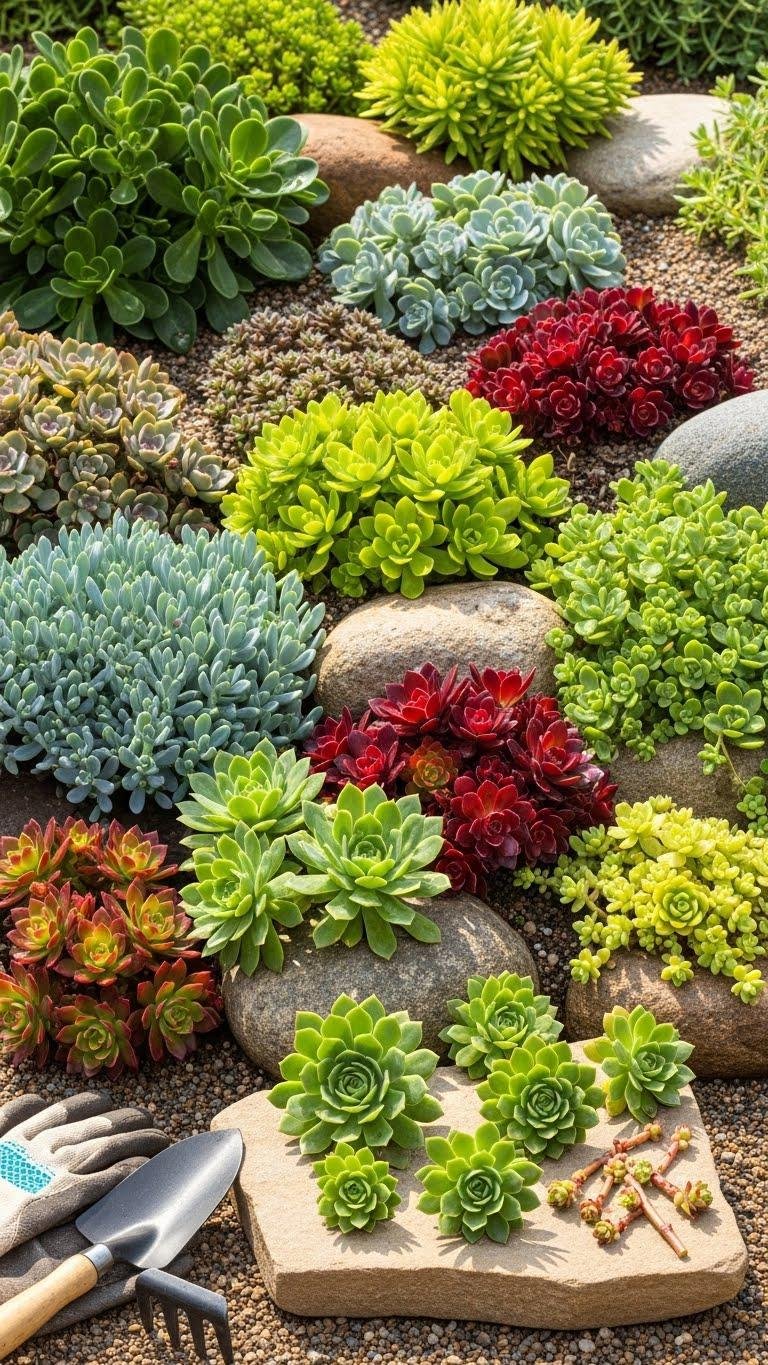
Stonecrop (Sedum spp.) is a family of tough, waterwise succulents you’ll find invaluable for sunny, well‑drained spots where low maintenance and reliable groundcover are needed.
You can plant them in a rock garden, let them spread, and enjoy long drought resilience.
Propagate easily from cuttings — succulent propagation is simple — so you’ll expand beds quickly and freely with minimal effort.
Mangave
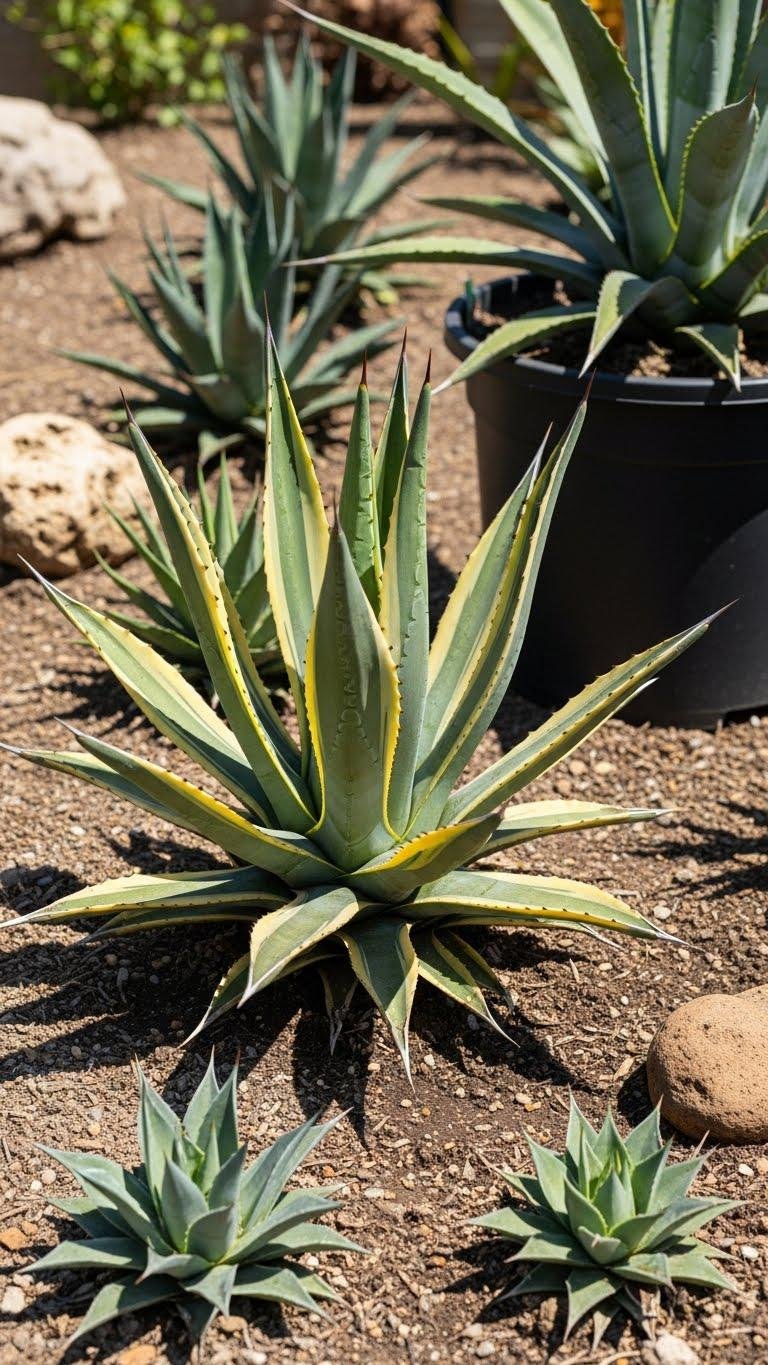
Try a mangave for a bold, low‑water focal plant that combines the rigidity of agave with the tough adaptability of manfreda. You’ll appreciate its xeric hybridization: vigorous, droughtwise, and resilient.
Plant in well‑draining soil, give bright sun, and use container cultivation for mobility and root control. It rewards minimal care with striking form, letting you garden boldly without constraints.
Asclepias Tuberosa (Butterfly Weed)
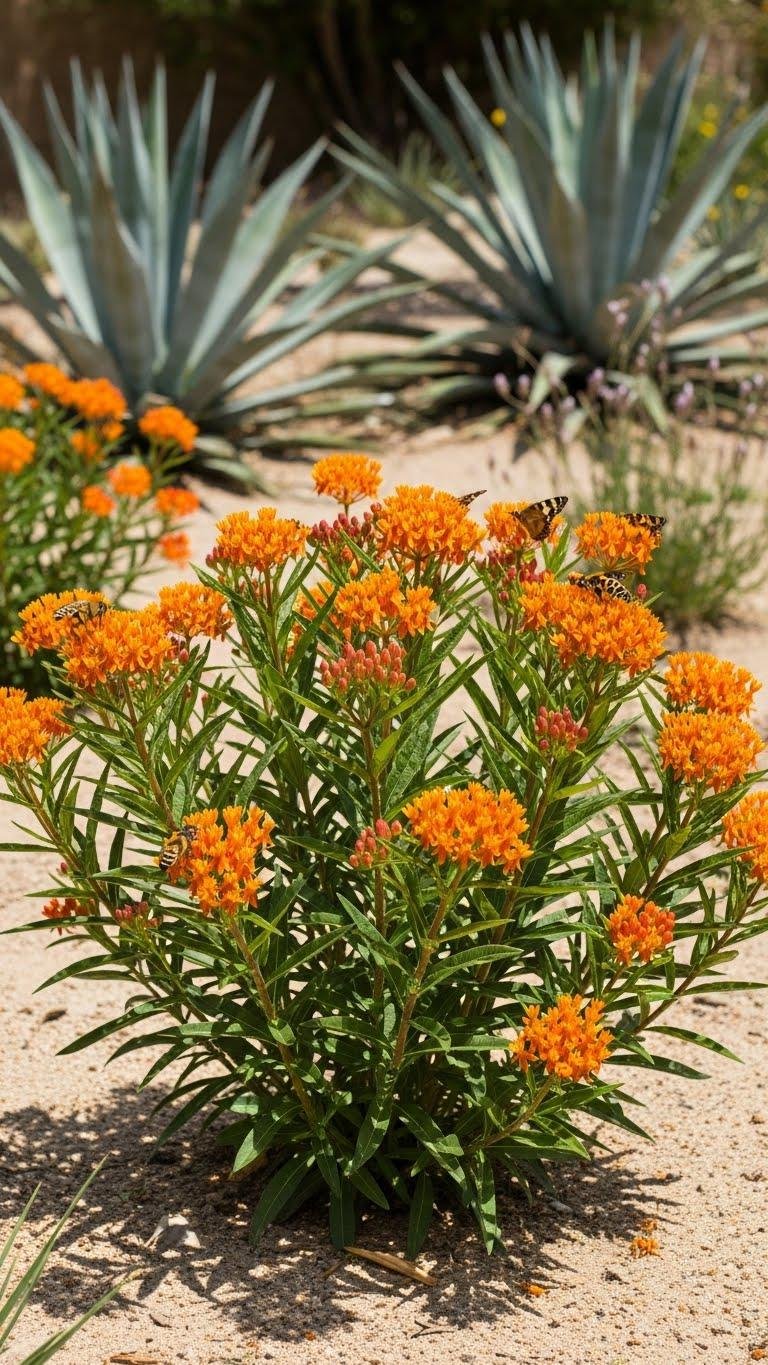
If you like bold, low‑water focal plants such as mangave, you’ll find Asclepias tuberosa brings a different kind of drought‑wise charm: this native butterfly weed produces clusters of bright orange flowers that thrive in poor, well‑draining soils and full sun.
You’ll attract native pollinators, cut back spent stems, and trust its taproot to hold ground — low care, high reward.
Armeria Spp. (Sea Thrift)
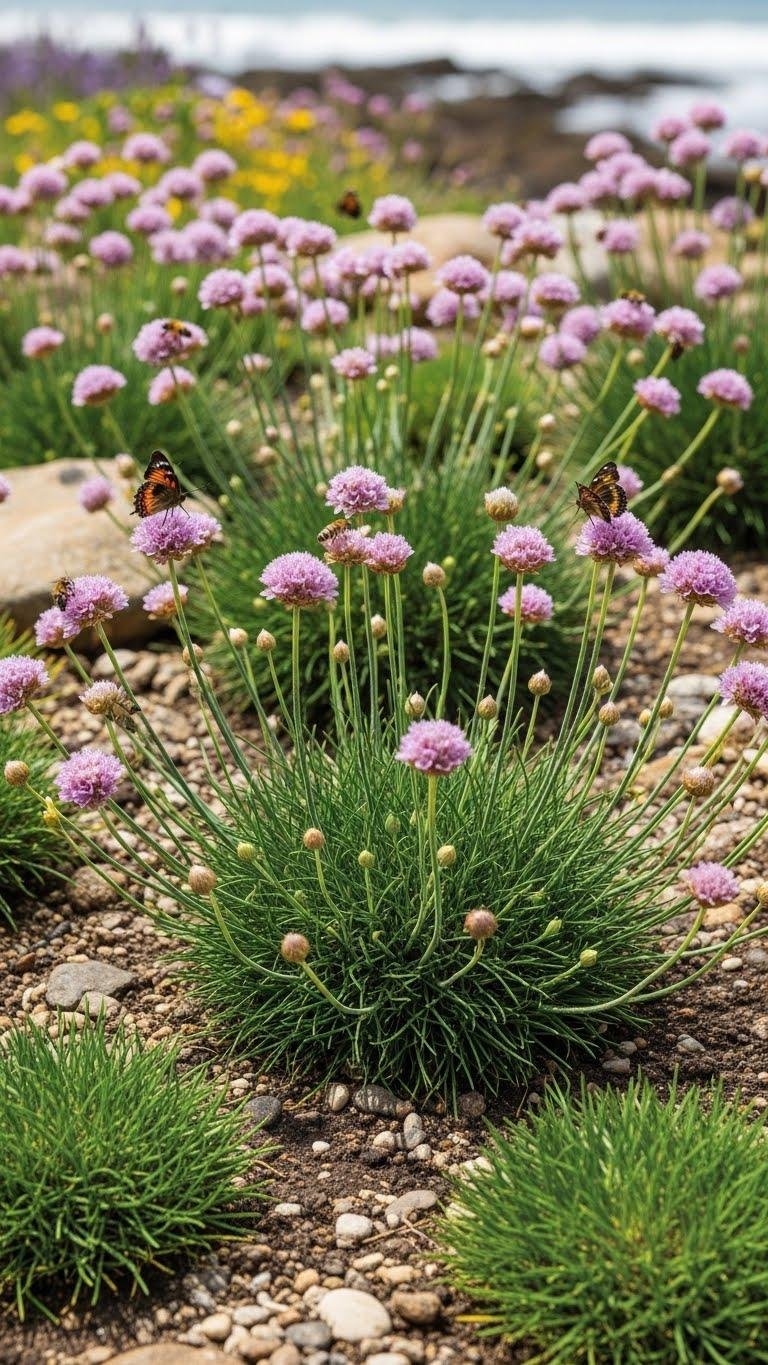
A tidy clump of Armeria, commonly called sea thrift, makes a cheerful, low-water edging or rock garden accent with its rounded tufts of grasslike foliage and pompom flowers on wiry stems.
You’ll plant it in well-draining soil, trust its salt tolerance, and watch coastal pollinators visit.
It’s low-maintenance, hardy, and frees you from fussing while adding long-lasting color and structure.
Aurinia Saxatilis (Basket-Of-Gold)
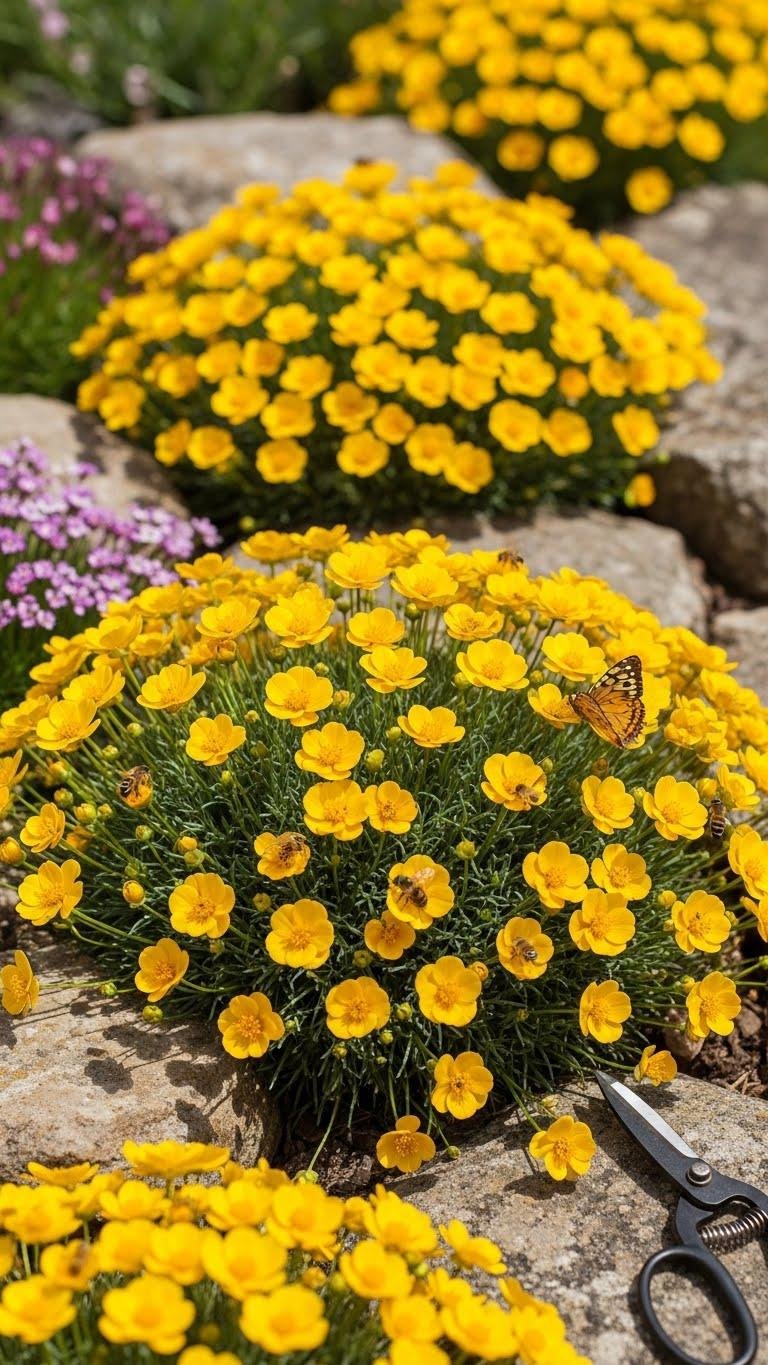
When planted in gritty, well-draining soil and given full sun, Aurinia saxatilis (basket-of-gold) rewards you with a bright, early-spring carpet of golden, cup-shaped flowers that cling to its compact, mounded foliage.
You’ll place it in a rocky crevice or border, where it tolerates drought, needs little care, and acts as a true pollinator magnet. Prune lightly after bloom to keep it tidy.
Gaillardia ‘Arizona Apricot’

Sun-loving and tough, Gaillardia ‘Arizona Apricot’ gives you long-lasting, daisy-like blooms in warm apricot and red tones that keep going from late spring into fall with minimal fuss.
You’ll appreciate its efficient drought physiology, low maintenance habit and resistance to heat. Plant it in free-draining soil, deadhead for more flowers, and enjoy steady pollinator attraction that supports bees and butterflies while freeing you to roam.
Echinacea ‘Sombrero Salsa Red’ (Coneflower)
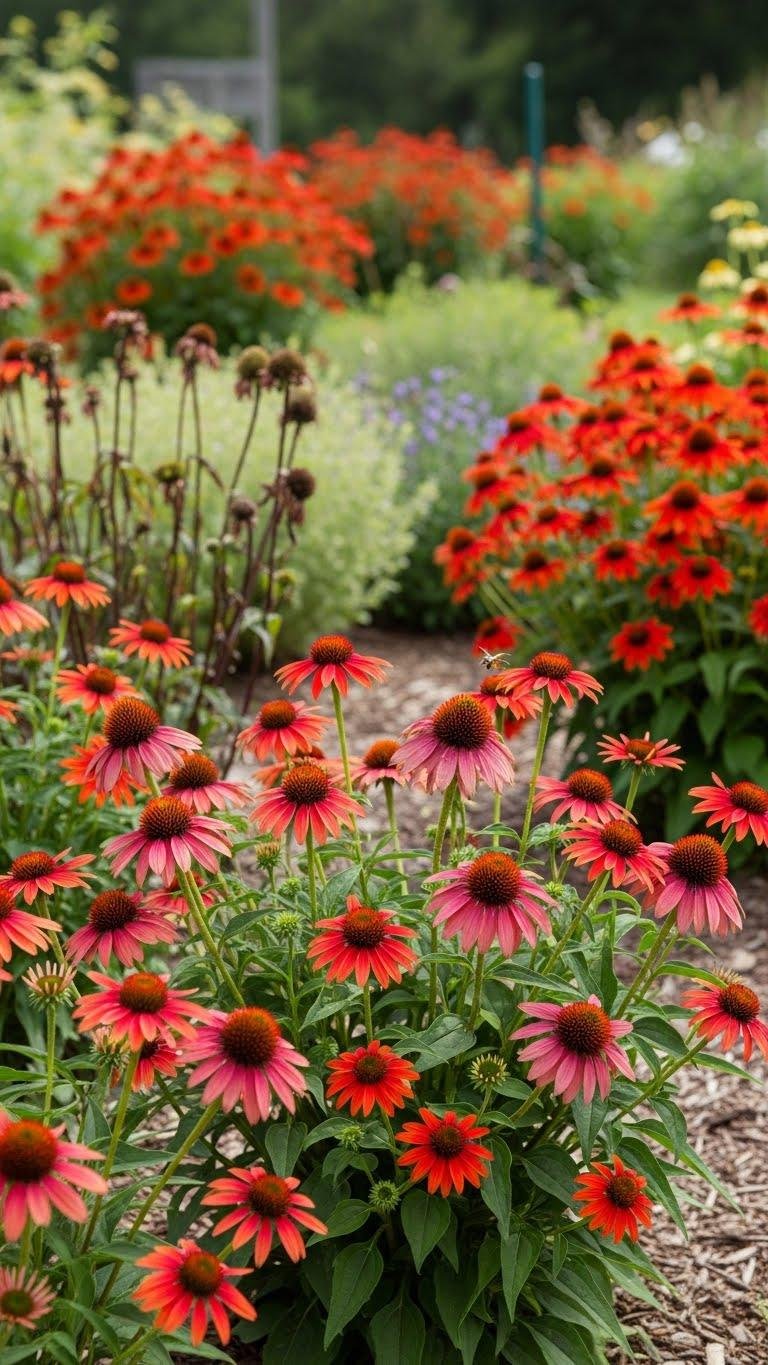
Bring bold, long-lasting color to hot, dry spots with Echinacea ‘Sombrero Salsa Red’, a compact coneflower that blooms prolifically in vivid tomato-red shades and tolerates heat and drought with ease.
You’ll enjoy strong pollinator attraction, low maintenance, and carefree summer displays. Cut back spent stems, mulch lightly for winter care, and trust this resilient perennial to free your garden from fuss.
Coreopsis
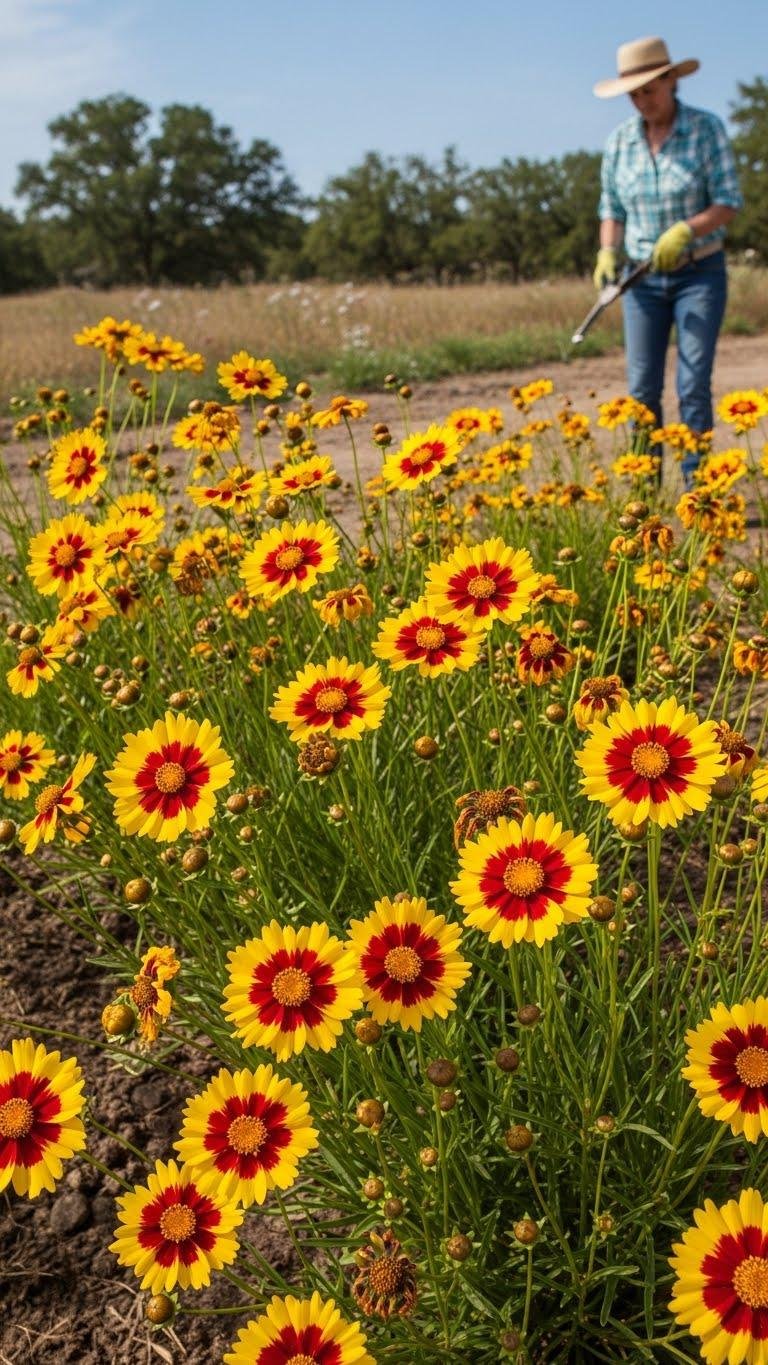
Think of coreopsis as your go-to for long-lasting, no-fuss color in dry spots—these tough perennials and annuals produce masses of daisy-like blooms in yellows, golds, and bi-colors while tolerating heat, poor soils, and drought.
You’ll choose cultivars for size and bloom time; smart cultivar selection boosts resilience and pollinator benefits. Plant, deadhead, and enjoy freedom from fuss.
Prince’s Plume
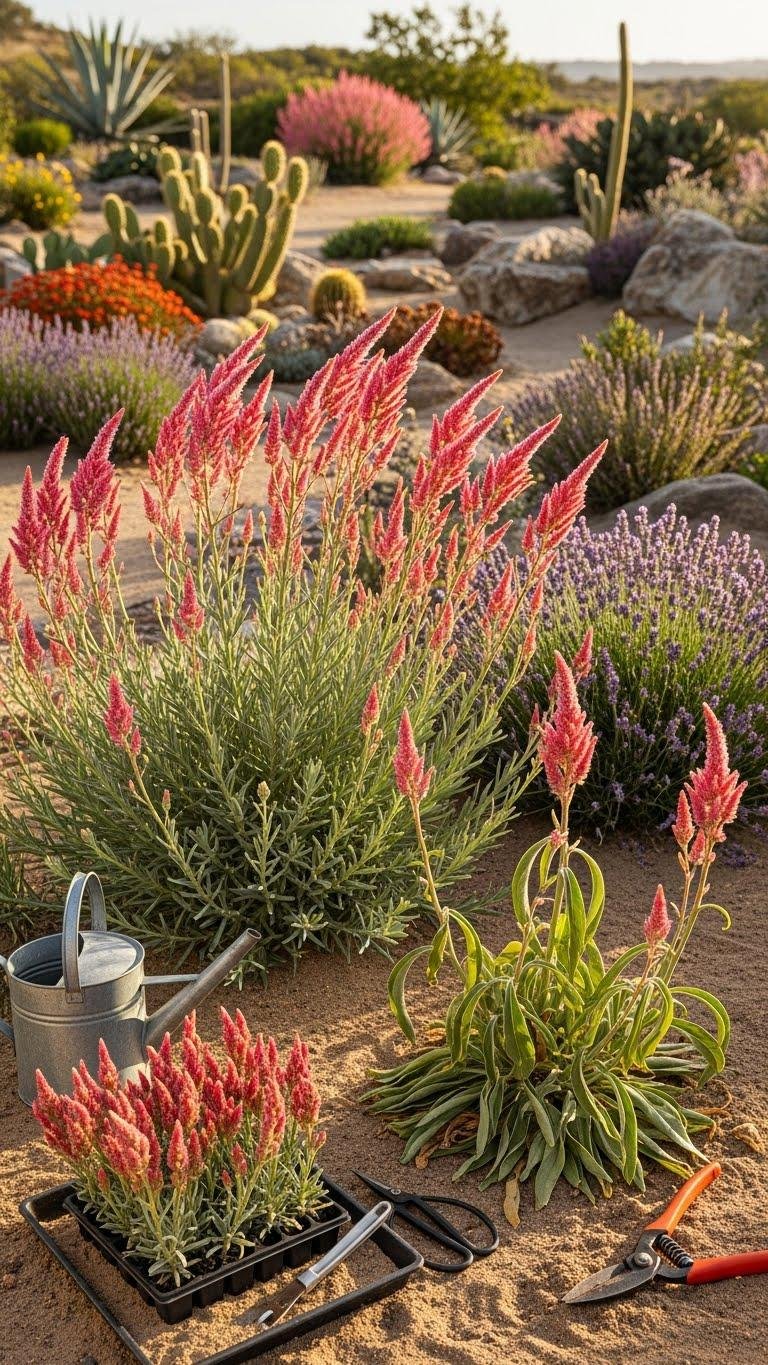
Prince’s plume (Eremophila or the related Penstemon cultivar sometimes sold under that name, depending on your region) gives you a tough, drought-tolerant perennial that brightens late spring and summer with spikes of coral to pink blooms and attractive, narrow foliage.
You’ll learn prince’s plume propagation basics and drought stress physiology so you can confidently plant, prune, and conserve water while keeping freedom-focused landscapes resilient.
Mediterranean-Zone Adapted Species
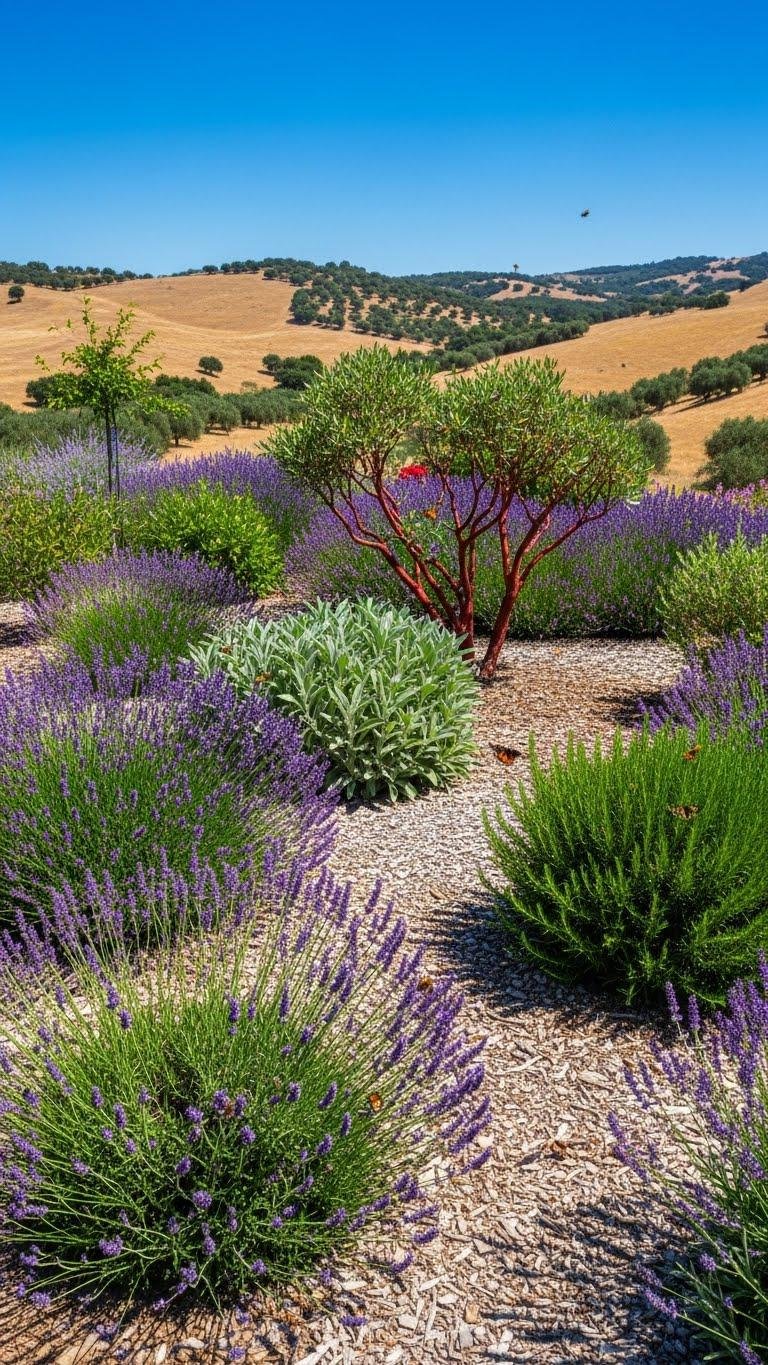
Because Mediterranean climates combine hot, dry summers with mild, wet winters, you’ll want plants that tolerate summer drought yet use winter rainfall, making them ideal for low‑irrigation landscapes. Choose lavender, sage, rosemary and manzanita: they thrive in drought microclimates, attract Mediterranean pollinator species, and demand little water once established. Plant in groups, mulch lightly, and prune for airy growth to keep freedom-loving gardens resilient.