
If you want reliable color with almost no fuss, pick plants that thrive on neglect: resilient perennials, easy annuals, and a few forgiving shade lovers. You’ll get blooms through summer and into fall with simple steps like good soil, mulch, and occasional division — no constant deadheading or pampering. I’ll list 24 top choices, where to put them, and a few quick care tips to keep them blooming.
Hostas
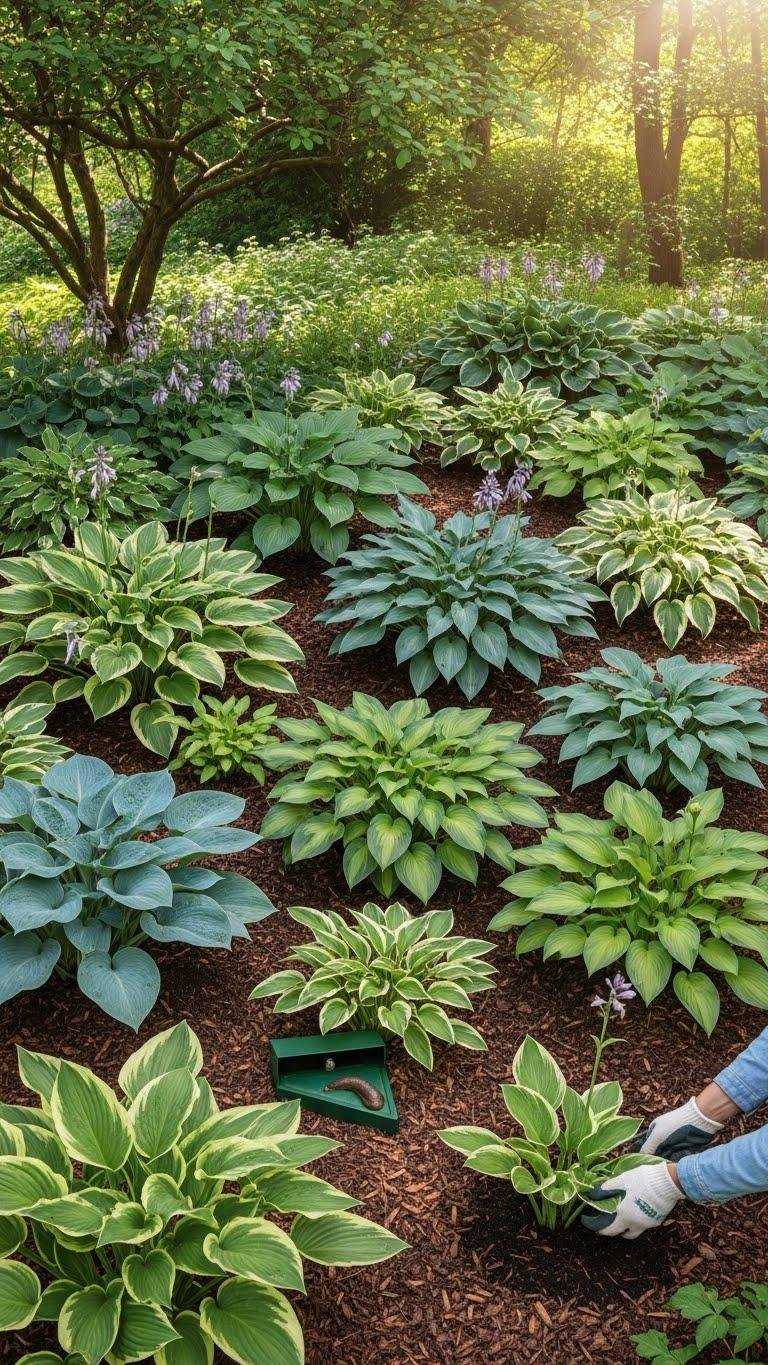
Hostas reliably brighten shady spots with lush foliage and easy-going habits, and you’ll find they reward minimal care with dramatic impact.
You’ll choose shade loving varieties for dappled beds, mixing sizes for texture and low maintenance.
Plant in rich, well-drained soil, mulch to retain moisture, and use beer traps or barriers for slugs control.
Divide clumps every few years to rejuvenate growth.
Sedum
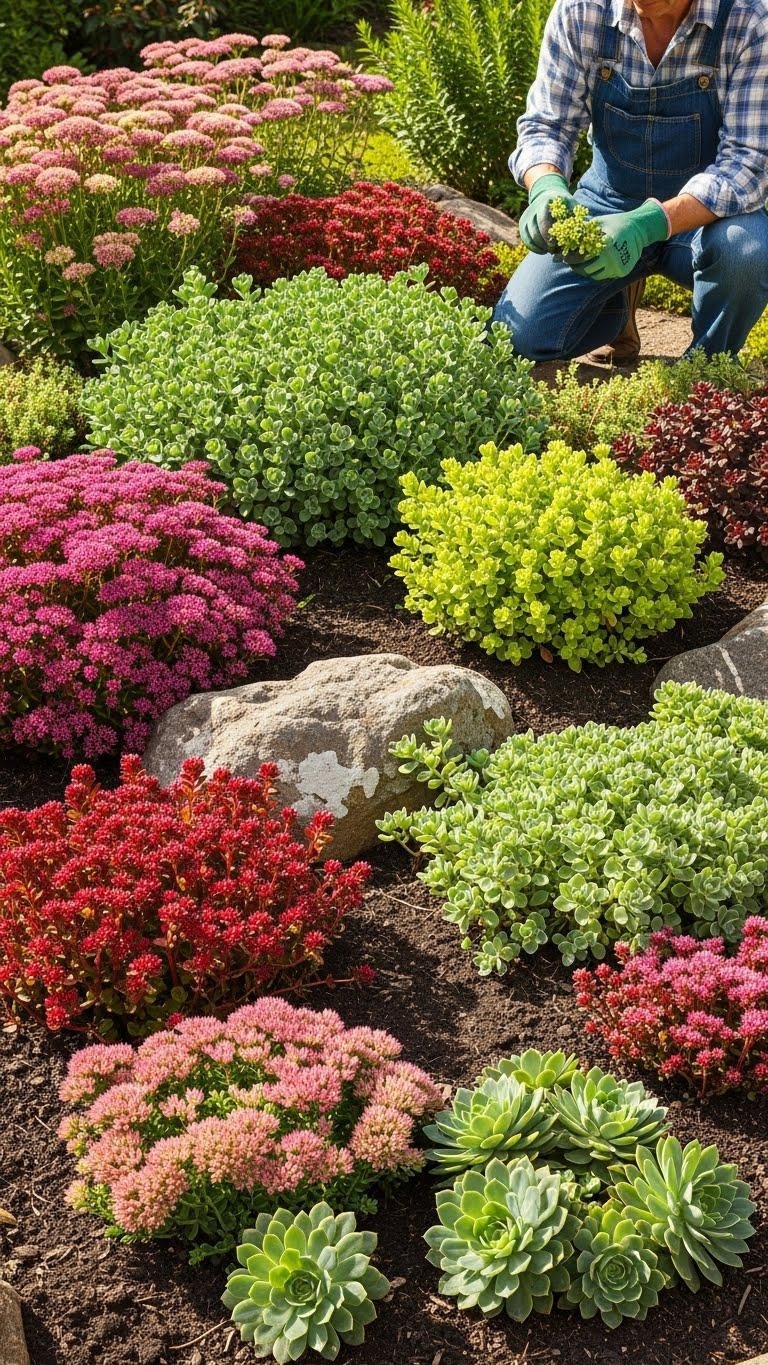
Often overlooked, sedum brings reliable, low-maintenance color and texture to sunny borders and rock gardens. You’ll appreciate its drought tolerance and minimal feeding needs.
Propagate by cuttings for fast, cheap spread—succulent propagation is straightforward and forgiving. Plant in well-drained soil, give full sun, and thin crowded clumps yearly.
You get durable blooms and freedom from fussing.
Zinnias
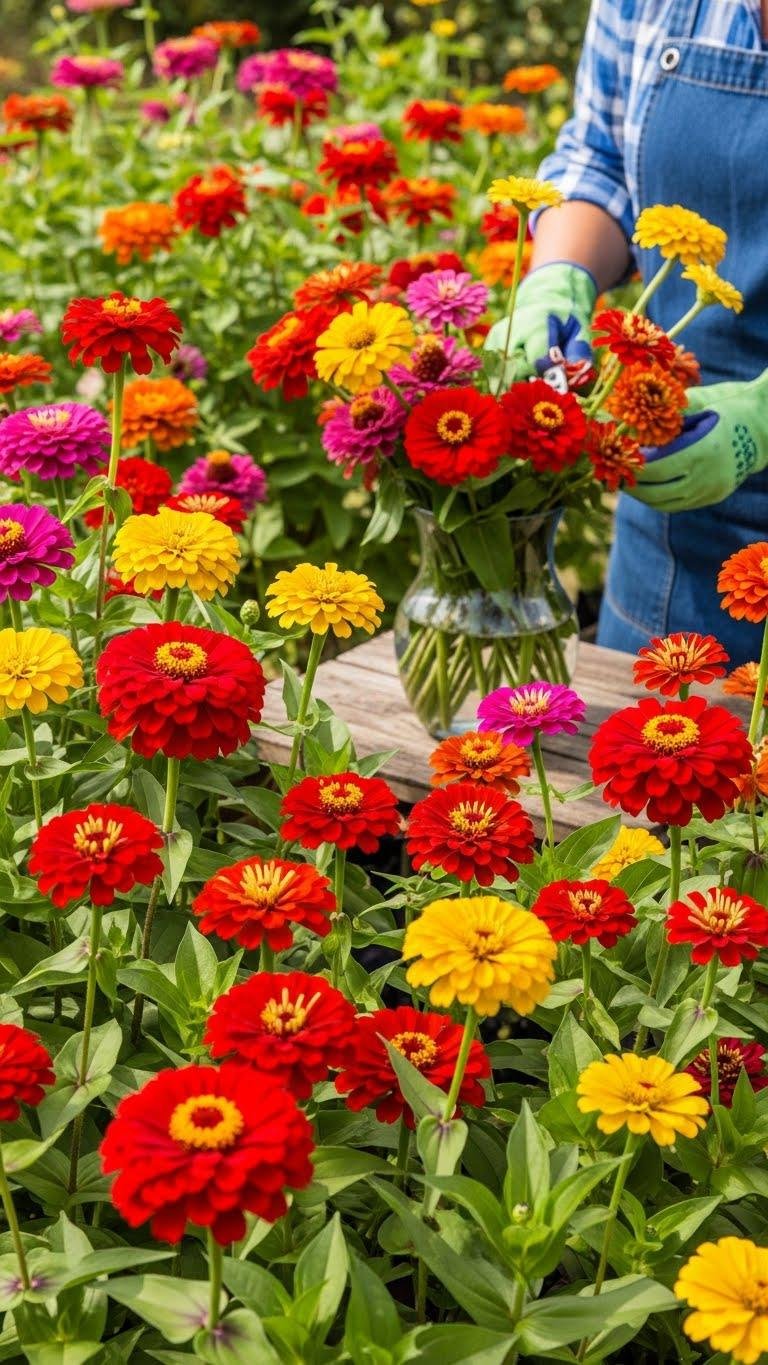
Usually you’ll find zinnias putting on a nonstop show all summer long, rewarding simple care with bold, long-lasting blooms in a wide range of colors.
You’ll sow easily, deadhead for continuous flowering, and experiment with zinnia color mixing to create palettes that suit you. Cut stems freely; they excel in cutting vase arrangements, giving you bright, low-maintenance bouquets that travel well.
Coneflowers
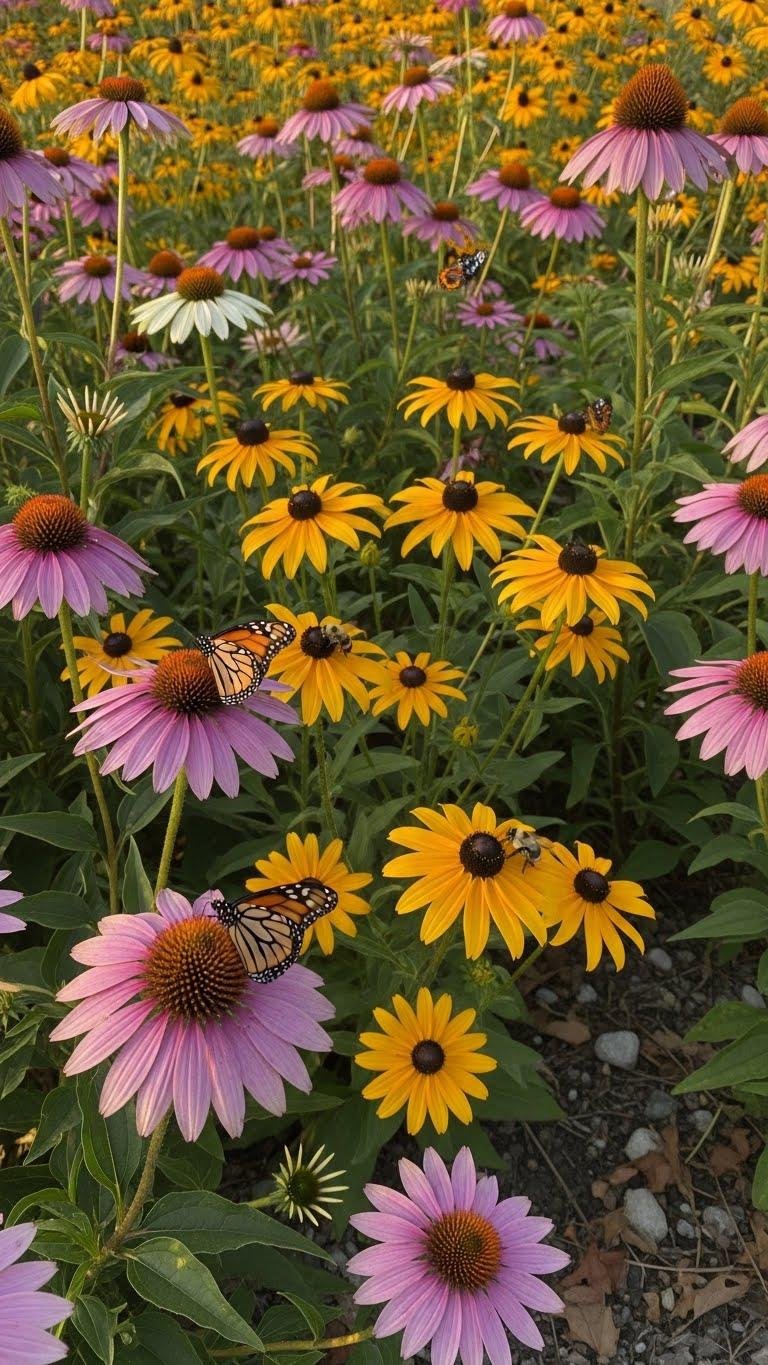
If you like the bold, low-fuss impact of black-eyed Susans, coneflowers (Echinacea species) give you similar summer-to-fall presence with a bit more structure and seasonal interest.
You’ll plant once, reap long bloom periods, and attract pollinator favorites like bees and butterflies. They tolerate poor soil, show excellent drought tolerance, and require minimal care — perfect if you want resilient color without constant upkeep.
Iceberg Roses

Often revered for their effortless blooms, Iceberg roses give you prolific, clean-looking flowers with very little fuss.
You’ll appreciate disease resistant varieties that tolerate heat and occasional neglect.
Plant them where they get sun, water deeply but infrequently, and follow pruning best practices to shape growth and remove dead wood.
They free you to enjoy consistent blooms with minimal maintenance.
Daylilies
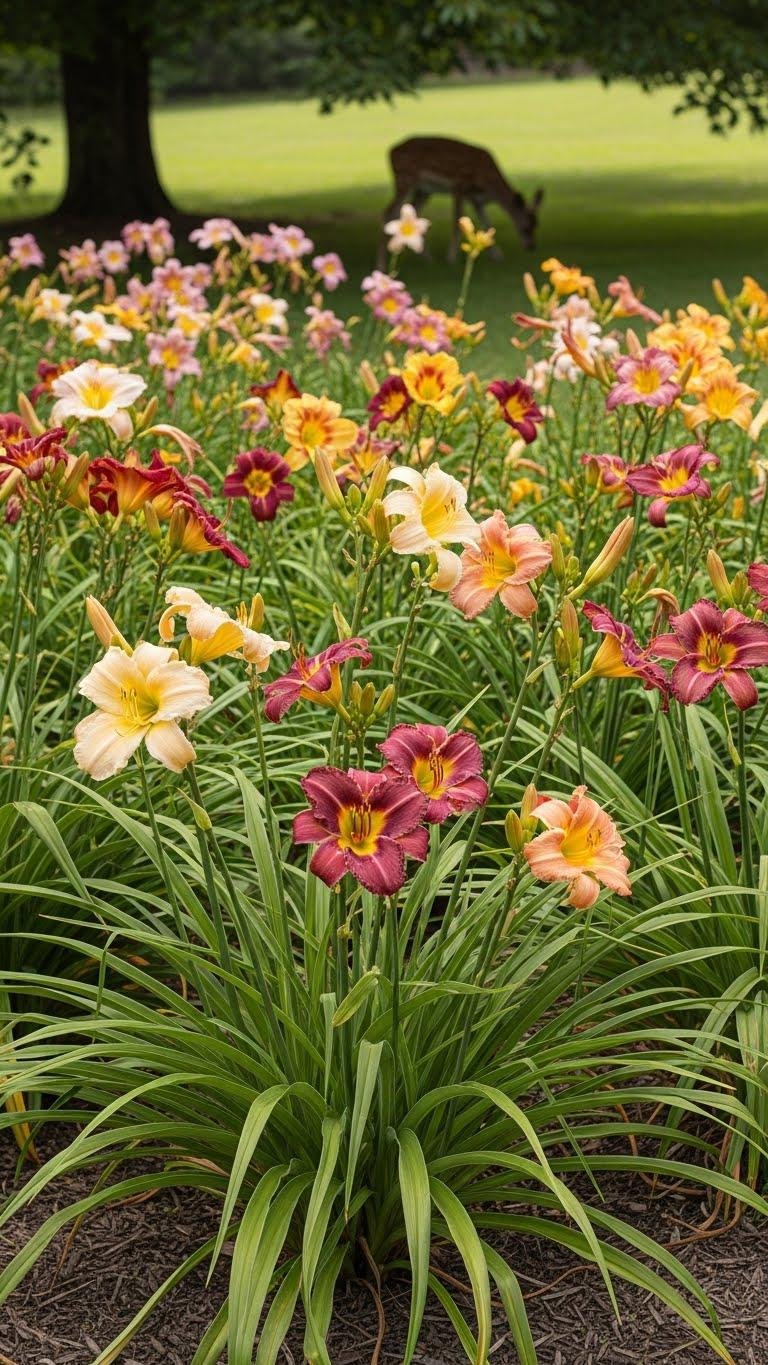
Moving from the easy-care reliability of Iceberg roses, you’ll find daylilies offer a similarly forgiving performance with a different look and habit: clumping, strap‑like foliage and trumpet-shaped blooms that open in profusion through summer.
You’ll pick hybrid varieties for extended color, plant in sun or light shade, divide every few years, and enjoy near deer resistance plus minimal feeding and effortless, long-lasting displays.
Marigolds
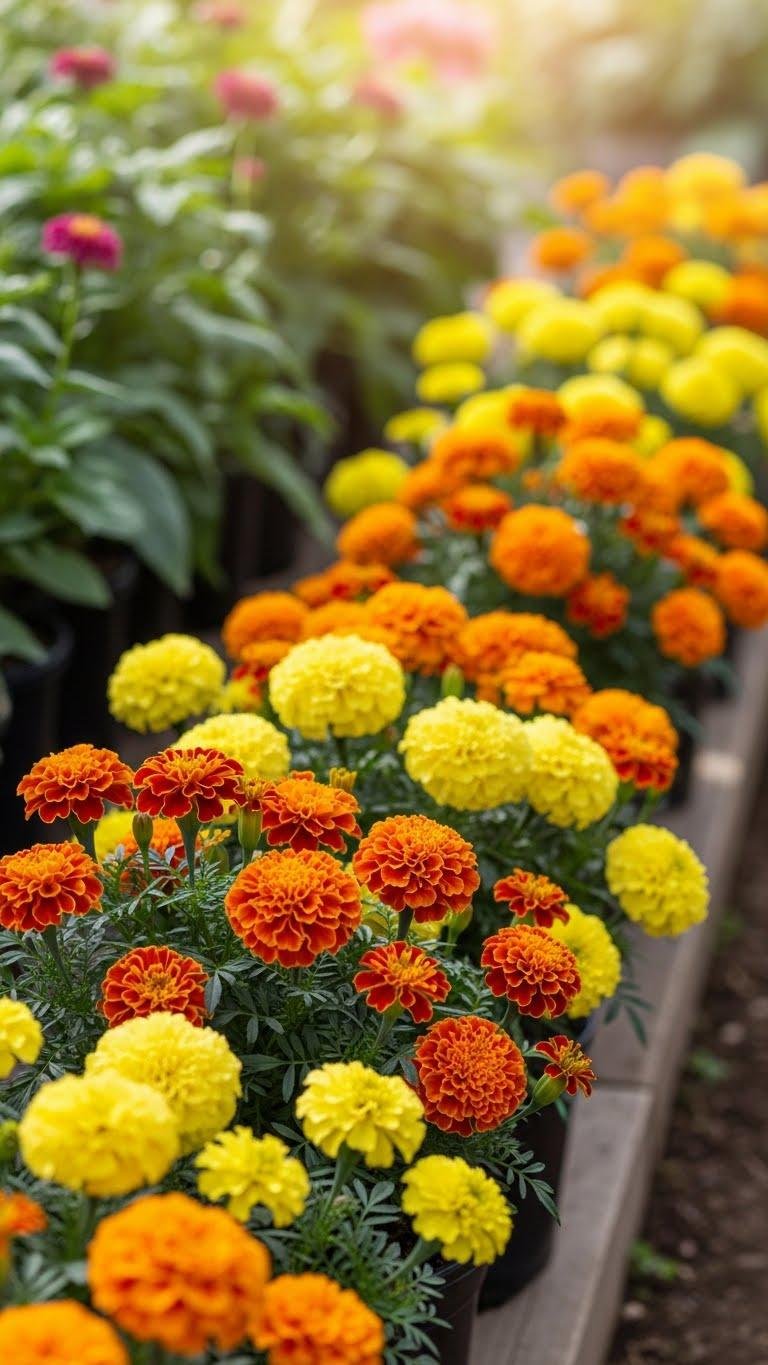
Turn to marigolds when you want dependable color that won’t fuss: these compact annuals bloom nonstop from late spring until frost, tolerate heat and poor soils, and need only regular deadheading and occasional feeding to stay vigorous.
You’ll favor dwarf varieties for borders and containers, and use them in companion planting to deter pests and simplify maintenance while keeping your garden low-effort and free.
Lavender
Paragraphs
Peonies
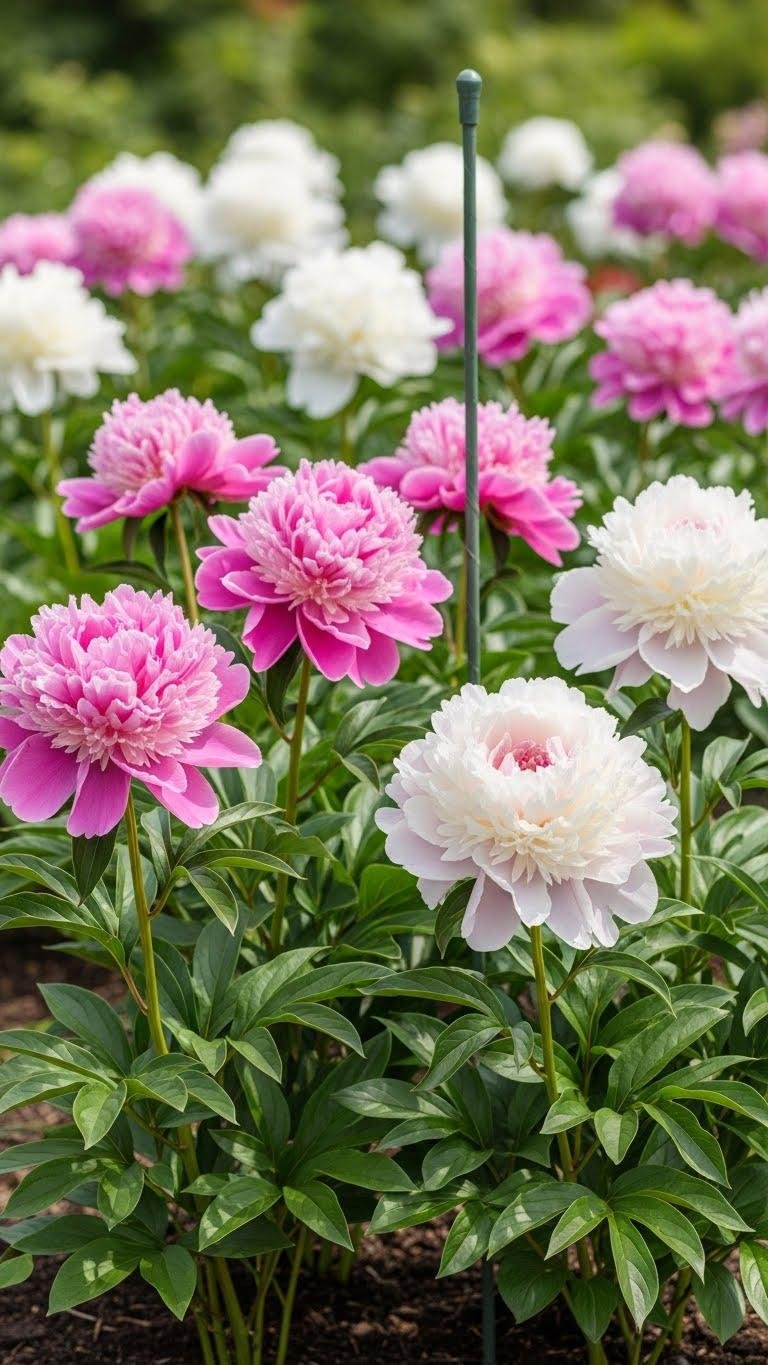
You’ll often find peonies rewarding even for casual gardeners, since their large, fragrant blooms and sturdy stems make them a standout in sunny borders and cut-flower beds.
You’ll appreciate simple peony care: full sun, well-drained soil, minimal feeding, and staking if needed. Enjoy long-lived clumps and explore folklore meanings—romance, prosperity—without fuss, letting blooms define a free, low-maintenance garden.
Shasta Daisies
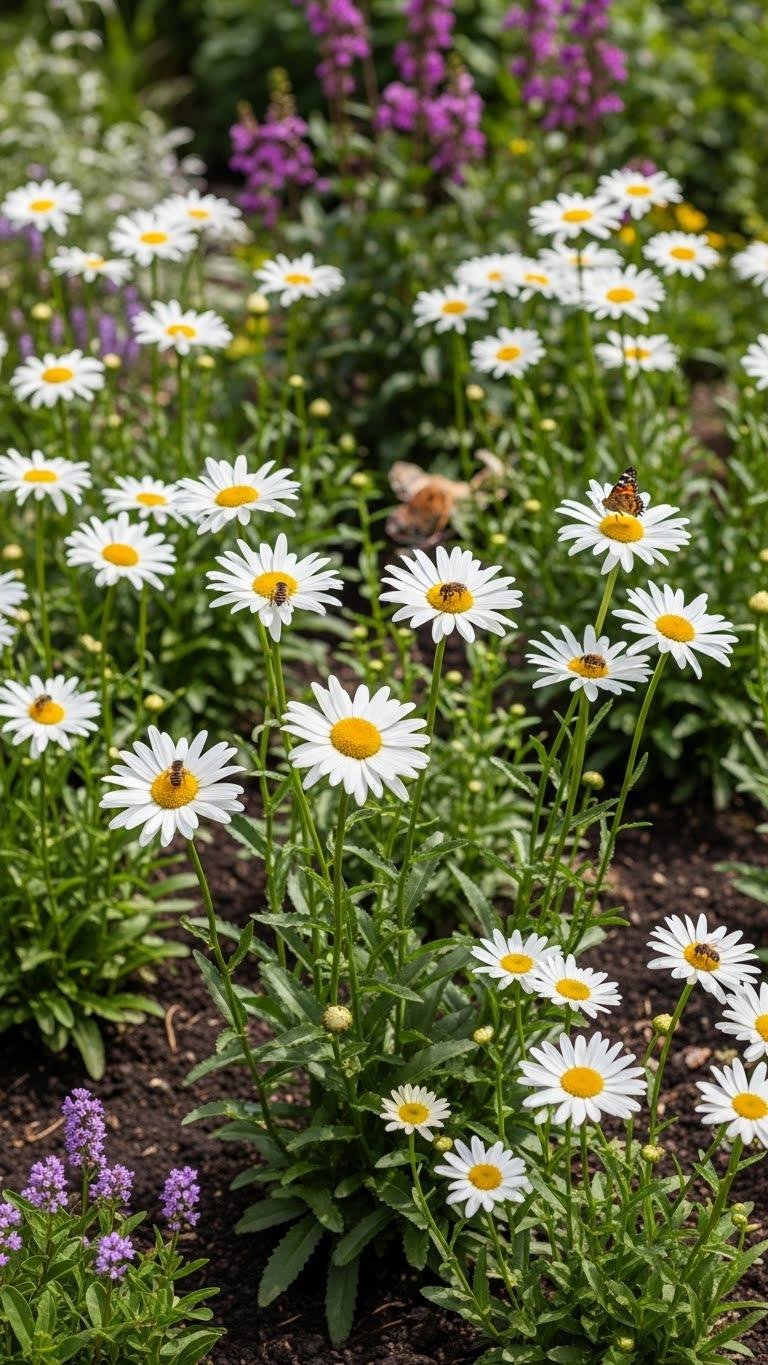
Frequently seen in cottage and perennial beds, Shasta daisies give you clean, long-lasting white blooms with sunny yellow centers that brighten low-maintenance landscapes.
You’ll enjoy straightforward care: full sun, well-drained soil preferences, occasional deadheading and division every few years.
They tolerate neglect, support pollinator benefits by attracting bees and butterflies, and let you reclaim time while keeping a reliable, cheerful garden presence.
Nasturtiums
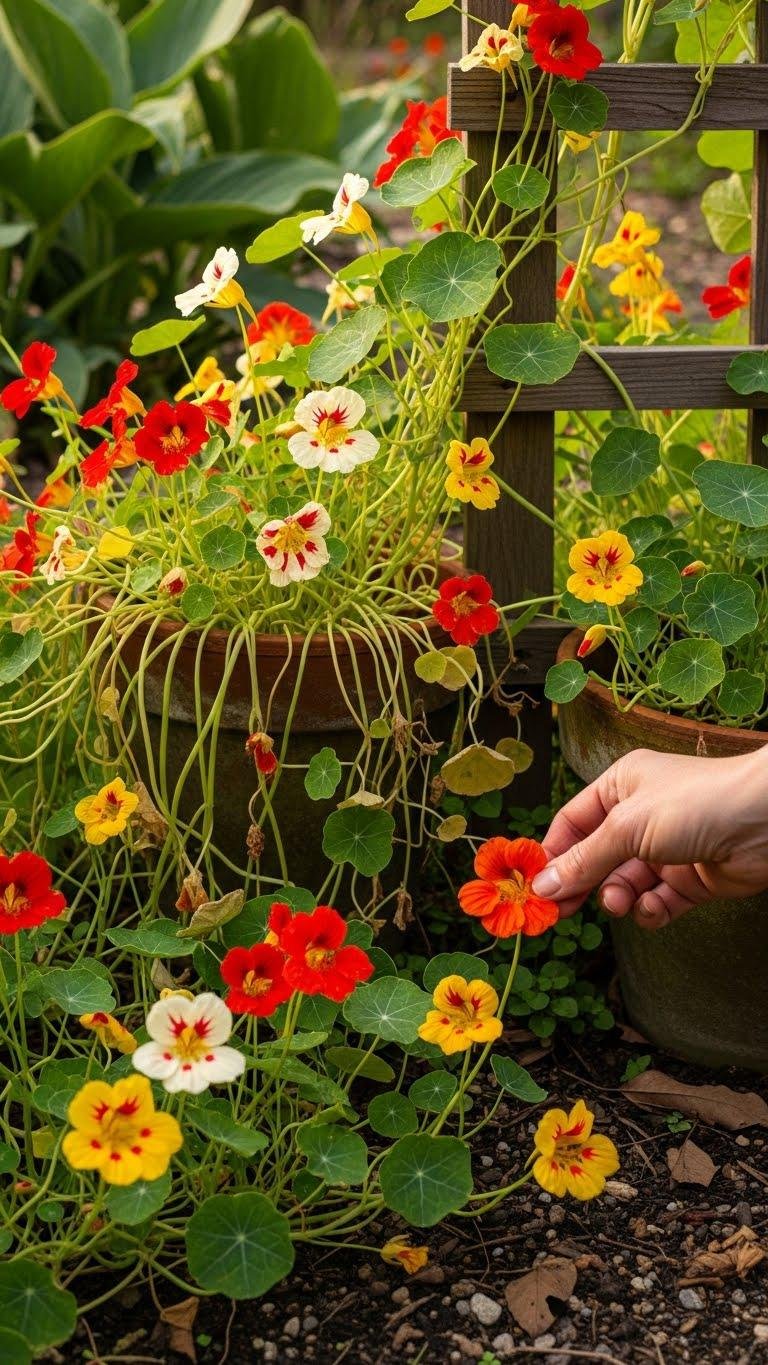
If you like the easy charm of Shasta daisies, nasturtiums offer a similarly low-fuss option with a bolder, more edible twist.
You’ll sow seed directly, provide poor to average soil, and spot water. Use vertical trellising for vines or let trailing types spill containers. Harvest petals as edible blooms for salads. They resist pests and reward minimal effort.
Salvia
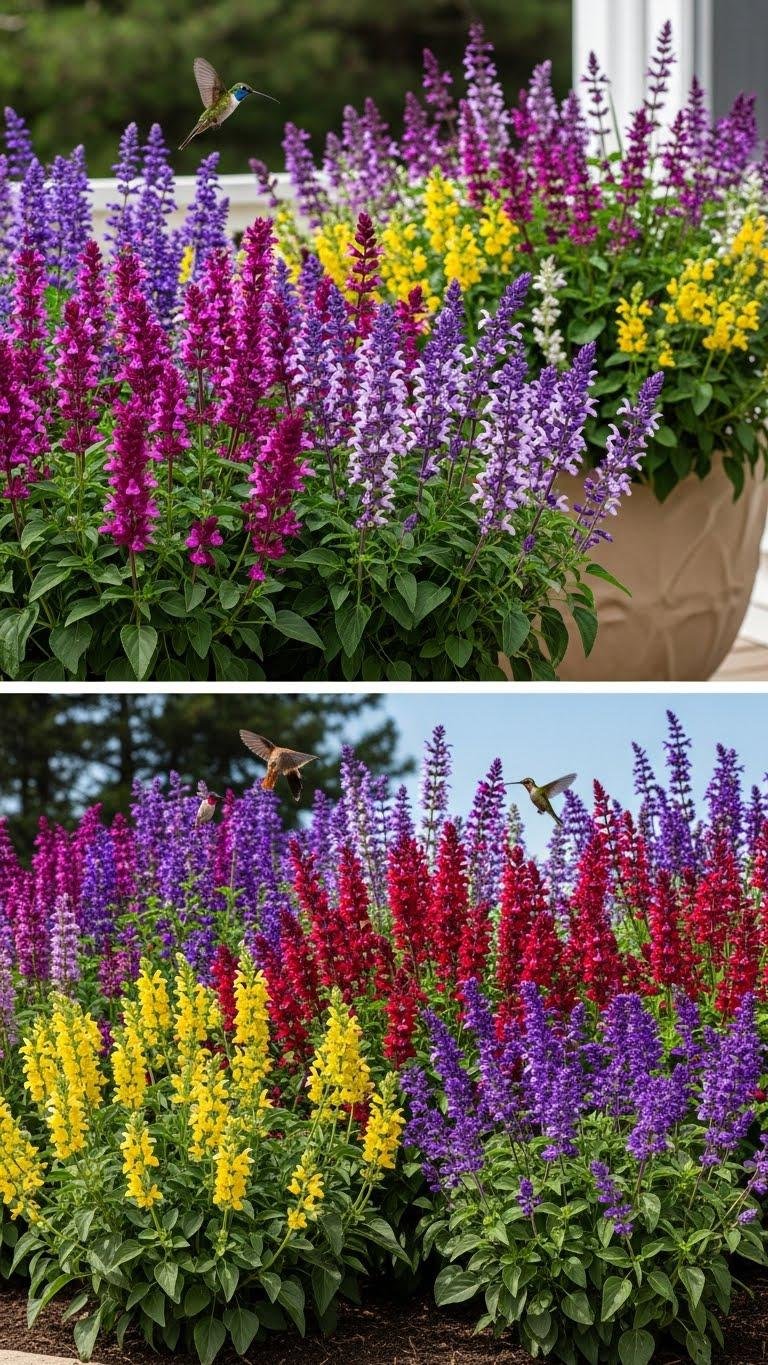
Plant salvia for long-lasting color and low-maintenance performance; these sun-loving perennials and annuals thrive in well-drained soil, tolerate heat and drought once established, and attract hummingbirds and pollinators.
You’ll choose deer resistant varieties for carefree borders, prune spent spikes to extend bloom, and use container cultivation on patios or balconies so you can move plants for sun, shelter, or seasonal freedom.
Phlox
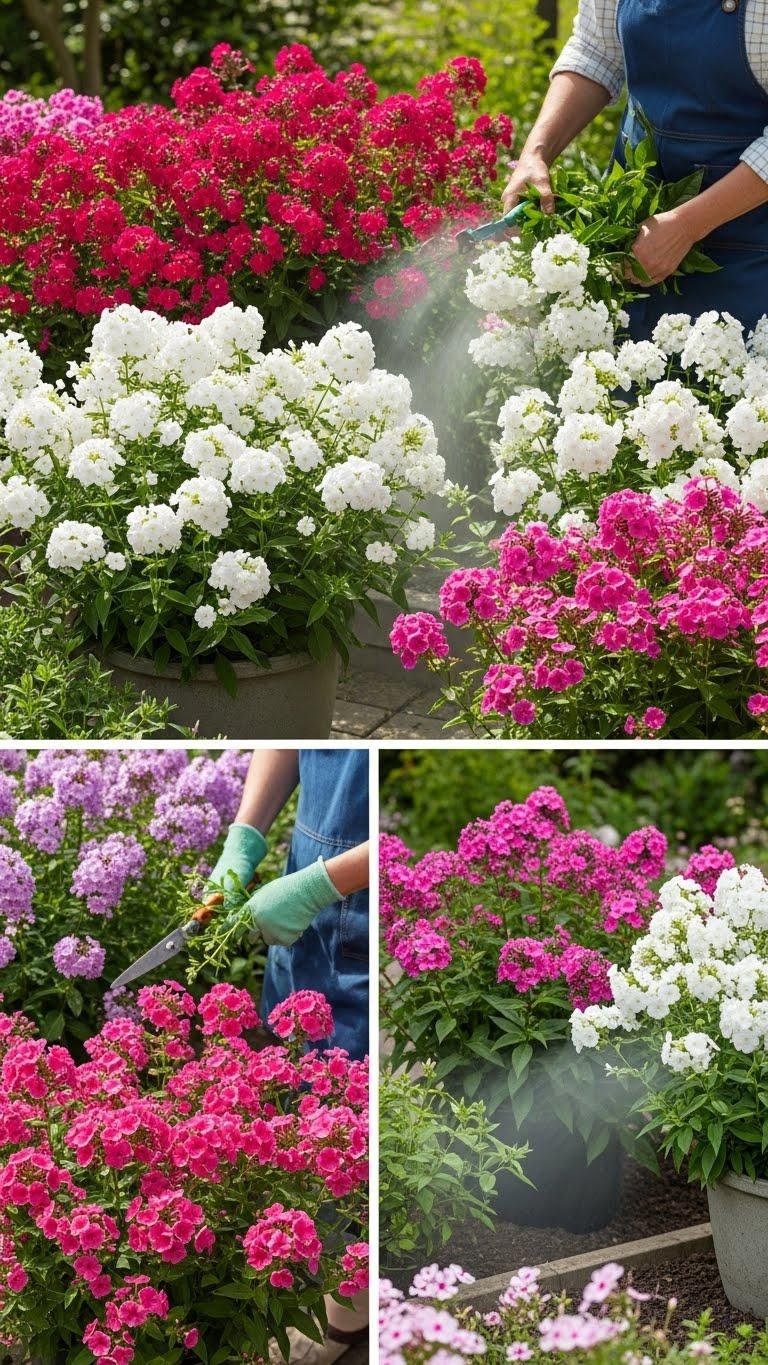
Bring a burst of long-lasting color to borders and containers with phlox, a reliable, low-fuss perennial (and several easy annual varieties) that blooms in clusters of white, pink, red, or lilac and thrives in sun to part shade.
You’ll enjoy subtle phlox fragrance and flexible phlox soil tolerance; deadhead spent blooms, space plants for airflow, and water deeply but infrequently for freedom-friendly care.
Cosmos
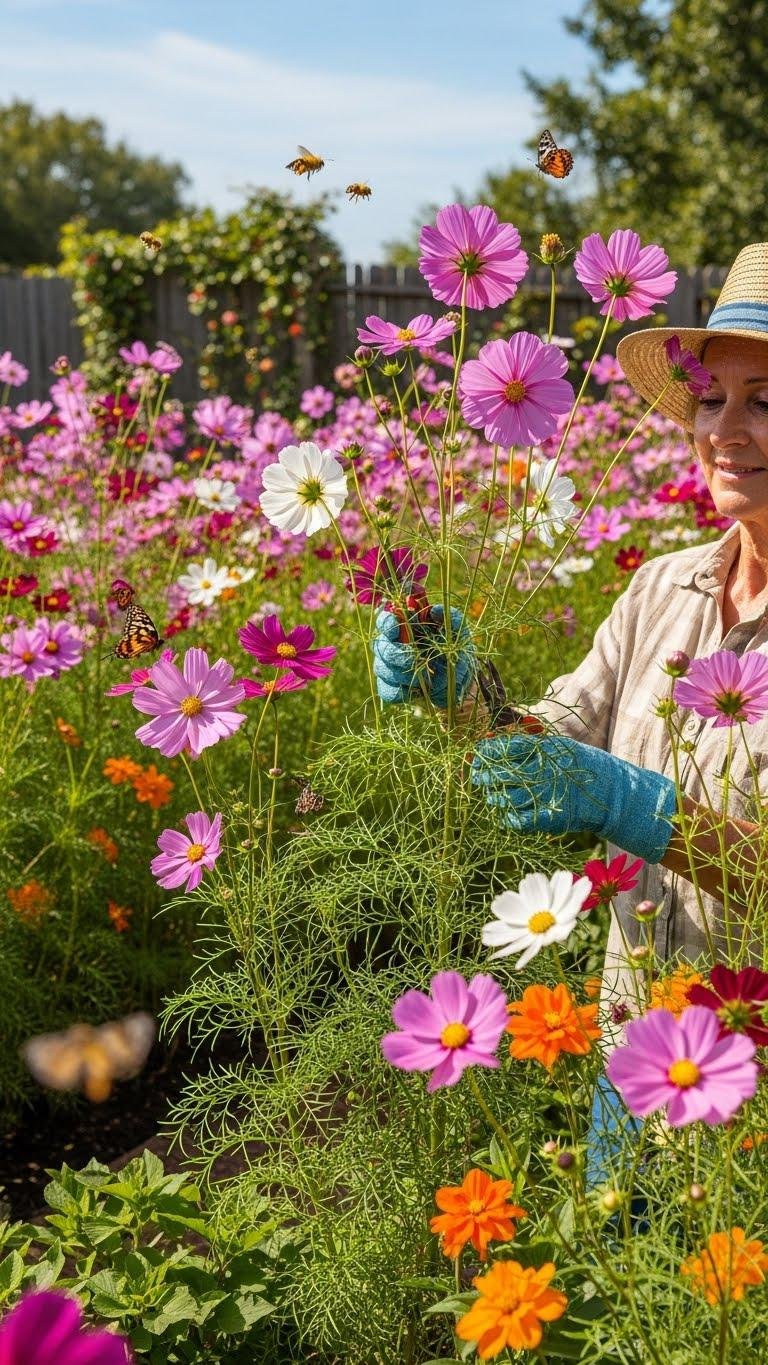
If you loved phlox for its easy care and airy flowerheads, you’ll appreciate cosmos for many of the same reasons—it’s even simpler to grow from seed and puts on a relentless summer show.
You’ll sow, thin, and watch tall, daisy‑like blooms that demand little water, draw pollinator attraction, and last well in cut flower arrangements. Deadhead lightly to extend bloom.
Rudbeckia
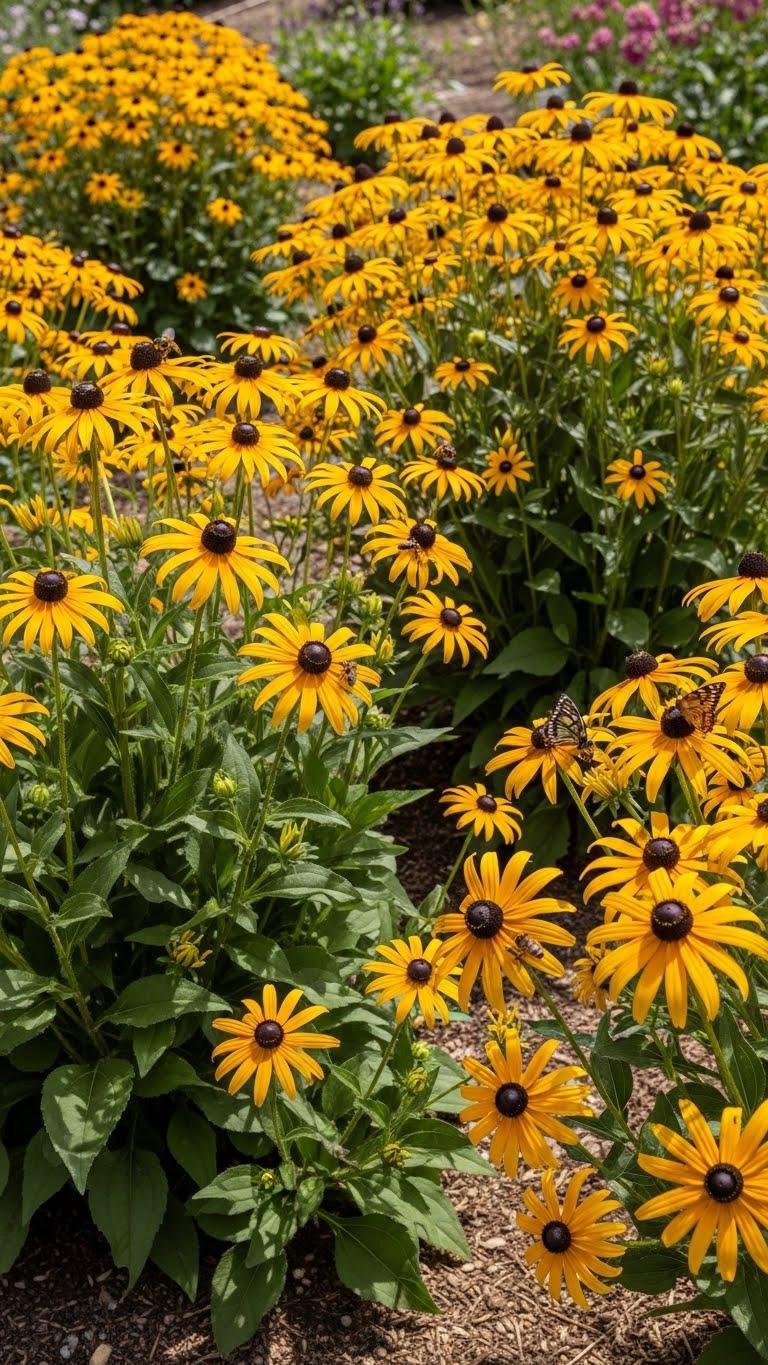
Sun-loving and tough, rudbeckias (black‑eyed Susans) reward you with bold, daisy‑like blooms from midsummer into fall while asking for very little care. You’ll plant them in full sun, enjoy strong pollinator attraction, and benefit from excellent drought tolerance.
Deadhead to prolong bloom, divide clumps every few years, and rely on these low-maintenance perennials to free up your time and garden.
Sweet Alyssum

While rudbeckias give your garden bold color and sturdy structure, sweet alyssum fills in with delicate, honeyed clusters that attract beneficial insects and soften borders. You’ll plant this fragrant groundcover in sunny edges or containers, and it self-seeds easily.
Trim spent blooms to extend flowering; watch how this pollinator magnet brings bees and hoverflies, offering low-maintenance charm and subtle scent.
Bee Balm
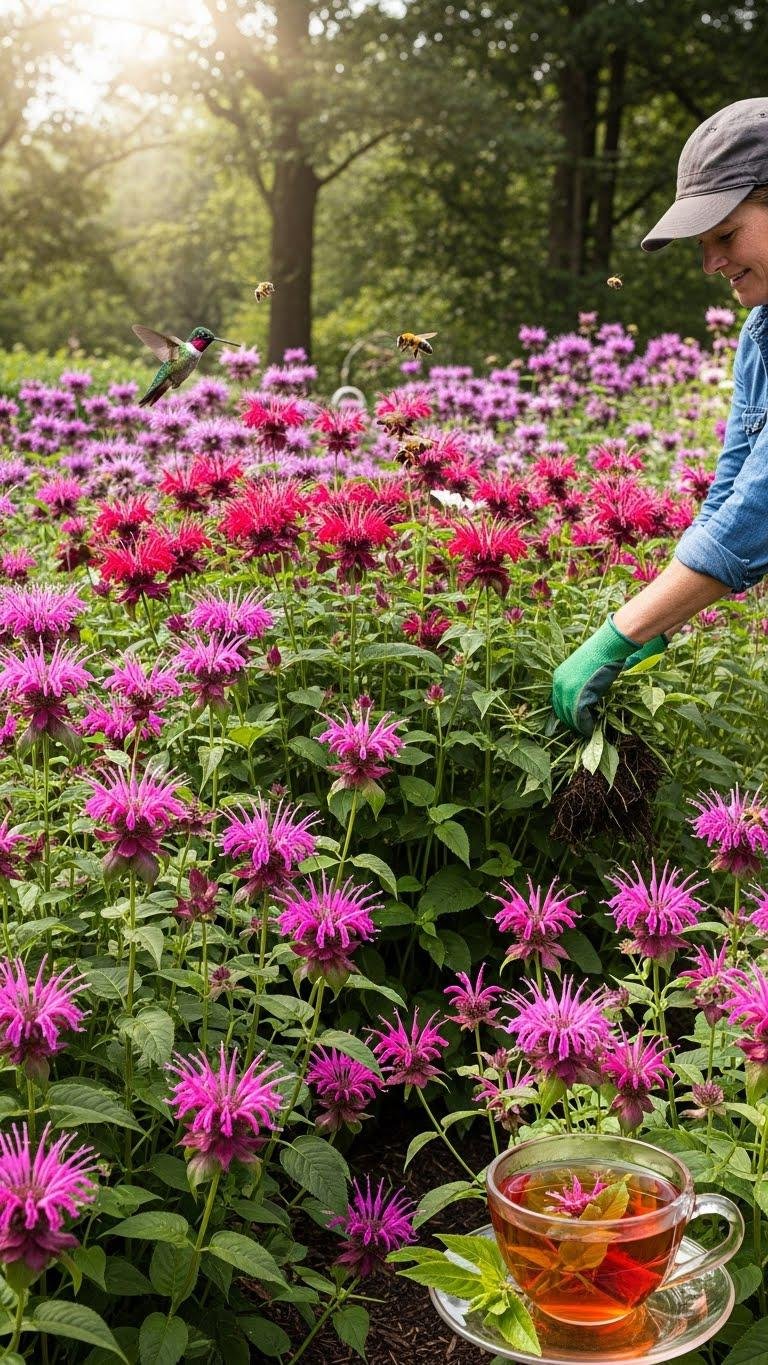
Often hummingbirds and bees flock to bee balm, whose showy, tubular flowers and fragrant foliage make it a standout in borders and pollinator gardens.
You’ll plant it in sun to part shade, trust its drought tolerance, and divide clumps to control spreading.
Use leaves for herbal teas or leave them to support pollinator habitat; maintenance is minimal, rewarding your garden freedom.
Dianthus
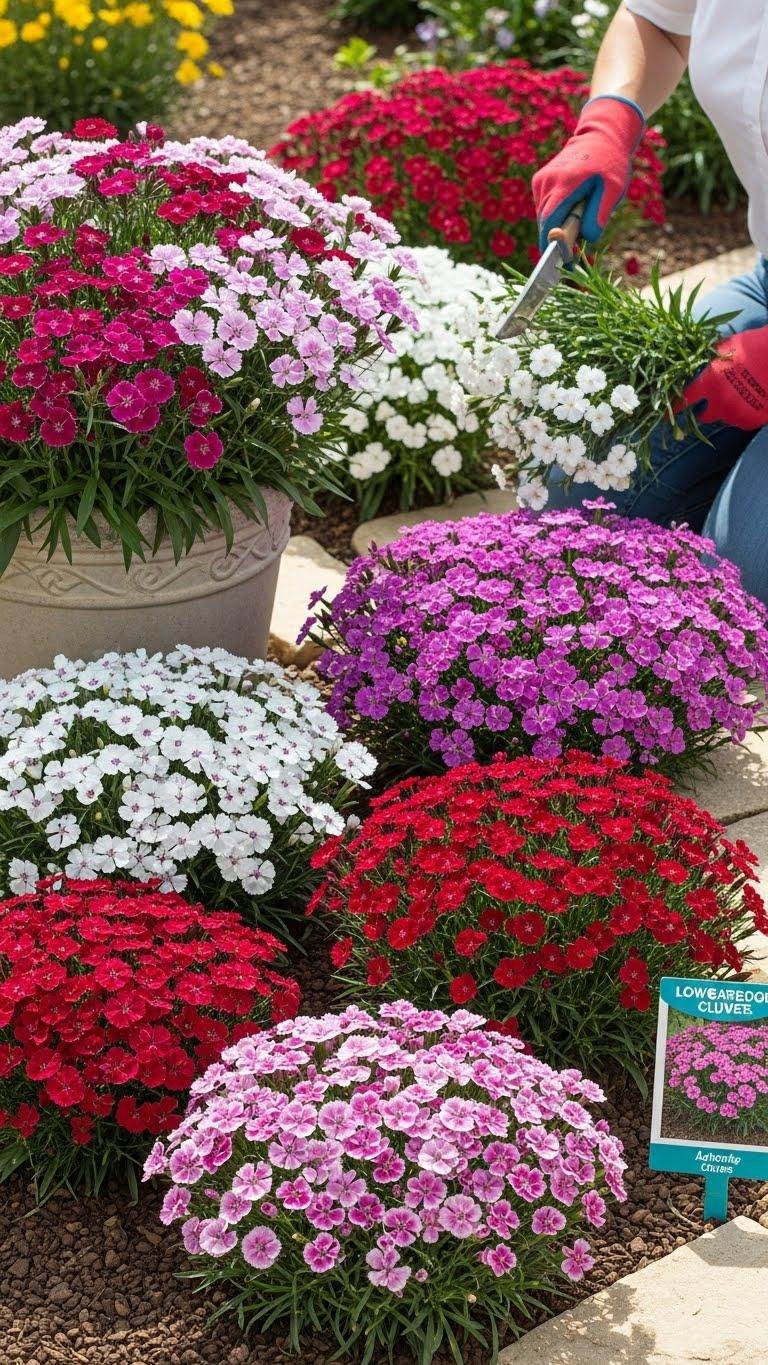
Plant dianthus for neat, long-blooming clumps of fragrant, frilly flowers that suit rock gardens, borders, and containers. You’ll enjoy low-maintenance growth, sun-loving habits, and drought tolerance once established. Choose fragrant varieties for cut bouquets and close-up scent. Deadhead spent blooms to encourage more flowering.
Thin crowded clumps biennially to keep plants vigorous and prevent mildew—simple steps that free your time.
Gaillardia (Blanket Flower)
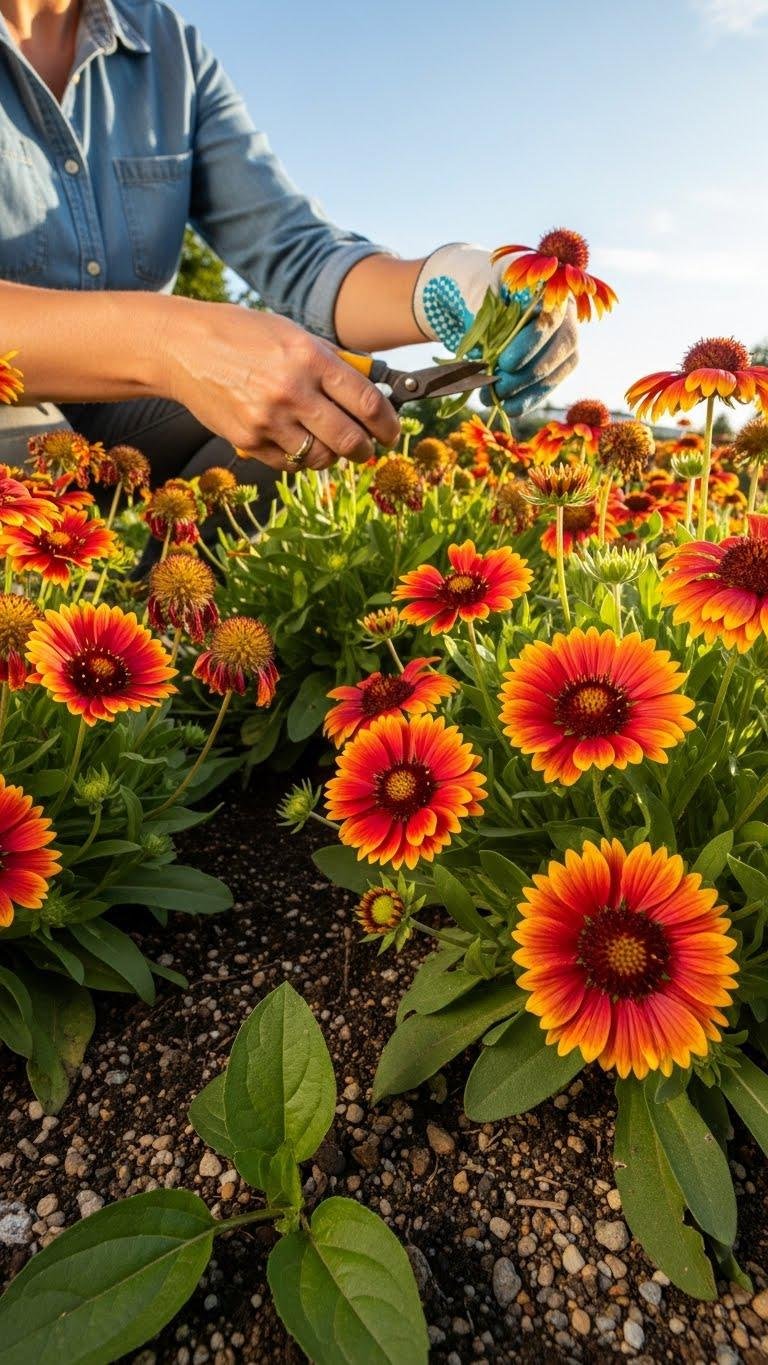
You’ll find gaillardia (blanket flower) a reliable, sun‑loving perennial that rewards hot, dry conditions with long-lasting, daisy‑like blooms in bright reds, oranges, and yellows.
You’ll plant it in well‑draining Gaillardia soil, give full sun, and deadhead for nonstop color.
For Gaillardia propagation, divide clumps or start seed; it tolerates neglect, freeing you to enjoy bold, low‑effort borders.
Foxglove
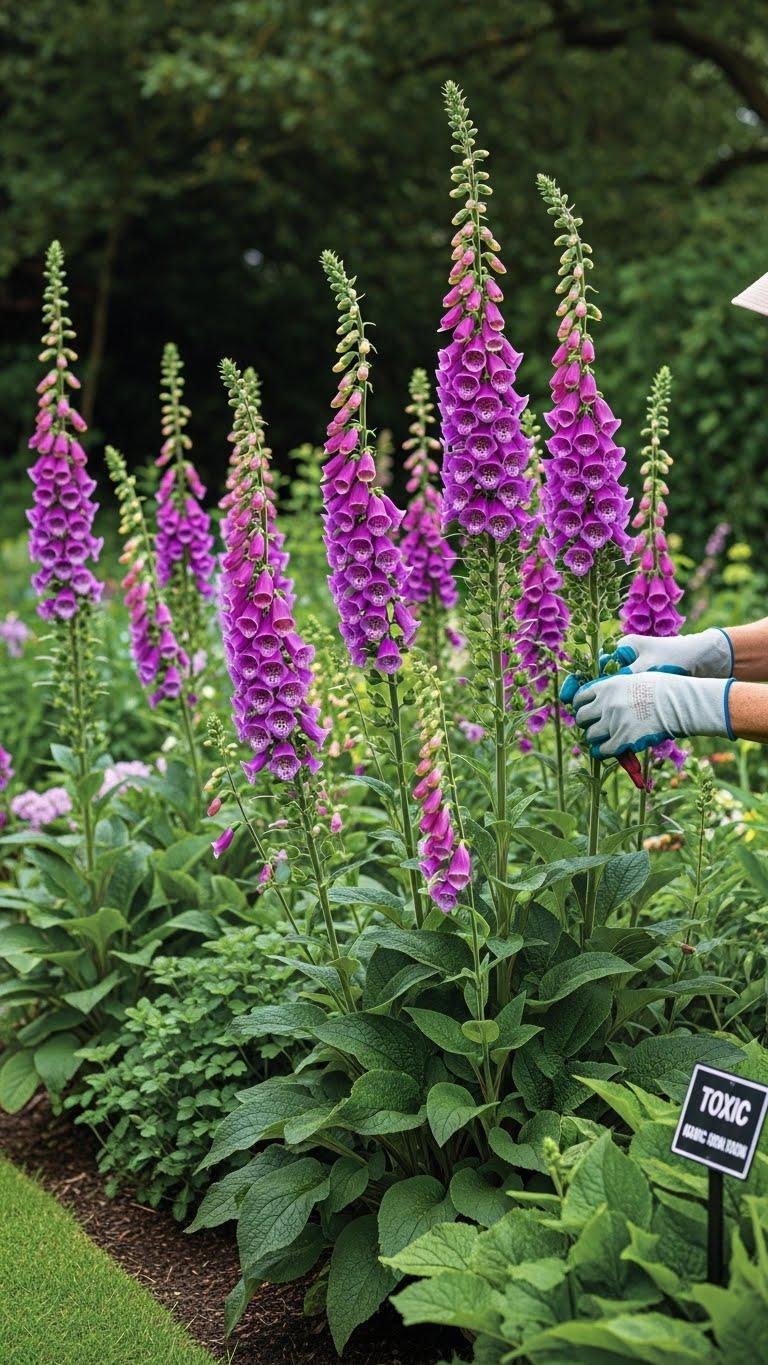
Foxglove (Digitalis) brings tall, elegant spires of tubular blooms that suit shaded or part‑sun borders and cottage gardens, but handle them with care — all parts of the plant are toxic if ingested.
You’ll pick shade varieties for cooler, freer planting spots; deadhead spent spikes to encourage rebloom. Respect its medicinal history, wear gloves, and site it where self-seeding won’t limit your choices.
Yarrow
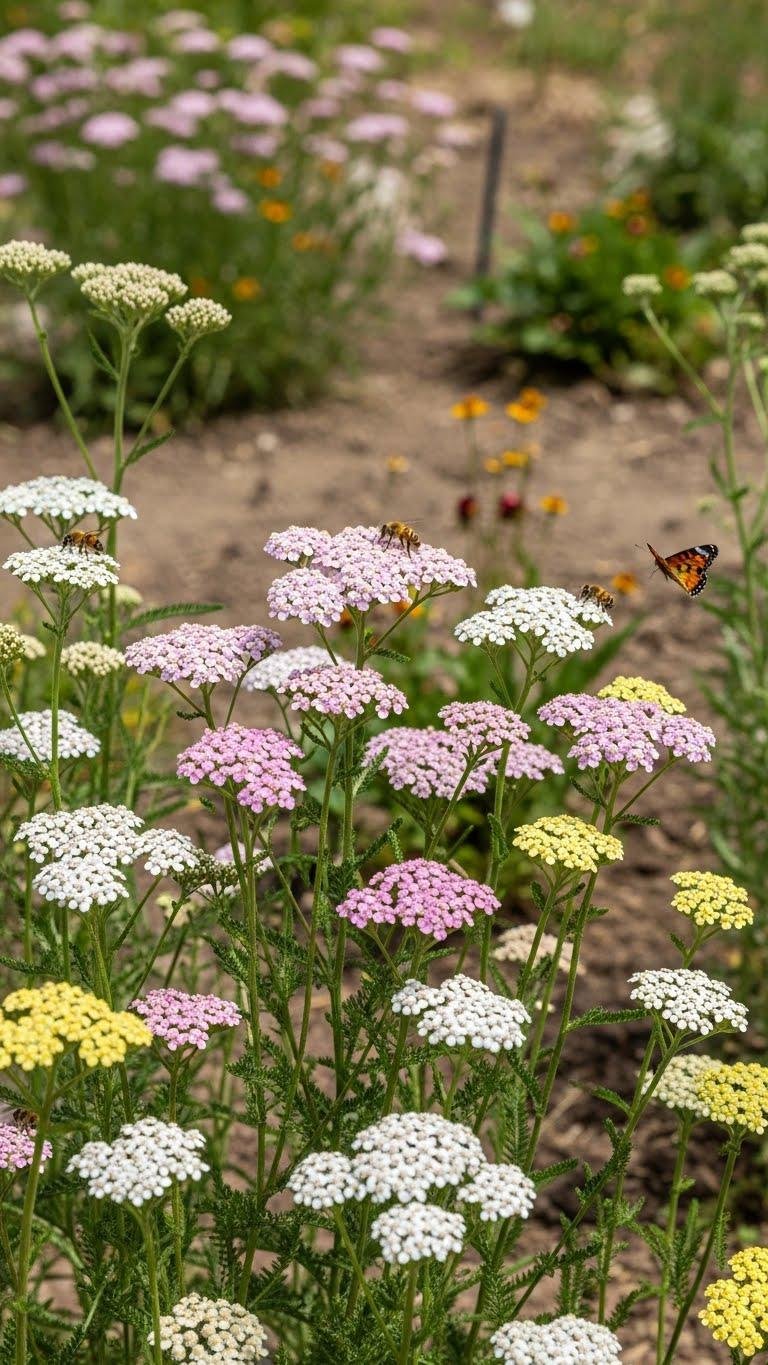
A hardy perennial, yarrow (Achillea millefolium) rewards you with flat clusters of tiny, long‑lasting blossoms in white, pink, or yellow that attract pollinators and tolerate heat, drought, and poor soils.
You’ll plant it for low maintenance, drought tolerance, and erosion control; it blooms reliably, spreads modestly, and aids companion planting by attracting beneficial insects while deterring pests—ideal if you value effortless freedom in the garden.