
You can protect your garden quickly with simple, natural fixes that work alongside good plant care. Use companion herbs, trap plants, homemade sprays, oils, physical barriers and habitat tweaks to cut pest pressure without harsh chemicals. These strategies are practical, easy to apply, and scalable from containers to beds—try a few targeted methods and you’ll see results fast; next, I’ll outline 20 proven remedies and how to use them effectively.
Plant Pest-Repelling Herbs Around Vegetables
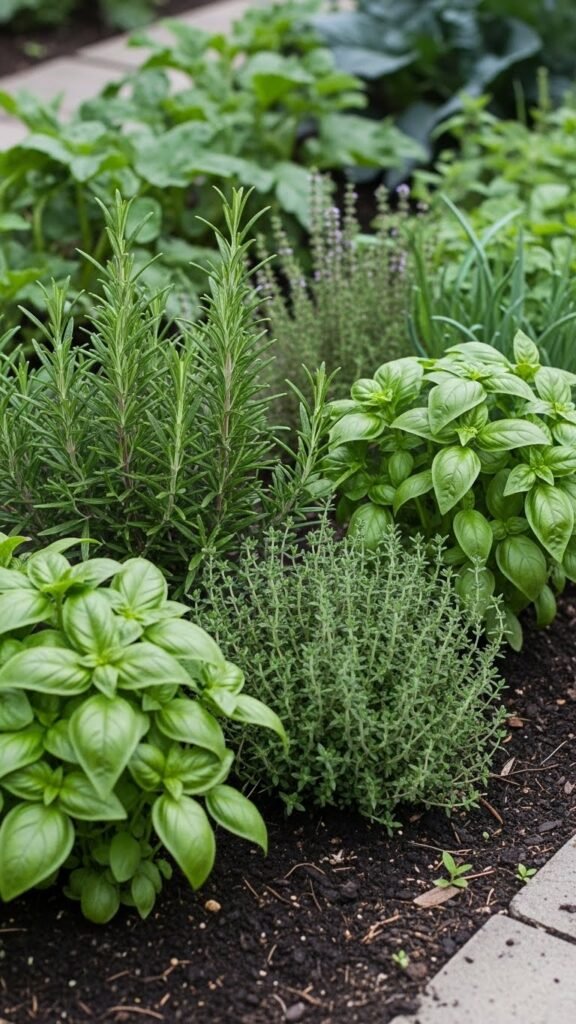
Often, you’ll get the best results by planting pest-repelling herbs right next to your vegetables; their scents mask crop odors and deter insects without chemicals. You’ll use companion planting to form aromatic borders of basil, rosemary, thyme, and mint.
Place herbs where airflow carries fragrance through beds, rotate varieties yearly, and trust simple, low-maintenance arrangements to protect yields while keeping your garden sovereign and chemical-free.
Grow Marigolds and Nasturtiums as Trap Plants

Regularly planting marigolds and nasturtiums as trap crops protects your vegetables by drawing pests away before they reach your main beds. You’ll place them at borders or between rows for companion planting benefits, monitoring pest loads and removing infested plants.
Keep spacing to limit root competition with your crops, water appropriately, and rotate trap spots so you stay in control without chemicals.
Make a Garlic-Onion Spray for Ants and Aphids

If you want a simple, effective organic spray, make a garlic-onion infusion to repel ants and aphids without harming beneficial insects; its strong sulfurous oils disrupt pest feeding and mask plant scents that attract them. Chop garlic and onion, steep in hot water, strain, dilute, and test on one leaf. Wear gloves for skin safety and expect a brief kitchen odour that fades outdoors.
Brew Peppermint and Citrus Leaf Repellents
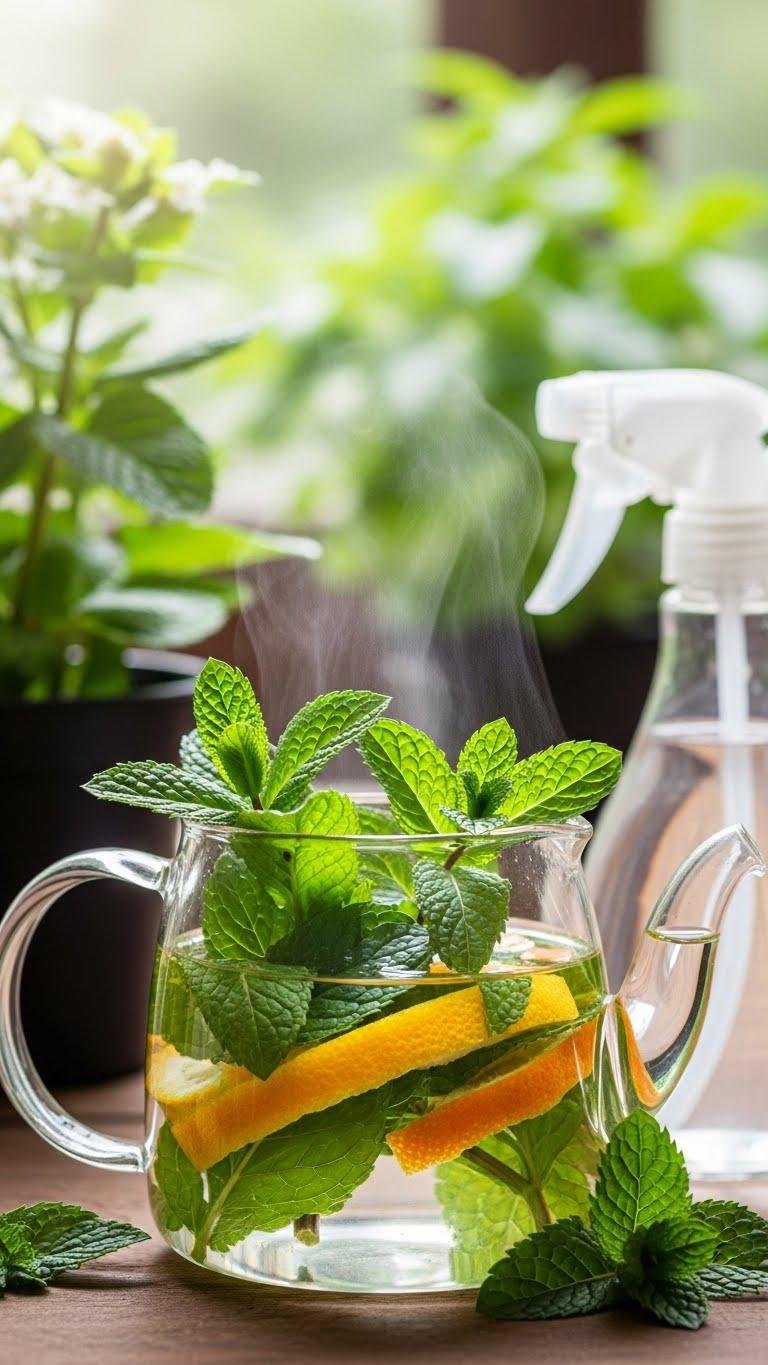
Grab fresh peppermint leaves and citrus peels and steep them in hot water to make a dual-action repellent that deters ants, aphids, and some beetles without harming pollinators. You’ll strain this leaf infusion, dilute it, and spray around plants. You can also capture essential oils via simple steam distillation for concentrated spots. Reapply after rain and test on a small area first to protect foliage.
Set Out Peppermint Oil Cotton Balls to Deter Squirrels

Occasionally you can keep curious squirrels away by placing cotton balls dabbed with peppermint oil around vulnerable plants and entry points; the strong scent masks food smells and irritates their senses without harming wildlife.
Observe squirrel behavior to position balls where they travel, refresh peppermint concentrations weekly, and secure balls so they don’t blow away. This practical, low-impact tactic preserves your garden freedom.
Sprinkle Coffee Grounds to Repel Slugs and Ants
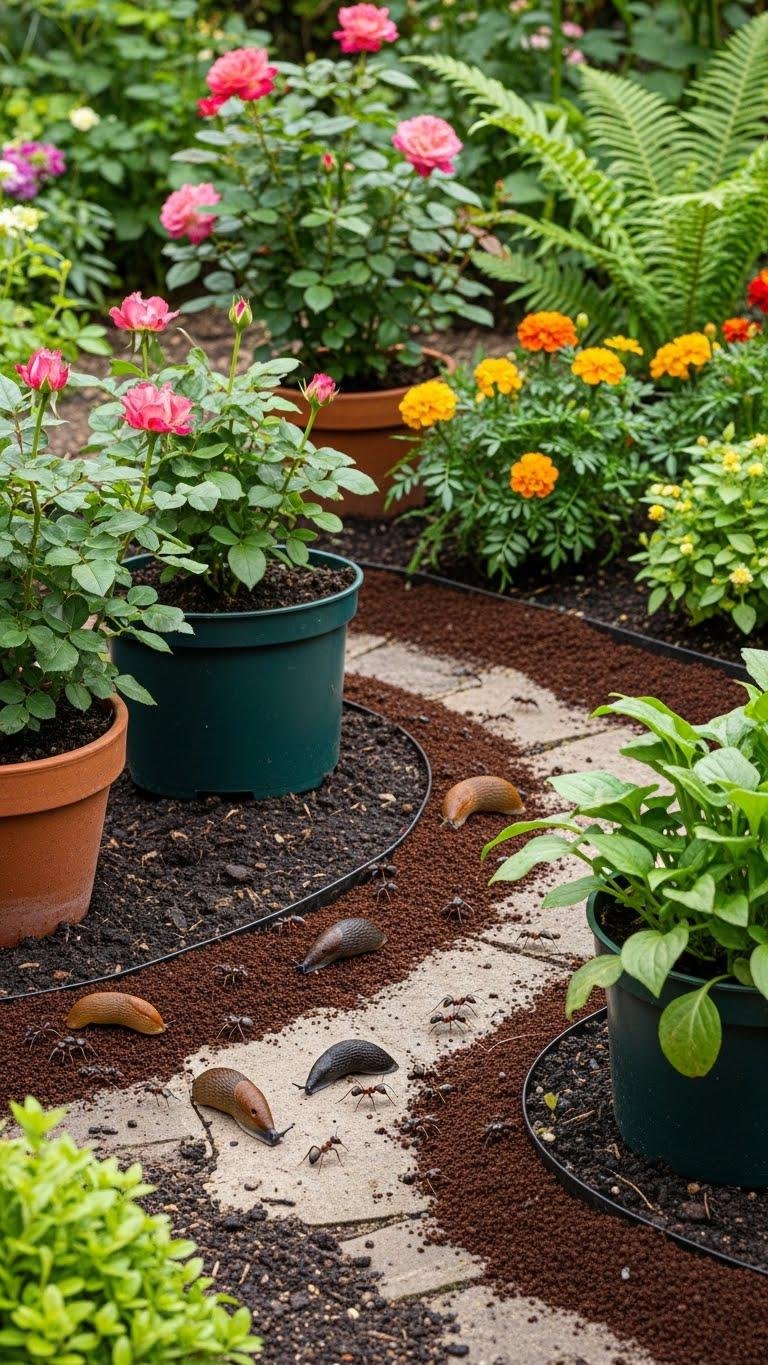
Sprinkling used coffee grounds around beds and potted plants can deter slugs and ants by creating a gritty, aromatic barrier they tend to avoid. You’ll scatter grounds thinly, refresh after rain, and blend with soil via coffee composting to nourish plants without overloading.
Be mindful of caffeine toxicity for sensitive seedlings and don’t pile grounds thickly; freedom-minded gardeners control dosing and observe results.
Use Milk Sprays to Control Powdery Mildew
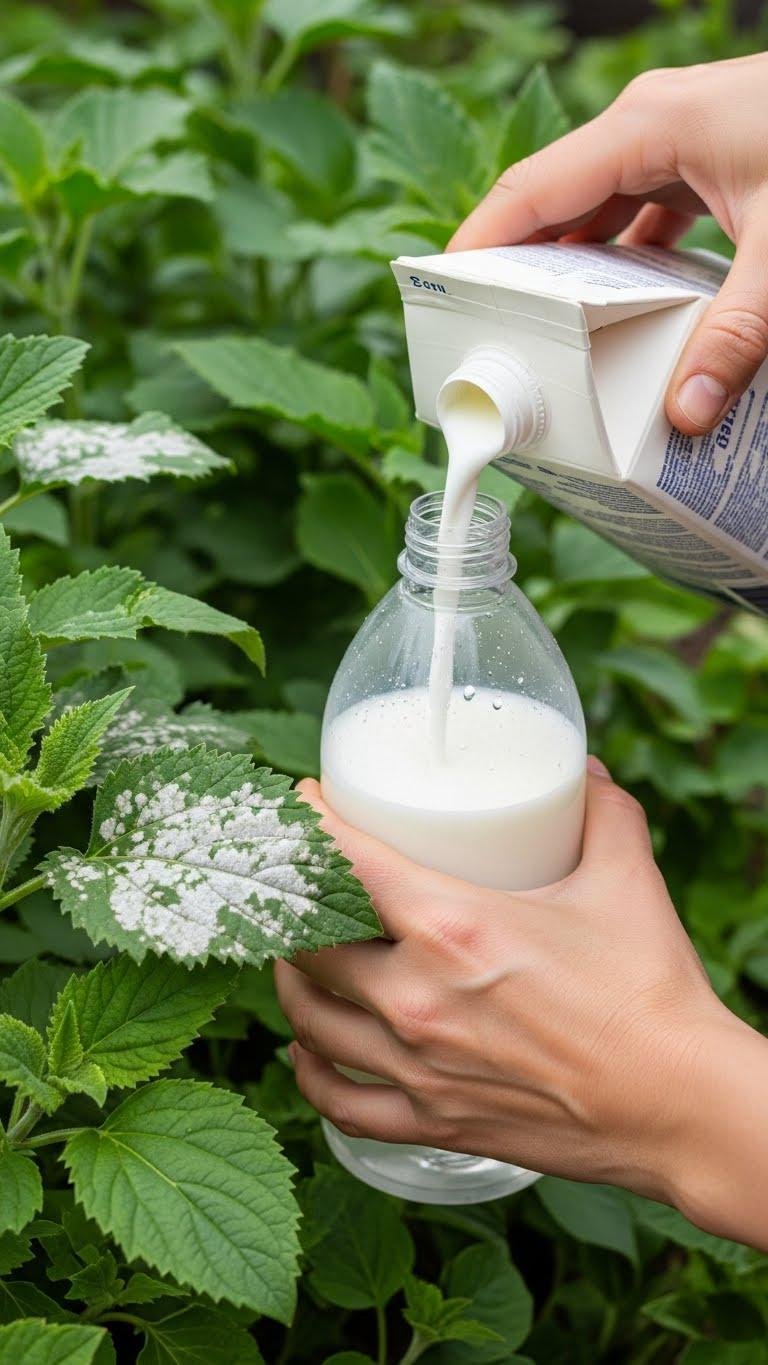
You can move from soil amendments like coffee grounds to foliar treatments that protect leaves — one simple, low-toxicity option is milk.
You’ll mix a milk dilution (roughly 1 part milk to 9 parts water) and apply as a foliar application every 7–10 days.
It suppresses powdery mildew, is safe for edible plants, and lets you garden with practical, low-risk control.
Plant Lavender and Catmint to Reduce Mosquitoes
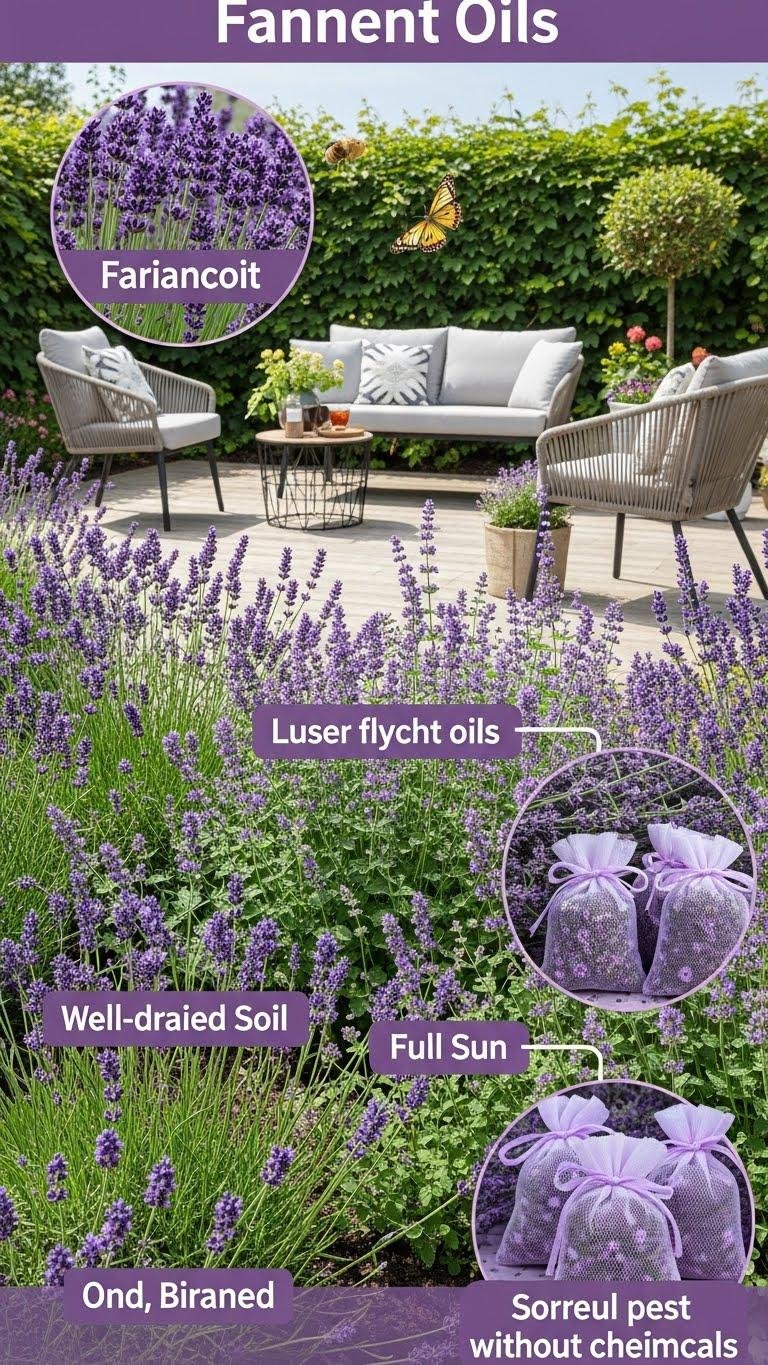
Paragraphs
Plant lavender and catmint around seating areas and along borders to help keep mosquitoes at bay; their fragrant oils repel many biting insects while attracting pollinators like bees and butterflies.
You’ll use lavender cultivation tips—full sun, well-drained soil—and practice catmint pairing for contrast and resilience.
Prune yearly, harvest blooms for sachets, and enjoy freer, less buggy outdoor living with minimal chemicals.
Place Marigolds in Pots Near Slug Hotspots
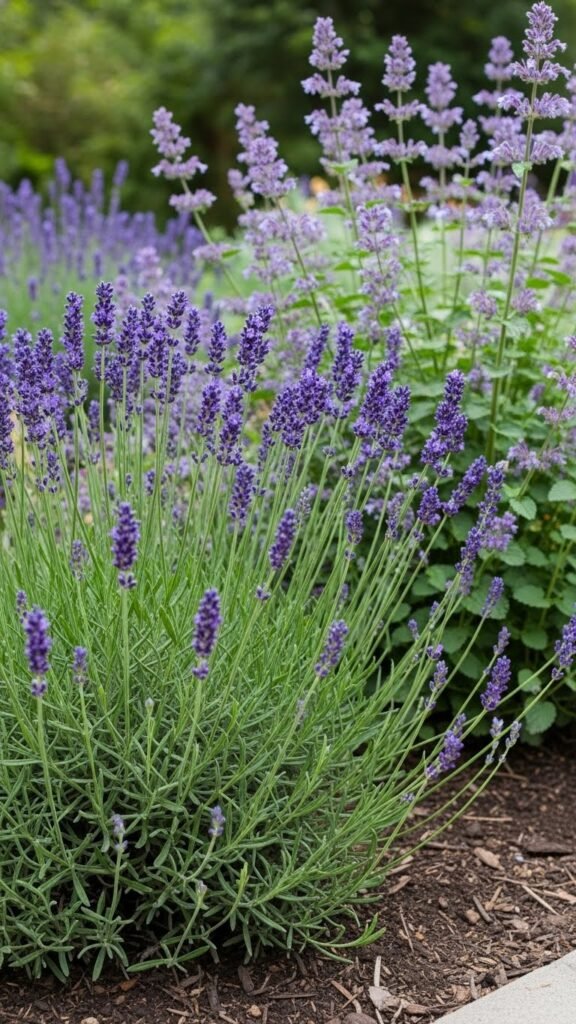
After you’ve set up lavender and catmint to fend off mosquitoes, shift attention to slugs by placing marigolds in pots near their favorite damp hiding spots; the strong scent and sticky sap of marigolds help deter slugs while keeping defenses mobile and contained.
Position pots for strategic container placement, monitor soil moisture, rotate locations as needed, and replace spent plants to maintain effective barrier protection.
Make a Tomato-Leaf or Gliricidia Spray for Chewing Insects

Using fresh tomato leaves or gliricidia foliage, you can make a simple, effective spray that deters and reduces chewing insects like caterpillars and beetles; chop the leaves, steep them in warm water for several hours, strain, dilute if needed, and apply to affected plants during calm, cool parts of the day.
You’ll avoid tomato decapitation myths, use leaf humectant properties, and protect crops naturally.
Mulch With Seaweed or Kelp to Deter Slugs
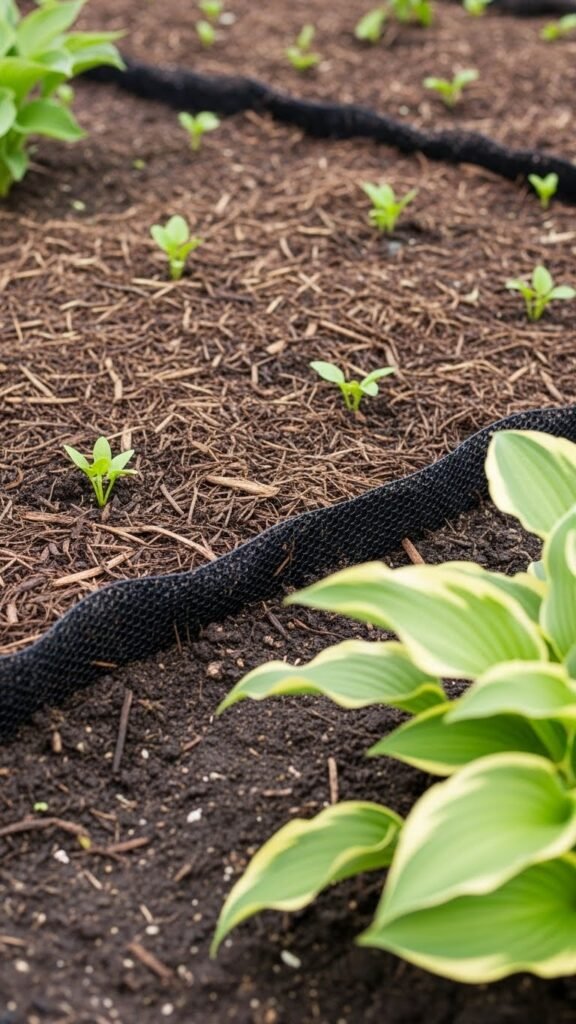
If you want to protect tender seedlings and hostas from slugs without chemicals, try mulching with fresh seaweed or kelp; it creates a barrier slugs avoid and slowly releases nutrients into the soil.
You’ll spread a thin layer, refresh as it breaks down, and use seaweed composting to enrich beds. Brew kelp tea for a foliar boost and stronger, freer plants.
Use Bicarbonate and Oil Sprays for Egg Cases and Mildew
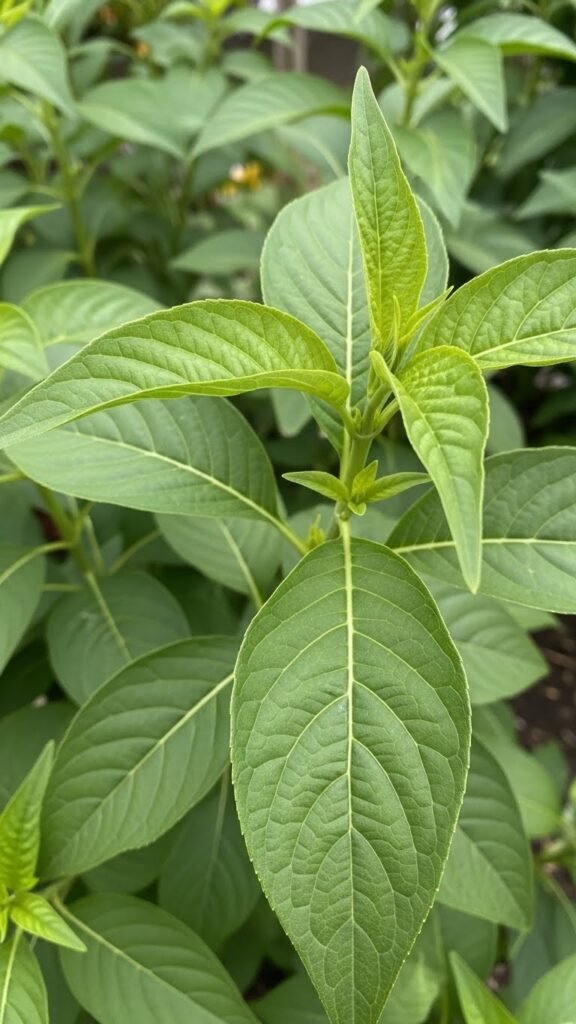
In gardens prone to egg cases and powdery mildew, a simple spray of bicarbonate mixed with horticultural oil gives you a low-toxicity, effective option: the bicarbonate raises surface pH to inhibit fungal spores while the oil smothers insect eggs and soft-bodied pests.
You’ll mix a measured bicarbonate misting solution with an oil emulsifier, spray leaves thoroughly, repeat after rain, and avoid blooms to protect pollinators.
Introduce Predator-Friendly Habitat to Encourage Beneficial Insects
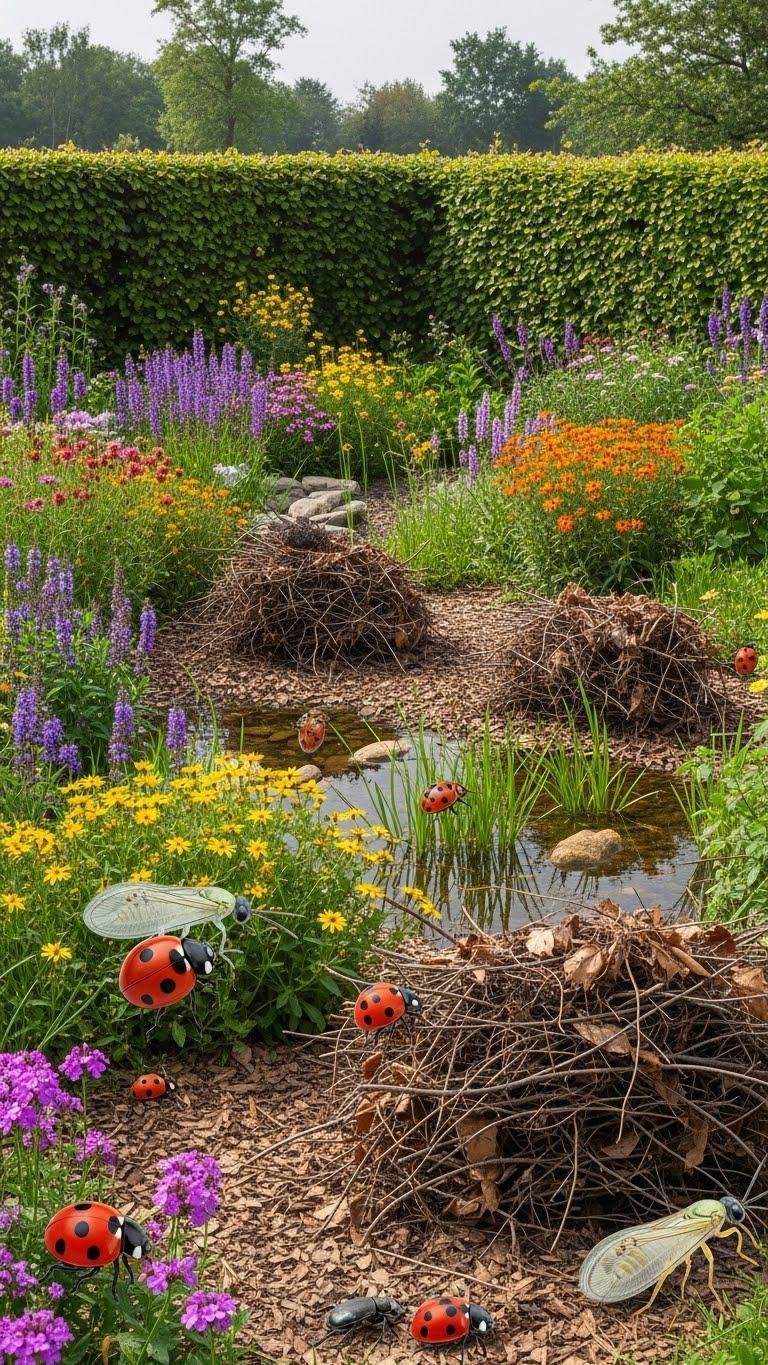
Habitat-enhancing features like native flowering borders, shallow water sources, and brush piles attract and sustain predatory insects and other beneficials you want in the garden. You’ll plant native hedgerows, leave leaf litter, and add simple water features to provide shelter, nectar, and hydration. That encourages ladybugs, lacewings, parasitic wasps, and ground beetles so you control pests naturally and keep your garden independent.
Prepare an Onion Brew for Army Worms and Borers
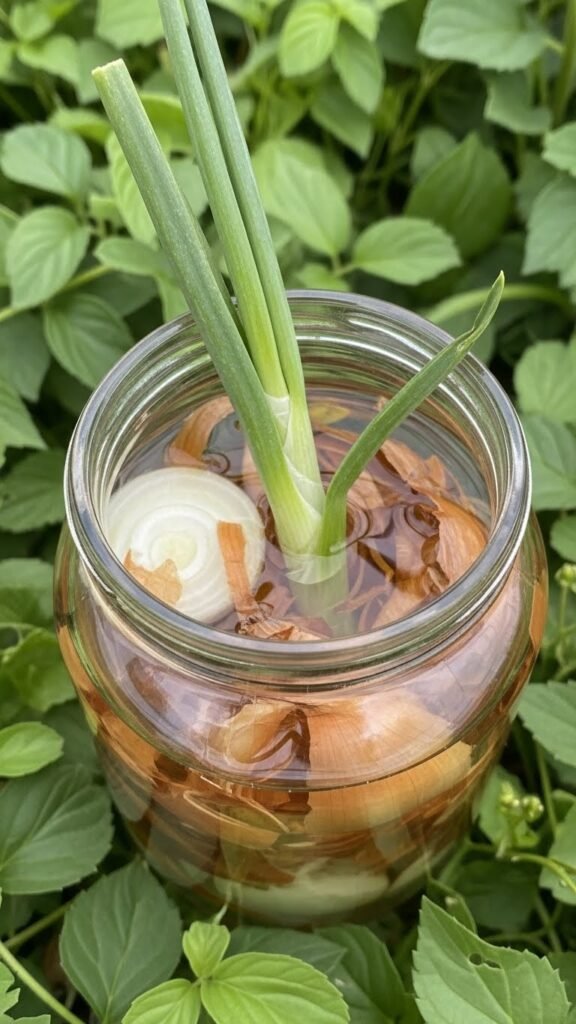
Turn to a simple onion brew when army worms and borers start chewing through your plants — it’s inexpensive, easy to make, and targets soft-bodied larvae without harsh chemicals. Chop onion scraps from onion composting, steep in water 24–48 hours, strain, dilute 1:10, and spray on affected foliage. Follow brewing safety: label batch, test on one plant, and store away from children and pets.
Use Allium and Garlic Barriers Around Vulnerable Plants

When pests are pressing in, plant or place alliums and garlic around vulnerable beds to create a simple, low-toxicity barrier that repels many chewing and sucking insects. You’ll space allium companions where they won’t crowd crops, rotate bulbs yearly, and interplant strategically.
Rely on garlic deterrents as part of an assertive, low-input plan that preserves plant health and your freedom to garden naturally.
Prune and Clean to Remove Pest Habitat and Egg Masses
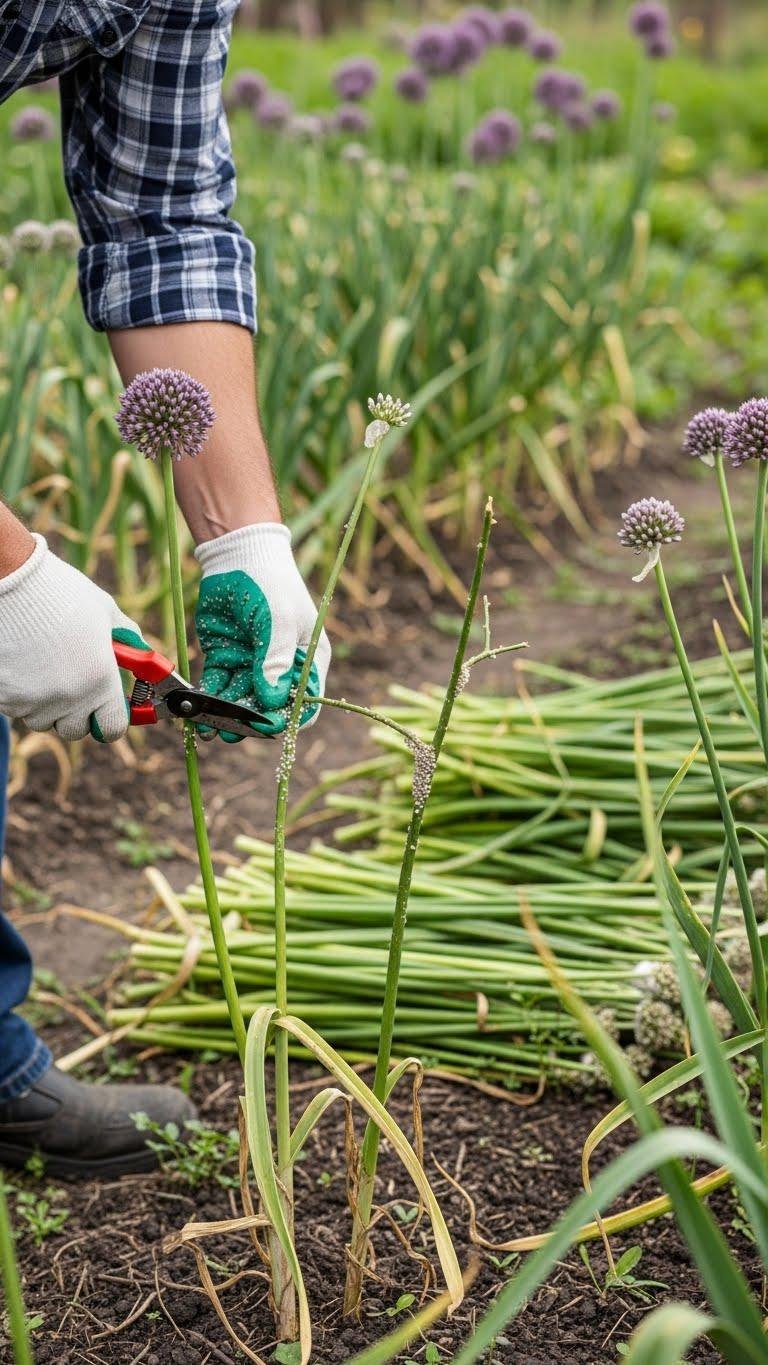
Alliums and garlic can keep many pests at bay, but you’ll still need to remove the places they hide and reproduce. Prune infested limbs, practice timely branch removal, and strip egg masses from leaves and stems.
Gather cuttings, compost healthy material, and focus on debris clearing around beds and borders. You’ll reduce shelter, interrupt life cycles, and regain control of your garden.
Combine Essential Oils Like Eucalyptus and Citronella for Fly and Mosquito Control
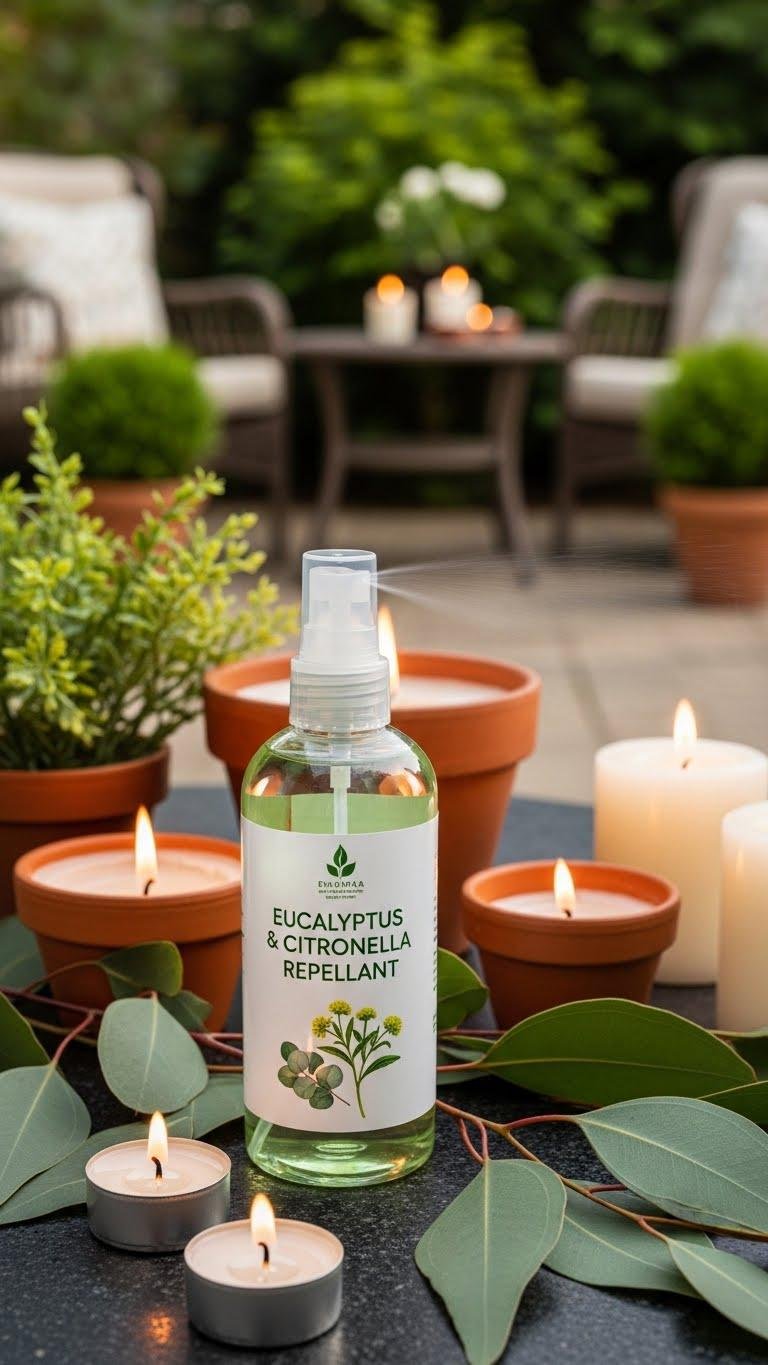
Mix eucalyptus and citronella oils to create a simple, effective repellant you can use around patios, entryways, and garden seating areas. Combine 10–15 drops eucalyptus with 10 drops citronella in a spray bottle of water and a teaspoon of witch hazel or vodka to emulsify. You’ll enjoy the eucalyptus synergy and citrus blends that keep flies and mosquitoes at bay while you reclaim outdoor freedom.