
You’ll save time and heartache if you avoid common beginner errors: don’t tackle the whole yard, don’t plant where the sun won’t reach, and don’t ignore your soil’s needs. Start small, match plants to light and zone, get a basic soil test, and use simple tools. I’ll walk you through 21 specific mistakes and practical fixes so you can set the right foundations—and avoid problems that sneak up fast.
Starting Too Big: Trying to Garden the Whole Yard at Once
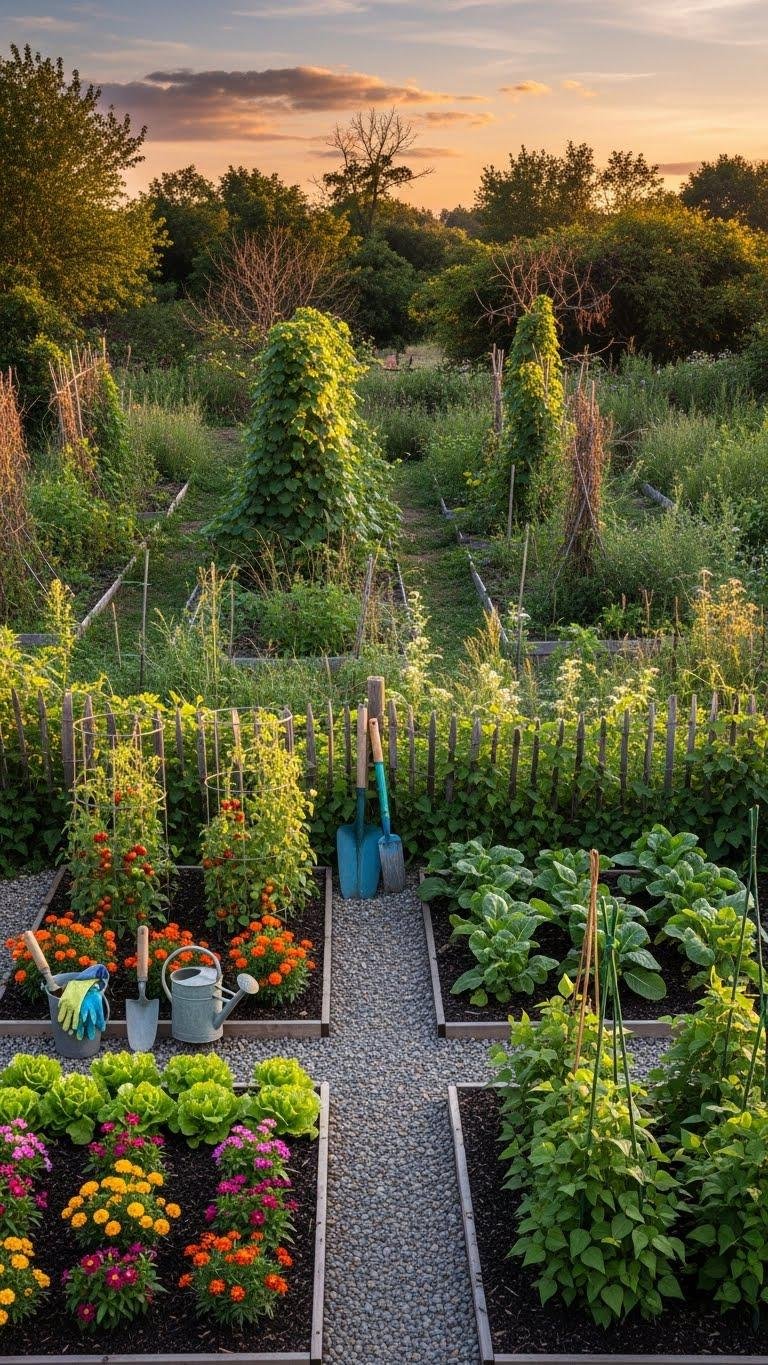
Don’t bite off more than you can maintain: if you try to convert the whole yard at once, you’ll quickly get overwhelmed and abandon projects.
Start with small plots you can manage, get reliable results, then use phased expansion when ready.
You’ll learn soil, watering, pests, and rhythms without losing freedom.
Grow deliberately, scale only after proven success.
Ignoring Soil Testing and Baseline Soil Health

Because healthy plants start below ground, you should test your soil before you plant so you know pH, nutrient levels, and texture instead of guessing.
Do a baseline soil test, record soil pH and nutrient readings, then add targeted amendments and organic matter to balance fertility and structure. You’ll save time, avoid wasted effort, and gain the freedom to design a resilient, low-maintenance garden.
Using Store-Bought Soil Without Checking Quality
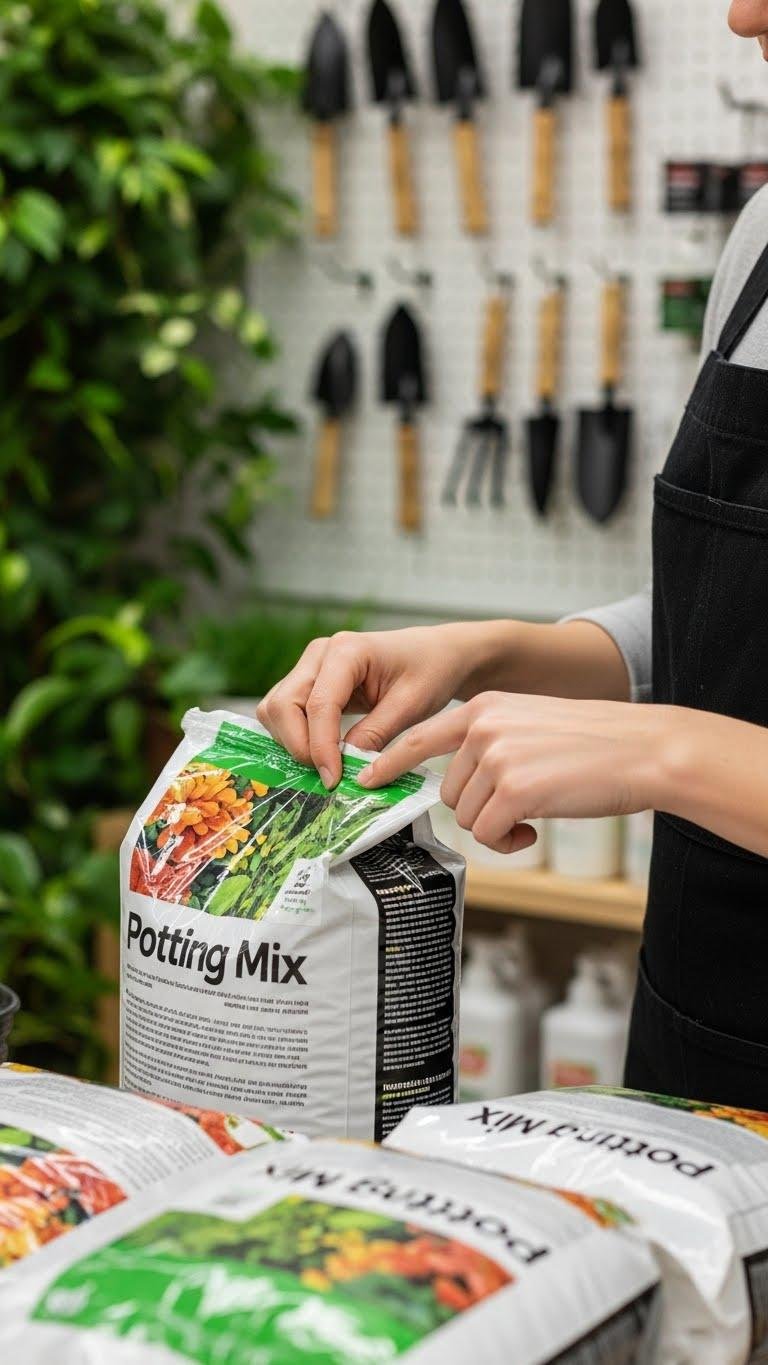
When you reach for a bag of potting mix at the garden center, treat it like any other ingredient and check the label — not all store-bought soils are created equal.
You’ll want to pair soil testing insights with scrutiny of potting mix quality, looking for ingredients, pH, drainage, and sterility.
Don’t assume convenience equals suitability; pick mixes that match your plants’ needs for freedom to thrive.
Overcrowding Beds and Containers
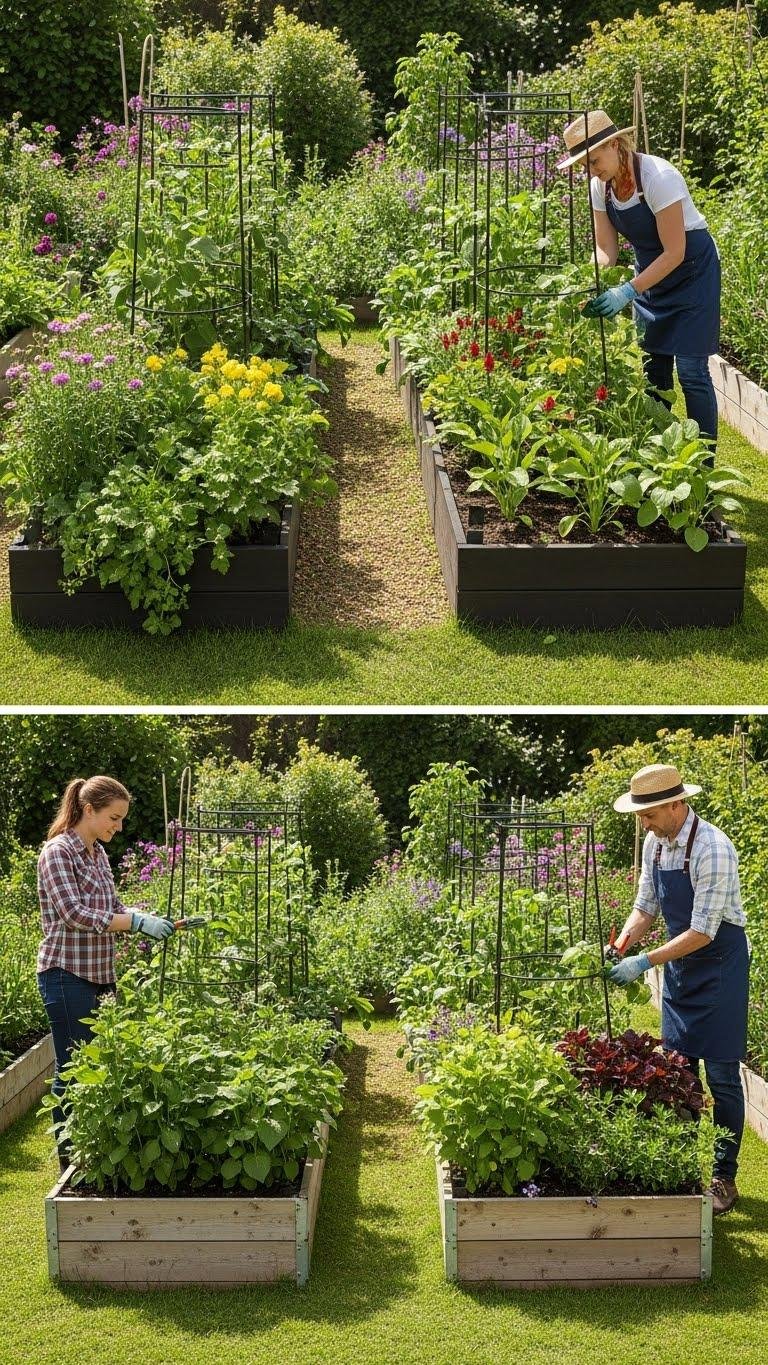
Crowding plants into beds or containers chokes growth and invites disease, so give each variety the space its mature size requires.
You should plan beds for air, light and access, avoid root crowding and stagger planting times.
Use companion planting to boost yields without squeezing plants, and prune or thin decisively.
That freedom lets you harvest healthier, more vigorous crops.
Underestimating Mature Plant Size
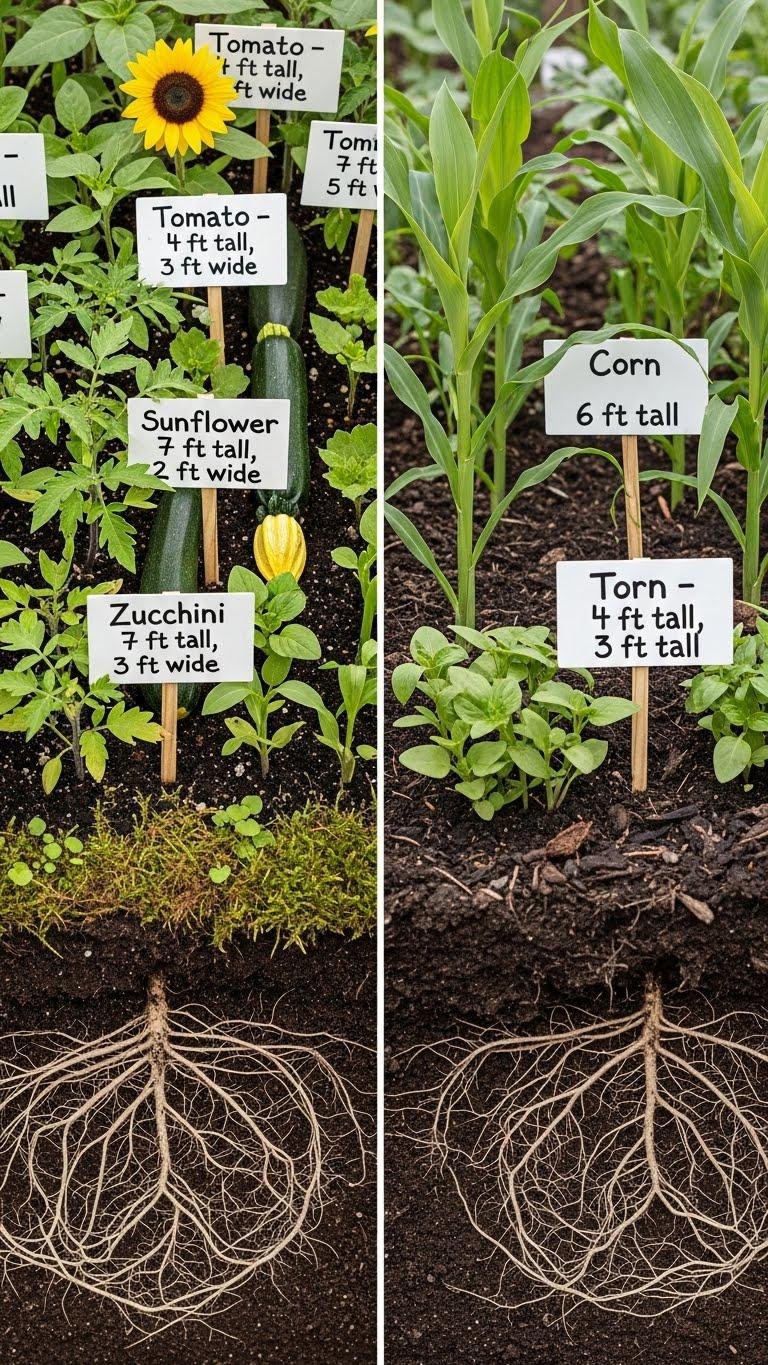
One common mistake is planting for the seed packet instead of the mature plant—too many gardeners set transplants or seeds based on the small, tidy size they see that day, not on the full-grown dimensions.
You’ll plan with freedom when you check mature spread and height, avoid root crowding, and map clear spacing into landscape planning so plants thrive without competing for light or nutrients.
Relying on Overhead Watering for All Plants
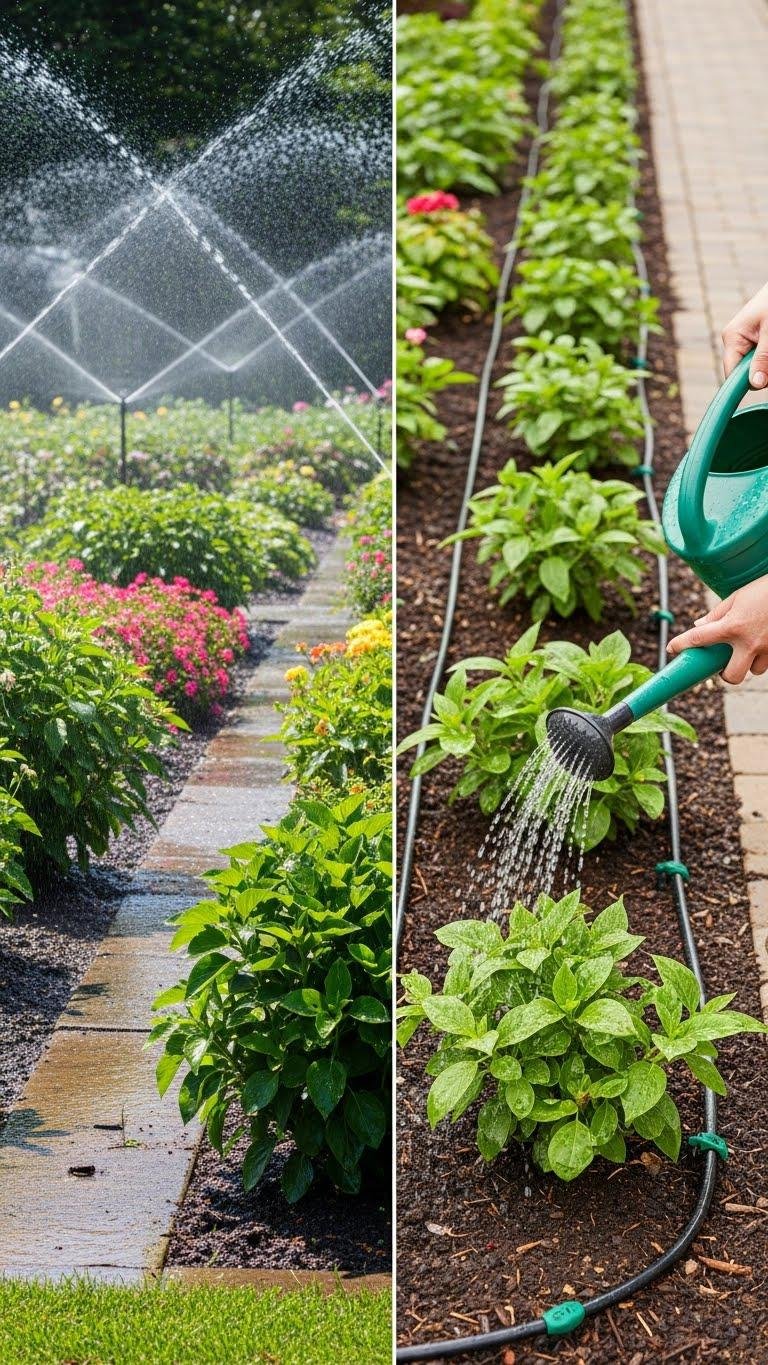
While overhead sprinklers can seem convenient, they’re a poor fit for many plants and conditions because they waste water, encourage disease, and miss roots that need it most.
You’ll get better results using drip irrigation or hand-watering to target root zones, cut runoff, and reduce foliage diseases. Choose methods that free you from guesswork and protect plant health with minimal effort.
Skipping Mulch and Soil Moisture Conservation

Neglecting Regular Garden Checks
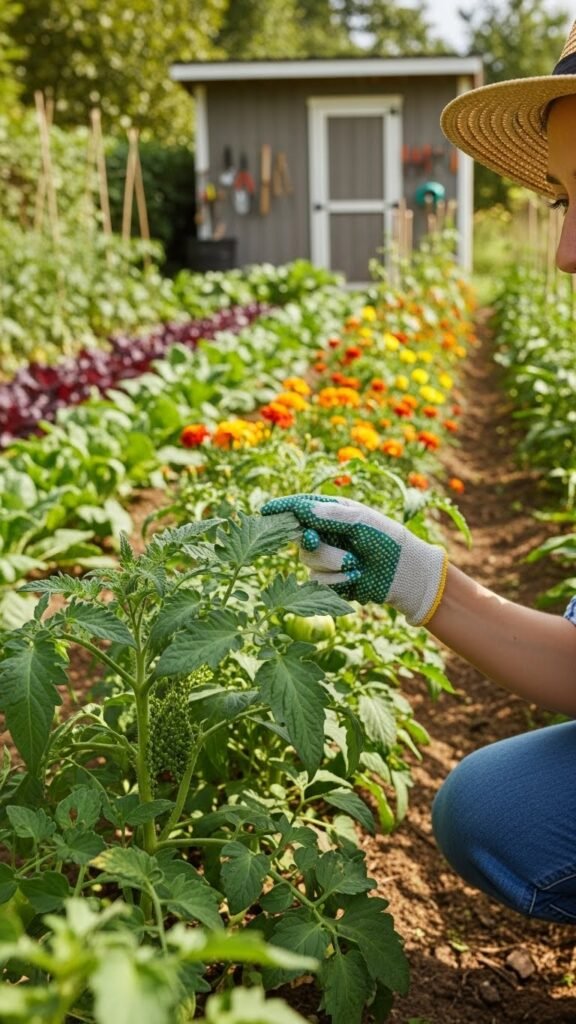
Regularly checking your garden—ideally every few days—catches pests, disease, nutrient deficiencies, and irrigation issues before they escalate. You’ll adopt weekly inspections and simple pest scouting routines that save time and preserve choice in how you garden.
Spotting problems early lets you act decisively—prune, adjust water, remove pests—so plants stay vigorous and you keep gardening flexible and enjoyable.
Using Excessive Synthetic Fertilizers
Relying too heavily on synthetic fertilizers can seem like a quick fix, but it often creates more problems than it solves: you’ll get fast growth now and weakened soil biology, nutrient imbalances, and salt buildup later.
Don’t trade long-term freedom for short-term vigor; curb applications, monitor runoff to prevent synthetic runoff, and protect soil life to avoid microbiome disruption so plants stay resilient.
Ignoring Pest and Disease Early Signs
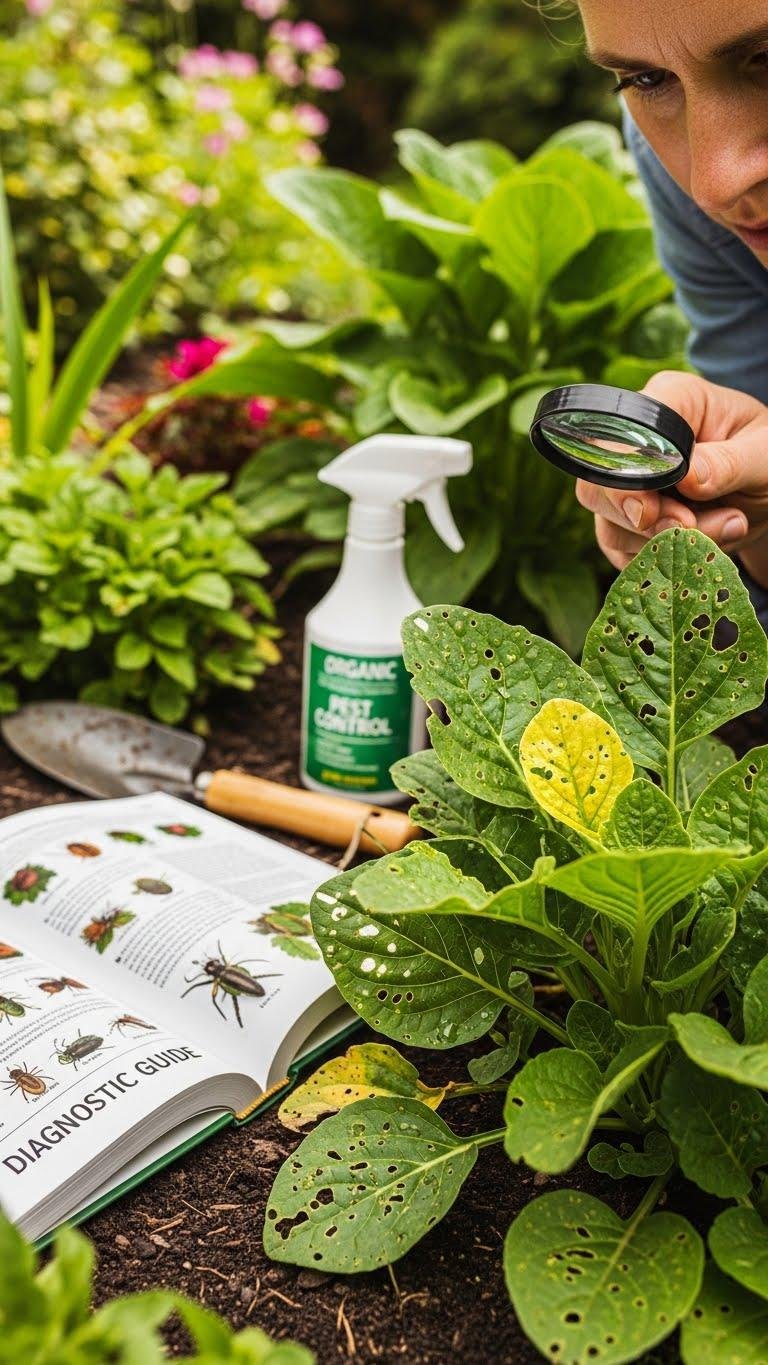
Too often gardeners miss the first subtle signs of pests and disease—tiny chew marks, a few yellowing leaves, sticky residue—and then wonder why an infestation explodes.
You’ll stay free to enjoy your garden by practicing early detection, checking plants weekly, and using concise diagnostic guides to identify problems fast.
Act quickly, remove affected tissue, and choose targeted controls to prevent spread.
Not Providing Adequate Support for Vining Plants
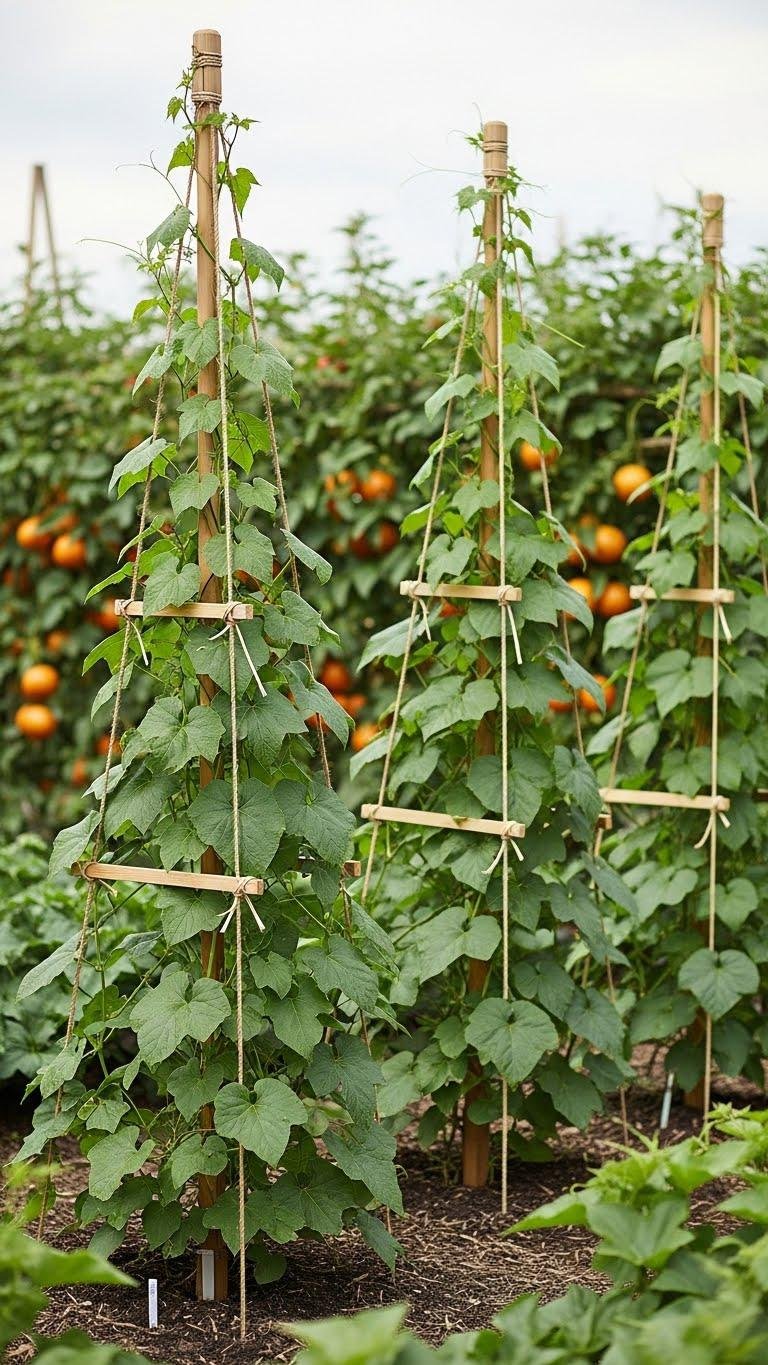
When you let vining plants sprawl without a plan, they tangle, break, and underperform — and you lose yield and tidy appearance. You’ll save time and harvest by installing trellises early; proper support timing prevents root stress and stem damage.
Use sturdy trellis tips: anchor posts, horizontal crossbars, and gentle ties. Train vines upward regularly, freeing space and keeping growth productive.
Expecting Instant Results and Quitting Too Soon

Supporting vines properly pays off, but patience pays even more. You’ll need patience practices to resist quick fixes and watch roots establish.
Manage hopes with expectation management: set realistic timelines, note small gains, and adjust care rather than abandoning plants. You’ll learn rhythms, troubleshoot deliberately, and gain freedom from frustration by committing to steady observation and consistent, minimal intervention over time.
Skipping Simple Tools and Proper Maintenance
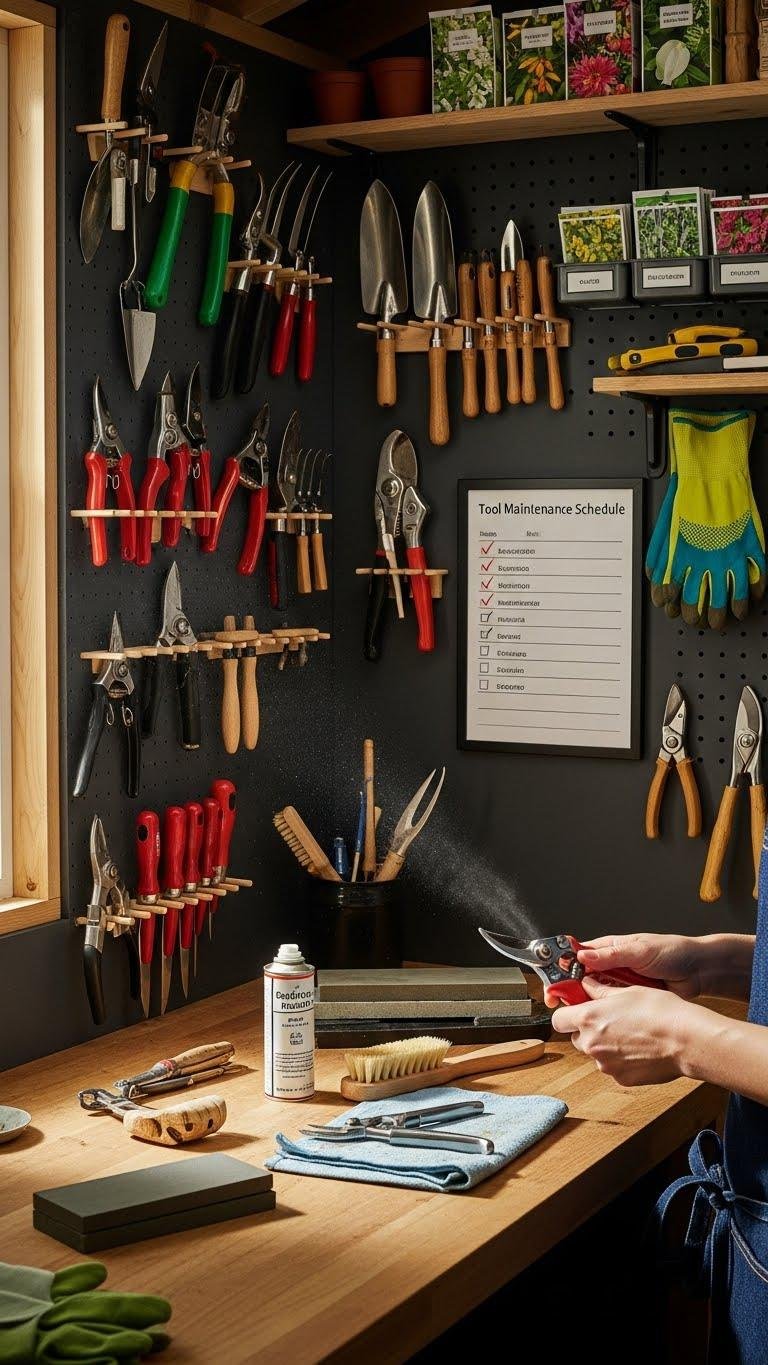
Don’t skimp on basic tools and upkeep—you’ll pay for it in wasted time and avoidable plant losses.
Invest in a few quality hand tools, learn simple tool maintenance, and schedule quick checks. Clean, oil and store gear, and do blade sharpening regularly so cuts heal cleanly. You’ll work smarter, free up time, and keep plants healthier without needless frustration.