
You can set up a fresh herb supply that fits your space, schedule, and cooking style with a few smart choices and simple care. Start with easy growers, group plants by sun and water needs, and use containers, raised beds, or vertical pockets to maximize flavor in small areas. I’ll walk you through 25 practical ideas—from windowsill basil to portable wagons—so you’ll always have the right herb on hand for dinner, and then some.
Best Starter Herbs for Beginners
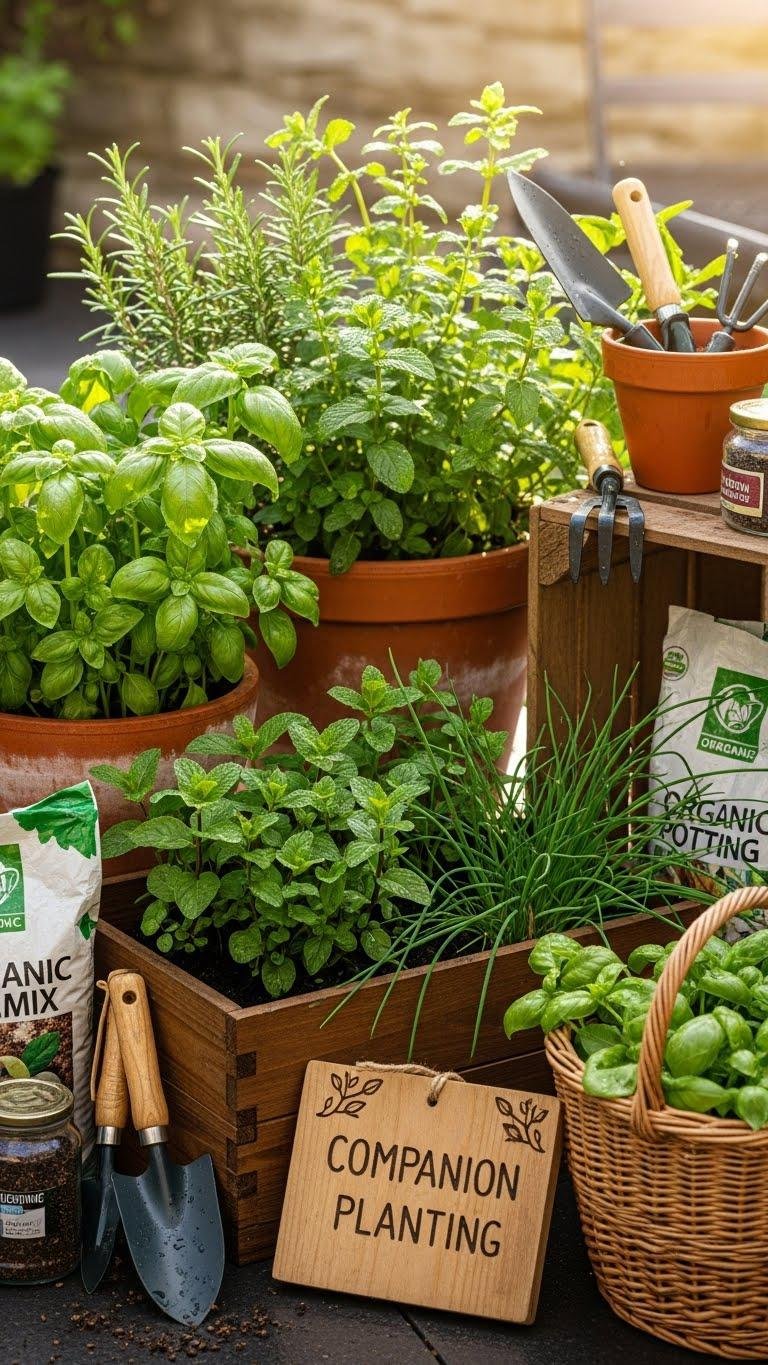
If you’re new to growing herbs, start simple: pick a few hardy, low-maintenance varieties that give you a big payoff in the kitchen and aren’t fussy about conditions. Choose basil, rosemary, mint and chives; they tolerate container life and forgiving care.
Use companion planting to deter pests and targeted soil amendments for steady growth. You’ll gain freedom to harvest daily.
Mediterranean Herb Bed for Flavorful Meals
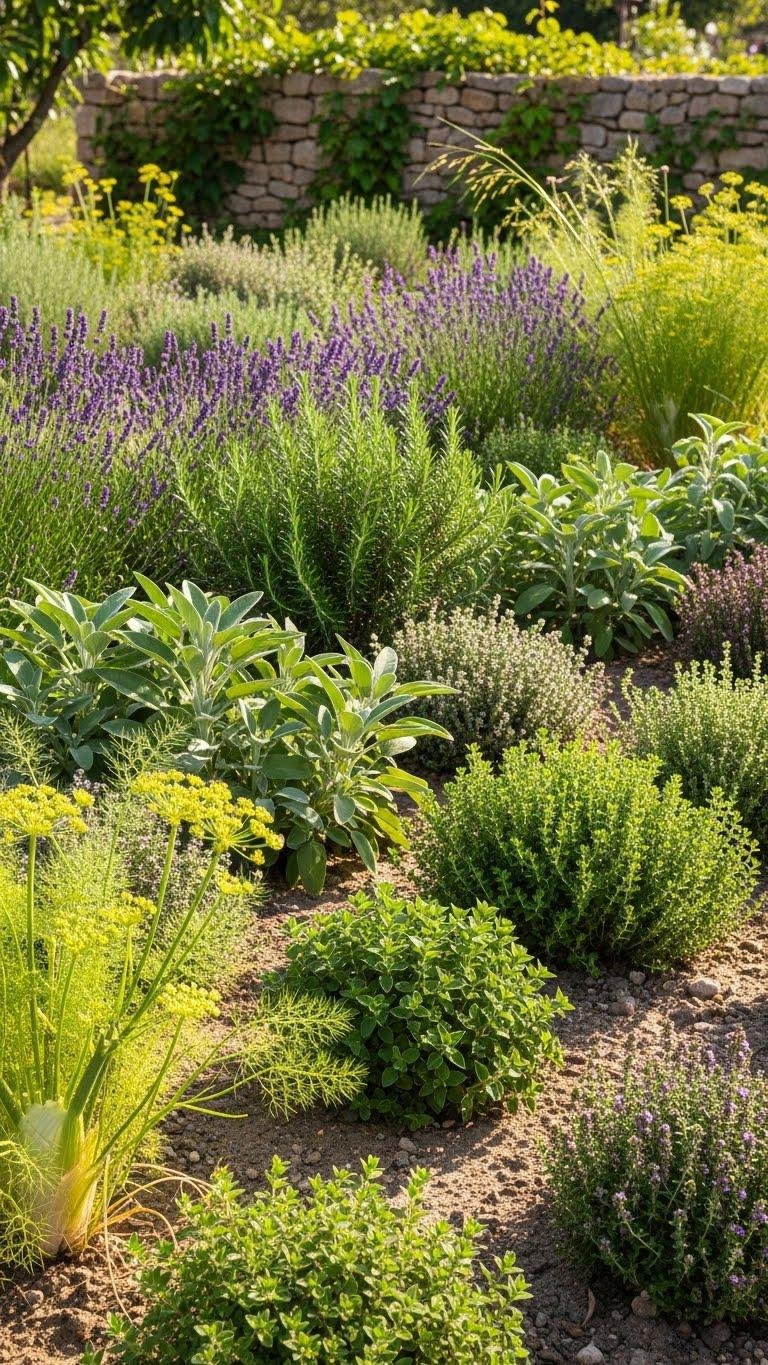
Moving from container basics, you can step up to a Mediterranean herb bed that brings intense, sun‑loving flavors right outside your kitchen door.
Design for a mediterranean microclimate: full sun, fast‑draining soil, and wind shelter. Choose sage, rosemary, thyme and oregano with coastal companioning like lavender and fennel.
Plant in drifts, prune lightly, water deeply and sparingly for bold, free‑spirited flavor.
Window-Sill Basil Garden for Fresh Pesto

Bring fresh basil within arm’s reach by setting a sunny window-sill garden: choose a south- or west-facing ledge, pick large pots with good drainage, and use a light, nutrient-rich potting mix so plants grow quickly and stay healthy.
Rotate pots weekly, pinch tips to encourage bushy growth, water when topsoil’s dry, and harvest often. Use container basil and follow simple pesto tips for bold flavor.
Compact Container Herb Mix for Small Spaces
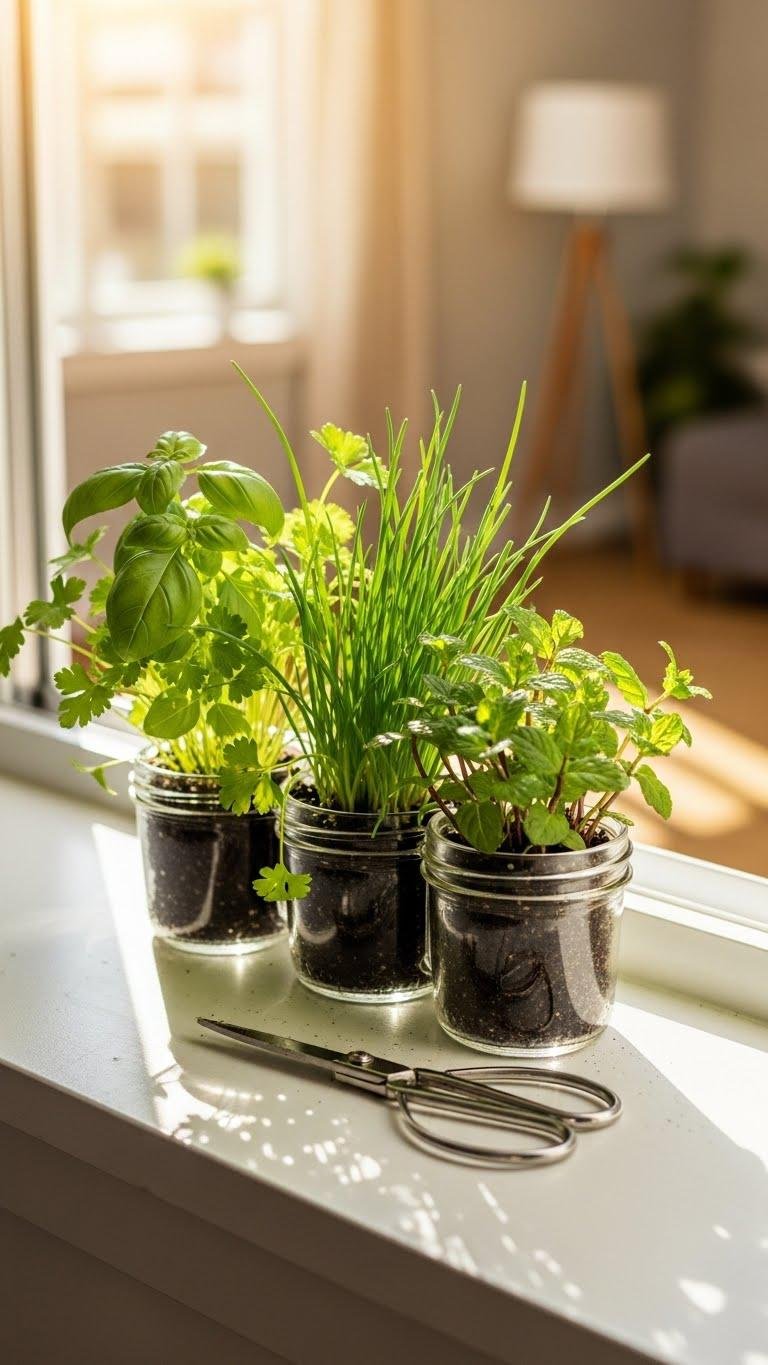
A sunny window-sill basil patch is perfect for pesto, but when space is tight you can still grow a useful mix of herbs in a single compact container.
Choose compact parsley, chives, and compact mint varieties; use well-draining soil and group in a shallow micro garden or linked mason planters. Rotate positions for sun, harvest regularly, and enjoy fresh, freeing flavors every day.
Culinary Bouquet: Oregano, Thyme, and Rosemary Trio

Create a sun-splashed corner of your garden with oregano, thyme, and rosemary clustered together — they’re Mediterranean companions that share needs and boost each other’s culinary uses. You’ll enjoy an oregano thyme pairing for pizza, marinades, and roasted vegetables. Harvest sprigs, dry thyme, and make rosemary infused oils for dressings. Plant in well-drained soil, give full sun, and prune to keep them productive.
Kitchen Counter Herb Planters for Easy Snipping
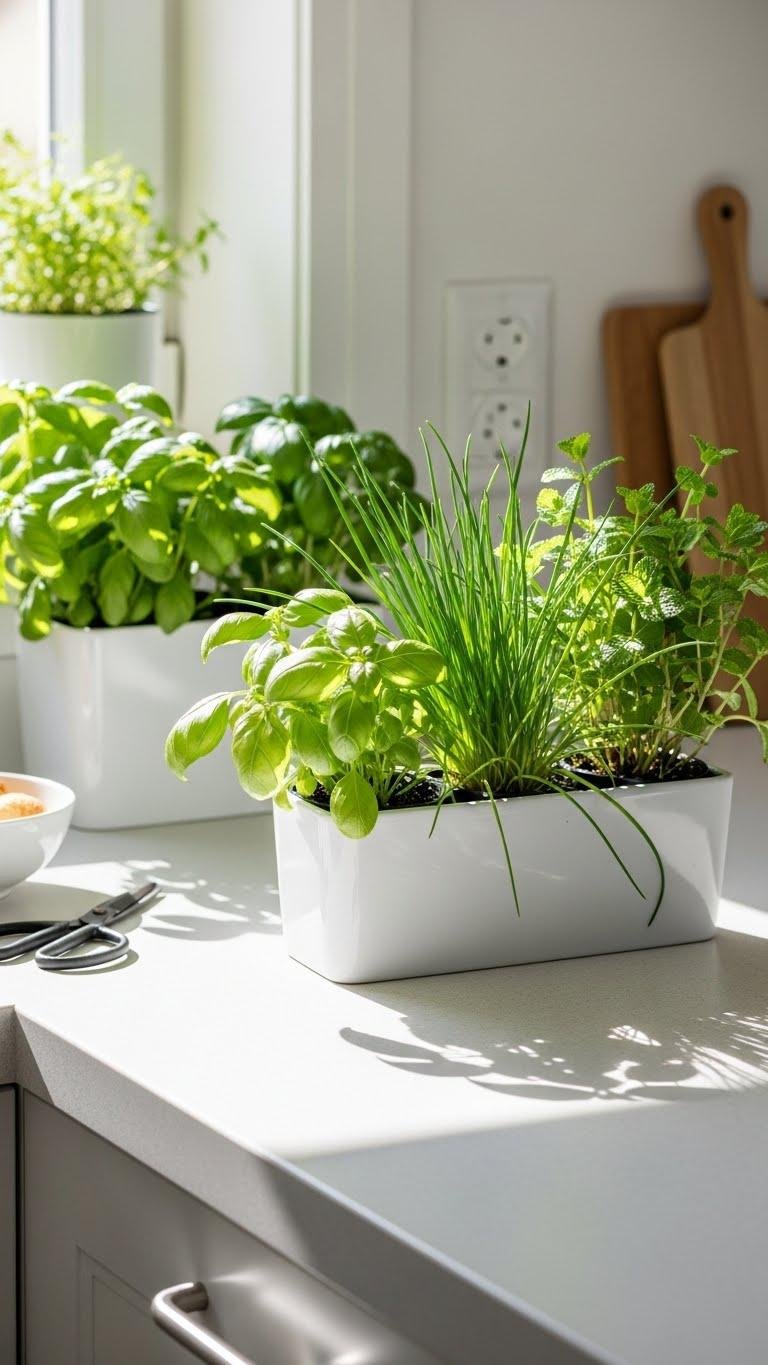
Often you’ll want fresh herbs within arm’s reach while cooking, so set up compact planters on your kitchen counter to make snipping convenient.
Choose micro herbpots with good drainage, group basil, chives, and mint for variety, and place near bright light.
You’ll act as minimalist snippers: trim selectively, water sparingly, rotate pots, and enjoy instant, liberated flavor for everyday meals.
Continuous-Cut Parsley and Cilantro Patch

When you plant parsley and cilantro as a continuous-cut patch, you’ll harvest fresh leaves all season without replanting every few weeks. Space rows, thin seedlings, and snip outer leaves to encourage cut and come parsley.
Stagger plantings for cilantro succession, water consistently, and give partial sun. You’ll enjoy reliable, low-fuss harvests that free you to cook whenever inspiration strikes.
Balcony-Friendly Sage and Lavender Pairing
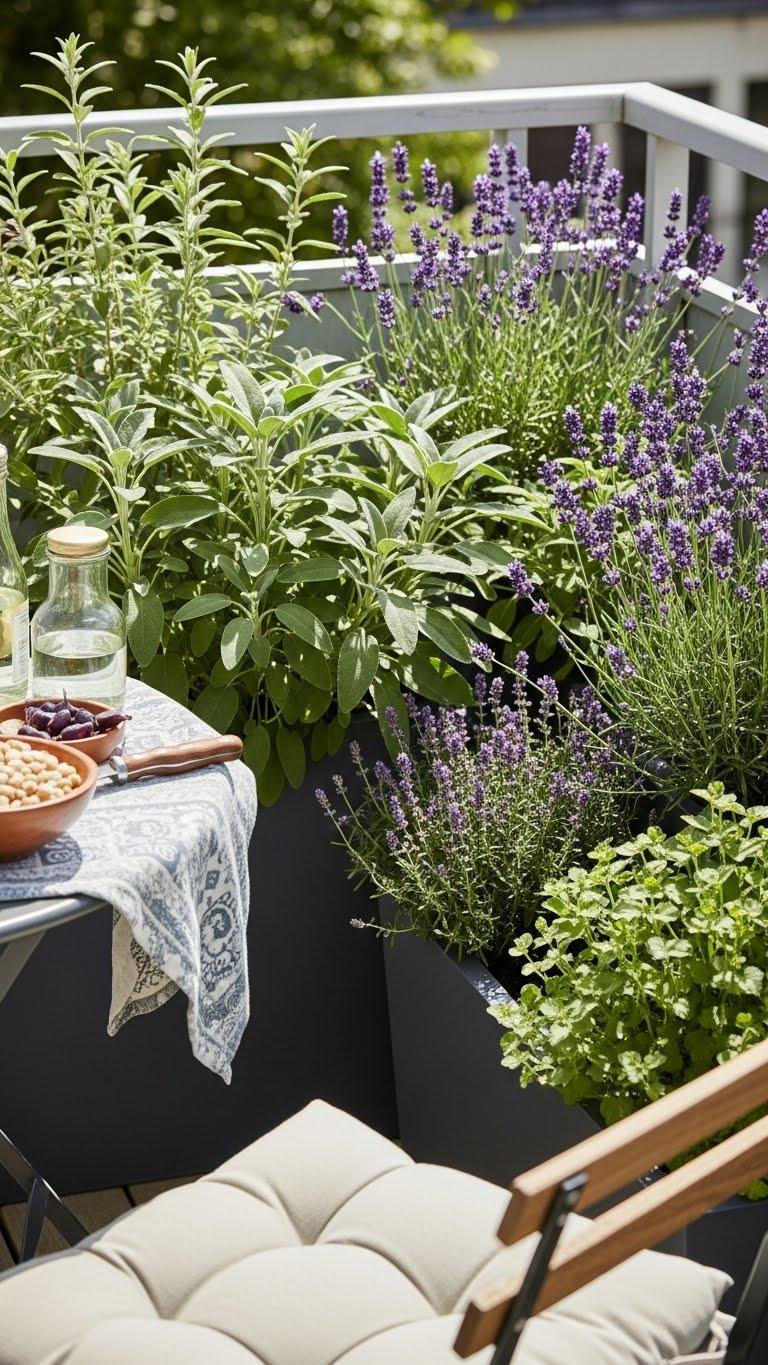
You’ll find sage and lavender make an ideal balcony pair because they share sun-loving, low-water needs and complementary scents and textures. Plant in a well-draining scented container, spacing roots and trimming for airflow.
Use sage as a savory, medicinal companion while lavender adds floral calm and pollinator appeal. You’ll enjoy fresh herbs for cooking and a relaxed, free outdoor nook.
Mixed Perennial Herb Border for Year-Round Use
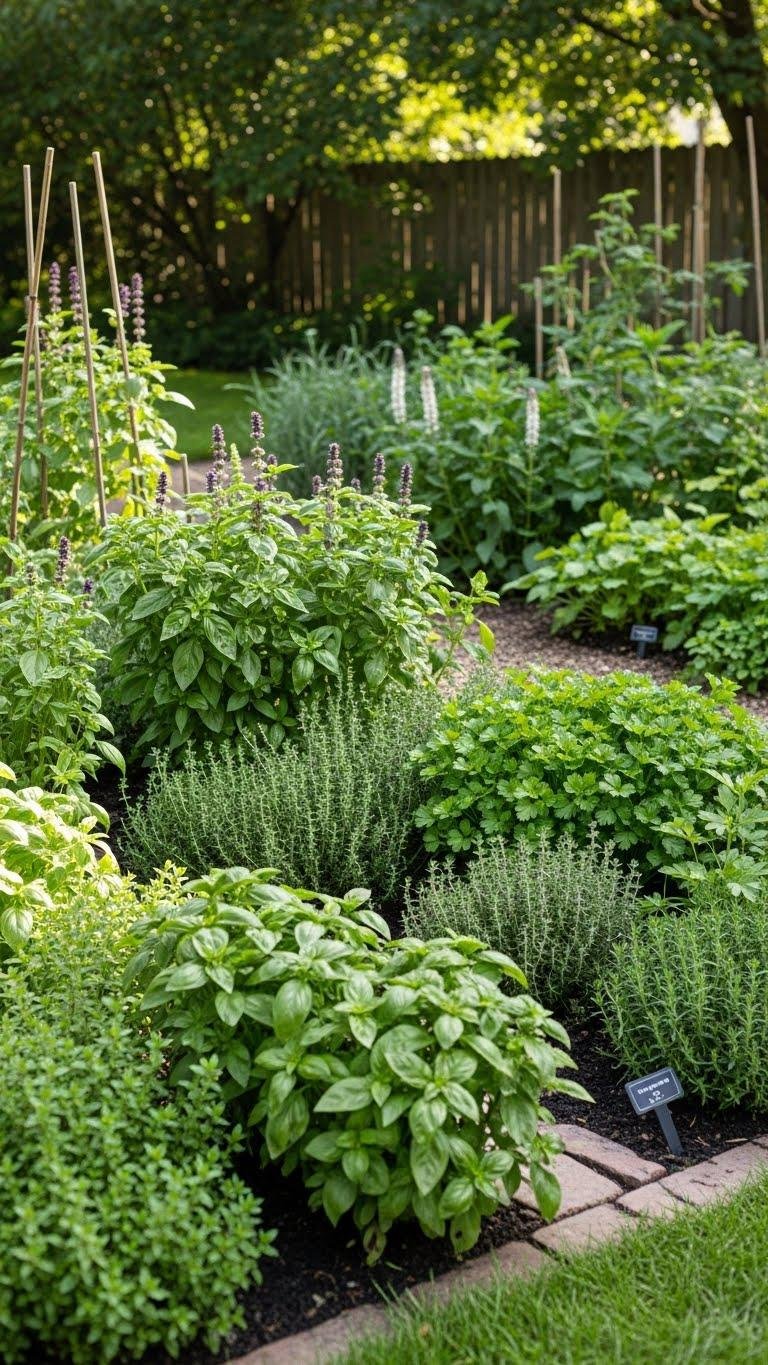
Creating a mixed perennial herb border gives you fresh, layered harvests and year-round structure in the garden. You’ll mix culinary staples and shade tolerant perennials along paths and fences for privacy and easy snips.
Plan beds by sun exposure, amend soil, and follow a root dividing schedule for vigor. Harvest selectively, rotate plantings, and enjoy resilient, low-fuss flavor all season.
Indoor Grow-Light Herb Rack for Winter Cooking
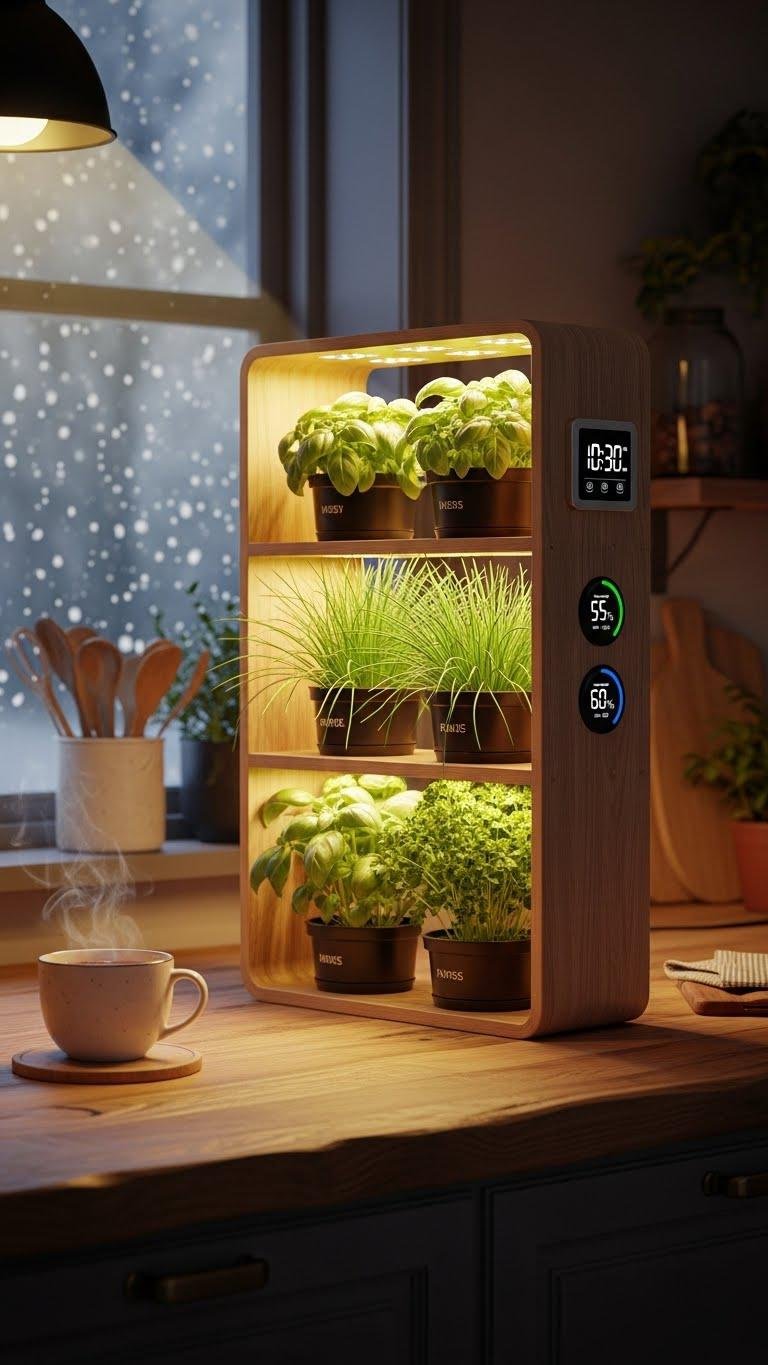
Bring fresh flavor indoors with a compact grow-light herb rack that keeps basil, chives, parsley and other favorites thriving through winter. You’ll choose an LED spectrum suited to leafy herbs, arrange pots for airflow, and set a simple timer.
Monitor soil moisture and Humidity control to prevent mold. It’s a low-effort system that lets you harvest fresh herbs daily and keep cooking free.
Raised Bed Herb Garden for Improved Drainage
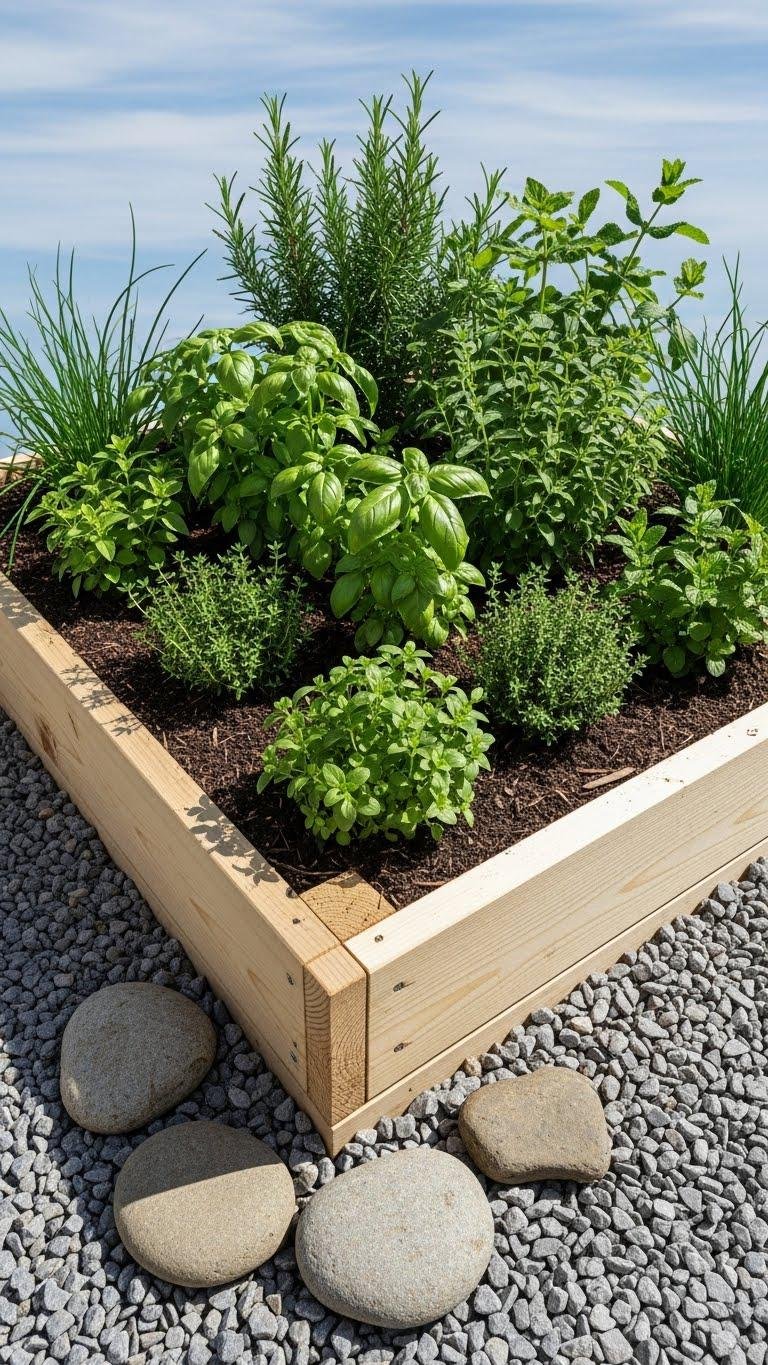
If your kitchen windows can’t keep herbs happy through soggy spells or heavy pots, raising them into a bed outdoors gives you better control over drainage and root health.
Build a shallow raised bed, add coarse gravel, loose loam and soil amendment for nutrient balance. You’ll get improved aeration, faster warming in spring, easier harvesting and the freedom to arrange herbs where they thrive.
Pollinator-Friendly Herb Corner With Bee-Attracting Plants
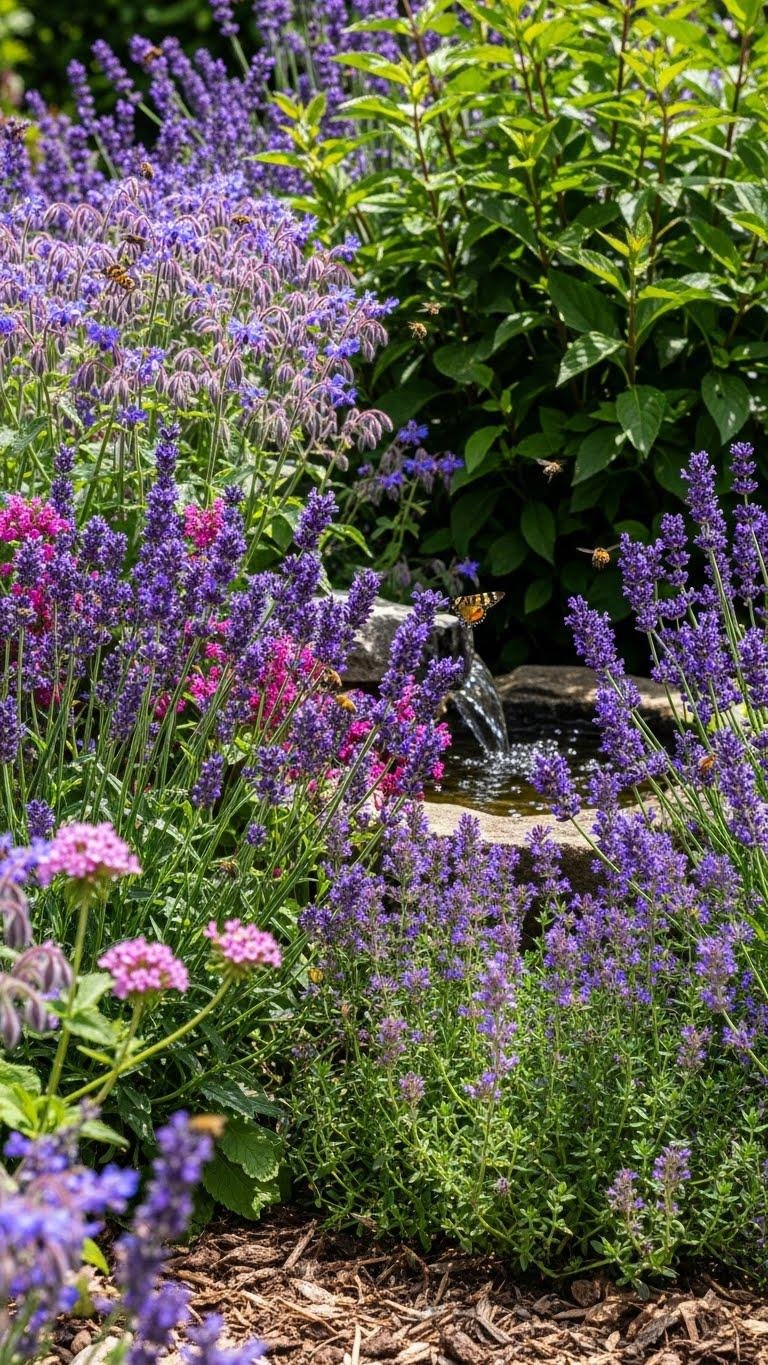
Attracting bees and other pollinators to a corner of your garden boosts herb yields and supports local biodiversity, so pick herbs that flower profusely and provide nectar and pollen throughout the season.
Plant lavender, borage, thyme and catmint in sunny clumps, offer water and shelter, and mulch lightly. Create bee friendly nectar sources and a native pollinators habitat so you can harvest freely.
Edible Herb Hedge to Define Garden Areas
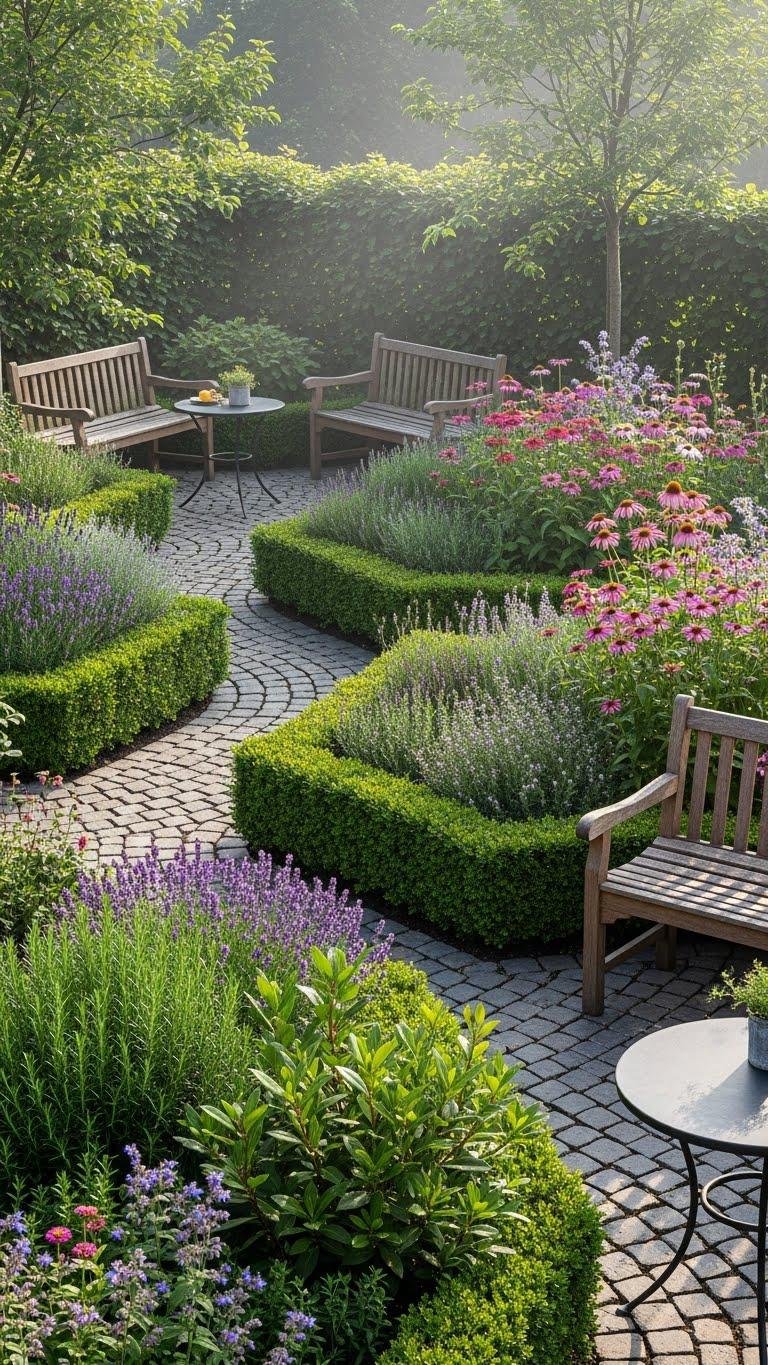
After you’ve encouraged pollinators with a flowered corner, you can define paths and seating areas with a low, productive hedge of edible herbs. Plant rosemary, lavender, thyme and bay for an edible hedgerow that gives privacy screening, a culinary boundary and a scent barrier.
Prune for shape, harvest often, and enjoy accessible, fragrant ingredients that frame your free, inviting outdoor rooms.
Patio Planter Collection With Mint Varieties
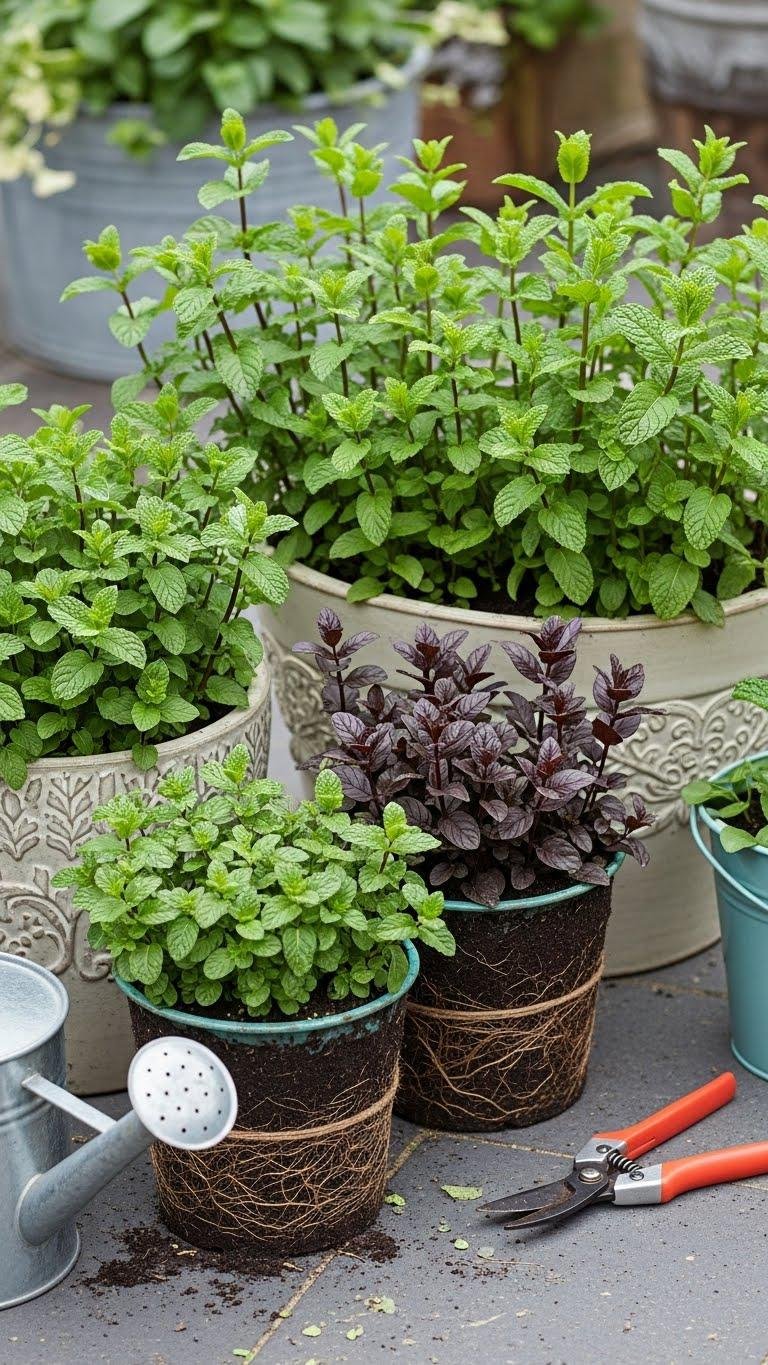
Create a compact patio planter collection centered on several mint varieties so you can enjoy fresh, fragrant leaves without letting their roots take over the yard. Choose containers with good drainage and root barriers for effective container selection. Group peppermint, spearmint, and chocolate mint for versatile flavor pairing. Water regularly, trim to control growth, and provide frost protection as simple winter care.
Drought-Tolerant Mediterranean Pot for Low Maintenance
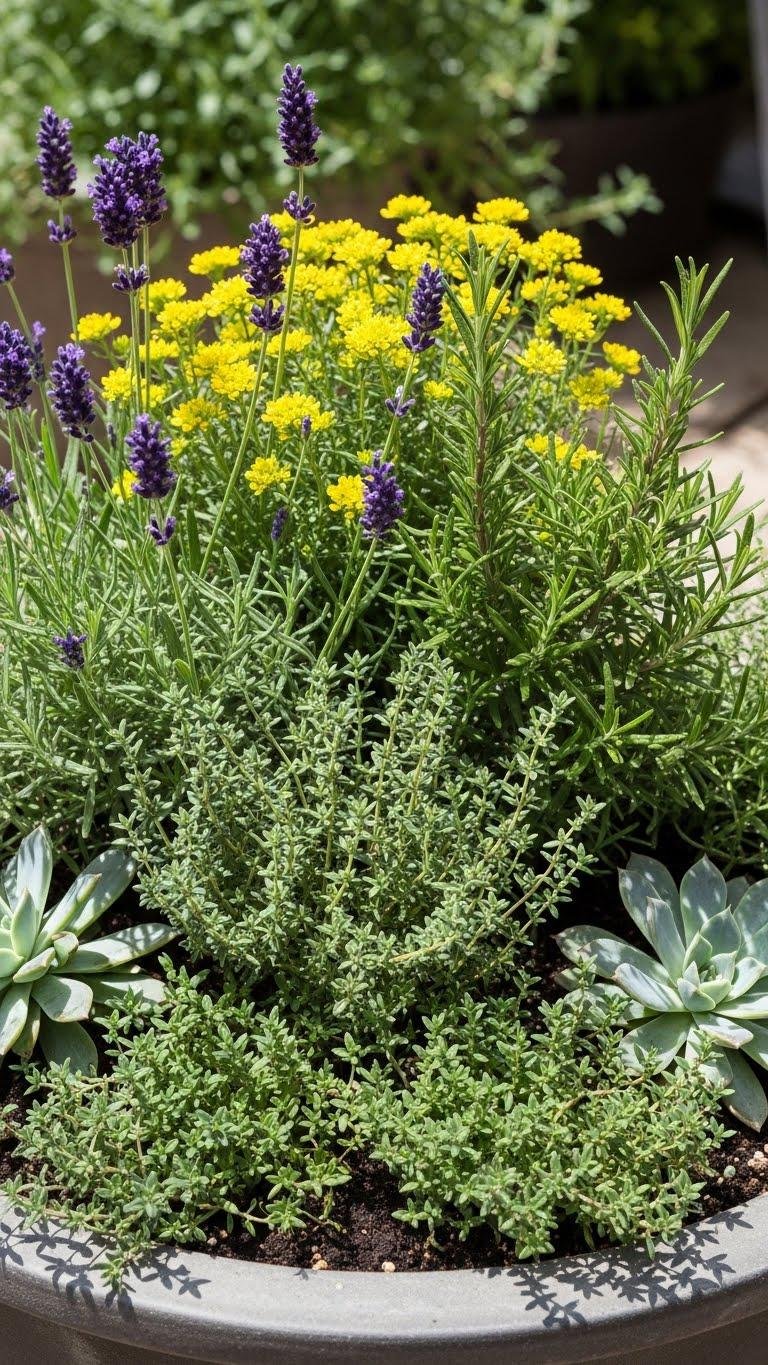
If you want a low-maintenance container that thrives in heat and saves water, choose a drought-tolerant Mediterranean pot filled with sun-loving, slow-water plants like lavender, rosemary, santolina, and thyme.
Use a well-draining mediterranean soil blend, add drought resistant succulents for texture, space plants for airflow, water deeply but infrequently, and place the pot in full sun so you can enjoy effortless, flavorful harvests.
Tea Herb Garden With Chamomile and Peppermint
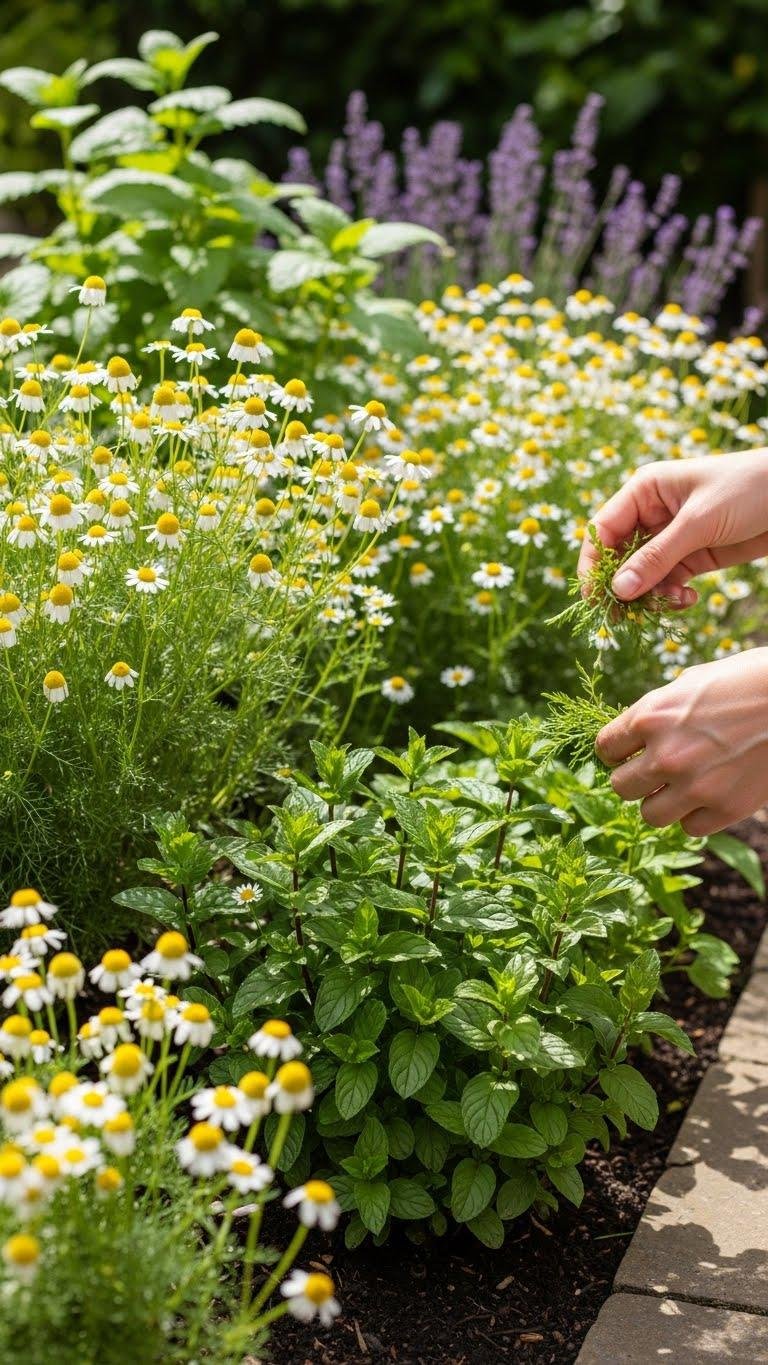
Often overlooked, a small tea herb garden with chamomile and peppermint is one of the easiest ways to have fresh, fragrant ingredients for calming brews right outside your door.
You’ll plant chamomile in sun, peppermint where it can spread, and use aromatic companion planting like lemon balm or lavender.
Harvest leaves and flowers gently for calming tea blends that free you to relax daily.
Vertical Wall-Mounted Herb Garden for Small Yards
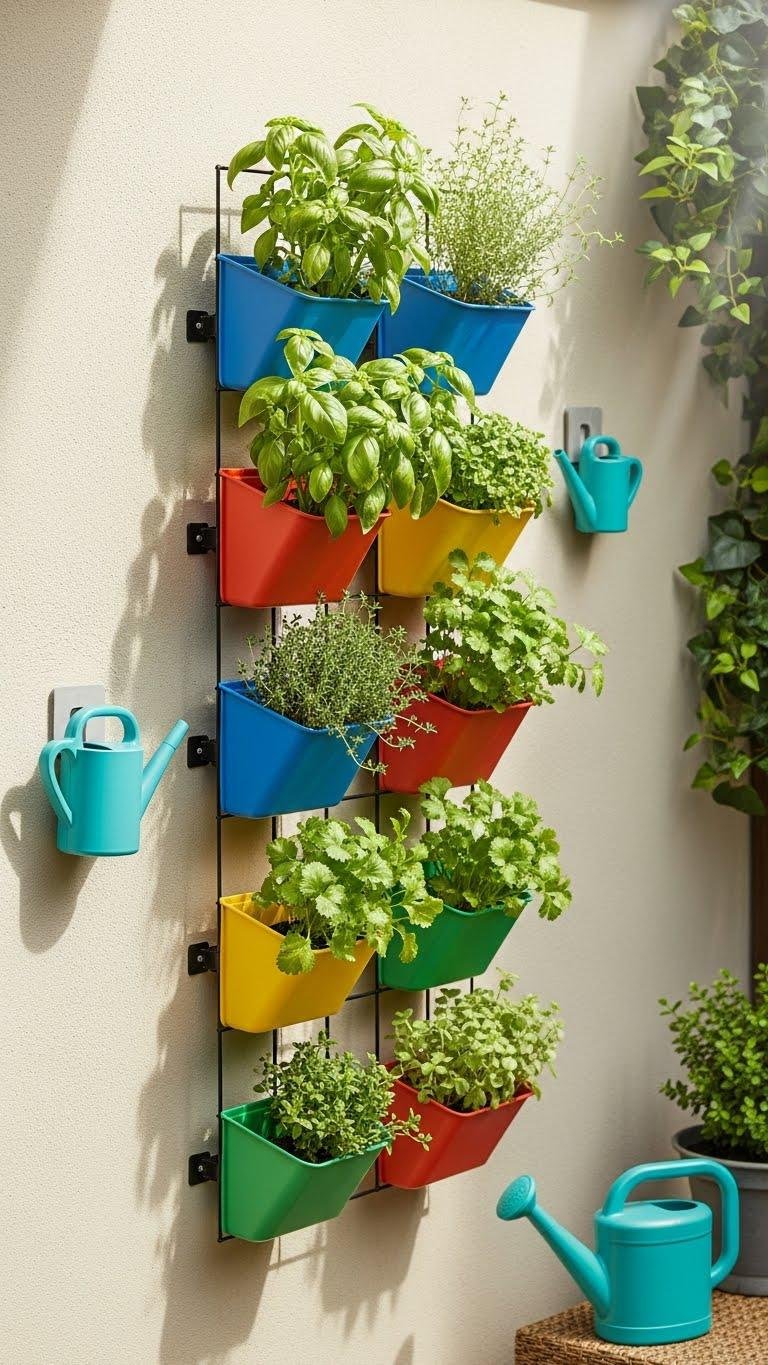
With a vertical wall-mounted herb garden, you can turn even the smallest yard into a productive, space-saving kitchen supply.
Mount a sturdy vertical trellis, attach pocket planters, and grow basil, thyme, and cilantro within arm’s reach. You’ll save floor space, enjoy easy harvesting, and customize sun exposure.
Water efficiently, rotate pots seasonally, and relish the freedom of fresh herbs on demand.
Culinary Herb Gift Planters for Friends and Family
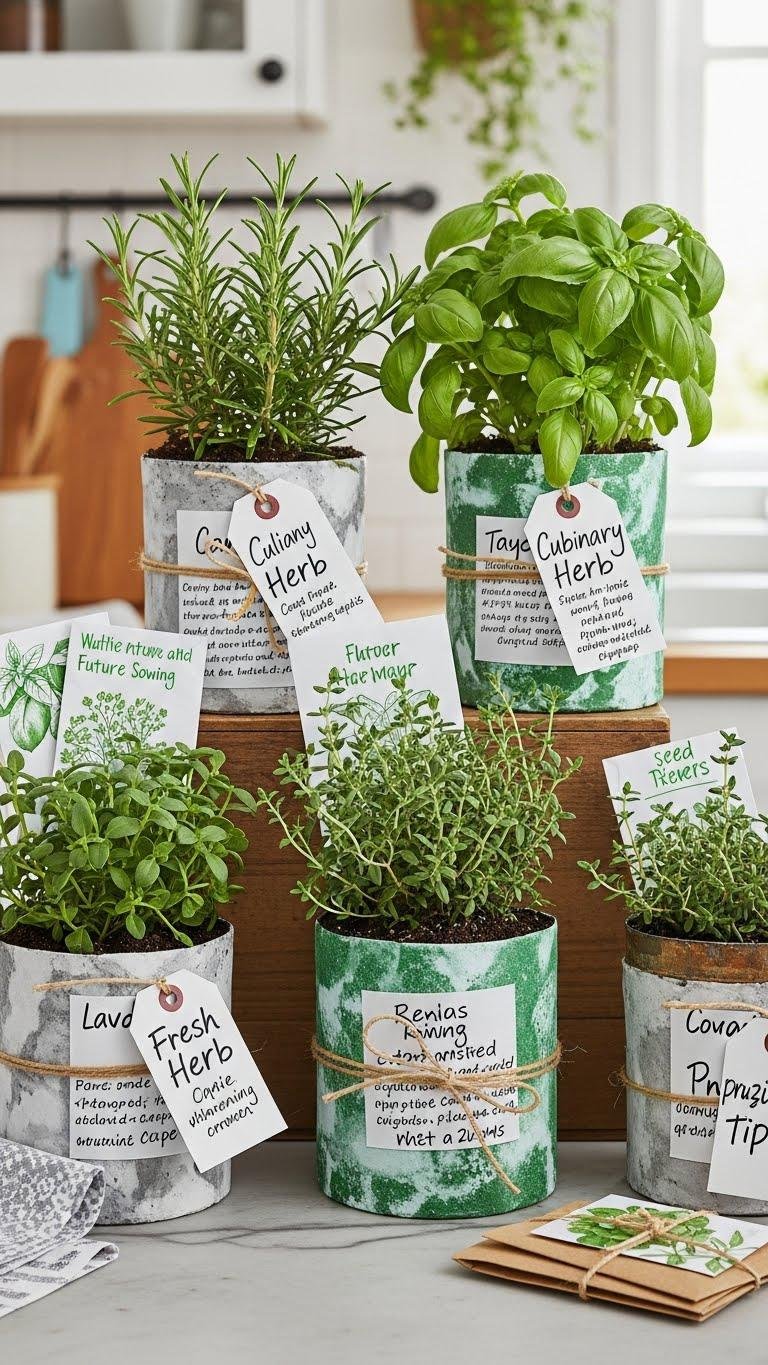
After you’ve mastered a vertical herb wall, share that bounty by creating culinary herb gift planters your friends and family will actually use. Pick hardy herbs, pot in recycled containers, and include a seed packet for future sowing.
Add handwritten tags with care instructions and flavor notes. Wrap simply, include pruning tips, and encourage recipients to enjoy fresh cooking and the freedom to experiment.
Portable Herb Wagon for Sunlight Optimization
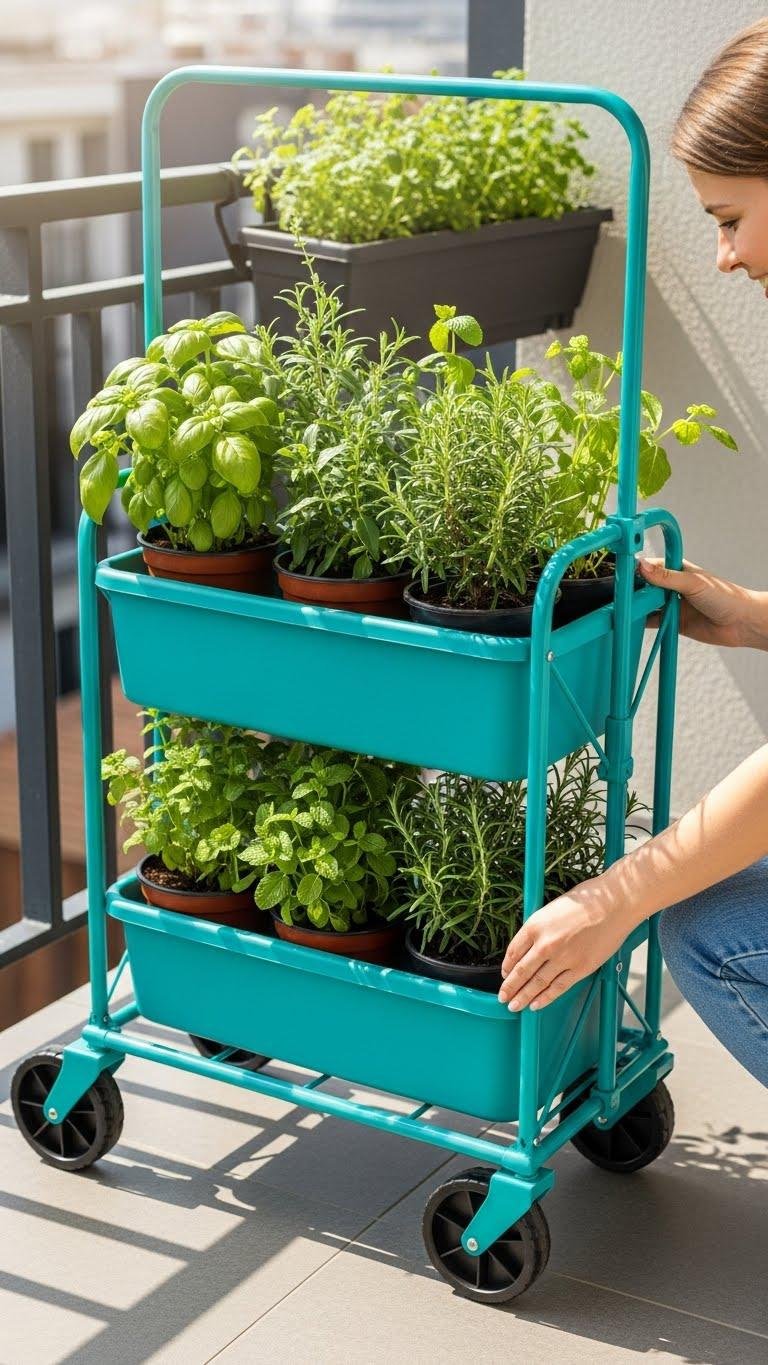
For maximum growth and flavor, think of a portable herb wagon as your garden’s movable sun-seeker: it lets you chase morning light, shelter tender plants from afternoon scorch, and rotate pots to balance exposure across the growing season.
You’ll wheel a sunlight trolley across balconies or patios, arranging a portable planter lineup to optimize microclimates, extend harvests, and enjoy gardening freedom with minimal fuss.
Fragrant Herb Pathway Lining Walkways
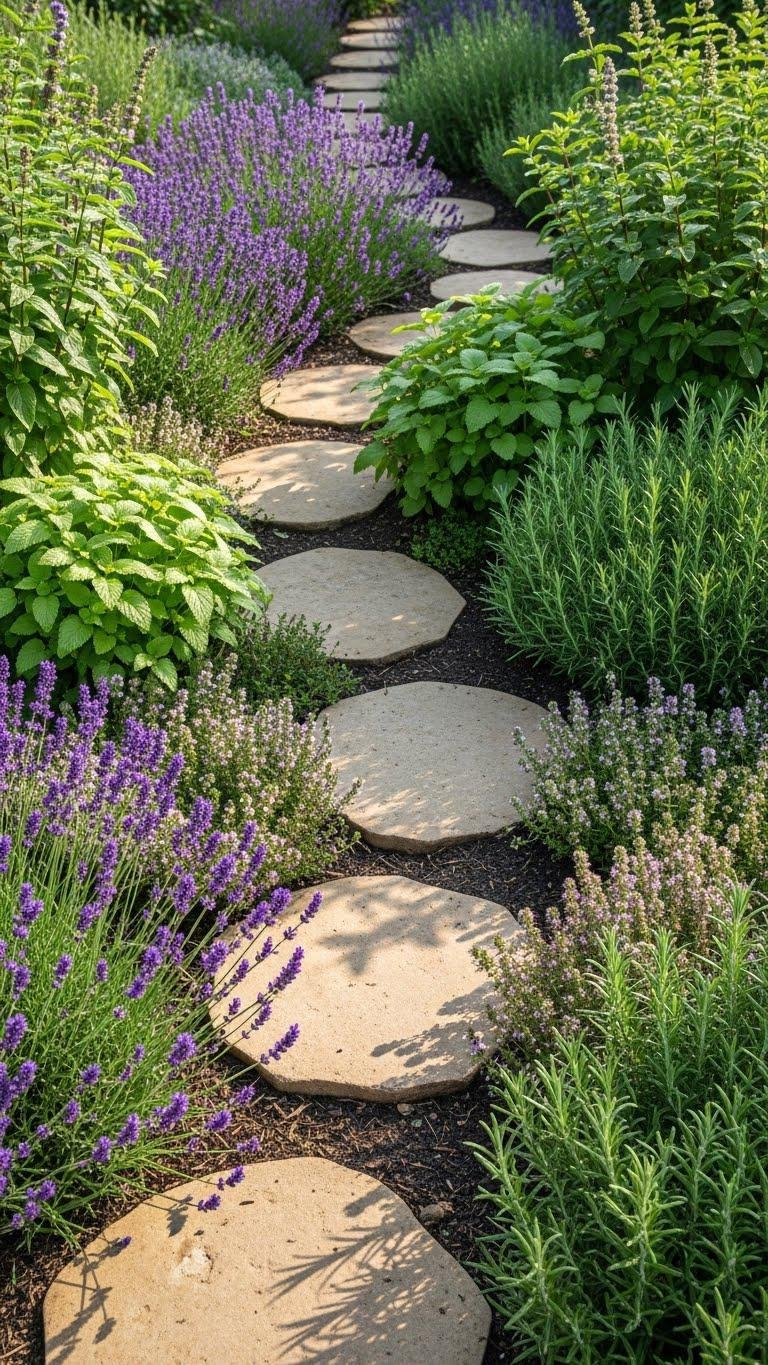
Often you’ll find that lining a walkway with fragrant herbs turns a simple garden route into an immersive sensory experience; plant low-growing thyme, fragrant rosemary, and lemon balm where footsteps will release their scents, and place taller mints or lavender at path edges to frame the view.
Use scented steppingstones to boost aroma underfoot, add lavender edging for structure, and choose hardy varieties for low-maintenance freedom.
Rustic Herb Cottage Garden With Mixed Textures
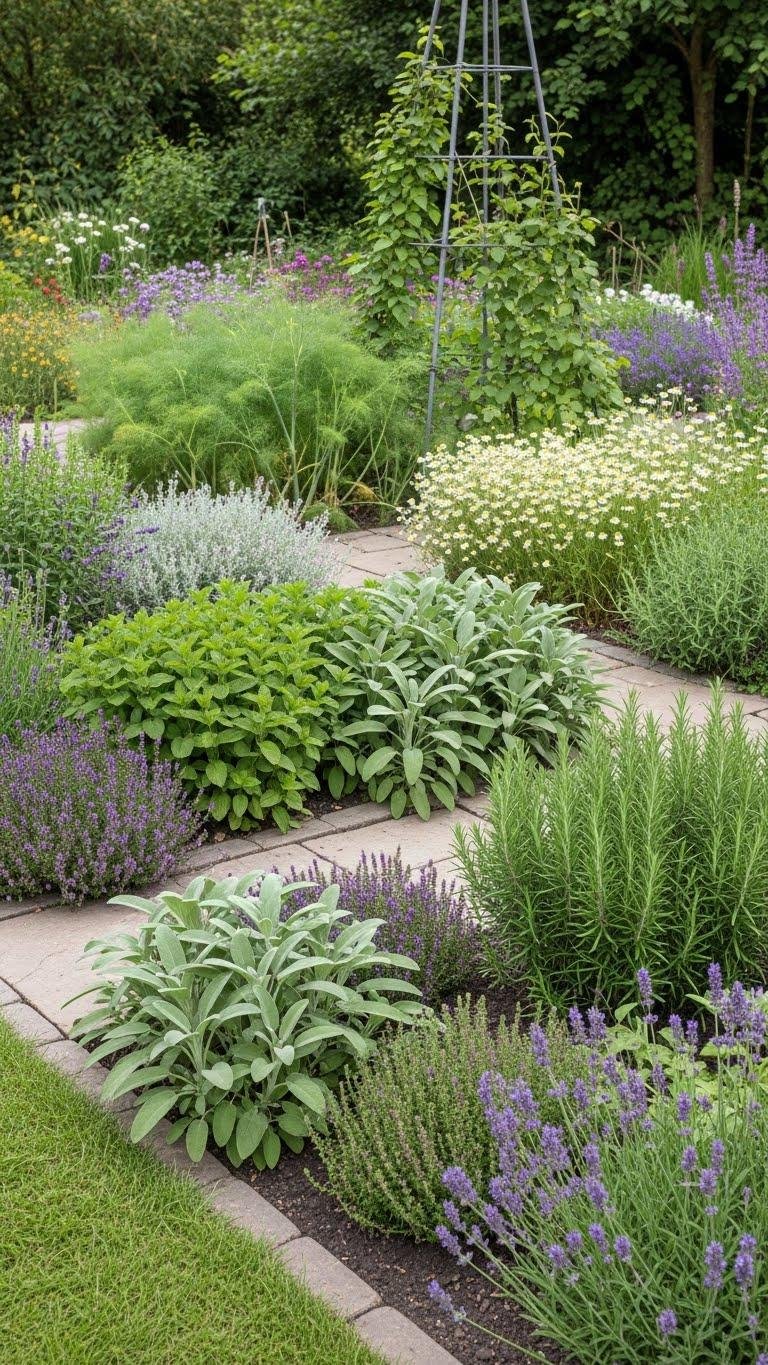
When you mix soft, feathery herbs like fennel and chamomile with coarse-leaved sages and rugged rosemary, a rustic cottage garden gains depth and personality that invites lingering.
You’ll plant thyme, mint, and lavender in informal drifts, edge beds with wildflower edges, and train climbers on a weathered trellis.
Harvest freely, layer textures for scent and flavor, and let the space breathe.