
You’ll rethink rooms once you place a few sculptural greens that suit light, scale, and texture. Think glossy Fiddle Leaf Figs and airy Monsteras for height, cascading Pothos and String of Pearls for shelves, and tactile Calatheas or ferns where humidity matters. I’ll map form to spot and care to lifestyle so you can choose plants that feel intentional — and then show how a handful will change a space.
ZZ Plant (Zamioculcas Zamiifolia)
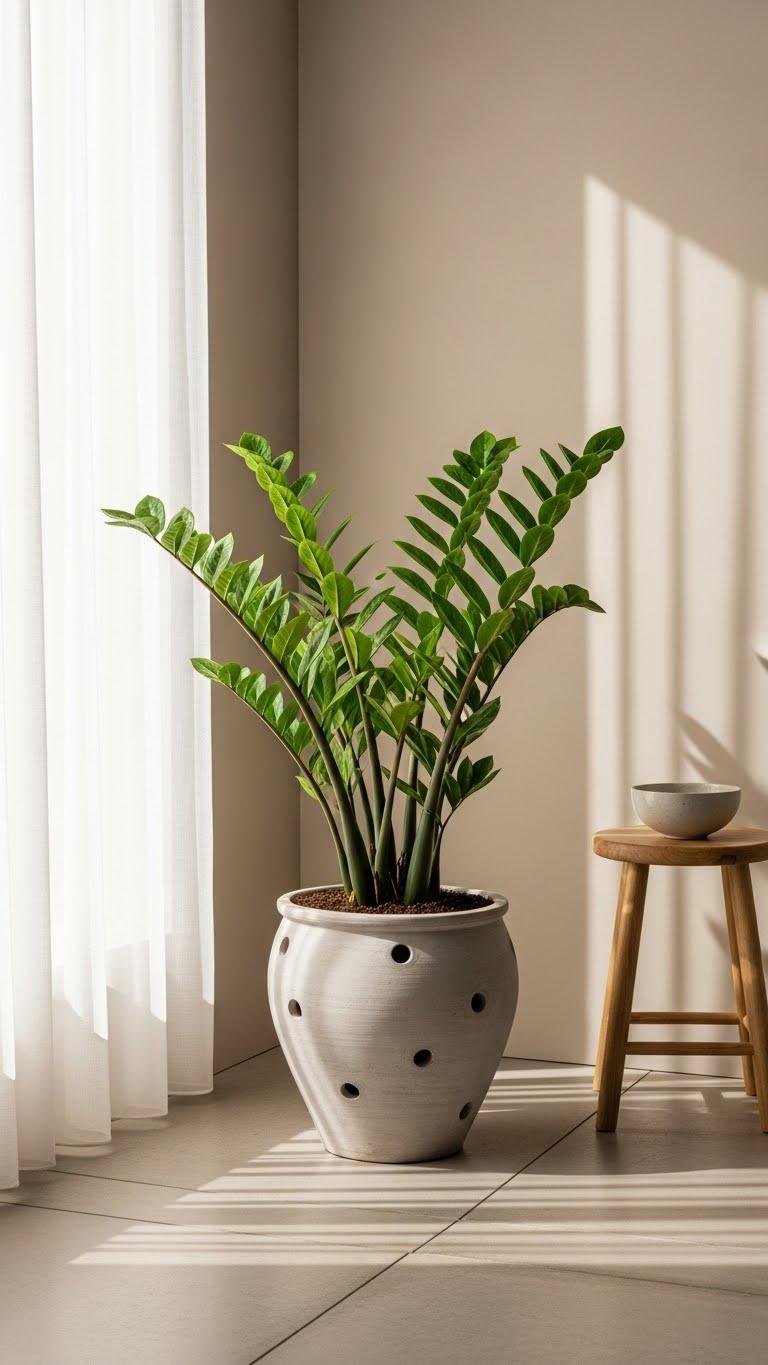
Often overlooked in minimal interiors, the ZZ plant (Zamioculcas zamiifolia) offers glossy, architectural foliage that anchors both low-light corners and bright, filtered windows.
You’ll appreciate its exceptional light tolerance and simple propagation techniques—divide rhizomes or leaf-cuttings—to expand freedom in your space.
Its sculptural habit needs sparse watering and airy pots, so you can create a calm, liberated green focal point.
Fiddle Leaf Fig (Ficus Lyrata)
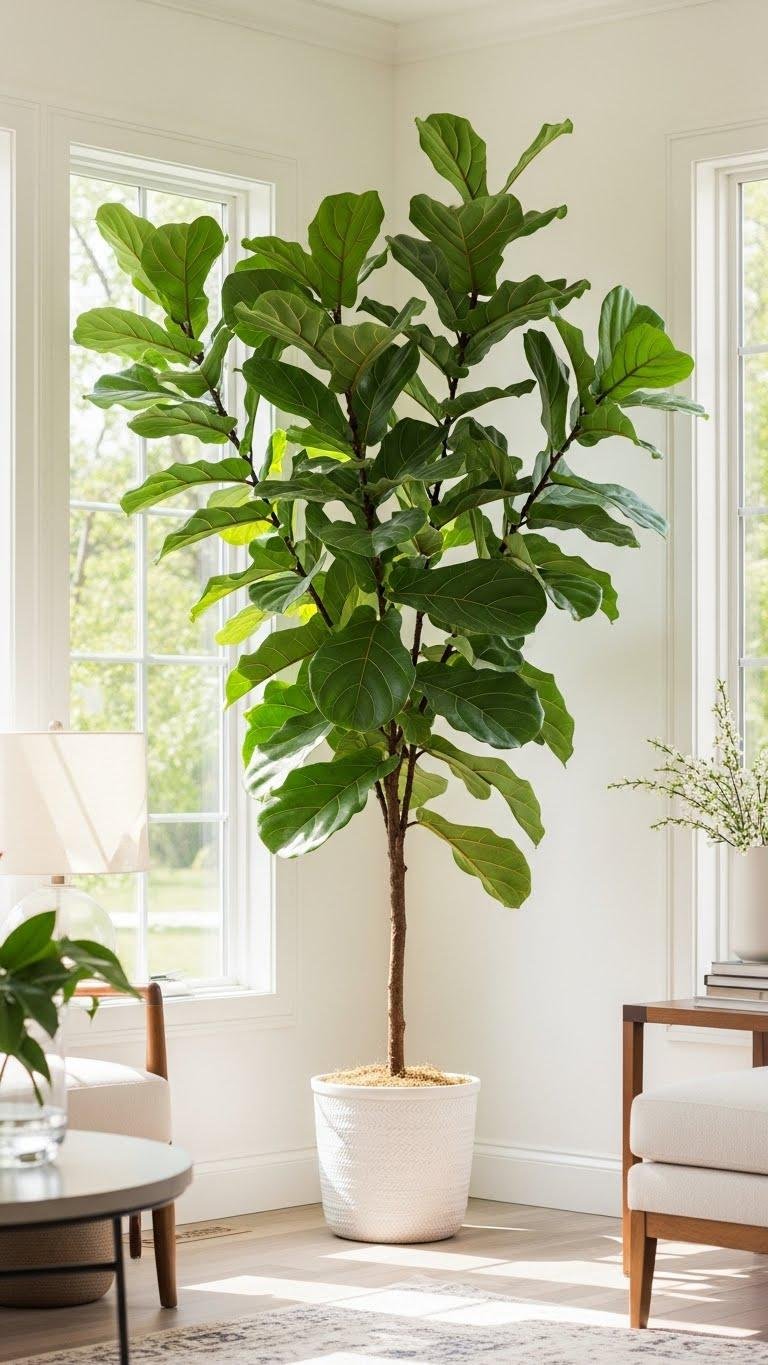
Statement piece, the Fiddle Leaf Fig (Ficus lyrata) demands attention with its large, violin-shaped leaves and statuesque upright habit. You’ll place it where light requirements are met—bright, indirect sun—and let it breathe in open space.
Prune selectively for form, rotate for even growth, and perform regular leaf cleaning to preserve sheen and photosynthetic efficiency, giving your room a liberated, sculptural focal point.
Snake Plant (Sansevieria/Dracaena Trifasciata)
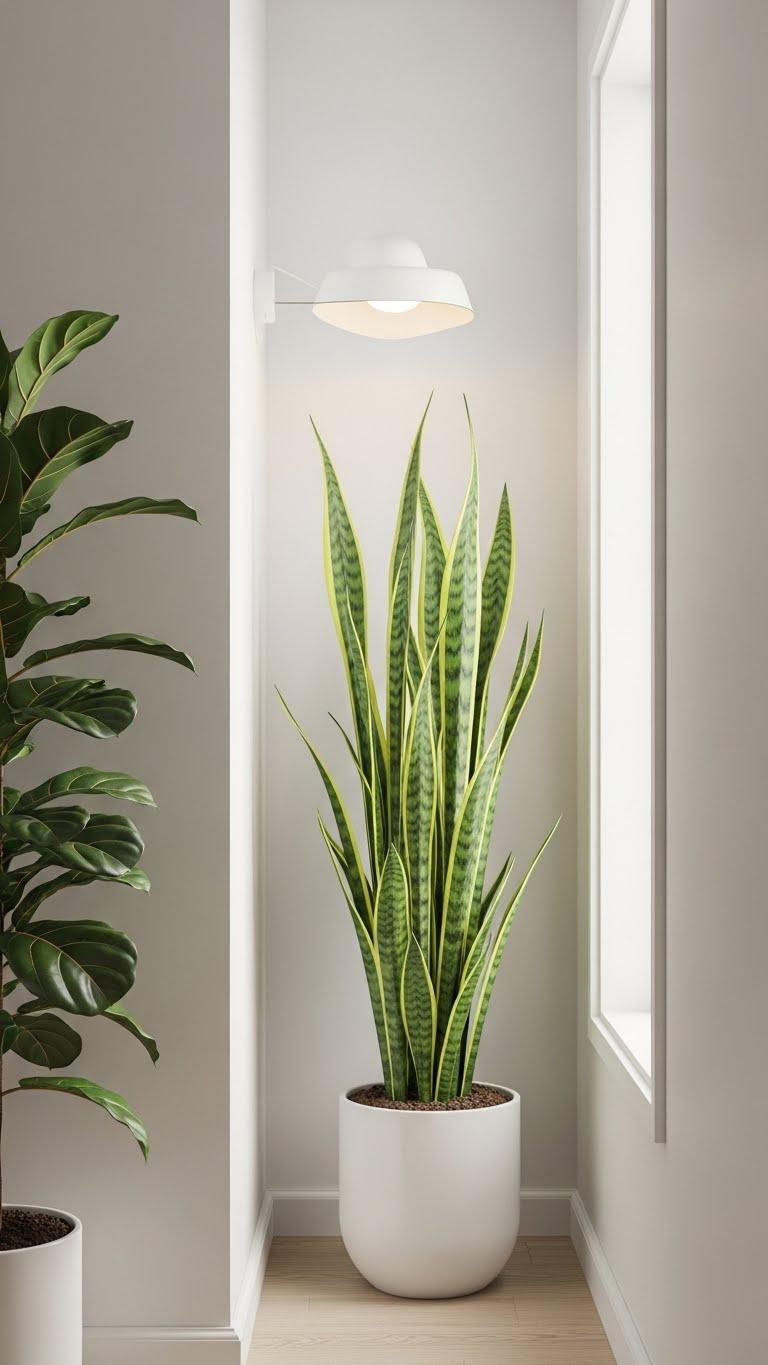
Where the Fiddle Leaf Fig creates a sculptural focal point with broad foliage, the Snake Plant (Sansevieria, now often placed in Dracaena) offers a contrasting upright geometry that suits narrow corners and minimalist interiors.
You’ll appreciate its architectural form, low light tolerance, and easy upkeep; place it deliberately, mindful of pet toxicity, to claim clean-lined greenery without sacrificing safety or spatial freedom.
Calathea Orbifolia
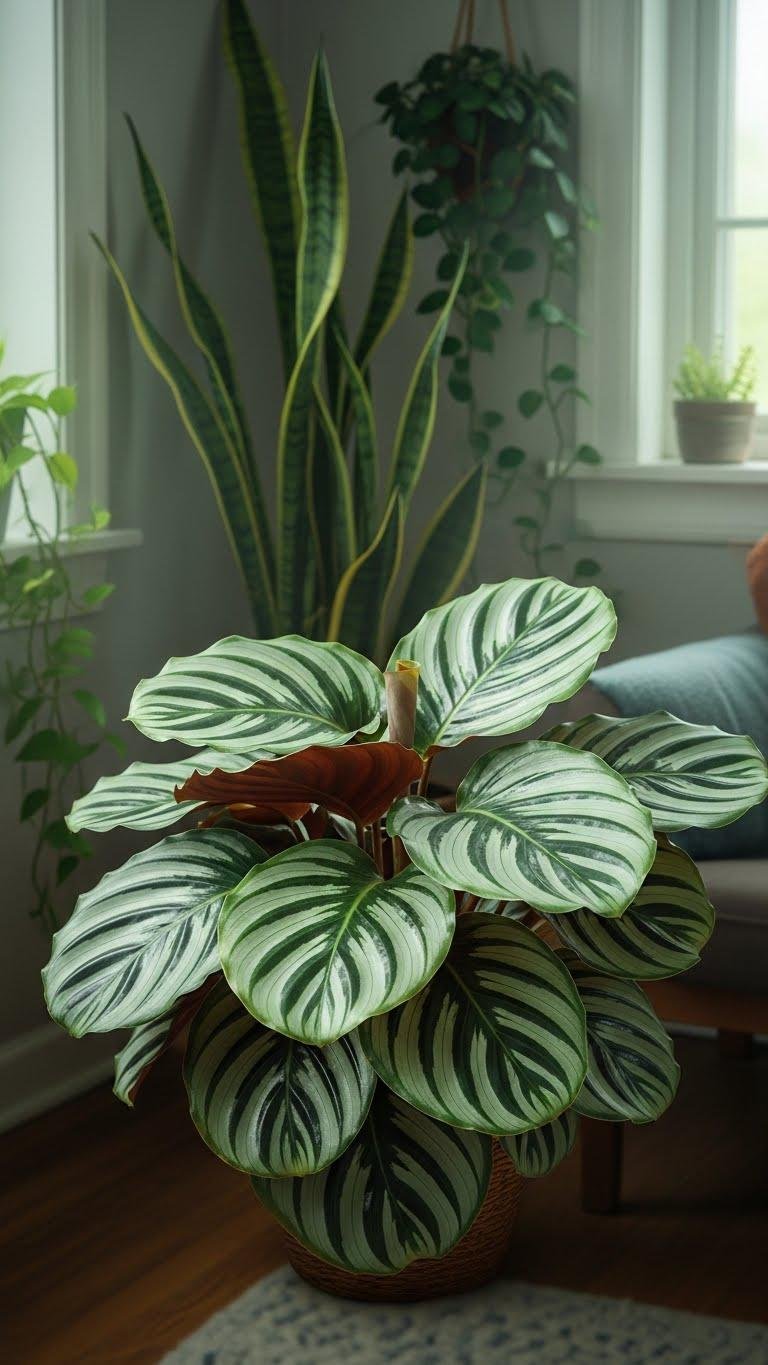
Calathea orbifolia brings bold, rounded foliage to soft-focus interiors, its silvery-striped, palm-sized leaves creating a gentle architectural counterpoint to upright silhouettes like the Snake Plant.
You’ll place it where indirect light flatters without overstressing—its light sensitivity is real—while you enjoy botanical drama. Keep it away from pets for pet safety, maintain humidity, and let it breathe in open, calm corners.
Pothos (Epipremnum Aureum)
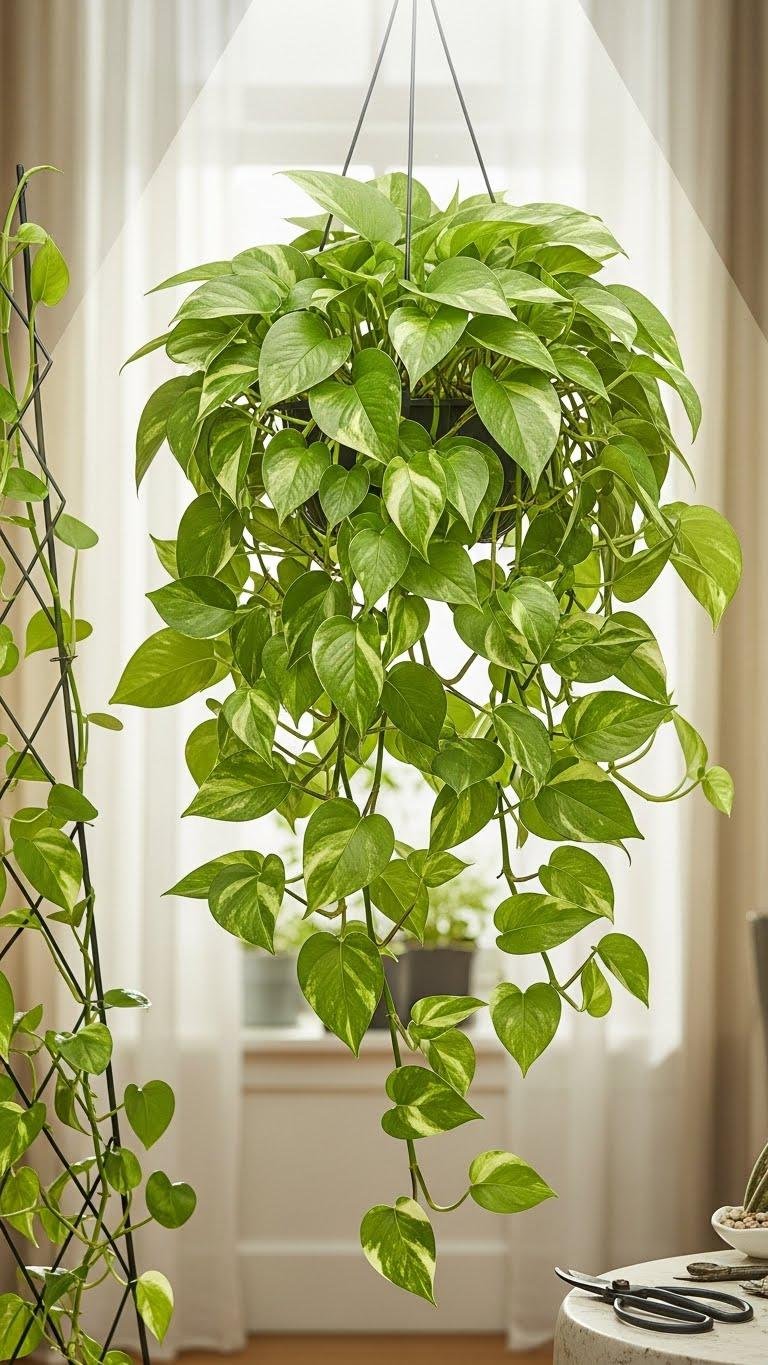
Often underrated, Pothos (Epipremnum aureum) rewards you with glossy, heart-shaped leaves and a forgiving habit that suits hanging baskets, shelves, or trained climbs along a trellis.
You’ll appreciate low-maintenance variegation care tips—bright, indirect light preserves patterns—while trailing propagation lets you expand freely.
Place plants to sculpt negative space; prune for density and guide growth to enhance flow and effortless elegance.
Spider Plant (Chlorophytum Comosum)
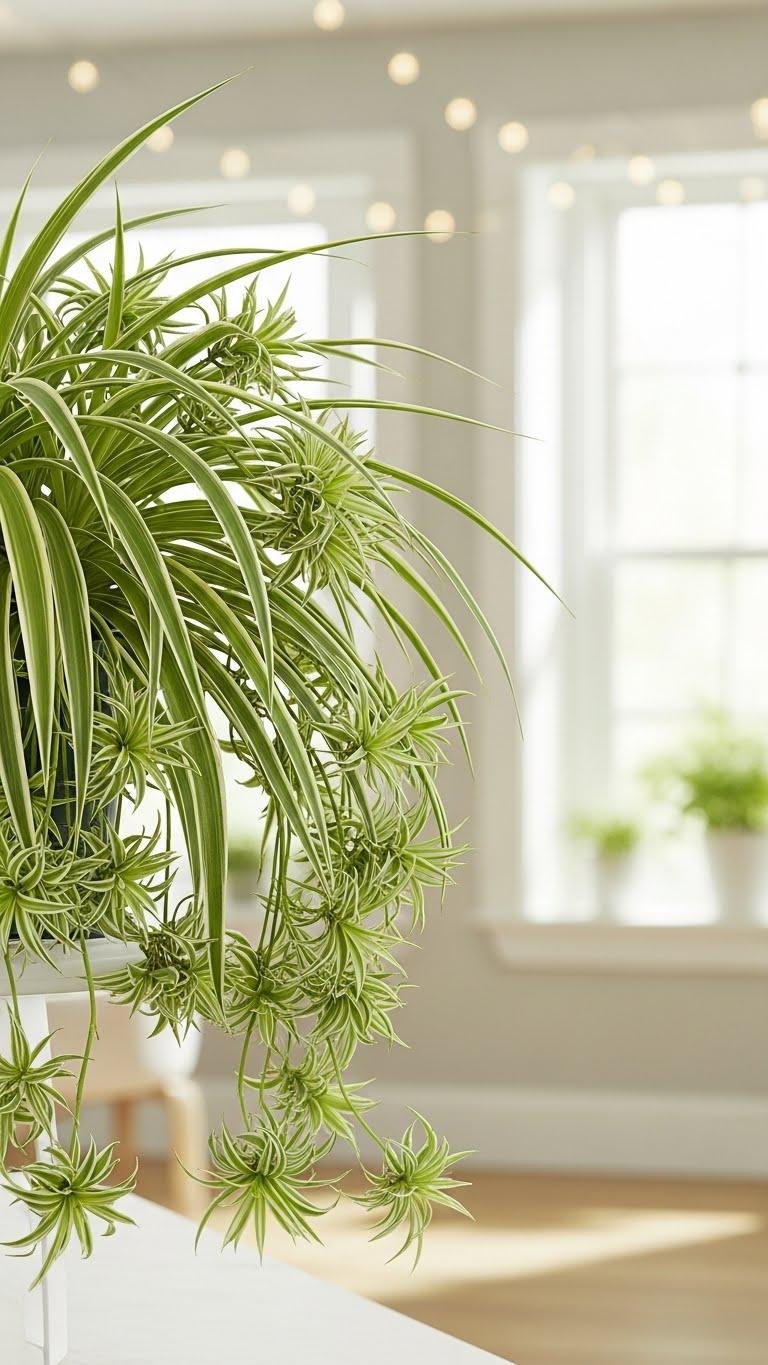
Moving from the Peace Lily’s sculptural calm, you’ll find the Spider Plant (Chlorophytum comosum) brings kinetic energy with arching, variegated foliage and airy, star-like plantlets that cascade like green fountains.
You’ll appreciate its air purification benefits, easy light tolerance, and adaptable watering—perfect for open, liberated interiors.
Its pet safe care makes it ideal for households seeking vibrant, low-fuss greenery.
Rubber Plant (Ficus Elastica)
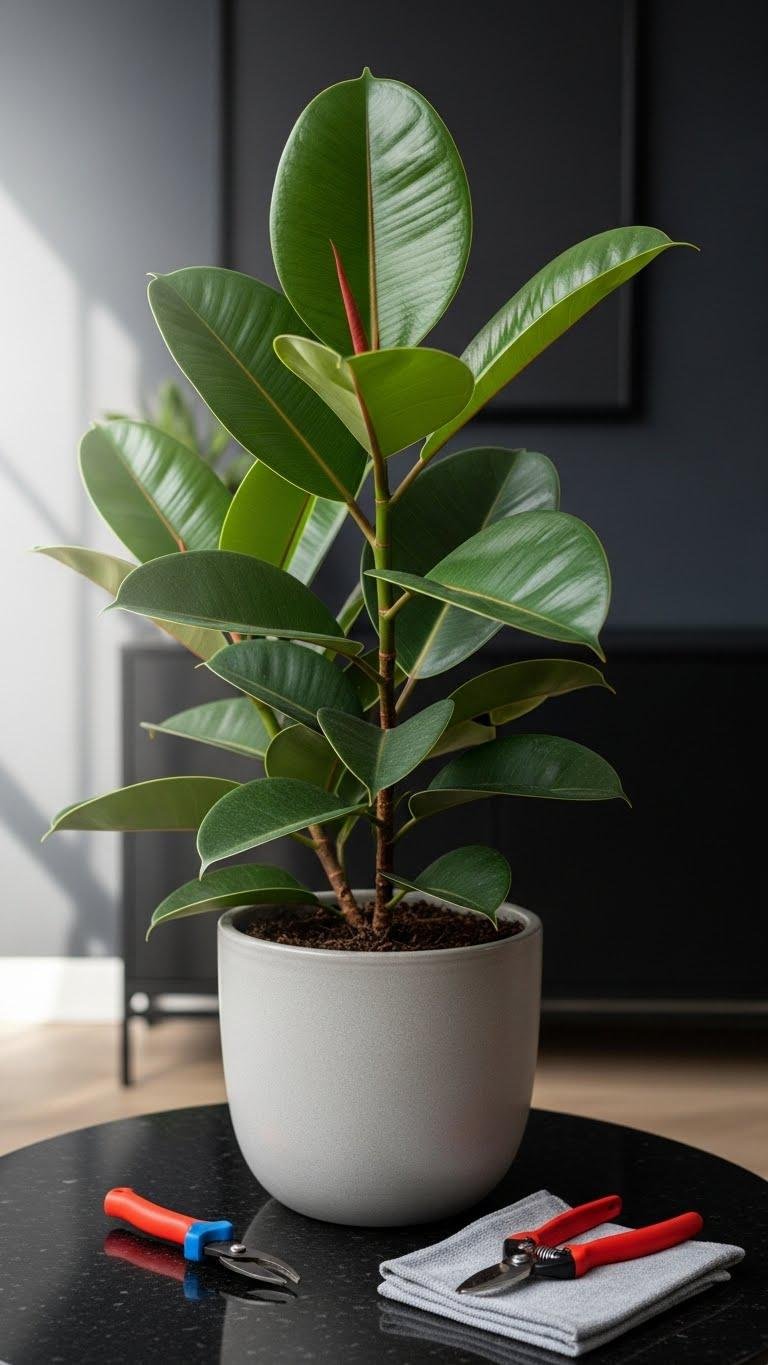
Presence defines the Rubber Plant (Ficus elastica), with glossy, deep-green (or burgundy) leaves that sculpt vertical space and anchor modern interiors.
You’ll choose well-draining soil preferences—peat-based mixes with perlite—and place it where light frees form. Prune to shape and perform simple leaf maintenance: wipe dust, inspect for pests, and let roots guide repotting so the plant keeps its bold, liberated presence.
Philodendron Brasil
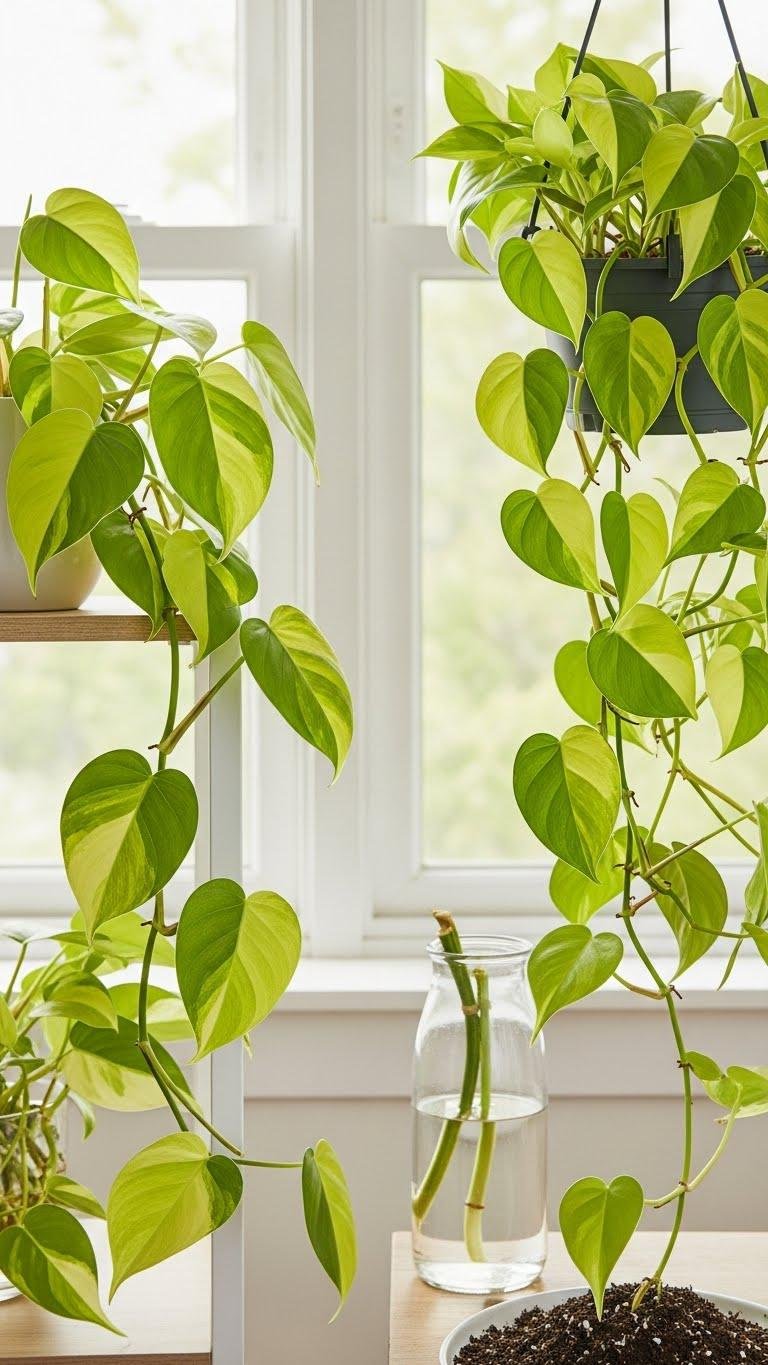
Variegation is what makes Philodendron Brasil sing in interiors: its heart-shaped leaves streaked with chartreuse and emerald add lively, artful movement along shelves or trailing from hanging baskets. You’ll appreciate variegation care that balances bright, indirect light and moderate watering.
Use simple propagation methods — stem cuttings in water or soil — to multiply free-growing specimens and outfit multiple rooms with liberated verdure.
Bird’s Nest Fern (Asplenium Nidus)
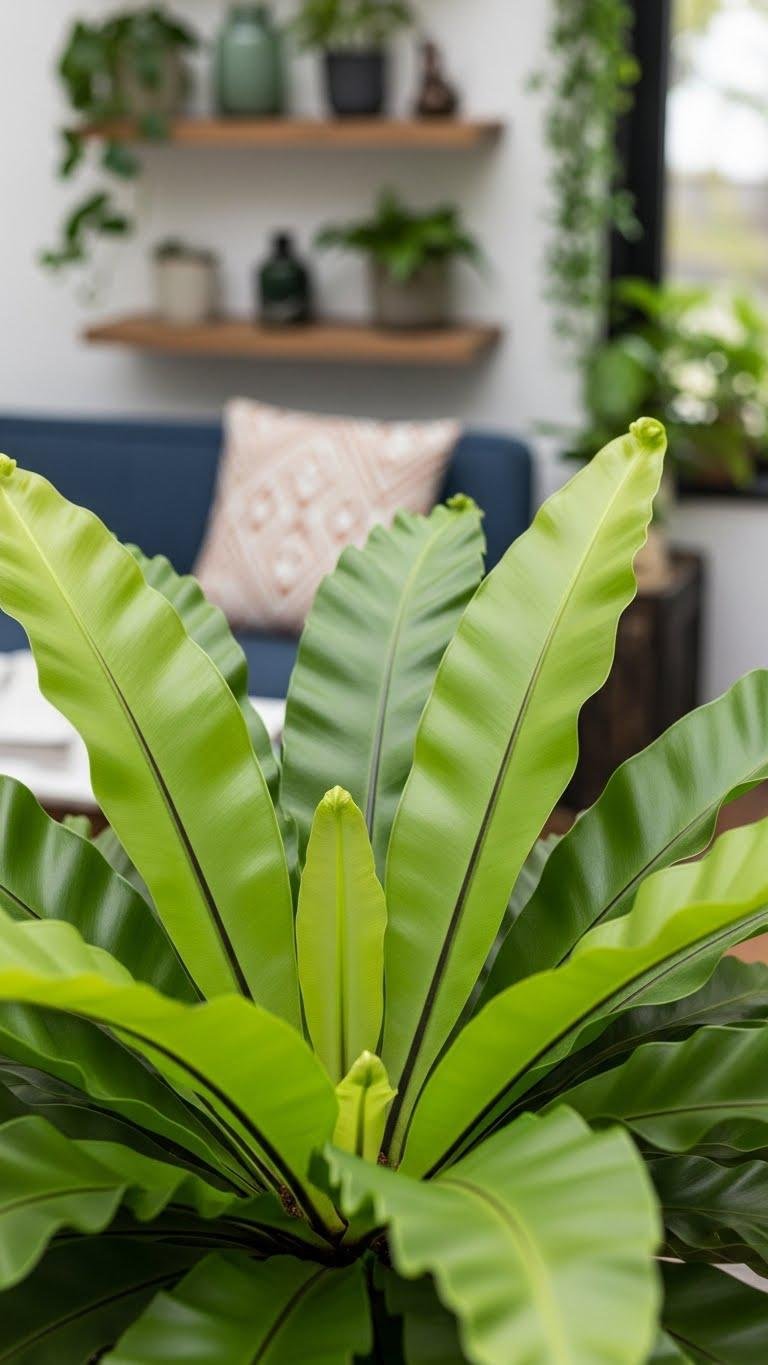
Where the trailing lines of Philodendron Brasil bring motion, the Bird’s Nest Fern arrests the eye with sculptural form: Asplenium nidus unfurls broad, pleated fronds from a central rosette, creating a bold, bowl-like silhouette that anchors shelves, consoles, or shady corners.
You’ll appreciate its sporophyte lifecycle, humidity microscape needs, eco friendly potting options, and pet safe alternatives for a liberated, curated oasis.
Chinese Money Plant (Pilea Peperomioides)
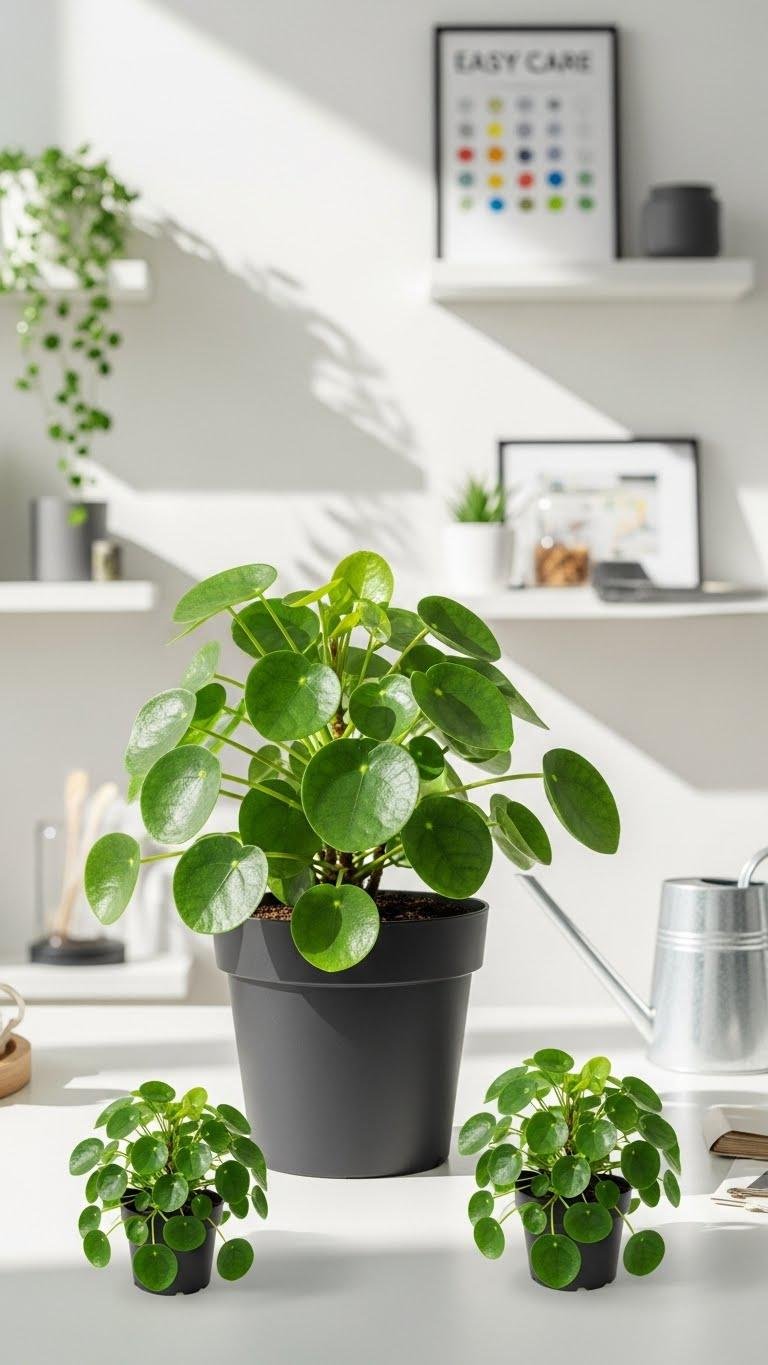
Often admired for its coin-shaped leaves, the Chinese Money Plant (Pilea peperomioides) brings a graphic, architectural presence to tabletops and sunlit shelves.
You’ll enjoy tidy care propagation tips: bright, indirect light per the Light preference chart, moderate watering, and occasional rotate-and-repot rituals. Its sculptural form frees your space visually, and propagating pups keeps your décor evolving without fuss or constraint.
Jade Plant (Crassula Ovata)
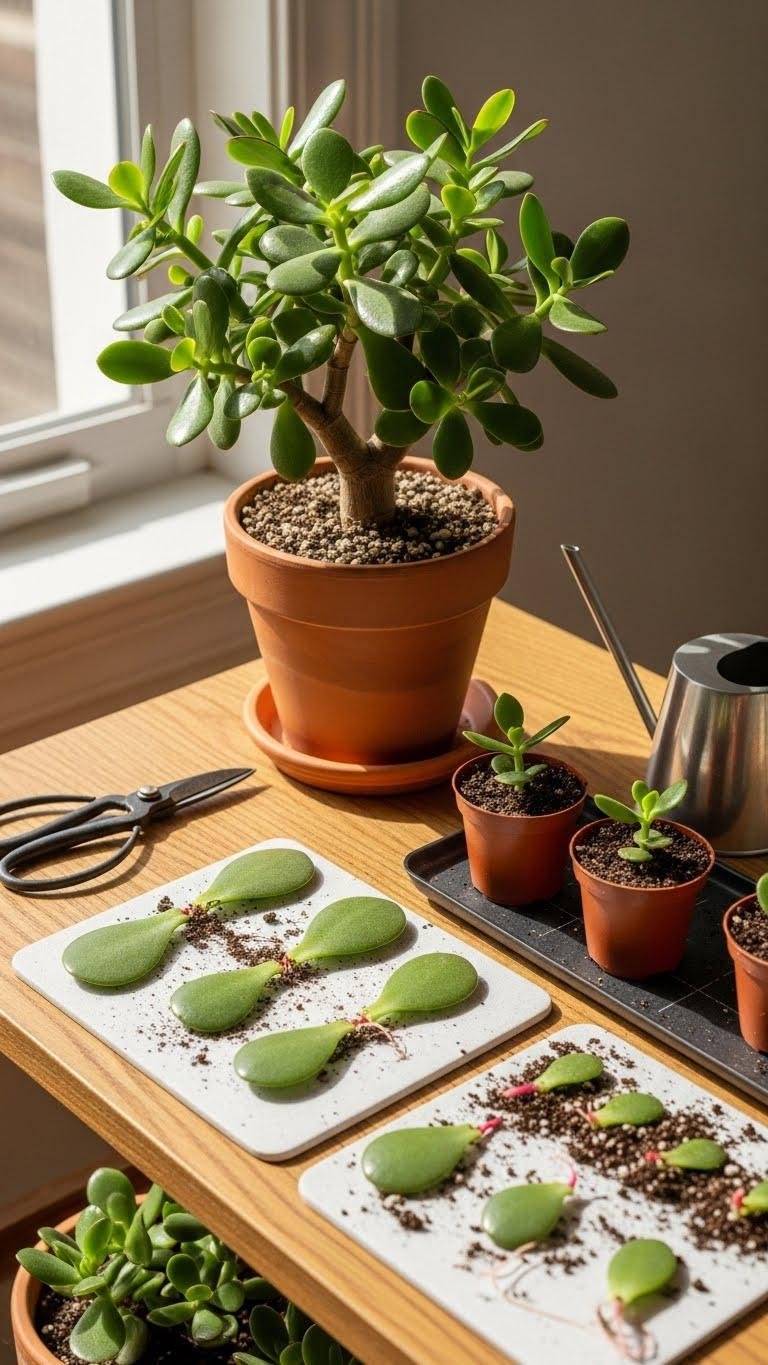
Because the Jade plant (Crassula ovata) thrives on sun, solid structure and restrained water, it’s an ideal sculptural companion for a light-filled shelf or tabletop garden.
You’ll appreciate its architectural silhouette; adopt a minimalist watering schedule and well-draining mix. Learn simple propagation techniques—leaf or stem cuttings root easily—so you can freely expand collections while keeping arrangements airy, deliberate, and resilient.
Prayer Plant (Maranta Leuconeura)
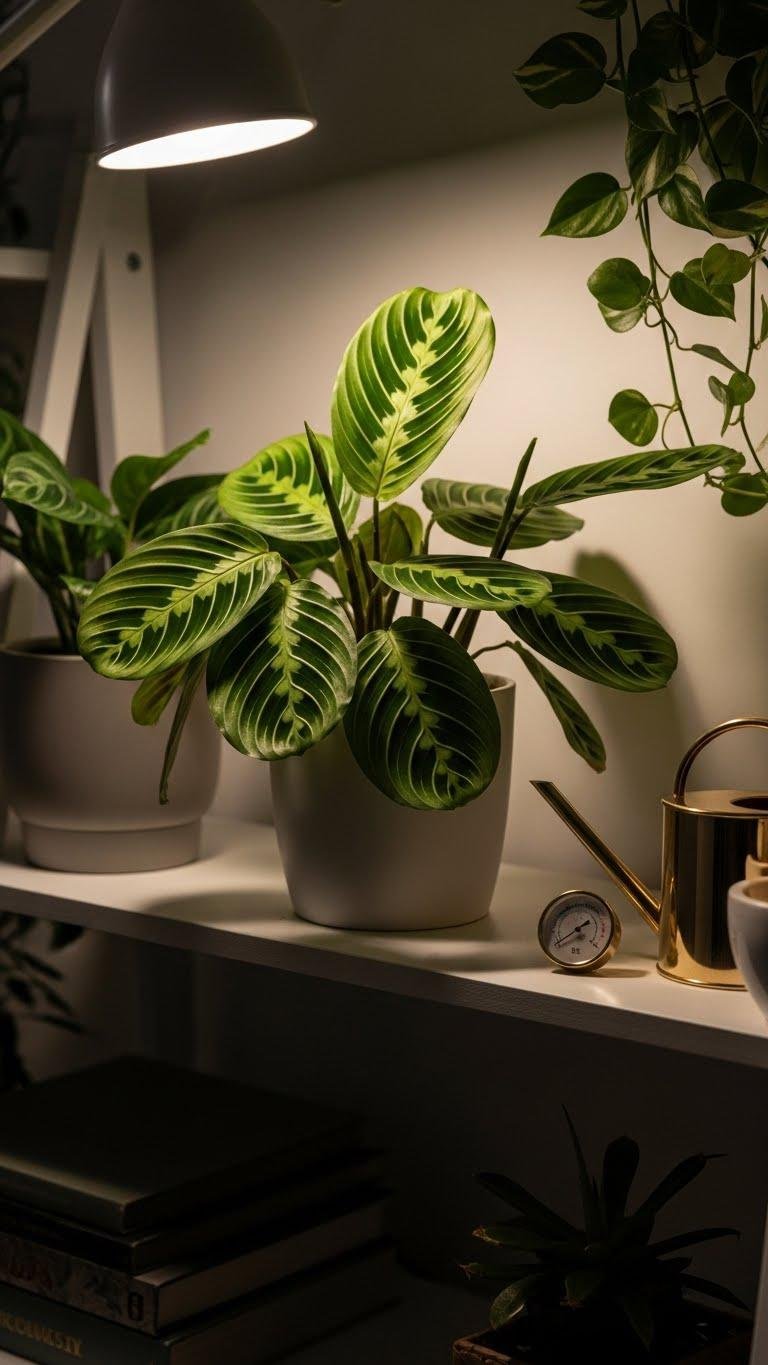
Where the Jade offers structure and sun, the Prayer plant brings movement and pattern to a shaded shelf, its oval leaves folding upward at night like a quiet choreography.
You’ll enjoy low light tolerance, striking venation, and subtle leaf movement that enlivens small rooms. Follow simple prayer plant care—consistent moisture, humidity, and pet safety advice—so your space feels free and intentional.
ZZ Raven (Black ZZ)
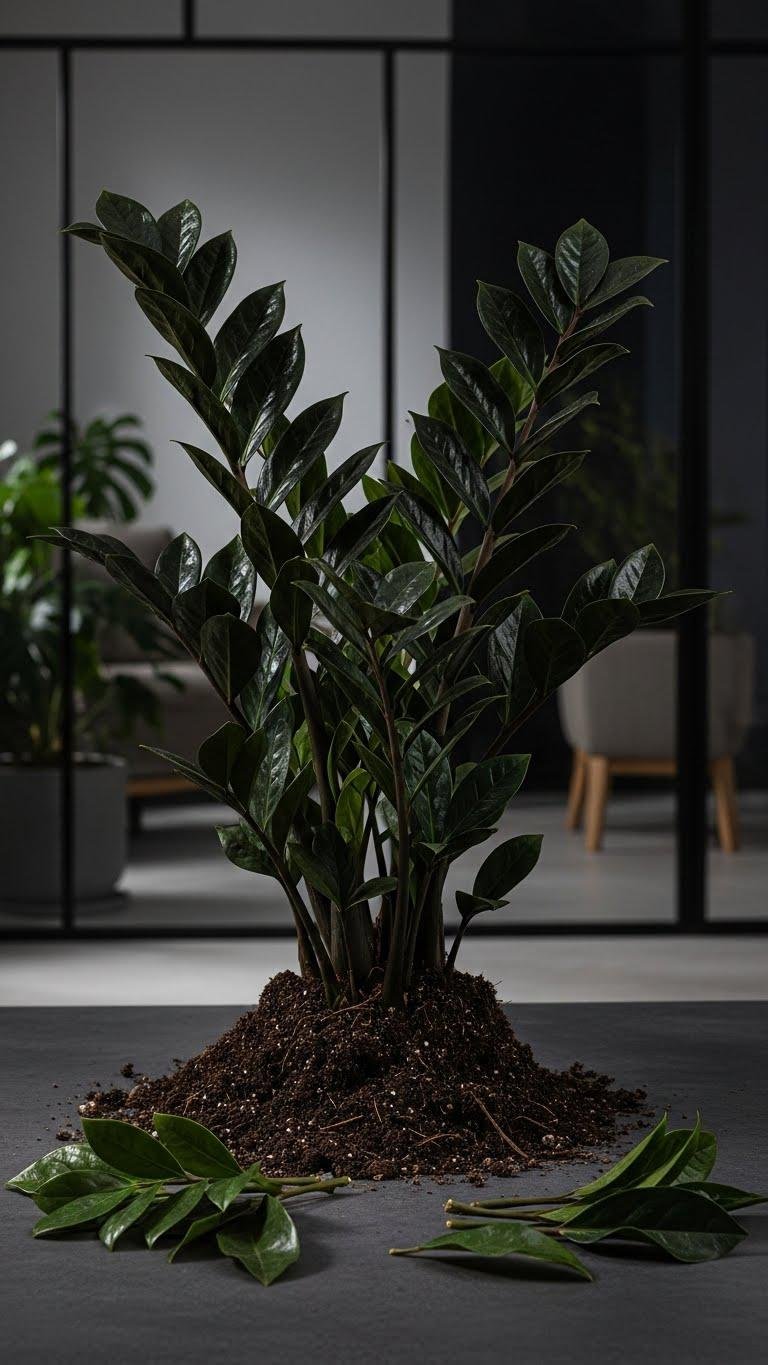
Often striking in dim corners, the ZZ Raven (Zamioculcas zamiifolia ‘Raven’) gives you glossy, near-black foliage that adds dramatic contrast and architectural form to modern interiors.
You’ll appreciate its low light tolerance and sculptural silhouette; practical propagation techniques via division or leaf cuttings expand your freedom.
Ignore care myths: sparse watering, well-draining soil, and patience keep this bold, low-maintenance beauty thriving.
Dwarf Citrus Tree

Dwarf citrus trees make excellent additions to balconies, sunrooms, and compact interiors, offering fragrant blooms, glossy evergreen foliage, and proportionate fruit for small-space living.
You’ll cultivate citrus blossoms that perfume your space while practicing thoughtful container pruning to shape growth and maintain scale. With bright light, well-draining soil, and occasional fertilization, you’ll enjoy a compact, productive tree that feels freeing and sculptural in tight quarters.
Caladium

Bring color and sculptural foliage into tight spots with caladiums, whose heart- and arrow-shaped leaves come in striking combos of pink, red, white, and green. You’ll place them where light is bright but indirect, master Caladium care with consistent humidity and gentle watering, and expand your palette via Bulb propagation.
Their airy presence frees compact rooms while remaining distinctly botanical and artful.
Begonia Rex

Lean into the theatrical foliage of Begonia rex, whose puckered, asymmetrical leaves splashed with silver, burgundy, and chartreuse make it a centerpiece in small, artful interiors. You’ll prize its colorful foliage and sculptural presence; place it where indirect light flatters texture.
Monitor humidity preferences—consistent moisture and moderate humidity keep patterns vivid—so it breathes freely and elevates compact, curated spaces.
Miniature Ferns (Assorted Varieties)
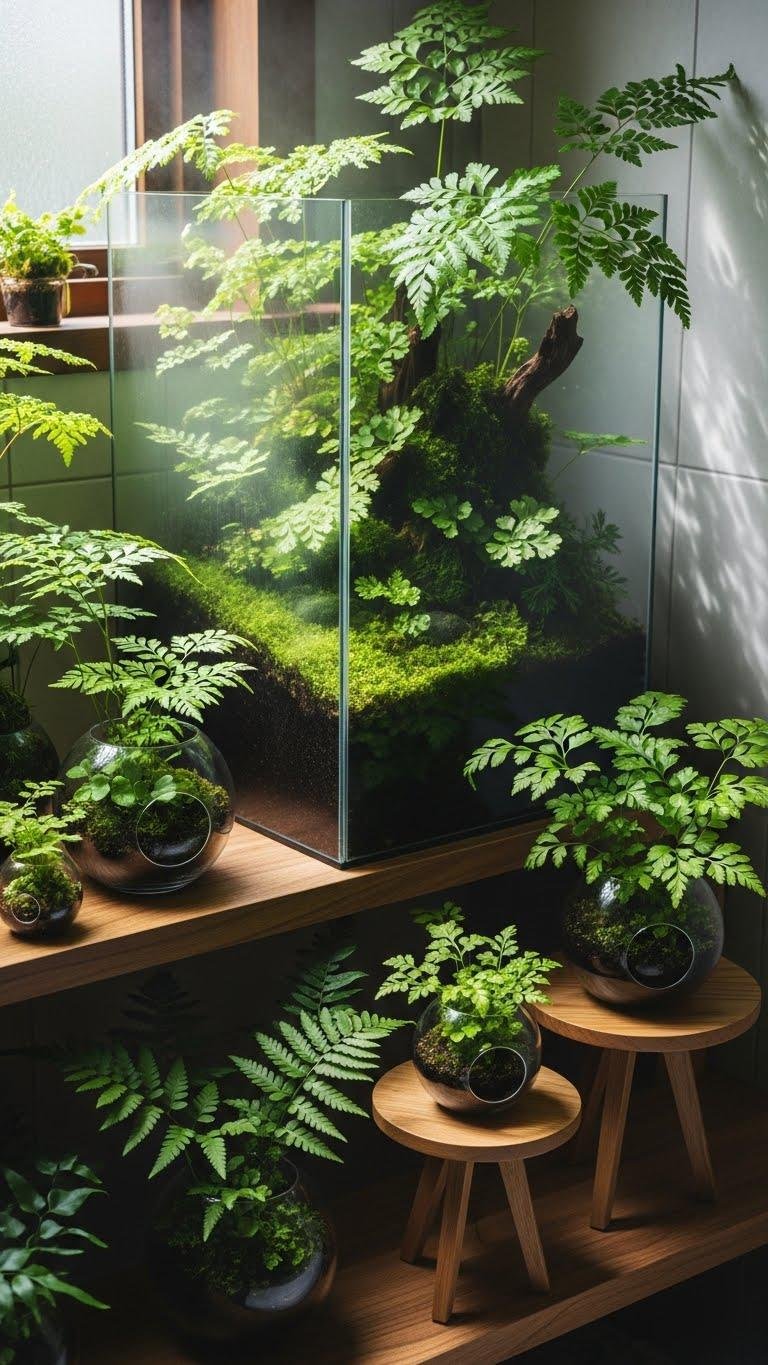
Miniature ferns pack feathery texture and architectural interest into tight spaces, so you can layer them into shelves, terrariums, or bathrooms where humidity and dappled light prevail.
You’ll enjoy micro terrariums and tabletop displays that emphasize form; follow fern care basics and try miniature propagation to expand freely. Their sculptural silhouettes suit compact styling while inviting tactile, low-impact green freedom.
String of Pearls (Senecio Rowleyanus)
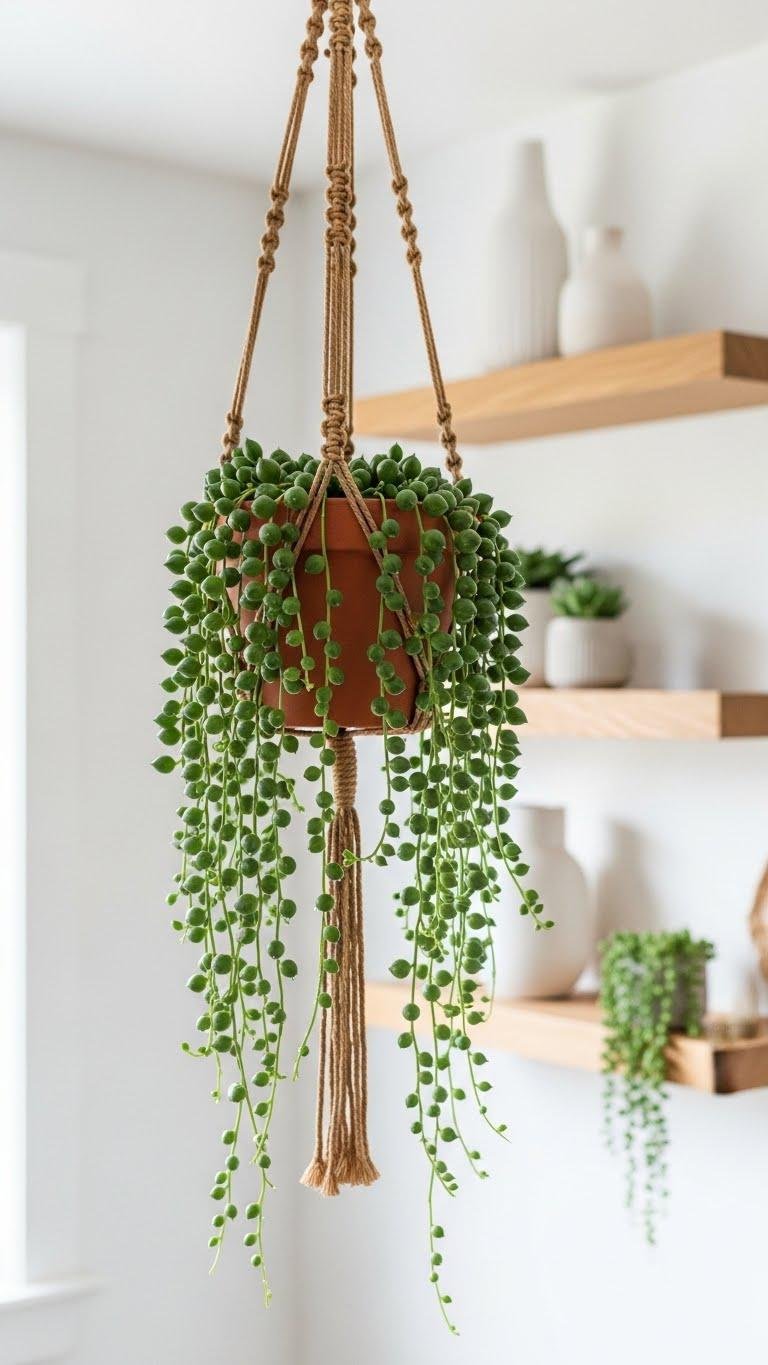
String of Pearls (Senecio rowleyanus) trails like a living necklace, its bead-like leaves tucked along wiry stems that cascade beautifully from hanging pots or high shelves.
You’ll appreciate its minimalist sculpture; learn simple care needs—bright indirect light, sparse watering, airy soil—and position it in hanging displays to maximize vertical grace.
It rewards you with effortless, freeing elegance and refined textural contrast.