
You can still have a lush apartment even with little to no direct sun. Pick hardy, low‑light species that tolerate shade, fluctuating temperatures, and occasional forgetfulness, and you’ll get greenery that needs minimal fuss. I’ll list 21 reliable options, note care basics, and flag pet safety and propagation tips so you can choose plants that fit your space — and then we’ll cover placement and simple mistakes to avoid.
Peace Lily
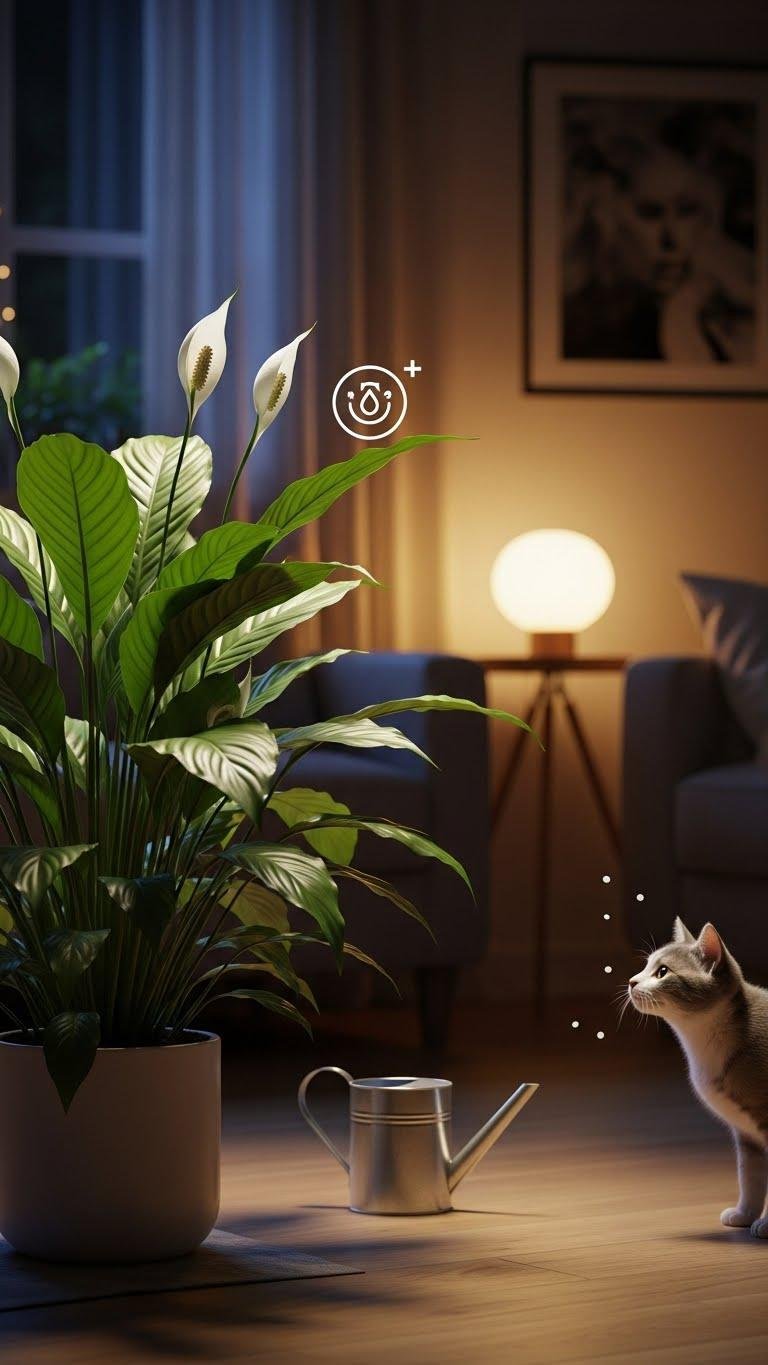
Often overlooked, the peace lily thrives in low light and forgivingly masks minor care mistakes.
You’ll choose well-draining soil mixes and water sparingly, letting topsoil dry between drinks.
Place it where you can enjoy clean air without fuss.
Note pet safety—keep leaves out of reach or choose alternatives if pets nibble.
It rewards minimal effort with steady greens and occasional blooms.
Chinese Evergreen

Chinese evergreen (Aglaonema) is a tough, low-light houseplant that’s ideal for apartments—you can place it in dim corners and it’ll keep putting out attractive, patterned leaves with minimal fuss.
You’ll appreciate its resilience, learn about variegation genetics to choose patterns you like, and use simple propagation methods like division or stem cuttings to expand freely without needing special equipment.
Snake Plant
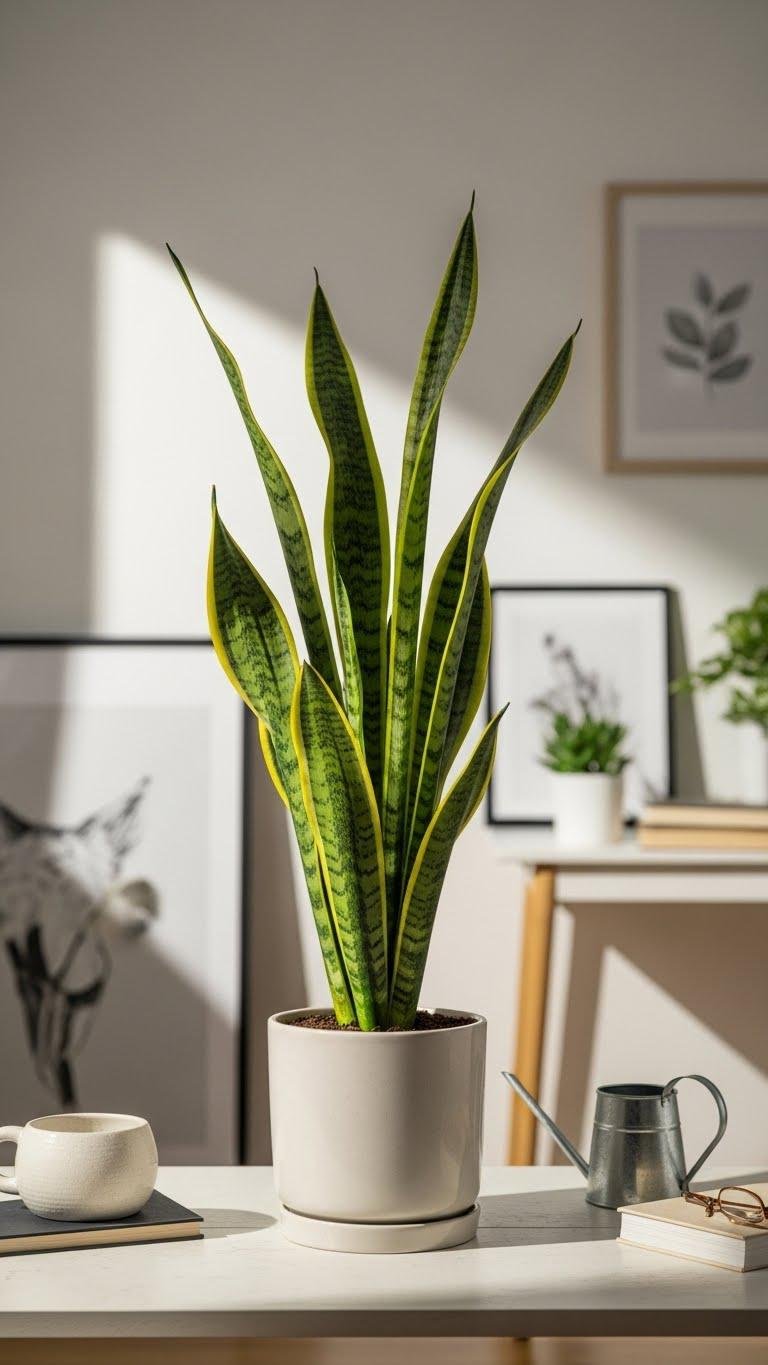
If you like the low-maintenance appeal of Aglaonema, a snake plant (Sansevieria—now Dracaena) will feel right at home in your apartment.
You’ll appreciate its air purifying benefits, drought tolerance, and sculptural form. Place it in indirect light, water sparingly, and try vertical propagation techniques to expand without clutter. It’s resilient, freeing you from constant care while improving indoor air.
Cast Iron Plant
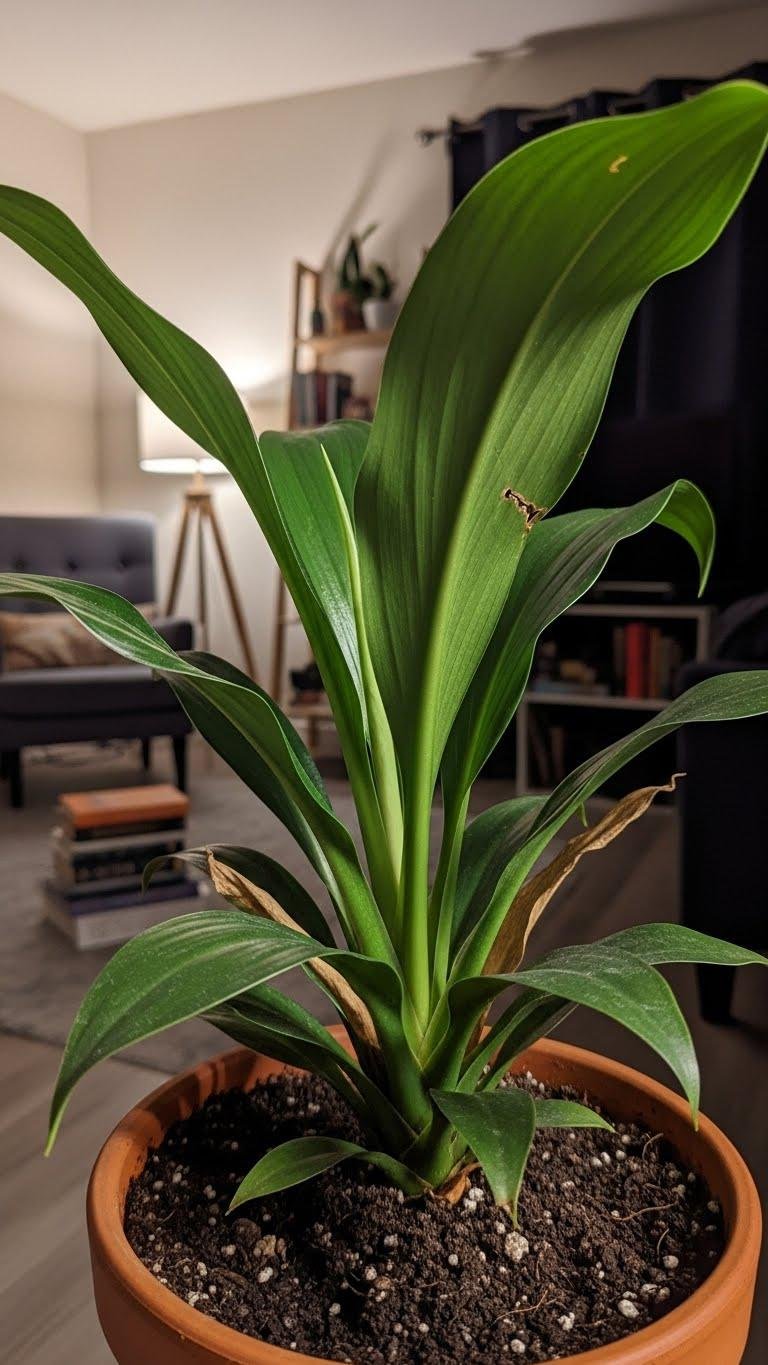
The cast iron plant (Aspidistra elatior) is a near-indestructible choice for dim apartments—place it in low to moderate indirect light, water only when the top inch of soil dries, and you’ll rarely need to repot.
You’ll enjoy low maintenance, clear soil preferences (well-draining, loamy mix) and excellent pest resistance. Let it sit quietly; it thrives with minimal fuss and freedom.
Pothos
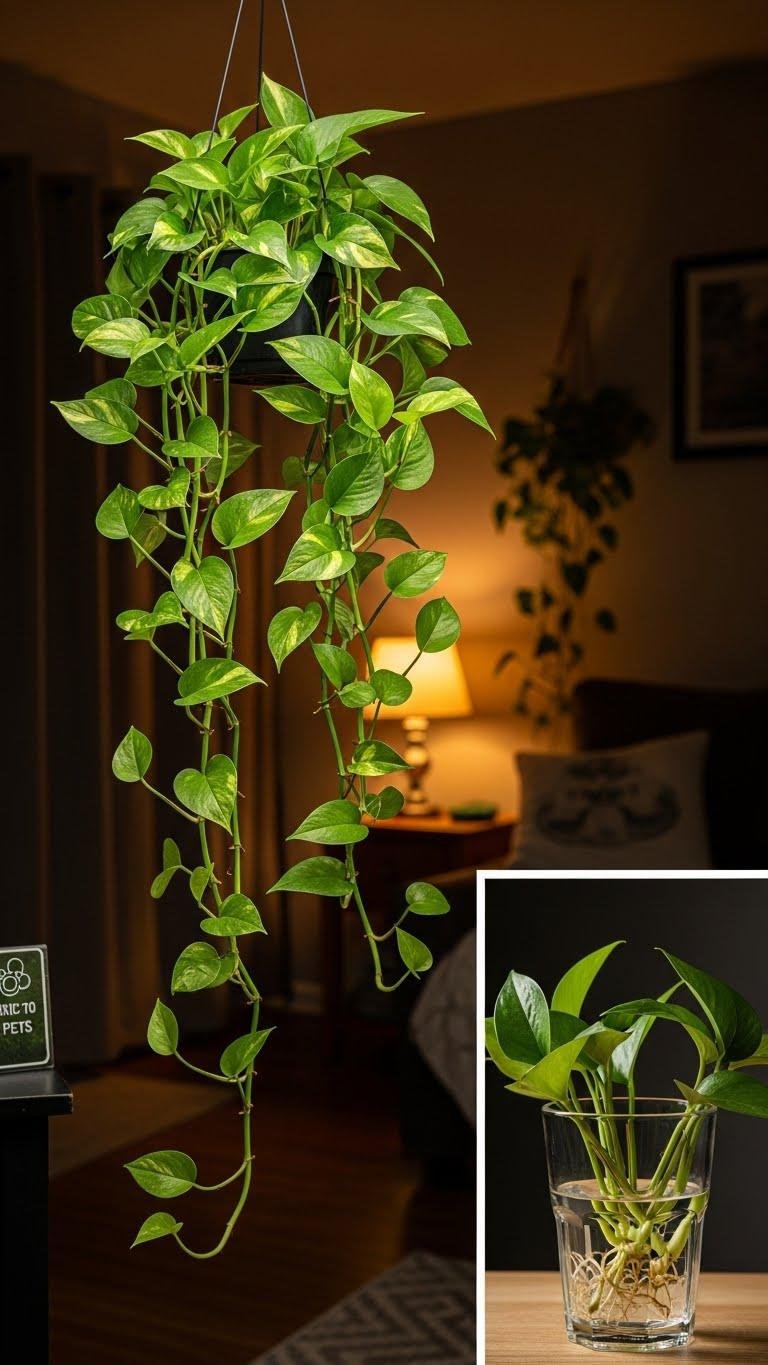
Often forgiving and fast-growing, pothos (Epipremnum aureum) is a top pick for dim apartments because it tolerates low light, irregular watering, and a range of temperatures.
You’ll like its trailing habit and easy propagation techniques — just root cuttings in water.
Keep it away from pets due to pothos toxicity, prune for shape, and let soil dry slightly between waterings for carefree greenery.
ZZ Plant
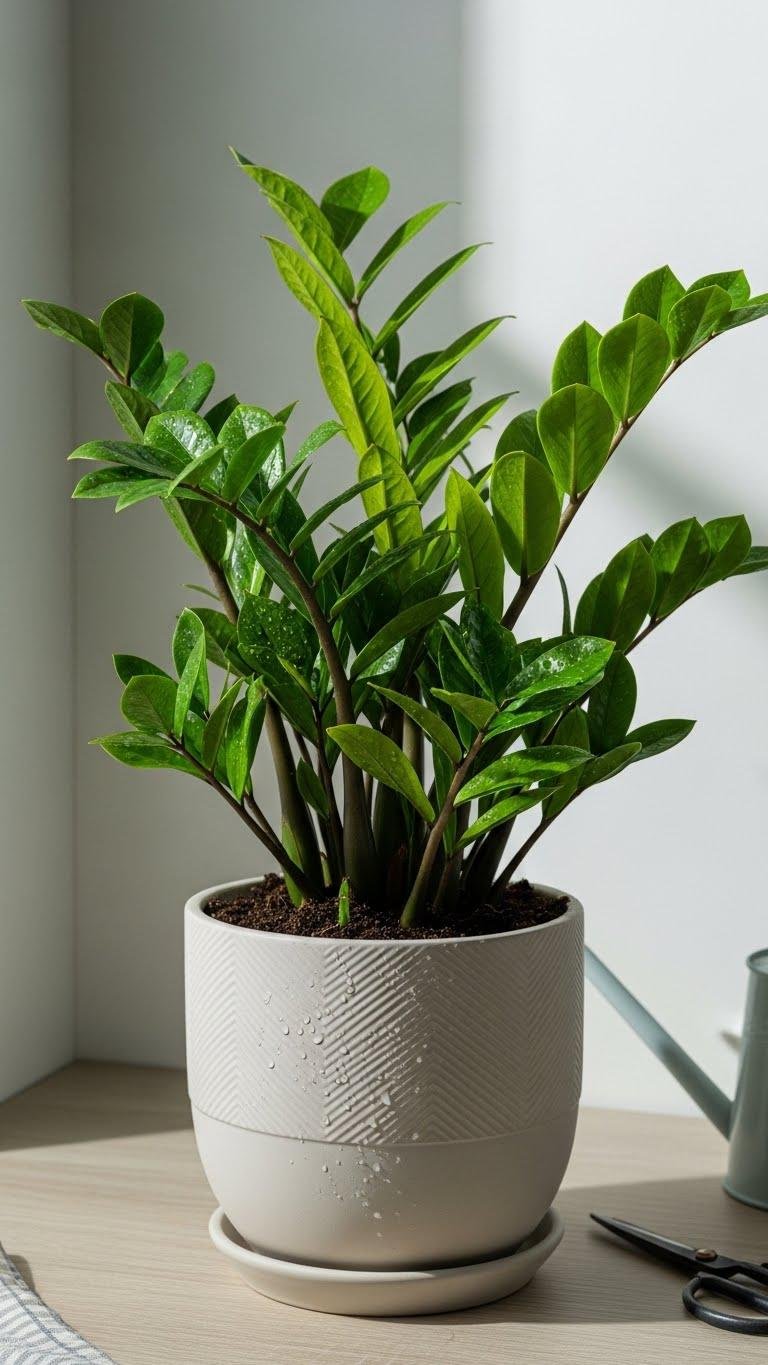
Paragraphs
Philodendron (Heartleaf)
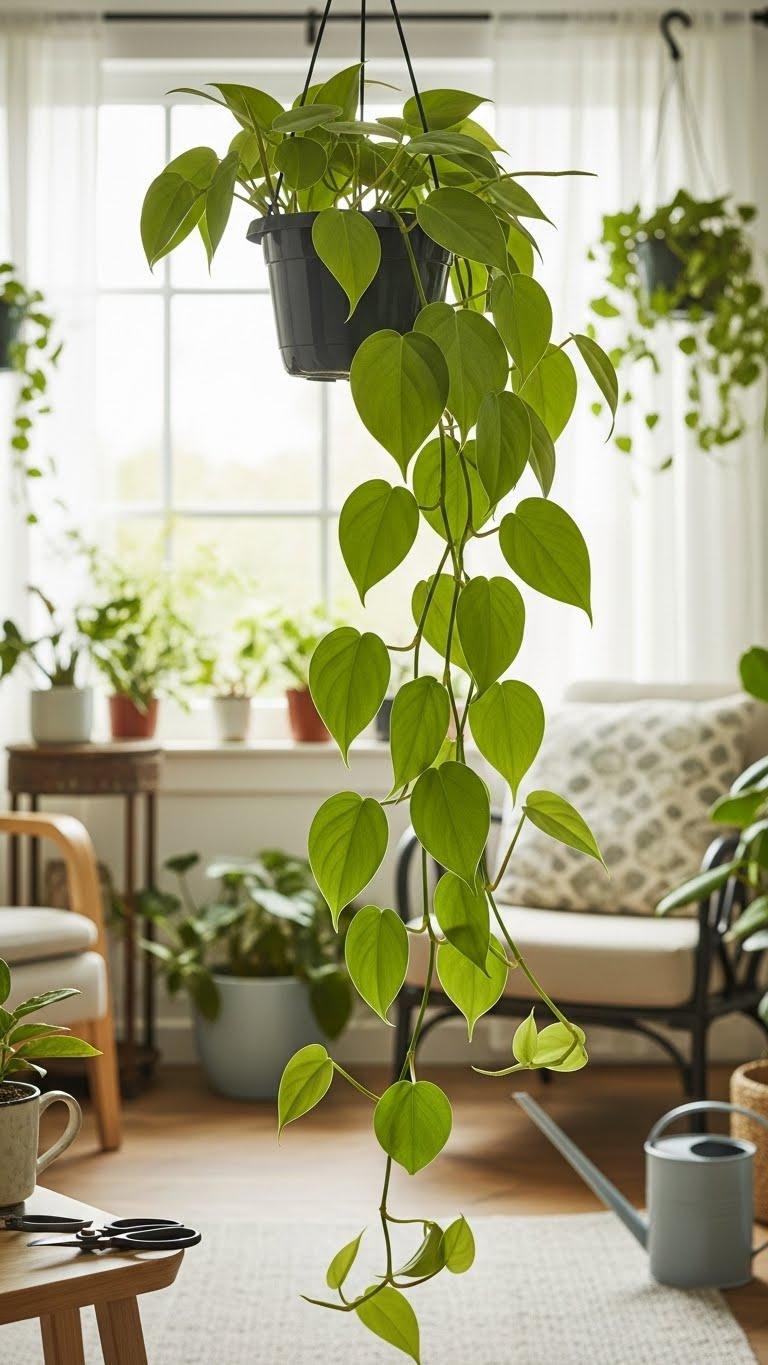
Usually forgiving, the heartleaf philodendron thrives in low to medium light and rewards you with trailing vines of glossy, heart-shaped leaves that stay green with minimal fuss.
You’ll allow flexible placement, water when top inch dries, and prune for shape. Learn variegation care if you choose patterned types, and practice rescue propagation to revive leggy stems — freedom-friendly, resilient, low-maintenance.
Maidenhair Fern
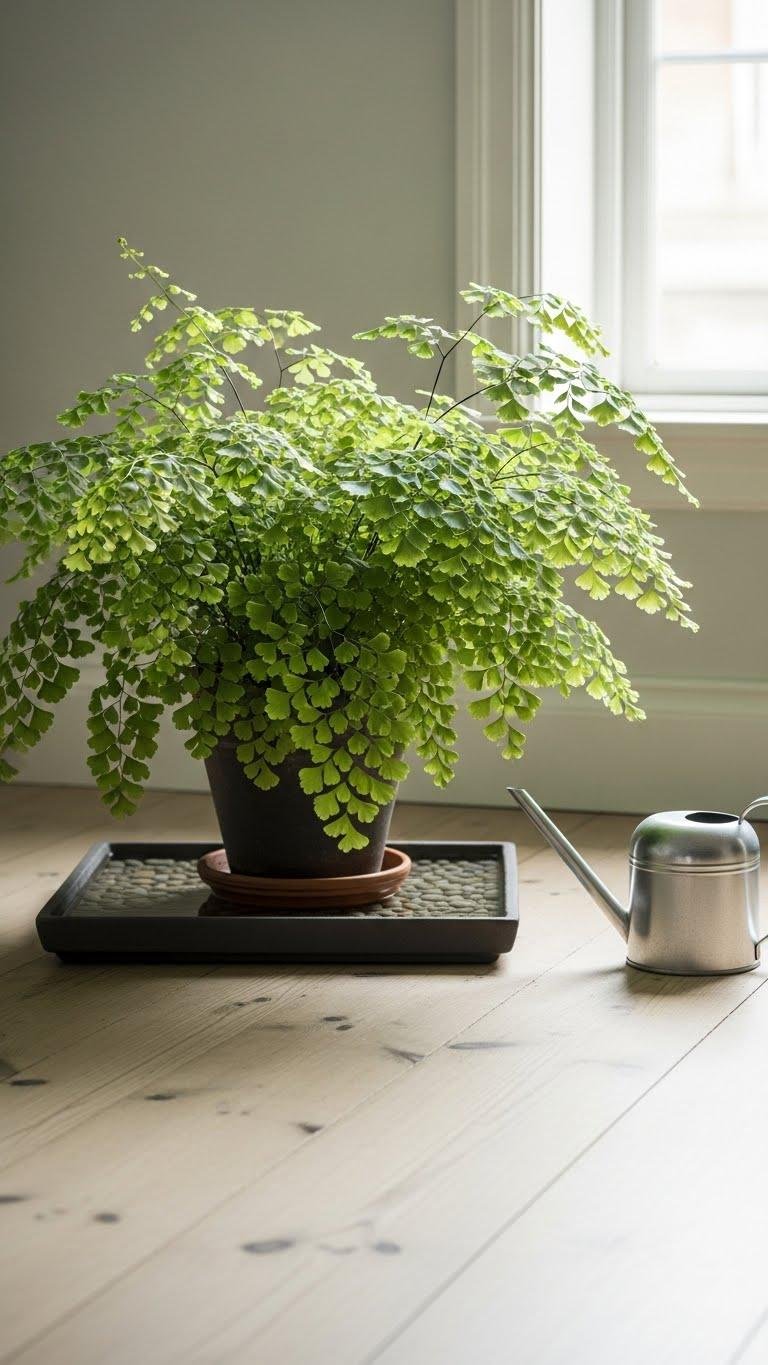
Delicate and decorative, the maidenhair fern thrives in low to medium indirect light and rewards you with lacy, fan-shaped fronds that soften any corner.
You’ll keep soil consistently moist, mist often, and use a pebble tray to meet humidity requirements.
Place it where you can easily water and rotate.
For propagation techniques, divide crowns in spring and pot sections to expand your green freedom.
Parlor Palm

While the maidenhair fern prefers consistently moist, humid conditions, the parlor palm offers a more forgiving option when you can’t constantly mist or fuss over soil. You’ll appreciate low light tolerance, simple care requirements—moderate watering, occasional feeding, indirect light—and graceful form.
It’s compact, slow-growing, and suitable for small spaces. Check pet safety: Parlor palms are non-toxic, so they’re freedom-friendly housemates
Dracaena (Mass Cane)

Place a dracaena (mass cane) where it gets bright, indirect light and you’ll have a tall, low-maintenance statement plant that tolerates lower light better than many large-leaved species.
You’ll water sparingly, trim leggy growth, and practice basic variegation care to preserve color. Learn indoor propagation by stem cuttings, keep pets away due to dracaena toxicity, and enjoy effortless vertical greenery.
Silver Ann (Scindapsus Pictus)
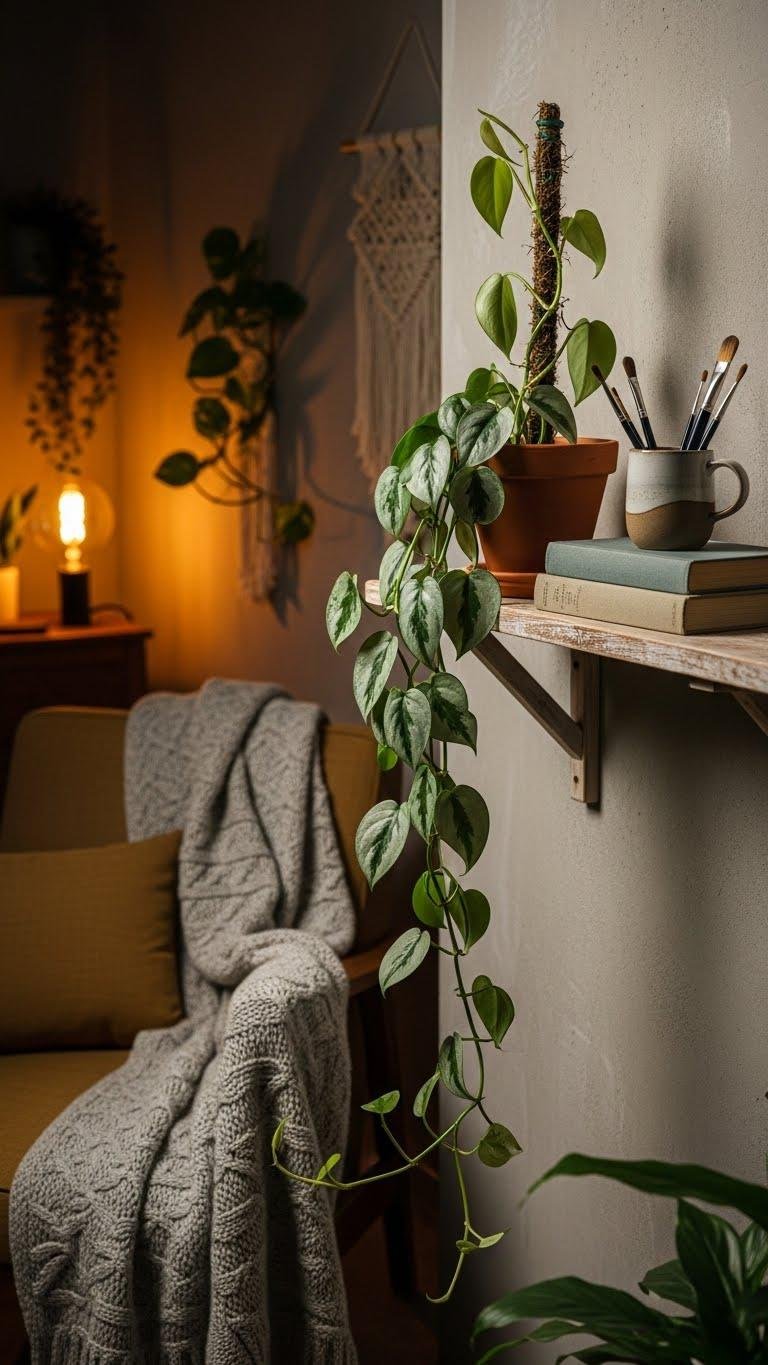
Often overlooked, Silver Ann (Scindapsus pictus) rewards you with silvery, heart-shaped leaves that brighten low-light apartments without demanding fuss.
You’ll enjoy easy variegation care: moderate, indirect light and occasional drying between waterings. Let it trail from a shelf or train up a stake — trailing propagation is simple from stem cuttings. It’s low-maintenance, stylish, and gives you flexible, carefree greenery.
Bromeliad (Low-Light Varieties)

Brighten a dim corner with a low-light bromeliad: these adaptable houseplants tolerate lower light than many other bromeliads and still give you long-lasting rosettes and occasional blooms.
You’ll enjoy simple care tips: moderate watering into the central cup, bright indirect to low light, and good airflow. They aid air purification, resist pests, and free you to style compact, low-maintenance greenery confidently.
Calathea
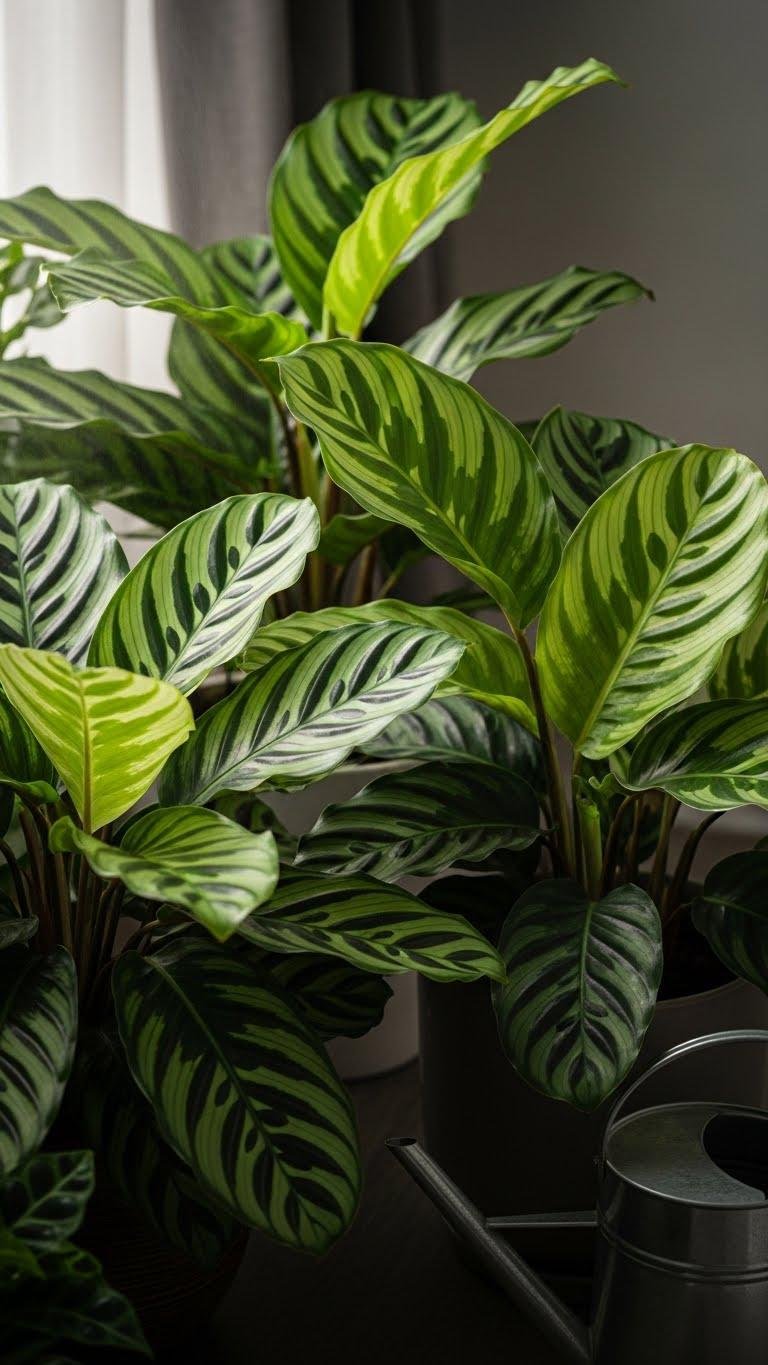
Paragraphs
Aspidistra (Cast-Iron Alternative)
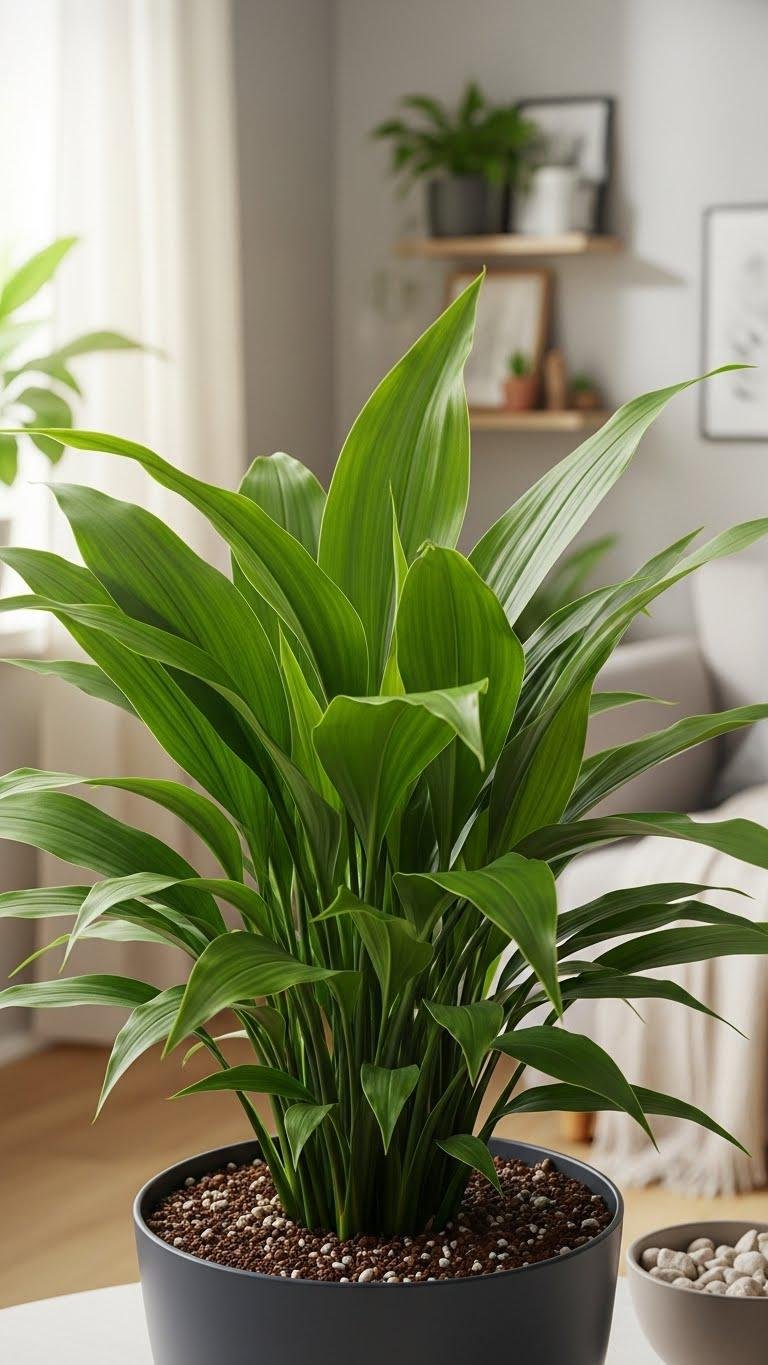
Though it rarely demands attention, the Aspidistra—often called the cast-iron plant—rewards neglect with steady, trouble-free growth, making it ideal if you want a nearly indestructible foliage option for low-light apartments.
You’ll use well-draining soil mixes, water sparingly, and place it away from direct sun.
Learn simple propagation techniques like division to expand your plant freedom without fuss.
Hoya (Wax Plant)

Thriving on neglect, the Hoya—often called the wax plant—offers glossy, thick leaves and trailing vines that suit hanging pots or high shelves in low-light apartments.
You’ll water sparingly, use well-draining mix, and try wax propagation from a node to expand freely. It rewards patience with fragrant blooms when conditions are right, tolerates low light, and gives you low-effort, independent greenery.
Maranta (Prayer Plant)
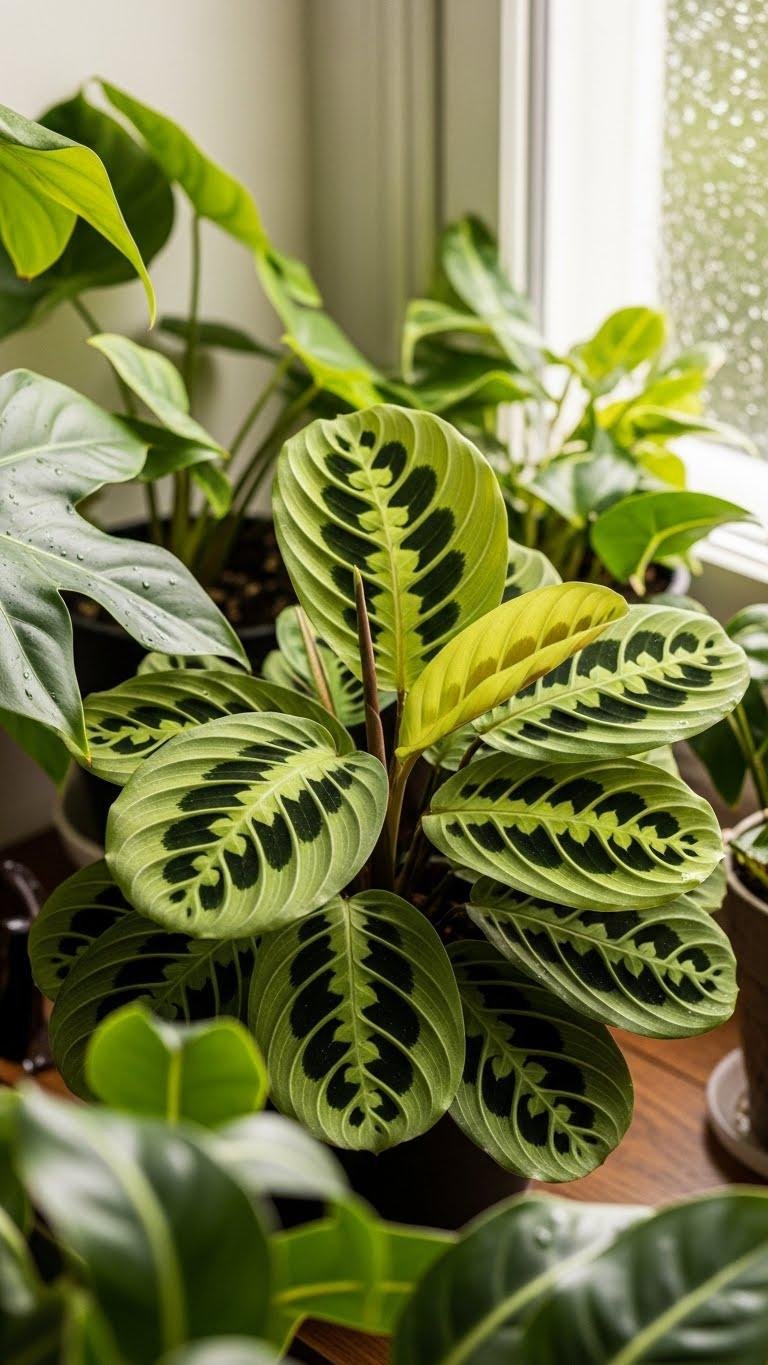
If you liked the low-fuss nature of Hoya, you’ll find the Maranta just as rewarding but with a very different personality: its striking, patterned leaves fold up at night like hands in prayer, giving it dynamic movement even in dim rooms.
You’ll enjoy varied foliage patterns and simple care: bright indirect or low light, steady humidity, and airy soil mixes that drain yet retain moisture.
Fittonia (Nerve Plant)
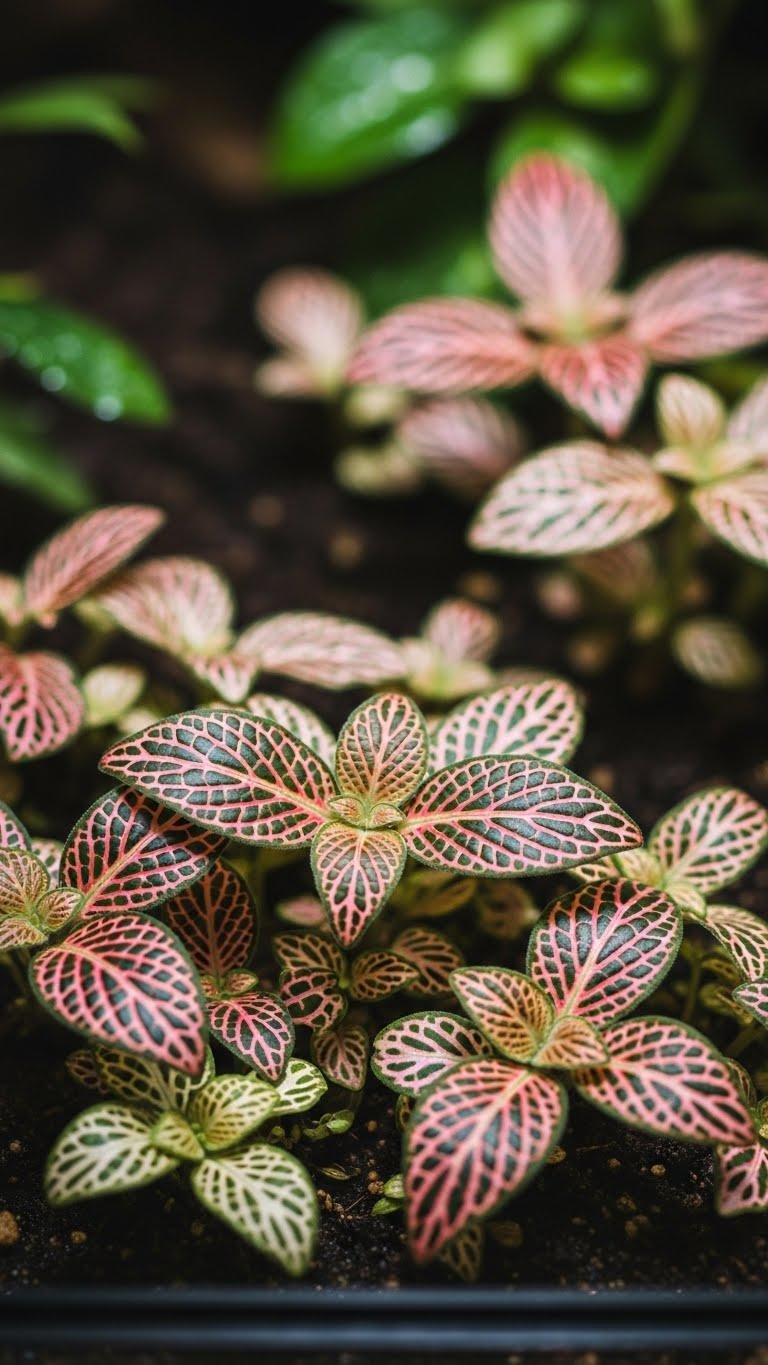
A few compact leaves make Fittonia (nerve plant) a standout choice for small, shady corners—you’ll get bold veins of white, pink, or red on low-growing foliage that brightens dim spaces. You’ll keep soil evenly moist, avoid direct sun, and use propagation techniques like stem cuttings to expand freely.
It thrives in humid microclimates, so terrarium care fits its needs and your low-effort life.
Kentia Palm
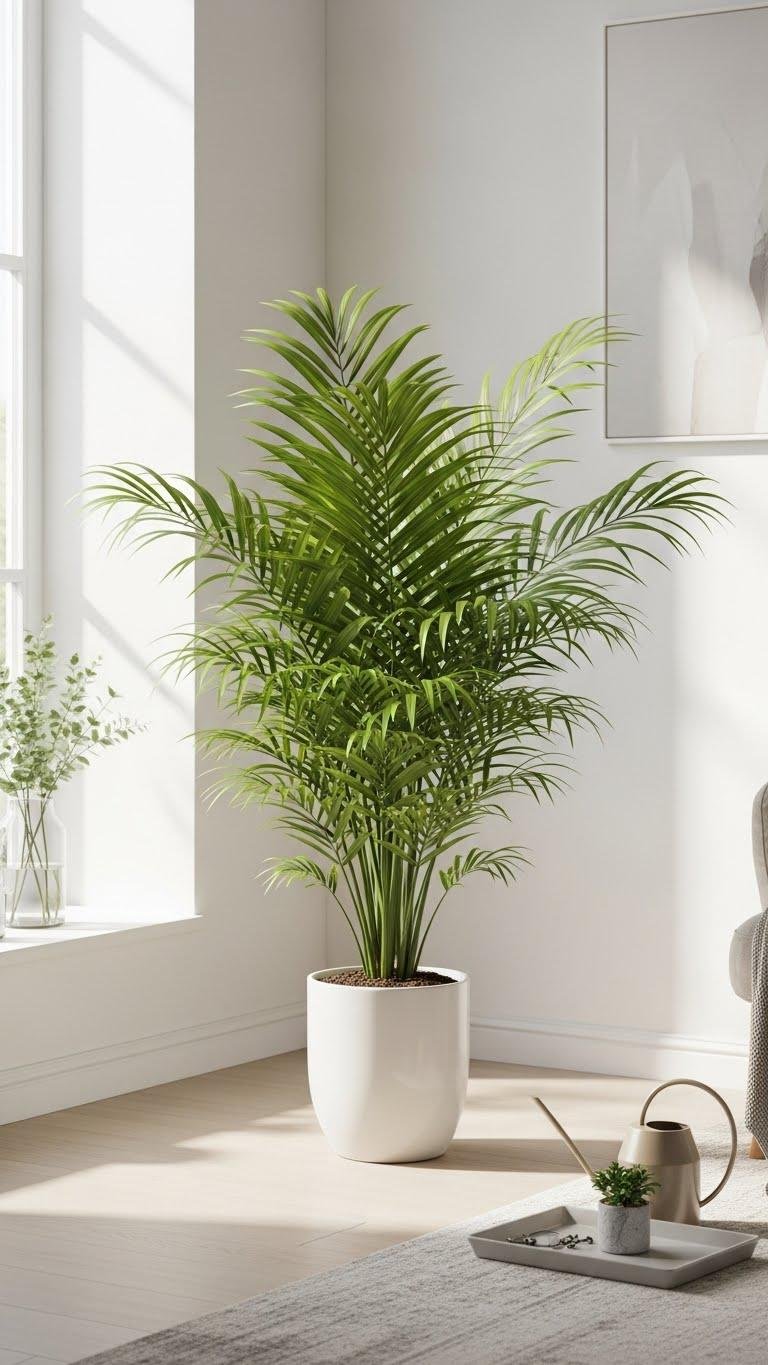
Place a Kentia palm in a corner where it gets bright, indirect light and you’ll enjoy an elegant, slow-growing palm that tolerates lower light and occasional neglect.
You’ll water sparingly, let potting mix dry slightly, and boost indoor humidity when air’s dry. It rewards minimal care, resists pests, and gives your space a relaxed, spacious feel — ideal if you value freedom and low-effort greenery.