If you want plants that survive your busiest weeks, pick varieties that forgive missed water and low light. You’ll learn about tough classics like snake plant, ZZ, pothos and spider plant, plus succulents, cacti and a few flowering options that actually reward neglect. I’ll give practical picks and simple care tips so you can build a low-effort collection that still looks good — and then you can decide which ones fit your space.
Snake Plant (Sansevieria Trifasciata)
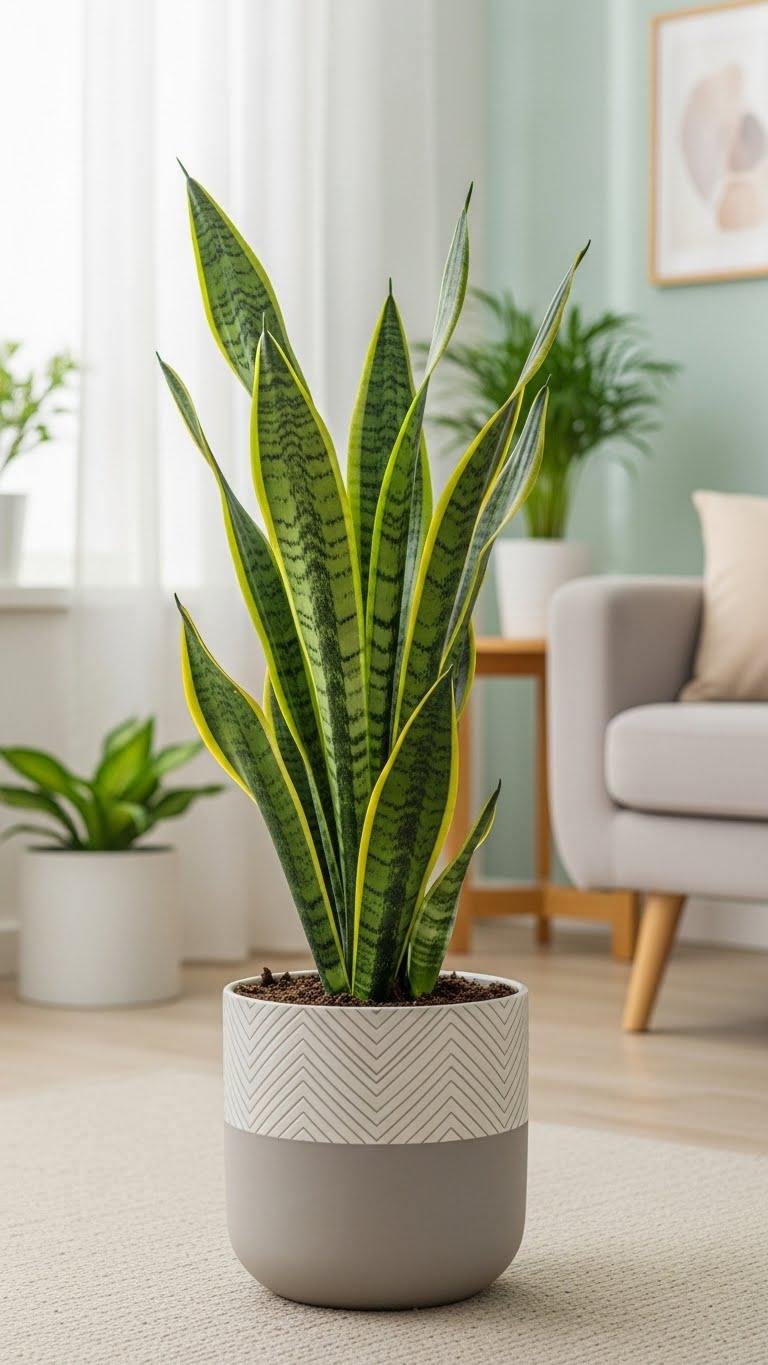
Often overlooked, the snake plant (Sansevieria trifasciata) is one of the easiest houseplants to keep alive: it tolerates low light, irregular watering, and a wide temperature range.
You’ll favor minimal care: follow a loose watering schedule, letting soil dry between drinks. Use gritty, well-draining soil composition to prevent rot. Place it where you want freedom and green, not fuss.
ZZ Plant (Zamioculcas Zamiifolia)
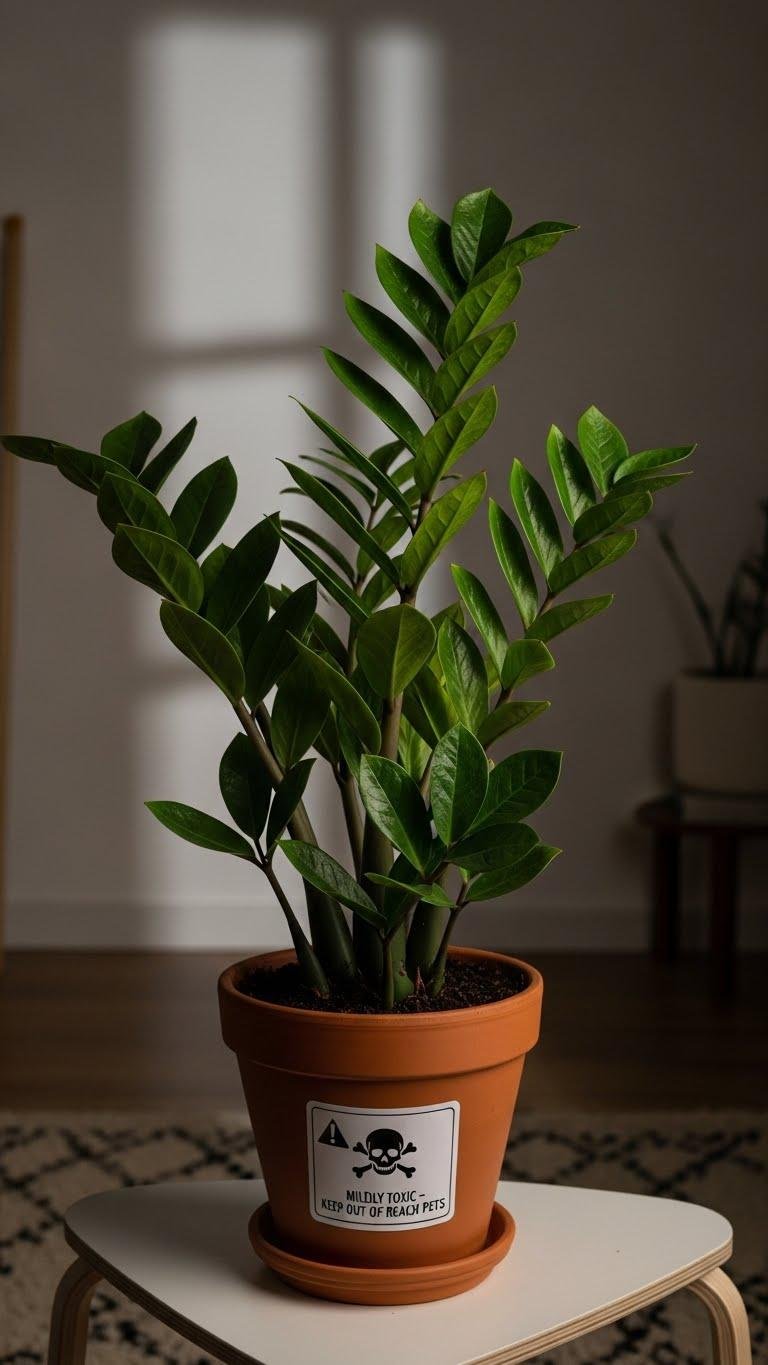
Frequently praised for its toughness, the ZZ plant (Zamioculcas zamiifolia) thrives on neglect and rewards you with glossy, pinnate leaves that tolerate low light, infrequent watering, and a wide range of indoor temperatures.
You’ll appreciate easy indoor propagation from stem or rhizome cuttings, minimal feeding, and simple care. Note pet safety: leaves are mildly toxic, so place out of curious reach.
Spider Plant (Chlorophytum Comosum)
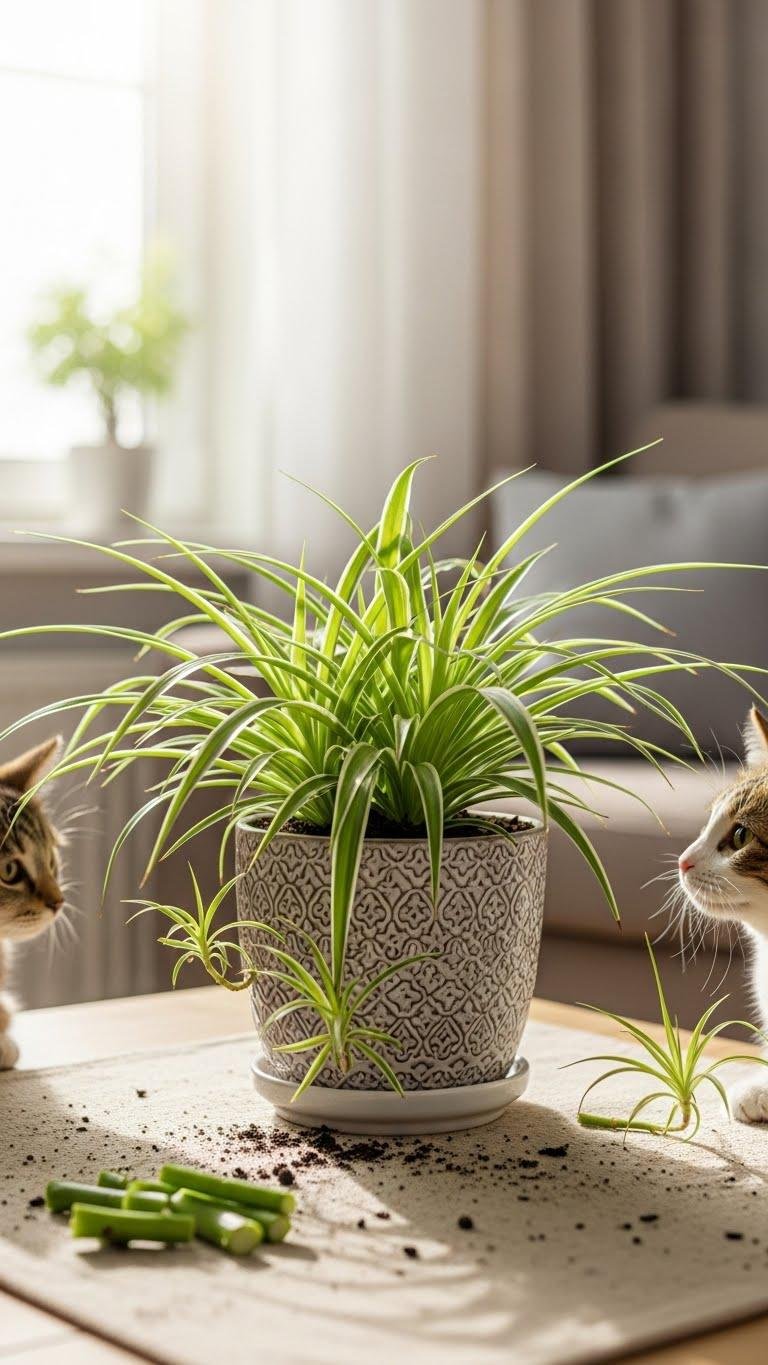
Welcome a spider plant (Chlorophytum comosum) into your home for a resilient, easy-care option that thrives in bright, indirect light and tolerates occasional neglect.
You’ll water sparingly, let soil dry slightly, and avoid overfeeding. It’s pet care–friendly for many animals, but check toxicity for yours.
Use simple propagation methods: trim plantlets and root them in water or soil to expand your carefree greenery.
Cast Iron Plant (Aspidistra Elatior)
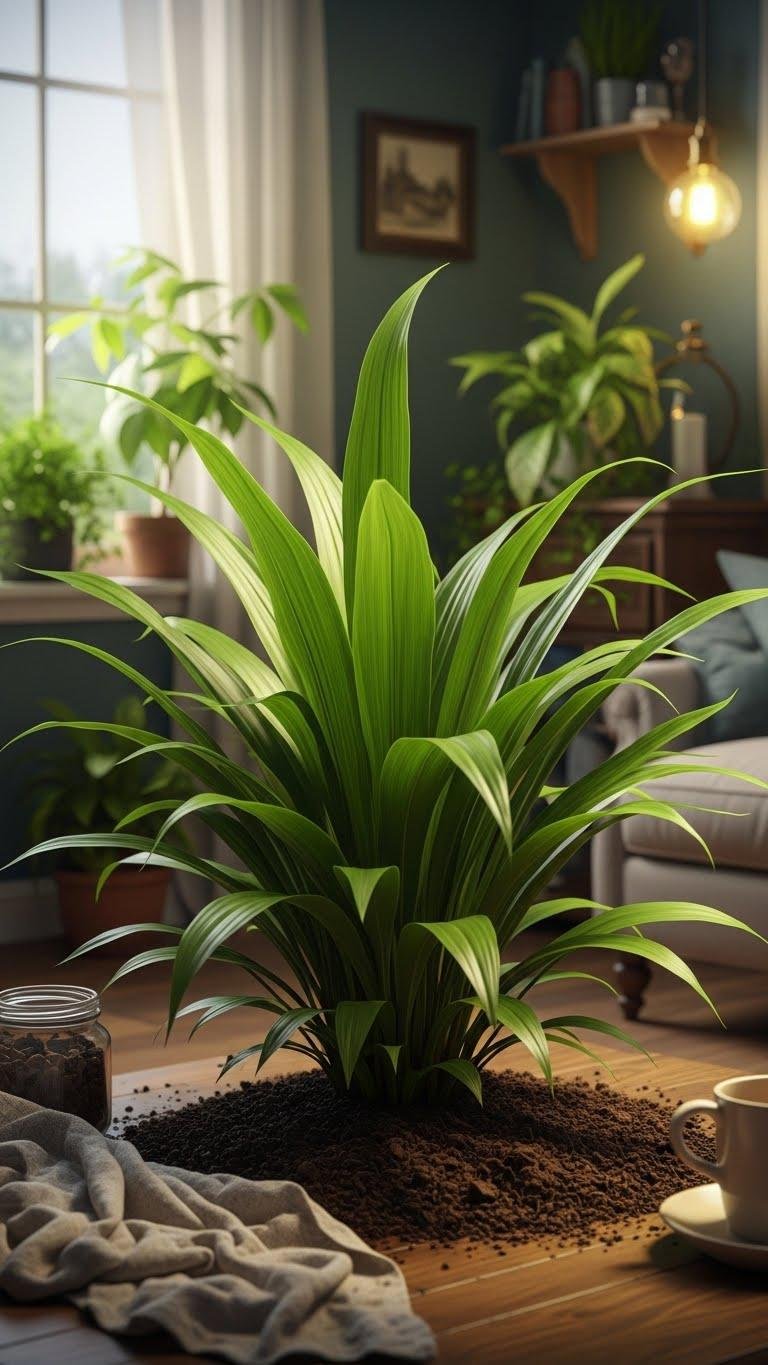
If you liked the spider plant’s forgiving nature, the cast iron plant (Aspidistra elatior) will feel even tougher — it tolerates low light, irregular watering, and cooler indoor temperatures with minimal fuss.
You’ll enjoy simple soil preferences (well-draining, humus-rich), strong pest resistance, easy propagation methods via division, and interesting historical uses as a Victorian houseplant.
It frees you from constant care while staying reliably green.
Aloe Vera
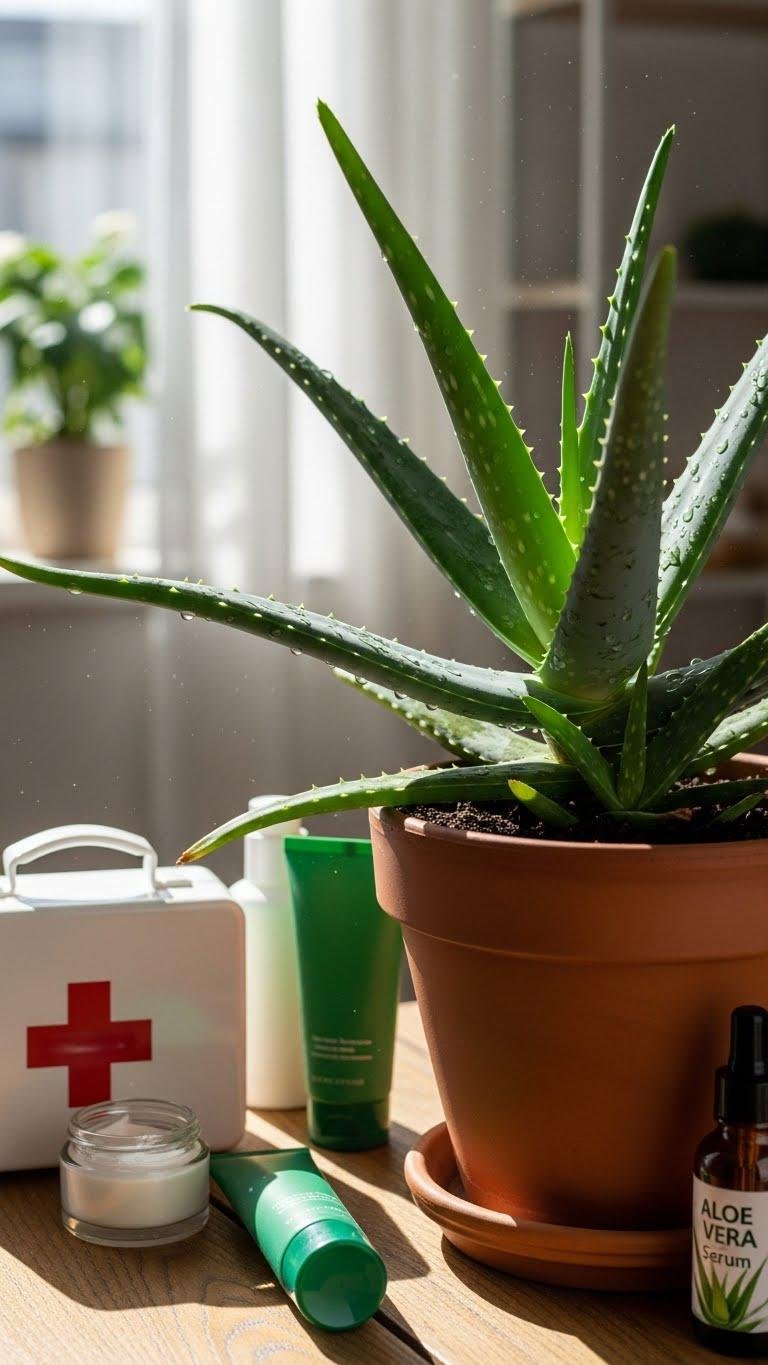
Aloe vera stands out as a low-maintenance succulent that rewards minimal care with useful, gel-filled leaves you can harvest for minor burns, skin care, and occasional first-aid needs.
You’ll pot it in free-draining soil, water sparingly, and use simple Aloe propagation from pups.
Its Medicine uses are practical: topical soothing, hydration, and straightforward home remedies that keep you independent and prepared.
Echeveria
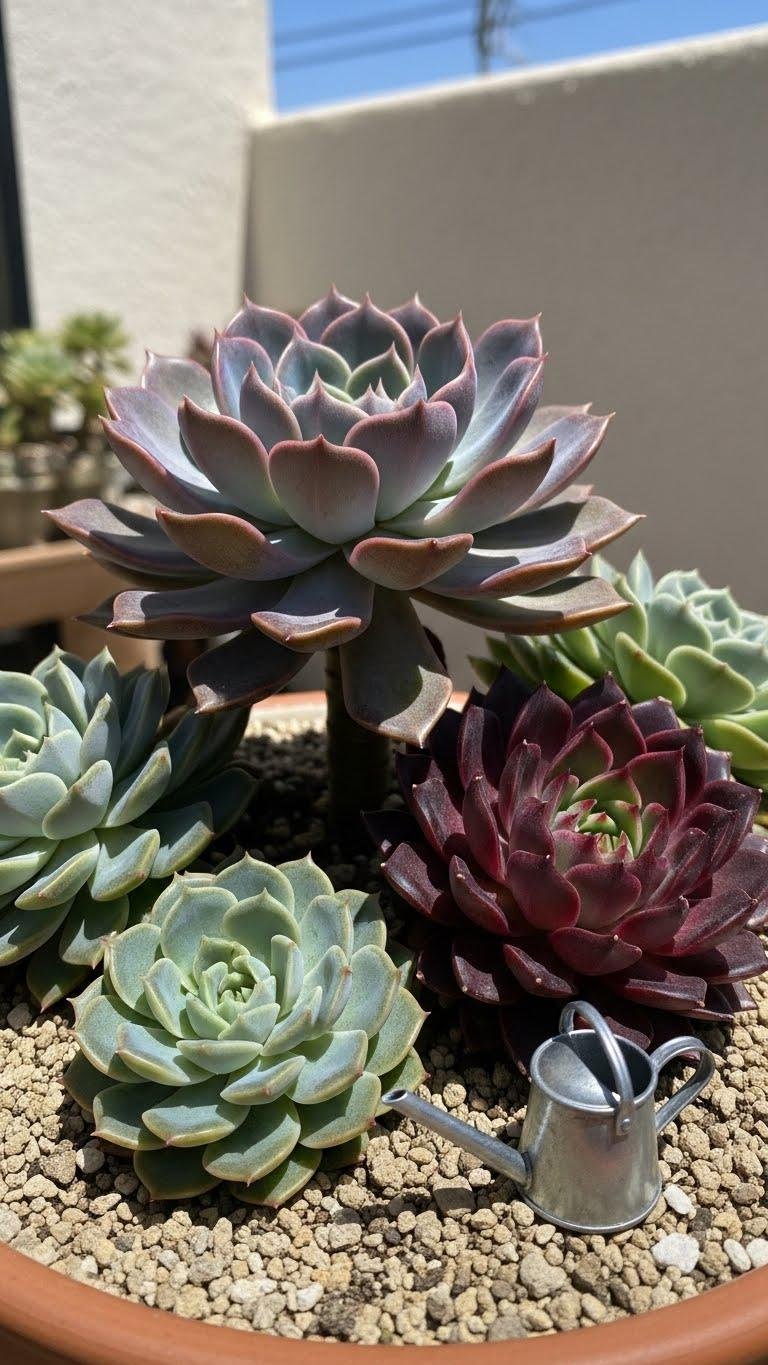
Often overlooked, Echeveria delivers striking rosettes with minimal fuss, making it ideal for anyone who wants a decorative, low-maintenance succulent. You’ll enjoy strong drought tolerance, bright light preferences, and tidy growth that won’t tie you down.
Water sparingly, provide quick-draining soil, and use rosette propagation to expand your collection. It’s perfect if you want beauty without high effort or constant care.
Haworthia
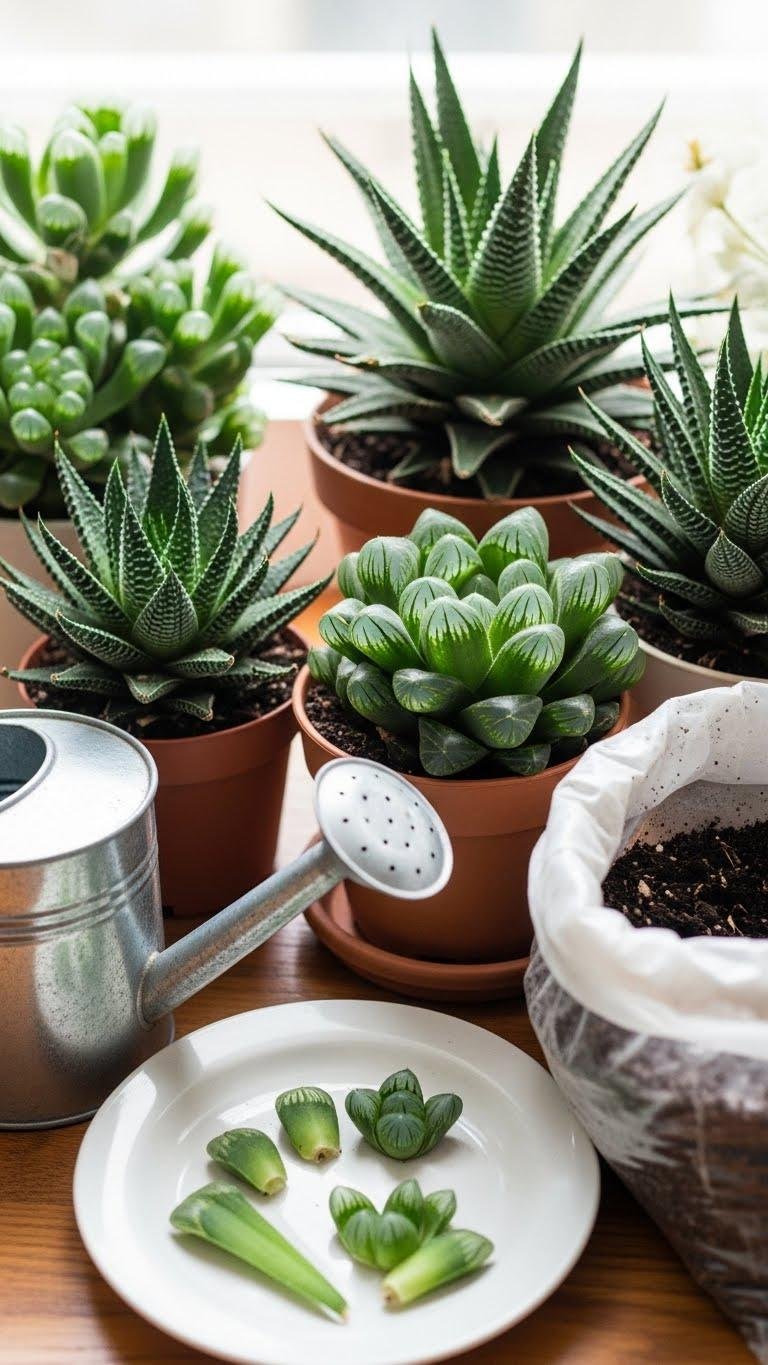
Haworthia generally thrives where you can give it bright, indirect light and infrequent watering, making it an excellent choice for beginners or busy plant owners.
You’ll follow a simple watering schedule: soak then dry, roughly every 2–4 weeks depending on season.
You can expand your freedom with easy propagation techniques: separate pups or leaf cuttings.
Minimal soil, good drainage, and occasional feeding keep it happy.
Jade Plant (Crassula Ovata)

Usually forgiving and slow-growing, the jade plant (Crassula ovata) makes a durable, low-maintenance houseplant that rewards basic care with thick, glossy leaves and a tree-like form. You’ll give bright light, infrequent water, and a gritty potting mix for good drainage.
Learn simple propagation tips: take leaf or stem cuttings, let them callus, then plant. Prune to shape and enjoy freedom.
Barrel or Columnar Cactus

If you like the jade’s sculptural look but want something even more drought-tolerant, try a barrel or columnar cactus. You’ll appreciate their water storage adaptations and minimal feeding needs.
Place them in bright light, water sparingly, and let soil dry fully between soakings. They attract desert pollinators when flowering, need little pruning, and free you from constant care.
Scindapsus (Satin Pothos)
Paragraphs
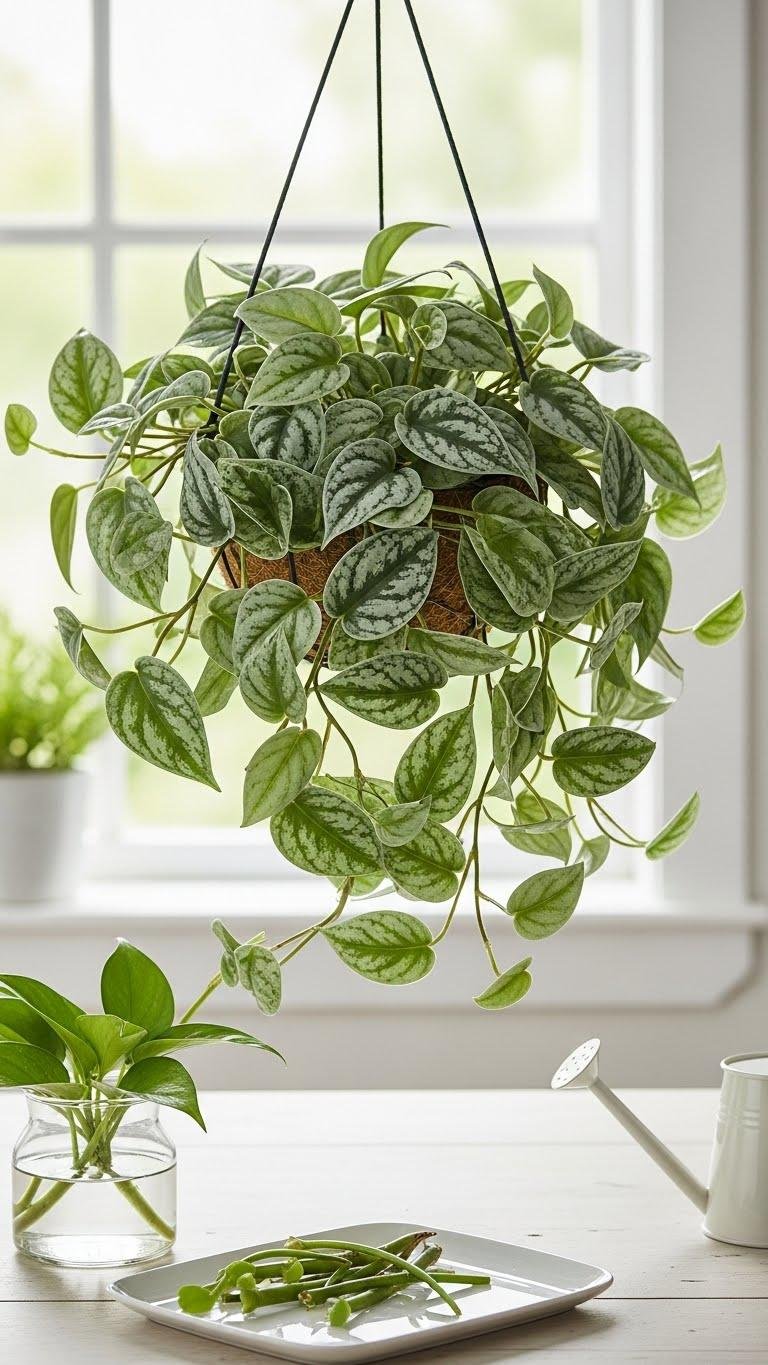
Often overlooked for pothos, Scindapsus (Satin Pothos) rewards you with velvety, silver-speckled leaves and a compact, trailing habit that fits shelves, hanging baskets, or small spaces.
You’ll enjoy easy satin pothos propagation via stem cuttings. Give bright, indirect light, moderate watering, and occasional feeding.
For variegation care, avoid low light and overfertilizing to preserve patterns while keeping maintenance minimal.
Monstera Deliciosa (Young Plants)
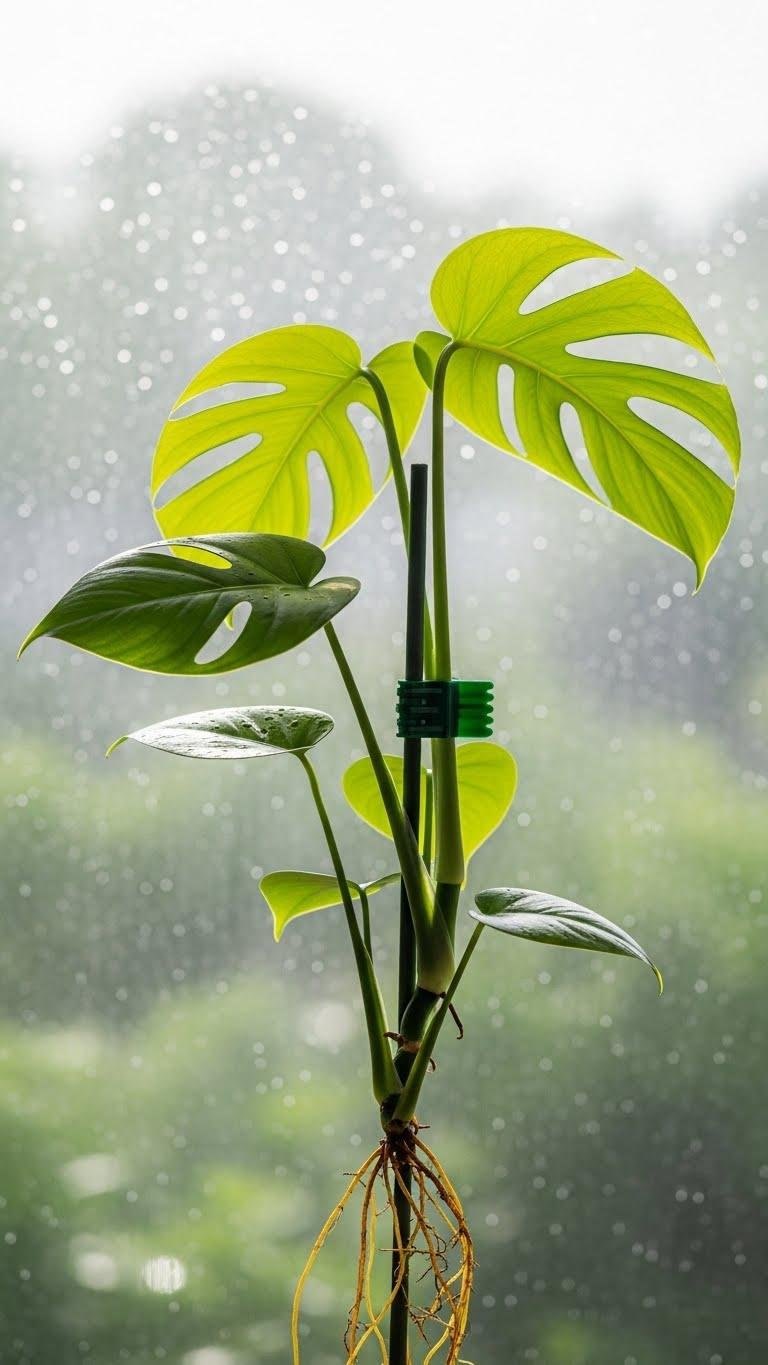
Frequently overlooked in juvenile form, young Monstera deliciosa gives you a manageable, attractive starter plant with smaller leaves, aerial roots, and the promise of dramatic fenestration as it matures.
You’ll enjoy easy care: bright, indirect light, occasional deep watering, and room to climb. Encourage fenestration development with humidity and a stake; prune sparingly to shape growth and preserve freedom.
Dracaena (Various Species)
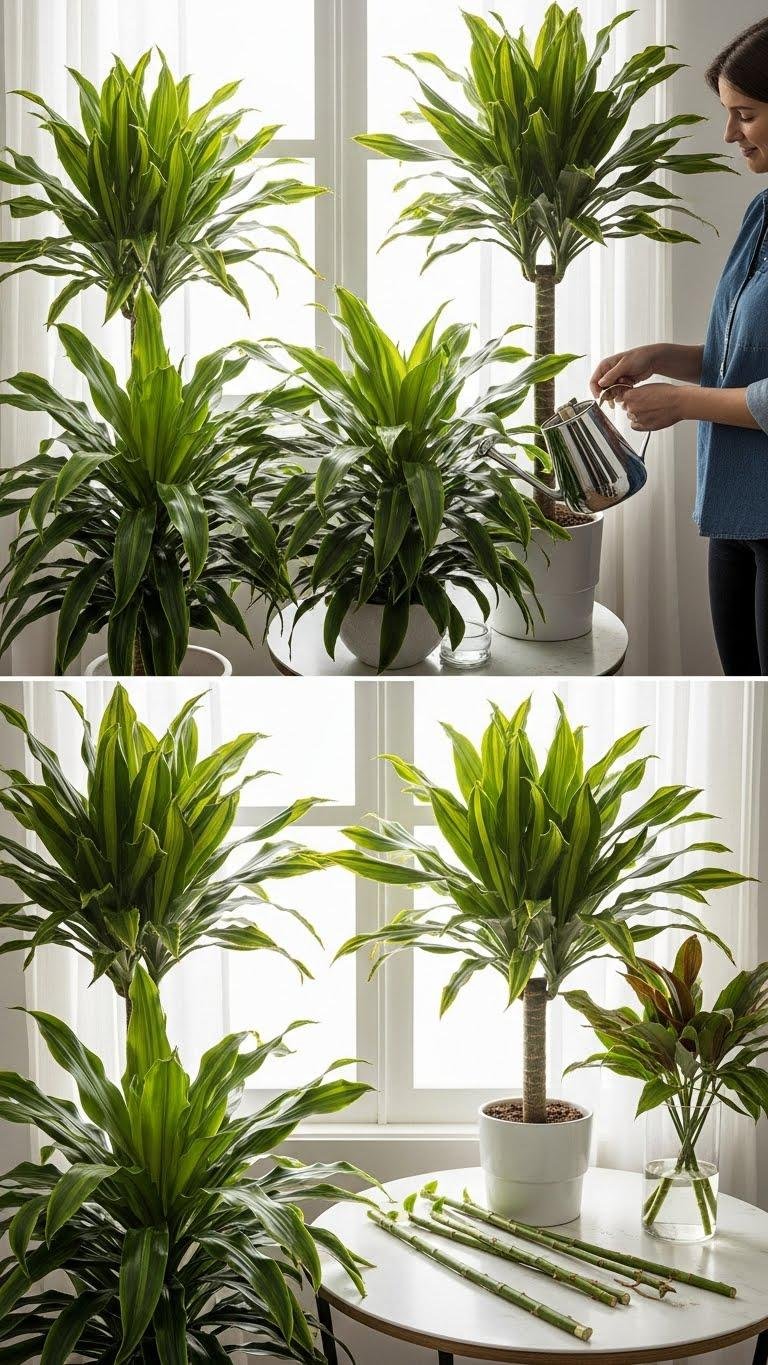
If you like the bold foliage and easy care of a rubber plant, you’ll appreciate dracaenas for their architectural leaves and forgiving habits.
You can rely on dracaena light tolerance—bright, indirect to low light—and minimal watering. For freedom-loving caretakers, dracaena propagation is simple from stem cuttings, so you can expand or share plants without fuss while keeping maintenance effortless.
Spiraea
Paragraphs
Rose of Sharon (Hibiscus Syriacus)

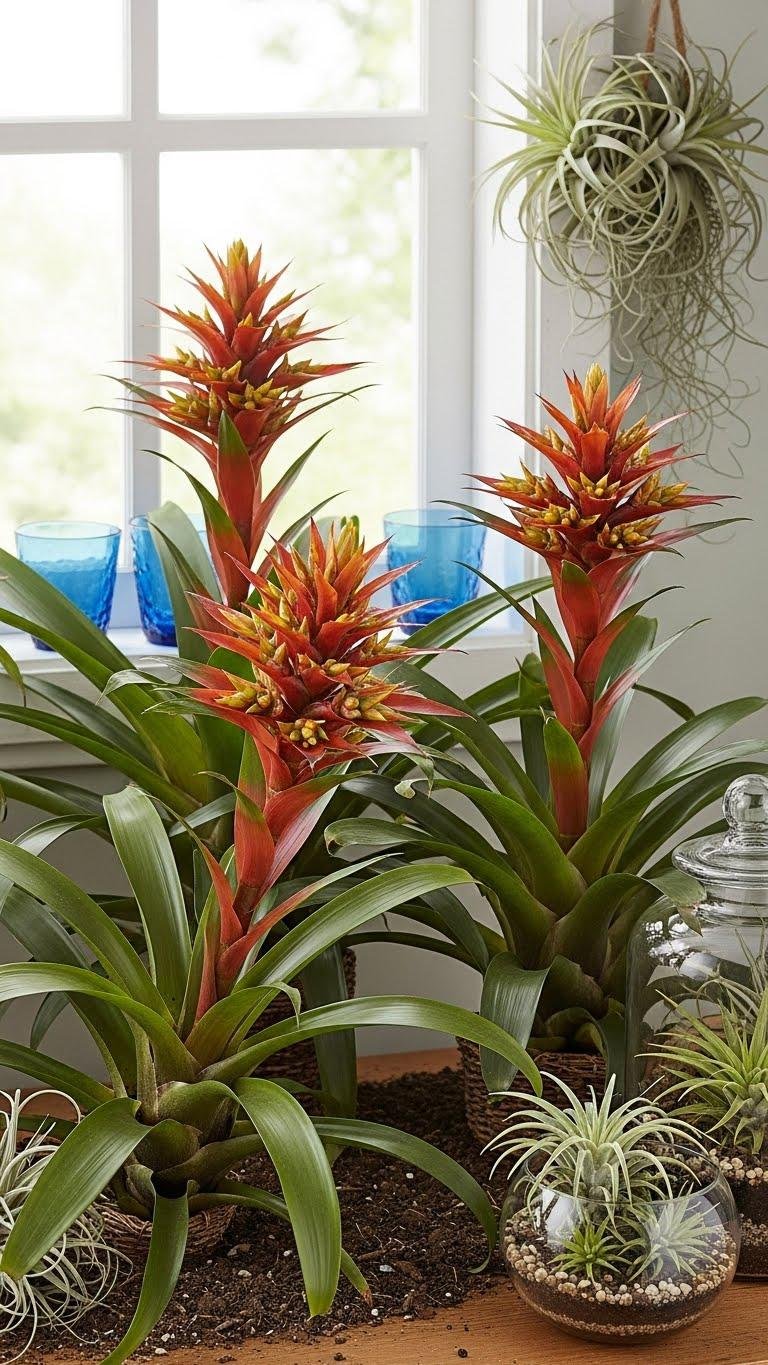
Bromeliads (e.g., Vriesea)
Peace Lily (Spathiphyllum)
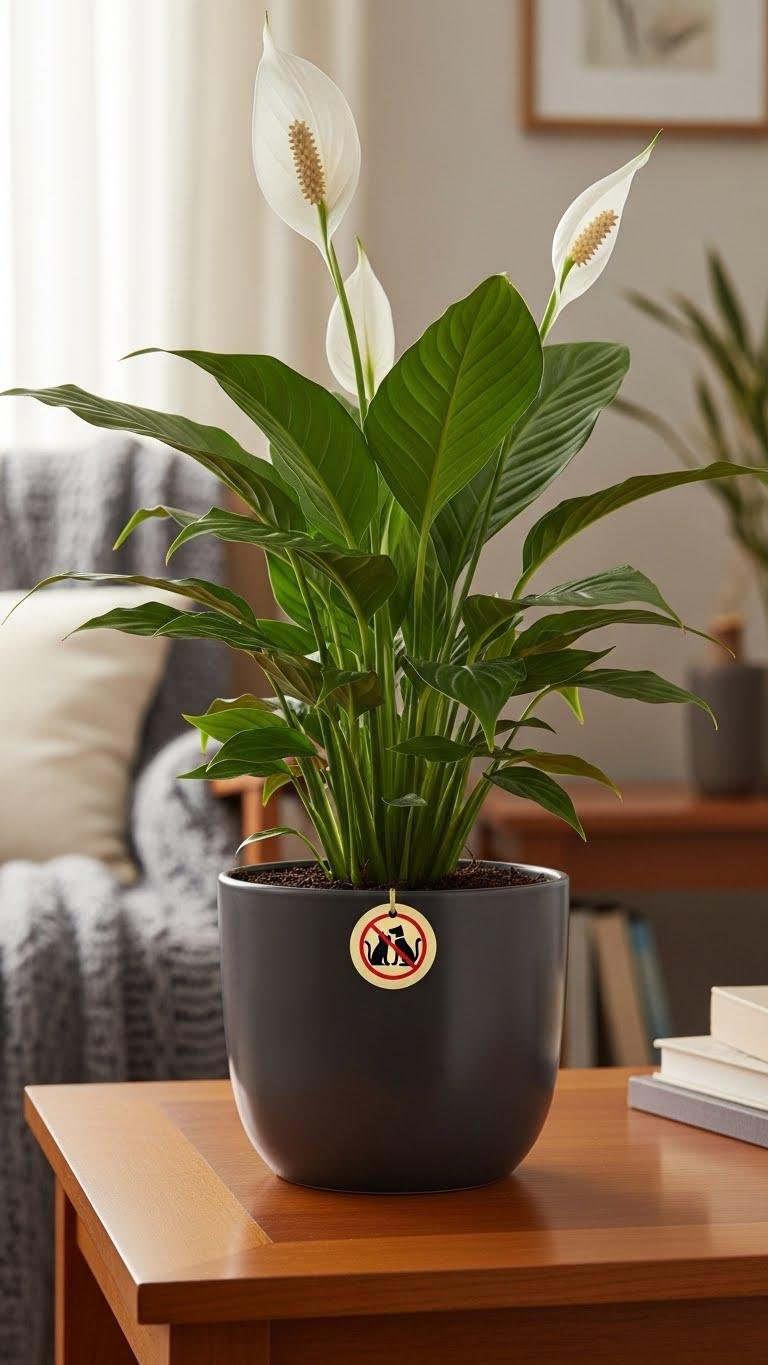
If you enjoy the sculptural look and low fuss of Vriesea, you’ll find Spathiphyllum equally forgiving and even more straightforward to care for. You’ll appreciate reliable low-light growth, infrequent watering, and easy indoor propagation via division. It perks rooms with glossy leaves and white blooms, but note pet toxicity—keep it out of reach. Perfect if you want resilient, undemanding greenery.