
You’ll find practical, tested mixes that speed growth and strengthen plants without relying on synthetic feeds. I’ll guide you through simple brews—compost teas, fish and seaweed extracts, diluted urine, blood meal, ash, and more—plus when and how to apply them safely for foliar sprays or root drenches. Use these methods to boost nutrient cycling and resilience, and then pick the recipes that fit your soil and goals.
Compost Tea for Rapid Nutrient Release
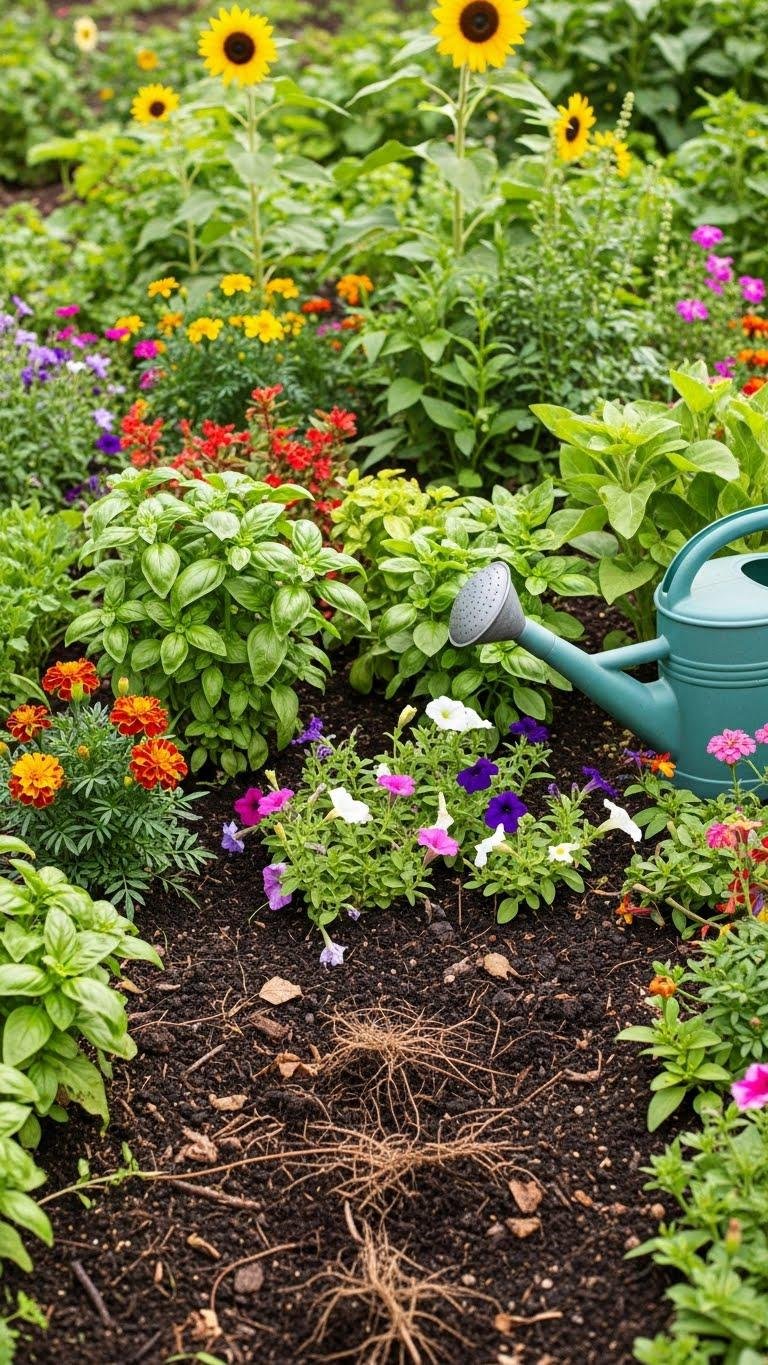
Compost tea speeds nutrients to your plants by extracting soluble minerals and beneficial microbes from finished compost into a liquid you can apply directly to soil or foliage. You’ll brew with attention to brewing aeration and timing to preserve microbial balance, stirring or aerating daily. Apply diluted tea to roots or spray foliage weekly during active growth to boost health, soil life, and resilient yields.
Aerated Manure Tea (Diluted)

If you liked how compost tea quickly feeds plants, try aerated manure tea for a stronger nutrient punch and a broader microbial mix.
You’ll steep well-aged manure in oxygenated water, using simple aeration methods like aquarium pumps, then strain and apply after proper tea dilution (usually 1:10).
Feed weekly, avoid fresh manure, and let plants drink deeply to reclaim gardening freedom.
Fish Emulsion Foliar Spray

Often overlooked, fish emulsion foliar spray gives your plants a fast, easily absorbed boost of nitrogen and trace nutrients when you mist leaves with a properly diluted solution.
You’ll mix aquarium processed concentrate or a fermented anchovy spray into water, strain well, and apply in cool morning hours. You’ll avoid overapplication, test on a few leaves, and store concentrate cool and sealed.
Seaweed Extract Root Stimulant
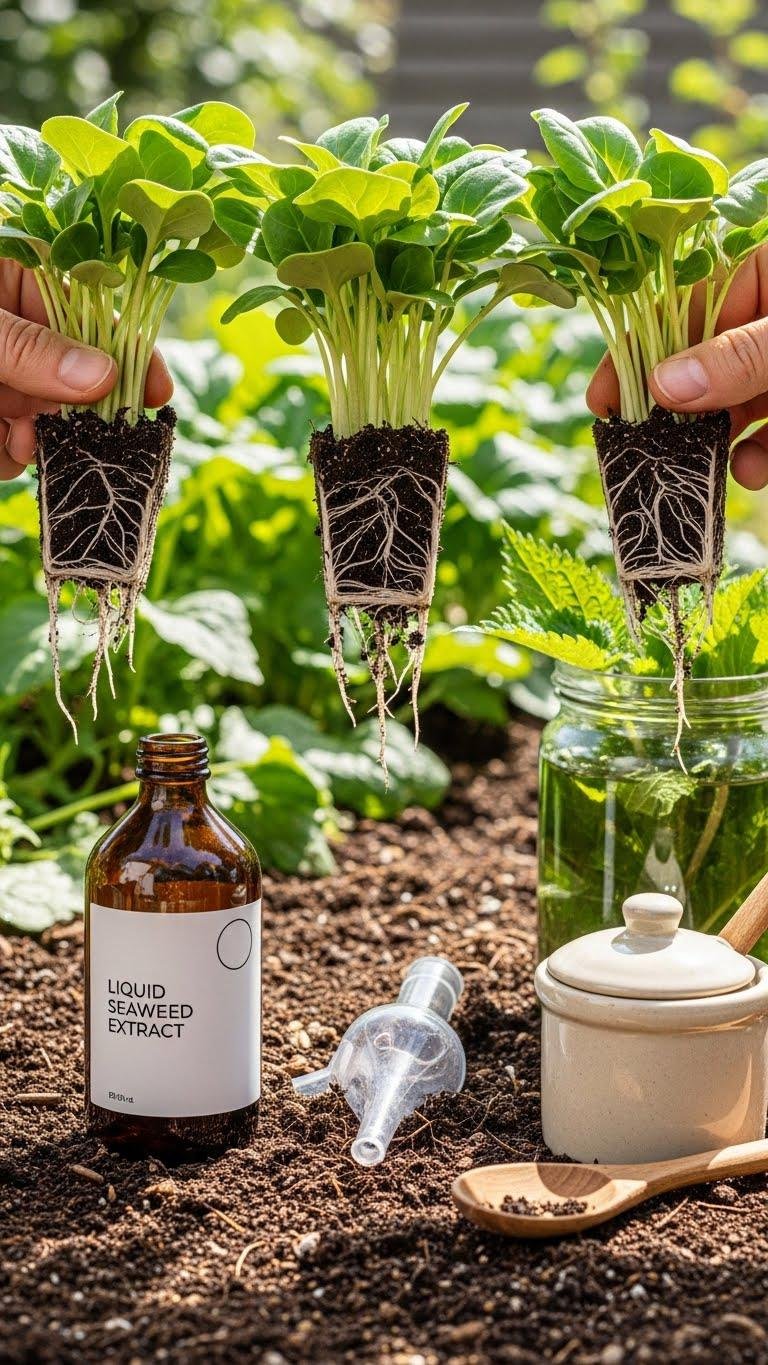
After a foliar boost, you’ll want to encourage strong root growth to make those leaves’ gains last; seaweed extract does that by feeding roots growth hormones, micronutrients, and beneficial compounds that improve soil biology.
You can use simple seaweed fermentation to concentrate nutrients, then apply as a drench to support root mycorrhizae, improve water uptake, and strengthen seedlings for resilient, low-input gardens.
Classic Compost Soil Amendment

When you mix kitchen scraps, yard waste, and a bit of browns like shredded paper into a hot, well-aerated pile, you create a balanced, nutrient-rich compost that improves soil structure, water retention, and microbial life.
You’ll monitor moisture, turn for oxygen, and maintain carbon balance to feed soil biology. Apply finished compost liberally to beds for resilient, self-reliant growth.
Aged Manure for Slow-Release Fertility

Compost gives your beds an immediate nutrient and structure boost, and adding aged manure builds on that foundation by providing a steady, slow-release source of nitrogen, phosphorus, and organic matter that feeds plants over months.
You’ll incorporate aged manure into beds to enhance the soil microbiome, improve water retention, and promote carbon sequestration while minimizing burn risk and reducing reliance on frequent feeding.
Blood Meal High-Nitrogen Side-Dress
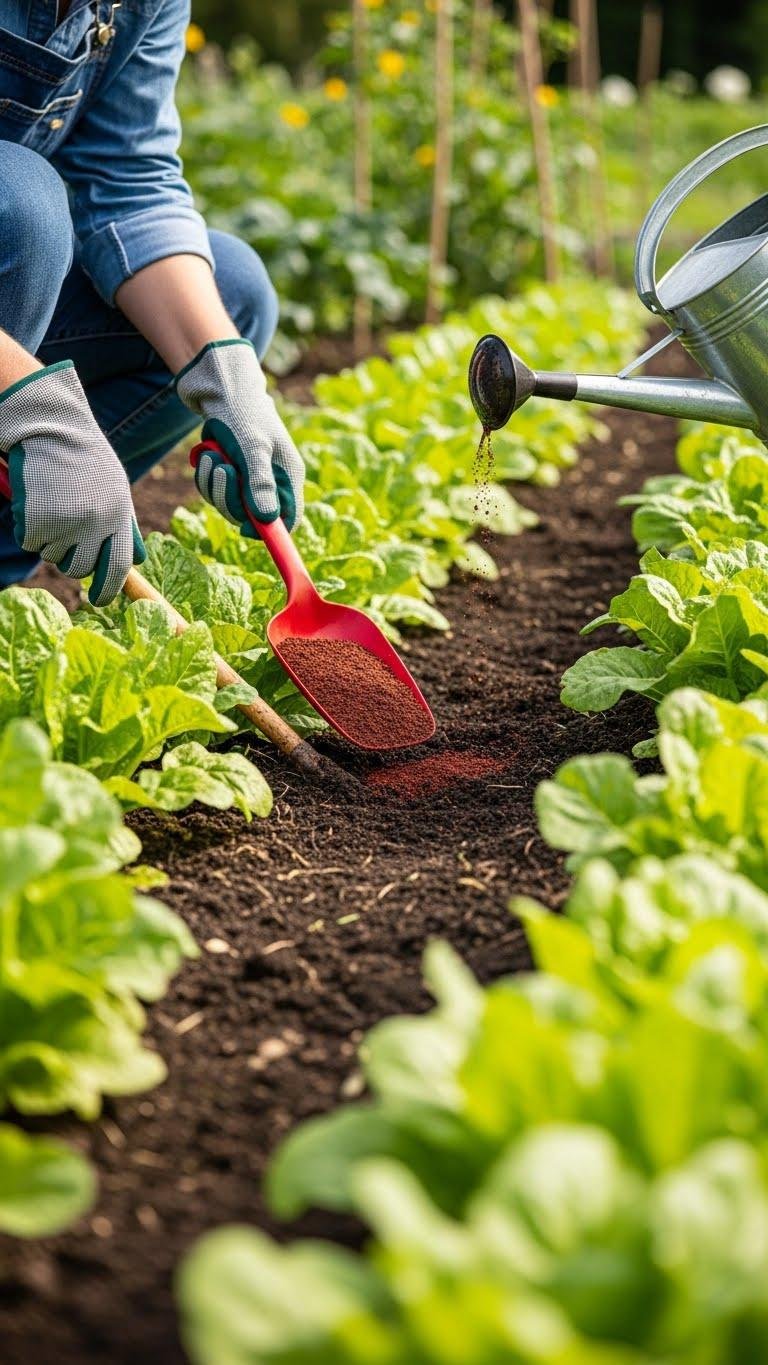
Boost plant growth quickly by side-dressing with blood meal, a concentrated, fast-release nitrogen source that’s ideal for leafy crops and nitrogen-hungry phases like early vegetative growth.
You’ll apply modest amounts beside roots, minding soil safety to avoid burn and runoff.
Check application timing—use when growth spikes or before heavy feeding—and water lightly to activate nutrients without overdoing it.
Bone Meal Bloom and Root Formula

Dig into bone meal for a dependable source of phosphorus and calcium that strengthens blooms and encourages vigorous root development.
Mix bone meal with a trace bone char concentrate for balanced mineral support, then apply around feeder roots.
Add a root exudate stimulant to boost microbial attraction and nutrient uptake.
You’ll foster robust flowering and deeper, resilient root systems with measured, regular applications.
Wood Ash Potassium Top-Dress
Paragraphs
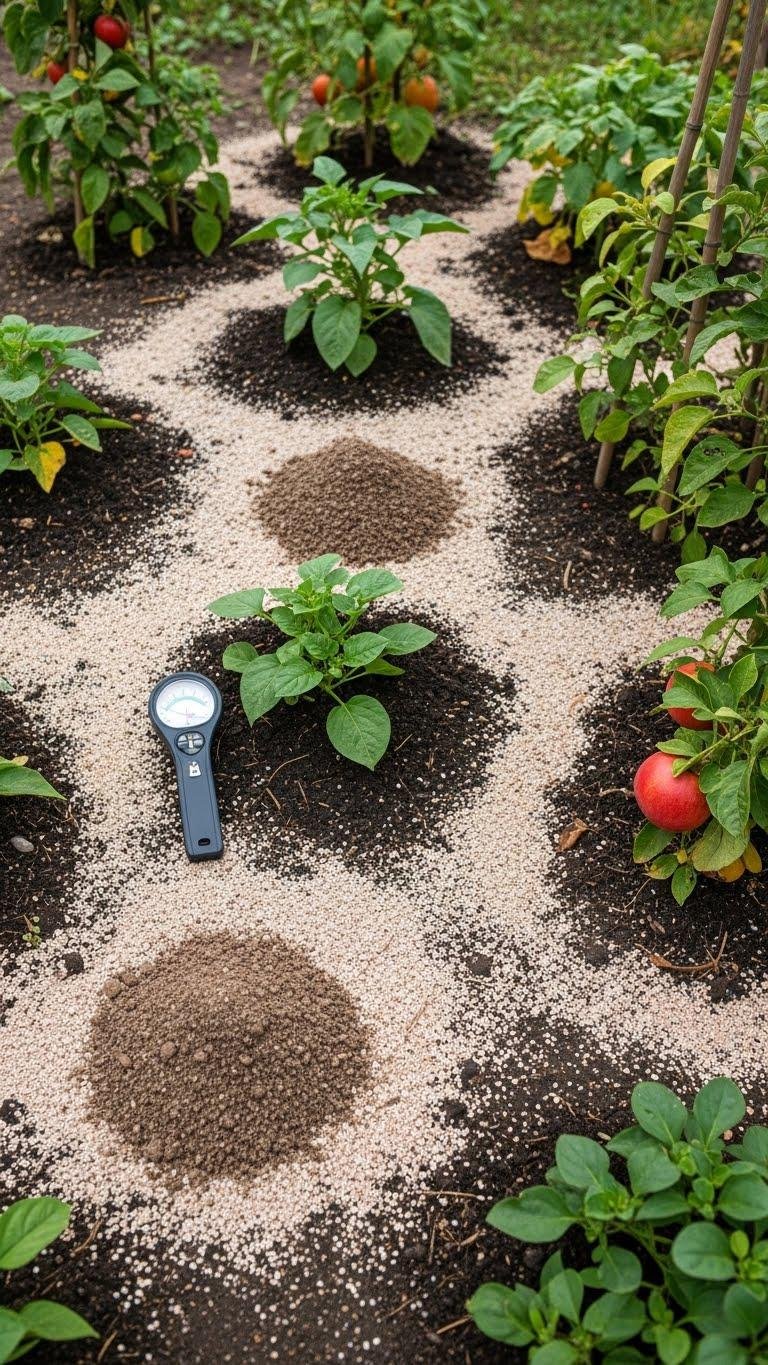
You’ll often find wood ash is a quick, inexpensive source of soluble potassium and trace lime that can raise soil pH and energize late-season fruiting when top-dressed sparingly around established plants.
Use fireplace residue as a measured amendment for alkaline adjustment, avoiding heavy applications.
Treat ash as one of several potash alternatives, apply thinly to reduce nutrient leaching, and monitor soil pH regularly.
Bokashi Fermented Feedstock Drench
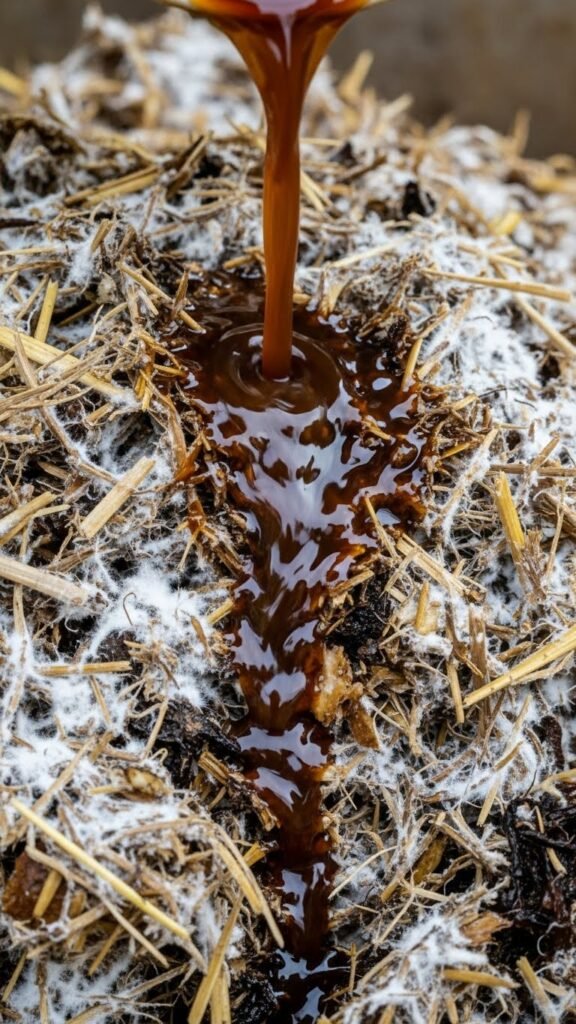
When you dilute well-aged Bokashi tea and drench it into the root zone, it delivers a concentrated mix of beneficial microbes, organic acids, and readily available nutrients that speed decomposition and improve soil biology.
You’ll use anaerobic fermentation leftovers to feed soil life, applying the bokashi microbes solution sparingly.
Expect faster nutrient cycling, stronger roots, and more resilient plants without synthetic inputs.
Mycorrhizal Inoculant Soil Mix
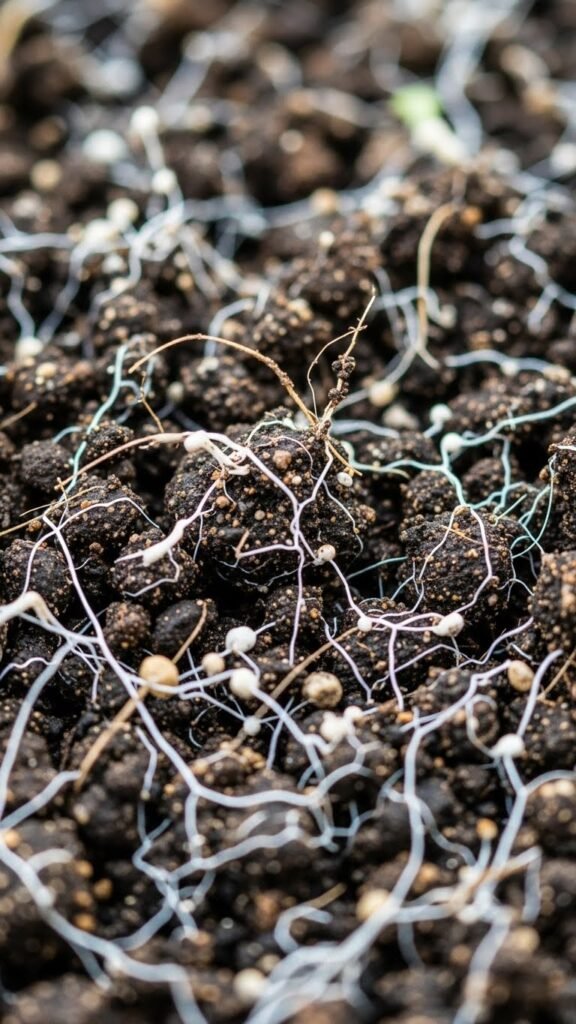
After feeding the soil with Bokashi drench, it’s time to strengthen plant roots by introducing a mycorrhizal inoculant soil mix. Blend sterile compost, gritty sand, and powdered inoculum to encourage spore propagation near roots. Match strains for host compatibility and local conditions.
Apply sparingly at transplant or root flare, keep soil moist, and avoid over-fertilizing so beneficial networks establish quickly.
Effective Microorganisms (EM) Compost Tea

With a few simple ingredients and a short brewing period, Effective Microorganisms (EM) compost tea gives your soil a fast dose of beneficial bacteria and fungi that boost nutrient cycling and disease suppression. You’ll mix EM starter, water, and aerated compost, monitor fermentation timing, and apply regularly to expand microbial diversity. It’s DIY freedom: reliable, low-cost, and easy to scale.
Alfalfa and Compost High-N Blend
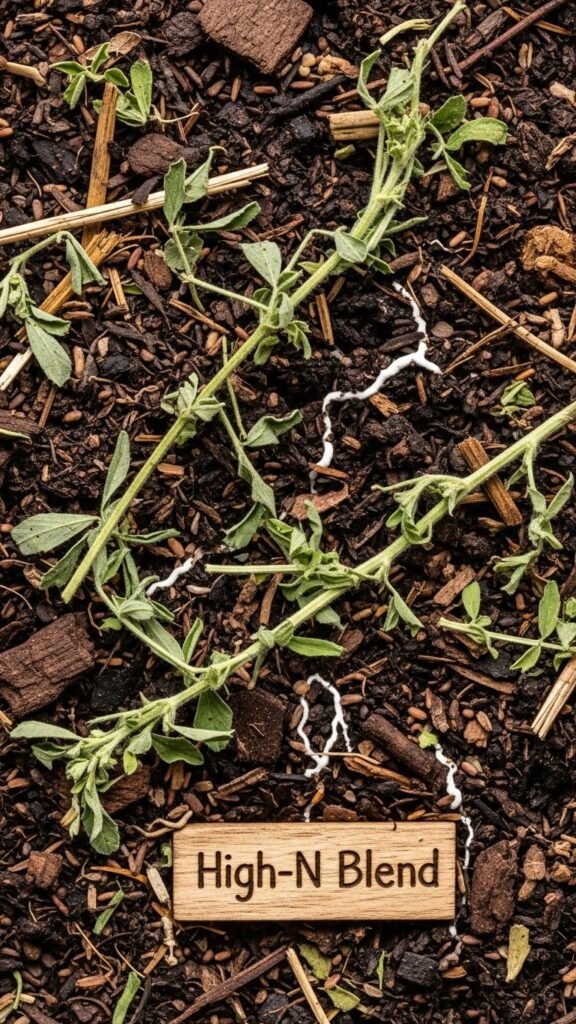
Boost soil nitrogen quickly by blending alfalfa meal with mature compost to create a high-N, slow-release amendment you can apply to vegetable beds, lawns, or new plantings. You’ll mix alfalfa pellets or meal at 3:1 compost to alfalfa, let it age two weeks, then side-dress.
This supports Nitrogen fixation indirectly and feeds microbes, freeing you from chemical dependence.
Bone Meal, Rock Phosphate Bloom Mix

Encourage bigger blooms and stronger root development by mixing bone meal and rock phosphate into a bloom-focused amendment you can apply at planting or just before the flowering flush.
Use crushed bone dust and powdered phosphate cake for steady phosphorus release; mix with porous soil or compost, apply sparingly near roots, and water in.
You’ll free plants to bloom reliably without overfeeding.
Balanced Compost, Manure, Worm Casting Mix

Those potassium-rich additions pair well with a balanced compost-manure-worm casting mix that gives plants a steady, broad-spectrum nutrient base.
You’ll blend equal parts mature compost, aged manure, and worm castings to boost soil biology and microbial diversity.
Apply sparingly, top-dress or incorporate lightly to encourage nutrient cycling.
Enjoy resilient, freer gardens as castings benefits improve structure, moisture retention, and root vigor.
Micronutrient Rock Dust and Kelp Soil Amendment
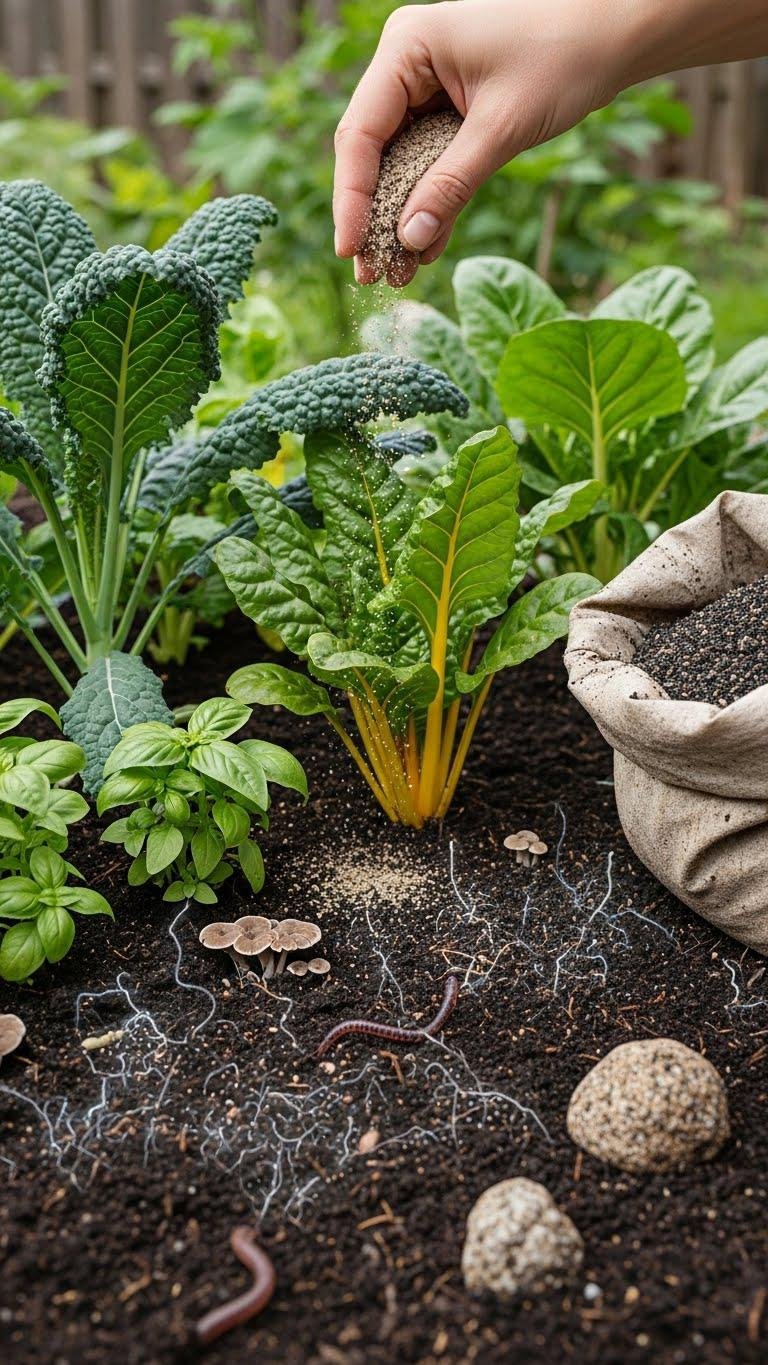
Often overlooked, rock dust and kelp make a powerful one-two punch for filling trace mineral gaps and stimulating biological activity in your soil.
You’ll sprinkle rock dust for slow-release trace mineral balance, add kelp for hormones and microbial food, and choose particle sourcing carefully for consistency.
Apply modestly, monitor plant response, and pair with good soil structure to keep your garden independent and thriving.
Foliar Compost Tea Spray for Quick Uptake

When you need fast nutrient and microbial support, foliar compost tea spray delivers soluble nutrients, beneficial microbes, and signaling compounds straight to leaf tissue for rapid uptake and stress relief.
You’ll mix aerated tea, strain finely, and spray in cool morning or evening to respect leaf surface physiology and maximize stomatal absorption.
Use low concentrations, rotate batches, and observe plants for quick, confident responses.
Side-Dress Blood Meal for Leafy Crops
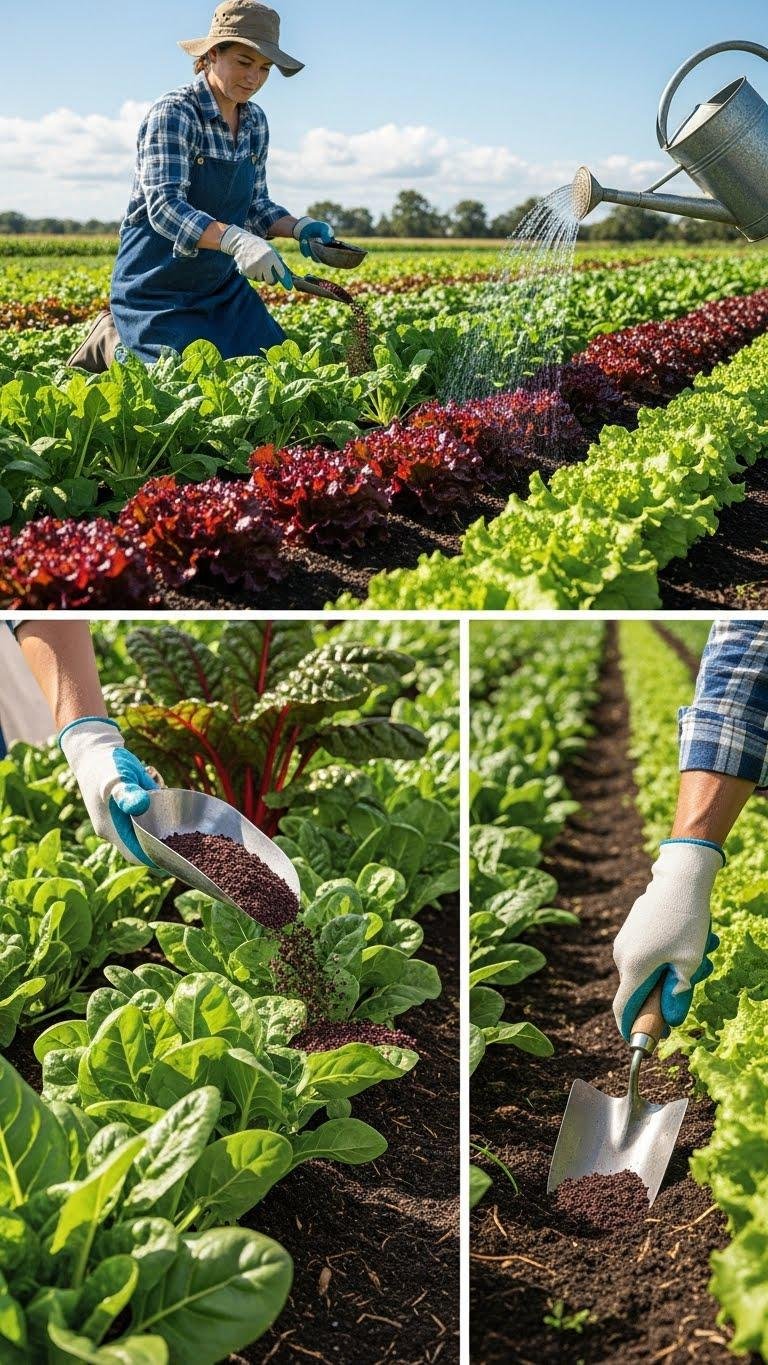
If foliar feeds gave your greens a quick pick-me-up, side-dressing with blood meal supplies a longer-lasting nitrogen boost that fuels steady leaf growth. You’ll sprinkle measured amounts along rows, lightly work it into the topsoil, and water to activate soil enzyme activity.
This supports vigorous root architecture and sustained foliage without overfeeding. Monitor growth and adjust rates for freedom to tweak results.
Pre-Plant Compost and Manure Incorporation

Preparing your beds by incorporating compost and well-aged manure before planting gives seedlings a balanced nutrient base and improves soil structure from day one.
You’ll do a quick soil testing first, then add compost and manure at recommended rates, mixing to a depth of 6–8 inches.
Focus on carbon balancing with browns and greens so nutrients release steadily and roots establish freely.
Mulch-Top Compost and Worm Casting Maintenance
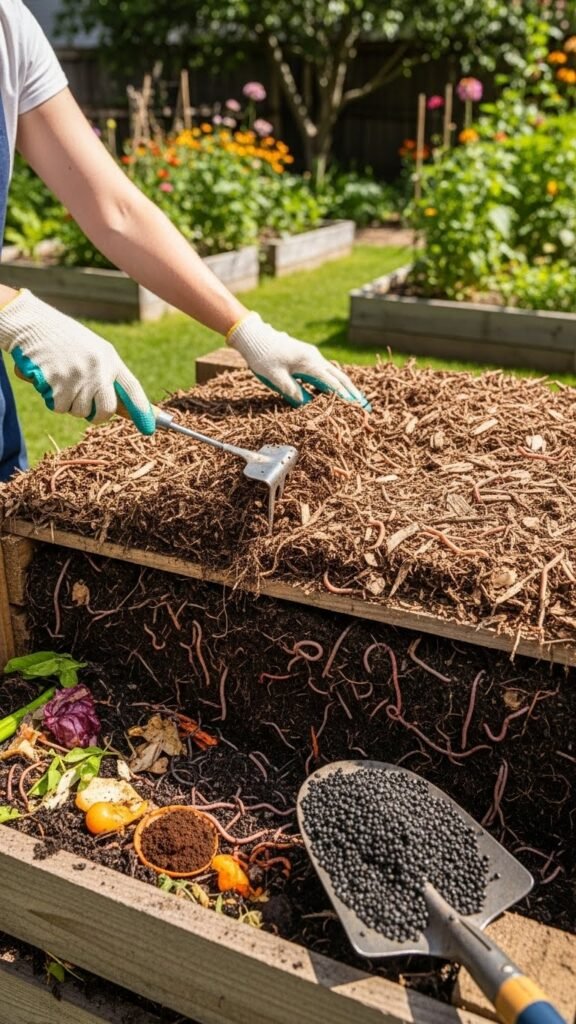
Regularly topping beds with a 1–2 inch layer of mature compost or a thin coat of worm castings helps retain moisture, suppress weeds, and feed soil life without smothering seedlings.
You’ll maintain nutrient flow by renewing mulch quarterly, checking moisture monitoring probes, and loosening crusted castings.
For containers, follow strict Container Maintenance: top-dress monthly, avoid overpackaging, and water to keep consistent dampness for roots and worms.