
If you’re looking to upgrade your outdoor or indoor planting game, these 22 planter box designs give you practical, stylish options you can build yourself. You’ll find simple raised beds, sleek metal-leg boxes, tiered herb systems, insulated containers for colder months, and portable models on casters. Each idea includes tips on joinery, drainage, and finishes so you can match form to function—and you’ll want to try a few of them for different spots around the house.
Modern Metal-Leg Planter With Clean Lines

Often you’ll find the clean, elevated look of a modern metal-leg planter brings instant polish to patios and entryways; you’ll build it by mounting a simple rectangular wooden box on slender powder-coated steel legs, which keeps the soil off the ground for better drainage and gives you a sleek silhouette that won’t overpower small spaces.
Use matte black hardware, add a minimalist drainboard, level legs, seal wood, and plant.
Slatted Horizontal Herb Box for Kitchen Windows
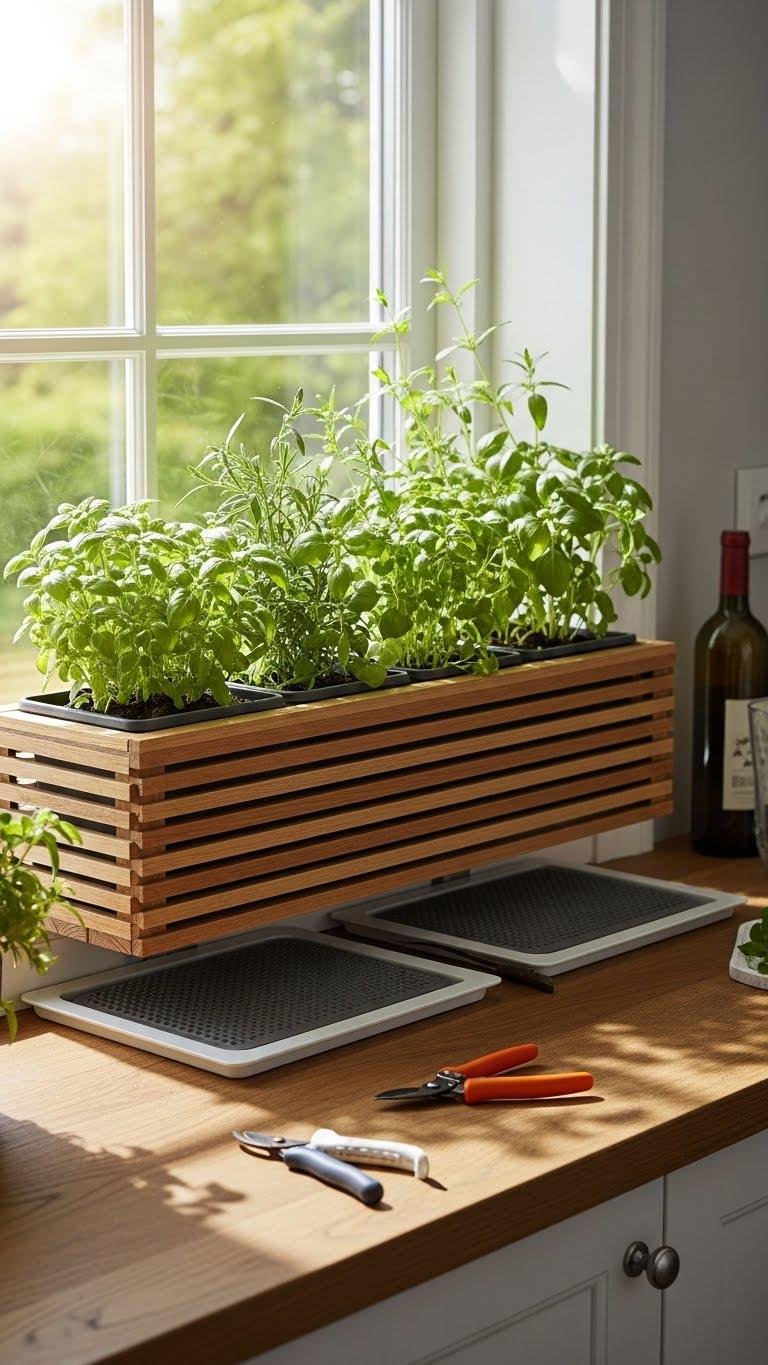
On a sunny kitchen windowsill, a slatted horizontal herb box brings fresh flavors within easy reach while keeping airflow and drainage where your plants need them.
You’ll build it low-profile for easy windowsill mounting, use slats to encourage herb irrigation and prevent waterlogging, and add removable liners for quick swaps.
Mount securely, angle slightly for runoff, and keep pruning tools nearby for freedom to harvest.
Compact Indoor Plywood Planter With Faux-Metal Finish
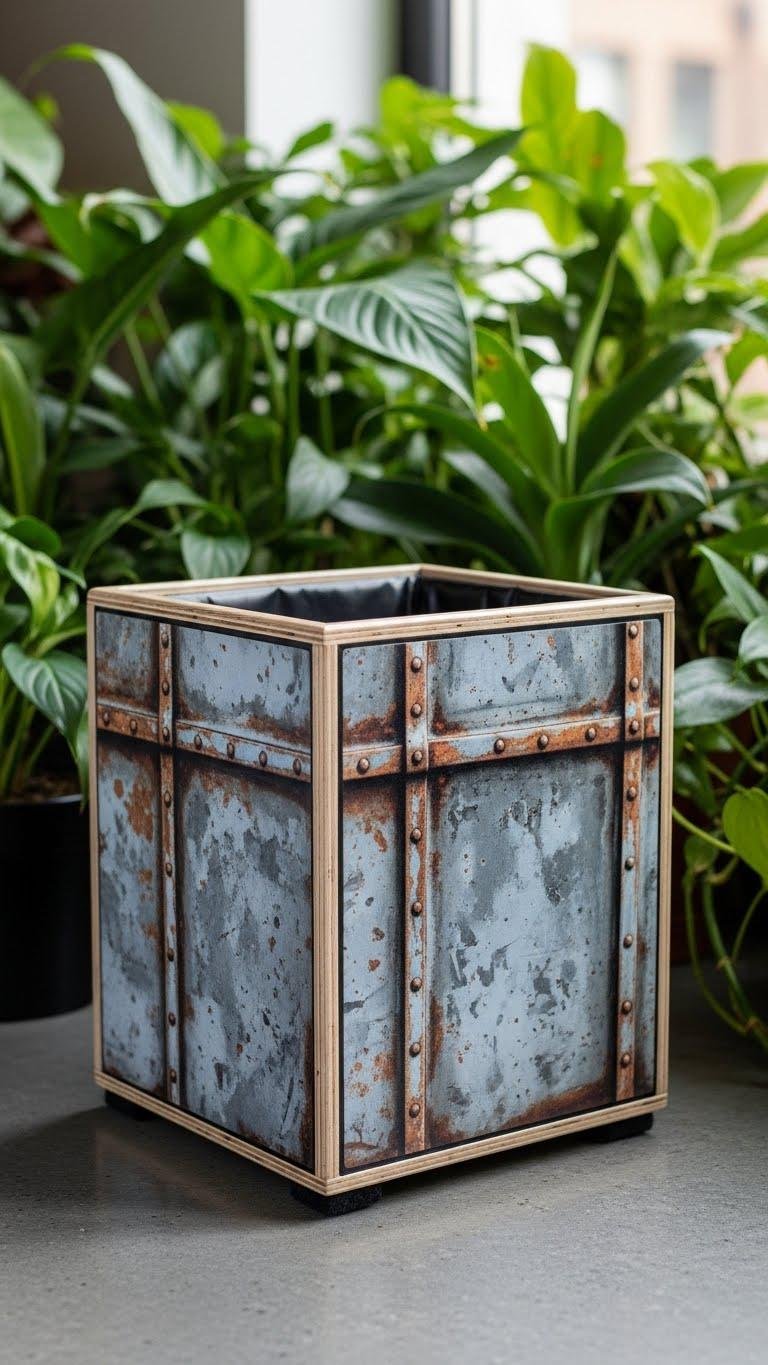
Give your indoor greenery a refined, urban look by building a compact plywood planter with a faux-metal finish that mimics steel or copper without the weight or cost.
Cut and assemble simple panels, use plywood sealing to protect edges, then apply faux metal staining for realistic patina.
Add felt feet, a water-tight liner, and you’ll have a portable, stylish planter that matches your free, functional aesthetic.
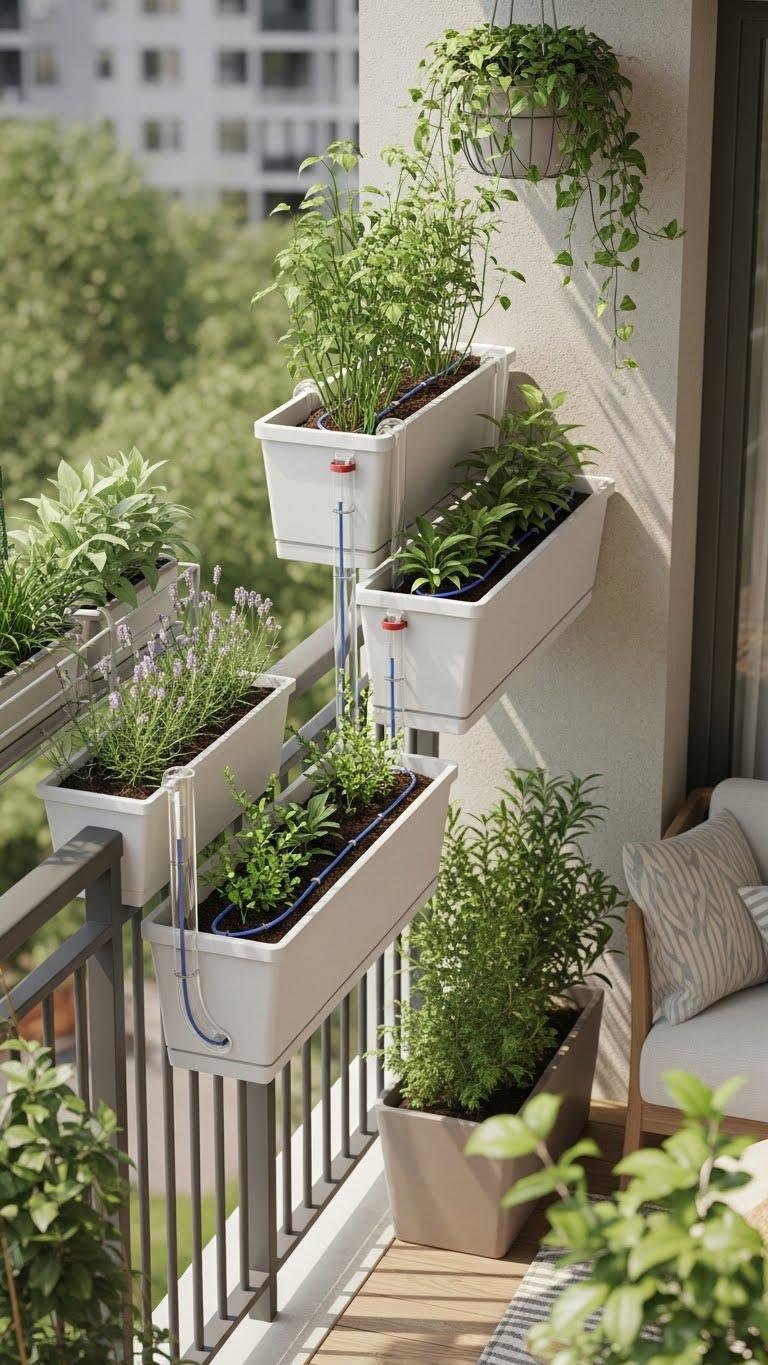
Tiered Stackable Planter for Small Balconies
Rustic Reclaimed Wood Planter With Corner Braces
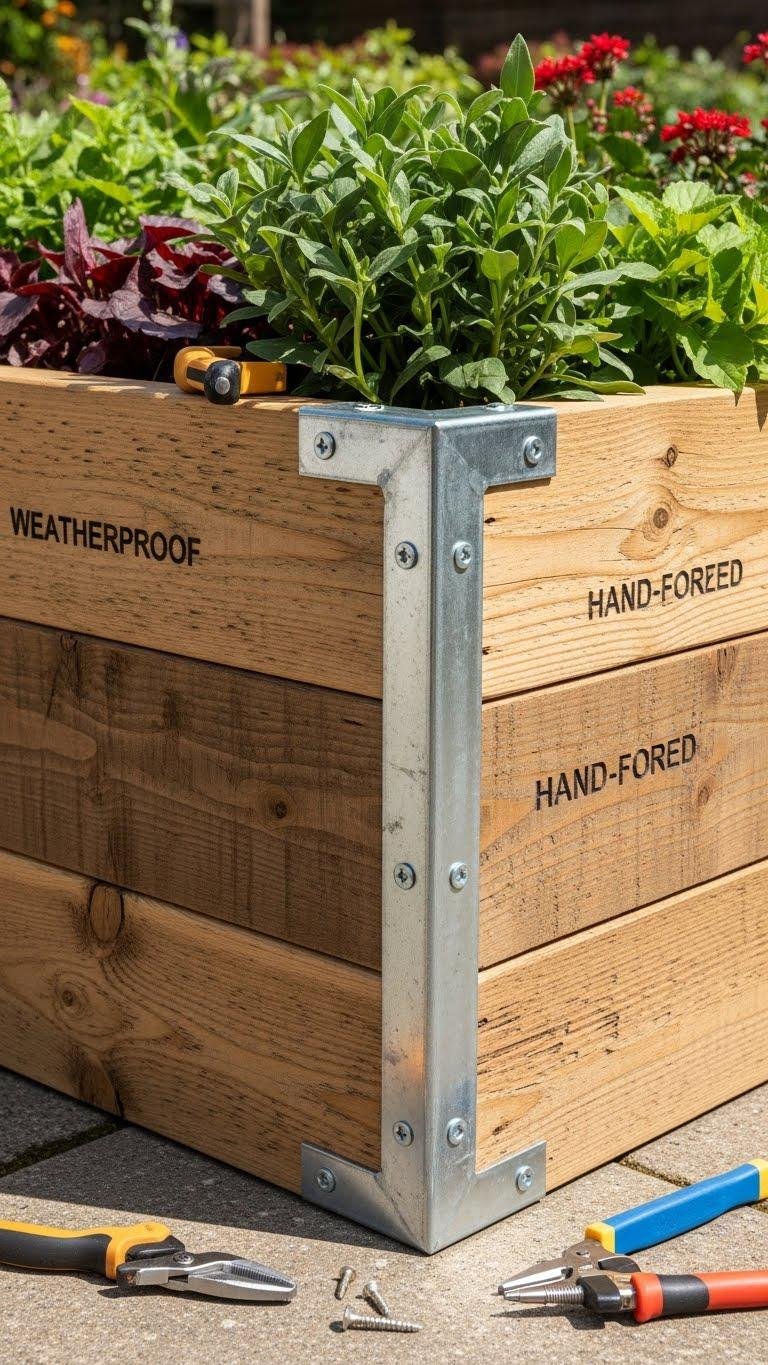
Think of a rustic reclaimed wood planter with corner braces as both a practical garden bed and a character-filled furniture piece you can build in an afternoon; it uses salvaged boards for texture and metal or wooden braces at each corner to add rigidity and a handcrafted look.
Cut boards to size, join with screws, fit hand forged brackets, seal with weatherproof finishes, and plant freely.
Deep Shrub Planter for Perennials and Small Trees
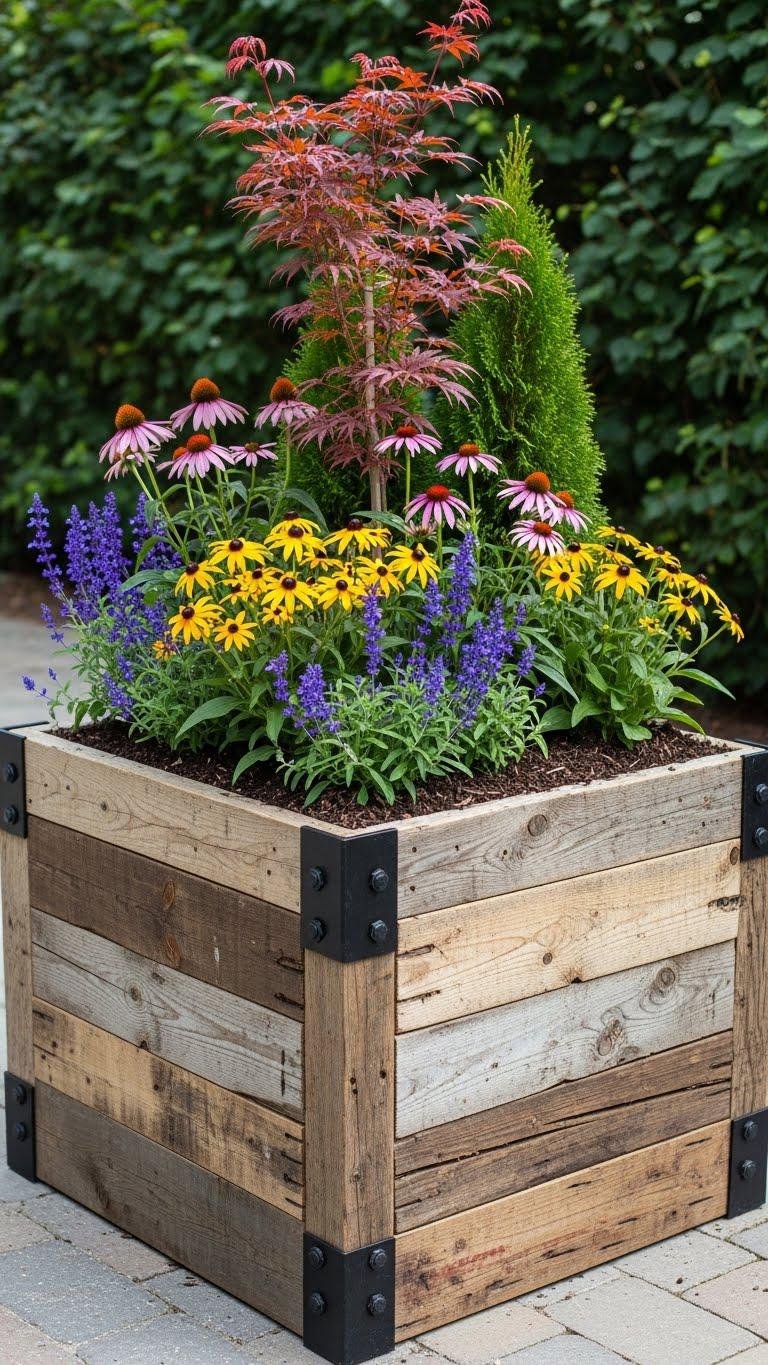
If you liked the rugged look of a reclaimed wood box with corner braces, you’ll appreciate how a deep shrub planter uses similar sturdy construction but adds extra depth and root room for perennials and small trees.
Build it with deep drainage, a breathable soil mix, and a root barrier if needed. You’ll enjoy low maintenance, strong containment, and design freedom.
Slender Vertical Slat Planter for Narrow Spaces
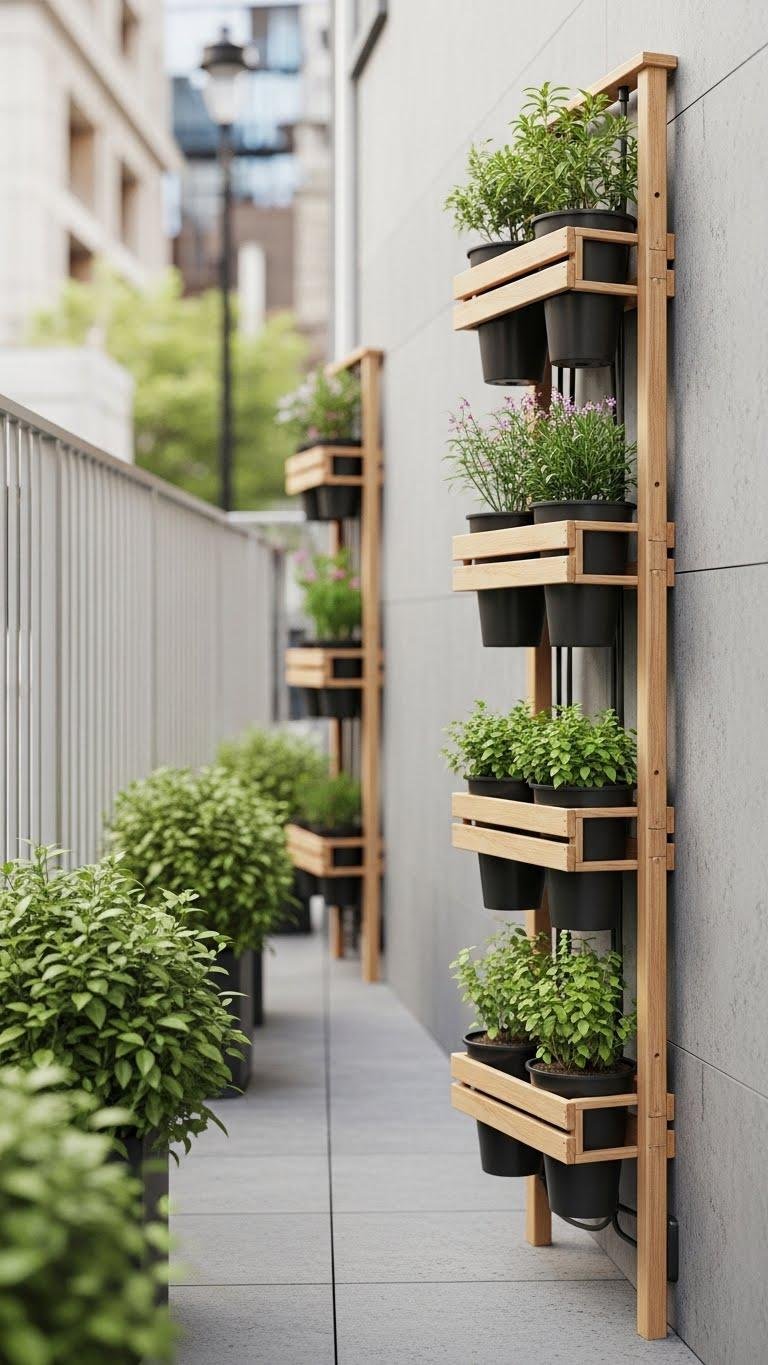
When you’re tight on width but still want greenery, a slender vertical slat planter gives you height without taking up floor space; its tall, narrow profile slips into alleyways, balconies, and between fences while offering multiple planting tiers.
You’ll build with simple slat joinery, add vertical irrigation to feed stacked pots, and secure it to walls so your garden stays free, tidy, and bold.
Elevated Stand Planter With Integrated Shelf
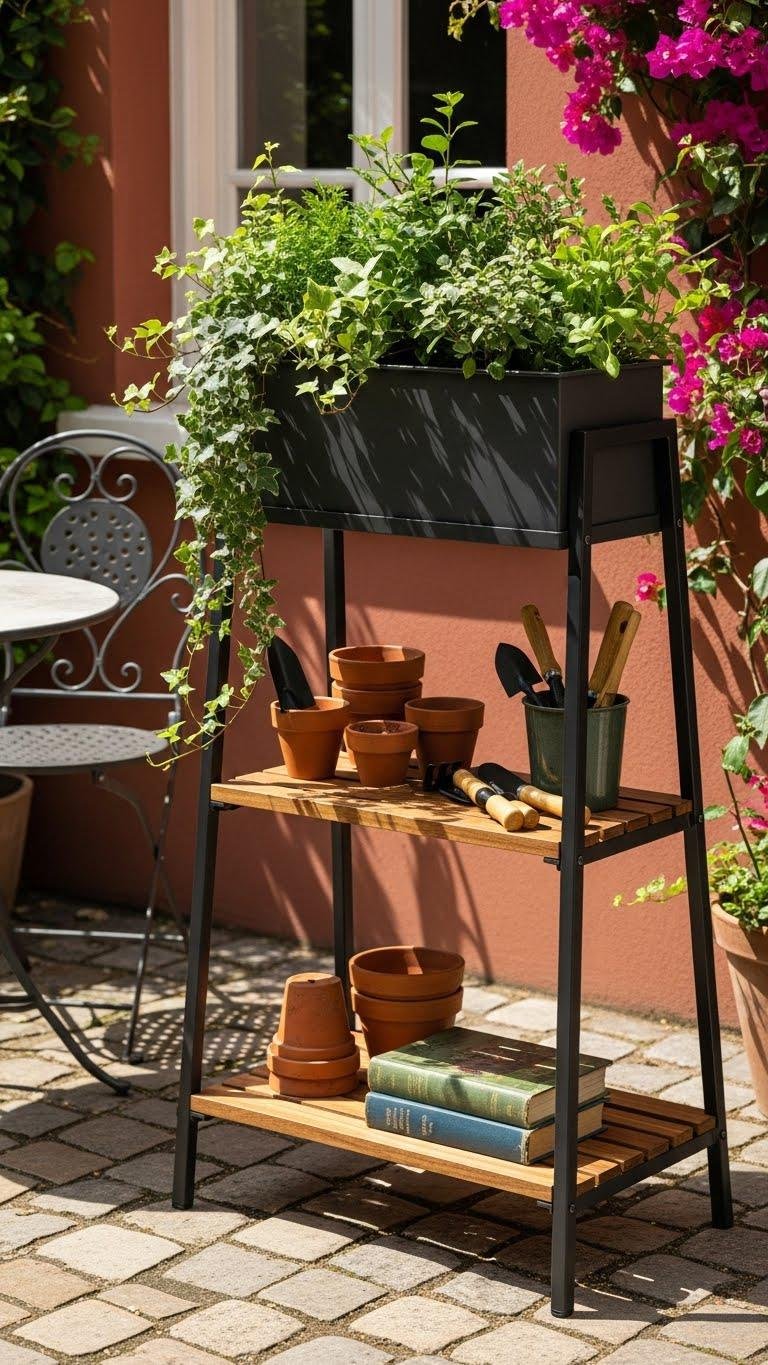
Where a slim vertical slat planter squeezes greenery into tight gaps, an elevated stand planter with an integrated shelf brings plants up to eye level while giving you usable storage below.
You’ll build a sturdy frame with adjustable height legs, place a hidden planter shelf for pots, and keep tools or books underneath. It’s easy, freeing, and practical for small patios.
Square Modular Planter System for Modular Gardens
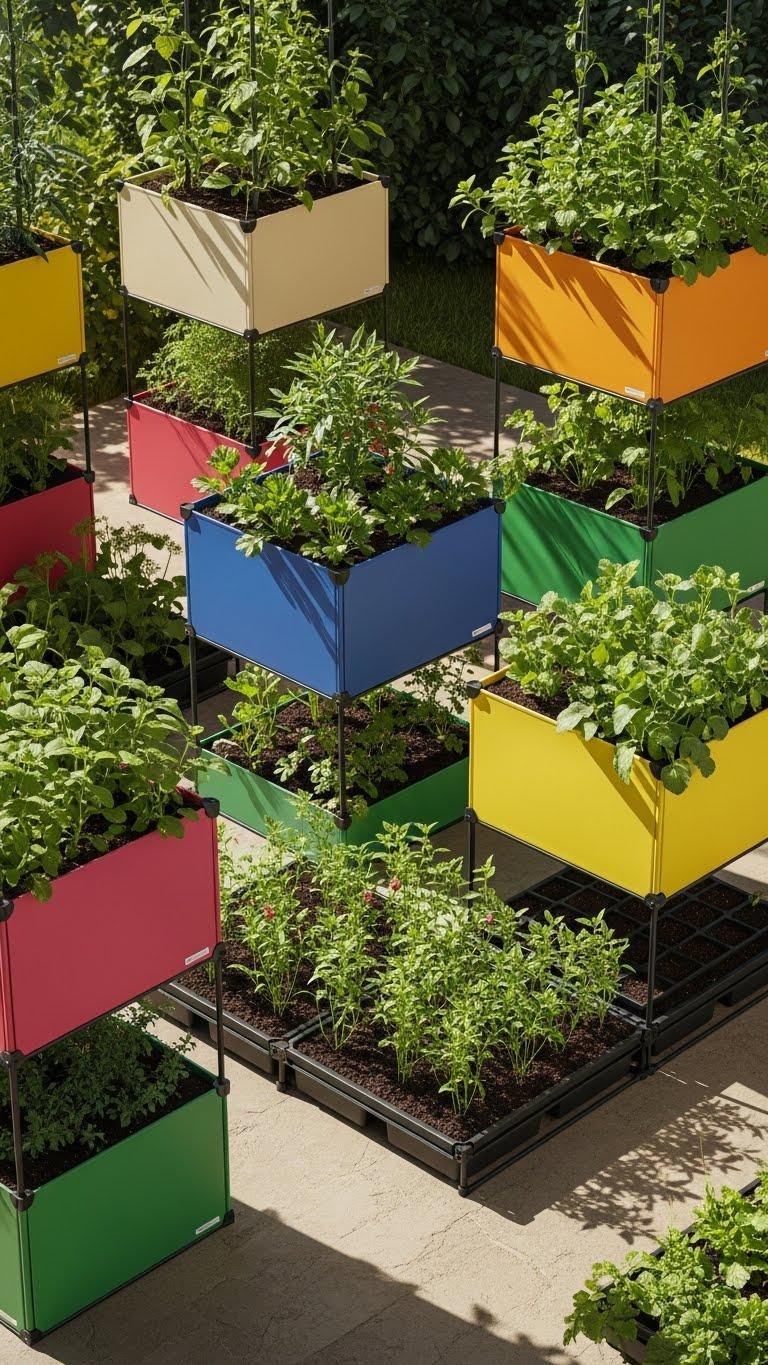
Think of a square-modular planter system as a toolkit that lets you build, reconfigure, and expand a garden block by block; you’ll stack or snap units together to create raised beds, tiered arrangements, or a patchwork of micro-climates that fit your space. You’ll enjoy interlocking gridwork for stability and quick layout changes, plus removable trays for easy planting, watering, and seasonal swaps.
Industrial Angle-Iron Frame Planter
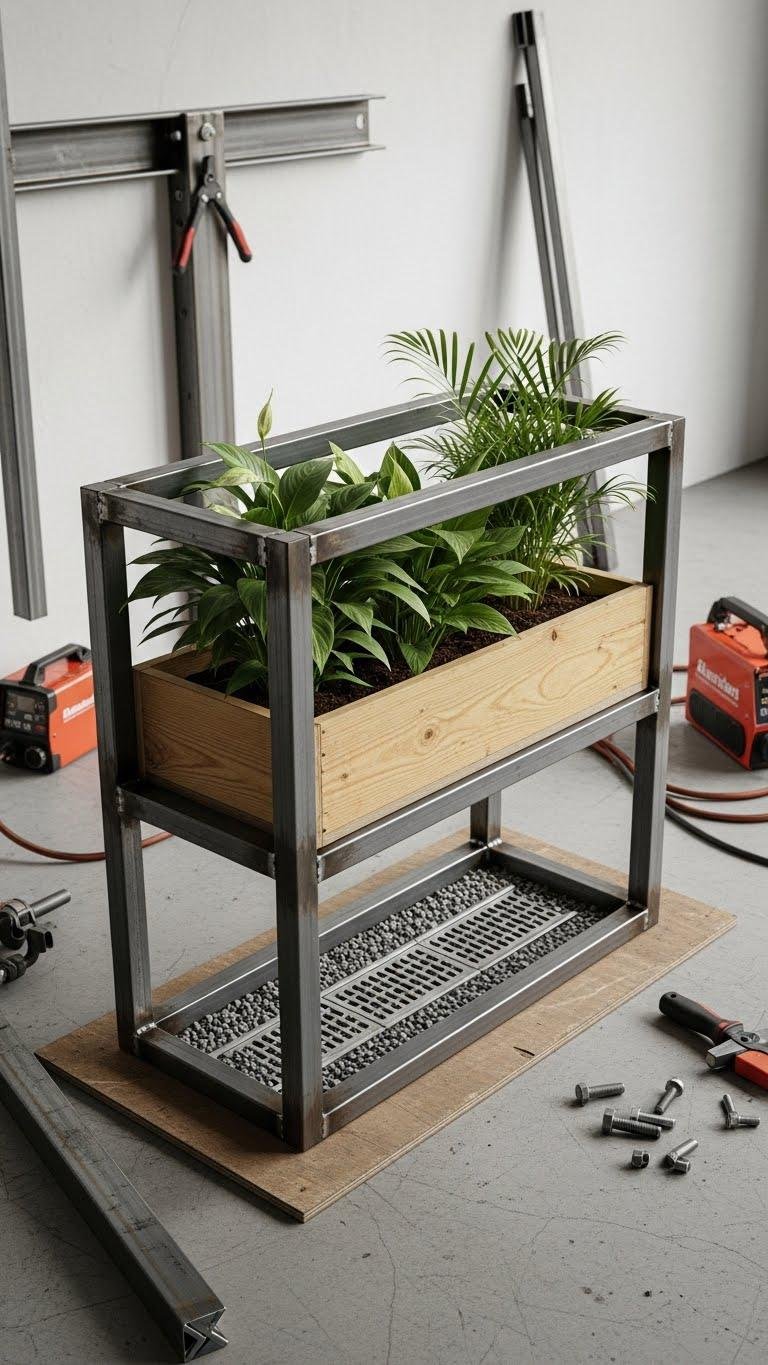
An industrial angle-iron frame planter gives you a sturdy, minimalist base that showcases plants without fuss.
You’ll cut and tack angle iron, use industrial welding for clean joints, then fit a removable wooden or metal box. Plan for proper drainage engineering—gravel layer, liner, outlet—and bolt the box to the frame. It’s rugged, modular, and lets you move and adapt freely.
Planter Bench Combo for Entryways and Patios
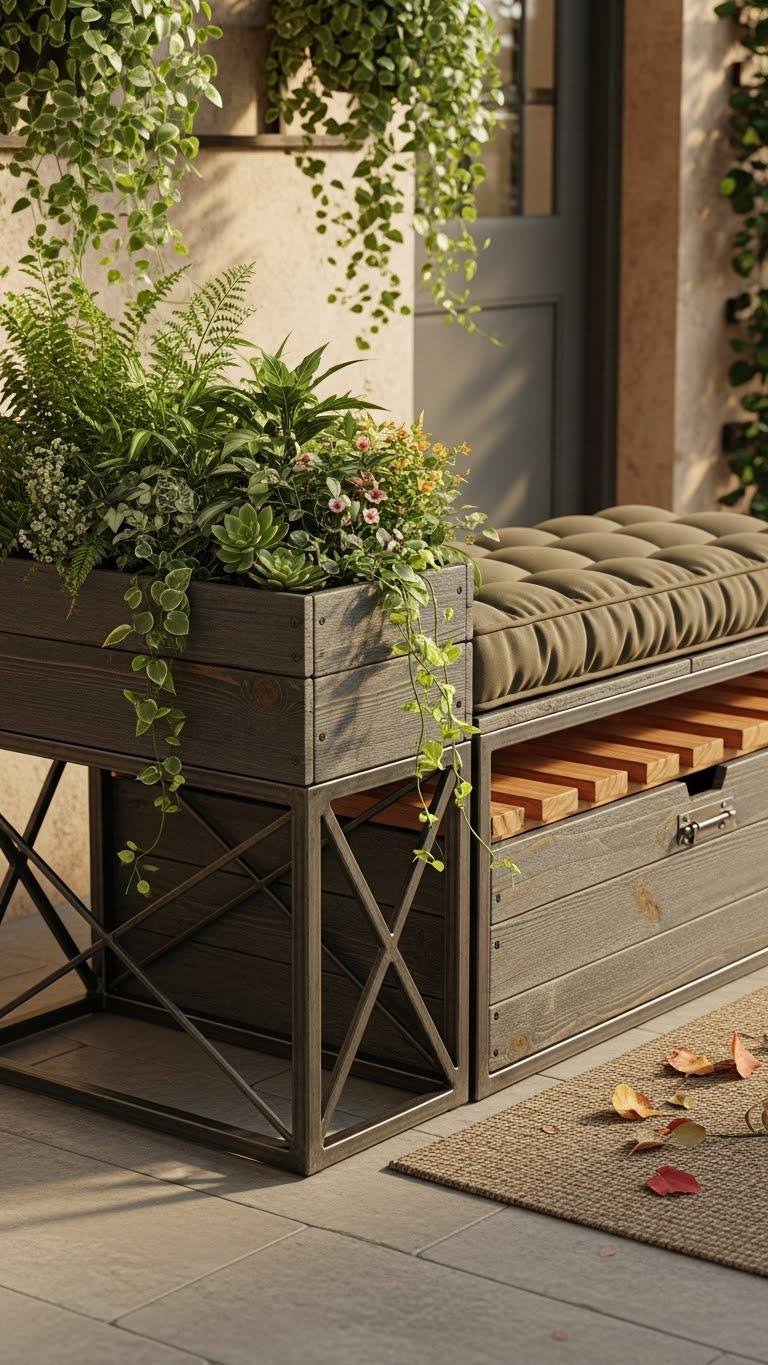
You can carry the same rugged, modular spirit of an angle-iron frame planter into a planter-bench combo that gives you seating and greenery in one footprint.
Build a low planter beside a bench with cushioned seating, anchor slats to drain, and keep tools handy inside a discreet storage compartment beneath the seat.
Finish with weatherproof sealant for a durable, free-form entryway or patio focal point.
Galvanized Mesh-Lined Vegetable Planter

Line a vegetable planter with galvanized mesh to keep soil contained, boost drainage, and deter pests without cutting off airflow to roots.
You’ll attach wire lining along sides and bottom for ventilated drainage and root protection, stapling securely and trimming excess.
Choose coarse mesh size, elevate with feet, and use a breathable liner so plants thrive while you stay free to experiment.
Narrow Curbside Planter for Walkways
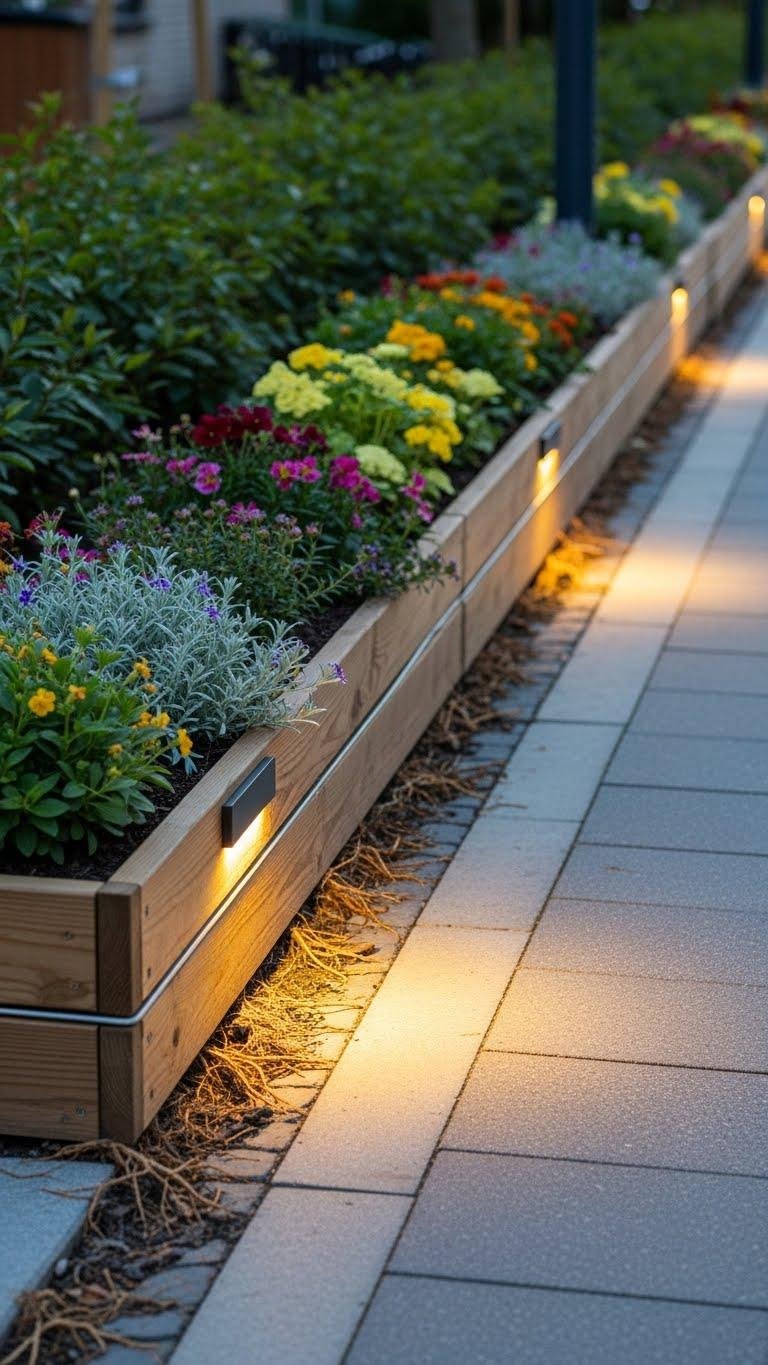
When space’s tight along a walkway, a narrow curbside planter lets you add color and greenery without blocking foot traffic or views. You’ll build a slim box, use root barrier solutions to protect pavement, and pick low-spread plants.
Add edge friendly lighting for safe nighttime passage. Anchor securely, guarantee drainage, and keep maintenance simple so your path stays free and inviting.
Hexagonal Geometric Planter for Statement Plants
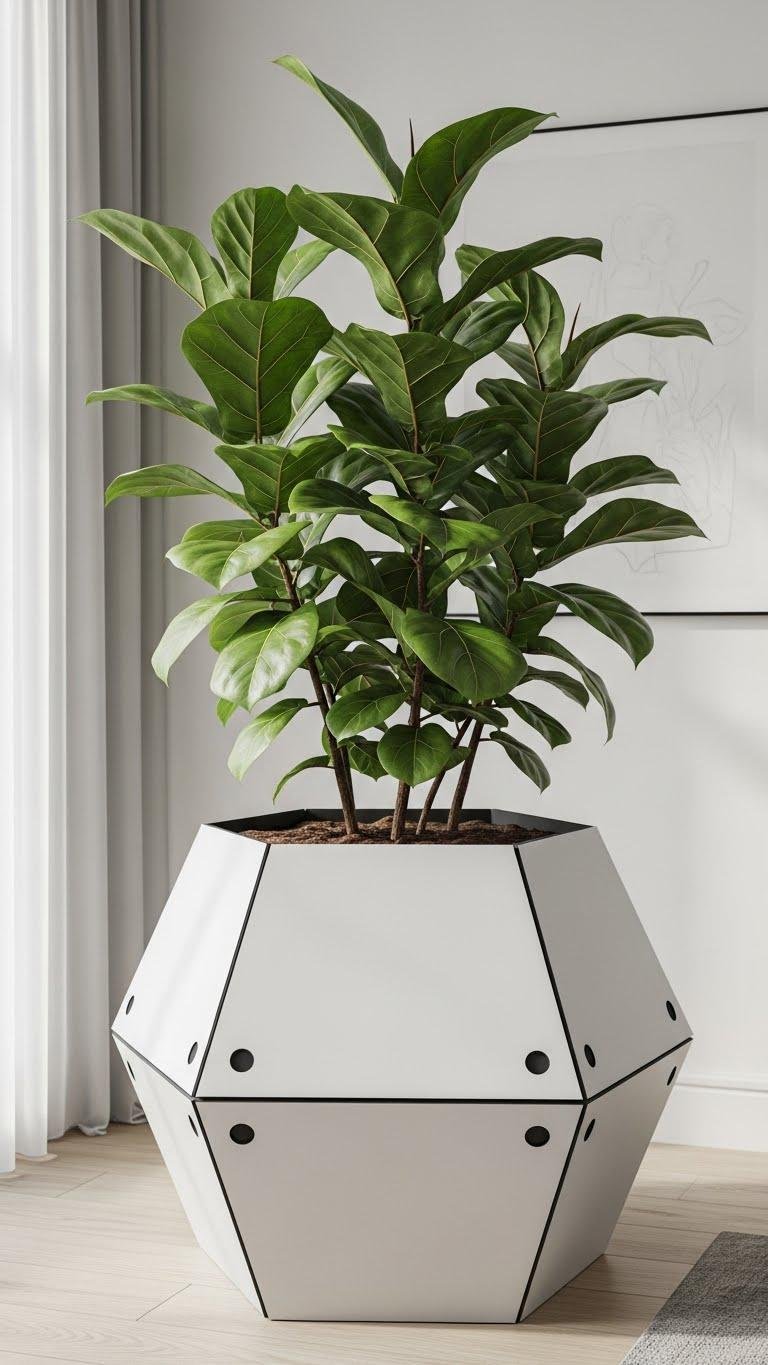
Make a bold focal point with a hexagonal geometric planter that shows off a single statement plant or a tight cluster of sculptural varieties. Build with simple panels to emphasize hexagonal symmetry, seal joints, and add drainage. Position it where you can admire form and scale. Choose dramatic statement foliage, give room to breathe, and you’ll have a freeing, low-maintenance centerpiece.
Portable Planter on Locking Casters
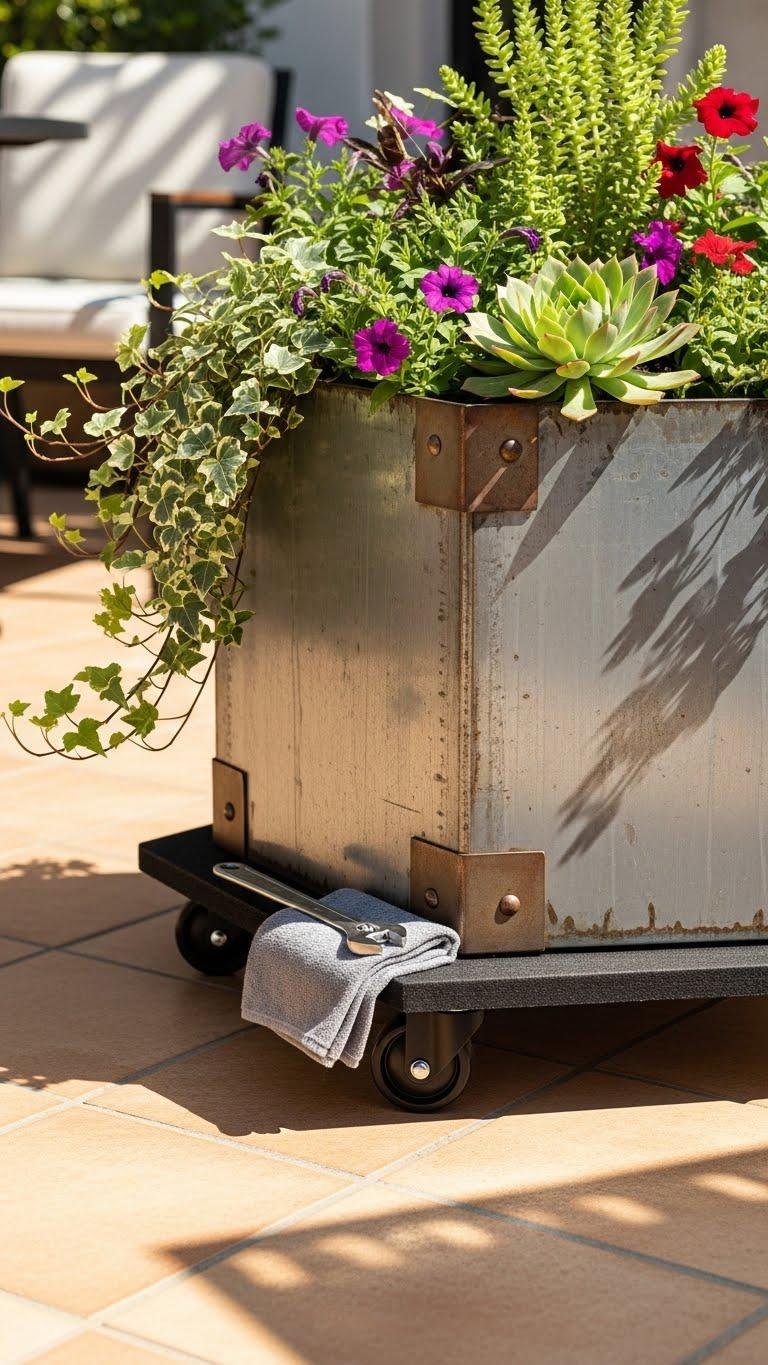
You loved the hexagonal planter for its sculptural presence, but sometimes you need that statement plant to move — across sun patches, into a cozy corner for guests, or out during rainy days. Build a sturdy box on locking casters, reinforce corners, and allow drainage. Check casters maintenance regularly, clean debris, tighten bolts, and test lock mechanisms so mobility stays effortless and secure.
Sloped Front Planter for Cascade Plantings
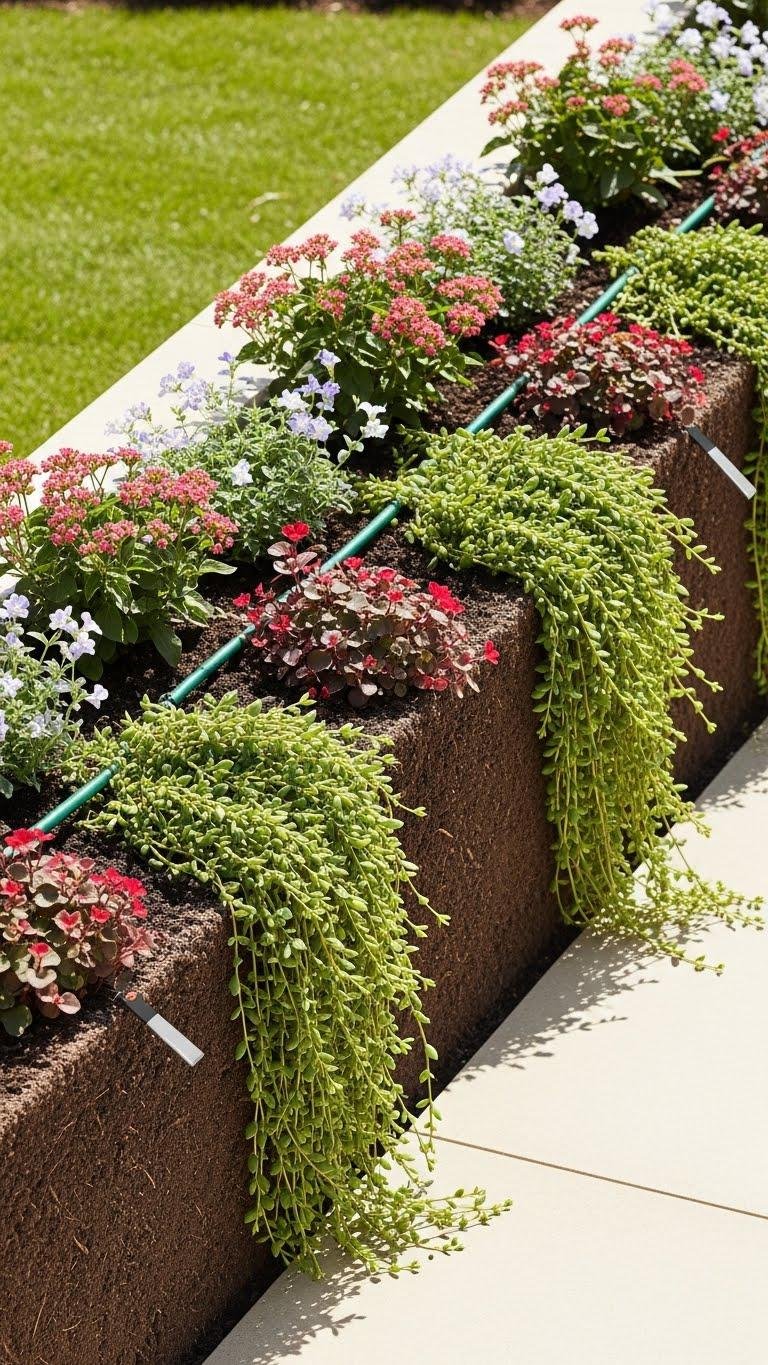
Often a sloped-front planter is the best choice for cascading plantings because it naturally showcases trailing foliage and flowers while keeping upper-tier plants visible.
You’ll build a shallow front slope to encourage waterfall foliage drape, set deeper soil at the back for roots, and install angled irrigation to keep moisture even.
Position for sunlight, use lightweight soil, and enjoy effortless drama.
Half-Barrel Style Planter With Modern Finish
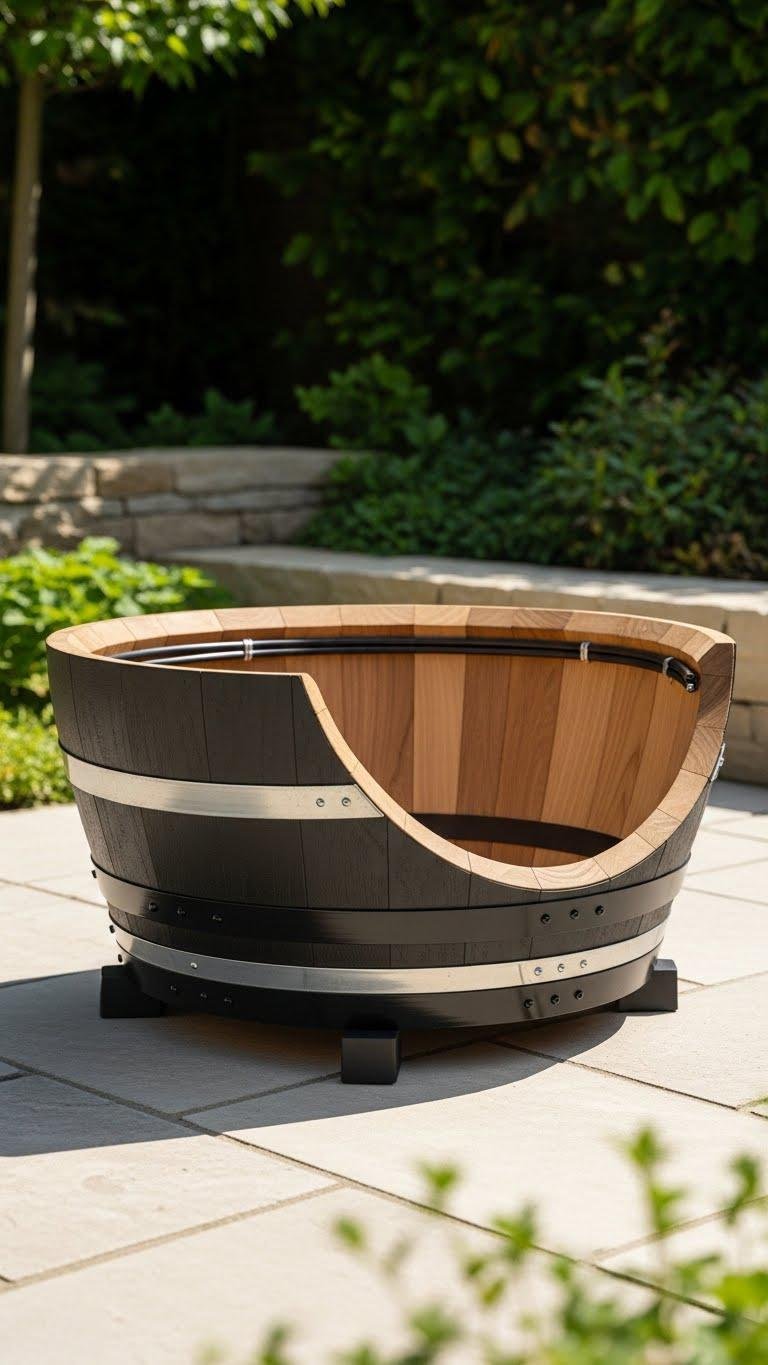
Reimagine a classic half-barrel as a sleek, modern planter by smoothing its staves, sealing the grain, and adding a slim metal or concrete band for contrast.
You’ll sand to a tapered profile, finish in matte black, and fit teak accents for warmth.
Drill discreet drains, install hidden irrigation, and elevate it on low feet so you can move freely and maintain plants easily.