
You can turn even a small yard or balcony into a thriving pollinator haven by choosing at least ten diverse, mostly native plants, massing them for visual impact, and staggering bloom times so something’s always in flower. Focus on layered heights, sunny sheltered spots, shallow water, and native milkweed for monarchs, while avoiding pesticides and providing nesting spots like leaf litter and bee hotels. Keep going to learn practical plant lists and layout tips that’ll make your space buzz.
Group Eight or More of the Same Species Together
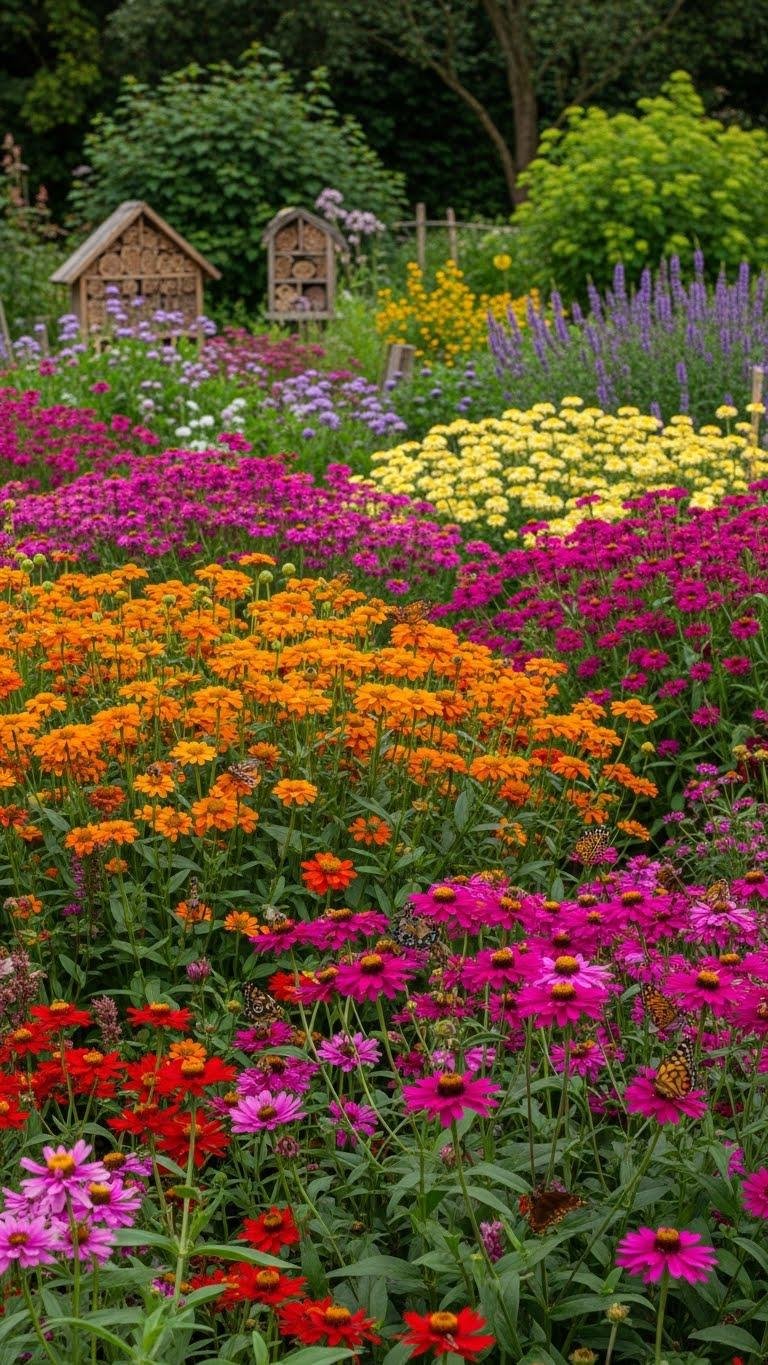
Planting eight or more of the same species together makes your garden a clear, efficient buffet for pollinators: they spot and feed from big swaths of familiar blooms more easily than from scattered singles. Grouping creates nectar corridors that guide bees and butterflies; you’ll save time and boost visits.
Combine massed plantings with bee hotels, staggered bloom times, and light maintenance to keep your garden free and thriving.
Use Native Plants to Support Local Pollinators
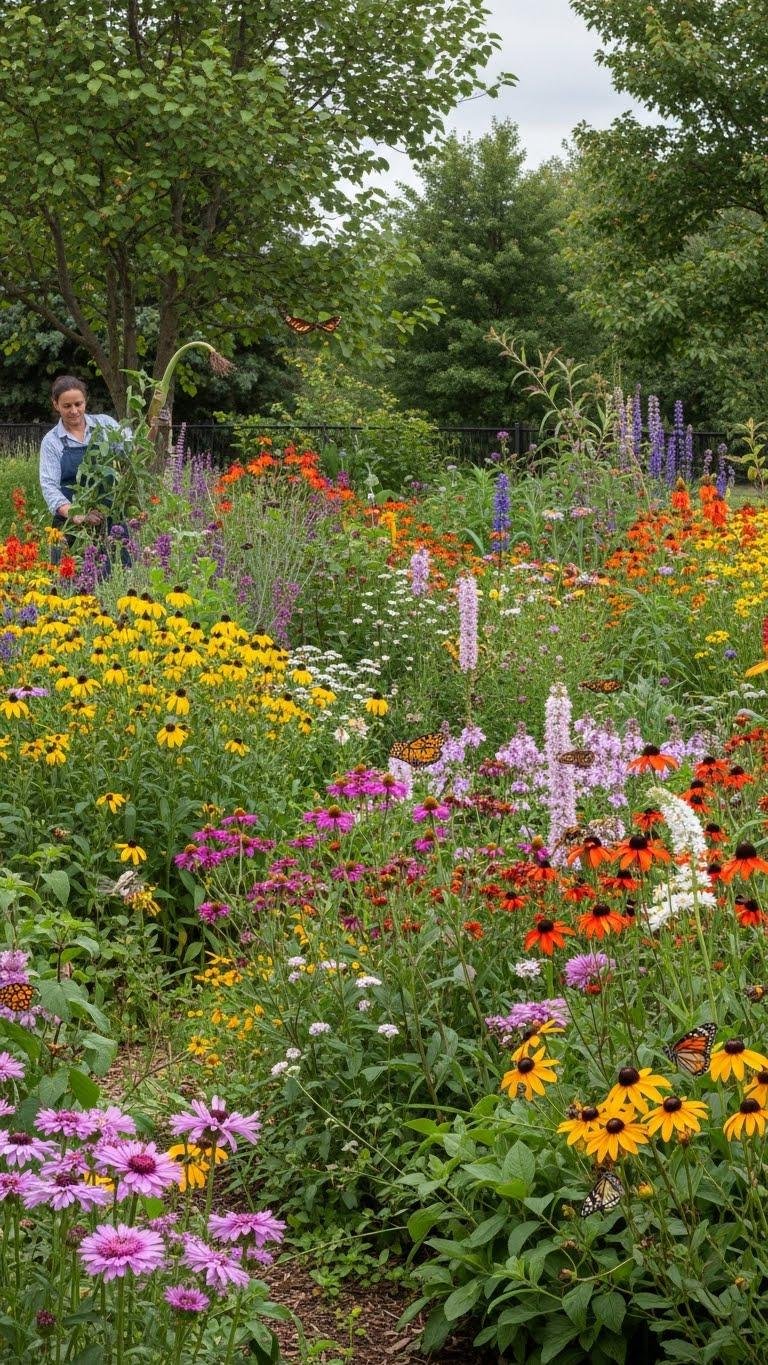
Massed plantings attract pollinators quickly, but you’ll get longer-term benefits by choosing native species adapted to your region. Use local plantings to provide familiar nectar, pollen and host plants for bees and butterflies. You’ll preserve genetic diversity by sourcing seed or plants from nearby populations.
Plant with purpose, remove invasives, and let habitats evolve so pollinators thrive and you keep gardening freedom.
Provide Continuous Bloom From Spring Through Fall
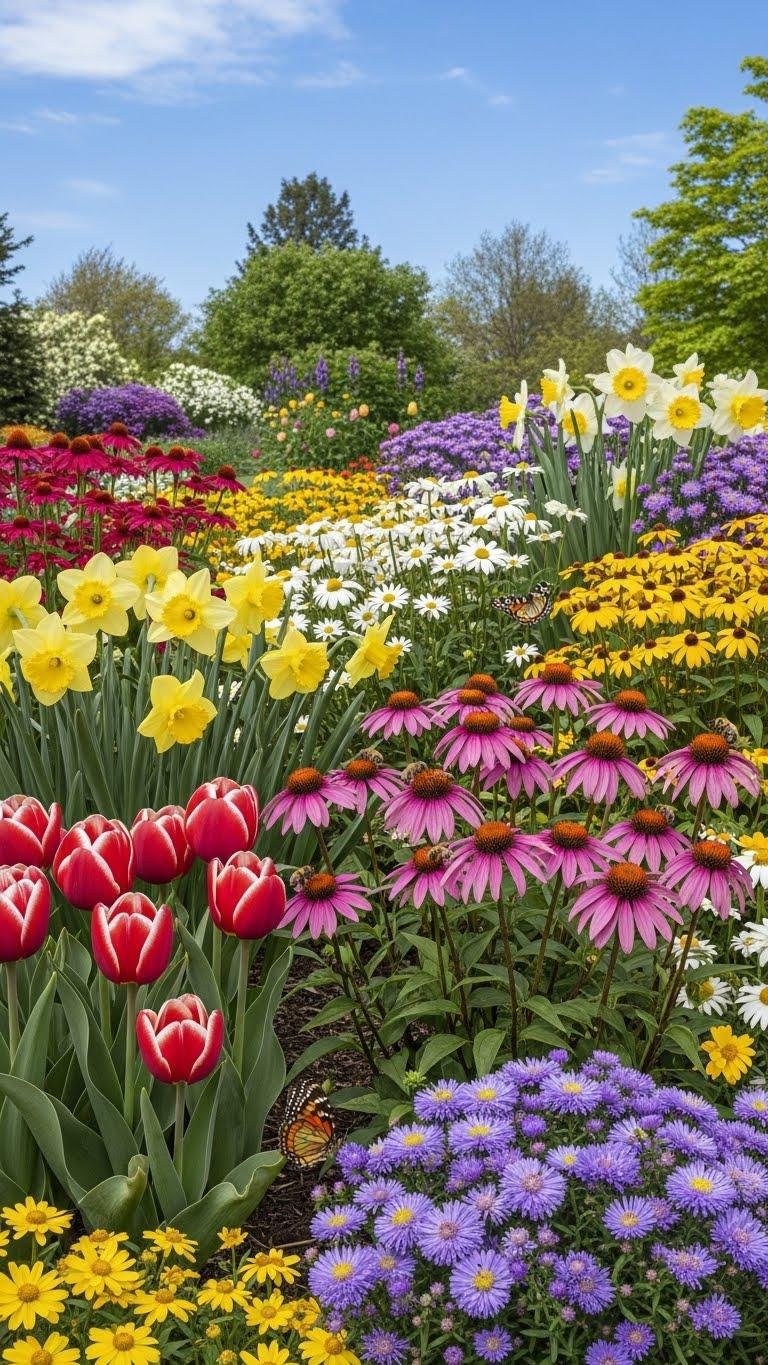
Regularly staggering bloom times keeps your garden useful to pollinators from early spring through late fall, so plan a sequence of overlapping flowers that guarantees nectar and pollen are always available.
You’ll use seasonal succession and smart bloom scheduling to choose early bulbs, midseason perennials, and late asters.
Tend beds lightly, adjust plantings yearly, and enjoy the freedom of a reliably buzzing, blooming landscape.
Plant Clumps at Least 3 Feet (1 Meter) Across
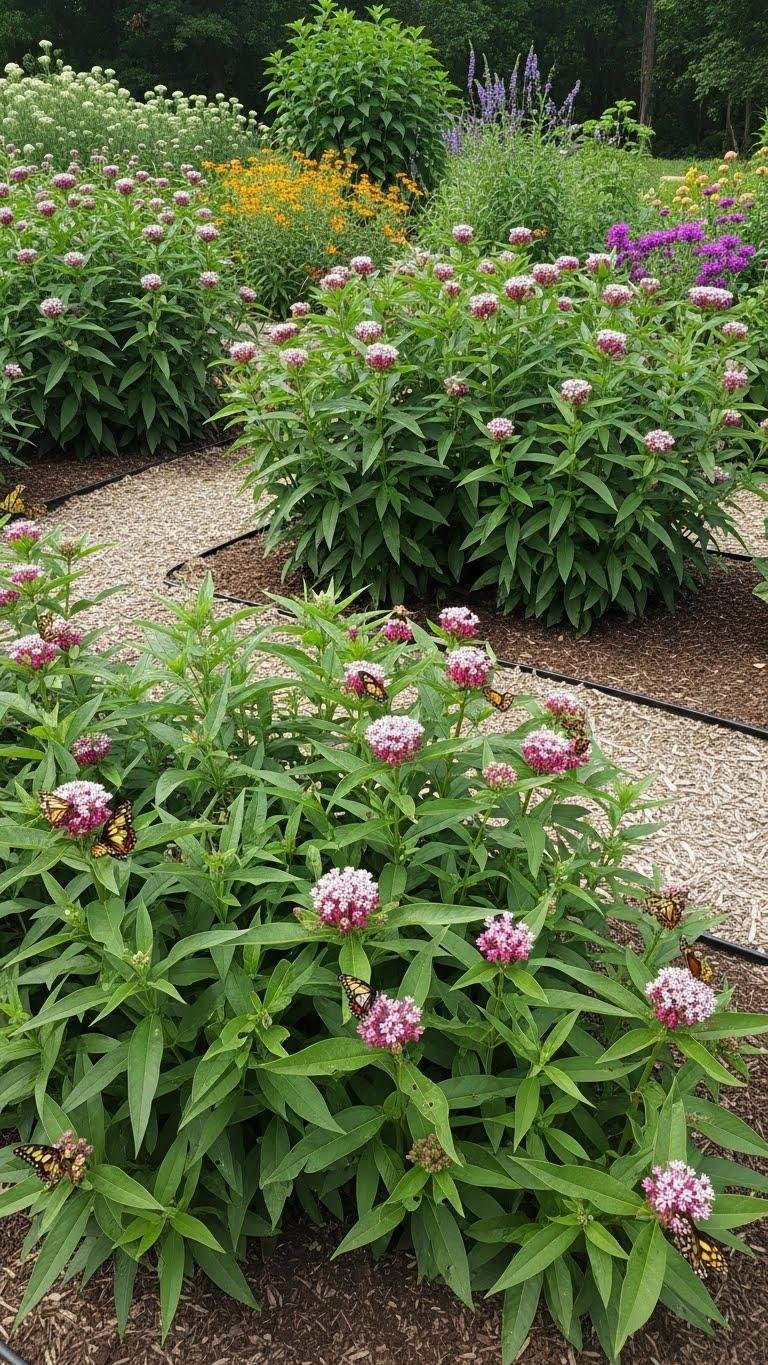
Group milkweed and nectar plants into clumps at least 3 feet (1 meter) across so butterflies can easily find and use them. Arrange beds to suit your space and freedom to roam, improving soil composition with compost and minimal disturbance.
Larger patches concentrate nectar and host resources, simplify seasonal rotation, and let pollinators feed efficiently. You’ll enjoy fuller, resilient pollinator zones with less maintenance.
Feature Varied Flower Shapes, Sizes, and Colors
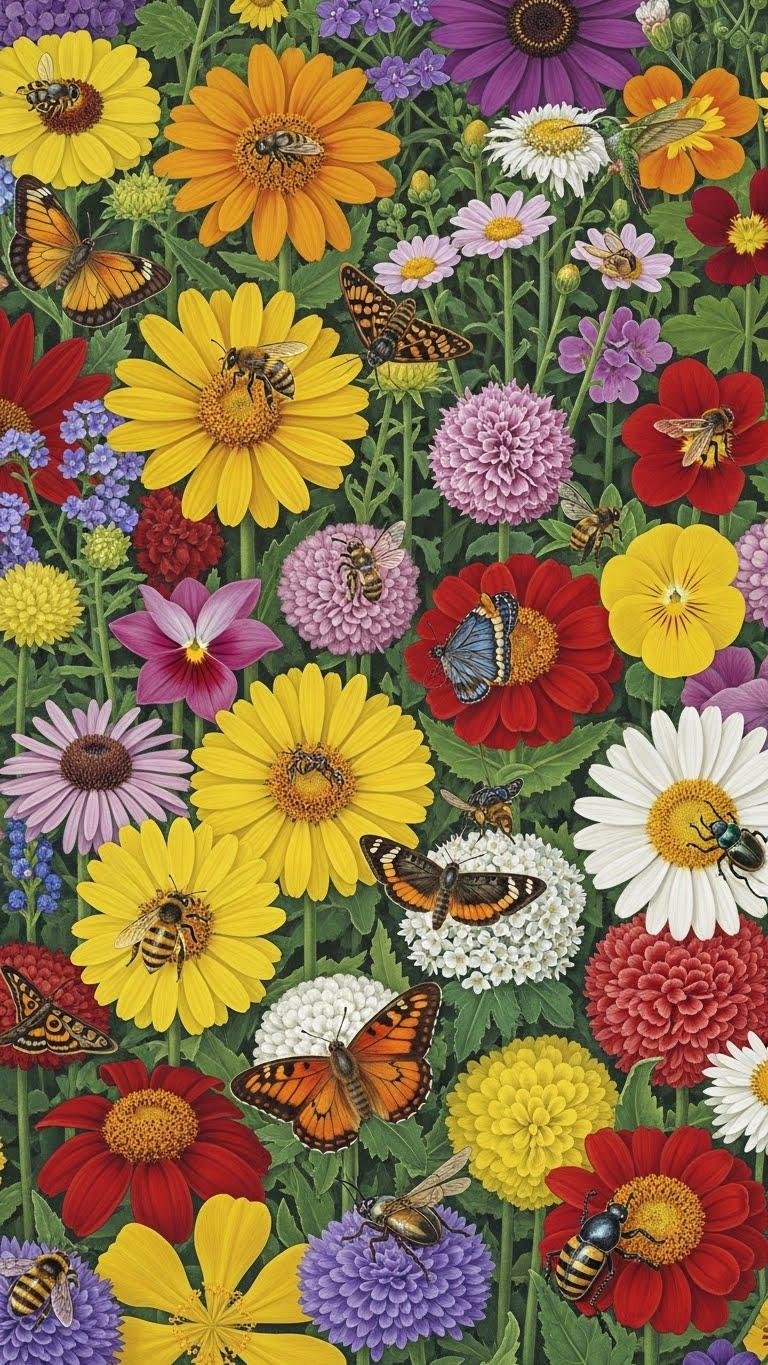
Create Large Visible “Pollinator Targets
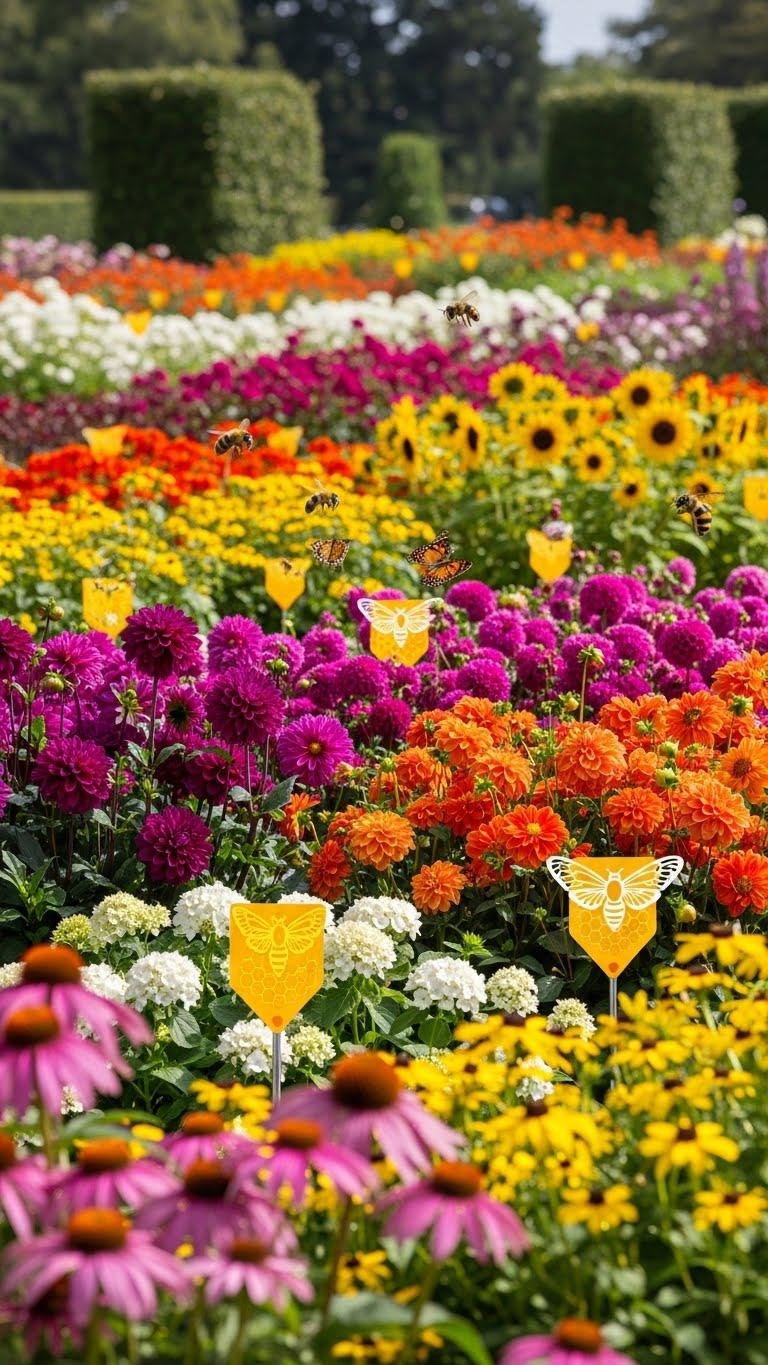
After offering a range of flower shapes and colors, you’ll boost pollinator visits even more by creating large, visible “targets” that stand out across the garden.
Use bold color blocks, grouping blooms into big masses, and add subtle bright signage or reflective markers to guide bees and butterflies from a distance. You’ll make navigation easy while keeping your design natural and free.
Prioritize Sunny, Sheltered Locations
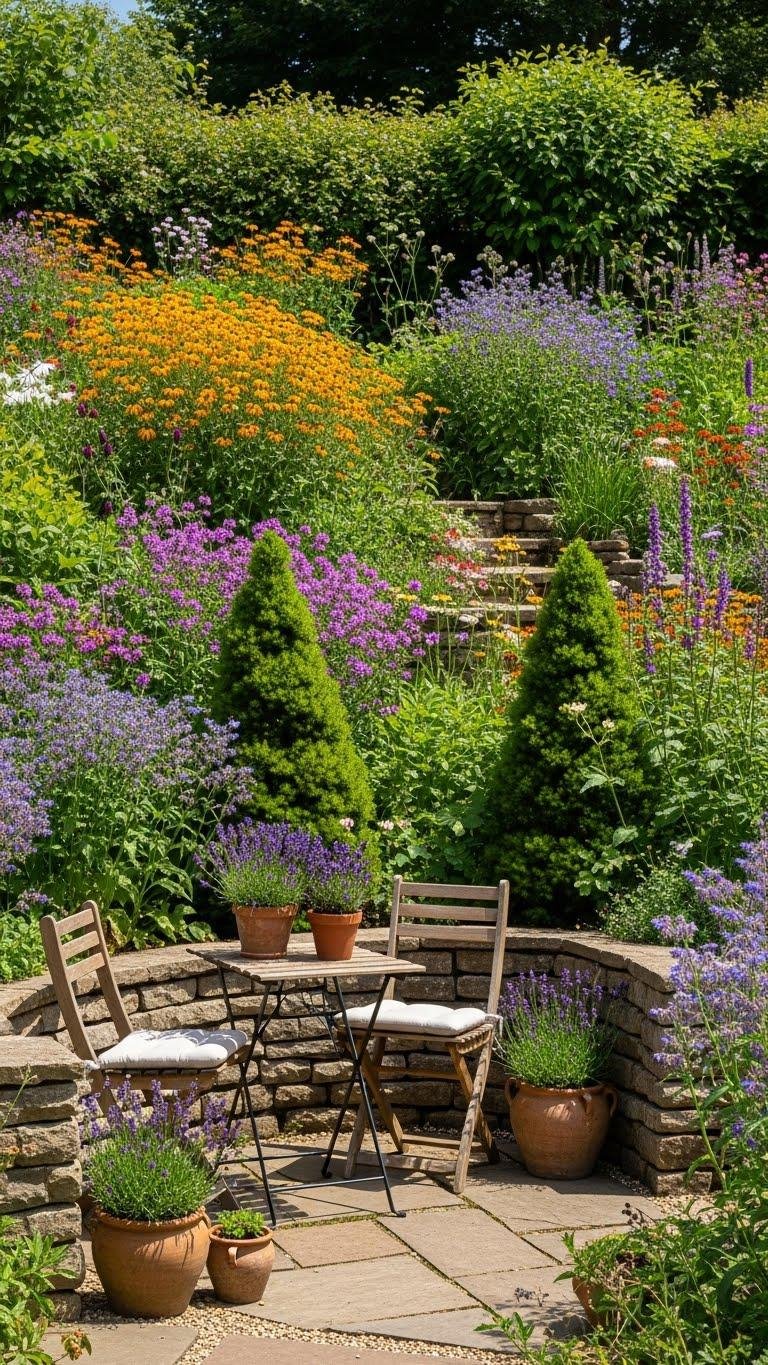
You’ll get the most pollinator activity by choosing sunny, sheltered spots for your plants—most bees, butterflies, and many beneficial flies forage and warm themselves in full sun, and calm locations let them land and feed more easily.
Seek sunny microclimates, tuck nectar-rich plants into sheltered patiospots, and leave some open, wind-protected perches. You’ll encourage regular visits without much fuss.
Offer Water Sources and Mud Puddling Areas

Often pollinators visit shallow water and damp soil as much as flowers, so provide both sipping stations and small mud puddles to meet their needs. You can set shallow basins with pebbles, create muddy edges for puddling, and install dripping rocks or pebble fountains for constant moisture.
Position them in sun and shelter, and refresh water regularly to keep pollinators returning.
Minimize Lawn and Increase Floral Area
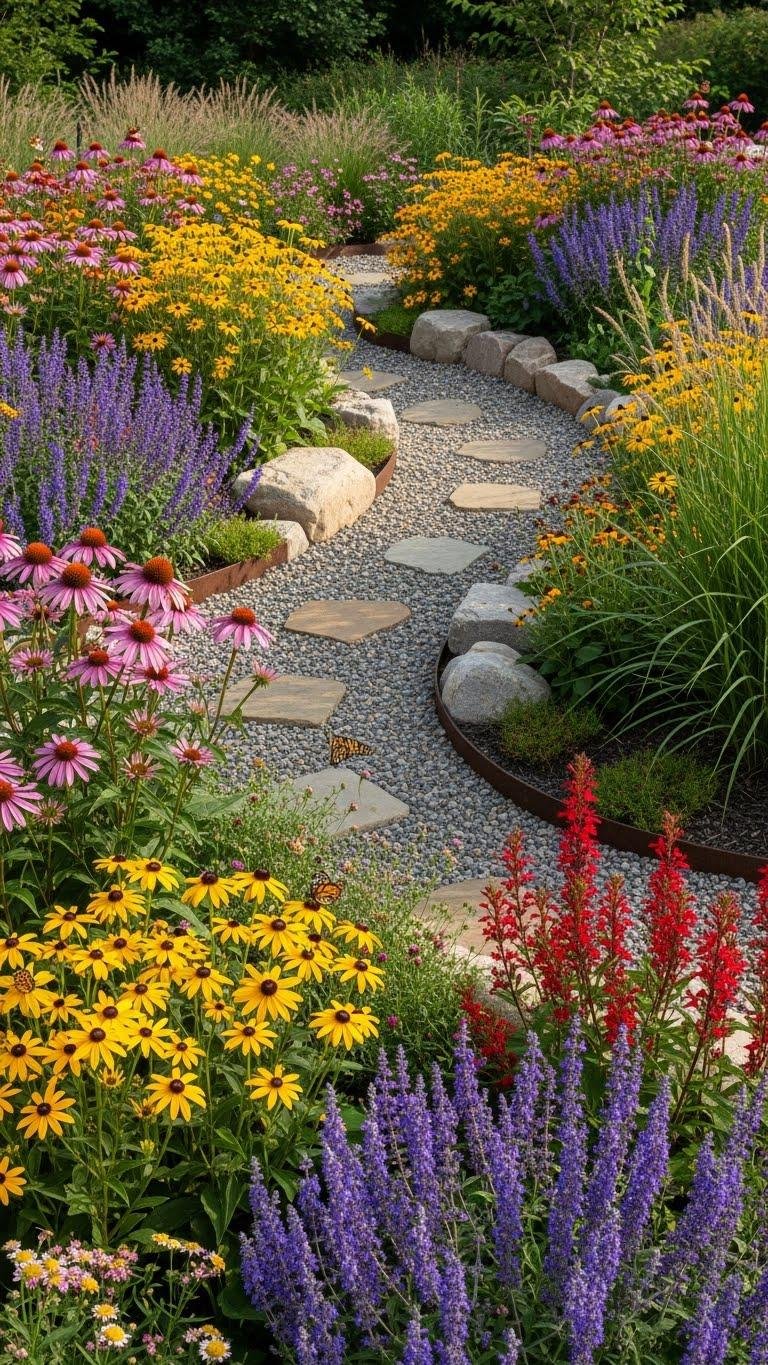
Swap out swaths of turf for flower-rich beds and you’ll instantly boost habitat value and seasonal nectar sources.
Choose low-maintenance edging alternatives like native stones or metal to define beds without fences.
Plant layered blooms for continuous color and nectar.
Carve playful pathways to wander, seed patches for self-sowing natives, and let parts of your yard return to wildness — you’ll free pollinators and yourself.
Avoid Pesticides and Treated Plants
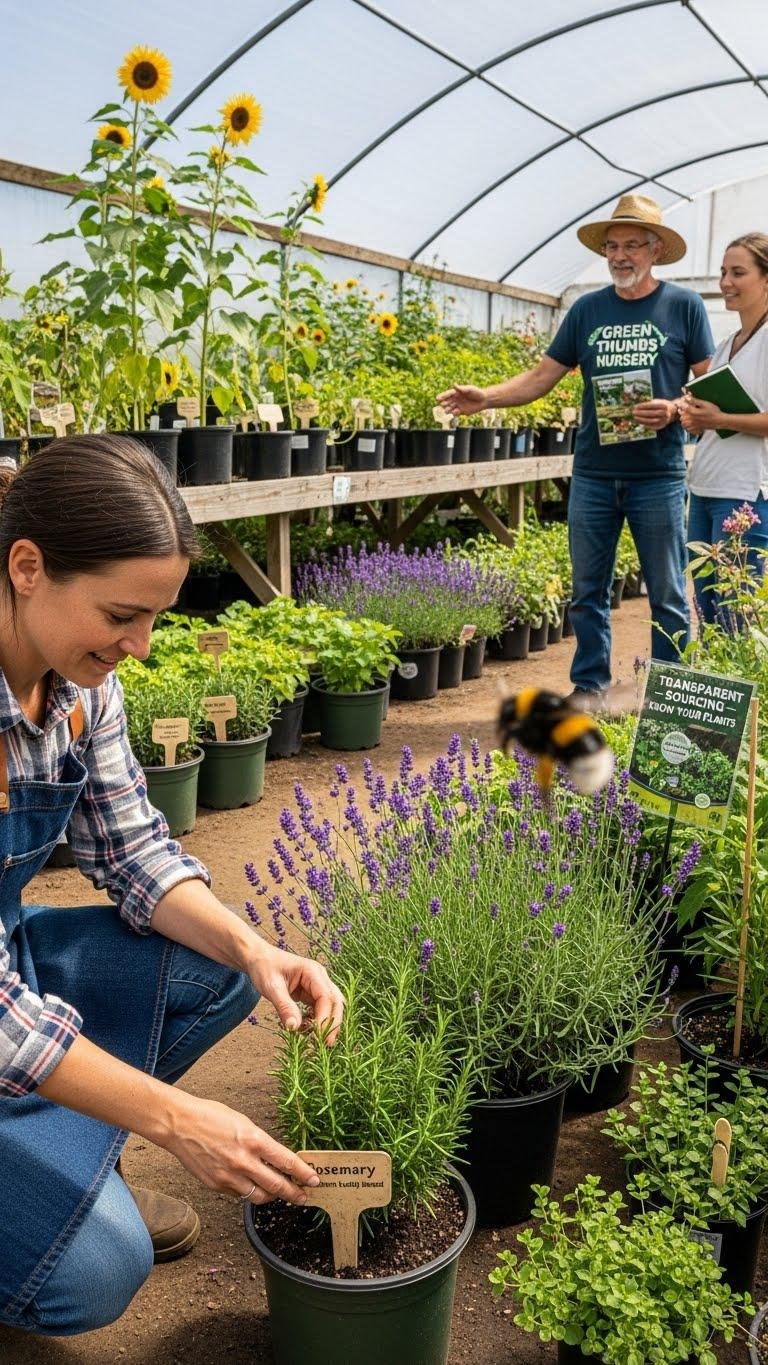
Always check plant labels and ask growers about sprays before bringing anything home, because even “ornamental” plants can be treated with systemic pesticides that harm bees and other pollinators.
Choose vendors with transparent nursery sourcing, refuse plants with unknown treatments, and wash roots and soil if necessary.
Avoid chemical residues by buying untreated, organic, or locally grown stock so your garden stays wild and free for pollinators.
Design for Multiple Heights and Growth Habits

Having picked untreated, pollinator-safe plants, think about layering them so your garden serves many species.
Arrange a layered heightscape with low groundcover, mid-height bloomers, and tall seed-bearing stalks.
Use vertical layering against fences or trellises to add nectar and shelter without shrinking open space.
You’ll support diverse pollinators, create movement, and keep the design flexible for your evolving freedom.
Use Low-Input, Easy-Maintenance Plantings
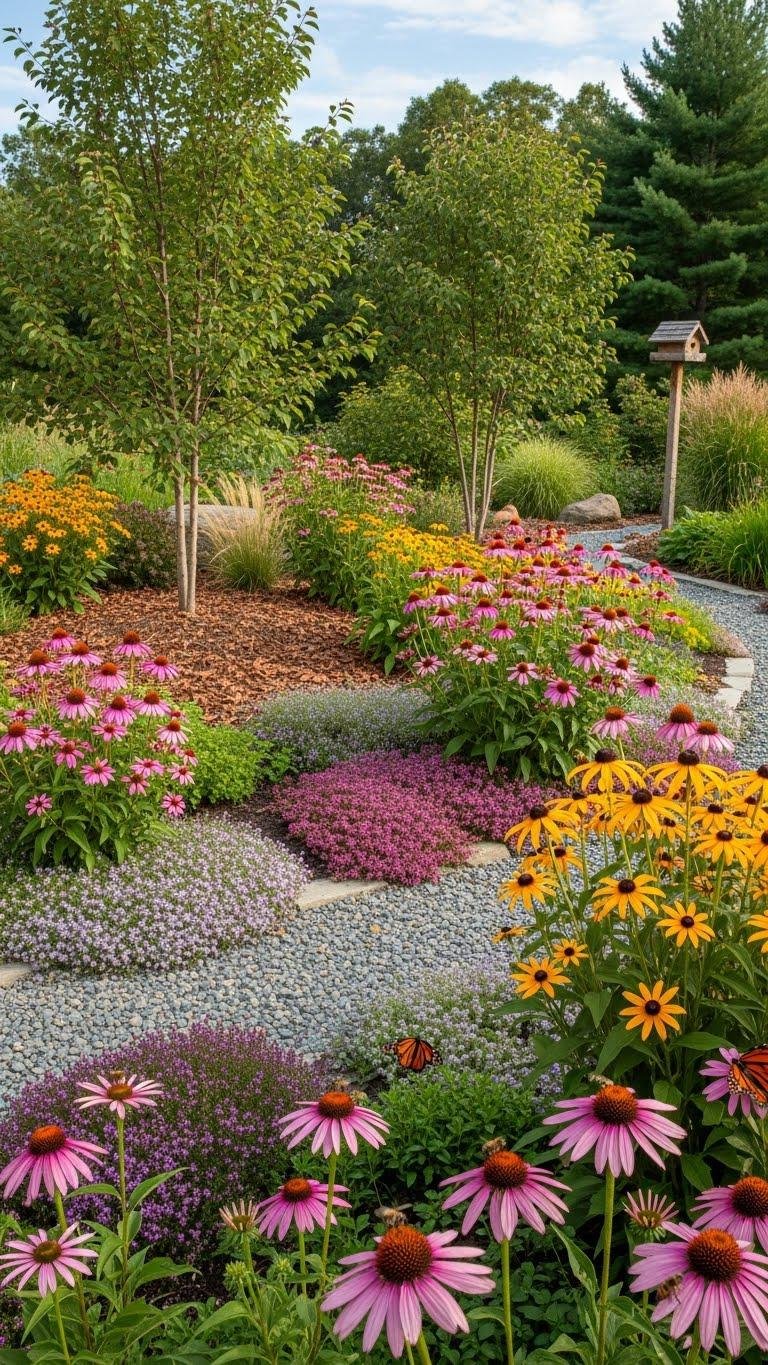
Choose resilient, low-maintenance plants that give you the biggest benefit for the least work. You’ll pick native perennials and drought tolerant groundcovers to reduce watering and fuss.
Use mulch alternatives like gravel or native leaf litter where appropriate to suppress weeds and conserve moisture. This approach frees your time, supports pollinators, and keeps the garden productive with minimal upkeep.
Add Small-Scale Patio or Container Options
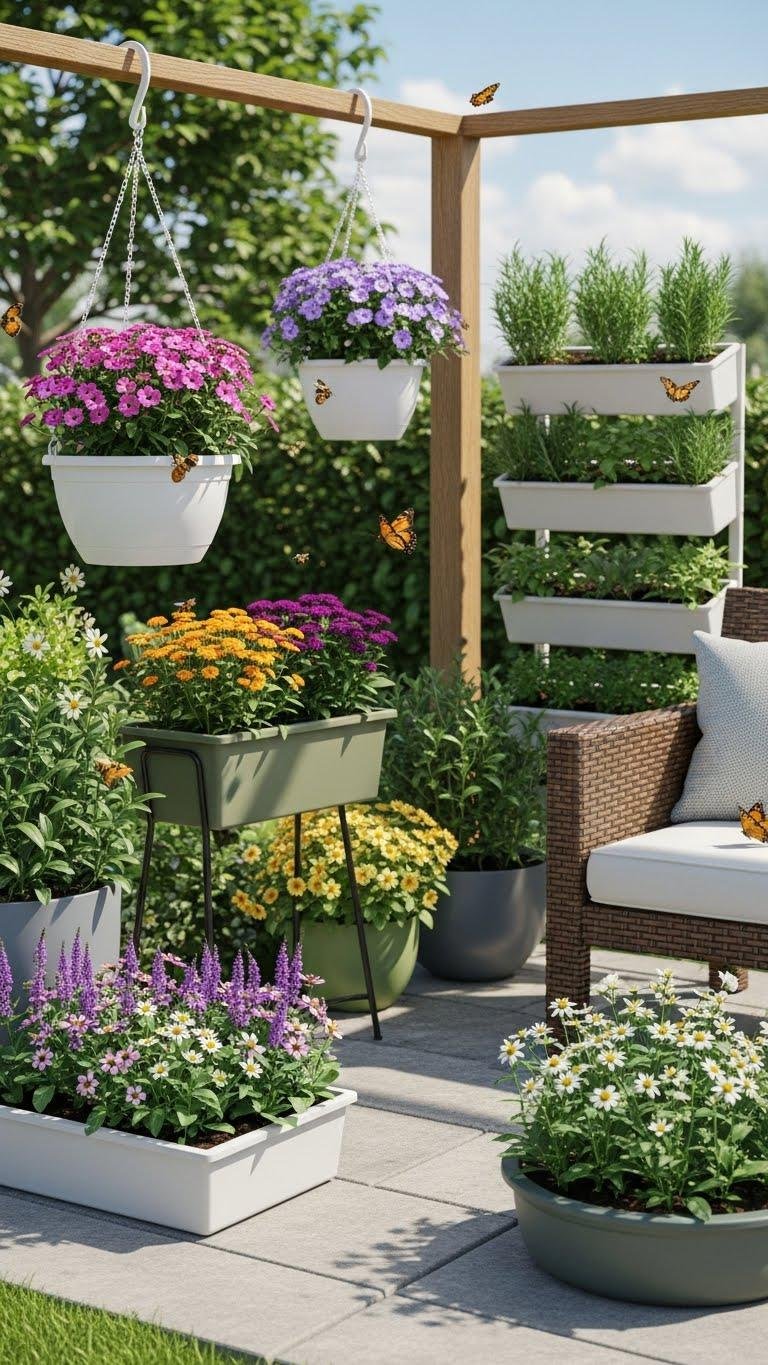
If you’ve got limited space or want a portable pollinator patch, small patios and containers make it easy to add nectar and shelter where you need it most.
You can mix hanging planters, shallow trays and vertical herbbeds to maximize blooms. Choose native, nectar-rich plants, provide sun, and rotate containers for bloom succession—then sit back and watch bees and butterflies find freedom.
Encourage Natural Pest and Disease Resistance
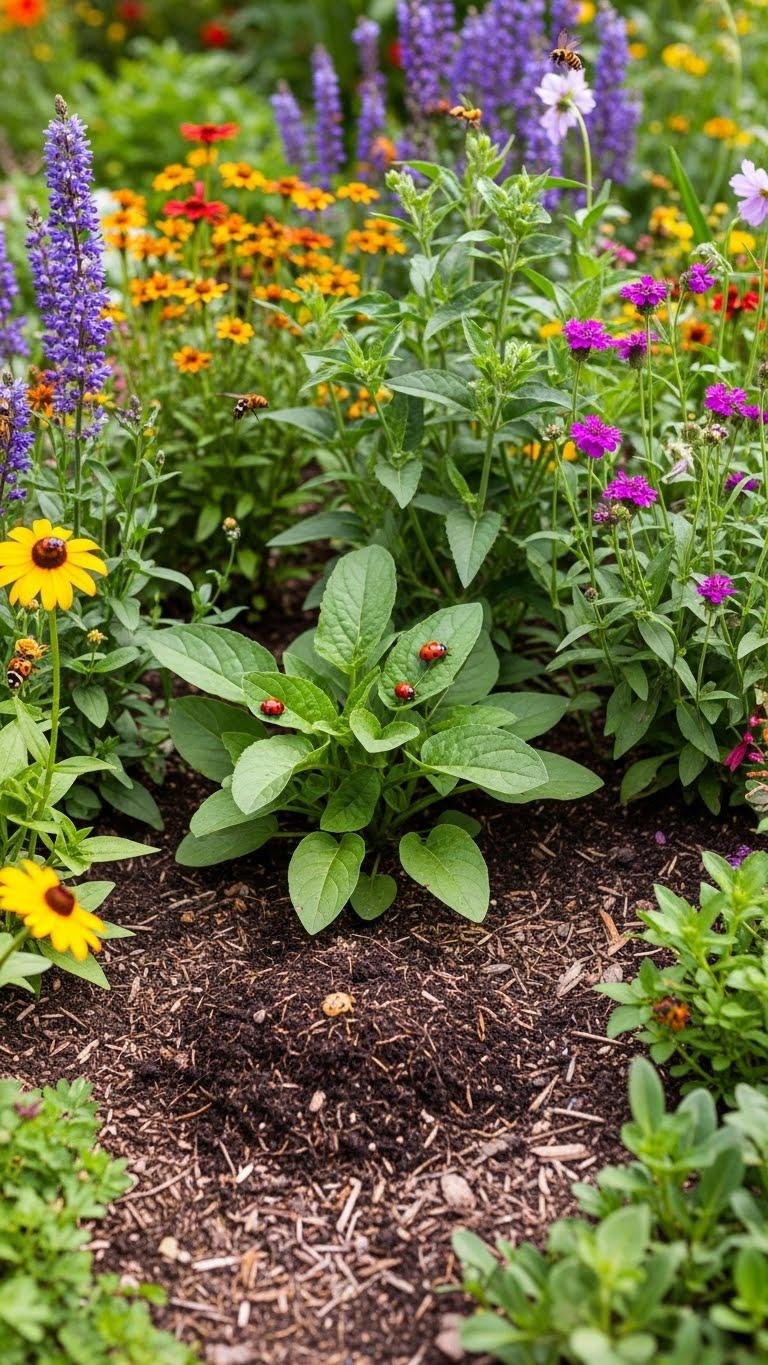
When you encourage natural pest and disease resistance, you set the stage for a healthier, lower-maintenance pollinator garden that sustains itself over time. Use companion planting to attract predators, mask pests, and diversify nectar sources. Foster soil microbiome management with compost, minimal tilling, and organic mulches to strengthen plants.
You’ll reduce chemicals, protect pollinators, and enjoy a resilient, liberating garden.
Make Gardens Noticeable From 500 Feet (152 M)
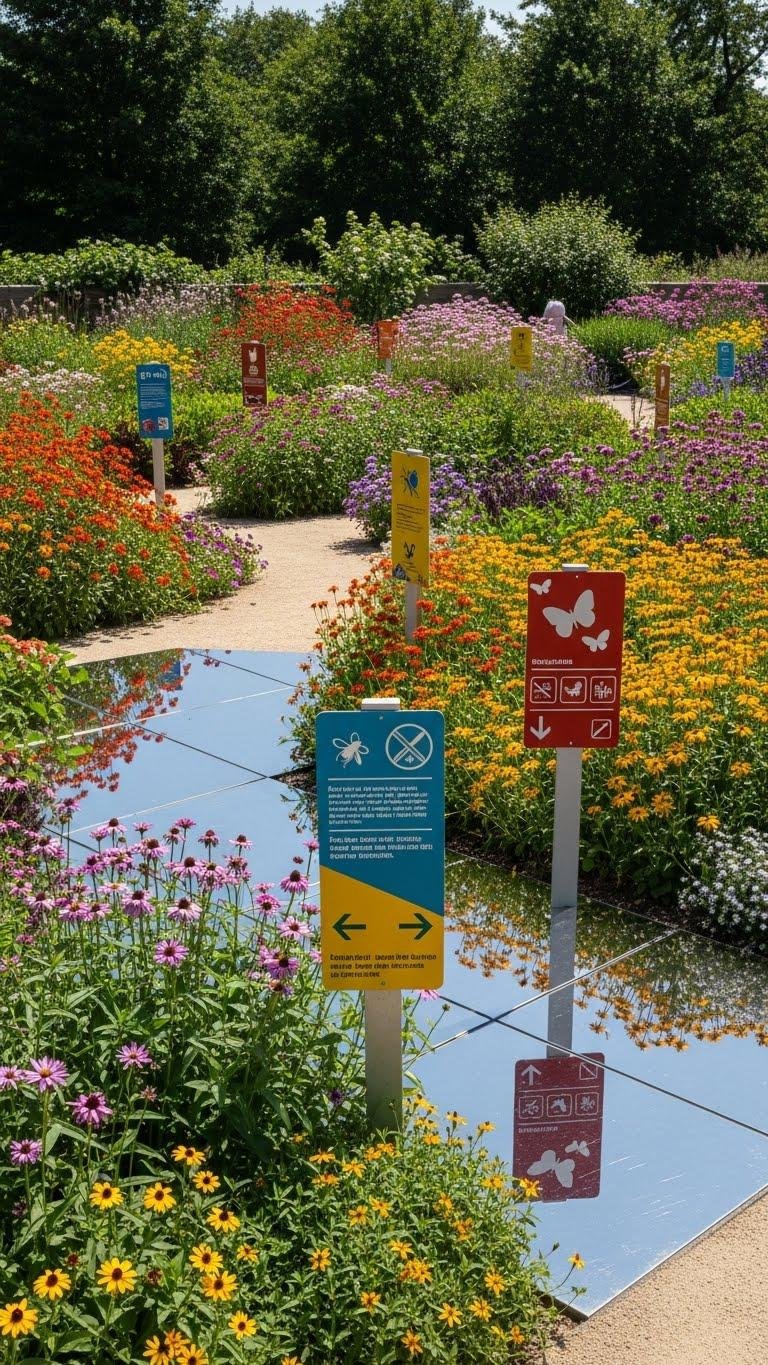
Make your pollinator garden stand out from a distance so bees, butterflies, and people can find it easily. Use bold color blocks, mass plantings, and reflective plantings that catch sunlight. Place high visibility signage with clear symbols and concise directions.
Keep paths open and sightlines clear so pollinators and visitors locate resources fast. You’ll create a welcoming, free-roaming oasis everyone can spot.
Support Urban and Suburban Pollinator Hotspots
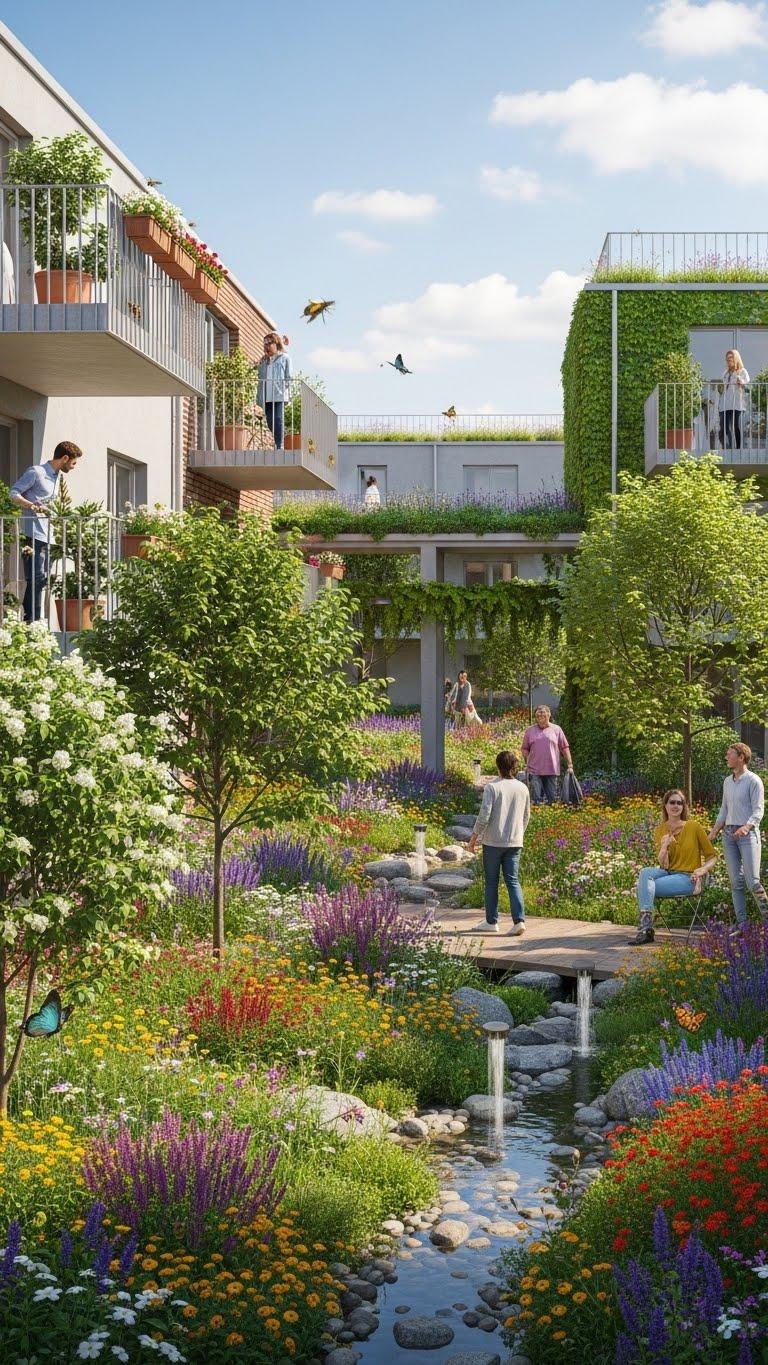
Visible, welcoming gardens draw people and pollinators in — now let’s spread that effect across urban and suburban pockets where habitat is scarce.
You can link tiny plots into a green corridor, convert balconies to roof gardens, and choose native blooms year-round.
Plant layers, provide water, avoid pesticides, and collaborate with neighbors so pollinators roam freely and your community breathes.