
You can turn everyday trash into useful planters with simple tools and little cost. I’ll show practical ways to reuse cans, bottles, crates, pallets, fabric and more so you get hanging, tabletop, vertical and seed‑starting pots that drain and last. Each idea includes quick setup tips for soil, drainage and moisture control, plus simple finishes to personalize. Keep going and you’ll have a project that fits your space and skill level.
Tin Can Hanging Planters

Turn old tin cans into stylish hanging planters with just a few tools and basic materials. You’ll drill drainage techniques into your routine—poke holes, add gravel, and line with fabric—so roots stay healthy.
Hang cans with sturdy twine or chains, mix herbs or succulents, and attach beads or small bells to create upcycled windchimes. You’ll craft freedom, utility, and charm.
Aluminum Can Flower Planters

Repurpose aluminum cans into charming flower planters with just a few simple steps: clean and sand the cans, punch drainage holes, add a layer of gravel and potting mix, then plant compact annuals or small perennials.
You’ll personalize them quickly — wrap wire for upcycled lanterns, or label with DIY herb markers. They’re portable, budget-friendly, and let you cultivate freedom through simple, creative gardening.
Painted Tin Can Table Pots
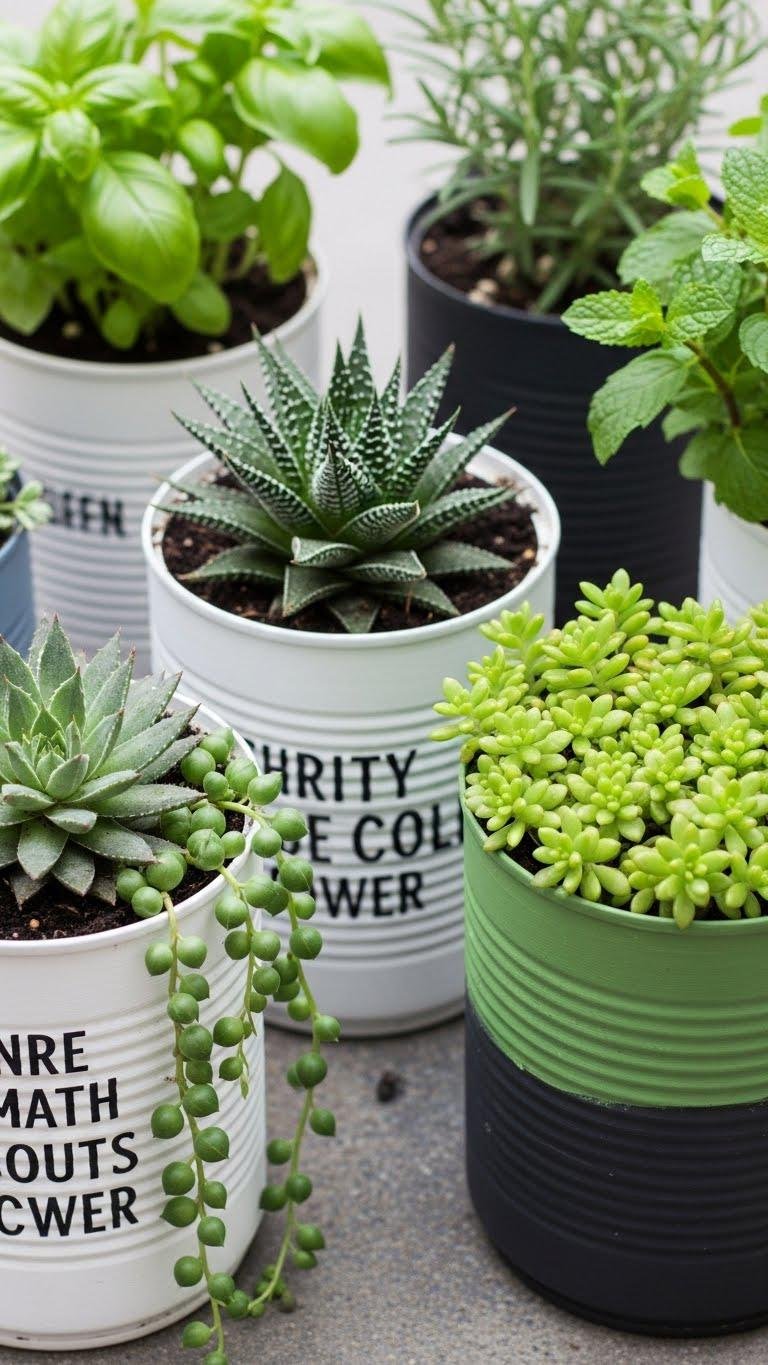
If you liked making aluminum-can planters, painted tin can table pots offer a step up in style without adding complexity. You’ll strip, sand, and prime cans, then layer paint for durability.
Use metallic patterns for chic highlights and botanical stencils to add personality. Seal with clear coat, add drainage, and place succulents or herbs.
It’s a free, bold way to personalize your space.
Two-Liter Animal Bottle Planters
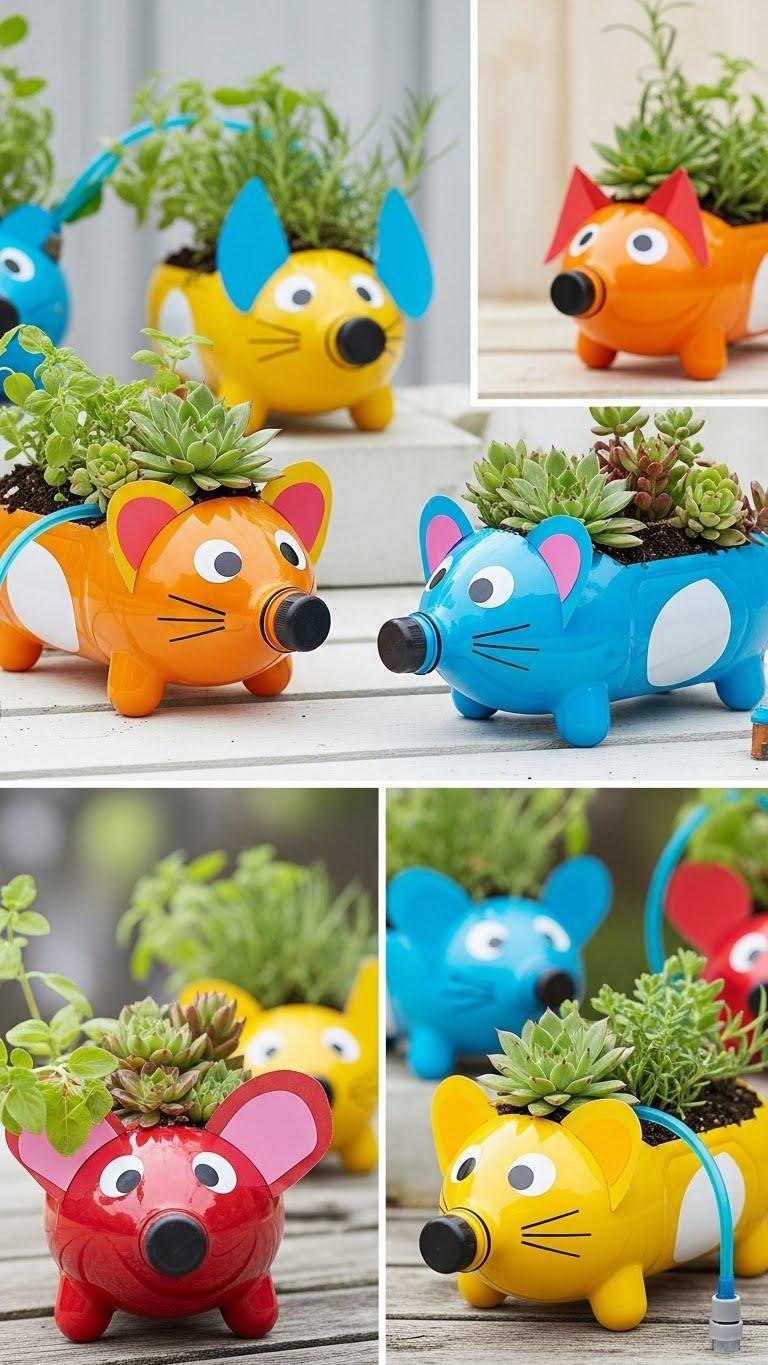
Grab a couple of empty two-liter bottles and you’ve got a lightweight, weatherproof base for playful animal planters that are cheap, kid-friendly, and surprisingly durable.
You’ll cut, paint, and shape ears, tails, and faces, then add soil and succulents or herbs. Use a recycled terrarium approach and simple bottle irrigation to conserve water, keep plants healthy, and enjoy portable, joyful green companions.
Soda Bottle Succulent Pots
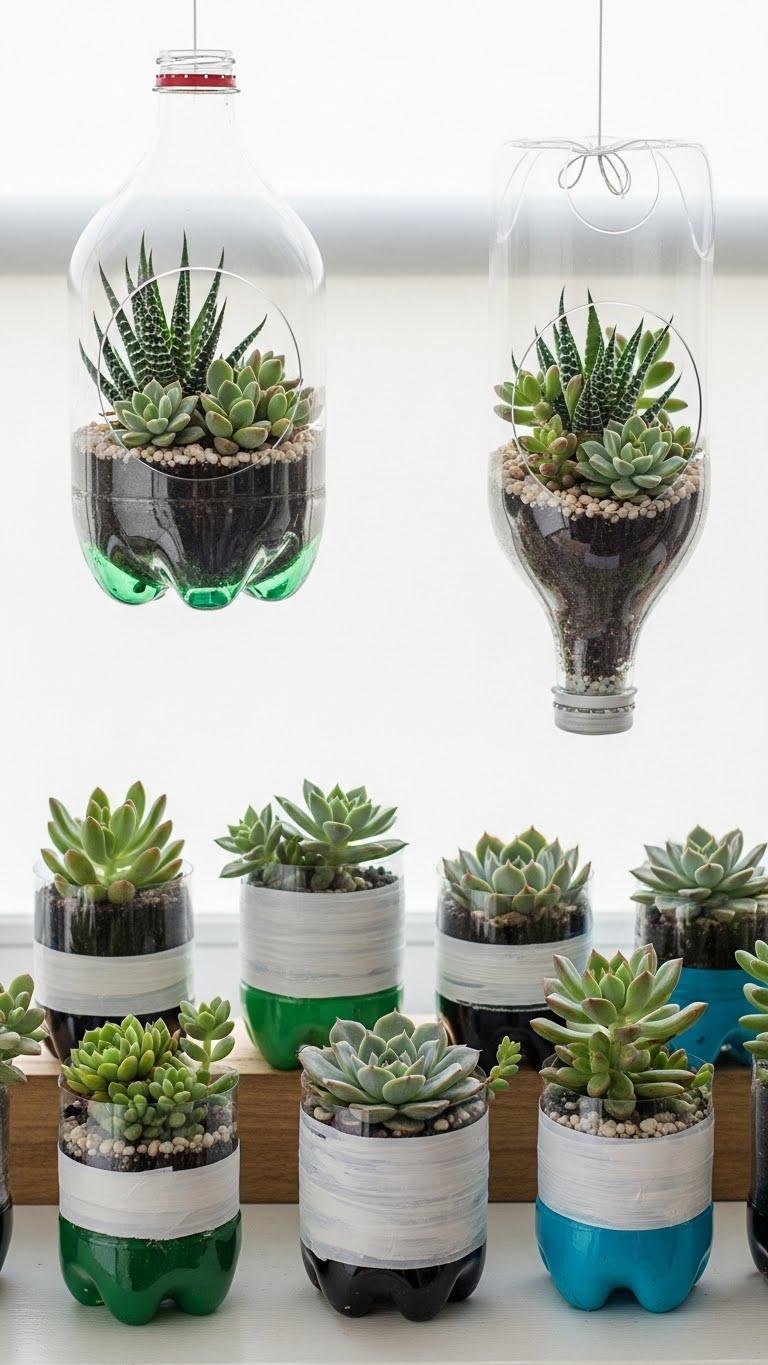
You can take the same lightweight two-liter bottles used for animal planters and turn smaller soda bottles into tidy succulent pots that fit windowsills and shelves.
Cut bottles to create shallow containers, add drainage gravel, cactus mix, and small succulents.
Paint or wrap for privacy, or suspend an upcycled soda bottle as a minimalist hanging terrarium.
Maintain bright, indirect light and minimal watering.
Bottle Greenhouse Mini Planters
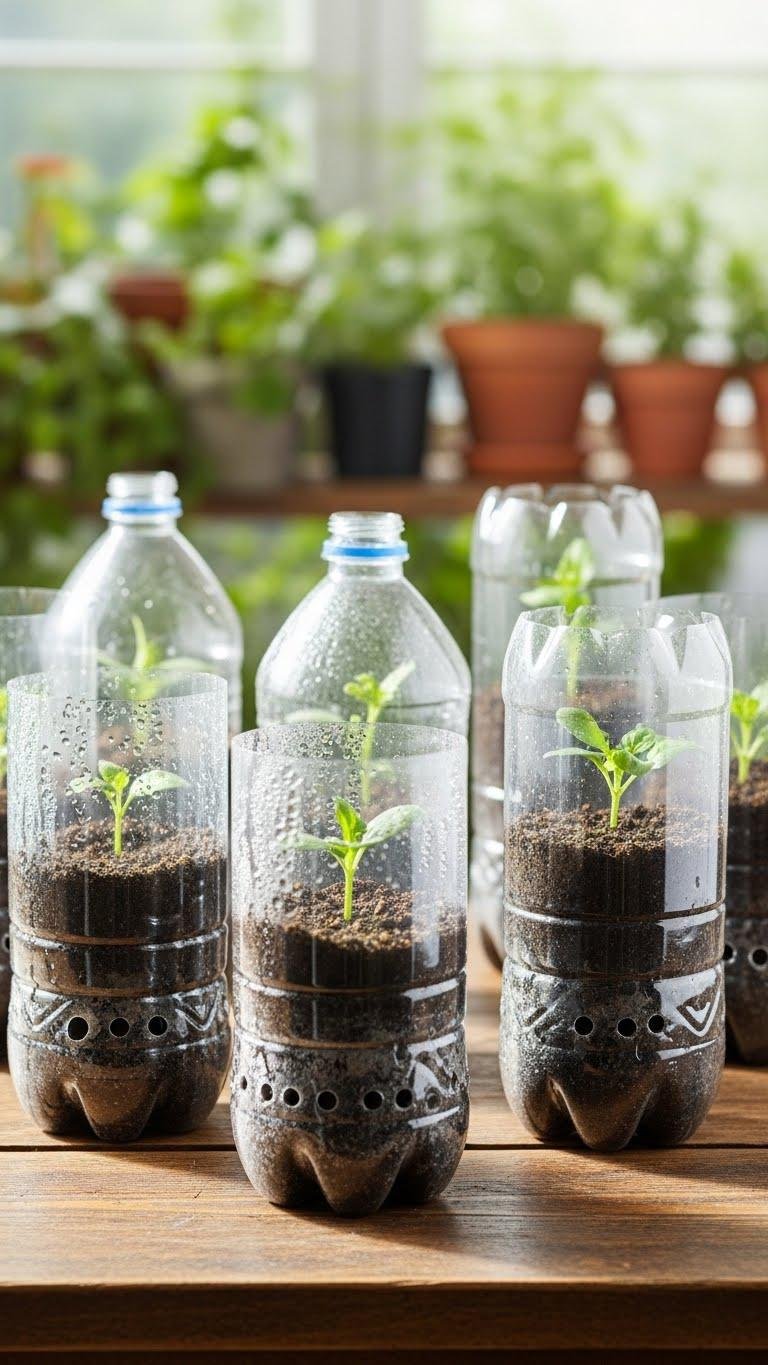
When you cut down plastic bottles to create mini greenhouses, they turn fragile seedlings into resilient starters by trapping humidity and warmth without taking up much space.
You’ll slice bottles, add drainage, and nest seedlings into recycled pots for easy bottle propagation.
These compact mini greenhouses let you control moisture, speed germination, and move plants freely — ideal for anyone craving low-cost, portable gardening freedom.
Teacup and Mug Succulents
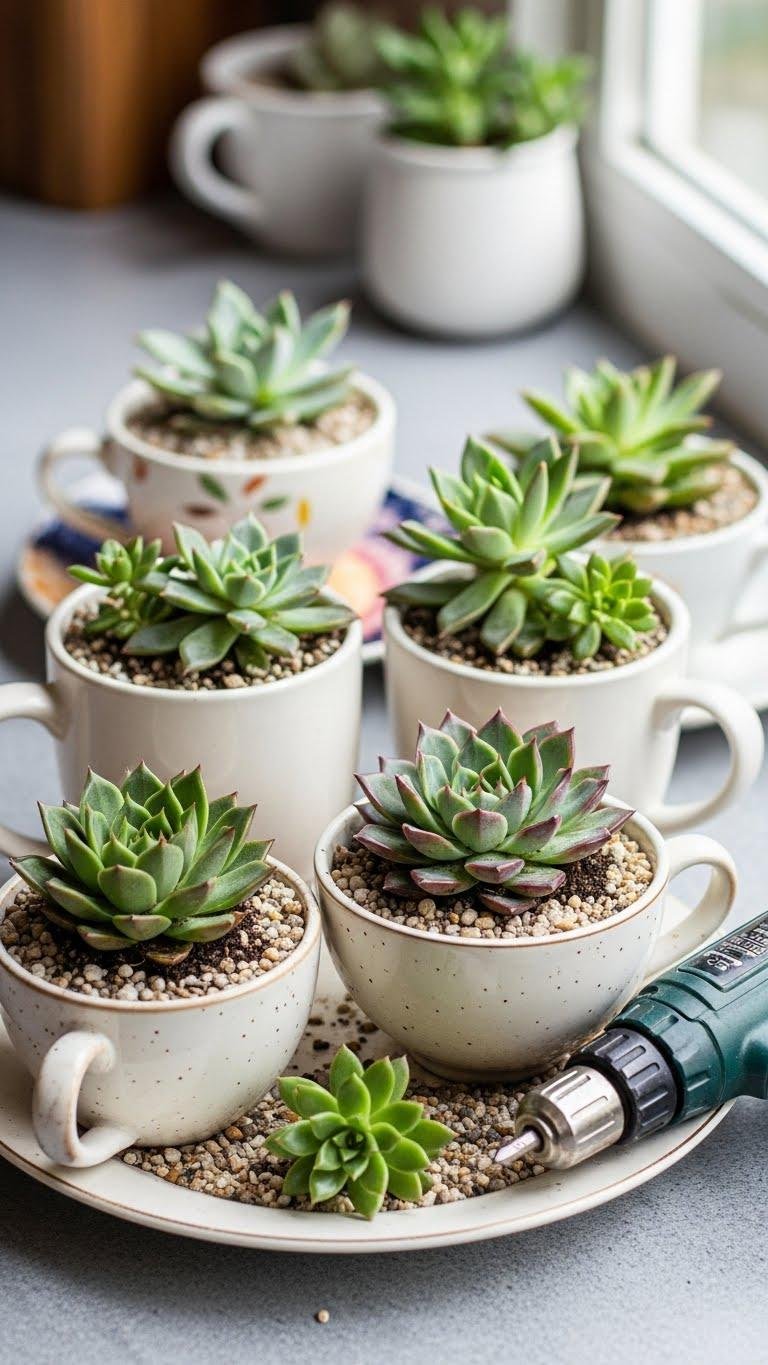
Looking for a charming way to display succulents in small spaces? Use teacups or mugs with a vintage saucer for balance; drill a tiny drainage hole or layer gravel to prevent rot.
Choose cups with sturdy painted glaze or rough finishes that suit your style. You’ll repurpose found items, control watering easily, and create portable, low-maintenance displays that free up countertop and windowsill space.
Prescription Bottle Seed Starters
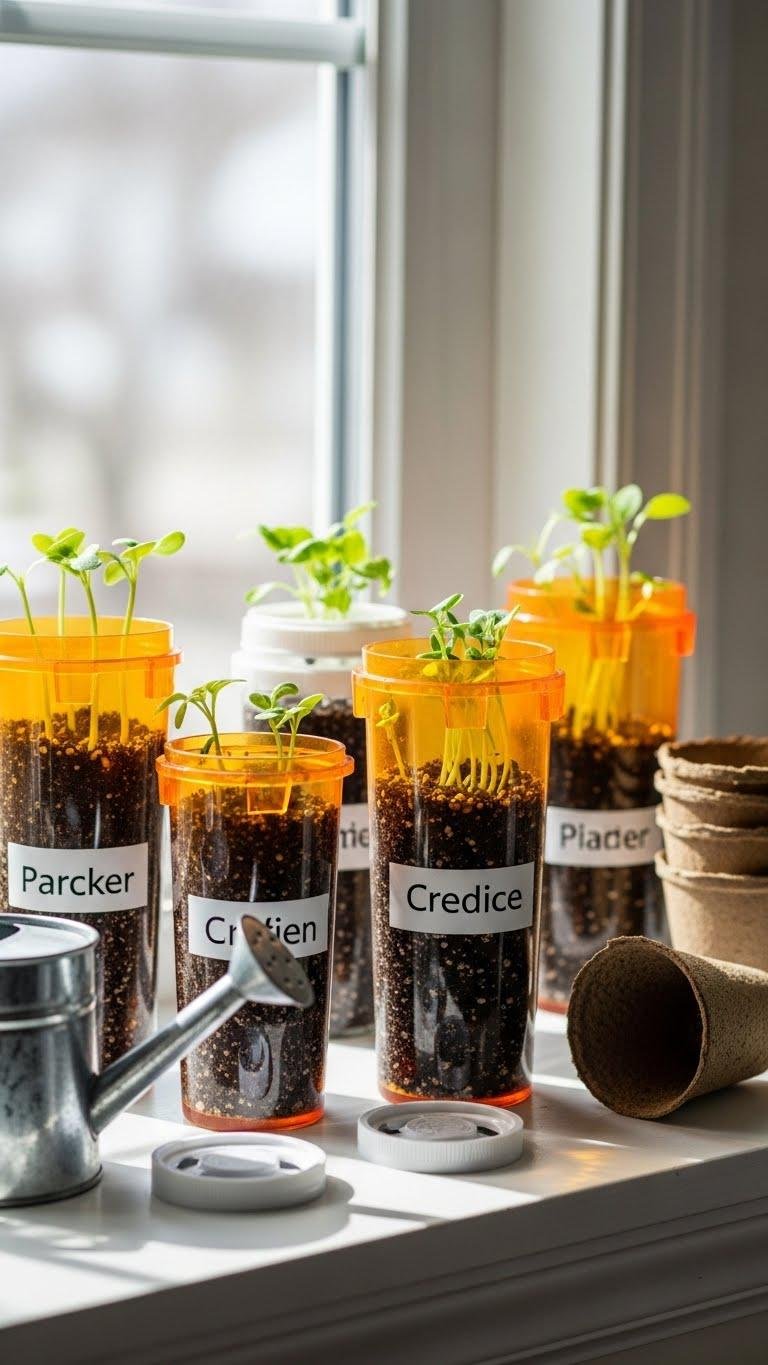
Repurposing prescription bottles into seed starters gives you a compact, organized way to begin seedlings without buying trays. You’ll clean pill bottle containers, punch drainage holes, and label crops for easy rotation.
Fill with seed mix, water gently, and keep warm until germination. When roots need room, transplant seedlings into biodegradable pots or straight into soil, reducing waste and costs.
Clamshell Seed-Starting Trays
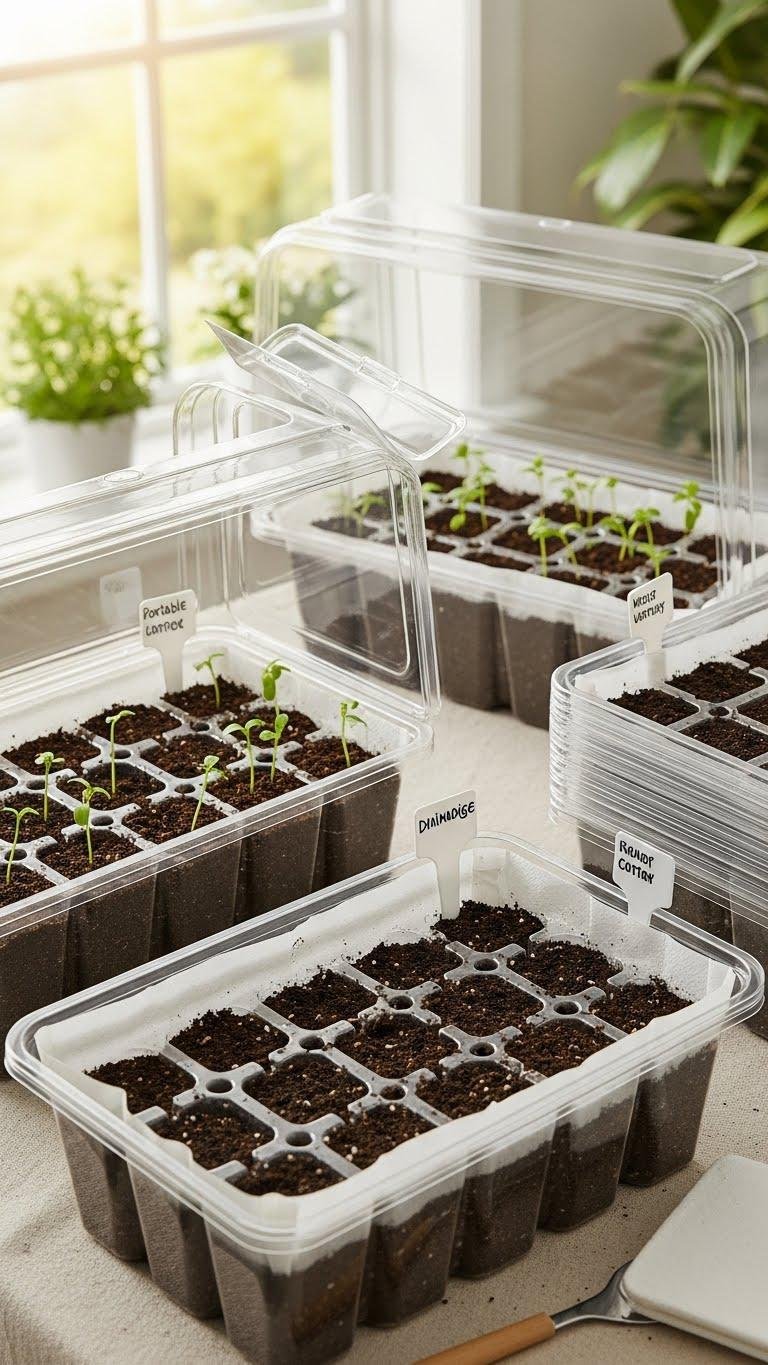
Grab clear plastic clamshells from grocery stores and turn them into inexpensive, effective seed-starting trays. You’ll punch drainage, add biodegradable liners to hold soil, and sow seeds with firm contact.
Use the hinged lid for humidity control, opening daily to harden seedlings. They’re portable, stackable, and easy to label, giving you autonomy over a tidy, low-cost nursery.
Ice Cream Container Cacti Pots
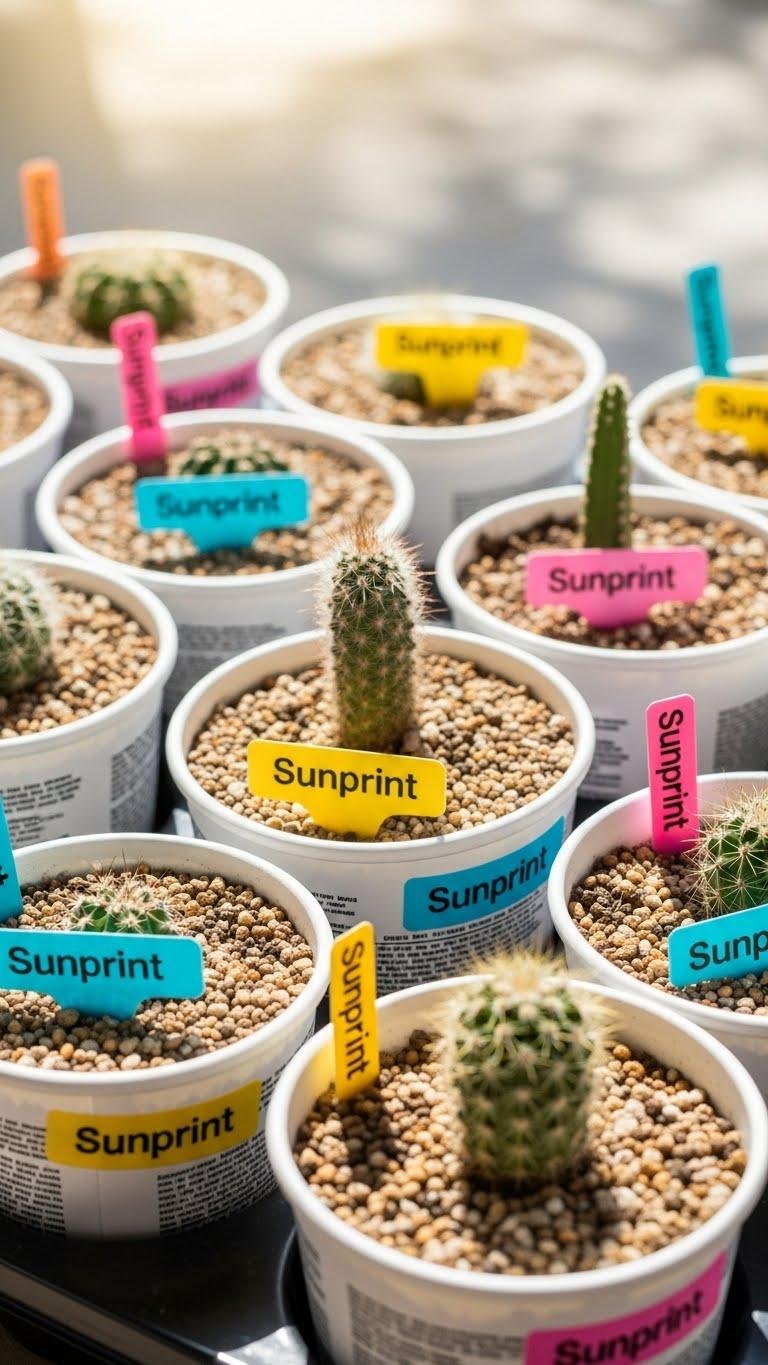
If you liked how clamshell trays keep seedlings tidy, ice cream tubs offer the same neat, low-cost solution for slow-growing cacti.
You’ll sterilize tubs, add drainage, and fill with gritty mix. Use DIY scoops to portion soil, label each pot with Sunprint labels for sun-safe ID, and position tubs for airflow. You’ll save money and keep care simple.
Eggshell Mini Planters
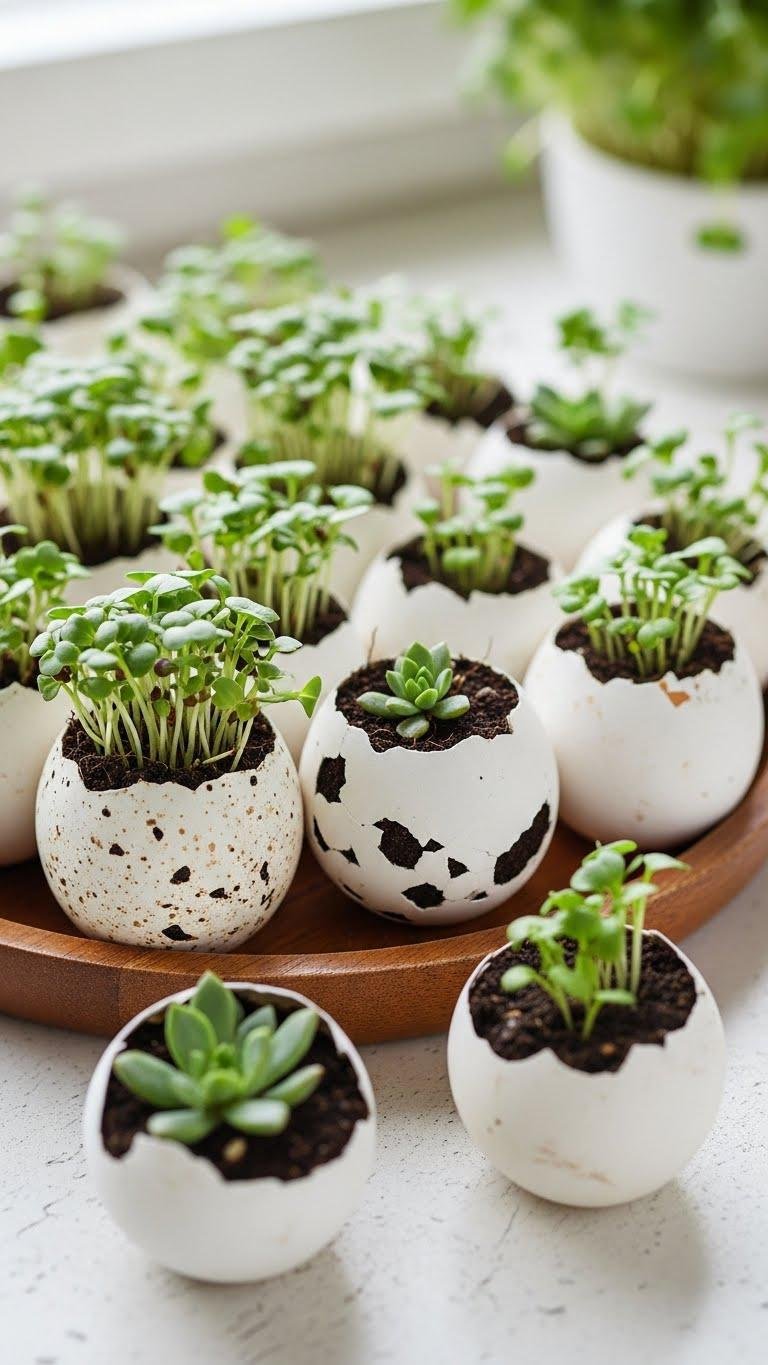
Often overlooked, eggshells make excellent mini planters for seedlings and succulents because they’re naturally porous, compostable, and perfectly sized for starting roots. You can crack clean halves, fill with soil, and plant microgreen starters or tiny succulents. Arrange shells into decorative eggshell mosaics or nest them in a tray. They’re portable, biodegradable, and let you transplant seedlings with minimal root disturbance.
Covered Tin Gift-Paper Pots
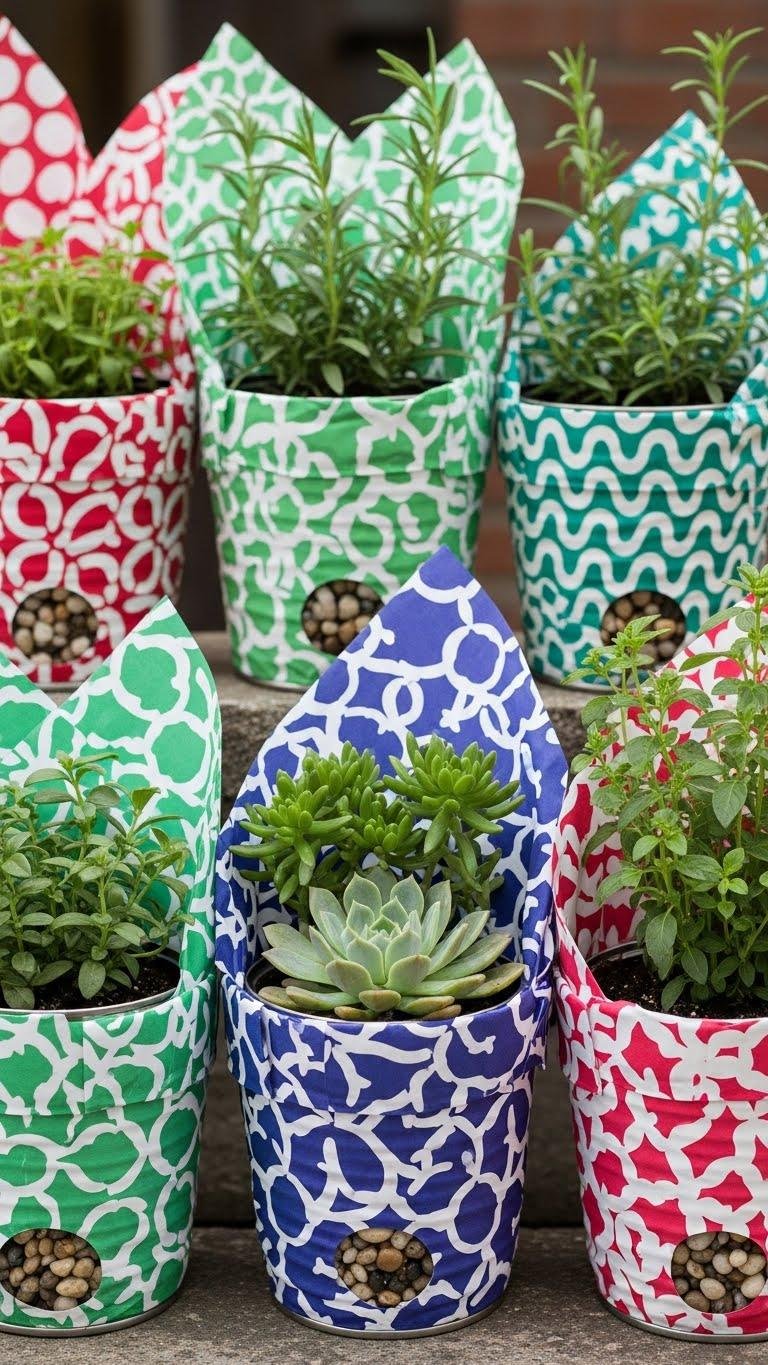
Wrapped in colorful gift paper, covered tin pots turn ordinary cans into stylish, durable planters you’ll want to display. You’ll prep tins, seal edges, and use simple gift wrapping techniques to weatherproof surfaces.
Mix prints confidently with pattern mixing tips that balance scale and color. Drill drainage, add pebbles, and pot herbs or succulents — portable, low-cost, and liberating.
Denim Pocket Vertical Planters
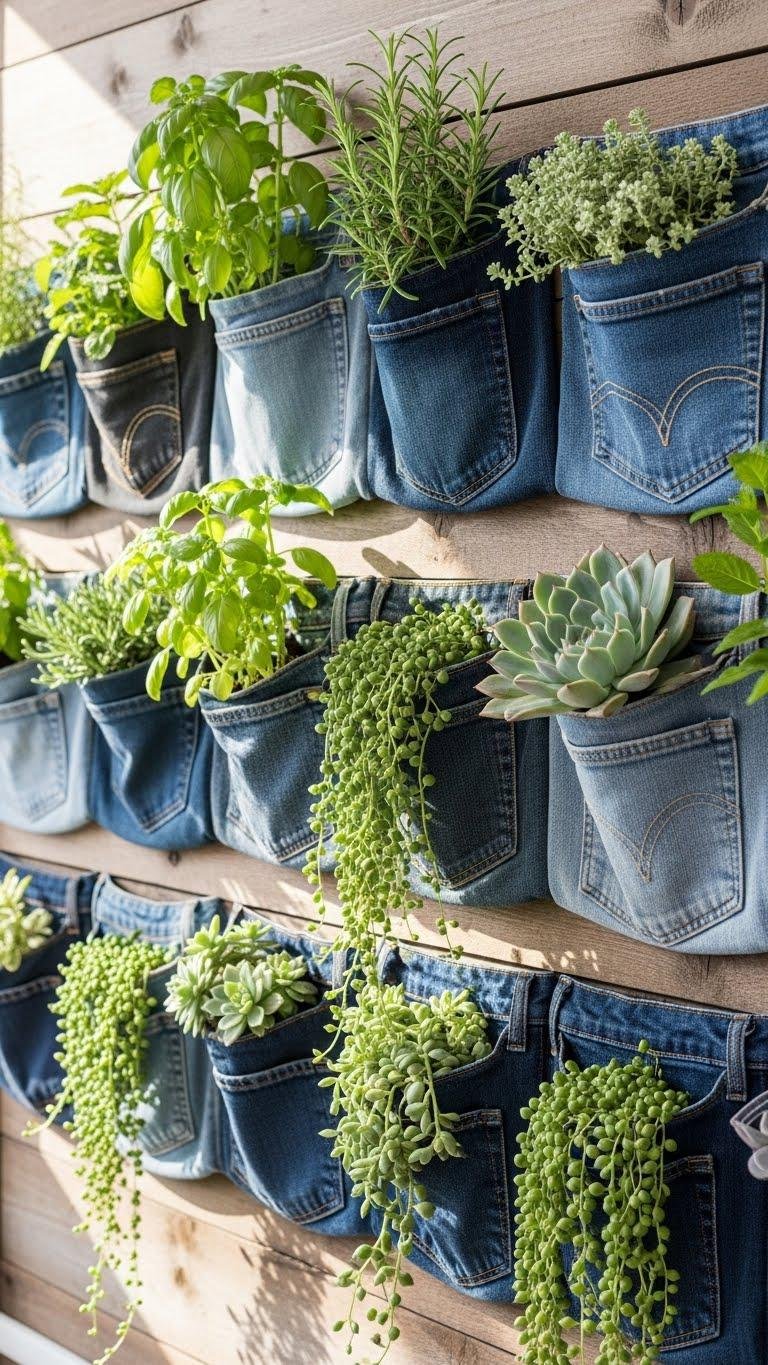
You can take the same upcycling spirit from covered tin pots and turn old jeans into a space-saving fabric garden: denim pocket vertical planters let you hang herbs, succulents, or trailing plants on a wall or fence using the sturdy back pockets as mini pots.
You can mount denim pockets in rows, add drainage, and swap plants quickly—simple, freeing, and low-cost vertical pockets.
DIY Fabric Grow Bags

Building your own fabric grow bags gives you a breathable, lightweight alternative to plastic pots that improves root health and cuts costs.
Use upcycled denim or sturdy fabric, sew simple seams, and add breathable liners to retain soil while allowing airflow.
You’ll control size, drainage, and portability, freeing your garden from reliance on store-bought containers and embracing DIY resilience.
Stick-Wrapped Jute Rope Planters
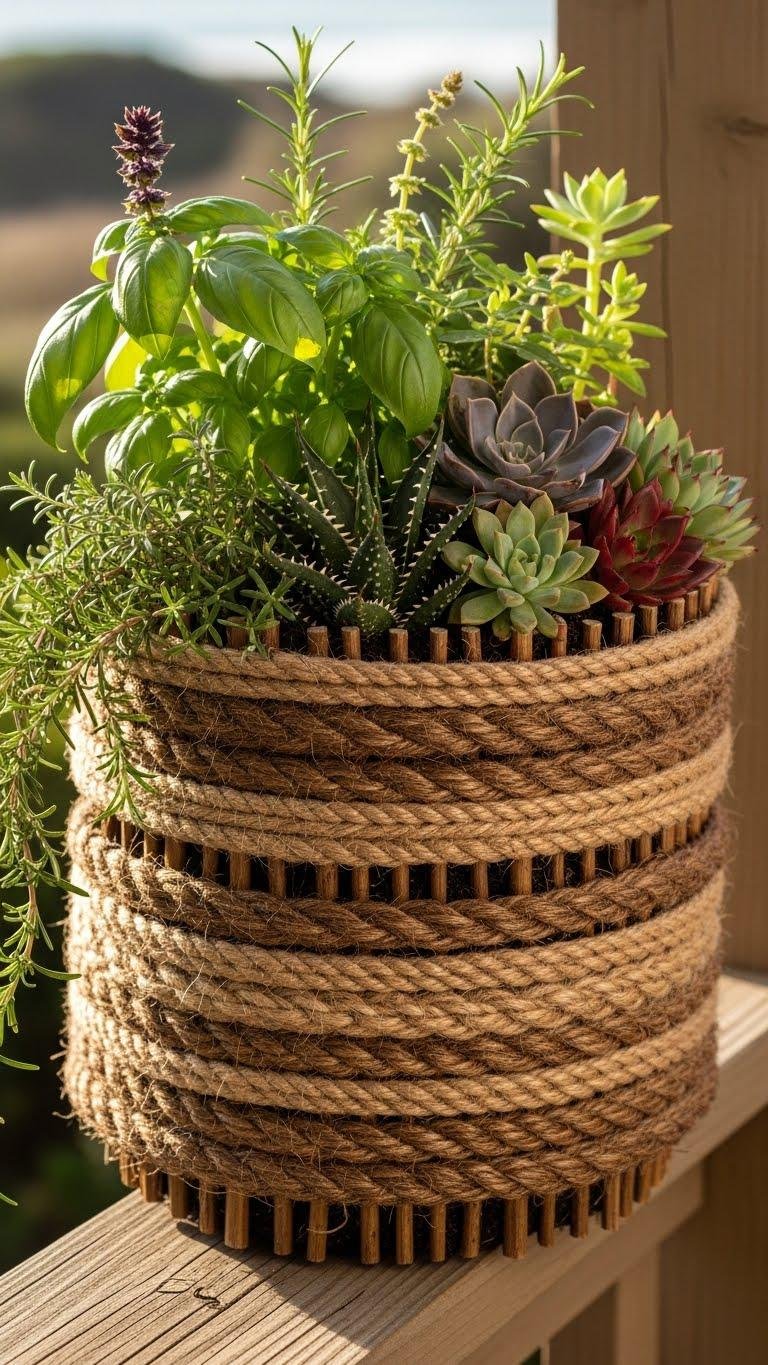
Create a rustic, sturdy planter by tightly coiling jute rope around a stake or bundle of sticks, securing each wrap with glue or twine to form a durable, breathable container. You’ll craft a lightweight pot that shows off rustic texture and a subtle coastal vibe.
Plant herbs or succulents, hang or set it free on a porch, and enjoy low-cost, rugged style.
Macramé Coconut Hangings
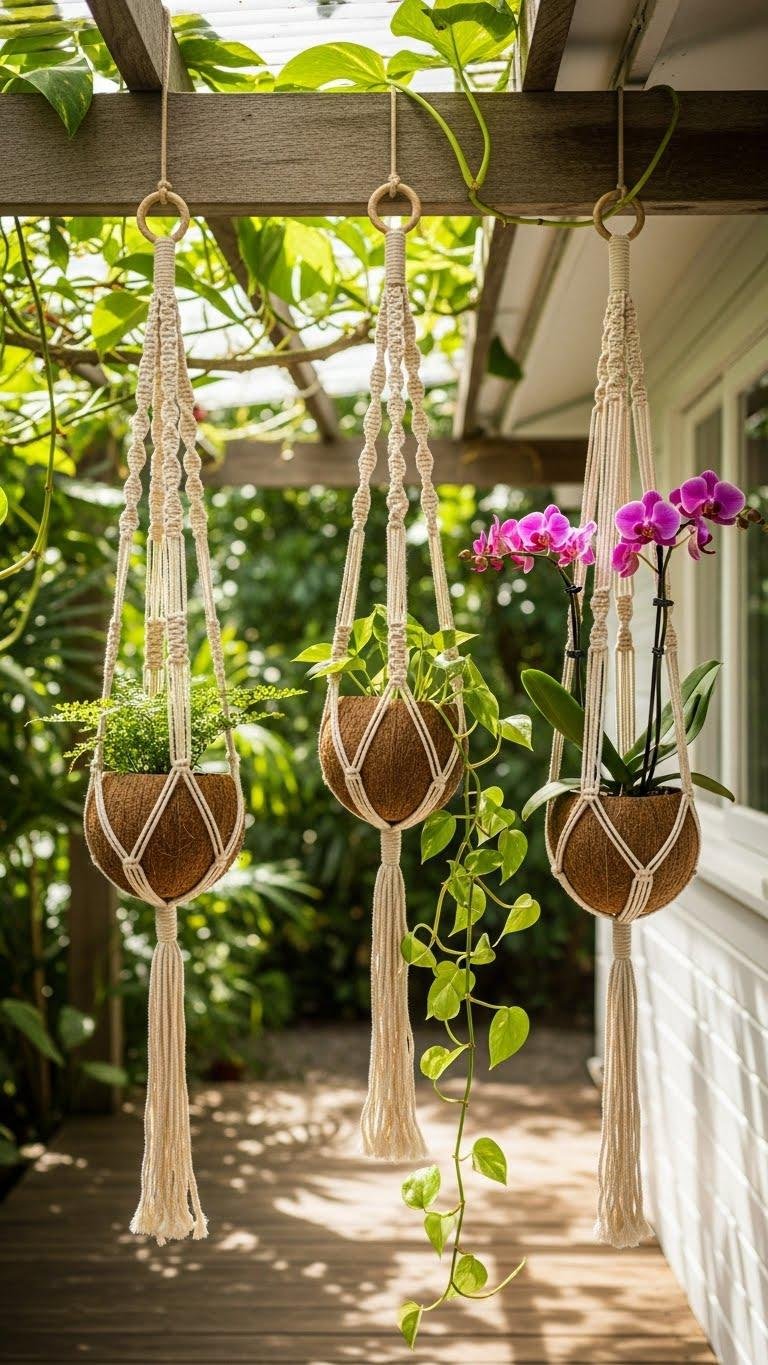
Bring a tropical, handmade touch to your porch with macramé coconut hangings that pair natural fibers with hollowed coconut shells for instant character and drainage.
You’ll knot sturdy cords into simple patterns, secure shells as planters, and leave space for airflow.
They’re lightweight, portable, and low-cost, giving you freedom to rearrange greenery and personalize outdoor nooks with minimalist, resilient style.
Decoupage Decorative Containers

Using simple supplies and a bit of patience, you can turn ordinary jars, tins, or plastic pots into eye-catching planters with decoupage techniques.
Choose vintage sheetlets or patterned paper, trim to fit, then apply mod podge techniques for smooth adhesion and sealing.
You’ll sand edges lightly, layer thin coats, and let each dry — creating portable, reclaimed planters that express your independent style.
Pebble-Embellished Tin Pots
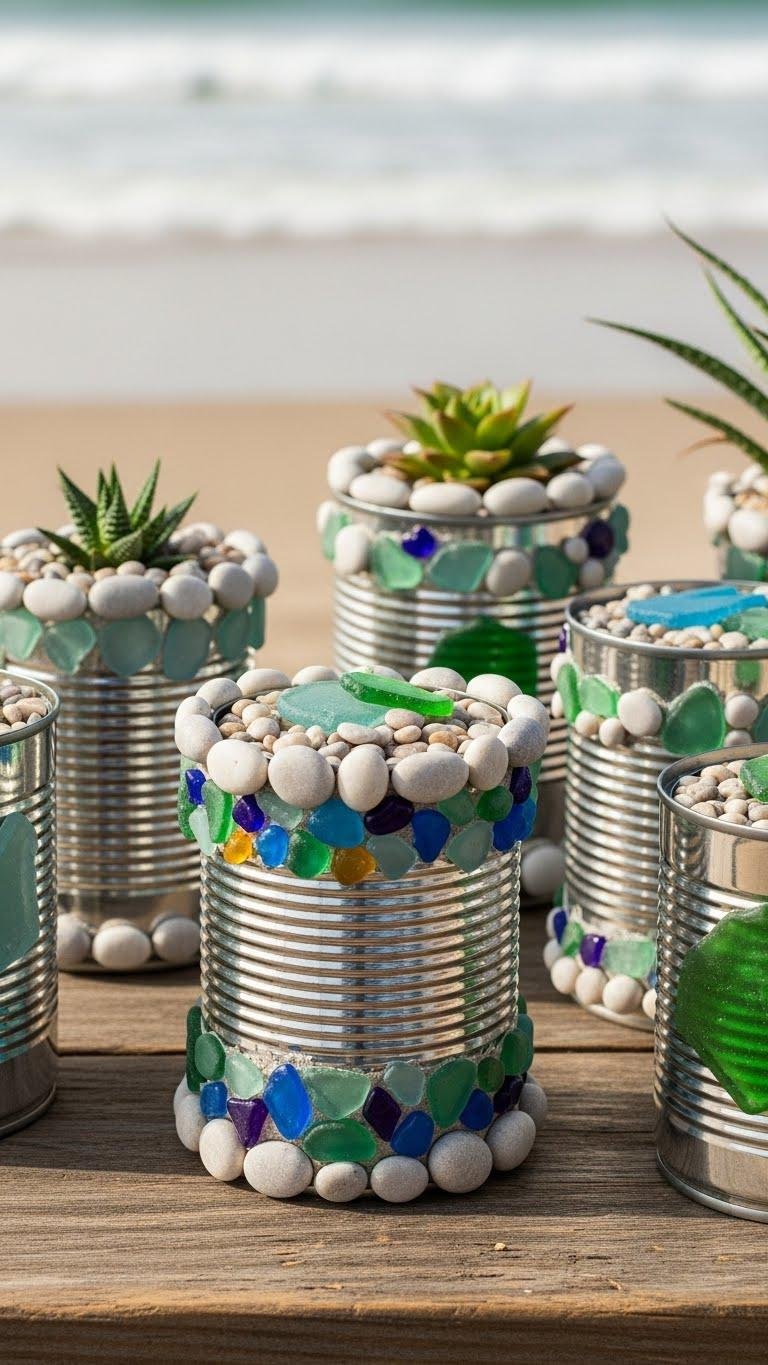
Transform ordinary tin cans into textured, coastal-inspired planters by glueing smooth pebbles and river stones around their exteriors. You’ll select stones and a few sea glass pieces for accents, prep cans with primer, then adhere with waterproof craft glue. Drainage holes and a liner keep roots healthy. You’ll enjoy a durable, portable planter that feels handcrafted and free-spirited.
Stenciled Coffee Can Planters

Stenciling coffee cans gives you a quick way to turn plain metal into custom planters that look polished and intentional.
You’ll strip labels, sand lightly, and use recycled stencils or coffee typography masks to add bold graphics.
Prime, paint, stencil, and seal for weather resistance.
Punch drainage holes, add gravel, then soil.
This frees you to craft distinctive, portable planters with zero waste.
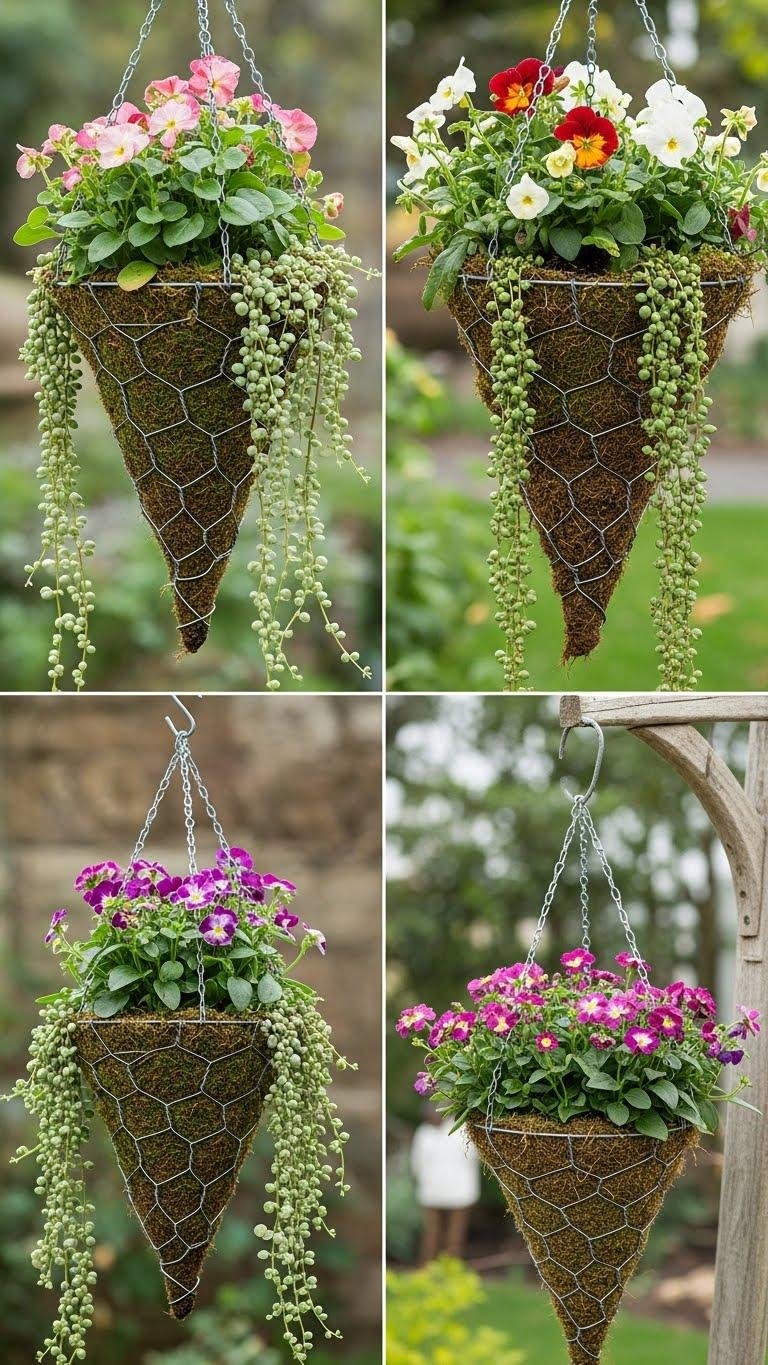
Moss-Lined Chicken Wire Cones
Pallet Vertical Garden Stand
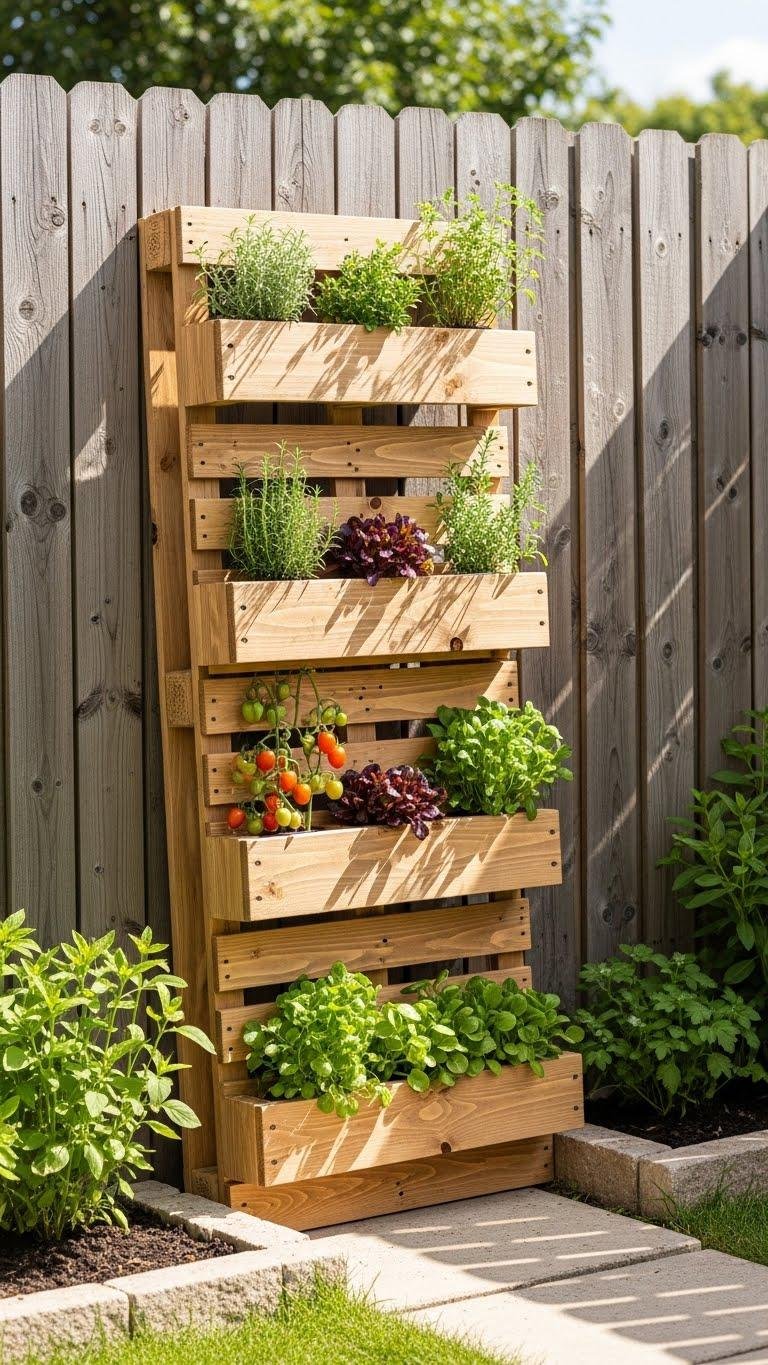
Built from a single reclaimed pallet, a vertical garden stand turns small spaces into productive green walls you can hang or lean against a fence.
You’ll sand, reinforce slats, add pockets or troughs, and seal with weatherproof stain for longevity.
Plant herbs for easy herb rotation, vine tomatoes, or compact greens.
It’s portable, low-cost, and lets you reclaim space and grow freely.
Shoe Organizer Vertical Planters
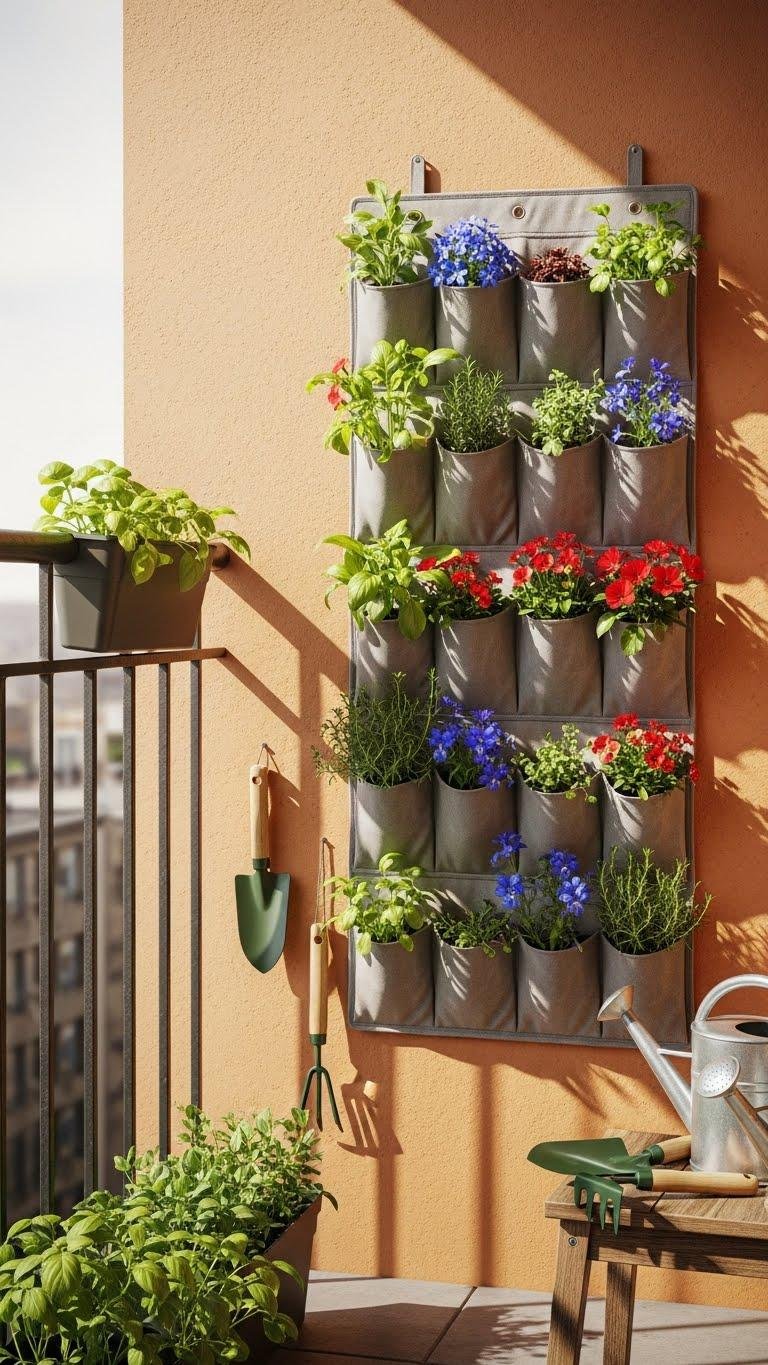
Tucked against a balcony railing or hung on a sunny wall, a fabric shoe organizer makes an instant vertical planter you can set up in minutes. You’ll use hanging pockets as mini beds: line them for drainage, add potting mix and seedlings, and hang at reachable height.
Shoe compartments keep plants tidy and accessible, freeing your space and letting you garden with minimal fuss.
Colander and Rusted Bucket Herb Boxes

For a quick, charming herb garden you can rig in an afternoon, repurpose metal colanders and rusted buckets as planters—you’ll get instant drainage and rustic character without buying new pots.
You’ll drill or widen holes as needed, line with coarse gravel for drainage solutions, treat sharp rust with basic rust removal, and plant herbs that tolerate sun and airflow for low-maintenance freedom.
Burlap Coffee Sack and Crate Planters
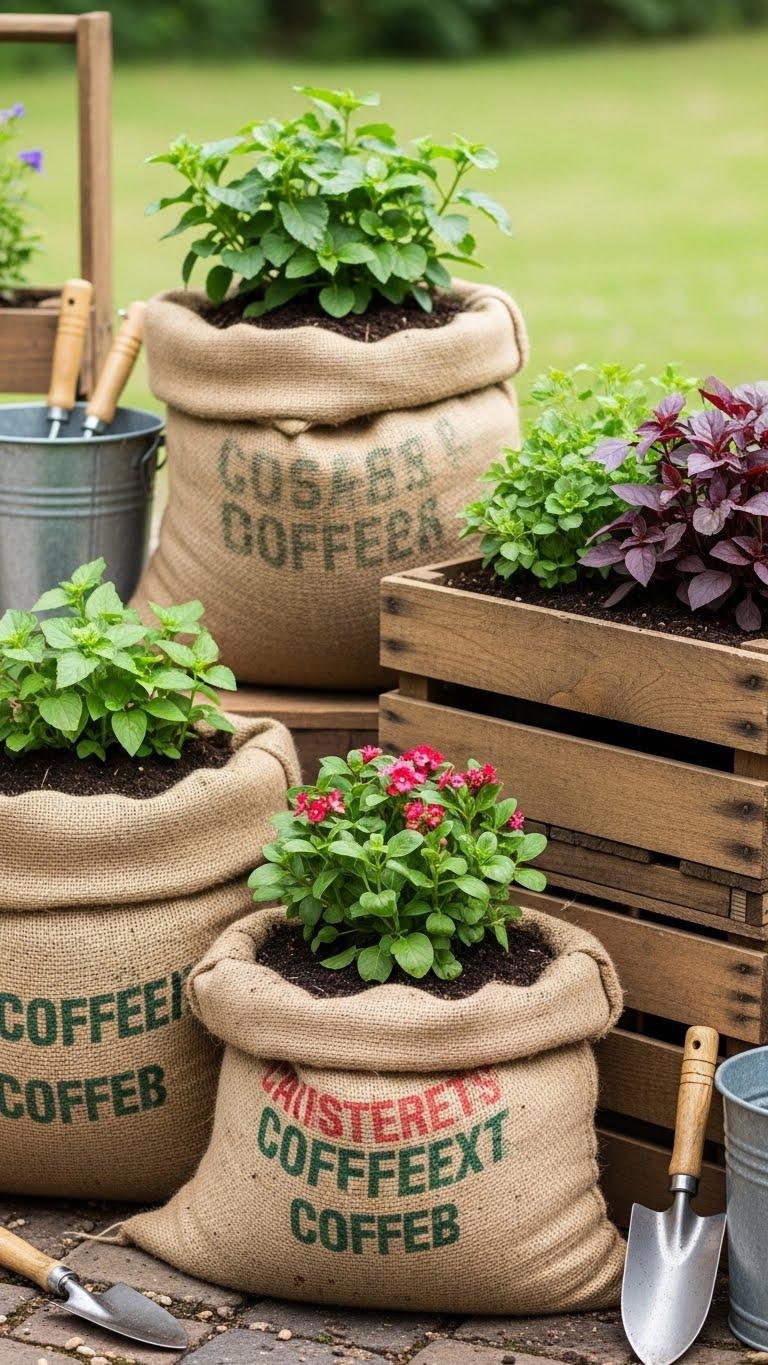
If you liked the rustic look of colanders and buckets, burlap coffee sacks and wooden crates offer a similarly weathered charm but with softer, more flexible options for containing soil. You’ll line sacks to retain soil, drill crate drainage, and mix potting soil with compost.
Embrace the rustic texture and faint coffee aroma, moveable and breathable planters that let you garden freely.