
You can get crops growing every month with a few smart habits: map microclimates, succession-sow fast greens, start tender plants indoors, and build simple cold frames and covers to stretch seasons. I’ll walk you through practical timing, bed prep, crop rotation, and quick hardening-off tricks so you avoid common mistakes and keep harvests steady—here’s where to begin.
Start Fast-Growing Spring Crops in Early Autumn
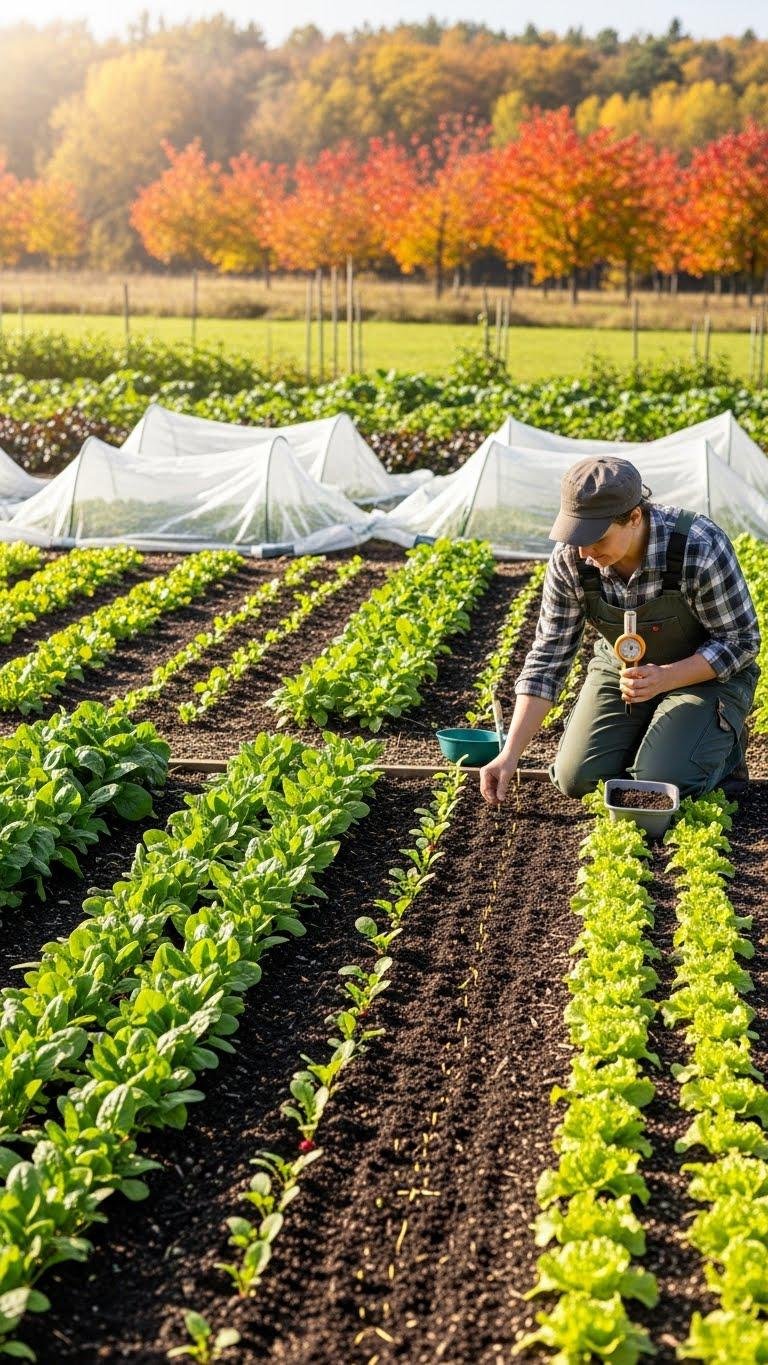
Get a jump on spring harvests by sowing fast-growing cool-season crops in early autumn; they’ll take advantage of milder temperatures and steady moisture to establish strong roots before winter. You’ll monitor soil temperature, choose crop selection that suits your zone, and space seeds for airflow. Stay practical: protect seedlings from frost, stagger plantings, and relish the freedom of an extended growing season.
Prepare Beds With Nutrient-Rich Compost
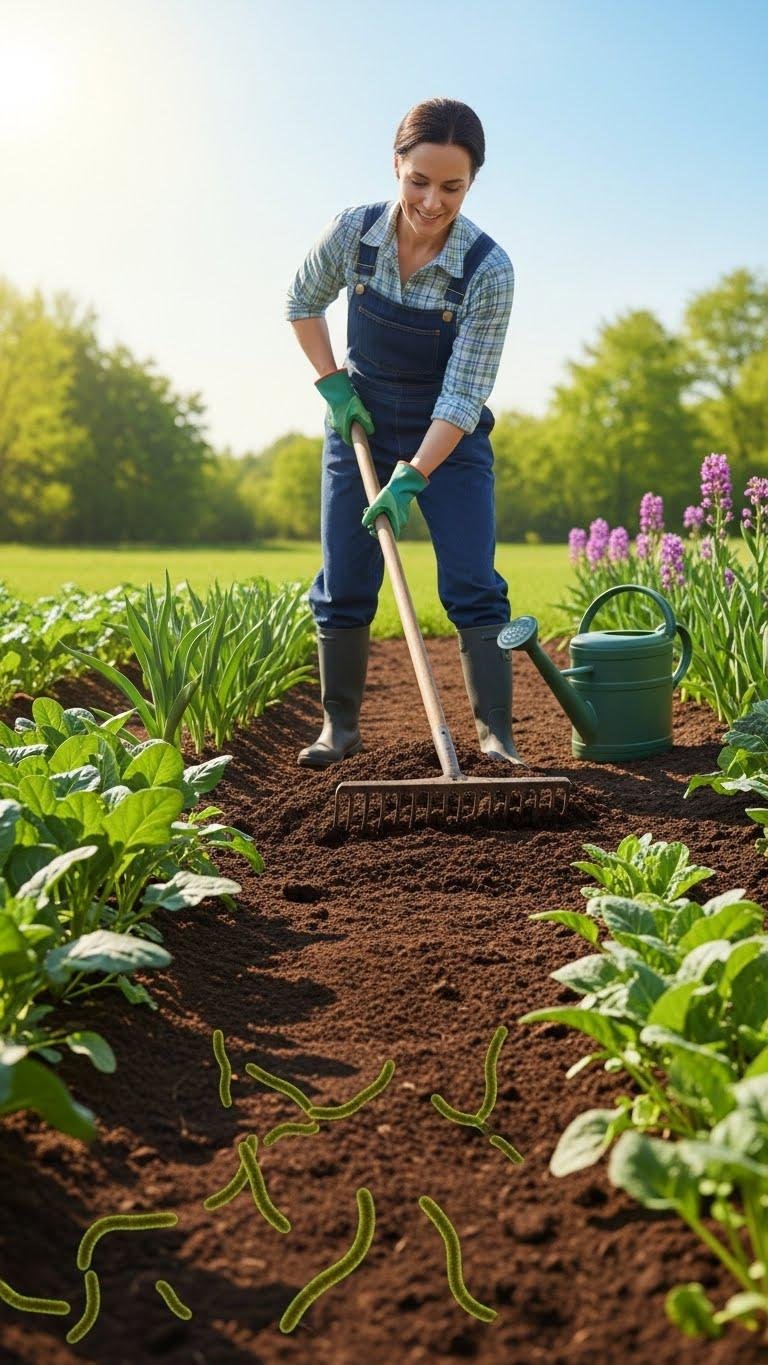
After you’ve given fast-growing spring crops a head start, turn your attention to building beds that will support vigorous growth all season long.
Mix nutrient-rich compost into topsoil to feed plants, improve structure, and promote soil biology. Rake level, water lightly to encourage microbe activation, and let the bed rest a week. You’ll free yourself from constant feeding and enjoy resilient, productive beds.
Replace Winter Lettuce With Loose Leaf Varieties in Mid-February
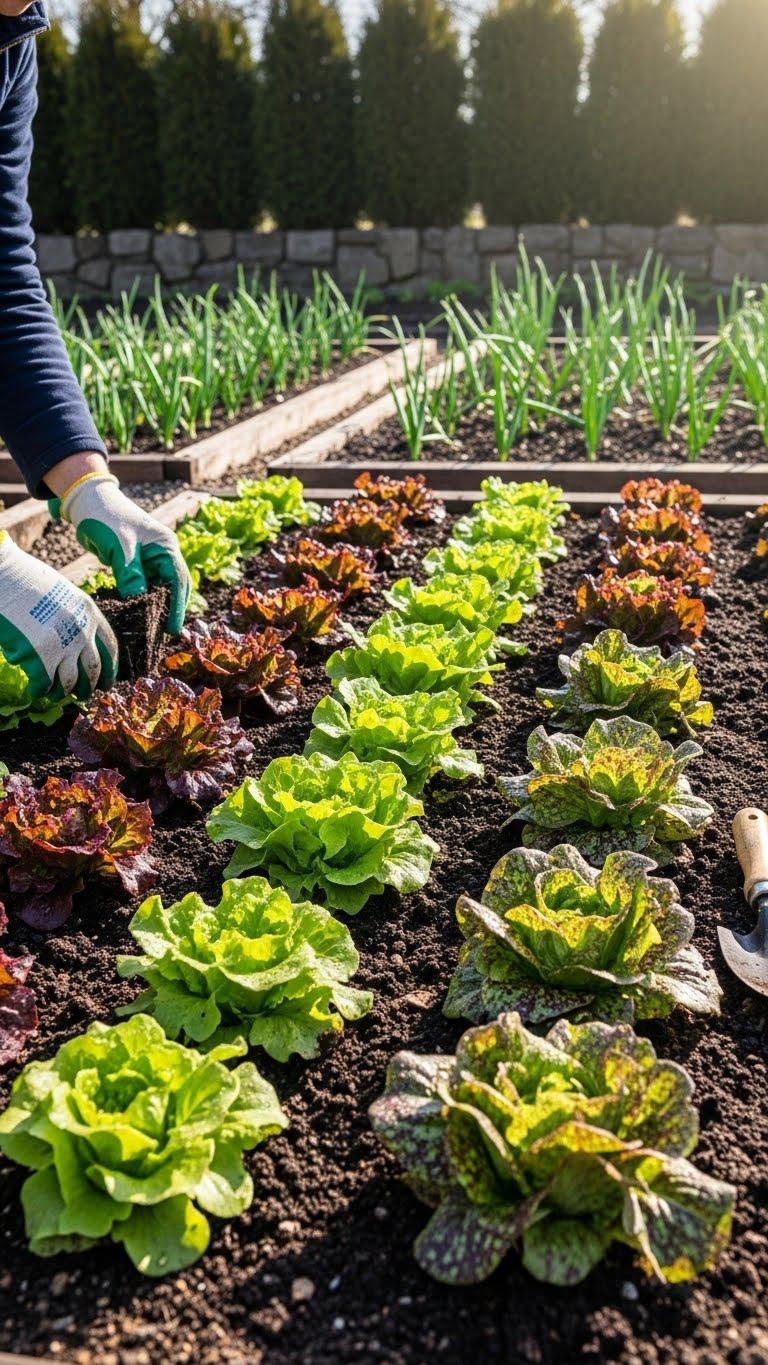
If you’ve been keeping spring onions sowed every few weeks, now’s a good moment to swap out tired winter lettuces for loose-leaf varieties in mid-February.
Choose beds with favorable microclimate selection — sunnier, sheltered spots — and transplant resilient seedlings.
Mind seedling spacing for continuous harvest; thin to encourage airflow and regrowth.
You’ll enjoy quick, flexible salads and more planting freedom.
Start Seeds and Harden Off Seedlings in March
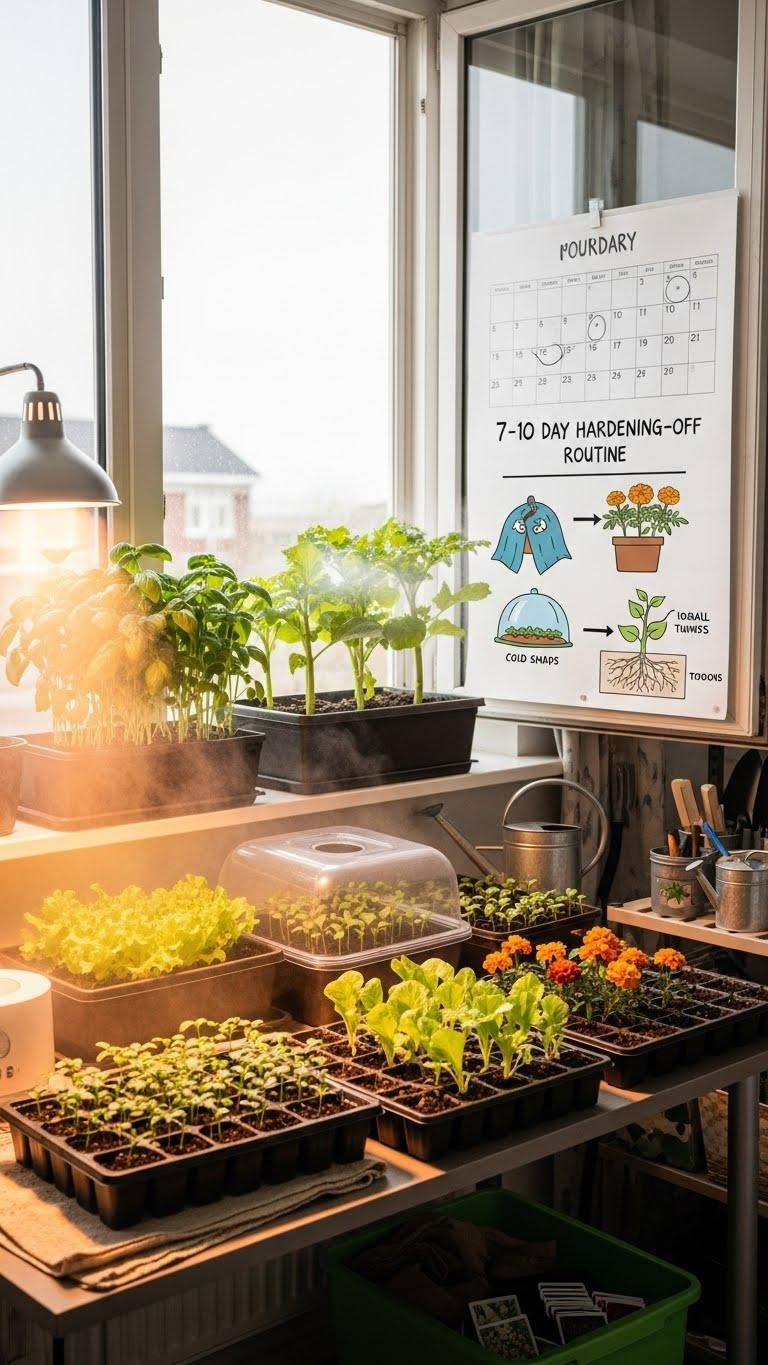
Kick off your March by sowing fast-germinating seeds indoors and planning a staged hardening-off routine so seedlings shift smoothly to outdoor conditions.
You’ll monitor indoor germination, keep trays warm and moist, then expose seedlings to sun, wind, and cooler nights gradually.
Practice seedling acclimation over 7–10 days, protect against cold snaps, and transplant when roots fill pots for confident, free-growing starts.
Prune Fruit Trees and Berry Bushes in Early Spring
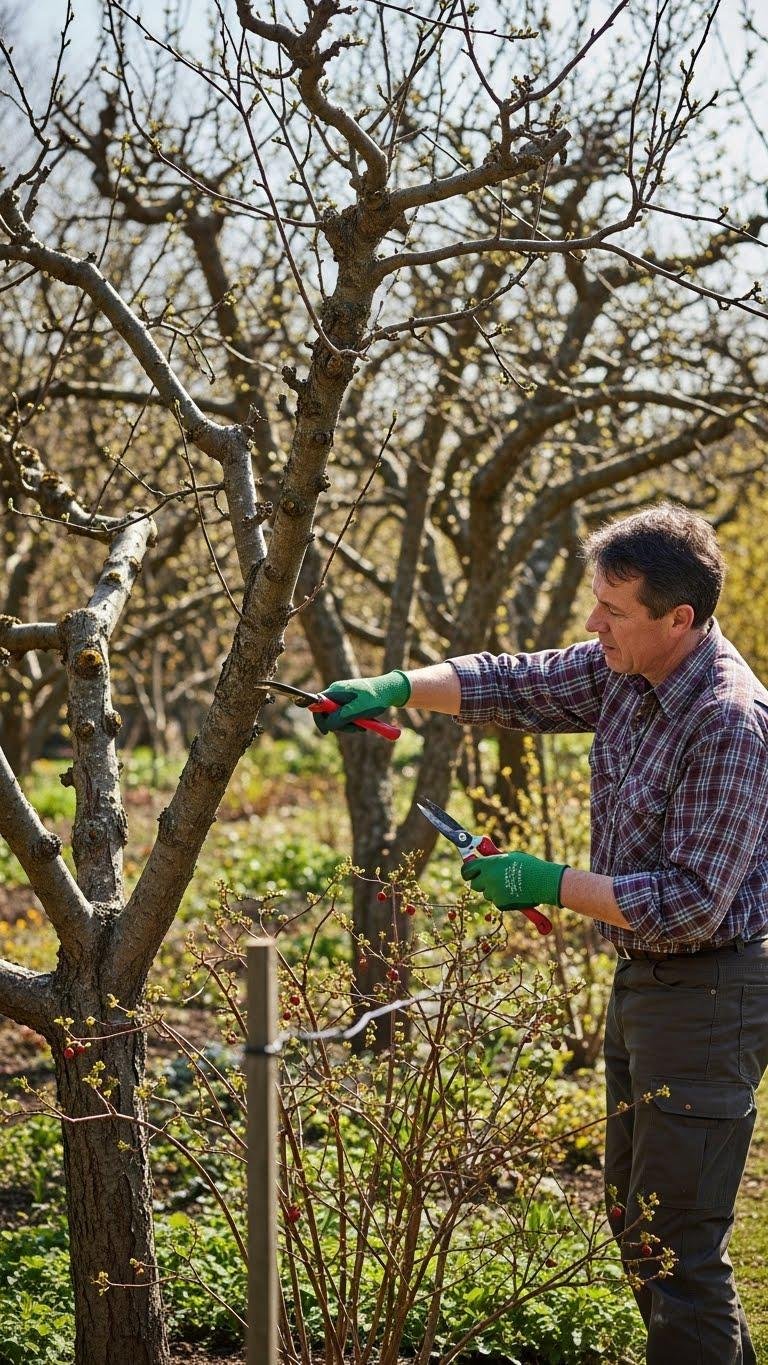
Prune your fruit trees and berry bushes in early spring while they’re still dormant to encourage strong structure, improve air circulation, and stimulate robust new growth.
You’ll remove crossing branches, weak wood, and diseased material as part of dormant sanitation.
Cut strategically to shape canopy, preserve fruiting timing, and balance vigor.
Be bold but selective; tidy cuts and clean tools protect trees and free your garden to flourish.
Plant Heat-Loving Vegetables in Summer Months
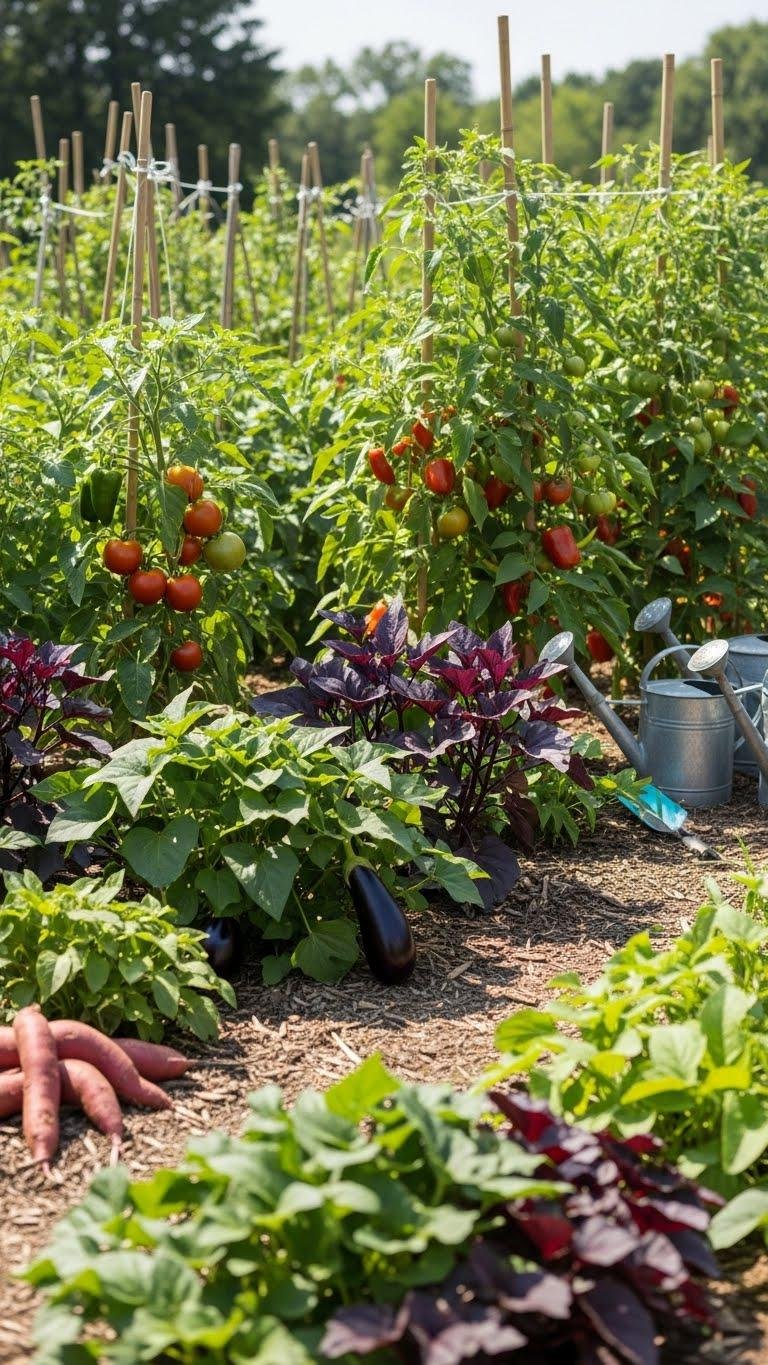
Plant warm-season crops like tomatoes, peppers, eggplants, okra, and sweet potatoes once nighttime temperatures consistently stay above 55–60°F, so they’ll thrive rather than stall. Choose heat tolerant cultivars, space plants for airflow, and pair with companion planting to deter pests and boost yield.
Water deeply in mornings, feed regularly, and harvest freely so your garden fuels summer independence.
Use Shade Cloths or Row Covers to Reduce Sun Stress
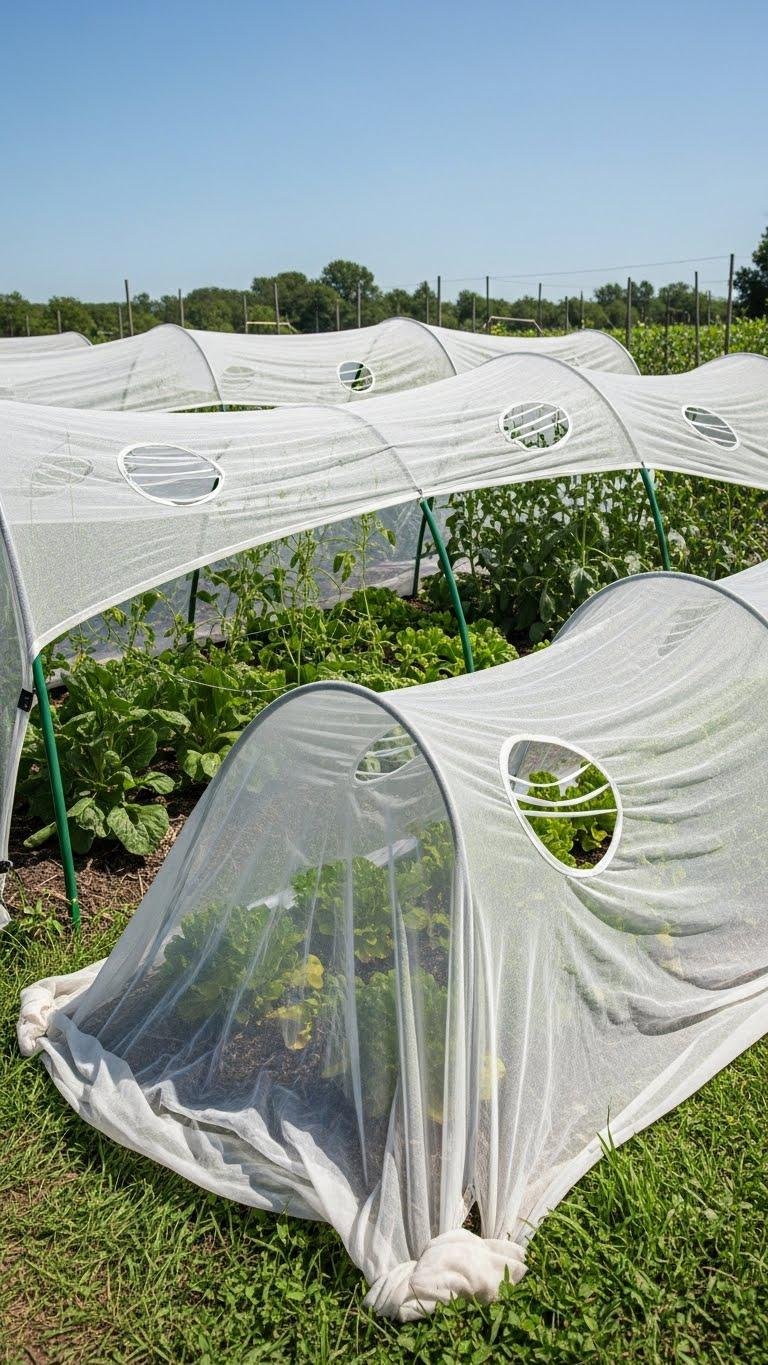
Beat the worst of the sun by installing shade cloths or lightweight row covers over vulnerable beds — they cut heat and UV exposure, lower soil and leaf temperatures, and give tender crops a chance to recover.
You’ll choose fabric weight for UV diffusion, secure edges against wind, and use simple ventilation strategies like propped hoops so plants get airflow, resilience, and freedom to flourish.
Mulch Beds for Peak Summer Protection
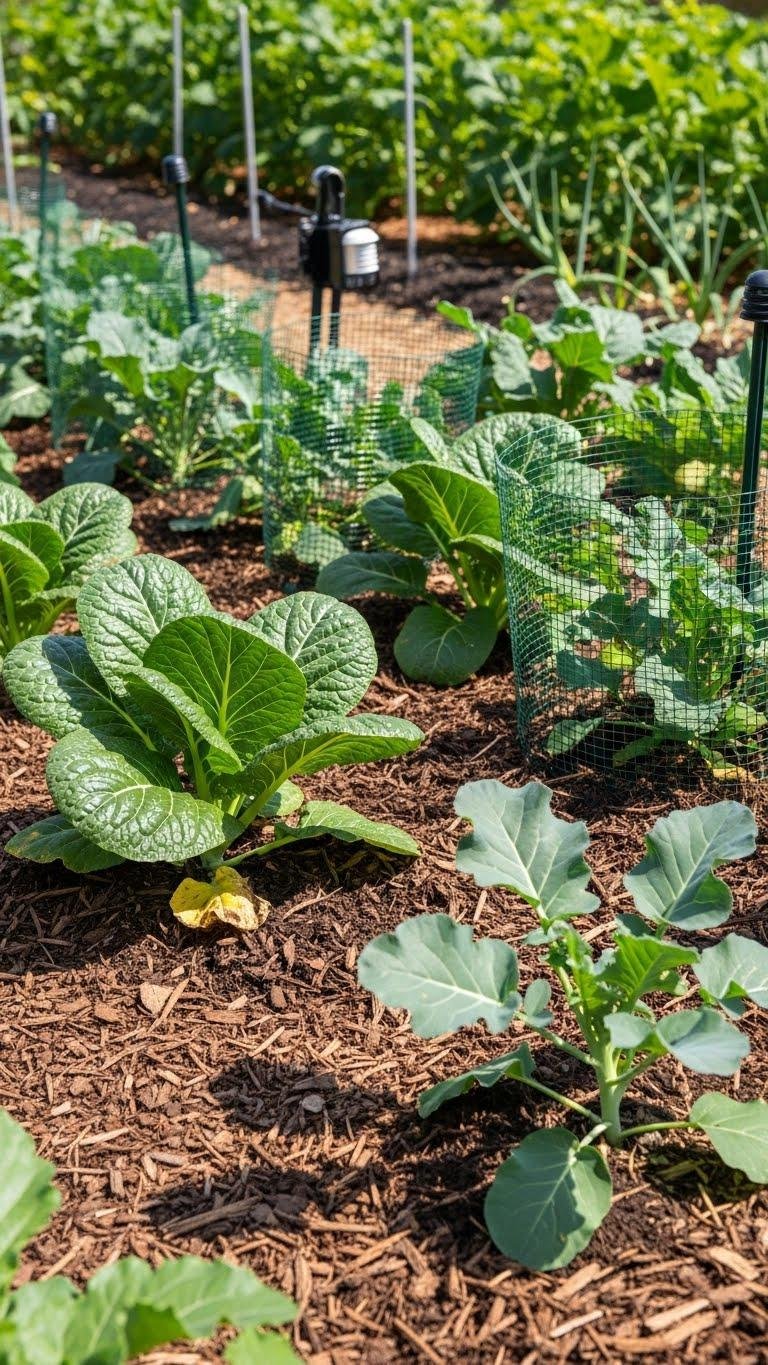
With mulch laid thick around your calabrese and early-sprouting broccoli, you’ll lock in moisture, suppress weeds, and keep roots cooler through peak summer heat.
Layer organic mulch, avoid piling at stems, and install simple pest barriers to protect tender crowns. Check moisture sensors occasionally, irrigate only when needed, and enjoy a low-effort, resilient bed that frees you to harvest and roam.Schedule Successive Lettuce Sows for Continuous Harvests
Plant Cool-Season Crops in Autumn for Winter Growth
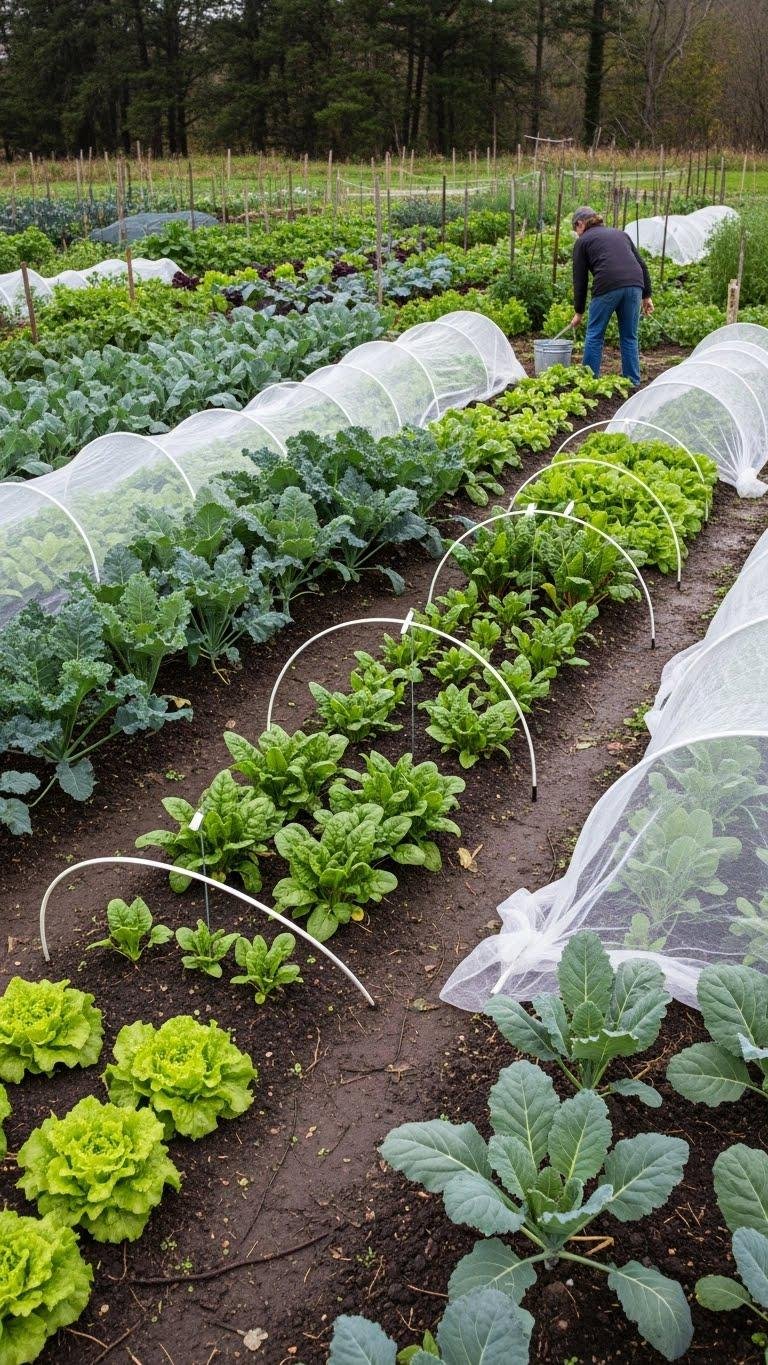
Kick off your autumn planting by choosing cool-season crops that’ll mature through fall and into the milder winter months—think kale, spinach, chard, brassicas, and fast-maturing lettuces. Plant frost tolerant varieties, stagger sowings for steady yields, and protect young plants with row covers. Keep focused on soil moisture monitoring to avoid stress, prune sparingly, and harvest smartly to enjoy fresh greens through winter.
Direct-Sow Root Vegetables for Autumn Harvests
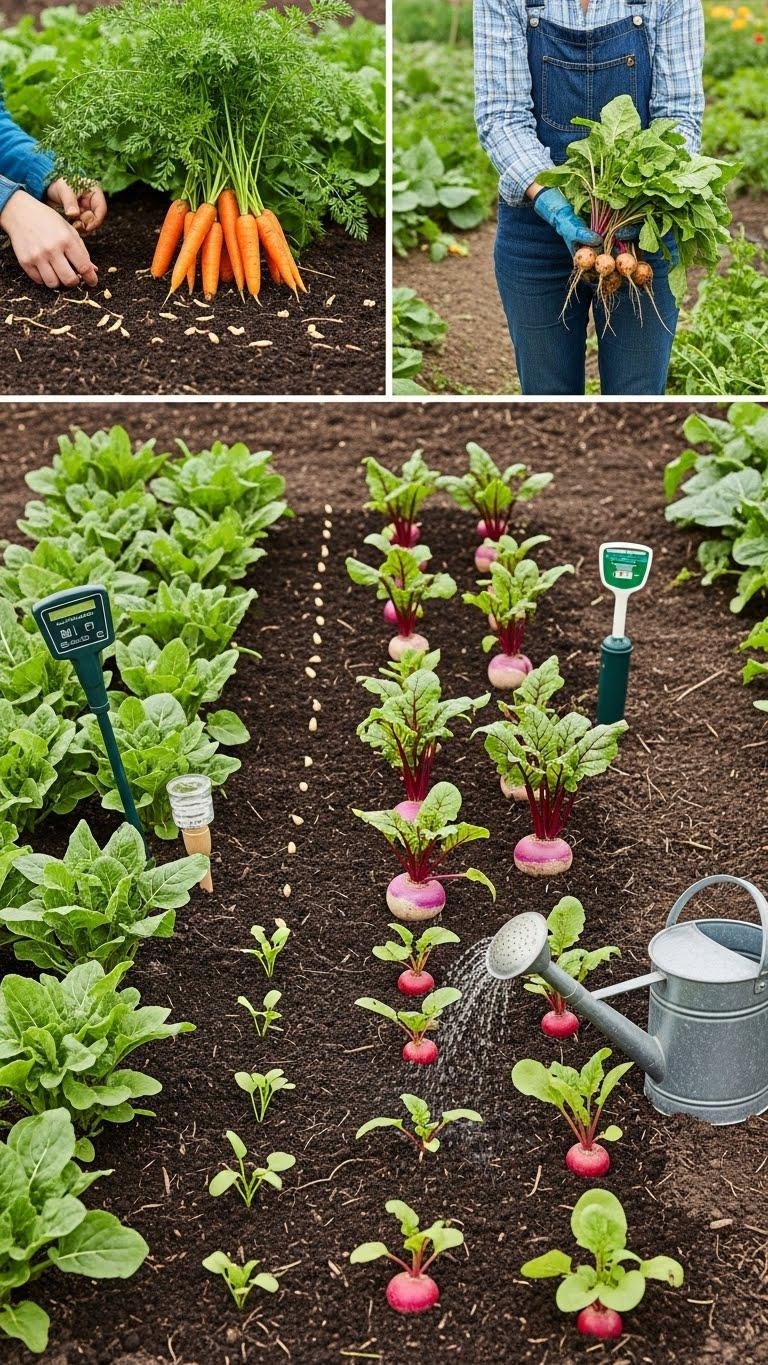
After establishing a steady supply of winter greens, you can shift part of your bed space to sowing root vegetables that mature in autumn—think carrots, beets, turnips, and radishes.
Test soil pH, loosen deeply, and amend for loose texture.
Sow direct with consistent seed spacing, thin seedlings to allow roots to swell, water evenly, and harvest on your schedule for fresh, freeing rewards.
Sow Broad Beans for Over-Wintering at the Right Time
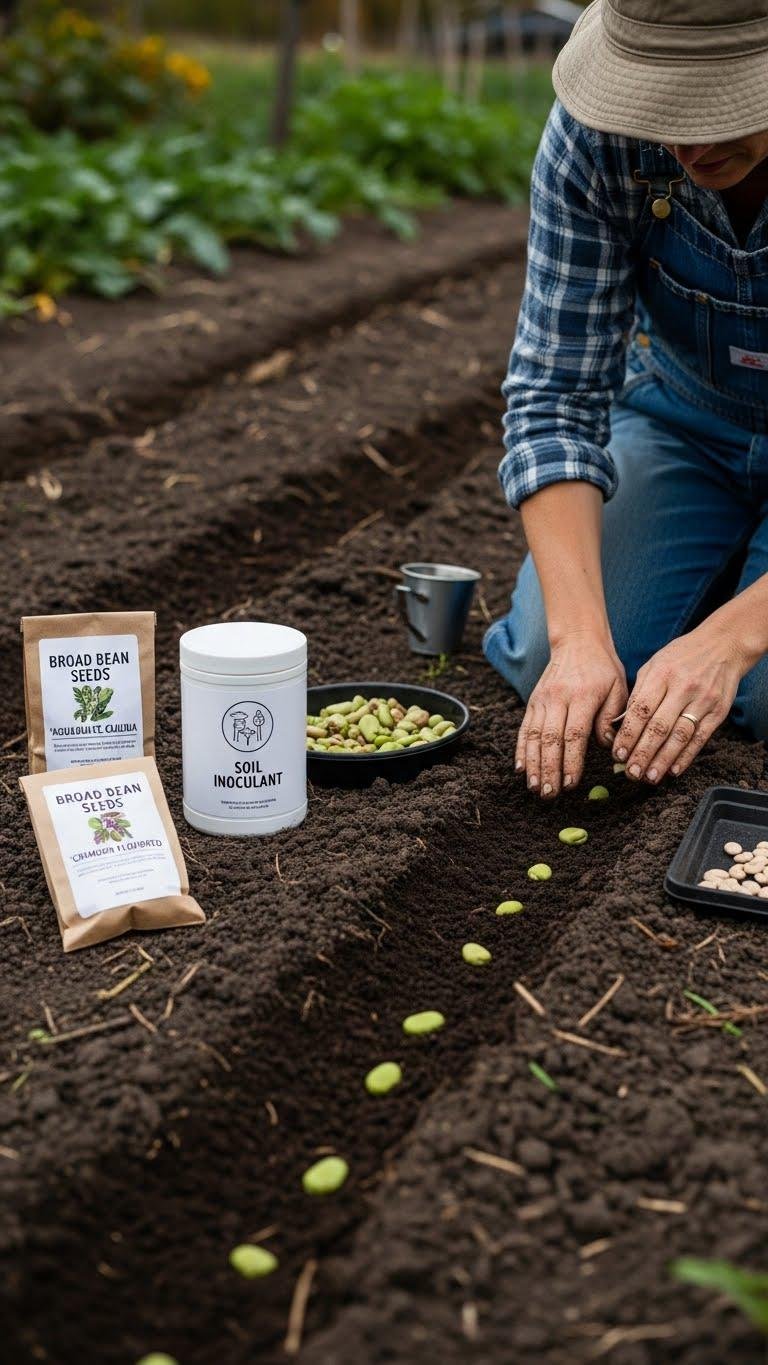
Timing broad bean sowing so they establish before hard frosts is key — plant them in autumn or very late summer in mild areas, or as soon as soil can be worked in early autumn further north.
You’ll choose robust varieties, use soil inoculants to boost nitrogen fixation, and pair with companion planting (like nasturtiums) for pest control.
Protect seedlings and enjoy early spring rewards.
Plant Garlic Directly Into the Ground in Autumn
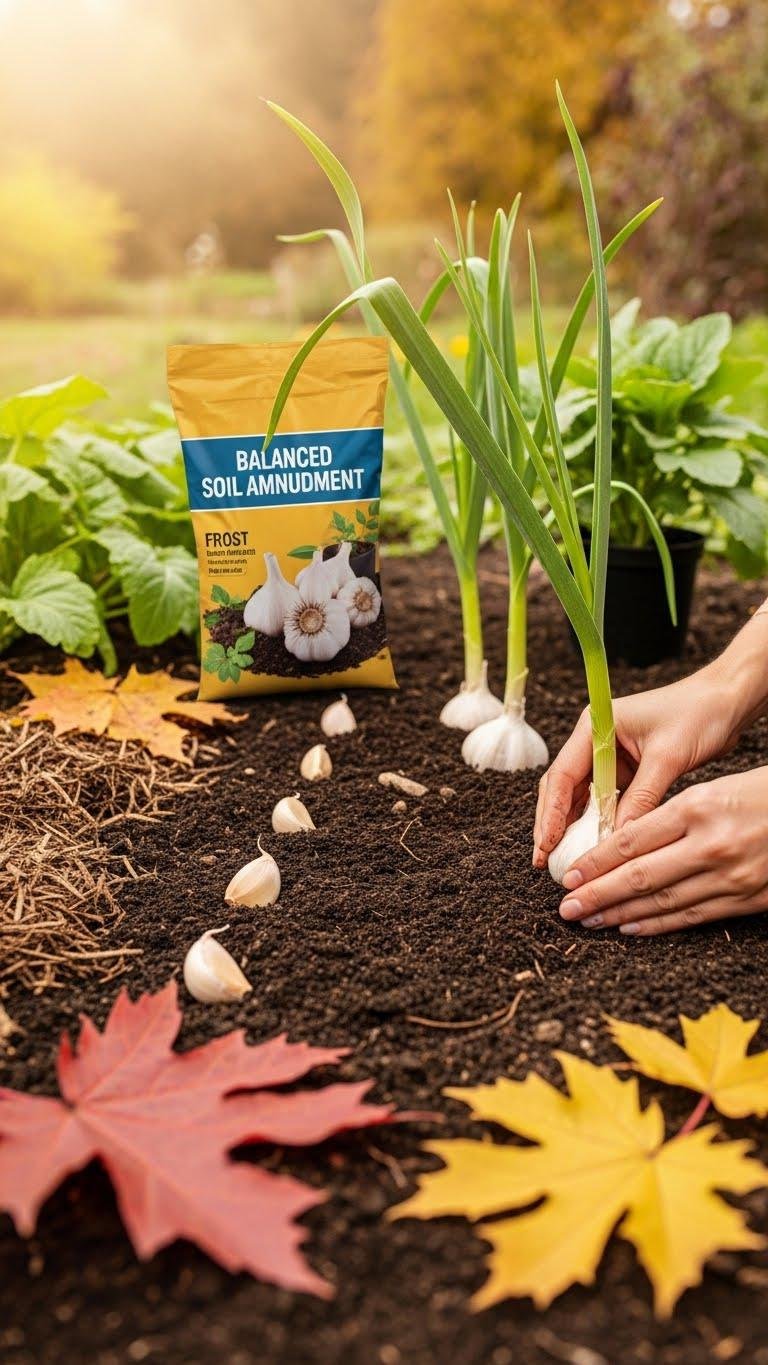
If you want robust, well-sized bulbs next summer, plant garlic cloves directly into well-drained soil in autumn so they can establish roots before winter and start top growth when temperatures warm.
You’ll space cloves properly, add a balanced soil amendment, mulch for frost protection, and use companion planting to deter pests.
You’ll enjoy low-maintenance, flavorful harvests and gardening freedom.
Choose Cold-Hardy Brassicas for Winter Planting
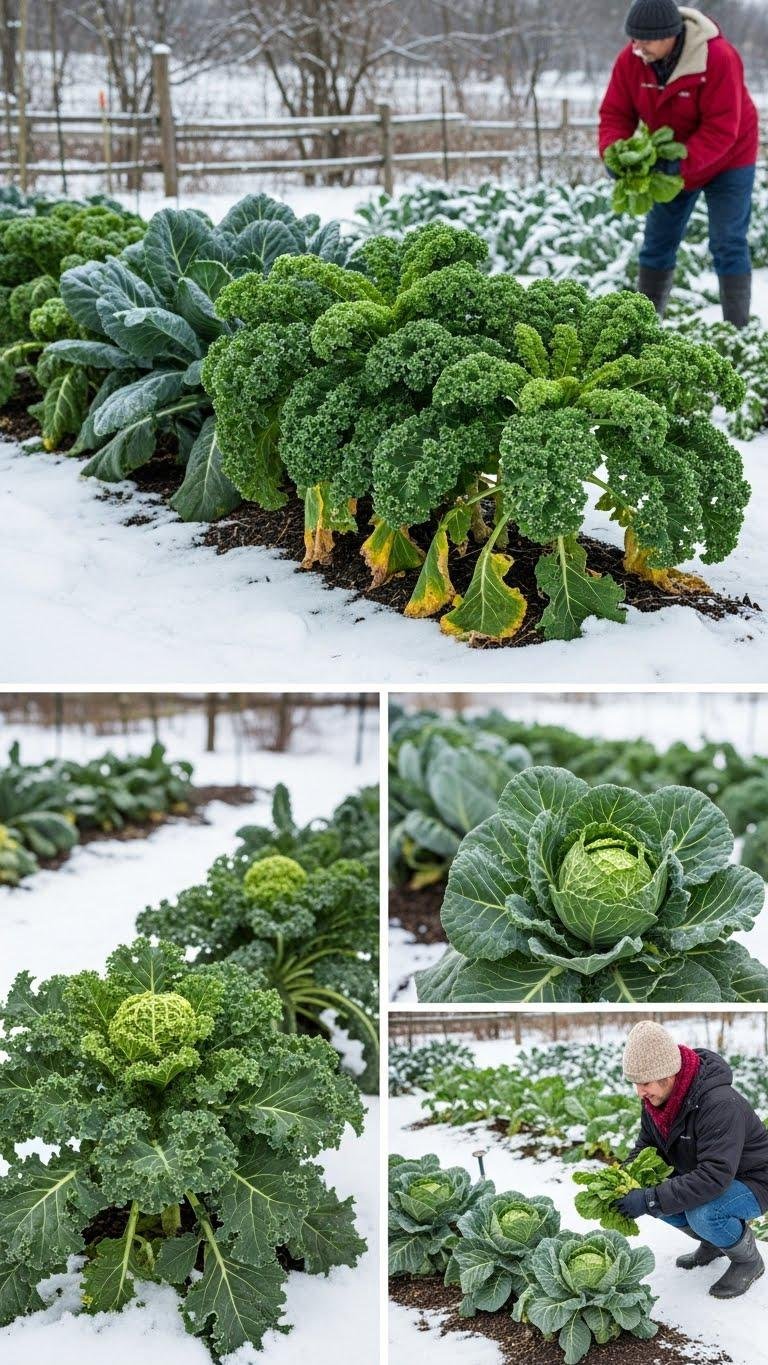
When temperatures start to drop and frost becomes regular, pick cold-hardy brassicas like kale, collards, Brussels sprouts, and hardy cabbage so they’ll tolerate freezes and actually improve in flavor over winter. You’ll want winter kale and frost tolerant bokchoy varieties, plant them in fertile, well-drained beds, and harvest steadily.
That steady supply gives you independence and fresh greens through cold months.
Protect Tender Plants With Row Covers, Cloches, and Cold Frames
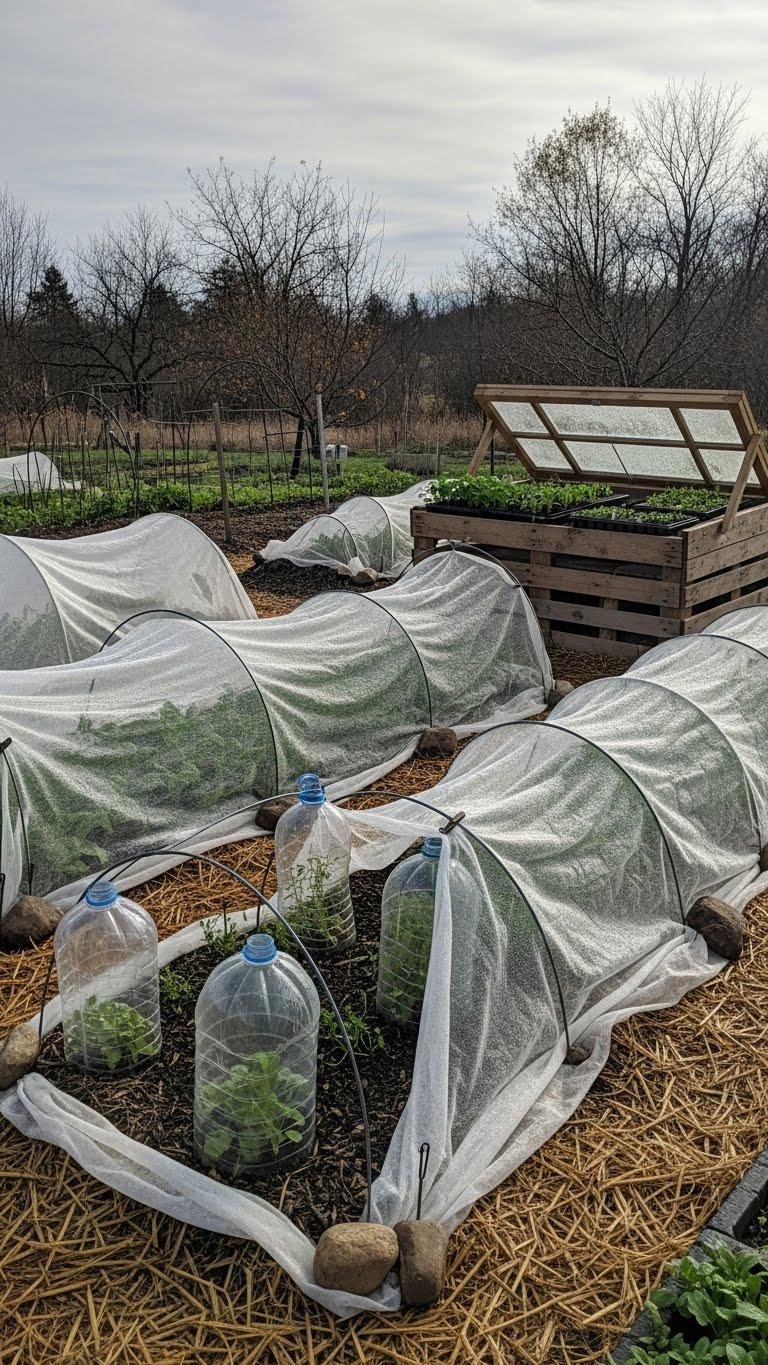
Although hardy beds can carry you far, tender transplants and late-season seedlings still need a little help to survive cold snaps, pests, and wind — and that’s exactly what row covers, cloches, and cold frames do best.
You’ll add garden insulation and targeted frost protection, extend growing seasons, and shield plants from critters. Use lightweight fabric, clear cloches, or DIY frames for freedom and control.
Use Polytunnels or High Tunnels for Overwintering Brassicas
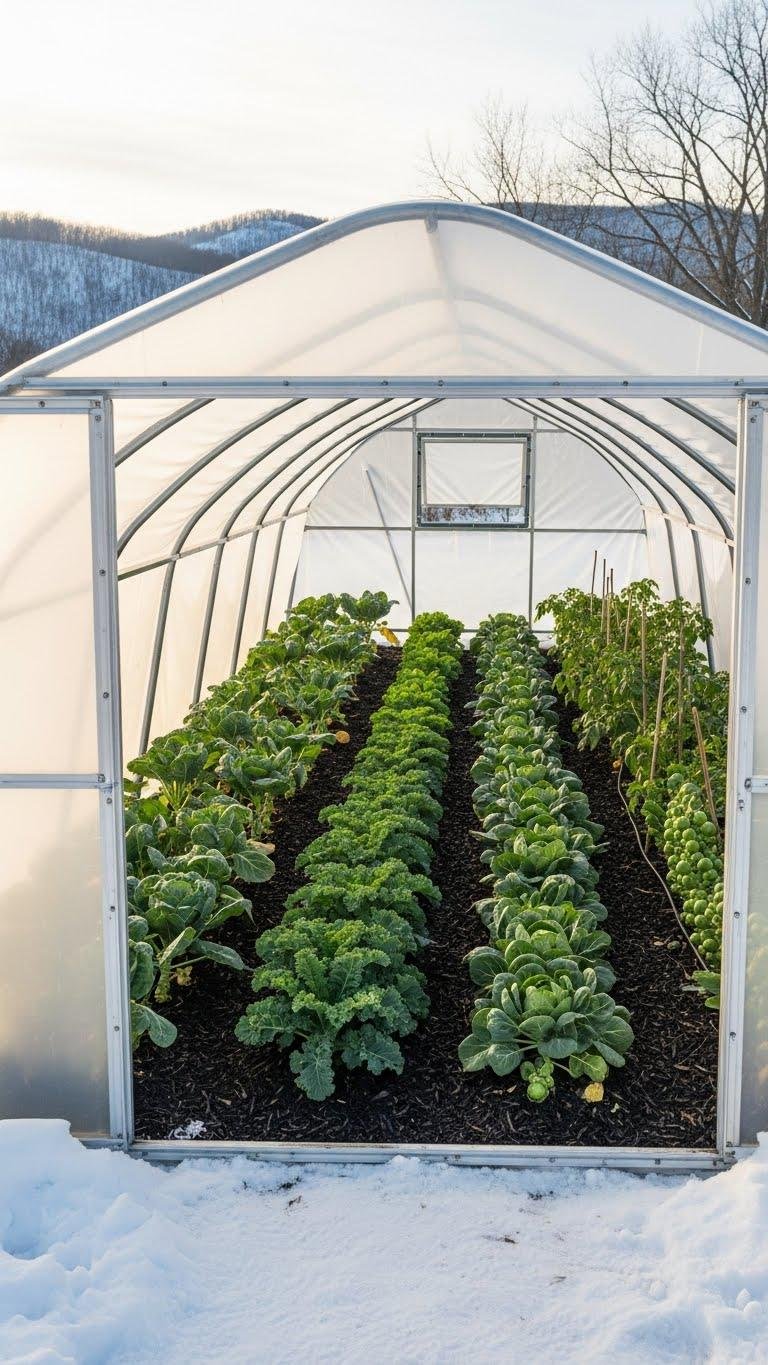
Because polytunnels and high tunnels trap warmth and block harsh winds, they’re one of the best ways to overwinter brassicas like kale, collards, and Brussels sprouts.
You’ll extend harvests with season extension, manage humidity control to prevent mildew, and enjoy reliable wind protection.
Use simple venting, row spacing, and passive soil warming techniques so your brassicas thrive with minimal fuss.
Improve Soil With Manure, Compost, and Leaf Mulch in Winter
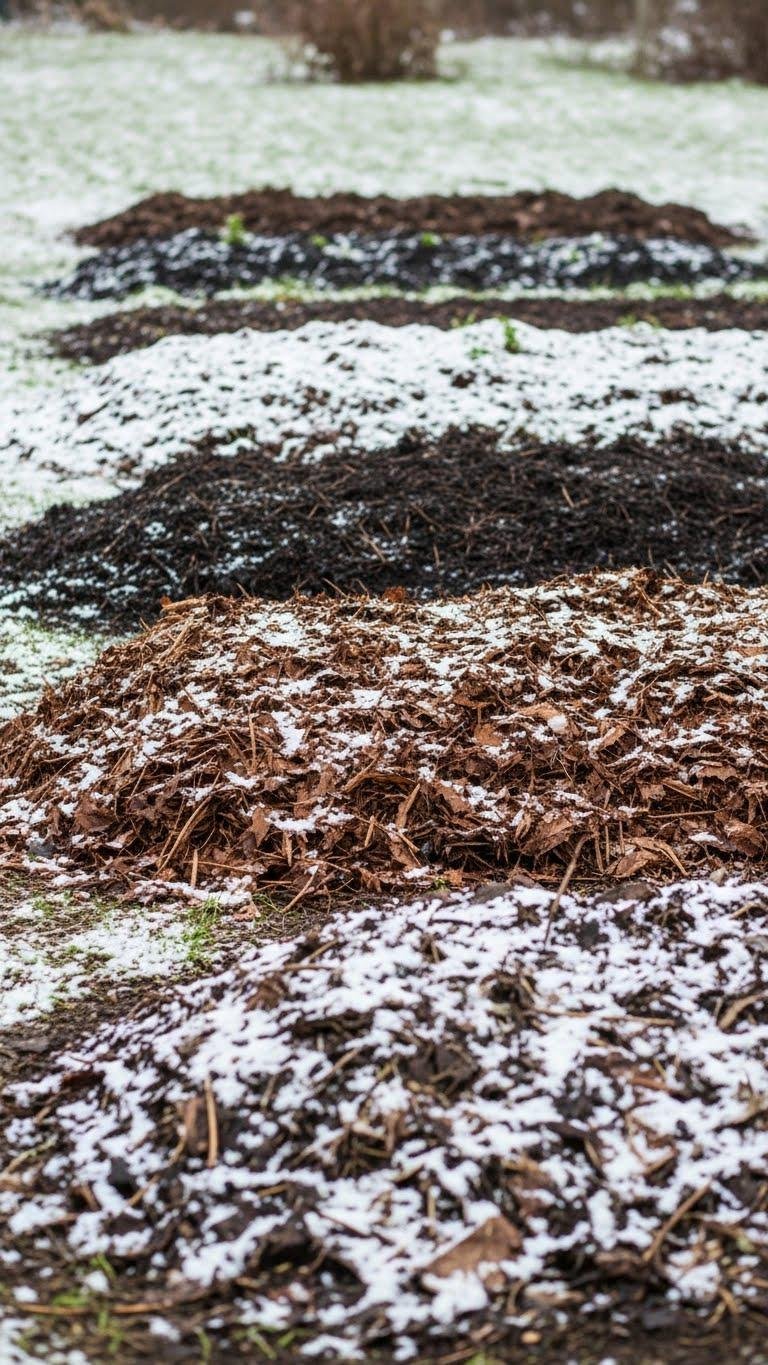
Kick-start your spring beds now by layering well-aged manure, compost, and shredded leaf mulch over winter so soil life can break them down and feed roots come thaw. You’ll practice winter composting, monitor moisture, and avoid raw applications by ensuring proper manure sterilization.
This builds structure, feeds microbes, and frees you to plant boldly come spring with richer, resilient soil.
Add Wood Ash Sparingly to Boost Phosphorus and Potassium
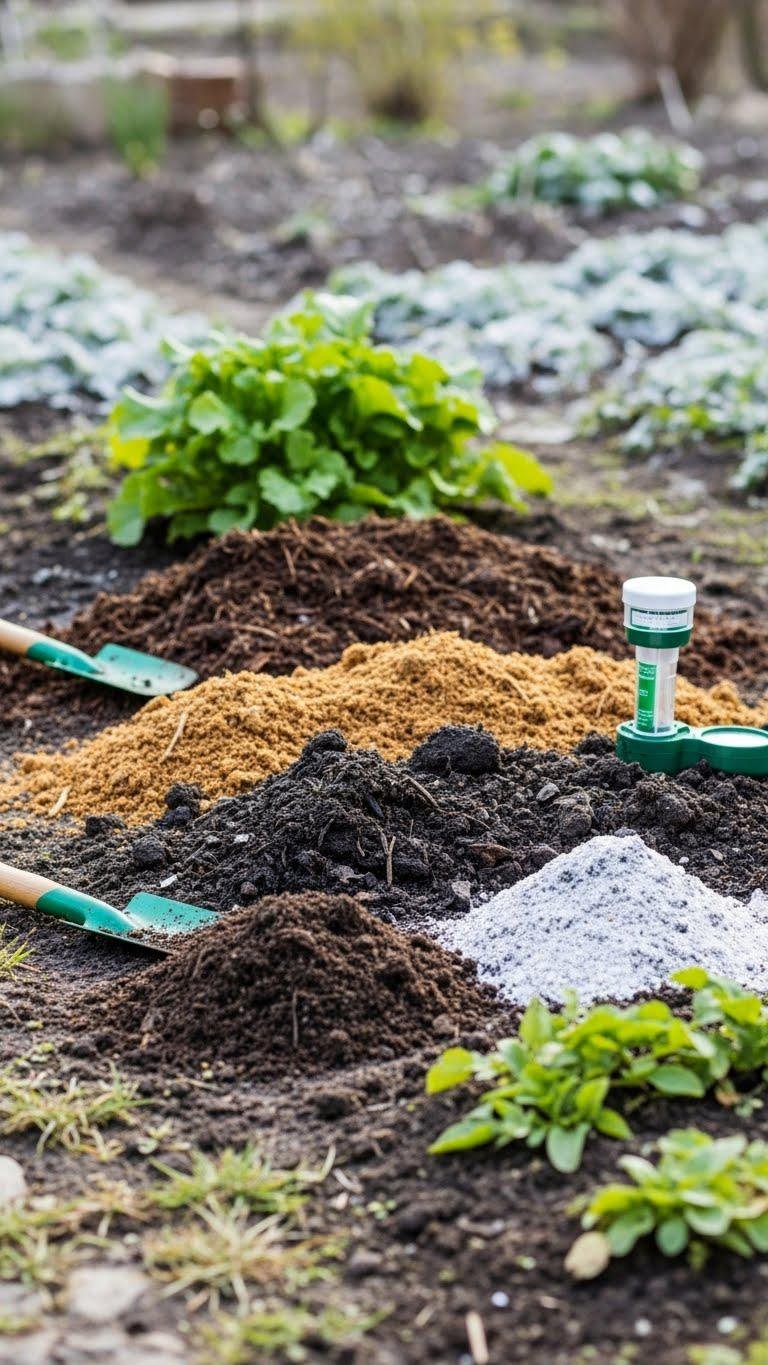
Paragraphs
Rotate Crops and Review Last Year’s Records
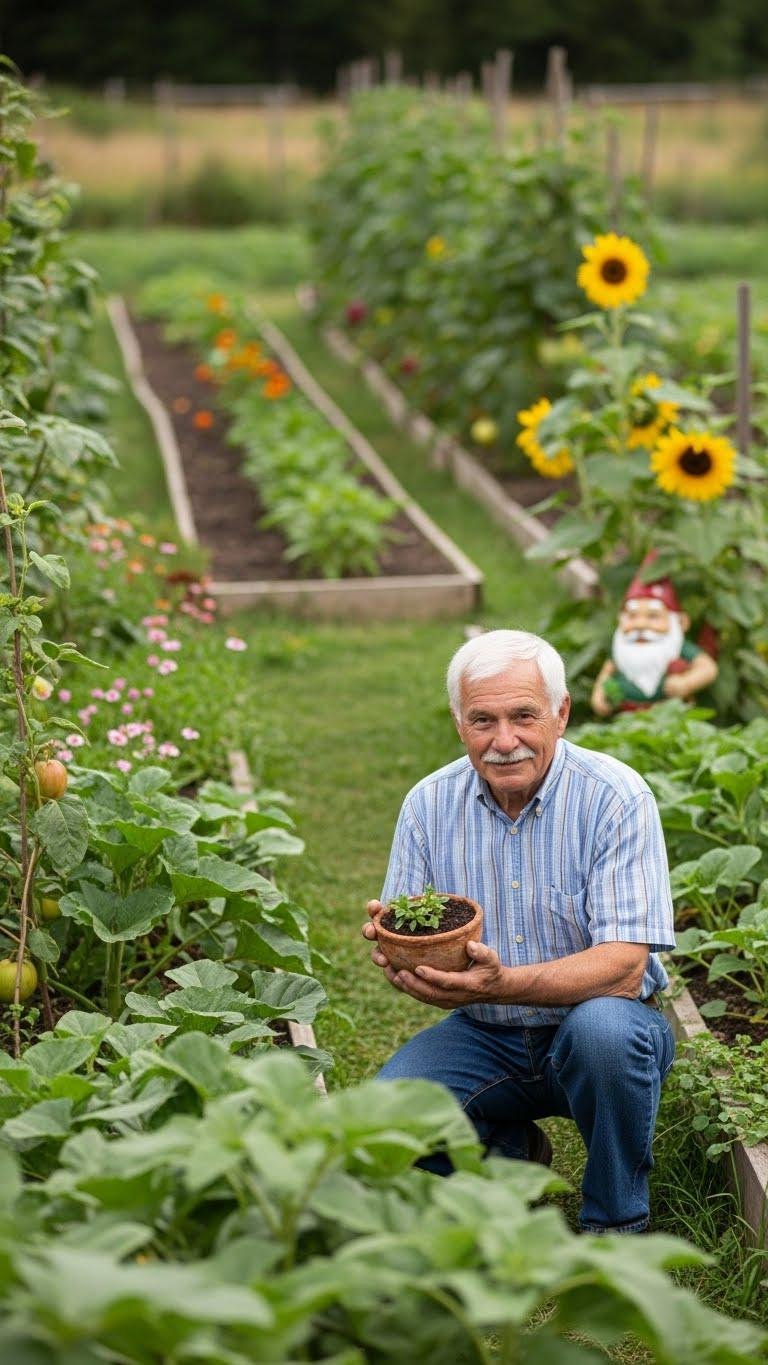
When you plan this season, start by rotating crops and reviewing last year’s records so you can break pest cycles, balance soil nutrients, and improve yields. You’ll map bed history, note successes and failures, and set a simple crop rotation to prevent disease buildup.
Use a concise record review to make bold, informed choices that free you to garden with confidence.
Build Cold Frames, Trellises, and Indoor Lighting for Year-Round Starts
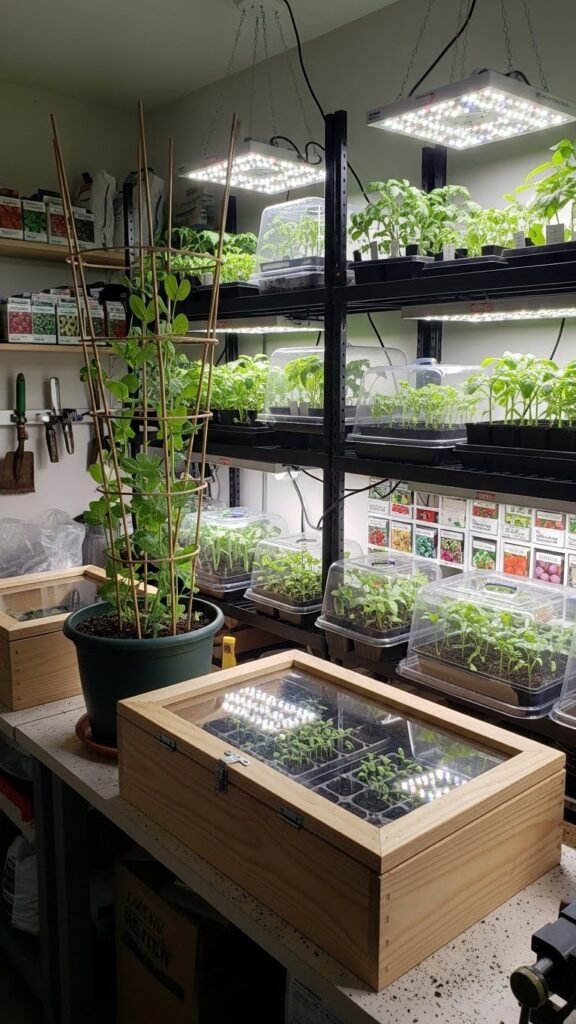
If you want reliable, year-round starts, build simple structures—cold frames to capture low sun and warmth, trellises to save space and improve airflow, and basic indoor lighting to get seedlings strong before they go outside.
You’ll use compostable frames for easy season turnover, adjustable rigs for varied crops, and simple fans or timers.
You’ll gain control, freedom, and steady harvests.