
You want low-effort ways to keep plants happy, save water, and skip daily watering—so these 23 self-watering DIYs are for you. They use common junk and cheap parts: mason-jar wicks, recycled bottles, terracotta reservoirs, felt verticals, even solar float valves. Each idea’s quick to build and easy to maintain, and some fit tiny balconies or large containers. Stick around to find the few simple tricks that make them truly foolproof.
Mason Jar Wick Planters
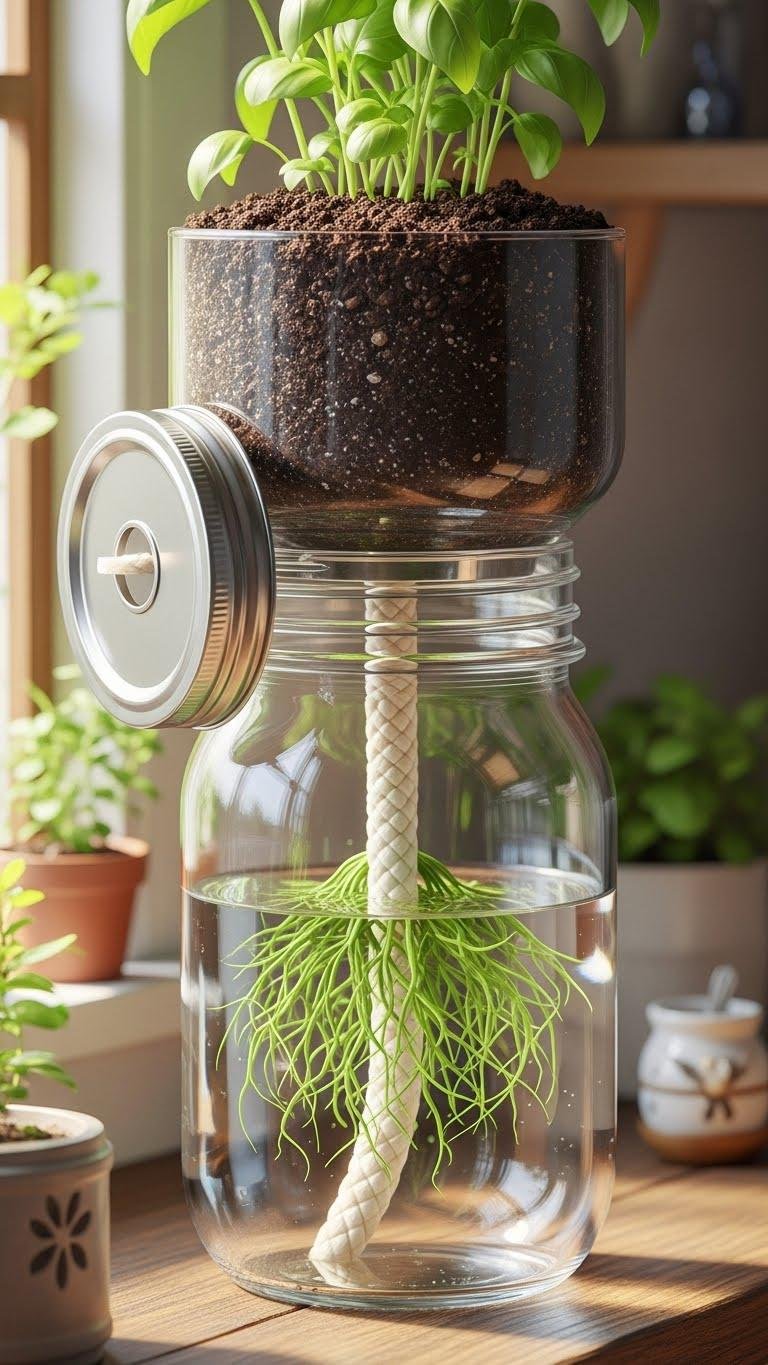
When you want a simple, space-saving self-watering solution, mason jar wick planters deliver.
You’ll cut a jar lid, thread a cotton wick, and set soil above a water reservoir.
Proper wick placement guarantees steady capillary transfer, so roots stay moist without fuss.
You’ll enjoy low maintenance, portable greenery that frees your schedule and adds effortless charm to small spaces.
Terracotta Clay Pot Watering Trick

Using a buried terracotta pot as a slow-release reservoir lets you water less and keep soil consistently moist with almost no fuss.
You’ll fill the porous irrigation vessel, cap it, and let capillary action draw moisture into surrounding roots.
It’s low-effort, reliable, and frees you from daily watering.
Bury at root level, top off occasionally, and enjoy more time away.
Capillary Mat Herb Tray
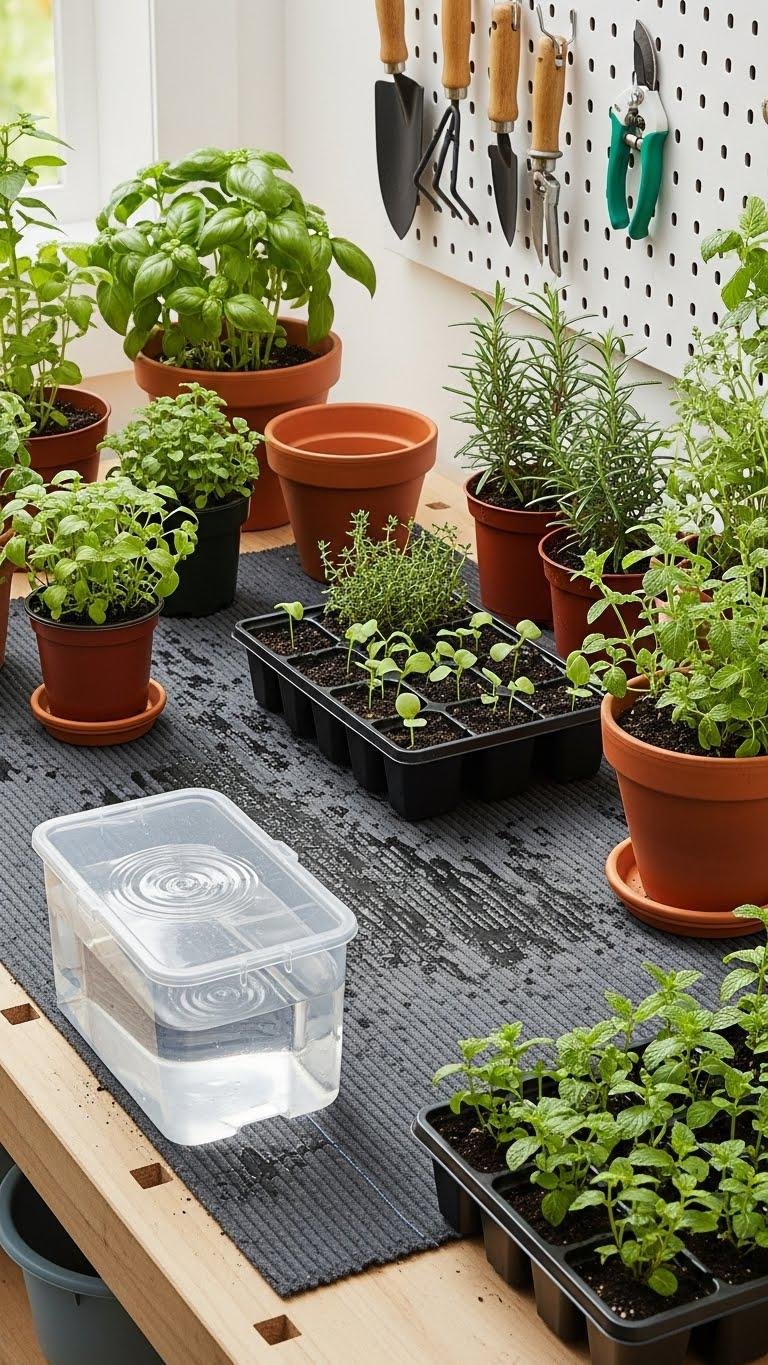
Set up a capillary mat to give your herbs steady, hands-off moisture: the mat sits under pots or seed trays and wicks water up into the soil so roots drink as needed.
Choose tray sizing that fits your herb grouping, keep capillary maintenance simple—top up reservoir, prevent mold, rotate mats seasonally.
You’ll free time and still harvest thriving herbs.
Cotton Rope Self-Watering Hanging Planters
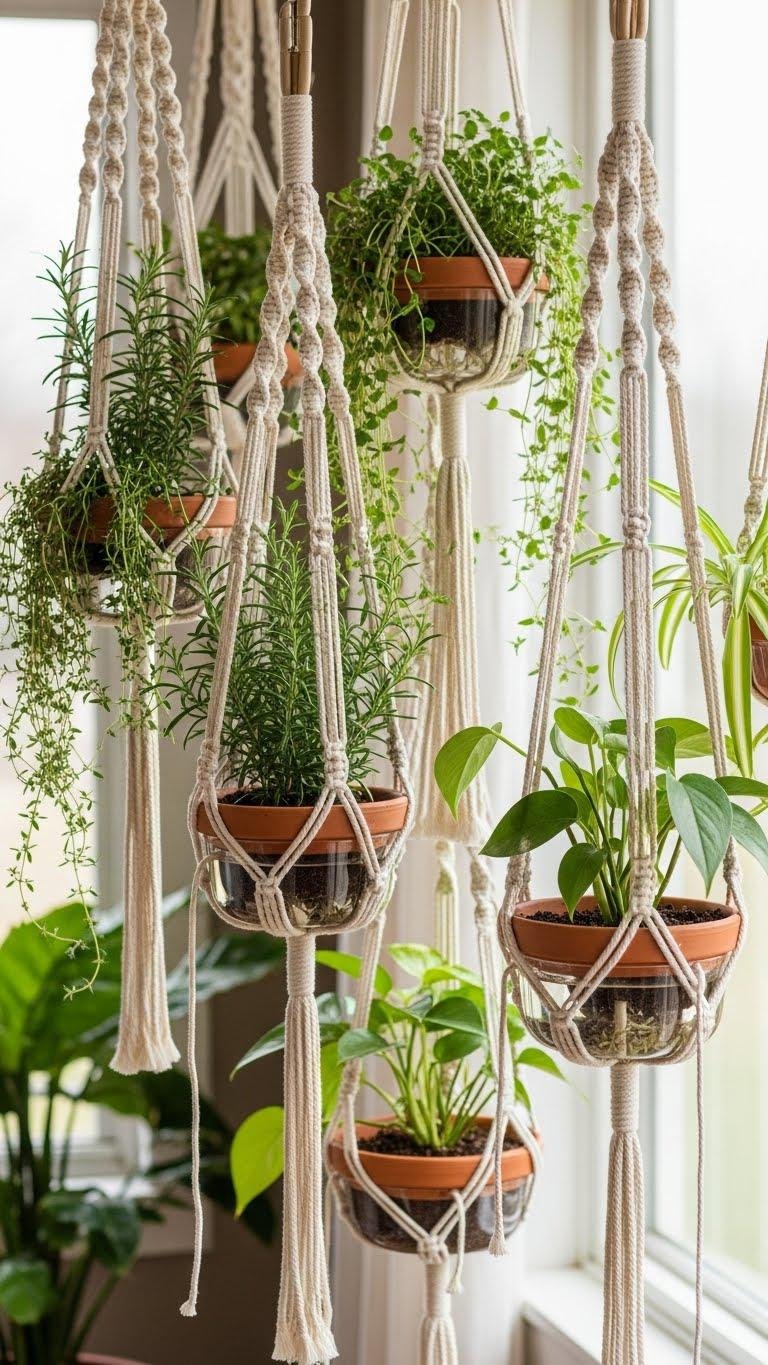
With a few lengths of cotton rope and a shallow reservoir, you can make hanging planters that draw water up to roots on their own, so your trailing herbs and houseplants stay hydrated between watering days.
Choose cotton rope durability for reliable wicking, thread ropes through drainage into the reservoir, and use simple wick placement techniques so you set it and forget it, enjoying carefree greenery.
Upcycled Tin Can Reservoir Planter

Turn an old tin can into a tidy self-watering planter that saves you money and cuts waste. You’ll punch drainage and fill a lower reservoir, add a wicking rope and potting mix, then seal seams for corrosion prevention.
It gives rustic aesthetics, portability, and low maintenance. You’ll enjoy plant freedom, quick repairs, and a compact, sustainable setup that’s ready to go.
DIY Reservoir Raised Bed
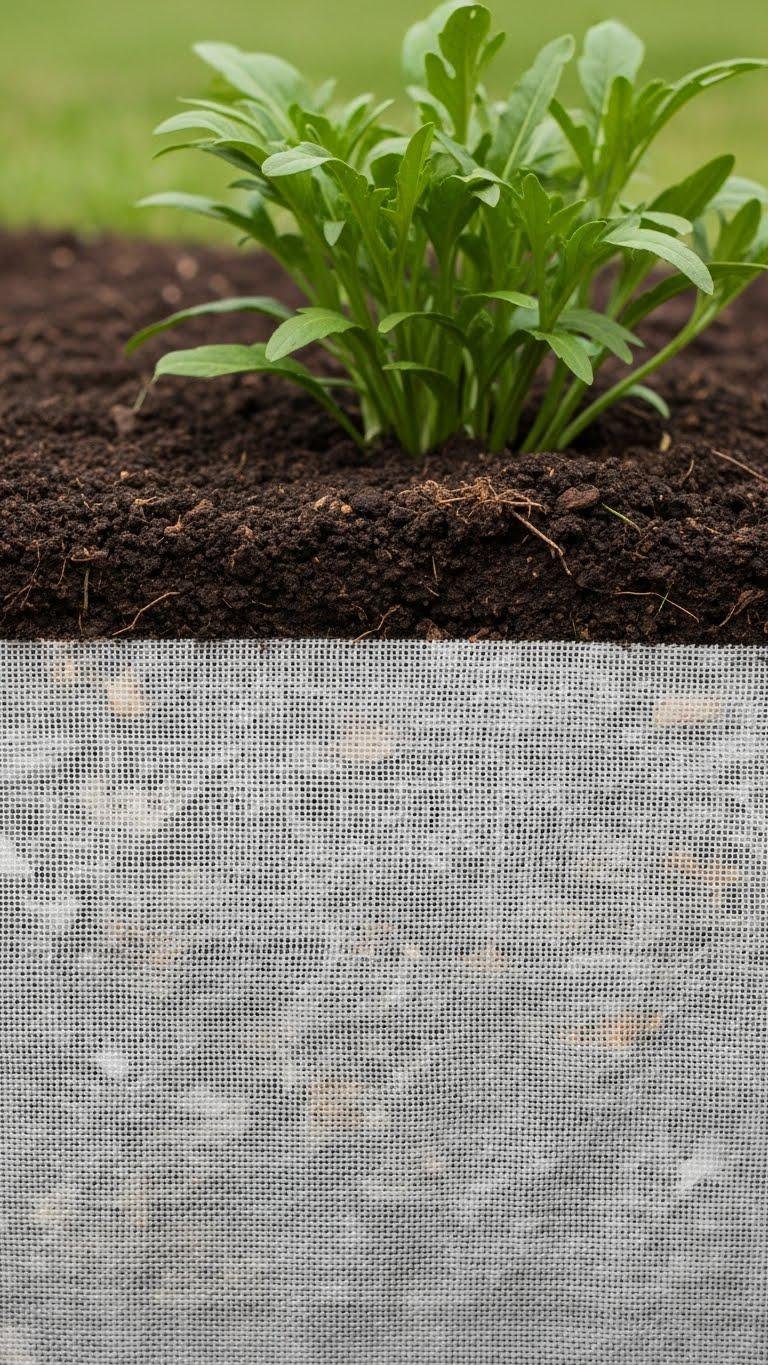
When you build a DIY reservoir raised bed, you get deep, well-drained soil with a hidden water source that cuts watering chores and boosts plant health.
You’ll create a capillary barrier above the reservoir to direct moisture upward while preserving root aeration.
Add sturdy sides, fill layered media, and top with quality soil.
It frees you from daily watering and grows resilient plants.
Soda Bottle Sub-Irrigation Plan
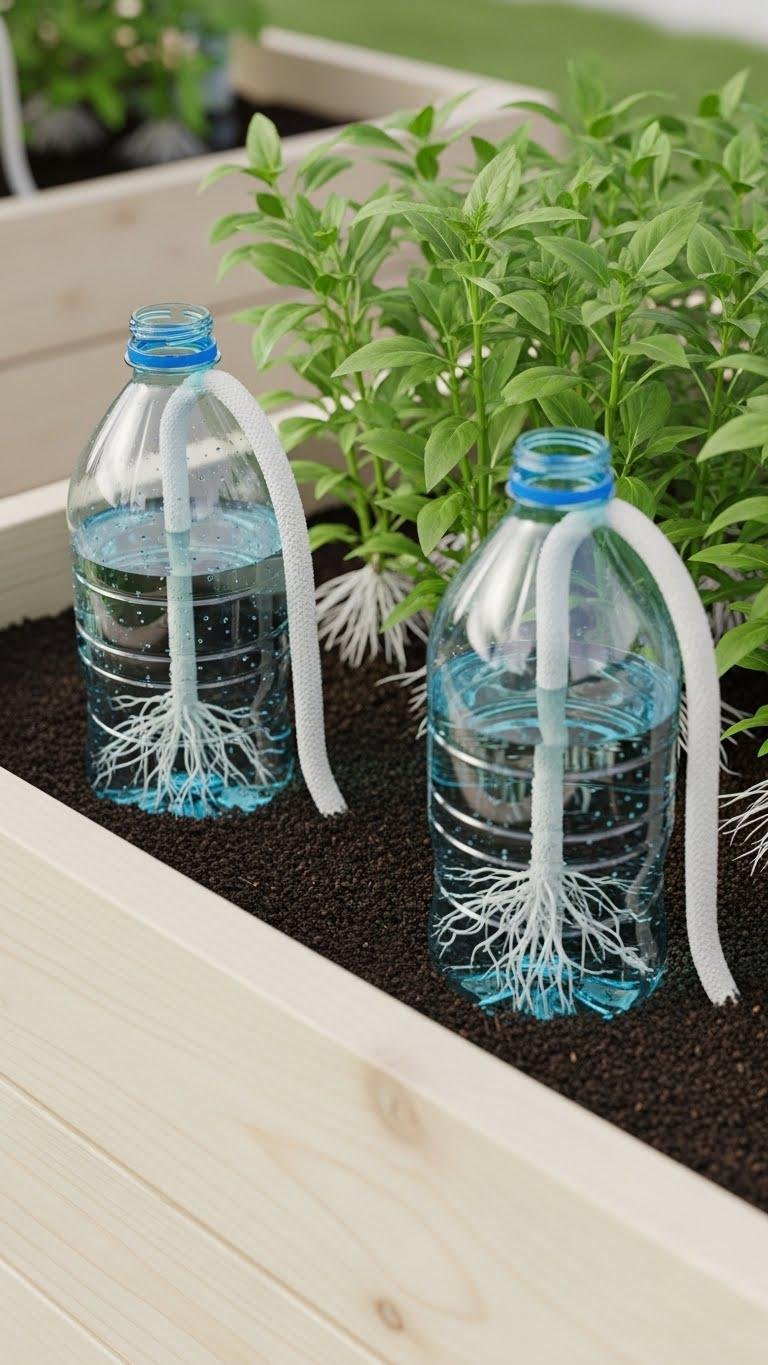
Moving from a reservoir raised bed to a compact, DIY option, you can use recycled soda bottles to create a simple sub-irrigation system that saves water and time. Cut bottles, invert wicks for capillary maintenance, and bury reservoirs beside plants.
You’ll water less, encourage healthy roots, and perform occasional root pruning to prevent overcrowding. It’s portable, cheap, and liberating.
Wine Bottle Upside-Down Planter
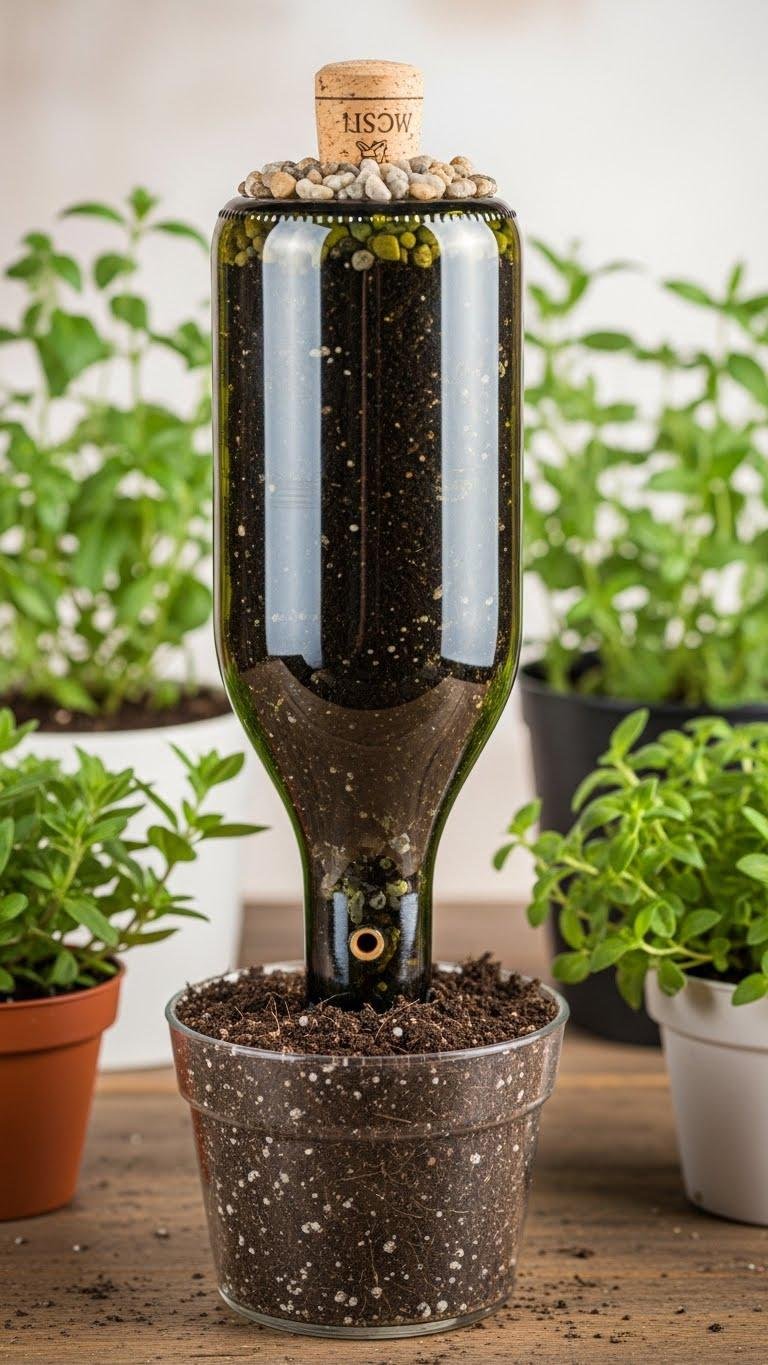
Flip a cleaned wine bottle into a small pot and you’ve got an elegant, self-watering planter that’s perfect for herbs and compact ornamentals.
You’ll bury the neck in soil, insert a cork stopper drilled with a tiny hole for slow glass irrigation, and top with gravel to stabilize.
It’s low-effort, portable, and gives you freedom to garden without daily watering.
Reclaimed Wood Self-Watering Window Box
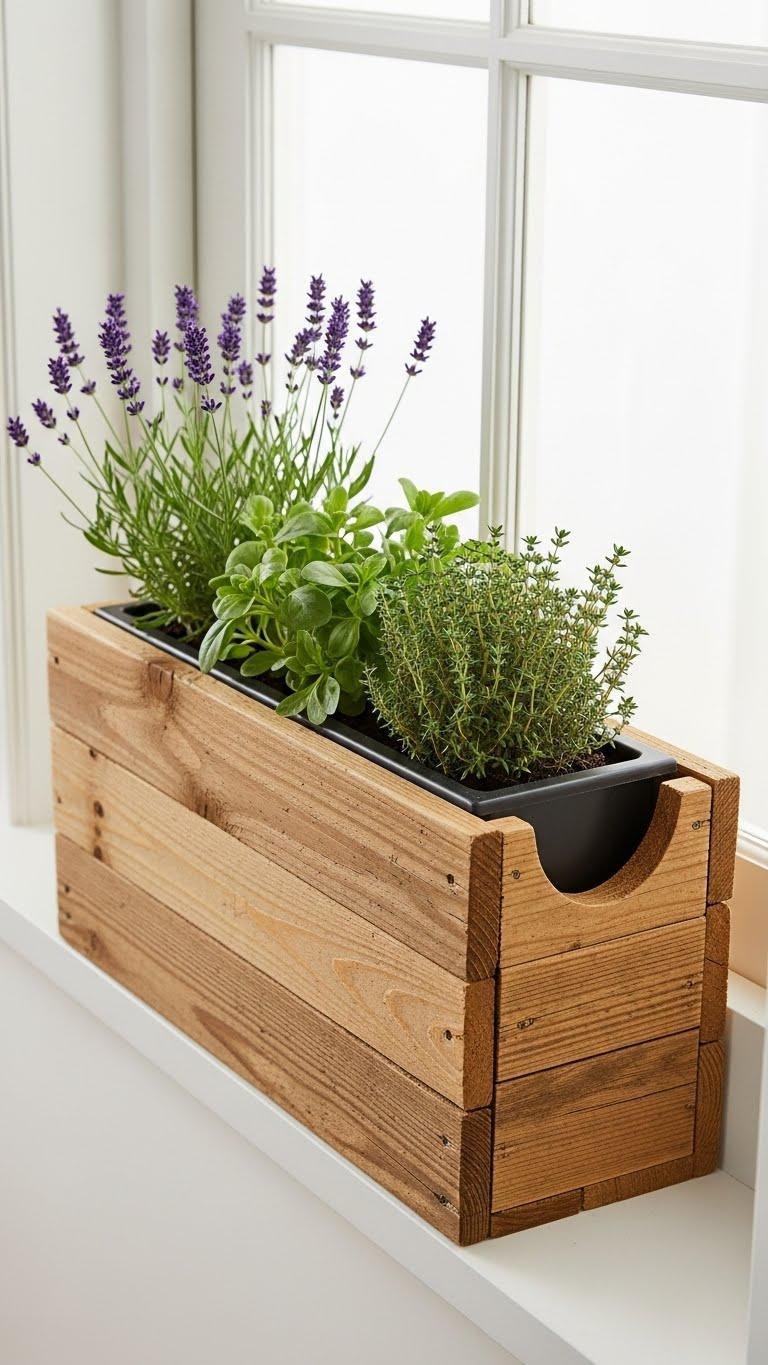
Because reclaimed wood brings character and sustainability together, you can build a charming self-watering window box that’s both low-maintenance and eye-catching.
Use a waterproof liner, simple wicking reservoir, and a weatherproof finish to protect wood. Plant bee friendly plants like lavender and thyme. You’ll enjoy freedom from daily watering while keeping a stylish, eco-friendly display that’s sturdy and fuss-free.
Automatic Drip Timer With Rain Barrel
Sponge-Backed Seedling Flats
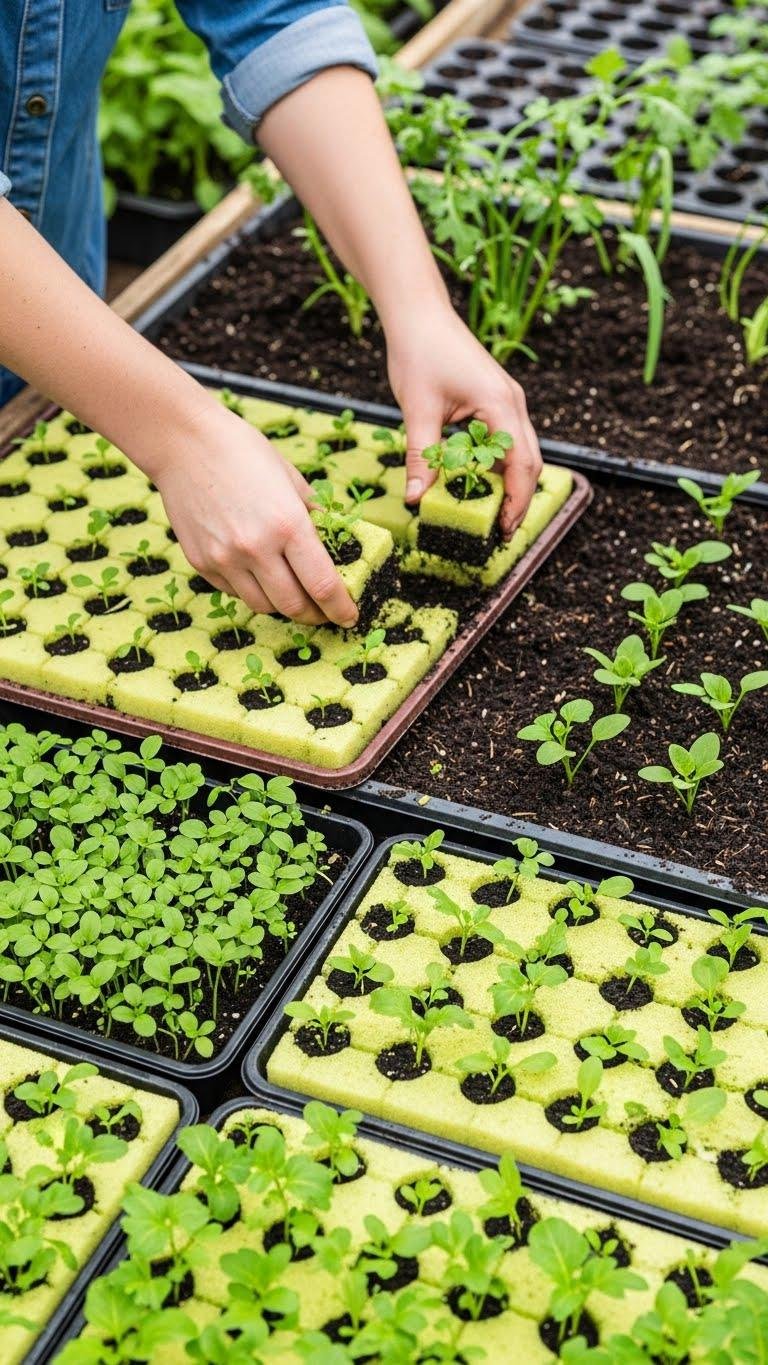
Give sponge-backed seedling flats a try when you want fast, mess-free starts for seeds and cuttings. You’ll set sponge cushions into shallow trays, keep pads moist, and let capillary action feed roots.
This boosts seed germination, saves potting mix, and frees you from daily watering. You’ll transplant healthy plugs easily and reclaim time for bigger garden plans.
PVC Pipe Hydroponic Wicking Rack
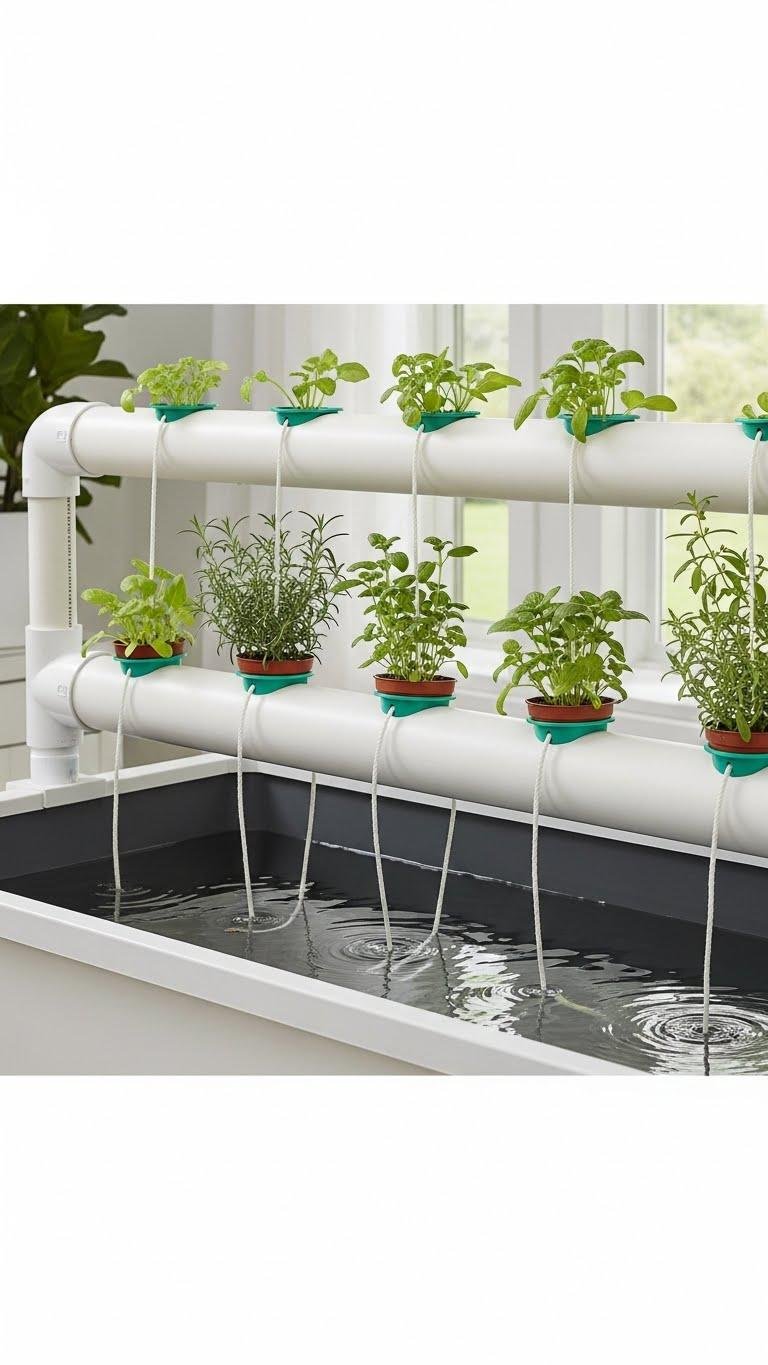
Build a simple PVC pipe hydroponic wicking rack to grow herbs and greens with minimal fuss and water.
You cut PVC, drill evenly spaced holes, nest small pots, and thread wicking rope into each basin.
Fill a low reservoir, let capillary action feed roots, and enjoy steady growth.
This PVC wicking hydroponic rack frees you from daily watering and keeps maintenance delightfully low.
Ceramic Water Reservoir Insert
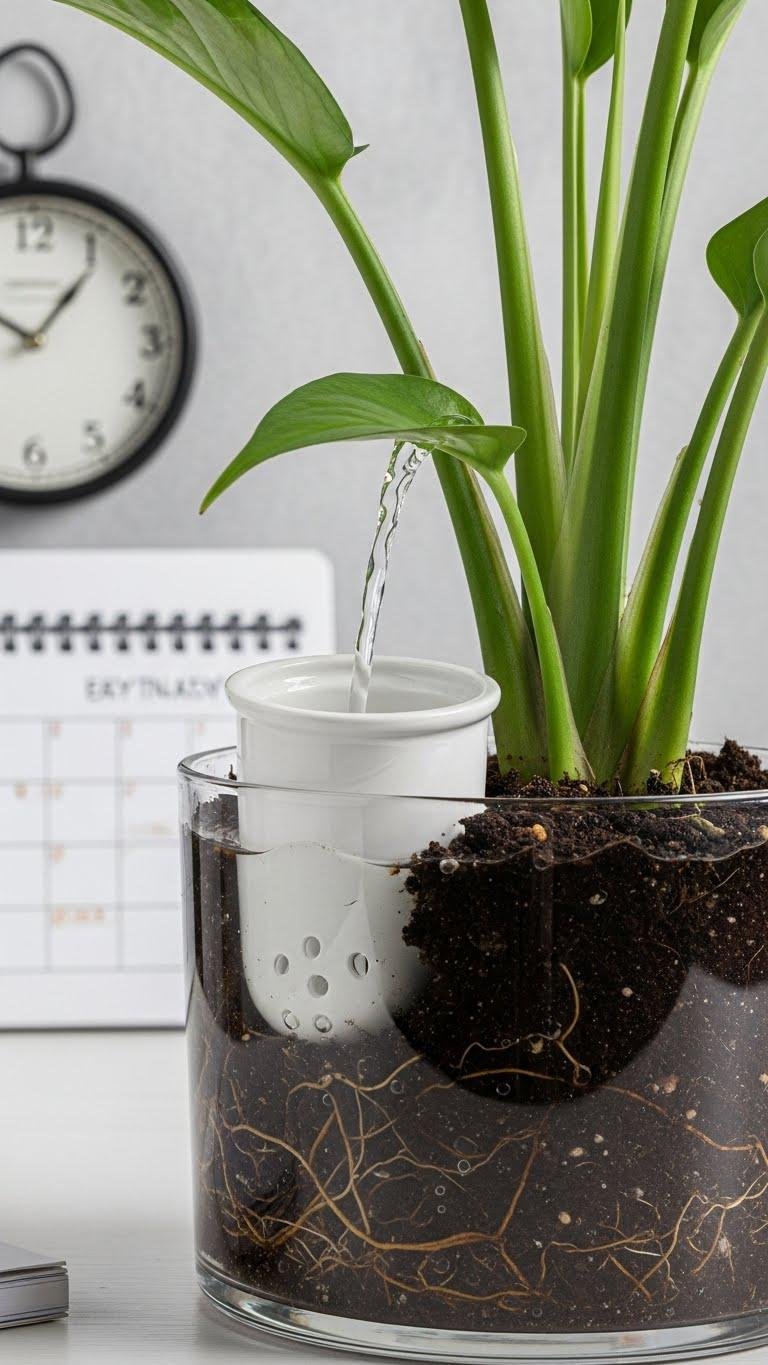
Often overlooked, a ceramic water reservoir insert lets you turn ordinary pots into self-watering planters with minimal fuss. You pop a glazed reservoir into the soil, fill it, and let porous ceramic wick moisture to roots.
It frees you from daily watering, stays low-profile, and suits busy lives. Install quickly, refill as needed, and enjoy steady, no-drama growth.
Recycled Keg Self-Watering Container
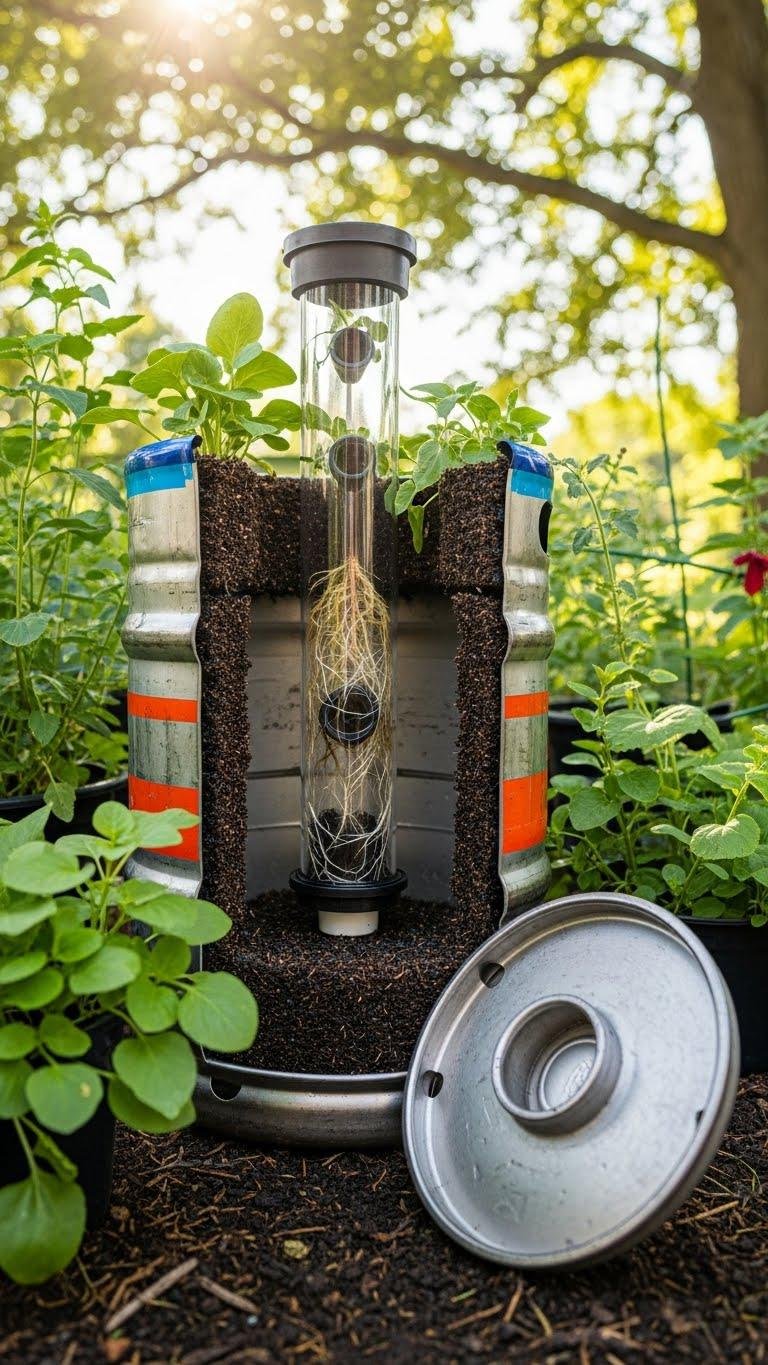
If you liked the low-maintenance idea of a hidden reservoir in a terrarium, you’ll appreciate how a recycled keg can scale that concept up for outdoor beds or large containers.
You’ll do a keg conversion: cut, clean, add wicking media and a hydroponic column, then fill reservoir. Roots access consistent moisture at the root zone. It’s rugged, free-spirited, low-effort gardening.
Solar-Powered Float Valve Drip Kit

For a hands-off system that still gives plants exactly what they need, consider a solar-powered float valve drip kit: it uses a small solar pump and a float-controlled reservoir to deliver steady drip irrigation without mains power.
You’ll pair a solar float with a valve regulator to maintain level and flow.
Install quickly, set the regulator, and enjoy low-maintenance, reliable watering.
Felt-Lined Vertical Garden With Reservoir

A felt-lined vertical garden with a built-in reservoir gives you big planting capacity in a small footprint, combining breathable felt pockets with a hidden water tank that feeds roots from the back.
You mount it, fill the felt reservoir, and let vertical wicking deliver moisture. It saves time, frees you from daily watering, and keeps herbs, lettuces, and trailing plants thriving with minimal fuss.
Old Pillowcase Moisture Wick Planter

Switching from felt pockets to something even simpler, you can repurpose an old pillowcase into a moisture-wick planter that’s cheap, lightweight, and surprisingly effective.
You’ll fold a capillary pillowcase, fill with soil, and let one end dip into a water reservoir.
The breathable wicking fabric pulls moisture up gently, so you relax, travel, and still harvest healthy herbs or greens with minimal fuss.