
If you’ve got a dark corner, you don’t have to settle for bare soil or fussy plants. You’ll get reliable, low‑maintenance choices that thrive in shade and give year‑round interest through foliage, texture and seasonal blooms. From bold hostas and Rodgersia to delicate heucheras, ferns and late‑season toad lilies, you’ll find combinations that suit size, light and upkeep—keep going to see the 21 best picks and how to use them.
Hostas
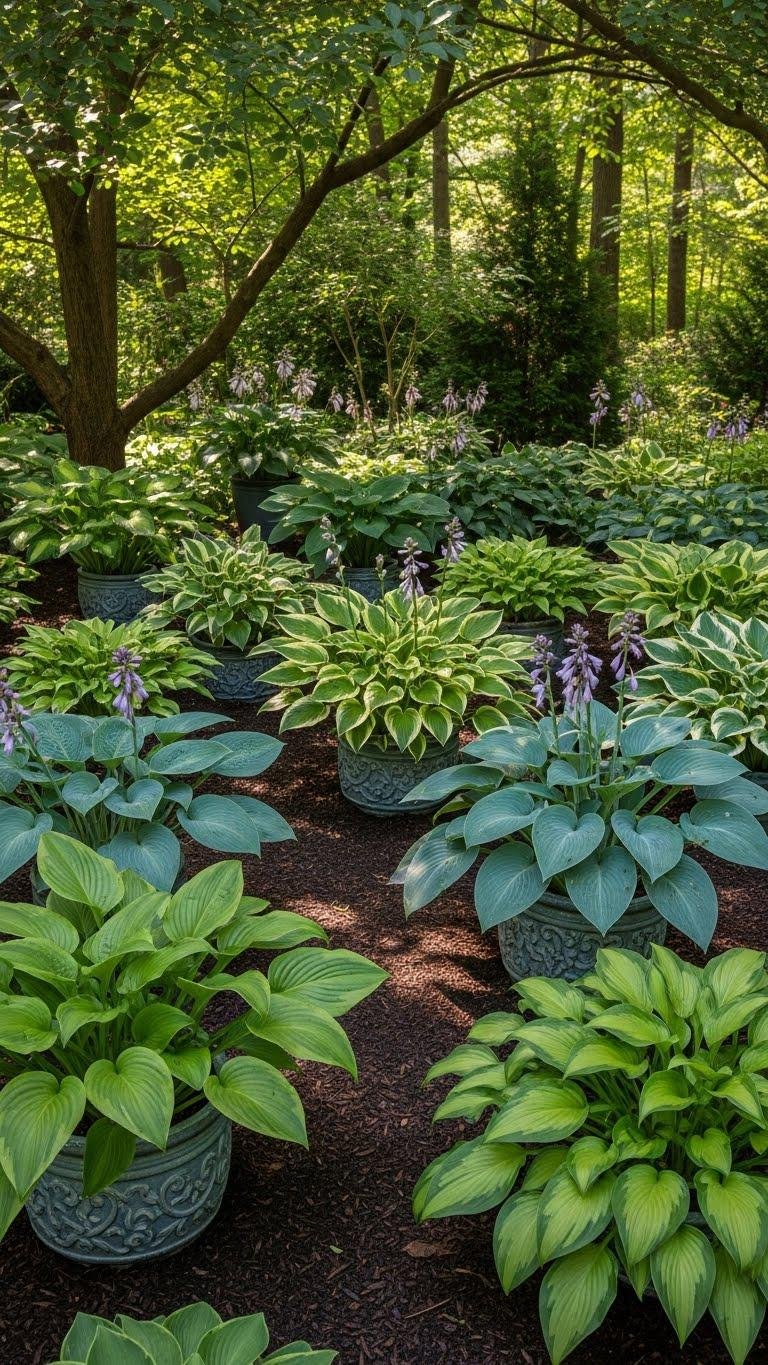
Hostas thrive in shady spots, making them a go-to choice for dark corners where other plants struggle.
You’ll appreciate their bold foliage and low fuss: pick vigorous varieties, monitor for shade diseases like crown rot, and space plants for airflow.
You can also use container culture to move plants for light or protection, giving you flexible, confident control of shady beds.
Ferns
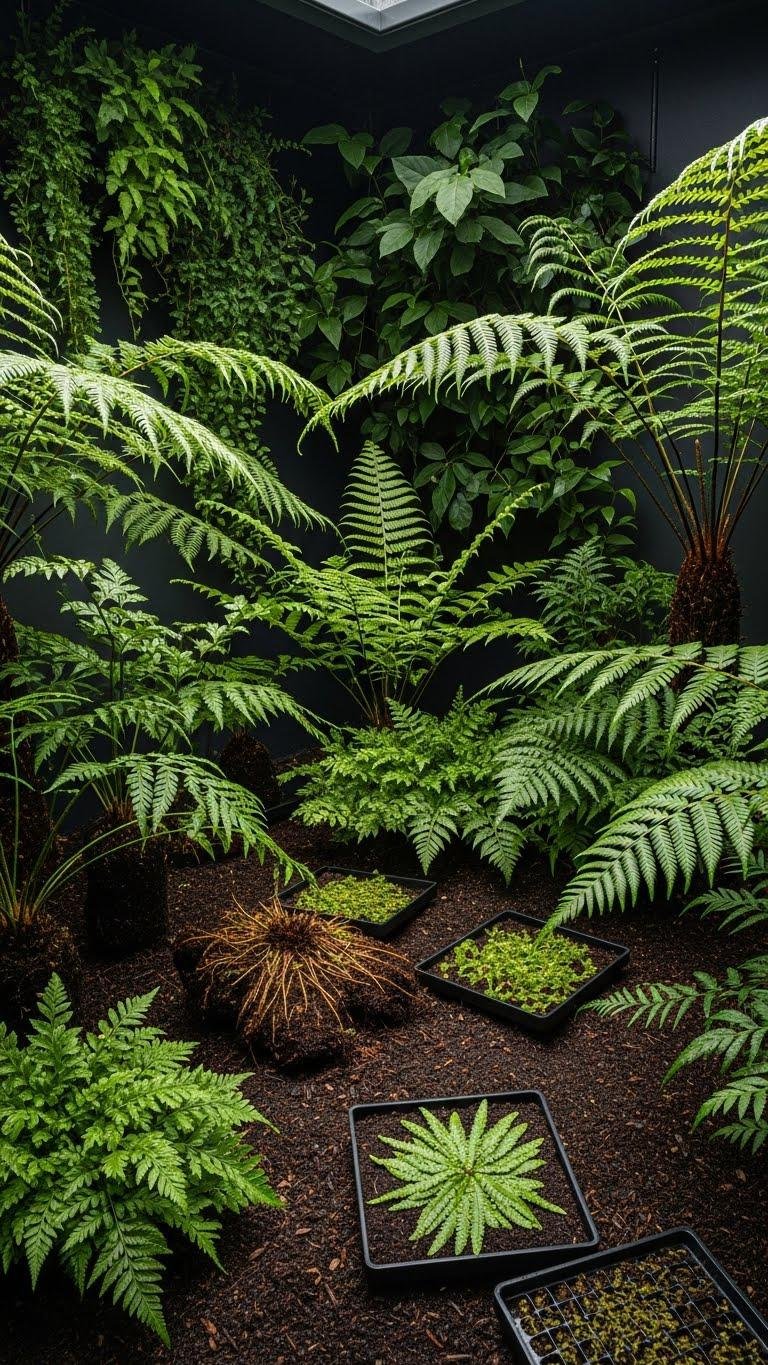
Ferns are reliably excellent for dark corners, offering delicate fronds and varied textures that soften shady beds; choose species like Christmas fern, lady fern, or Japanese painted fern for differing heights and patterns.
You’ll find shade ferns tough and forgiving: plant them in rich, moist soil, keep consistent humidity, and try indoor propagation by dividing clumps or using spore trays to expand your free, leafy escapes.
Astilbes
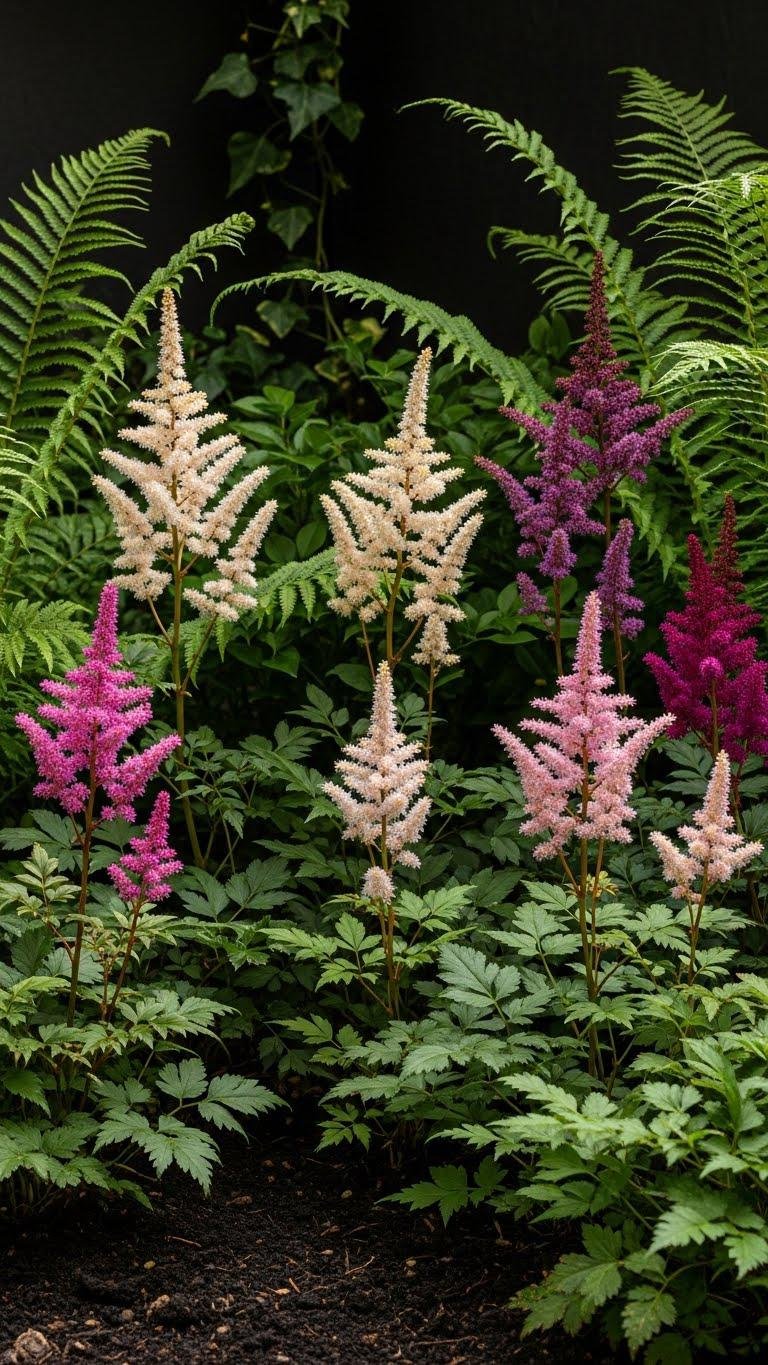
If you liked the soft, feathery texture of ferns, you’ll appreciate astilbes for bringing upright plumes and seasonal color to dark corners. You’ll choose compact varieties for limited spaces and mix soil with peat alternatives to reduce peat use.
Plant where soil stays moist, give dappled light, and deadhead spent blooms for tidy, long-lasting display that frees you to shape shady beds confidently.
Heucheras (Coral Bells)
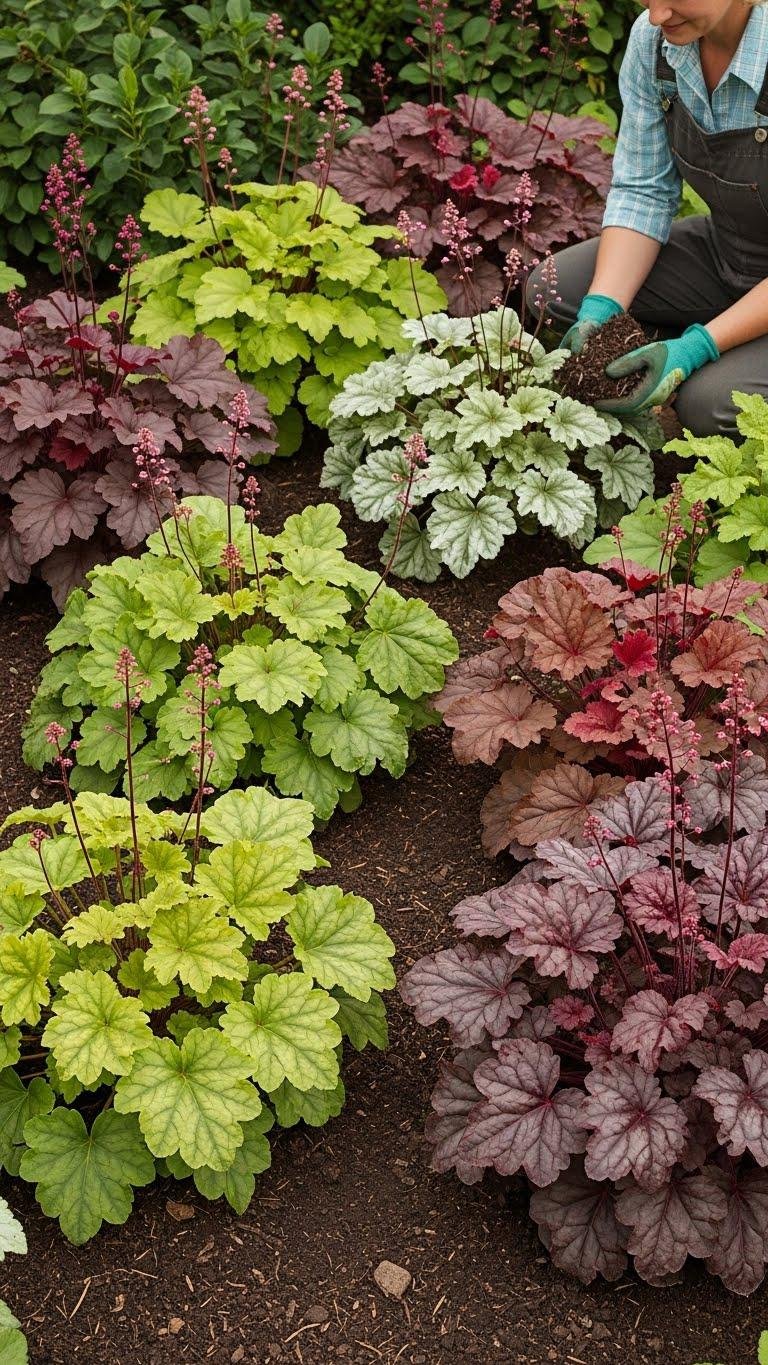
Color is the real draw of heucheras (coral bells): their ruffled leaves come in shades from lime and silver to deep burgundy, letting you brighten dark corners without relying on flowers.
You’ll enjoy leaf variegation that adds contrast, low-maintenance habit, and flexible placement.
Use shade propagation tips to expand clumps, divide every few years, and give them loose, well-drained soil for freedom to roam.
Bleeding Hearts (Dicentra)
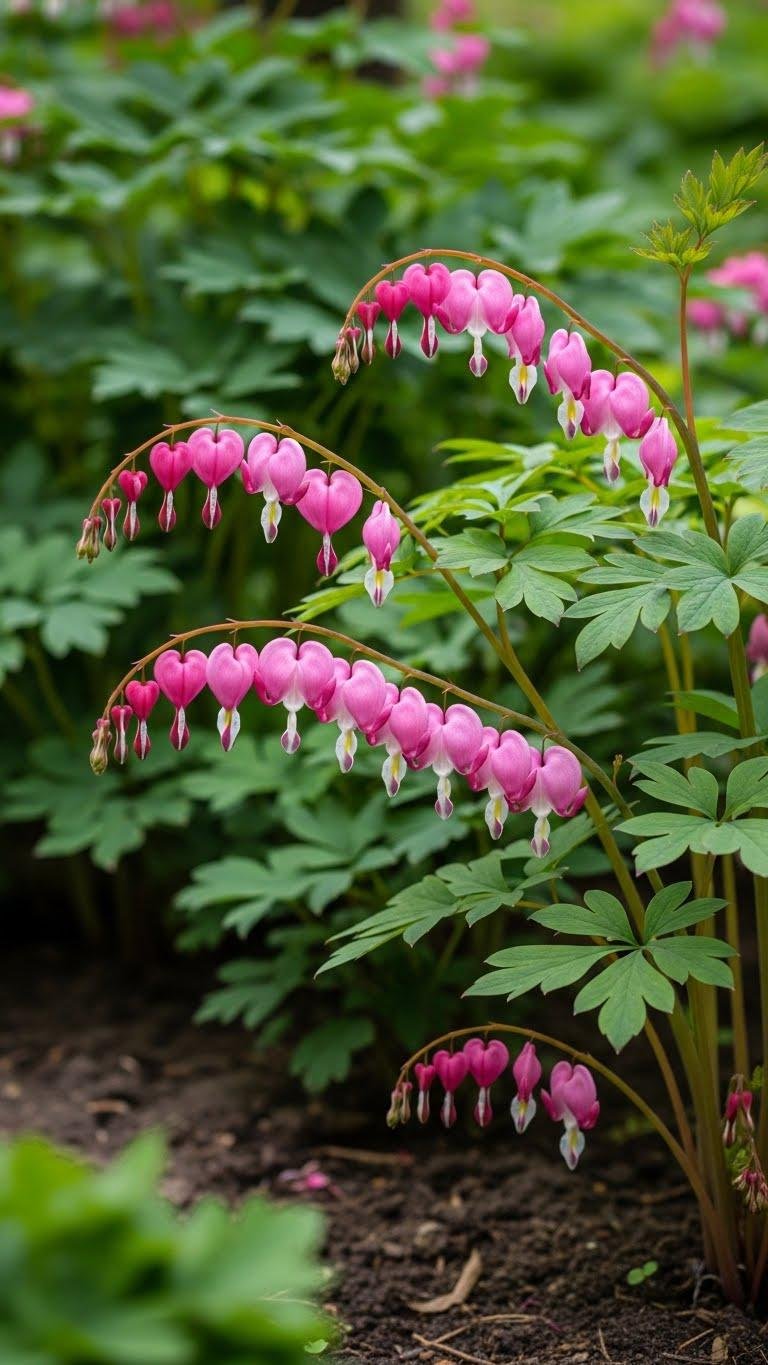
Bleeding hearts (Dicentra) bring delicate charm to shaded spots with their arching stems of heart-shaped, pendulous flowers and finely divided, fern-like foliage; they’re especially effective where you want a soft, romantic accent without overwhelming the space.
You’ll watch spring emergence push fresh shoots; plant in rich, moist soil, deadhead after bloom, and try seed propagation if you want to experiment and expand freely.
Hellebores
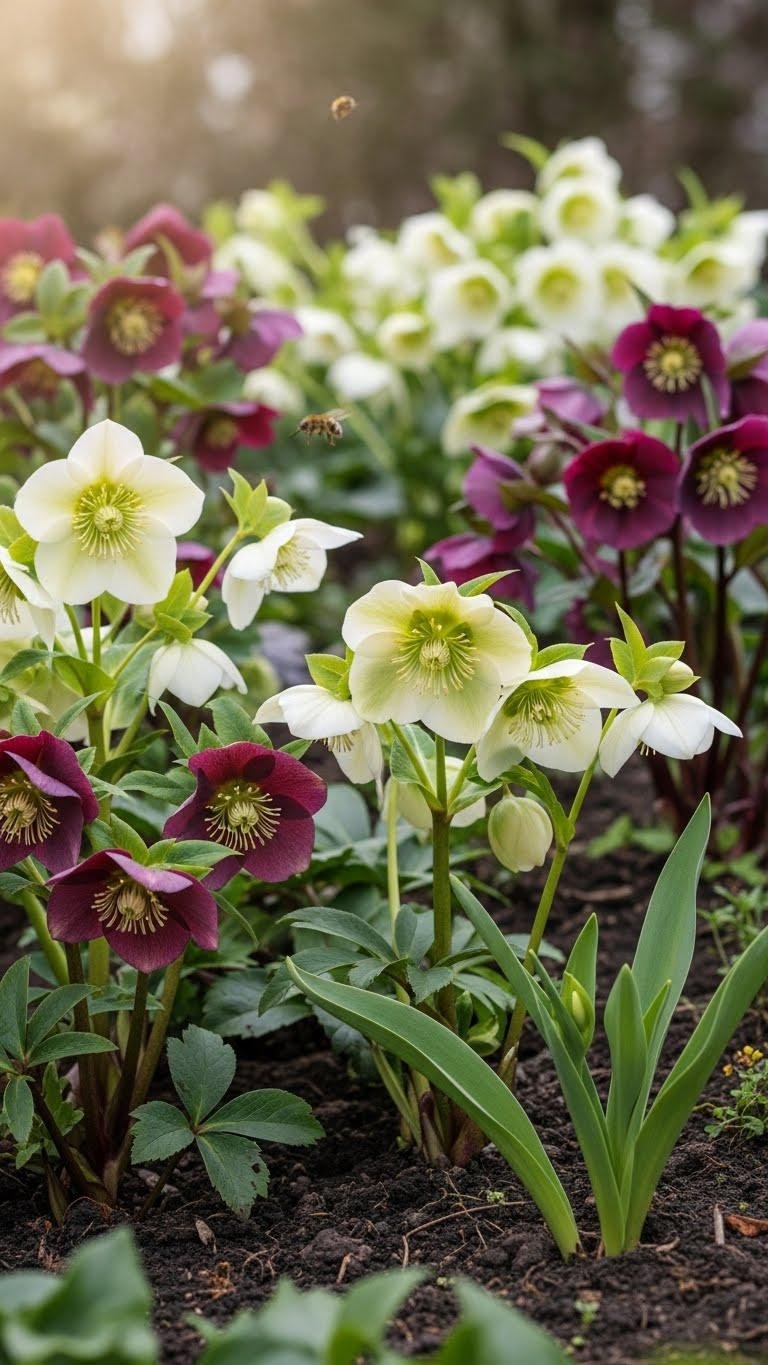
Where Dicentra offers springtime romance, hellebores keep the interest going through late winter and early spring with nodding, cup-shaped flowers in shades from creamy white to deep violet.
You’ll appreciate simple hellebore propagation tips, seed germination timing, and winter care that’s low fuss.
Plant where pollinator benefits matter; these tough perennials let you garden freely with reliable early-season color.
Japanese Painted Fern
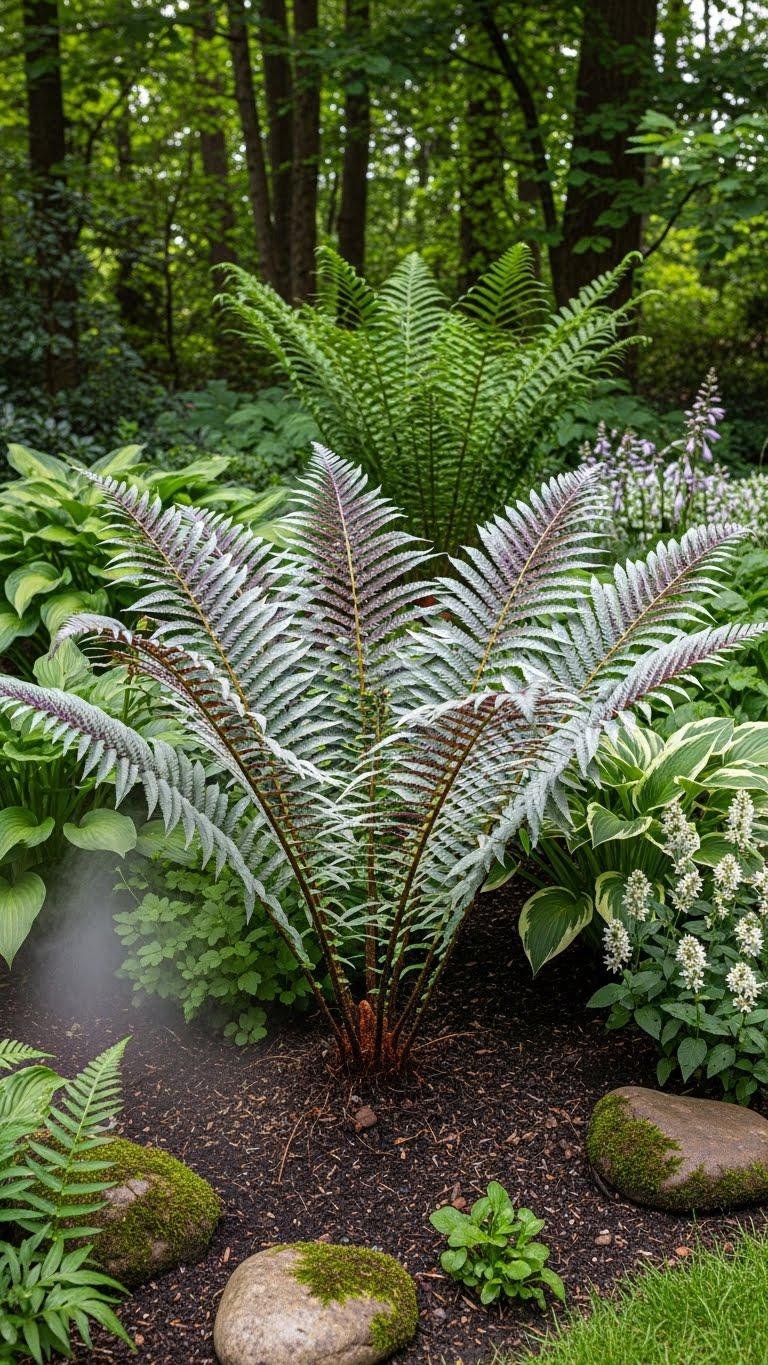
Japanese painted fern brings a silvery, lacy presence to dark corners, its metallic fronds edged in deep green and burgundy that brighten shady beds without demanding much fuss.
You’ll appreciate its low maintenance: moderate soil pH preferences, consistent moisture, and excellent light tolerance for deep shade to dappled sun. Plant it where you want graceful texture and freedom from constant care.
Lungwort (Pulmonaria)
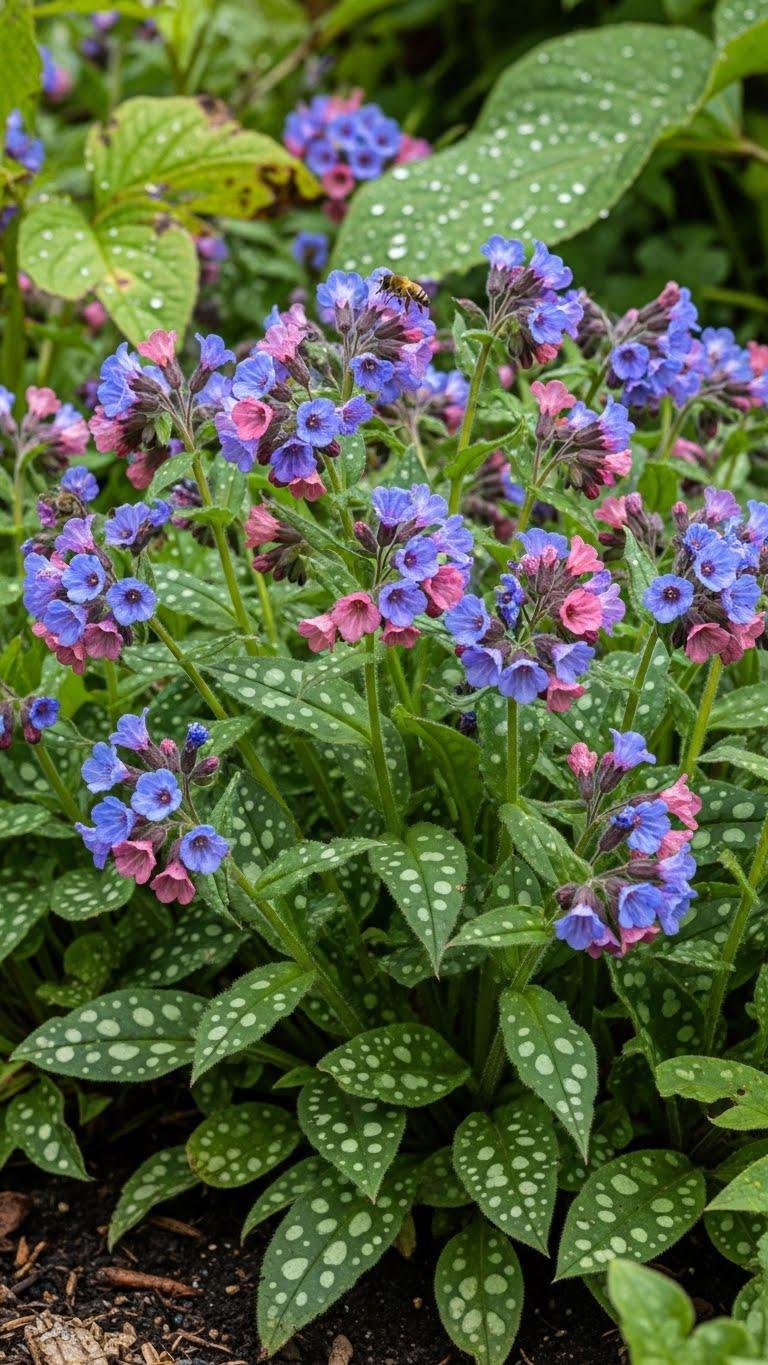
Often overlooked, lungwort (Pulmonaria) rewards you with early-season color and attractive, spotted foliage that brightens the darkest corners of your garden.
You’ll enjoy long-lasting blooms that lure bees — strong pollinator attraction — while leaves stay low-maintenance. Watch for leaf spot in humid sites and remove affected foliage promptly. Plant in cool, moist shade and let this hardy groundcover give you effortless beauty and freedom.
Solomon’s Seal (Polygonatum)
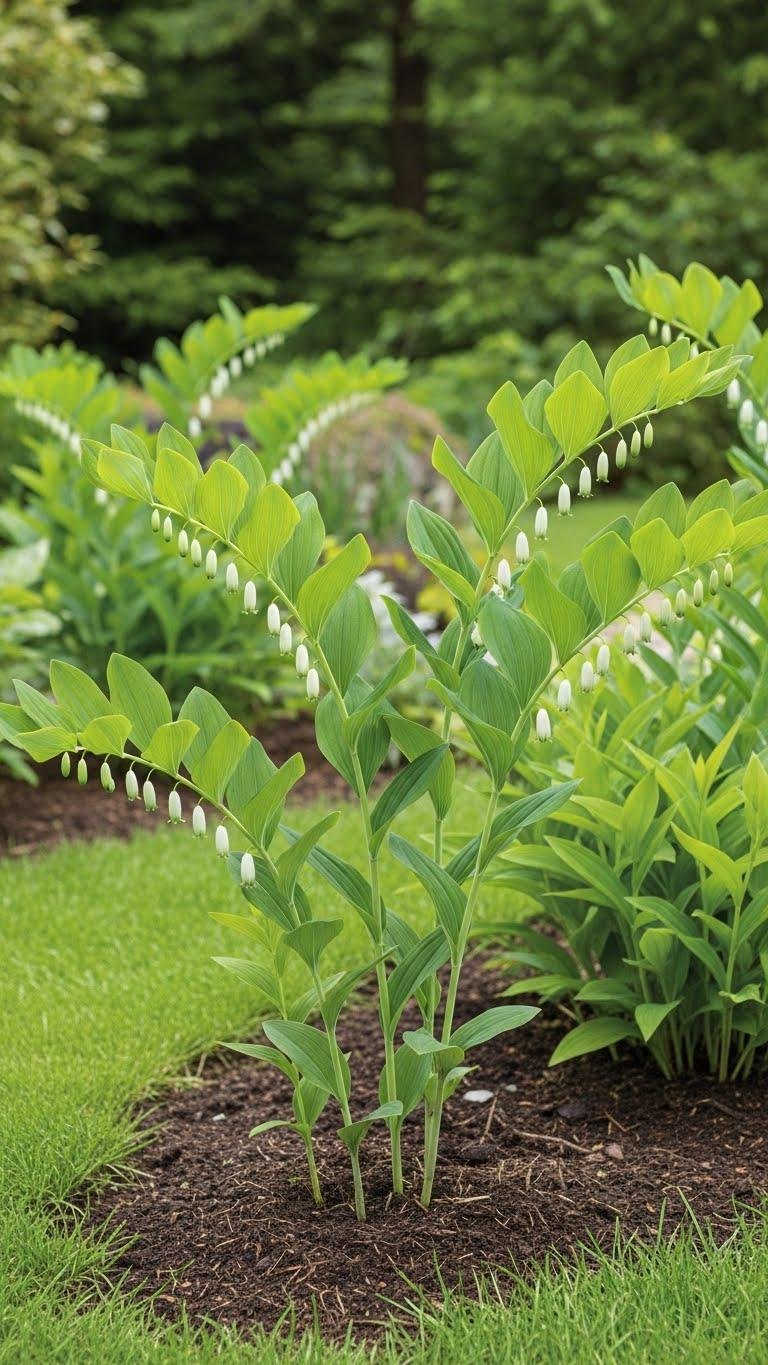
If you liked the graceful arching stems and early-season interest of lungwort, Solomon’s seal (Polygonatum) will add elegant vertical texture to the same shady spot.
You’ll appreciate easy shade propagation from rhizomes, low-maintenance foliage, and dangling bell flowers that invite pollinator interactions.
Plant in rich, well-drained soil, space for spread, and let it naturalize to free your design while staying tidy.
Toad Lily (Tricyrtis)

Because they bloom late in the season, toad lilies (Tricyrtis) keep shady beds looking alive when many other perennials are winding down.
You’ll plant them in rich, moist soil for reliable shade cultivation. Their speckled, orchid-like blooms attract bees and butterflies, enhancing pollinator interactions.
They tolerate deep shade, reward minimal fuss, and give your garden a bold, free-spirited accent.
Brunnera (Siberian Bugloss)
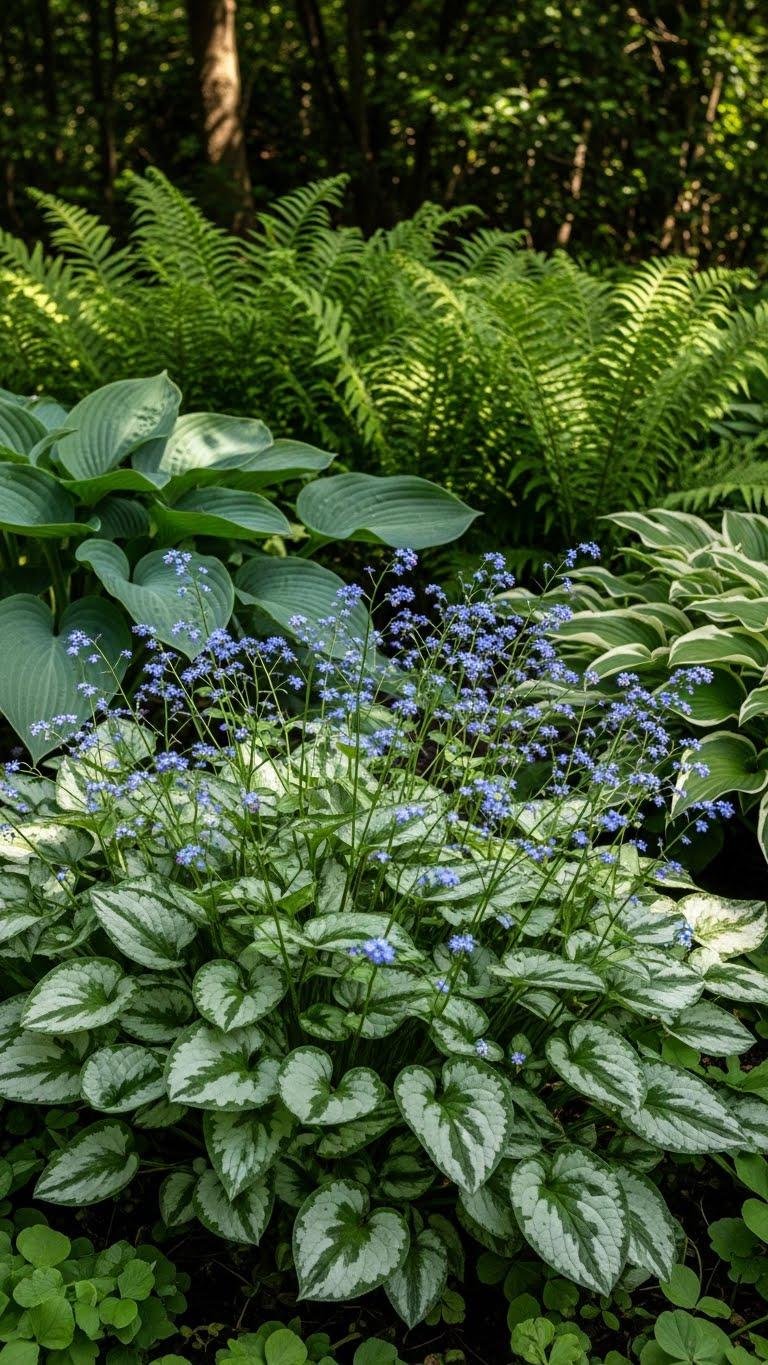
Bring a touch of early-spring brightness to shady spots with Brunnera (Siberian bugloss), a low-maintenance perennial prized for its heart-shaped, silver-speckled leaves and airy sprays of tiny blue forget-me-not–like flowers.
You’ll plant it where shade tolerance matters, enjoy long-lasting groundcover, and pair it with ferns or hostas. It’s tough, carefree, and freedom-friendly in mixed borders.
Rodgersia

Plant Rodgersia where you want dramatic, architectural foliage in deep shade: this bold perennial forms large rosettes of textured, often bronze- or green-tinted leaves and sends up tall, feathery plumes of creamy to pinkish flowers in late spring to early summer.
For Rodgersia cultivation choose moist, rich soil, give space for clumps, and explore Rodgersia varieties to match leaf color and size.
Foamflower (Tiarella)
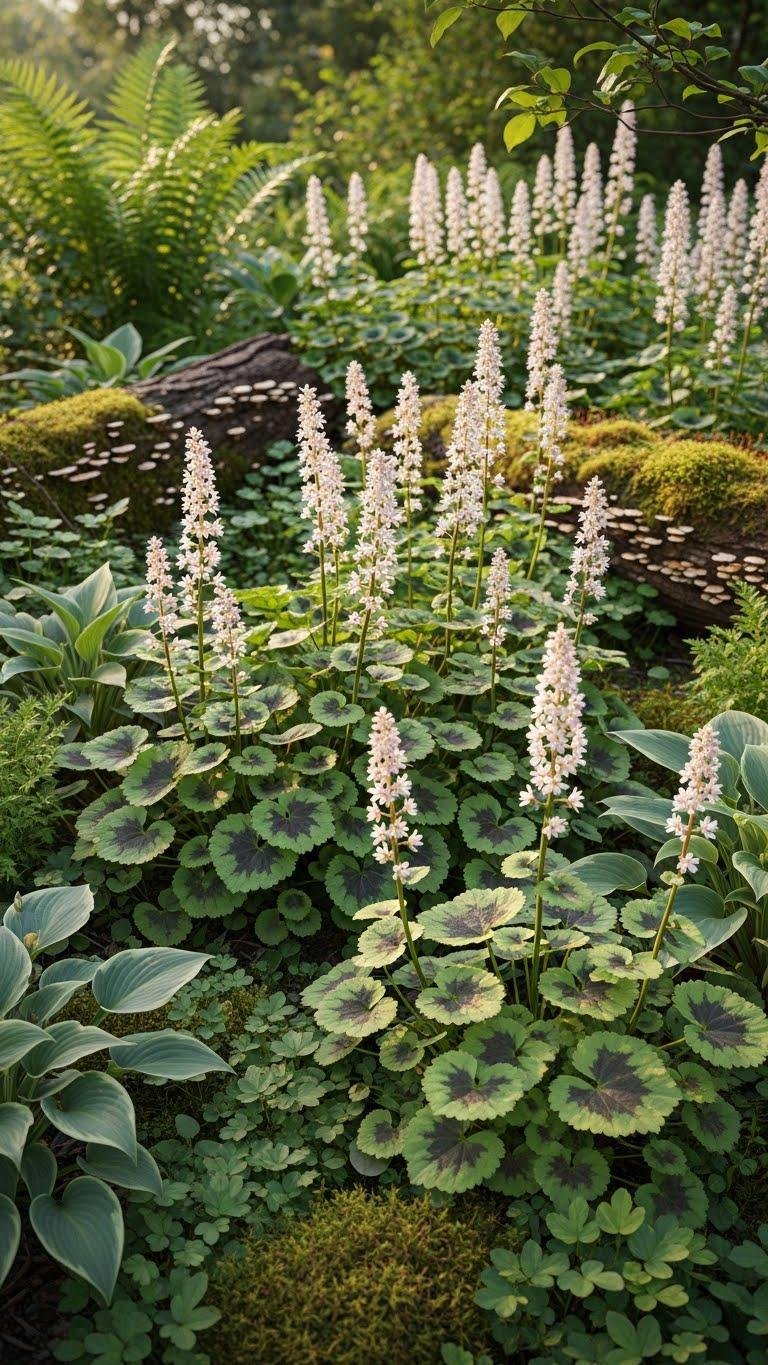
Often overlooked, foamflower (Tiarella) makes a striking groundcover for dark corners with its scalloped, often variegated leaves and airy spikes of white to pink flowers in spring.
You’ll appreciate its low fuss: plant in rich, moist soil, share light woodland companions, and use division for shade propagation.
It fills gaps, tames edges, and lets you create a free, relaxed understory.
Sweet Woodruff (Galium Odoratum)

If you liked Tiarella’s relaxed ground-hugging habit, you’ll enjoy sweet woodruff (Galium odoratum) for similarly effortless coverage with a different character: it forms a low, carpet-like mat of whorled, lance-shaped leaves and in spring sends up delicate clusters of starry white flowers that scent the air with a clean, hay-like fragrance.
You’ll plant it as easy ground cover; fragrant blooms reward light shade and minimal care.
Bishop’s Hat (Epimedium)
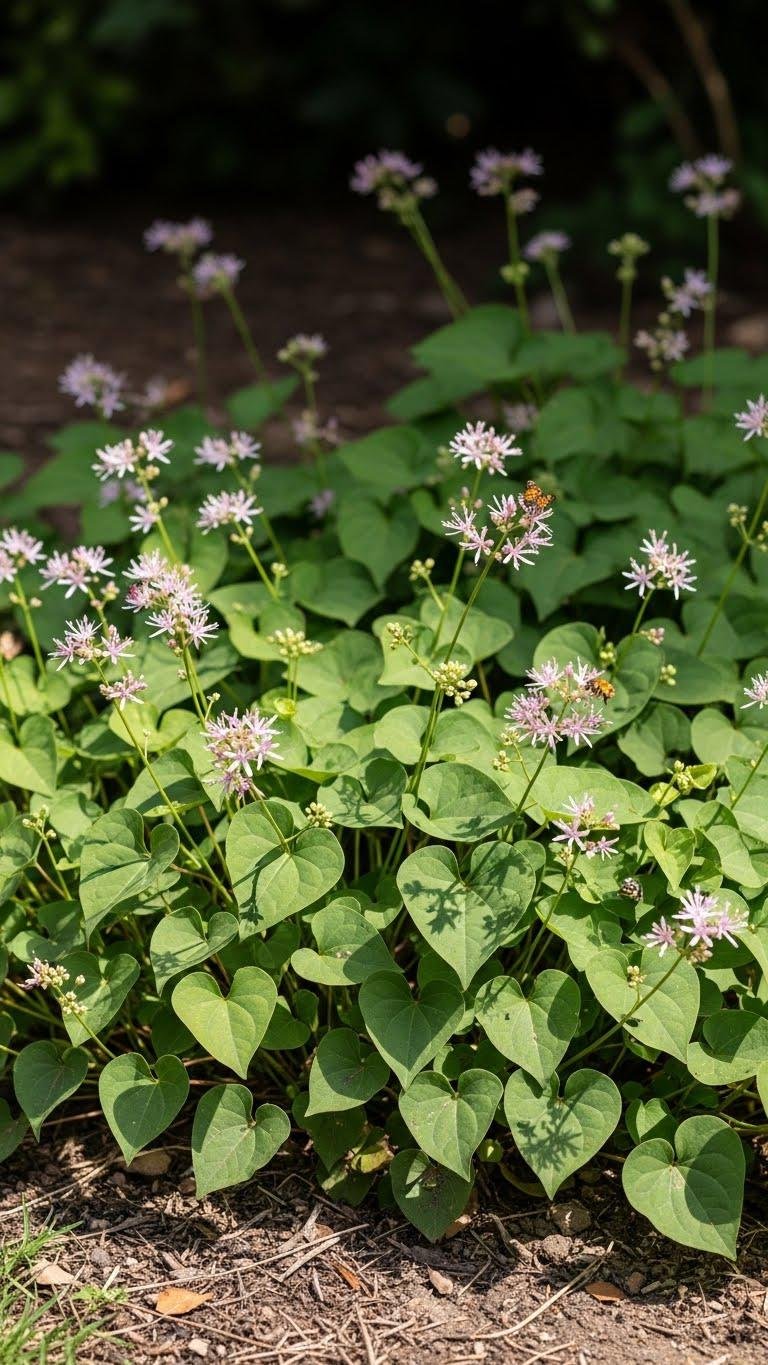
Drawing attention with airy sprays of heart-shaped leaves and delicate, spidery flowers, bishop’s hat (Epimedium) makes a reliable, low-maintenance choice for deep shade and dry soils where other perennials struggle.
You’ll plant it to reclaim shady corners; it offers excellent groundcover potential, suppresses weeds, and needs little care.
Expect subtle blooms with notable pollinator value and graceful, freedom-friendly texture.
Christmas Fern (Polystichum)

Where Arisaema brings drama with bold leaves and seasonal berries, Christmas fern (Polystichum) offers steady evergreen structure you can rely on in dark corners.
You’ll plant hardy fronds that give year-round evergreen texture and low maintenance. They tolerate deep shade, resist trampling, and support native conservation by providing habitat.
Place them along paths or under trees for quiet, liberated greenery.
Mezereum (Daphne Mezereum)
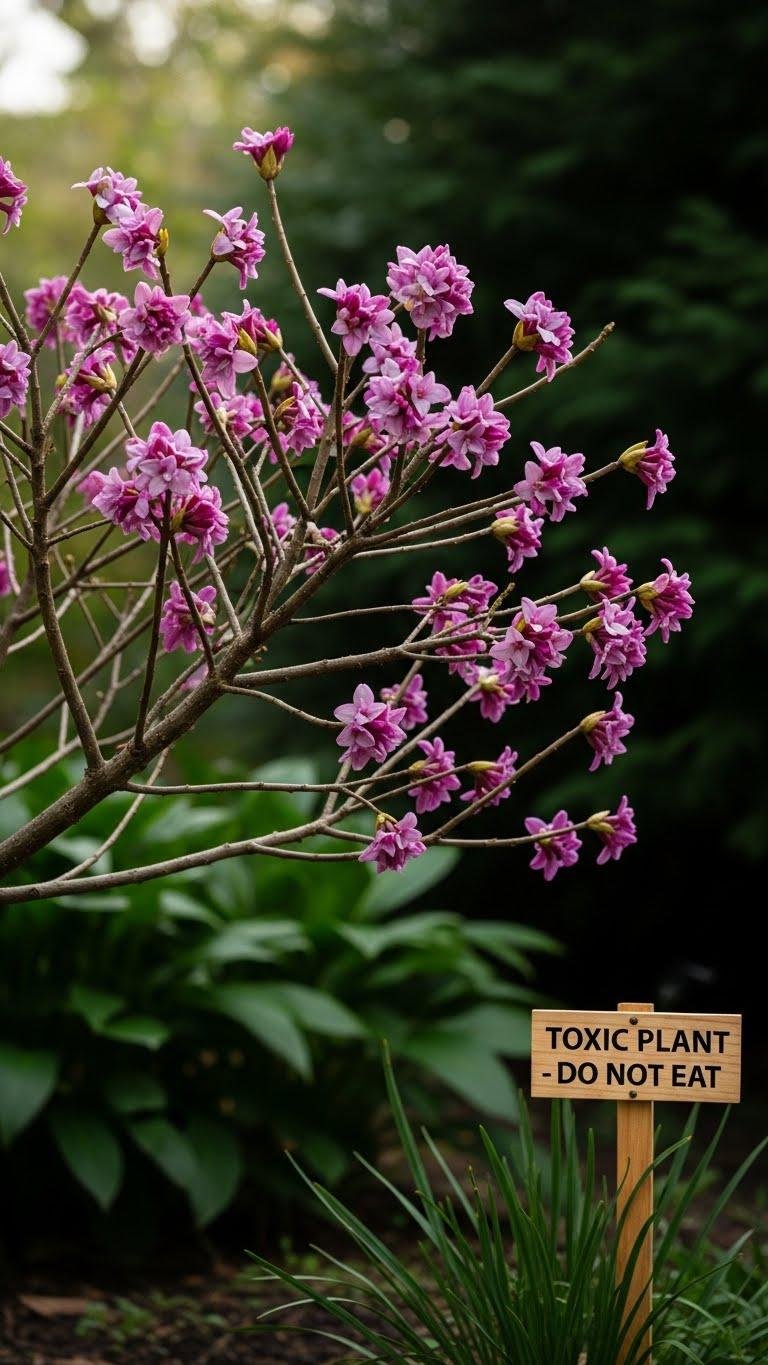
Mezereum (Daphne mezereum) offers a surprising burst of early-season interest for shady corners, with clusters of fragrant, pink to purple tubular flowers appearing on bare stems before the leaves unfold. You’ll enjoy its early flowering show and compact habit, but be mindful of toxic fragrance and poisonous berries — handle freely yet cautiously, keeping it away from children and pets.
Liriope
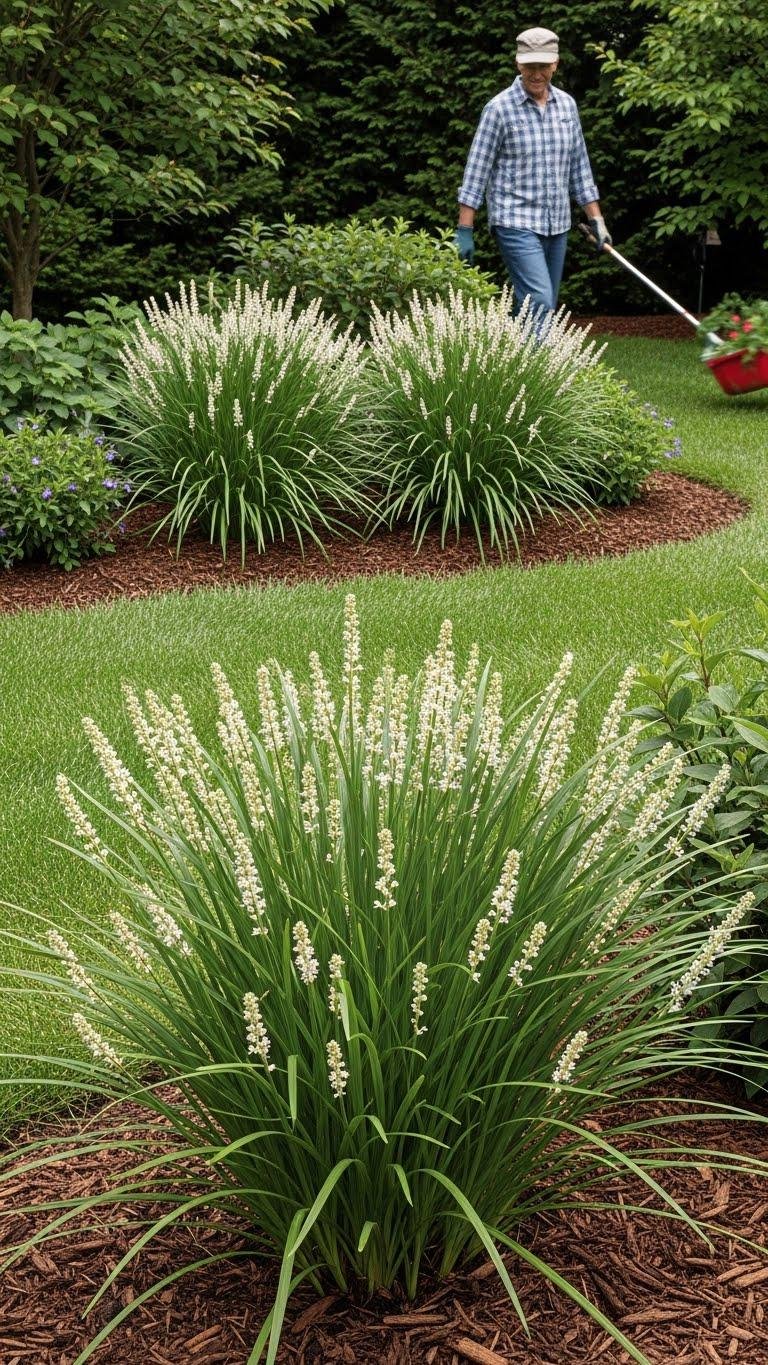
Plant liriope for low-maintenance groundcover and edging in dim corners where grass won’t thrive. You’ll enjoy tough, arching foliage, seasonal blooms, and easy care that frees you to wander. Use mulch benefits to retain moisture and suppress weeds.
Divide clumps in spring as key propagation methods, or lift and replant offsets. It establishes quickly and tolerates shade and foot traffic.
Columbine (Aquilegia)
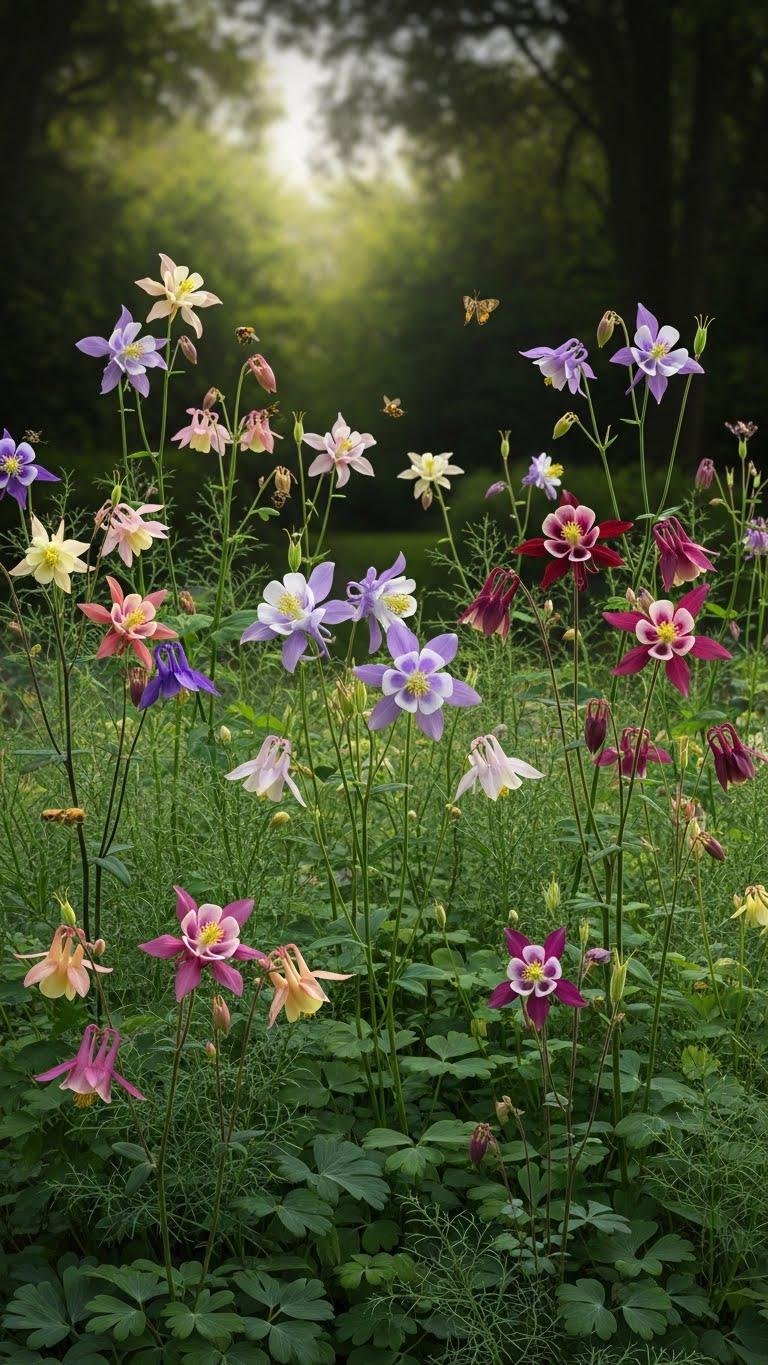
If you liked liriope for its low fuss and graceful texture, columbine (Aquilegia) brings delicate, nectar-rich flowers that brighten shady corners without demanding much attention.
You’ll appreciate its airy foliage, varied colors, and long nectar spurs that attract pollinators. Learn simple deadheading and light shade placement.
Enjoy columbine folklore that celebrates freedom and resilience while you cultivate easy, lively pockets of shade.
Wild Ginger (Asarum)
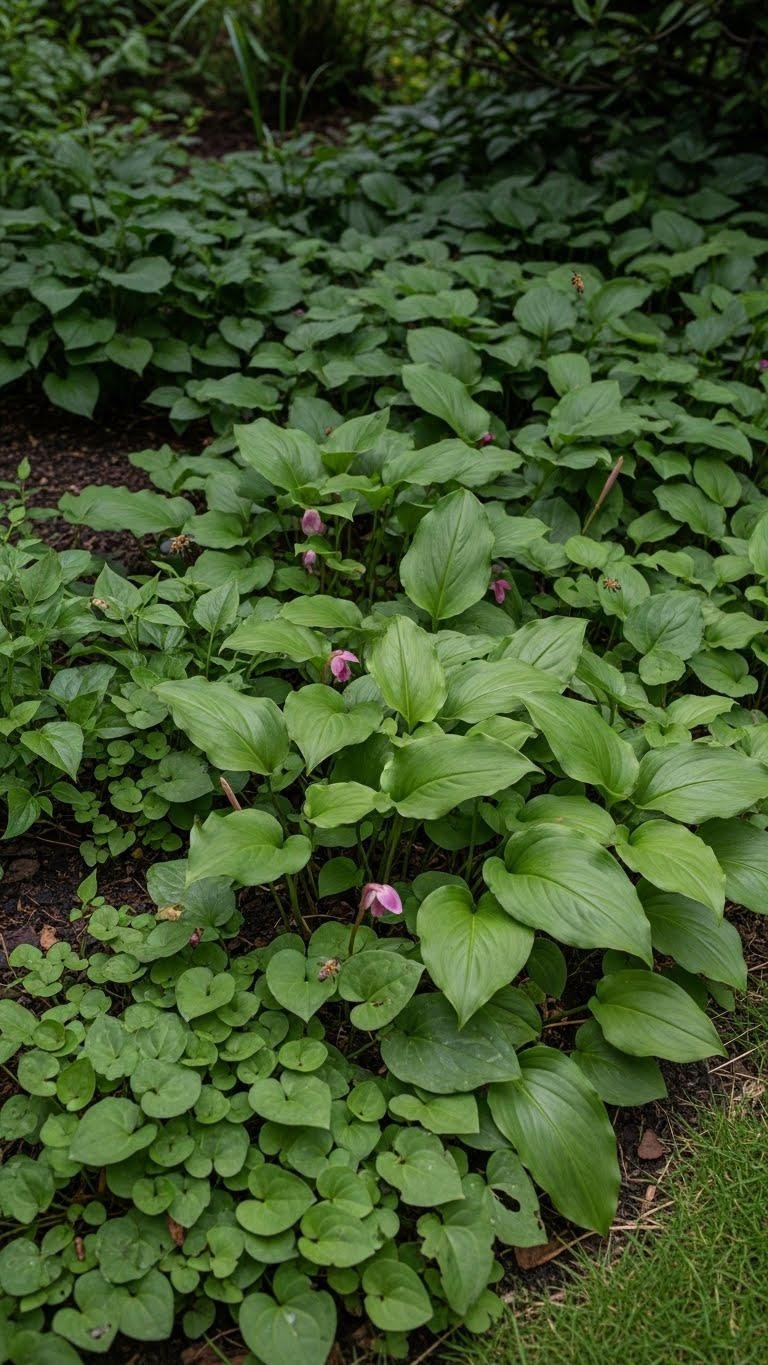
Often overlooked, wild ginger (Asarum) makes an excellent groundcover for deep shade, spreading low with glossy, heart-shaped leaves that hide its small, cup-like flowers beneath the foliage.
You’ll appreciate groundcover benefits: erosion control, weed suppression, and a tidy carpet requiring little care. Plant native clumps to support native pollinators and enjoy a low-maintenance, freeing layer that thrives in cool, damp corners.