
You can transform tired beds into lush, productive soil with 26 practical, science-backed hacks that fit any garden scale. Start by testing and sampling accurately, then correct pH, add compost and targeted minerals like gypsum or langbeinite, and use aeration, cover crops, and microbial boosts to rebuild structure and fertility. I’ll walk you through simple seasonal steps and spot fixes so you can plan improvements that actually last—here’s where to begin.
Test Your Soil With a Comprehensive Kit
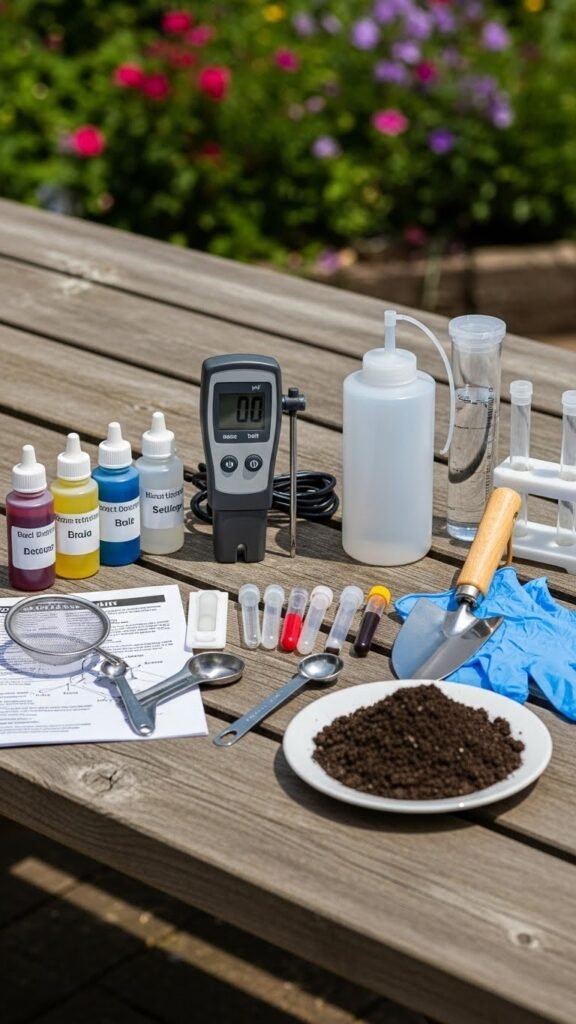
Start by grabbing a thorough soil test kit and get a clear picture of what your soil actually needs. You’ll use homebrew kits confidently, but don’t skip a lab comparison when precision matters. Read pH, nutrients, and texture results, then act decisively: amend, aerate, or water differently. This gives you control, independence, and predictable, thriving growth.
Collect Multiple Samples for Accurate Results

Because soil varies from spot to spot, collect several samples across the area you’ll plant so your test reflects the true average—not one lucky or unlucky patch.
You’ll use random sampling to avoid bias, gather cores from similar depths, combine and mix them, then send a composite sample.
Consider seasonal timing for consistency, and trust the data to guide confident, liberating soil decisions.
Diagnose and Treat Calcium Deficiency With Gypsum

If your plants show blossom end rot, stunted growth, or yellowing between veins, you likely have a calcium shortage in the root zone — and gypsum is an effective fix you can apply without altering soil pH.
Apply gypsum to soil, water it in, and use foliar gypsum for rapid uptake on tender growth.
For seedling rescue, apply dilute gypsum and monitor recovery closely.
Balance Magnesium Using Langbeinite
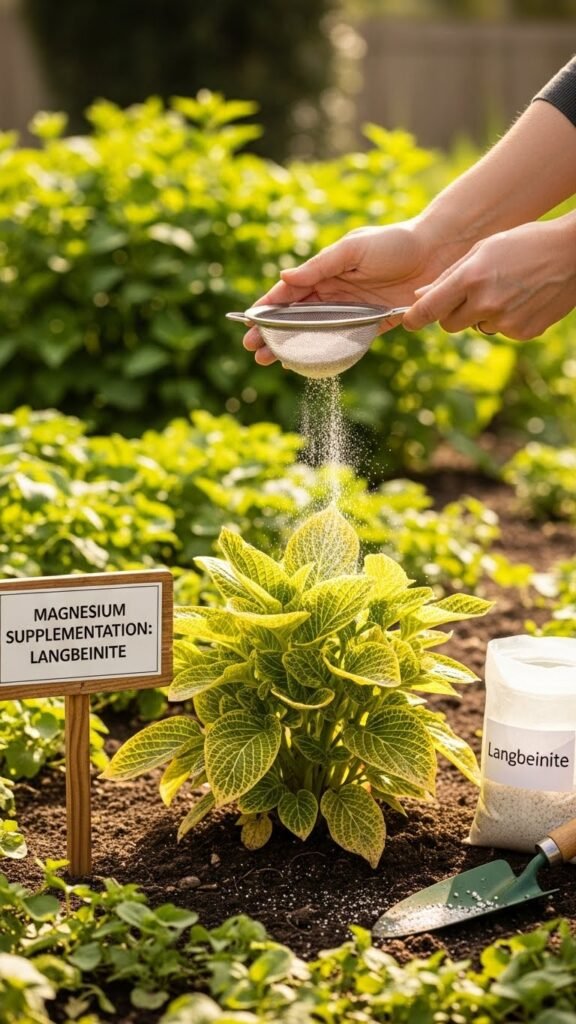
After you’ve corrected calcium shortages with gypsum, don’t forget that other nutrients—especially magnesium—also shape plant health and nutrient balance.
Add langbeinite to restore magnesium without upsetting pH; it delivers trace mineralization benefits and slow release potassium.
You’ll evenly correct deficiencies, improve resilience, and avoid overfeeding.
Apply per label rates, monitor tissue tests, and enjoy freer, healthier growth.
Core Aerate to Relieve Compaction
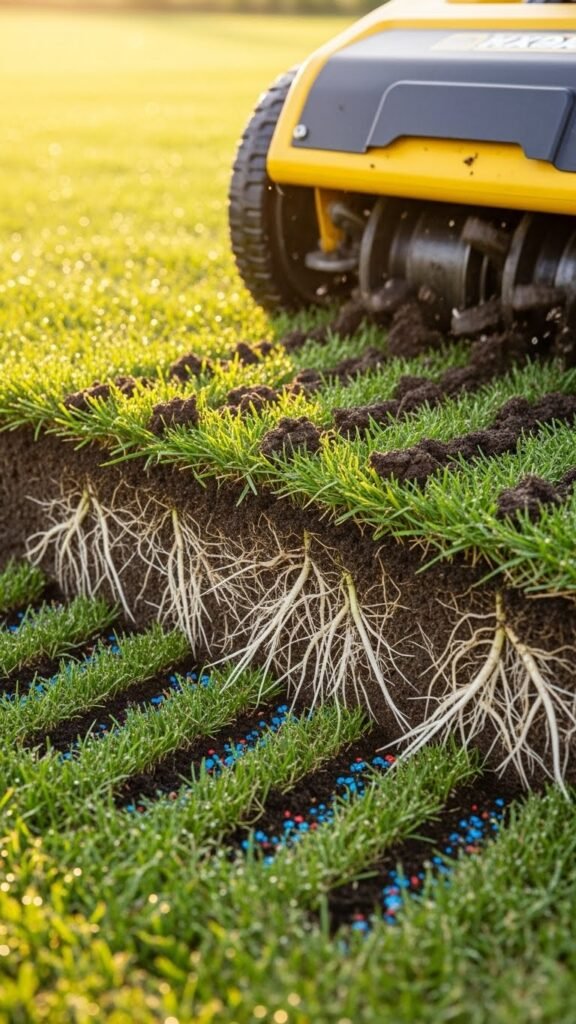
Don’t let compacted soil strangle your roots—core aeration opens up the ground so air, water, and nutrients can move freely and roots can expand.
You’ll choose deep core or pneumatic aeration depending on scale; both break hardpan, reduce runoff, and let roots breathe.
Rent gear or hire pros, follow a plan, and reclaim soil freedom for stronger, more resilient growth.
Mow Short and Rake Thatch Before Aeration

Always start by mowing your lawn shorter than usual and raking up the loose clippings and thatch so the aerator can penetrate the soil smoothly.
You’ll set a lower blade height to expose soil, remove obstacles, and guarantee thorough debris clearance.
Do this confidently: it makes aeration efficient, enhances root access, and frees you to achieve a healthier, more resilient turf.
Aerate Heavy Clay Soils for Better Density
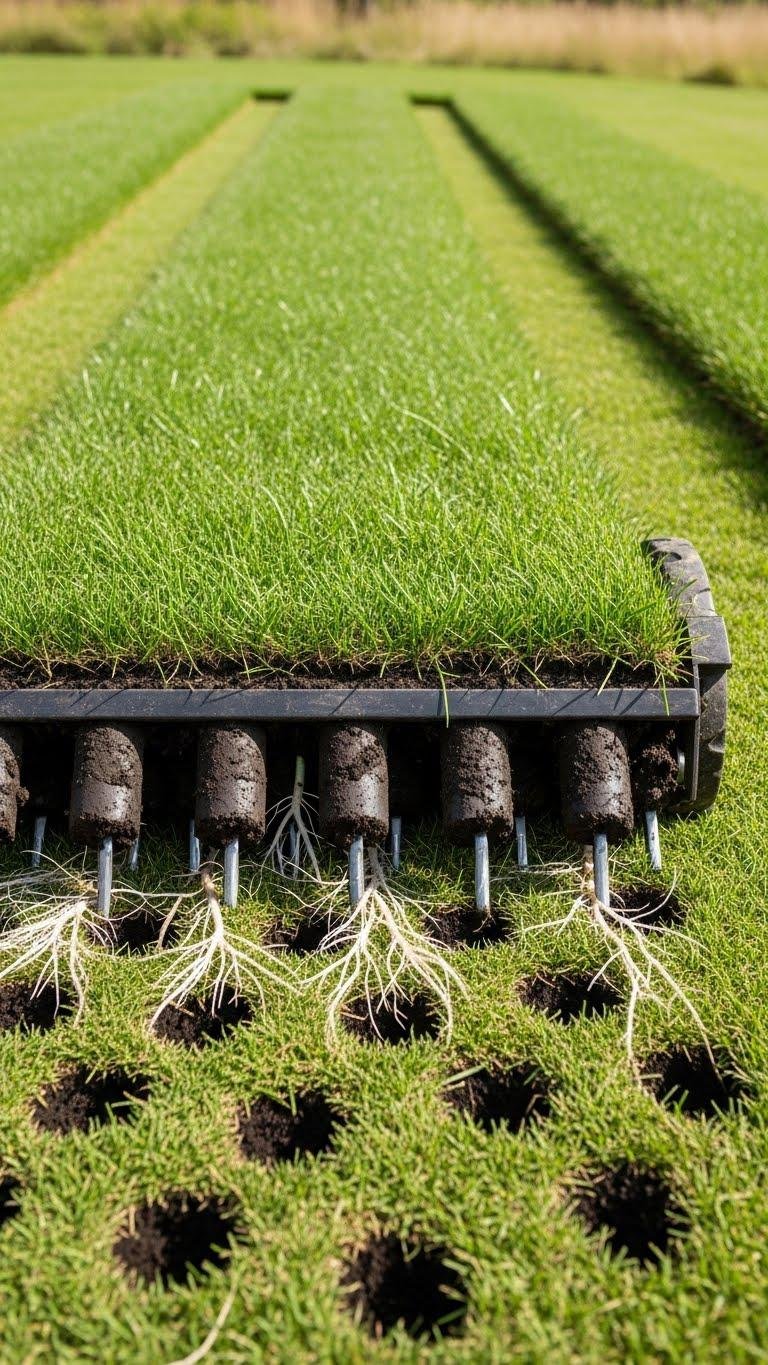
Once you’ve lowered the mower and cleared thatch, tackle compacted clay by aerating to restore soil density and drainage.
You’ll punch holes, remove cores, and loosen the bed so water moves toward drainage swales and roots breathe.
Use targeted aeration with occasional root pruning techniques to free crowded roots, encourage deeper growth, and reclaim a freer, more resilient lawn you control.
Top-Dress With a Half-Inch Layer of Compost
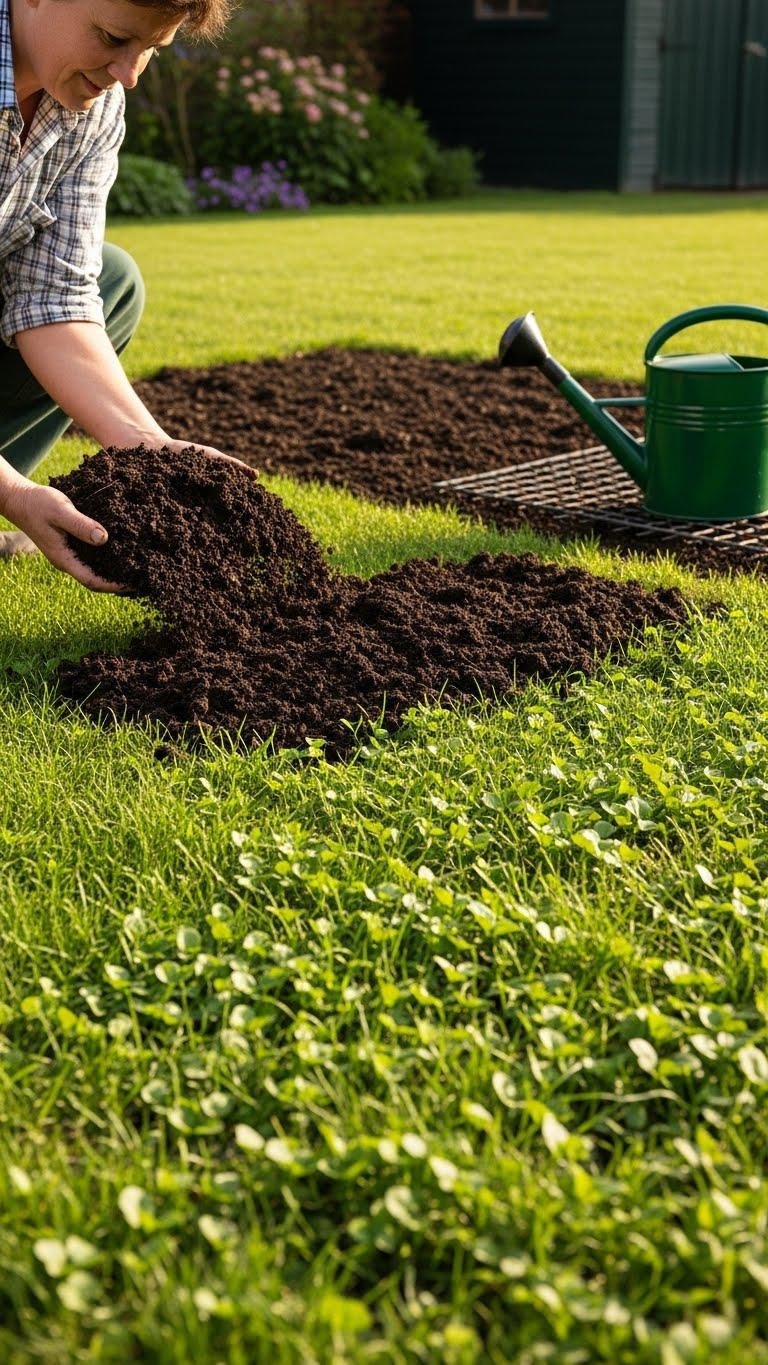
Spread a generous, even half‑inch layer of well‑aged compost over your lawn to boost soil structure, supply gentle nutrients, and protect emerging seedlings without smothering grass.
You’ll gently top-dress, creating a compost layer that improves moisture retention and feeds roots.
Rake lightly, water in, and let nature do the rest.
You’ll enjoy healthier turf and greater freedom from constant fertilizer chores.
Work Organic Amendments Eight Inches Down

If you want lasting soil health, work organic amendments down about eight inches so roots and soil life can access the benefits where they actually grow. You’ll dig or fork in compost and aged manure, promoting decomposition acceleration and feeding microbes.
Combine this with strategic cover cropping to protect soil, fix nitrogen, and loosen structure—giving you freer, more resilient beds that reward minimal intervention.
Apply Sup-R-Soil to Improve Clay Porosity
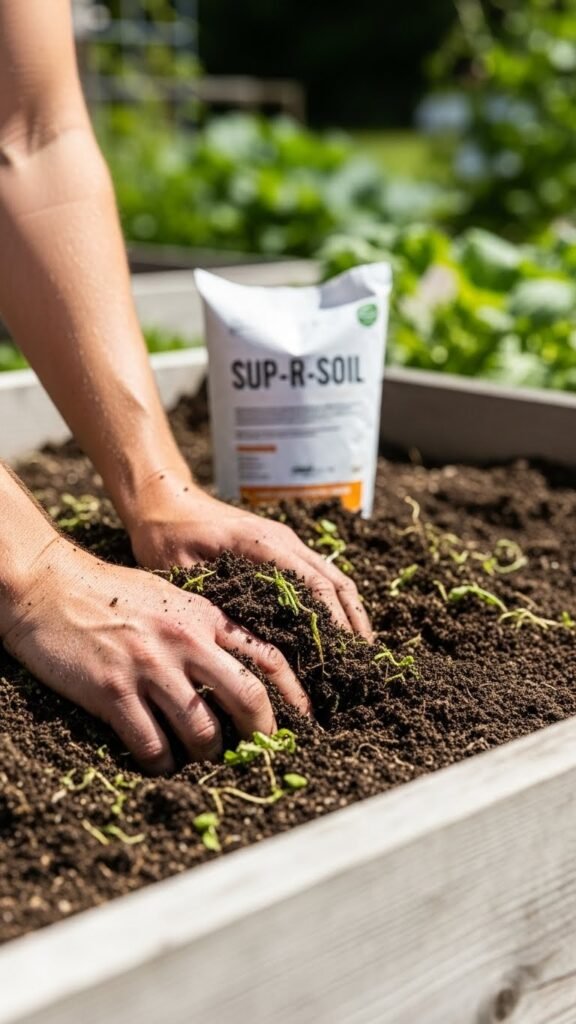
After you’ve worked compost and manure deep into beds and let cover crops rebuild structure, you’ll want a targeted fix for stubborn clay: Sup-R-Soil.
You’ll apply it to open pores, boost soil microbes, and break compacted layers so roots roam free.
It’s a practical drainage solutions upgrade that’s low-effort, empowering you to reclaim heavy ground and enjoy faster, healthier growth.
Add Well-Rotted Manure for Long-Term Fertility

Bring well-rotted manure into your beds to build lasting fertility and structure that outlives a single season. You’ll choose manure sourcing based on local availability and compost quality; test for salt and weed seeds.
Mix gently into topsoil in fall or early spring—application timing matters. You’ll free yourself from chemical dependence, improve moisture retention, and feed soil biology for resilient, low-maintenance growth.
Use Peat Moss to Improve Soil Structure

When you mix peat moss into heavy clay or compacted beds, you’ll quickly notice lighter, more friable soil that drains better yet still holds moisture for thirsty roots.
Use peat moss sparingly in garden beds and container gardening to boost moisture retention and structure. Consider sphagnum alternatives for sustainability.
You’ll gain workable, fertile soil that frees you to grow with confidence.
Leave Grass Clippings to Recycle Nitrogen
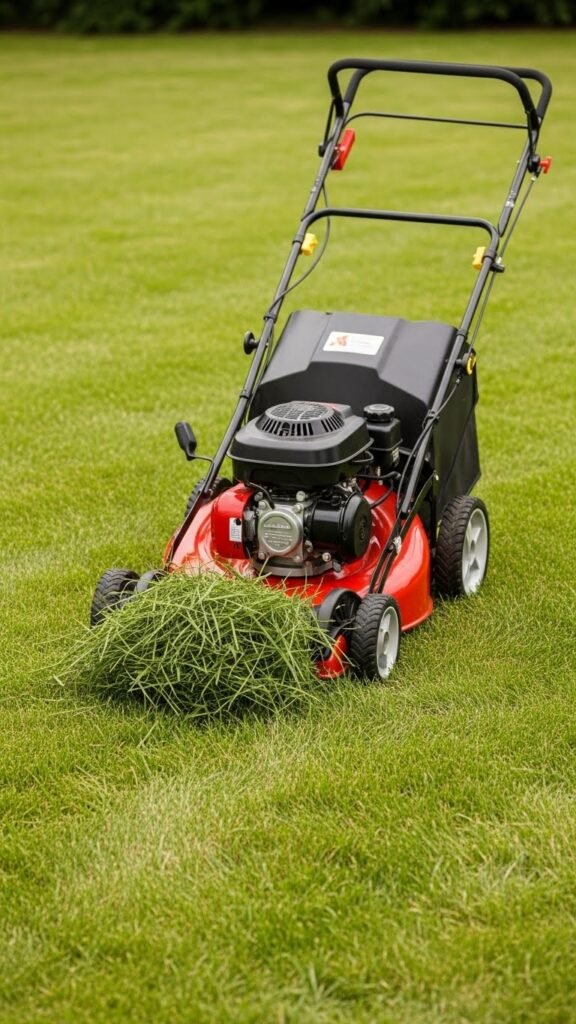
Frequently, leaving grass clippings on the lawn is the simplest way to recycle nitrogen and cut your fertilizer needs—just mow regularly and let the fine clippings fall back where they belong.
You’ll trust clippings mulch to protect soil, speed nitrogen cycling, and feed grassroots. Mow when dry, avoid thick layers, and embrace this low-effort habit to save time, money, and preserve your lawn’s natural freedom.
Choose Organic Fertilizers Over Synthetic Options

Often you’ll get better long‑term soil health by choosing organic fertilizers over synthetic ones; they feed soil life, improve structure, and release nutrients slowly so plants access them as needed.
You’ll prefer organic feeds like compost teas and microbial inoculants to rebuild resilience, boost water retention, and reduce runoff.
Apply thoughtfully, follow labels, and trust biology to free you from constant chemical fixes.
Overseed Immediately After Aeration

Right after aeration, spread seed so it settles into the open pockets and makes direct contact with soil — that’s when overseeding works best.
You’ll choose seed selection based on sun, wear tolerance, and your climate. Hit appropriate timing windows for cool- or warm-season varieties, water lightly, and protect newly seeded areas. You’ll reclaim turf freedom by planning and acting decisively.
Brew and Apply Compost Tea Monthly

Monthly, brew a strong batch of compost tea and apply it across your lawn to boost microbial life, improve nutrient availability, and strengthen turf resilience. You’ll pair aeration brewing timing with monthly applications to maximize soil contact. Use quality compost to encourage beneficial fungi and bacterial balance. Apply in calm weather, avoid overwatering, and trust this simple habit to free your lawn to thrive.
Introduce Beneficial Microbes With Compost
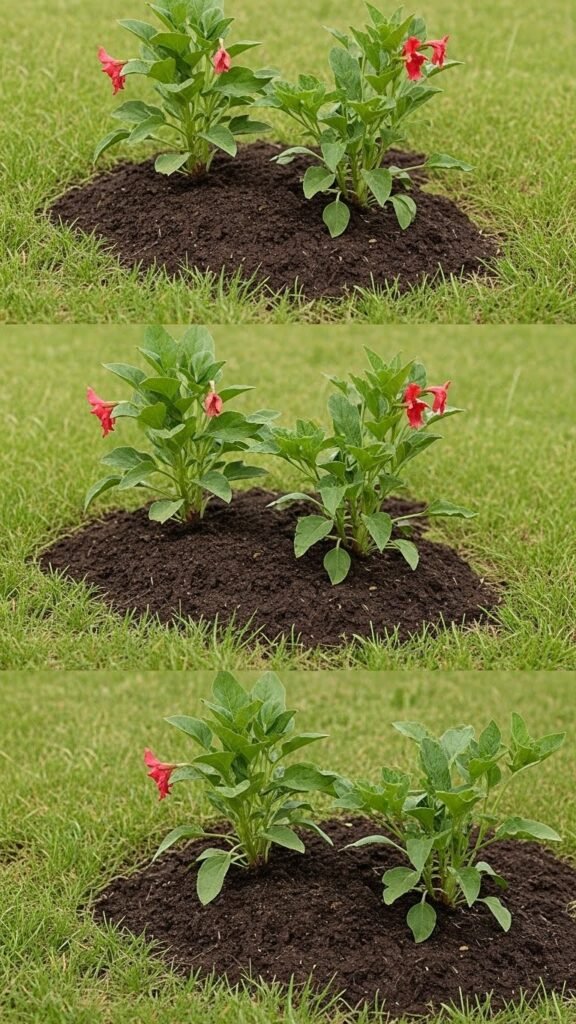
After boosting microbial activity with regular compost tea, bring beneficial organisms into your soil more permanently by working quality compost directly into the turf and planting beds. You’ll introduce diverse microbial consortia that improve structure, nutrient cycling, and resilience.
Combine compost with targeted seed inoculants for new plantings, follow planting depth and timing guidelines, and let nature reclaim productivity while you enjoy freer, lower-maintenance growth.
Spread Amendments Evenly Using a Spreader

Don’t wing it—use a broadcast or drop spreader to lay amendments evenly so every square foot gets the right dose. You’ll calibrate with simple calibration techniques, measure a test strip, then adjust settings for consistent coverage.
Keep freedom to roam your garden: perform regular spreader maintenance, clean moving parts, and store dry. That precision saves material, time, and gives predictable, lush results.
Lightly Water After Applying Treatments
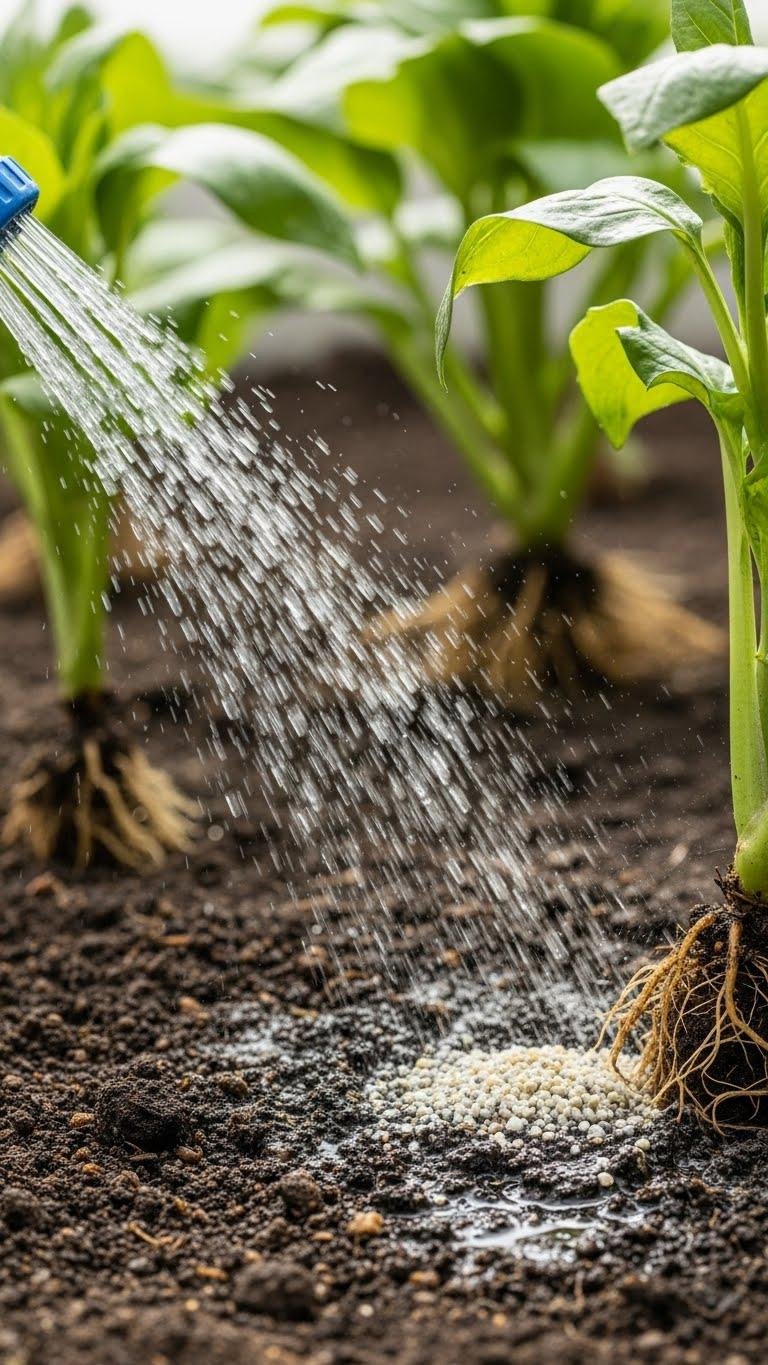
Paragraphs
Monitor Soil Changes and Adjust Care
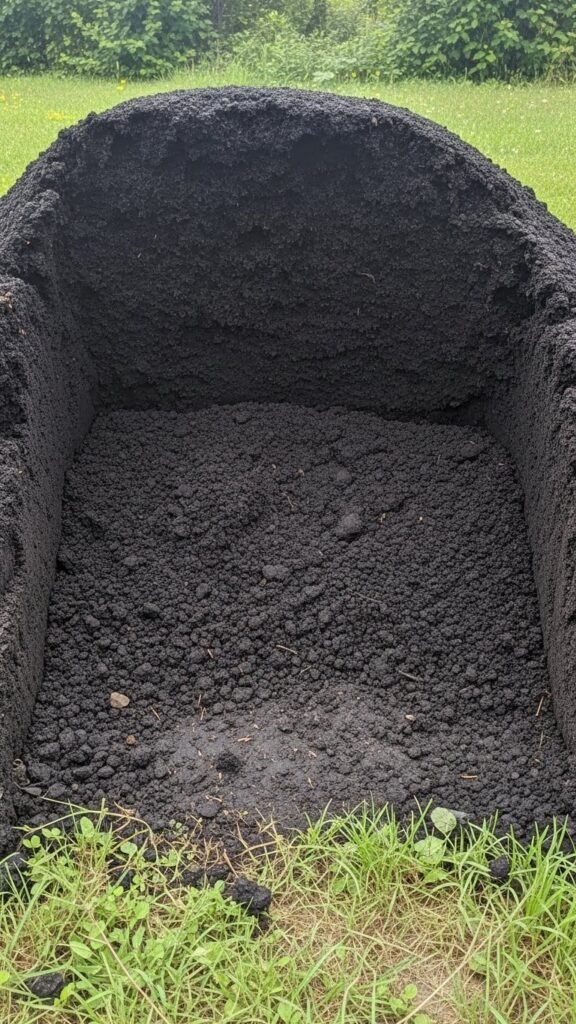
Because soil is always changing, you should check it regularly for texture, moisture, and smell so you can respond before problems take hold.
Use simple tests and sensor networks for reliable readings, and build moisture mapping to track trends across beds. Adjust watering, aeration, and amendments confidently.
You’ll keep soil resilient and retain freedom to experiment without risking plants.
Use Targeted Applications for Spot Repairs
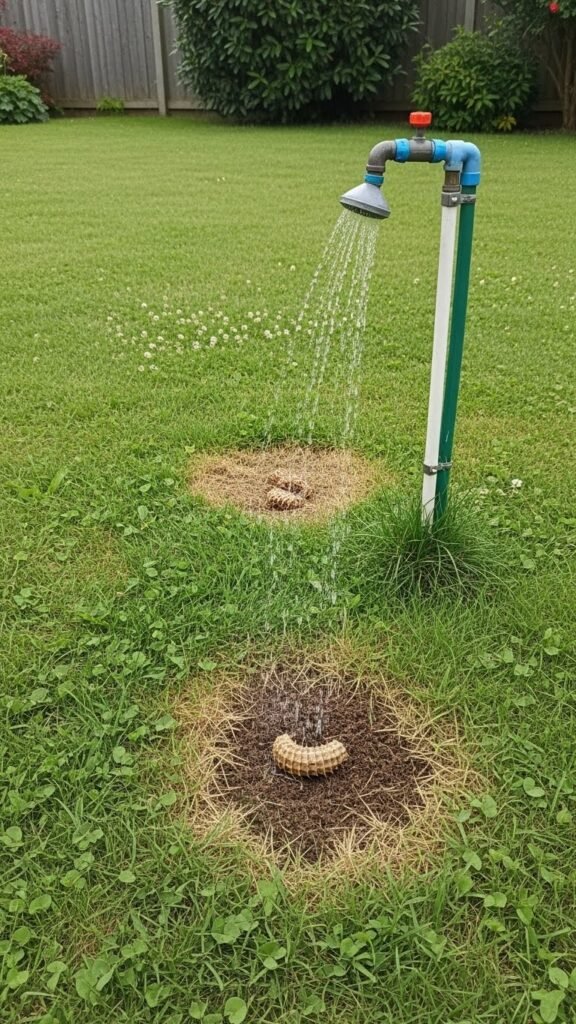
Don’t treat your whole lawn when a few thin patches or grub-damaged spots need attention—targeted applications save time, money, and your yard’s balance.
You’ll spot-treat with a focused fertilizer, use localized watering to prevent overhydration, and employ mini composting piles to rebuild soil structure.
Act precisely, recheck progress weekly, and repeat only where needed to keep control and freedom over your landscape.
Schedule Regular Seasonal Soil Maintenance
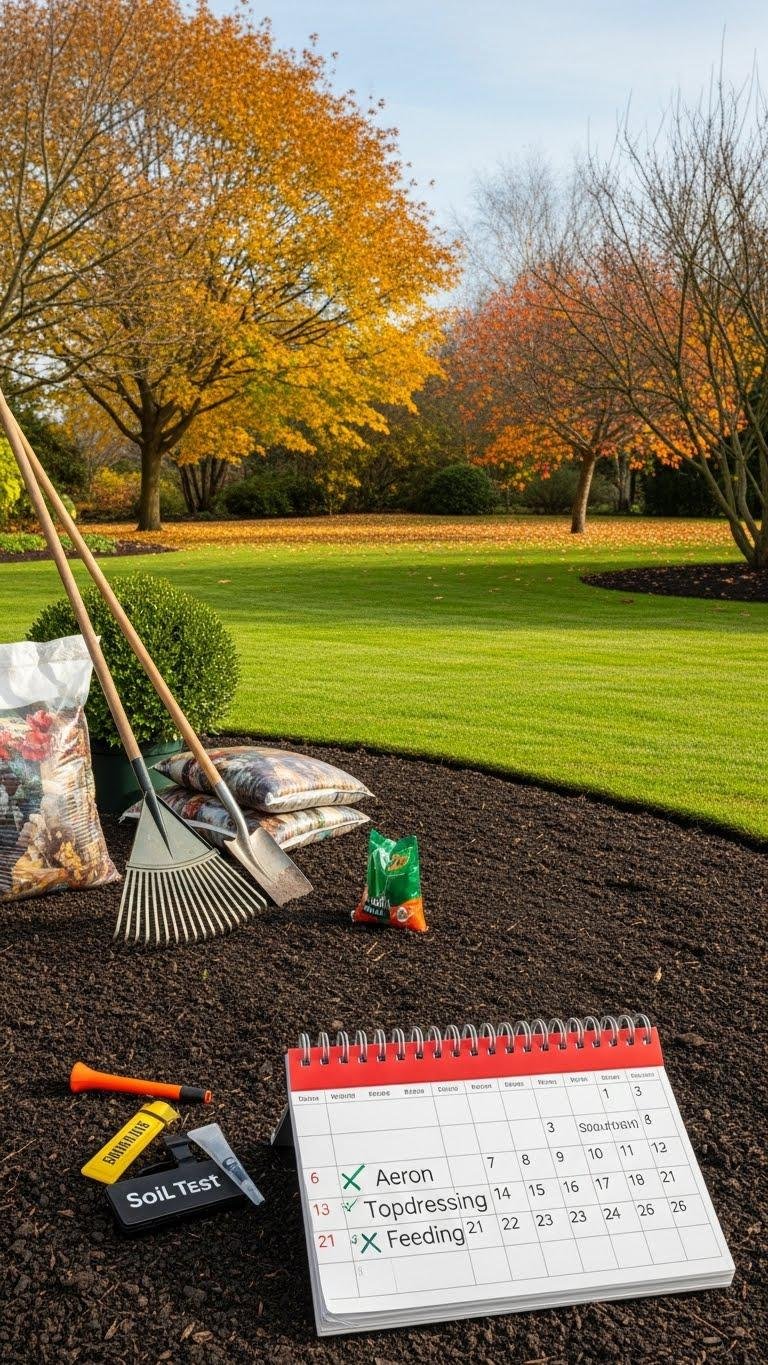
When you set a seasonal maintenance schedule and stick to it, your soil stays resilient and your lawn needs fewer emergency fixes.
You’ll plan seasonal mulchings, test pH, and add winterizing amendments before cold hits. Stay proactive: aerate, topdress, and feed on a calendar so chores don’t pile up. You’ll enjoy healthier soil and more freedom to relax, not react.