
You can grow a bright, productive tea garden even in a small sunny spot, and it’s easier than you think. Plant a mix of fragrant herbs, calming flowers, and a few hardy shrubs to steep into daily blends. I’ll show which 21 plants work well together, how to harvest and store them, and simple pairings that taste great—so you’ll be steeping your own cup before long.
Holy Basil (Tulsi)
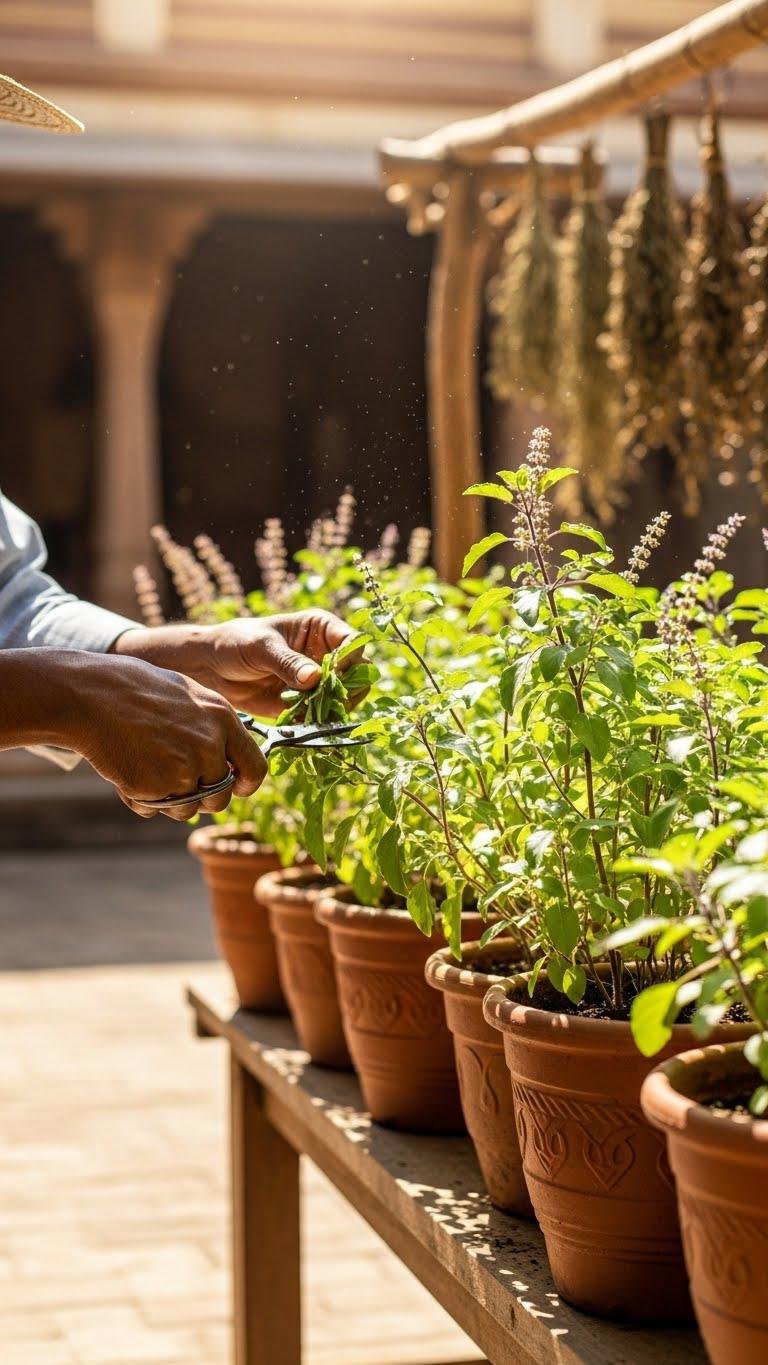
While you might know it from temples or herbal remedies, holy basil (tulsi) is also an easy, rewarding plant to grow at home; it thrives in containers or beds with good sunlight and regular watering.
You’ll savor its peppery aroma, learn sacred symbolism, and enjoy steady harvests. Practice adaptive pruning, pinch tips, and let the plant teach you simple, liberating stewardship.
German Chamomile

Often overlooked in favor of taller herbs, German chamomile rewards home gardeners with tiny, daisy-like flowers that steep into a calming, apple-scented tea you can brew from plants you grow yourself.
You’ll relish simple chamomile cultivation: full sun, well-drained soil, deadhead for continuous blooms. Harvest flowers fresh, dry for later, and enjoy apigenin benefits that support restful, liberated evenings.
Peppermint
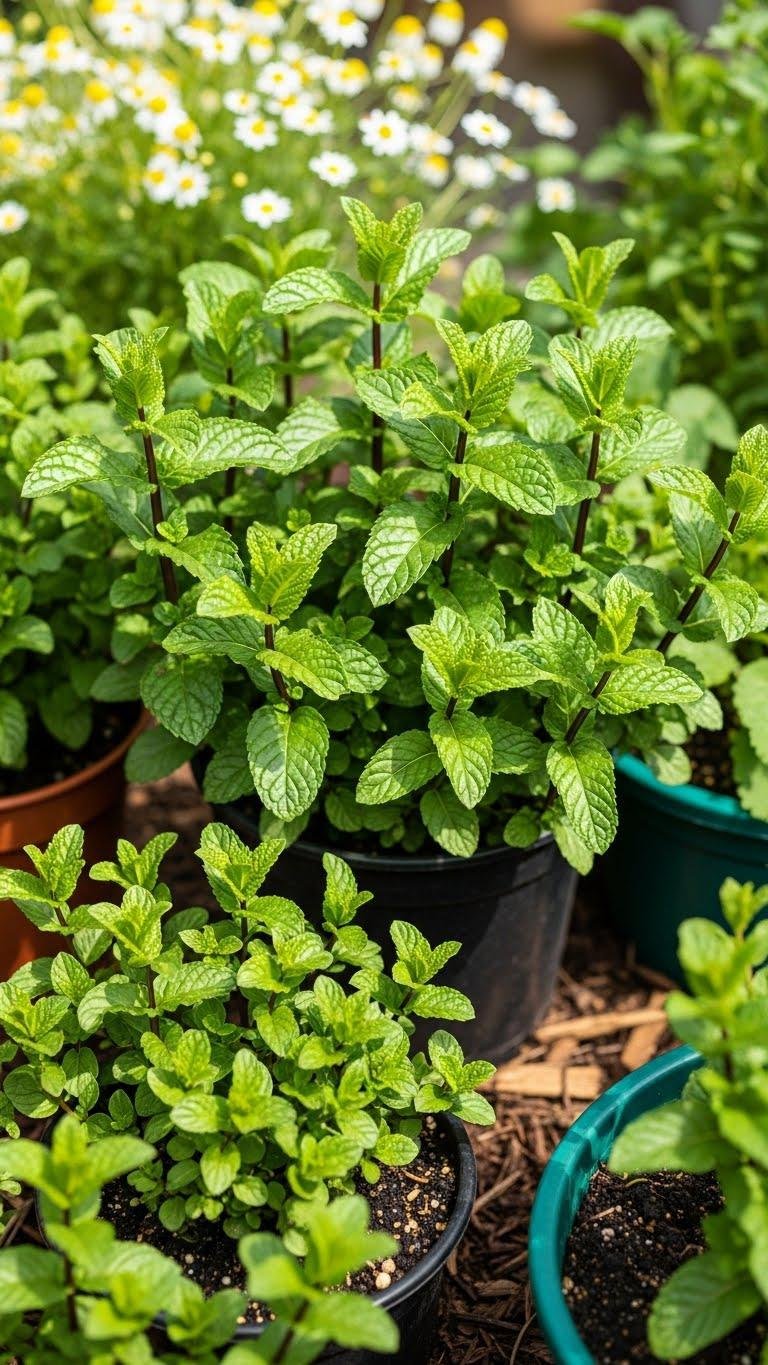
After enjoying chamomile’s gentle blooms and soothing brews, you can bring a different kind of freshness to your tea garden with peppermint. You’ll love its bright aroma and fast spread; contain it in pots or a dedicated bed for companion planting without takeover.
Harvest leaves often for tea, dry extras, and give simple winter care like mulch and light protection so plants return vigorous and free.
Garden Sage
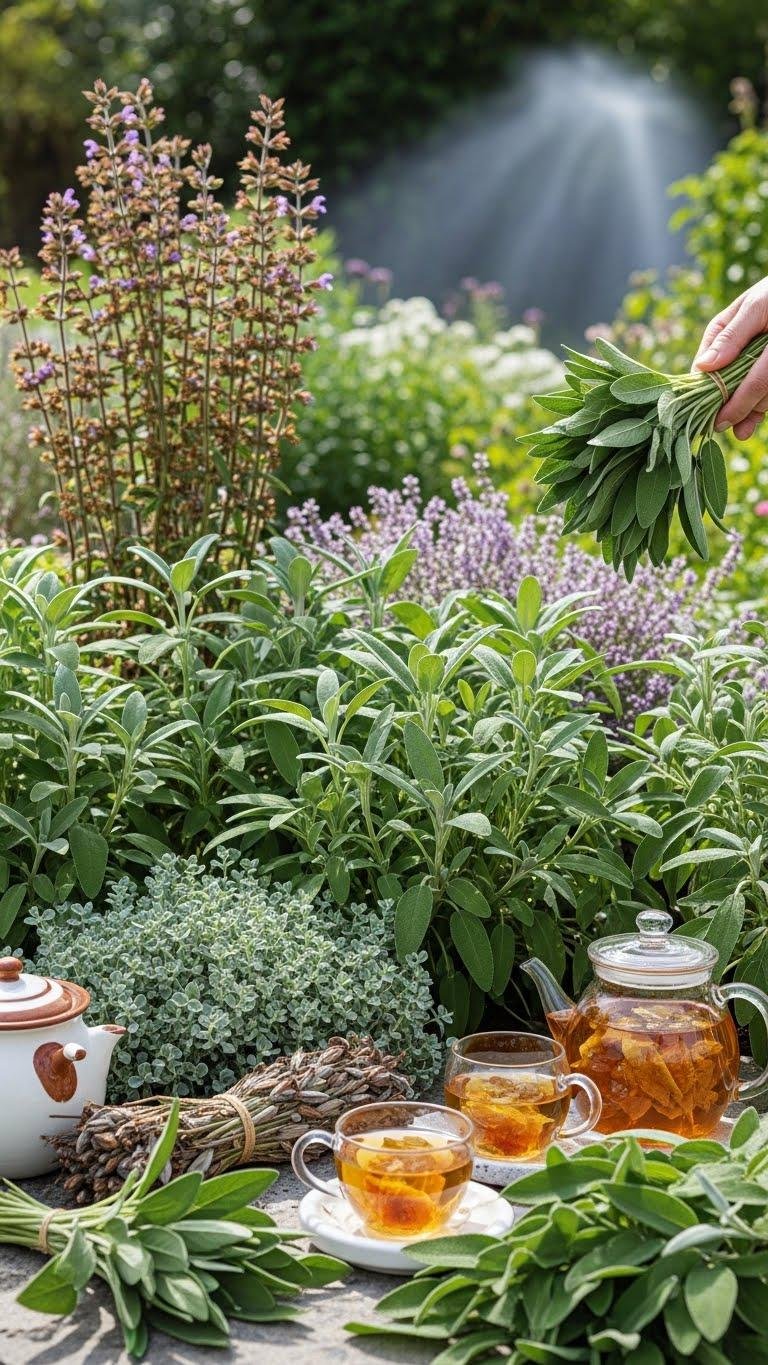
Because sage thrives in sunny, well-drained spots and tolerates drought, you’ll find it an easy, fragrant addition to your tea garden. You can harvest leaves for calming teas and culinary uses, drying or infusing them.
Choose compact or striking ornamental varieties to suit your style. Prune after flowering, give good air flow, and enjoy hardy, low-maintenance freedom in your garden.
Echinacea (Purple Coneflower)
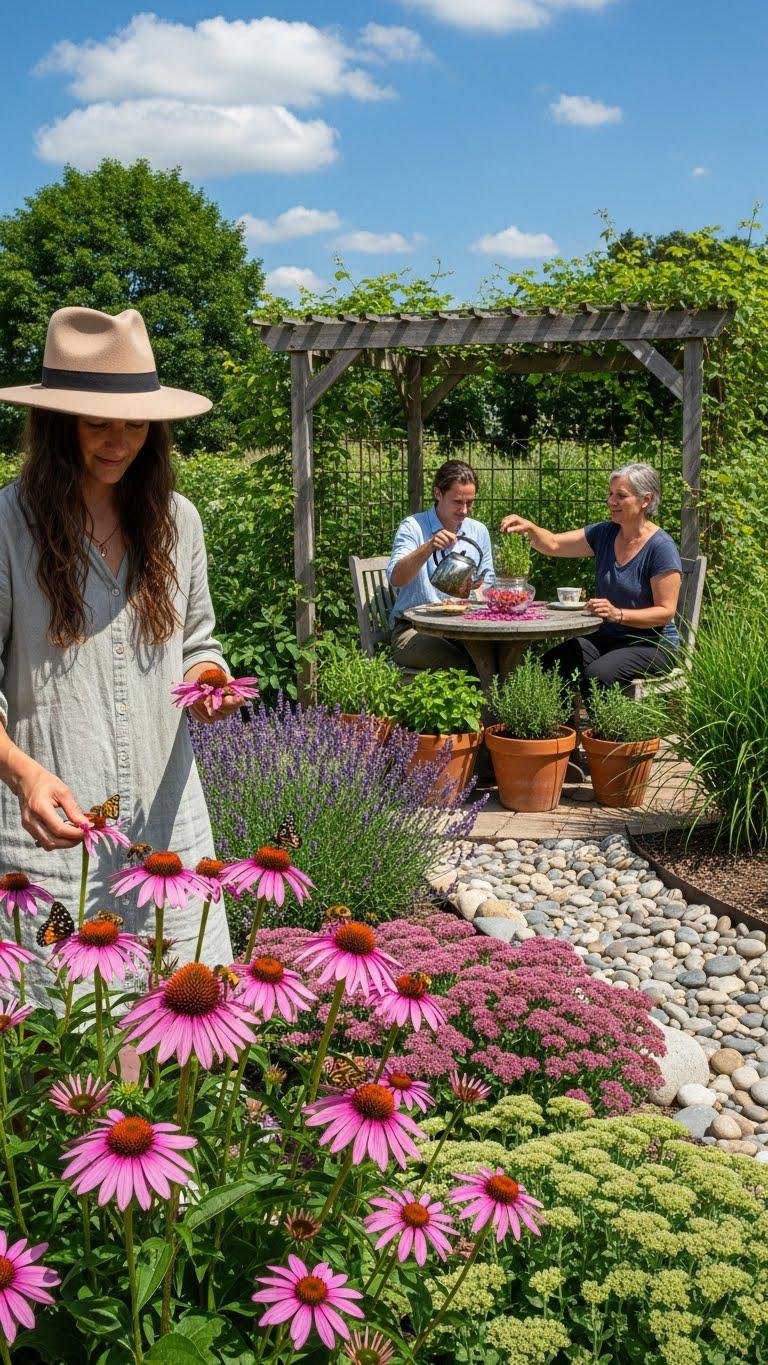
If you enjoyed sage for its resilience and soothing brews, you’ll like Echinacea for its similar low-maintenance habits and bold, tea-friendly flowers.
You can grow purple coneflower in sunny spots, harvest petals for infusions, and use roots or leaves for mild medicinal uses. It’s drought-tolerant, demands little care, and boosts pollinator attraction, giving you freedom to cultivate valuable, pretty tea ingredients.
Lemon Balm
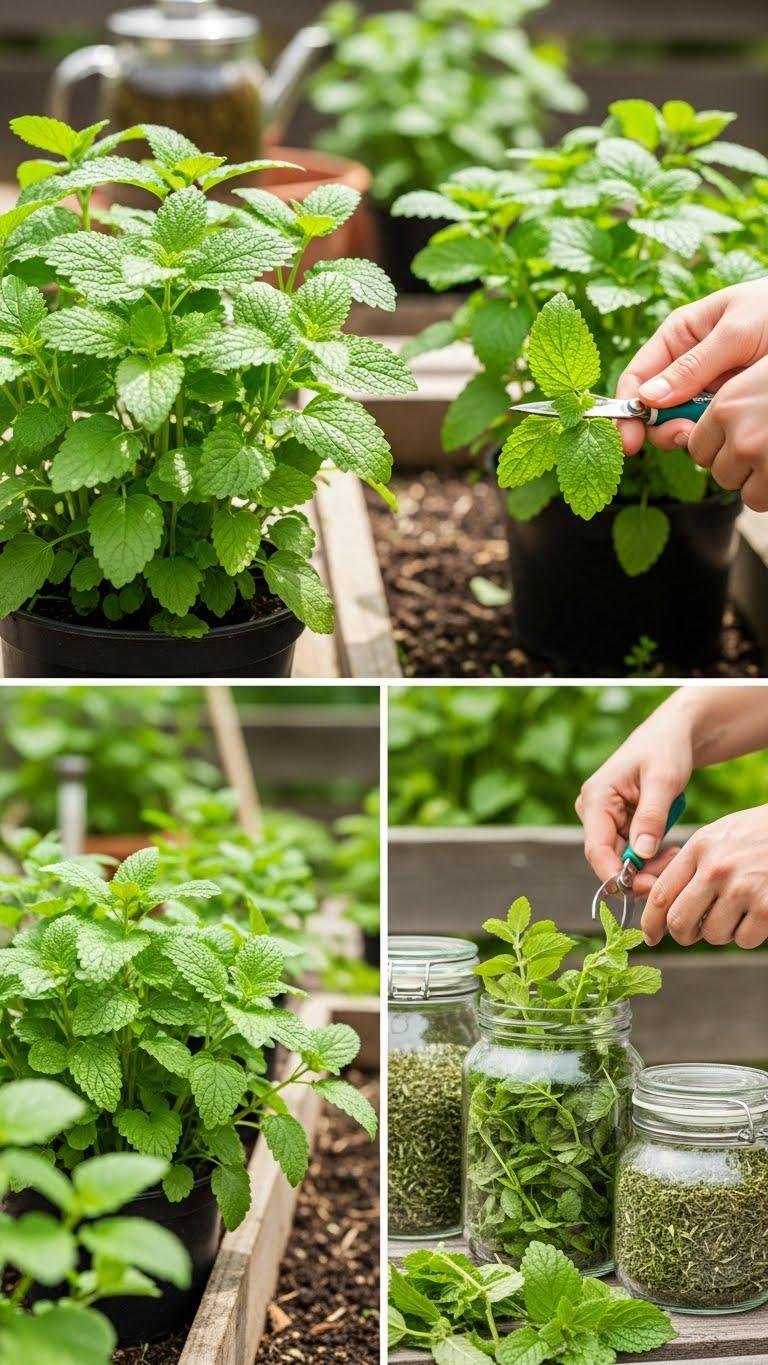
Lemon balm is a sun-loving, easy-care herb that’s perfect for beginner gardeners and tea-makers alike. You’ll plant it in pots or beds, snip leaves for bright, citrusy culinary uses, and dry extras for jars.
It spreads freely—so contain roots if you want—and makes soothing, calming teas. You’ll enjoy its scent, simple care, and the independence it brings to your garden.
Lemon Verbena
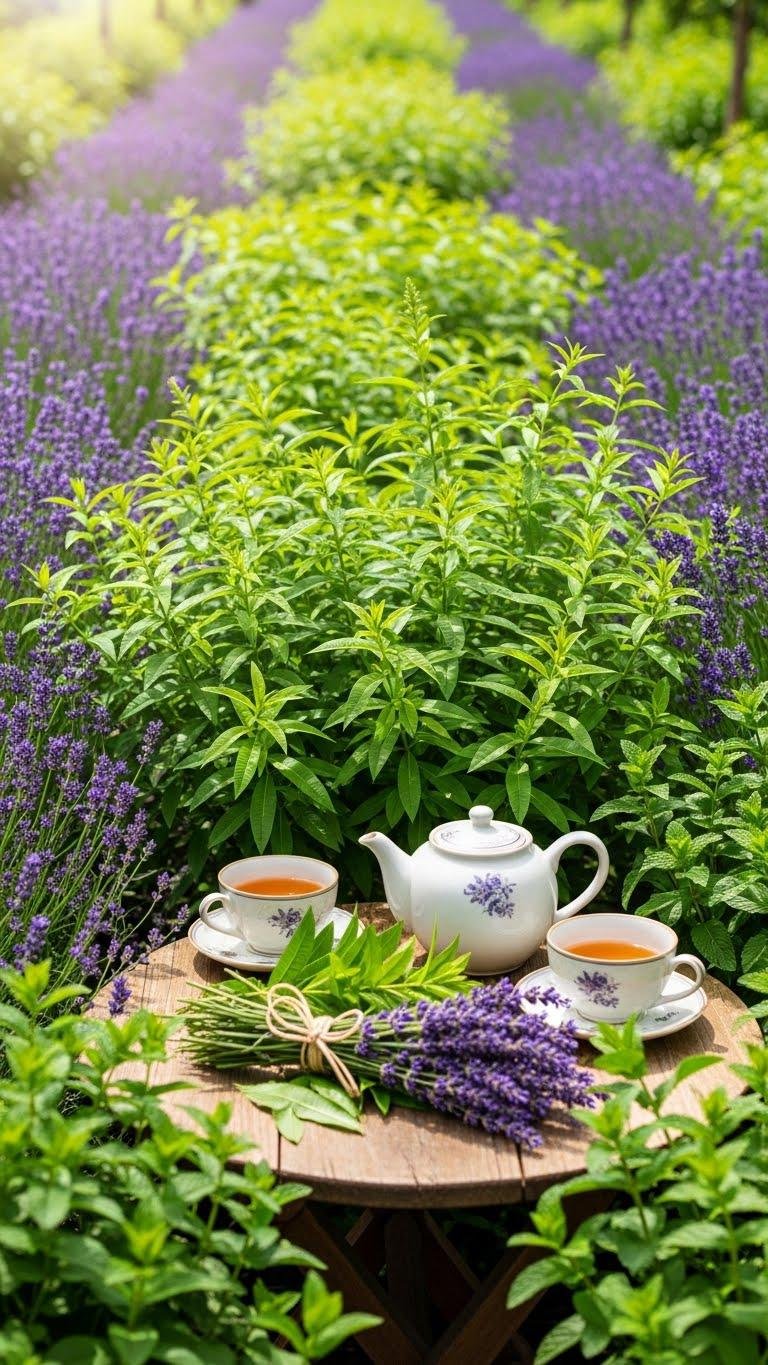
With its intensely bright, citrusy scent, lemon verbena makes a stunning addition to your tea garden and kitchen; you’ll grow it for fresh infusions, fragrant bouquets, and flavorful cooking.
You’ll prune for bushy growth, harvest leaves before flowering, and dry them for year-round use.
Explore culinary uses like marinades and syrups, and experiment with fragrance pairing alongside lavender and mint for liberated, sunny blends.
Calendula (Pot Marigold)

Paragraphs
While hardy and cheerful, calendula rewards you with long-lasting, edible blooms that brighten beds and tea blends alike.
You can sow easily, pinch for bushy growth, and harvest petals for tea or skin salve recipes.
Its drought-tolerance and compact habit suit containers or borders, letting you cultivate freedom in small spaces while enjoying practical, colorful blooms that heal and flavor day-to-day life.
Lavender
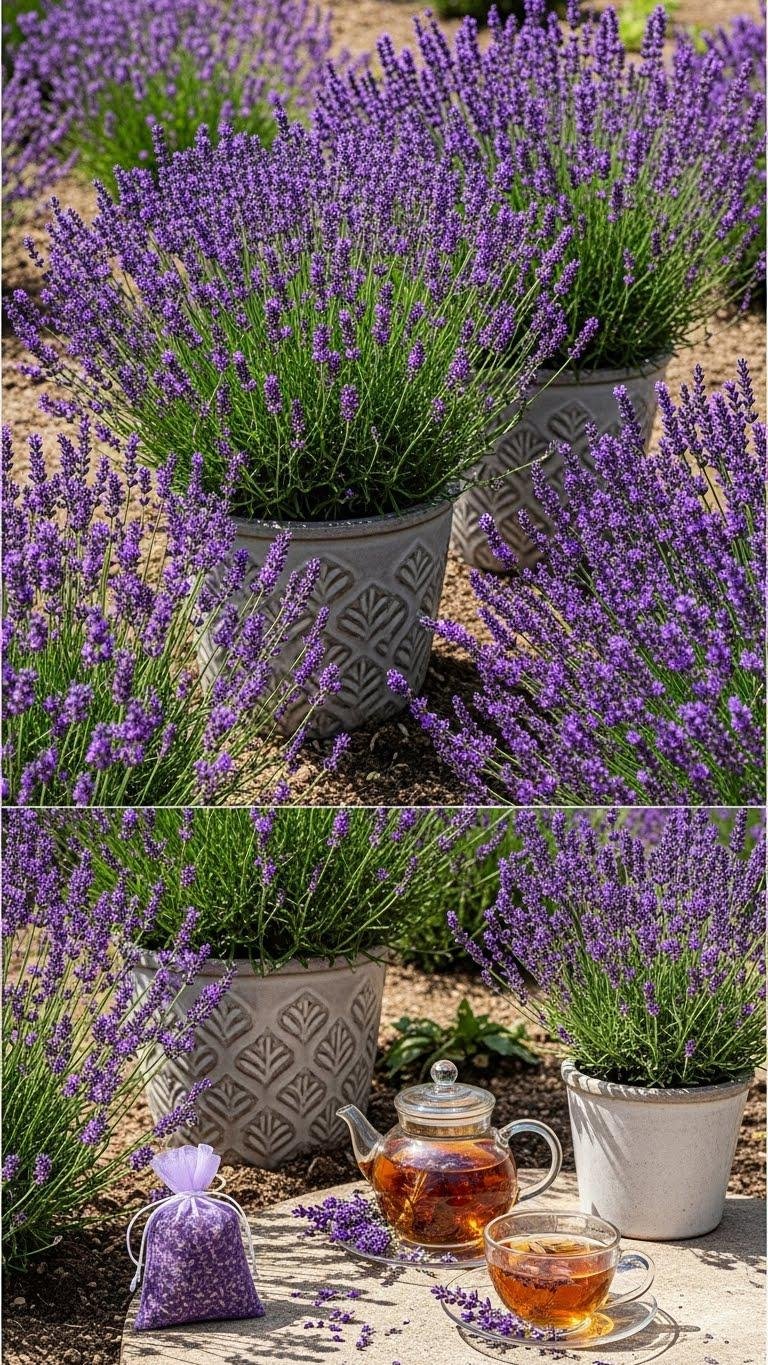
Plant lavender for its fragrant, drought-tolerant presence that brightens borders, containers, and tea blends alike. You’ll enjoy compact shrubs that demand sun, well-drained soil, and little fuss thanks to drought tolerance and easy pruning.
Harvest blooms for sachets, infusions, or extracting aromatic oil. Grow it to reclaim outdoor space, craft calming teas, and savor a fragrant, low-maintenance companion.
Rooibos (Aspalathus Linearis)
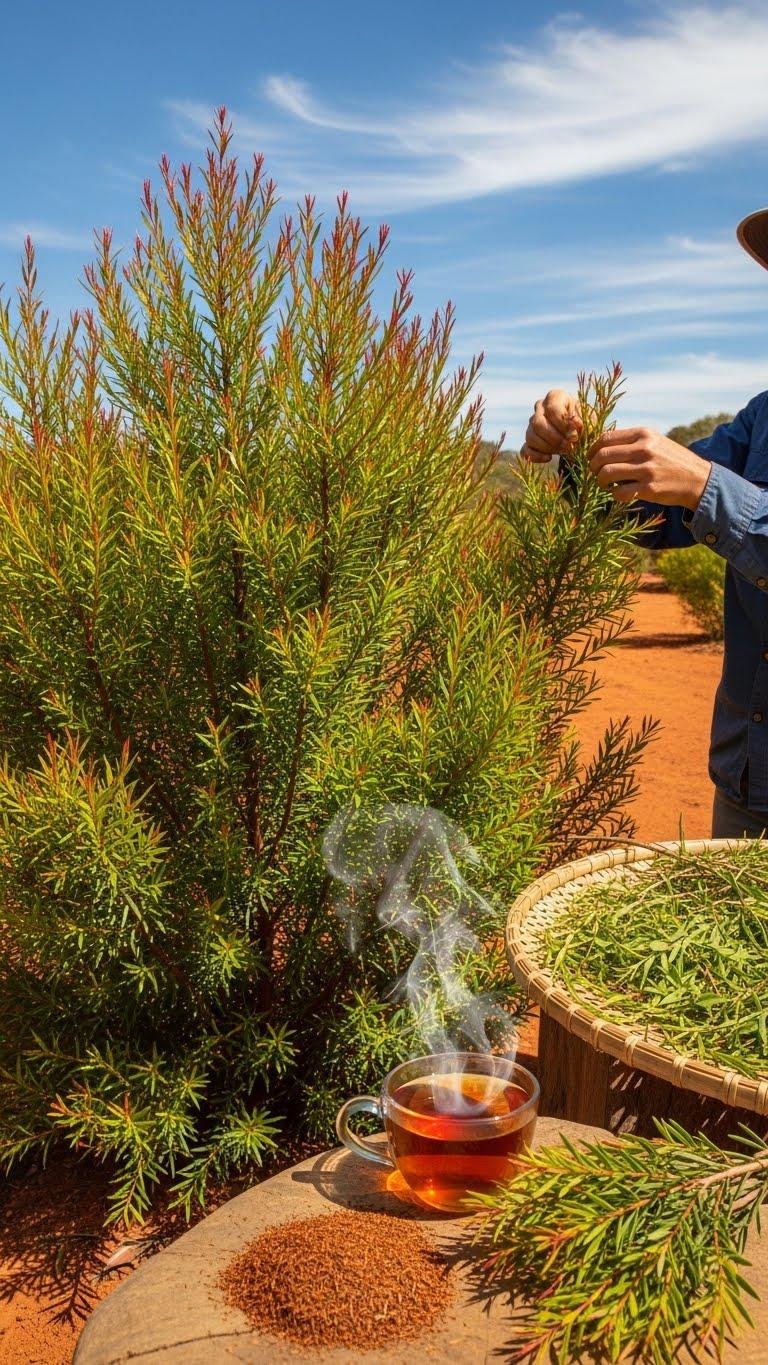
Rooibos (Aspalathus linearis) is a sun-loving, hardy shrub native to South Africa that you can grow at home for caffeine-free, naturally sweet tea and versatile herbal blends.
You’ll favor well-drained sandy soil and full sun; Rooibos propagation works from seed or cuttings with patience.
Harvest leaves for a rich antioxidant profile, then dry and brew—simple freedom to craft your own soothing cup.
Stevia
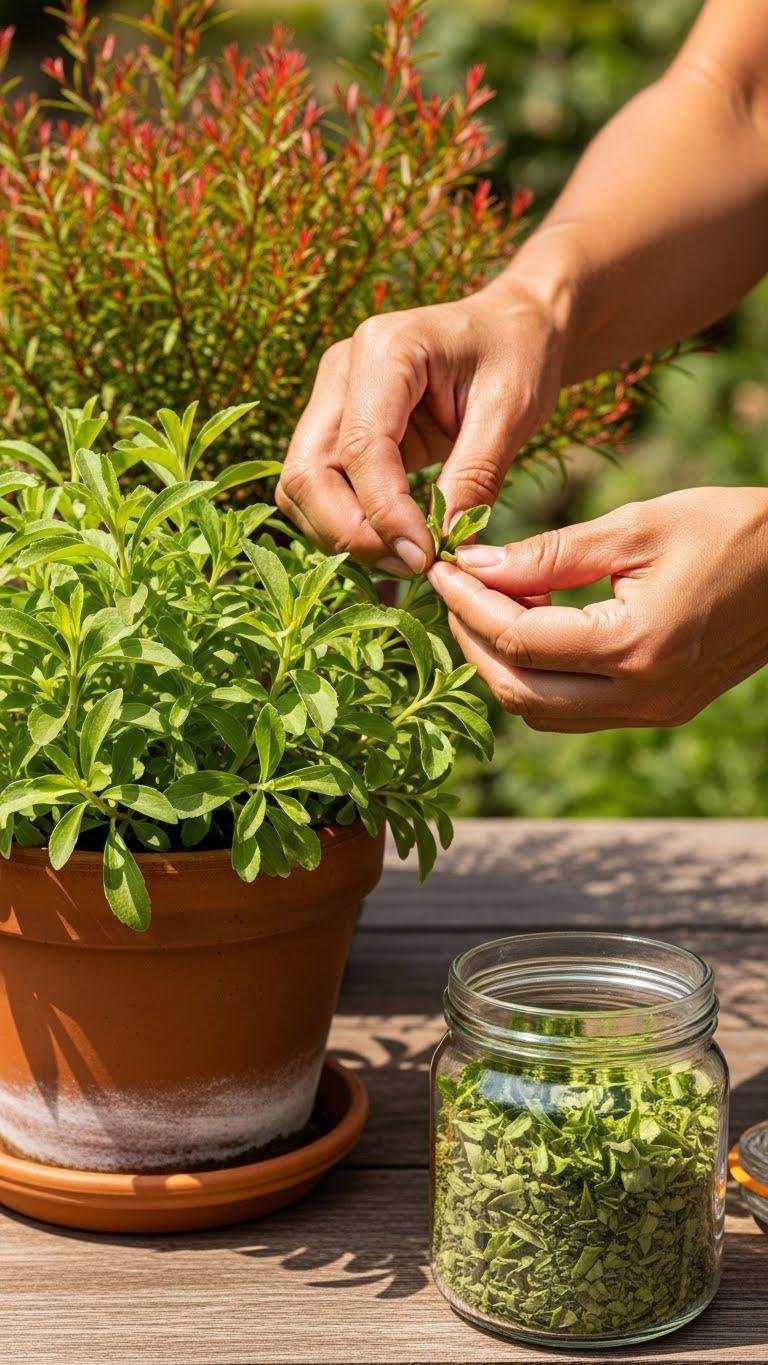
If you enjoyed growing Rooibos for its natural sweetness, you’ll find stevia offers another homegrown way to sweeten drinks without calories. You can pot it, give bright light, and harvest leaves as plants mature.
For efficient sweetener cultivation, pinch tips to promote bushiness. Harvested leaves need gentle leaf drying to preserve sweetness; then crumble and store in airtight jars for freedom to sweeten anytime
Rose (Petals and Hips)

While roses thrive as ornamentals, you’ll find their petals and hips make exceptional additions to a tea garden, offering floral scent, gentle astringency, and a boost of vitamin C.
You can harvest petals for calming infusions and craft rose cosmetics; collect hips late season for nutrient-rich hip syrup or dried tea.
Tend plants organically, deadhead selectively, and enjoy freedom in flavor choices.
Hibiscus
Thyme
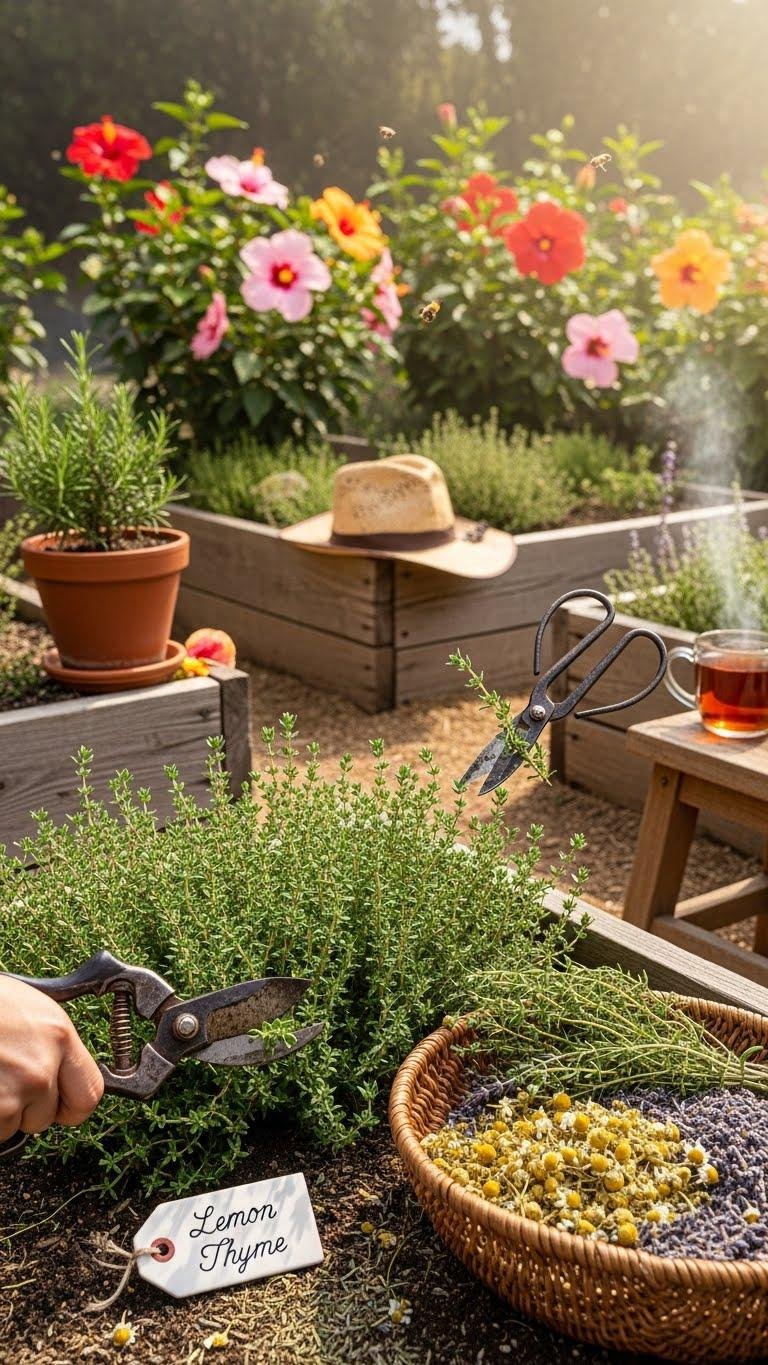
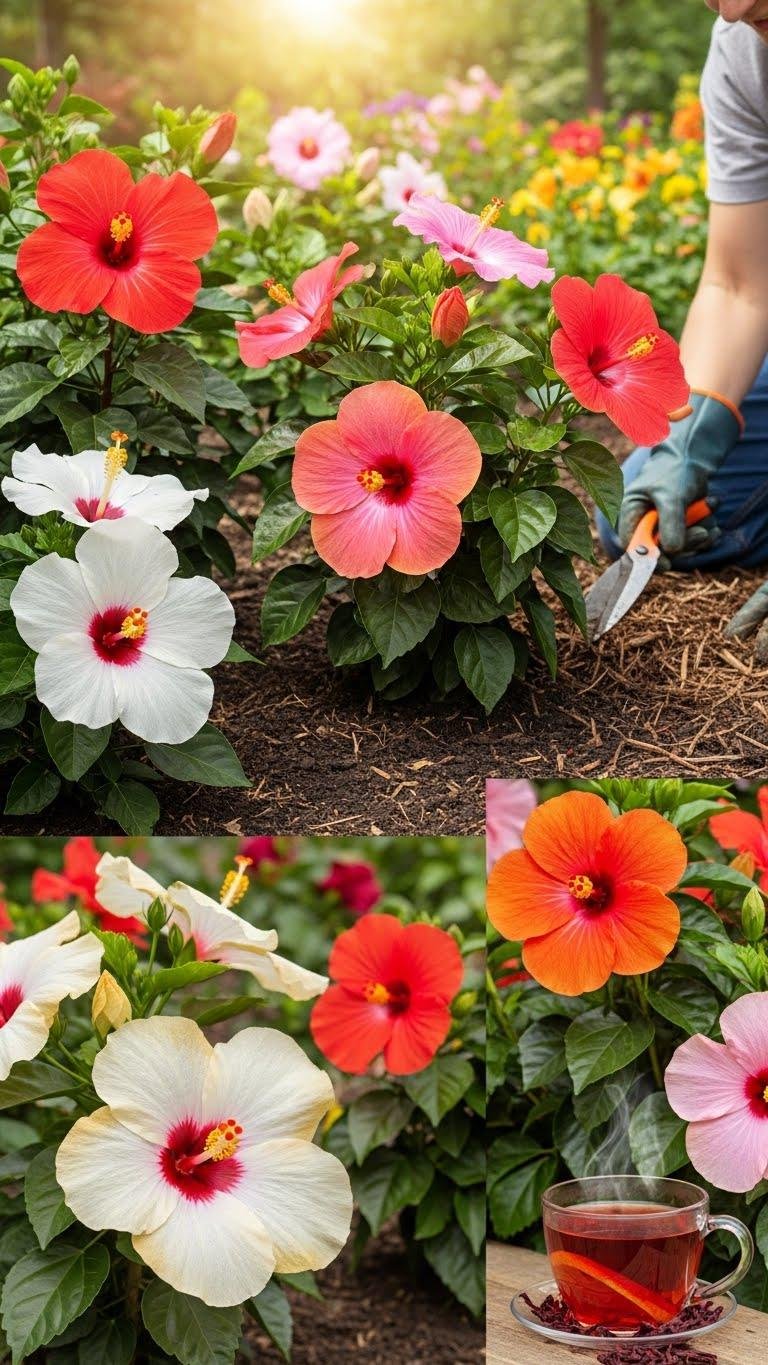
After tending hibiscus, you’ll find thyme offers the opposite charm: low-growing, fragrant, and stubbornly hardy.
You can tuck it into sunny spots or raised troughs, practicing container gardening for mobility and control.
Snip sprigs for tea blends or savory culinary pairing, and let its lemony, earthy aroma remind you that simple care yields flavorful freedom.
It tolerates drought and rewards exploration.
Oregano
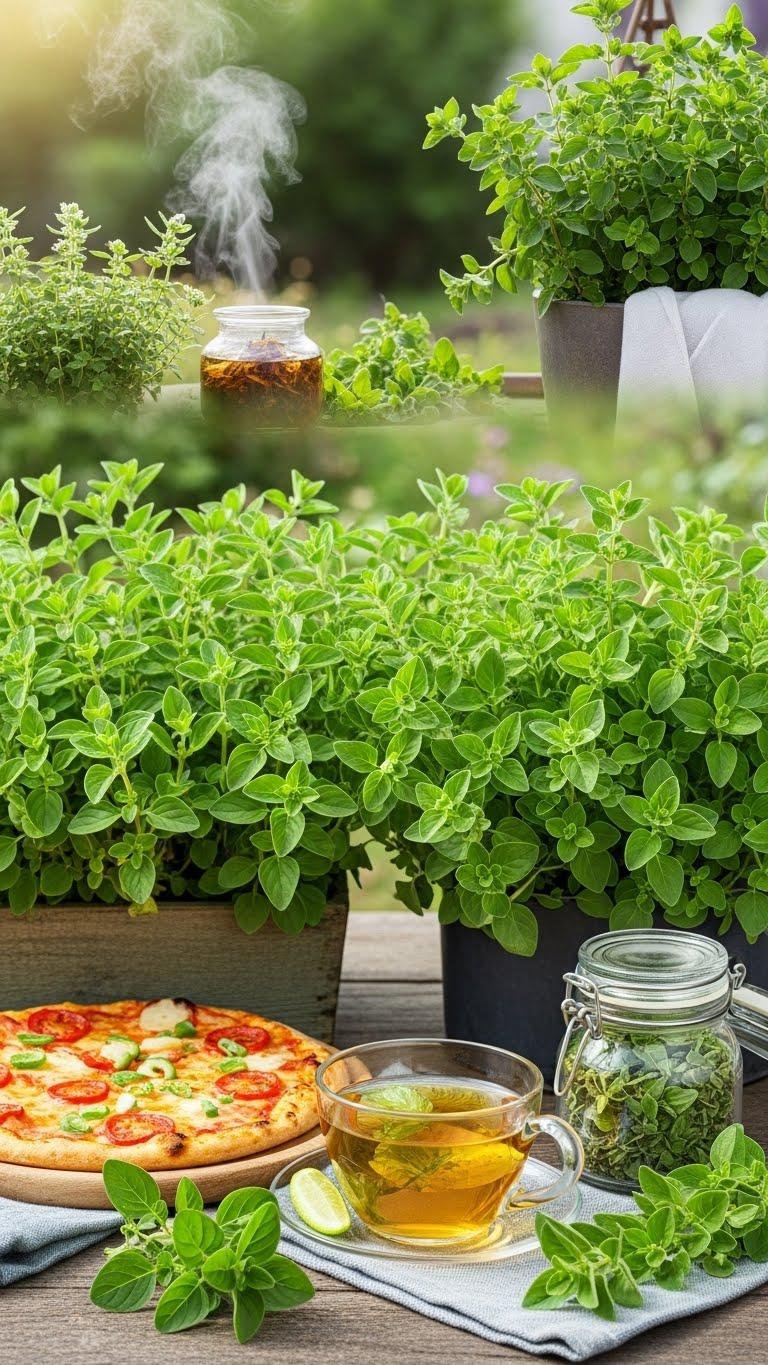
Often overlooked, oregano gives you bold, savory flavor with almost no fuss—perfect for containers, edges, or sunny beds.
You’ll snip leaves for culinary uses like pizzas, teas, and marinades, and dry some for winter. It’s drought-tolerant, spreads happily, and rewards minimal care.
You’ll also appreciate its modest medicinal benefits for mild digestive comfort and soothing herbal steam.
Marshmallow (Althaea Officinalis)
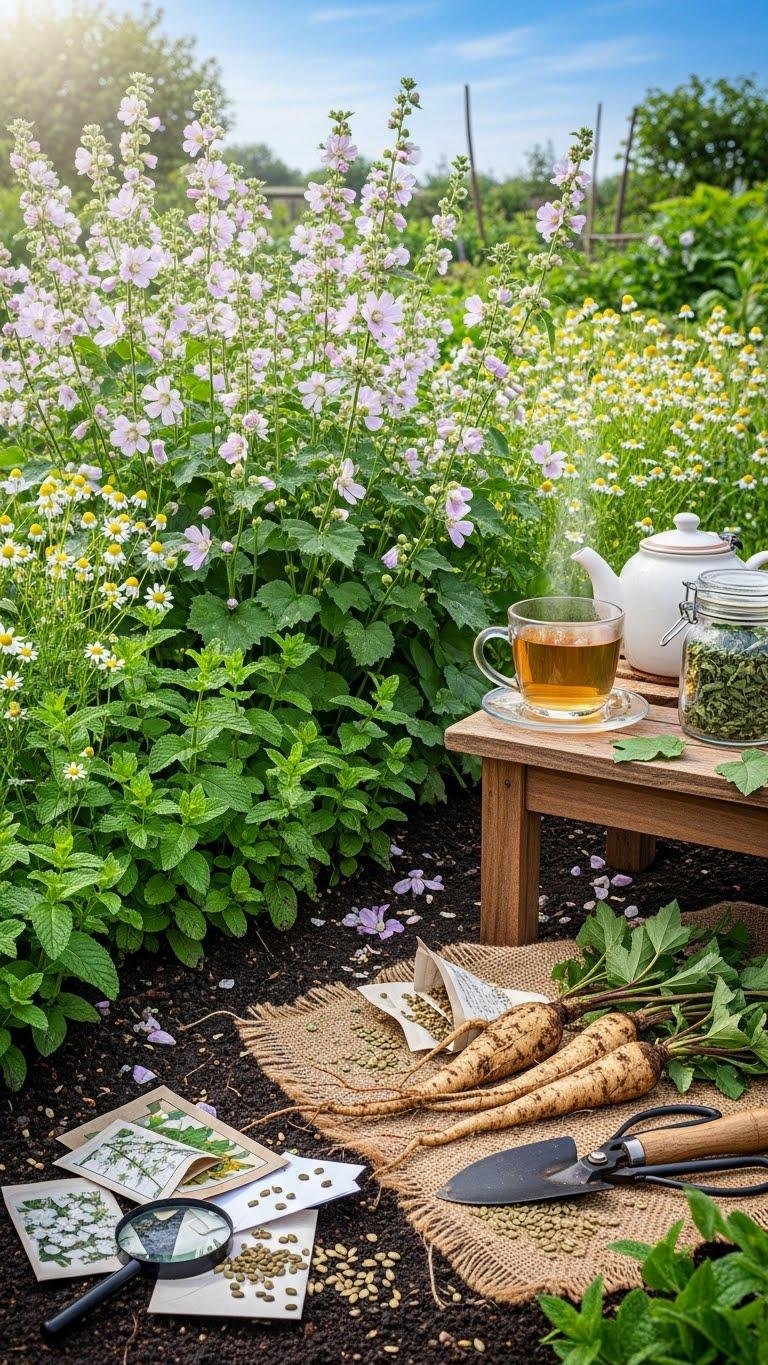
If you enjoyed oregano’s easy culinary and gentle medicinal uses, you’ll find marshmallow just as rewarding in a different way. You can grow Althaea officinalis for medicinal uses like soothing teas.
Start plants by root propagation or sow seed; practice seed saving for independence. It thrives in sunny, damp borders and makes a calm companion in companion planting with mints and chamomile.
Linden (Lime)

If you plant a linden (often called lime in the UK), you’ll get a small-to-medium shade tree whose fragrant blossom makes a soothing tea and attracts bees and butterflies.
You’ll enjoy linden uses for calming infusions and aromatics; prune for shape, let it root in sun or partial shade, and time linden harvesting at peak bloom to dry blossoms for maximum fragrance and flavor.