
If you’re new to gardening, you’ll find growing vegetables is easier than it looks. Start with forgiving, fast-yield crops like lettuces, radishes, cherry tomatoes, and bush beans — they teach basic skills and reward you quickly. I’ll walk you through practical options, simple planting tips, and what to expect each season so you can pick the best first projects and avoid common mistakes, leaving you ready to try your first patch.
Lettuce — Paris Island Cos

If you want a reliable, crisp head lettuce that’s forgiving for beginners, try Paris Island Cos; it grows upright, tolerates light heat, and gives you long, crunchy leaves perfect for salads and sandwiches.
You’ll sow at a shallow sowing depth, thin seedlings for airflow, and pair with companion plants like carrots or herbs.
Harvest outer leaves as needed and enjoy easy freedom.
Lettuce — Cosmo
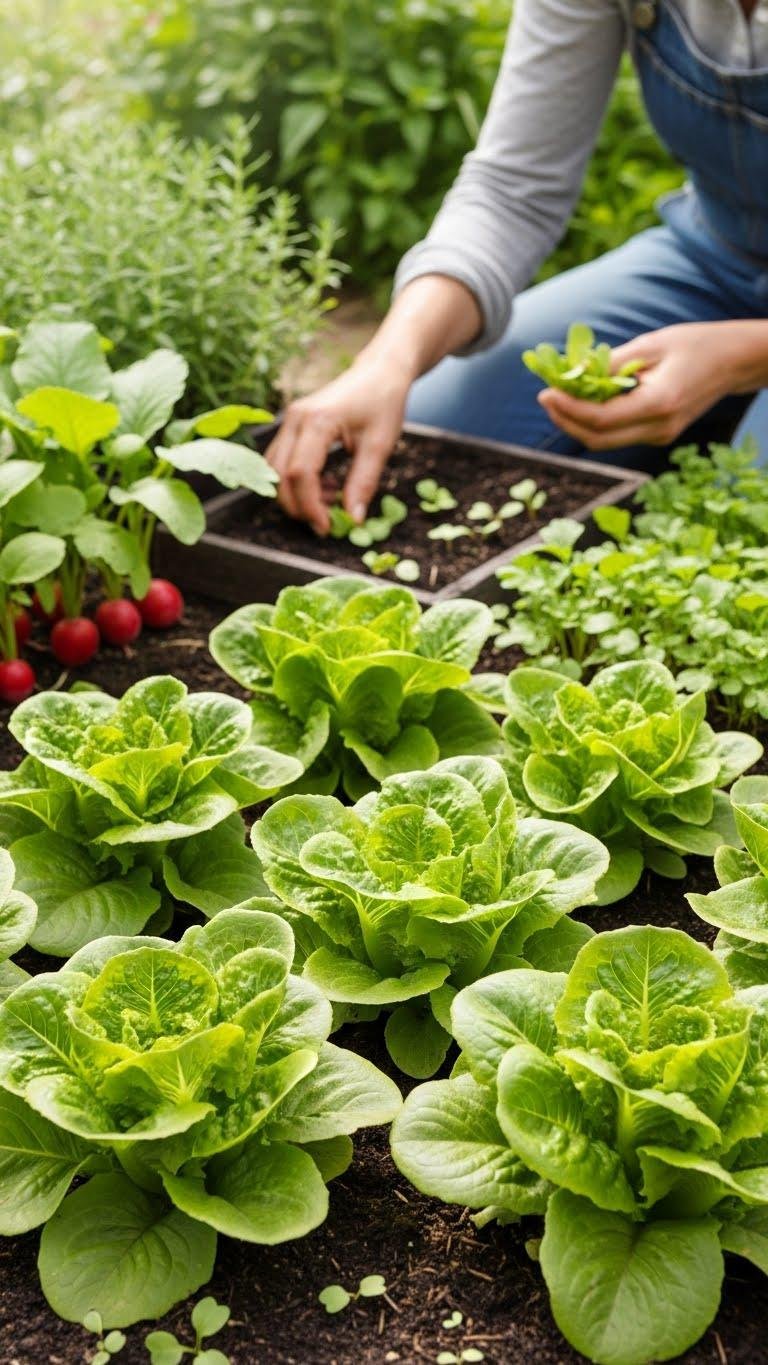
Choose Cosmo lettuce when you want a reliable, compact looseleaf that’s fast to mature and forgiving for new gardeners.
You’ll sow seeds directly, thin seedlings, and harvest baby leaves quickly. Cosmo pairs well in companion planting with herbs and radishes, tolerates light shade, and frees you to stagger sowings for continuous greens. It’s low-maintenance and perfect when you crave simple, fresh control.
Lettuce — Black Seeded Simpson
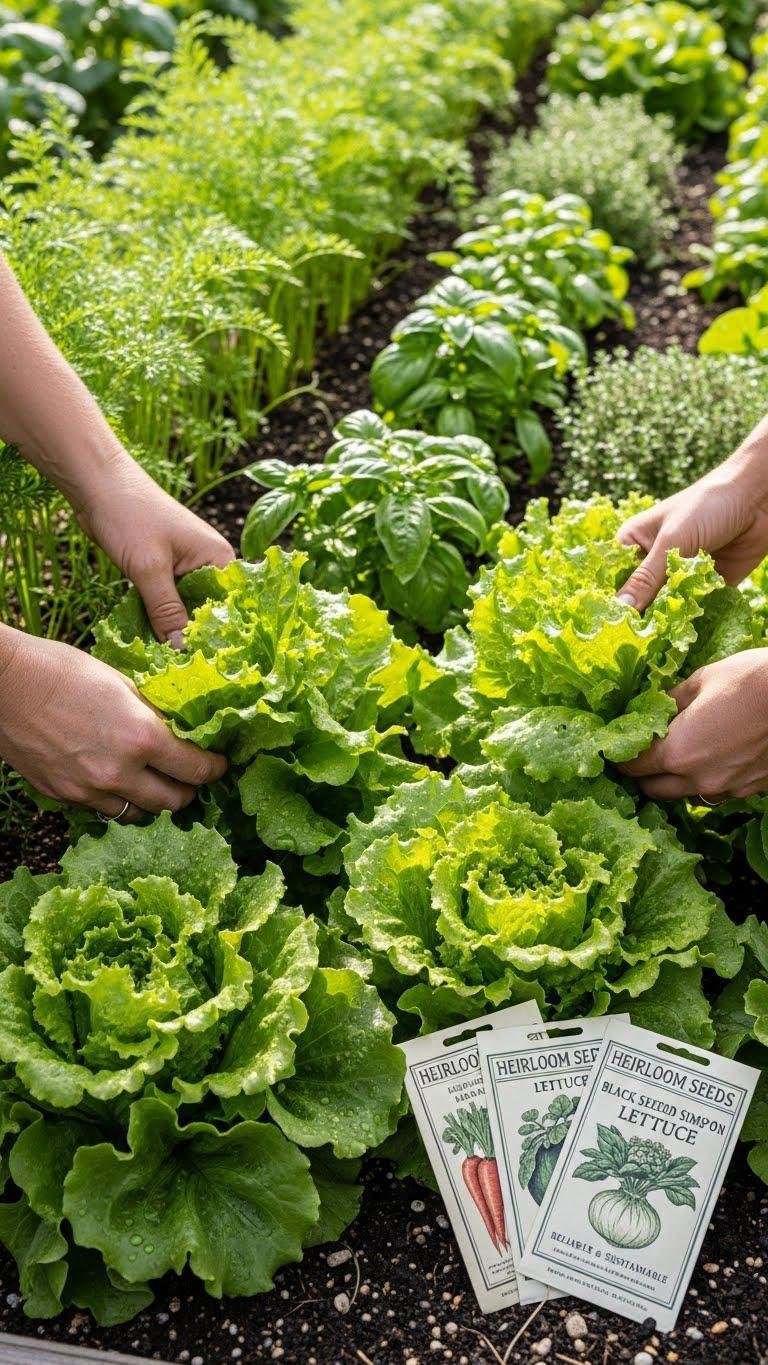
Black Seeded Simpson gives you a classic, buttery looseleaf that’s fast-growing and very forgiving, making it ideal for beginners who want steady harvests.
You’ll sow seeds thinly, harvest outer leaves, and enjoy quick regrowth. Pair with companion planting like carrots or herbs to save space.
Choose an heirloom selection for reliable flavor and seed saving, so you stay independent and flourishing.
Lettuce — Loose Leaf Varieties
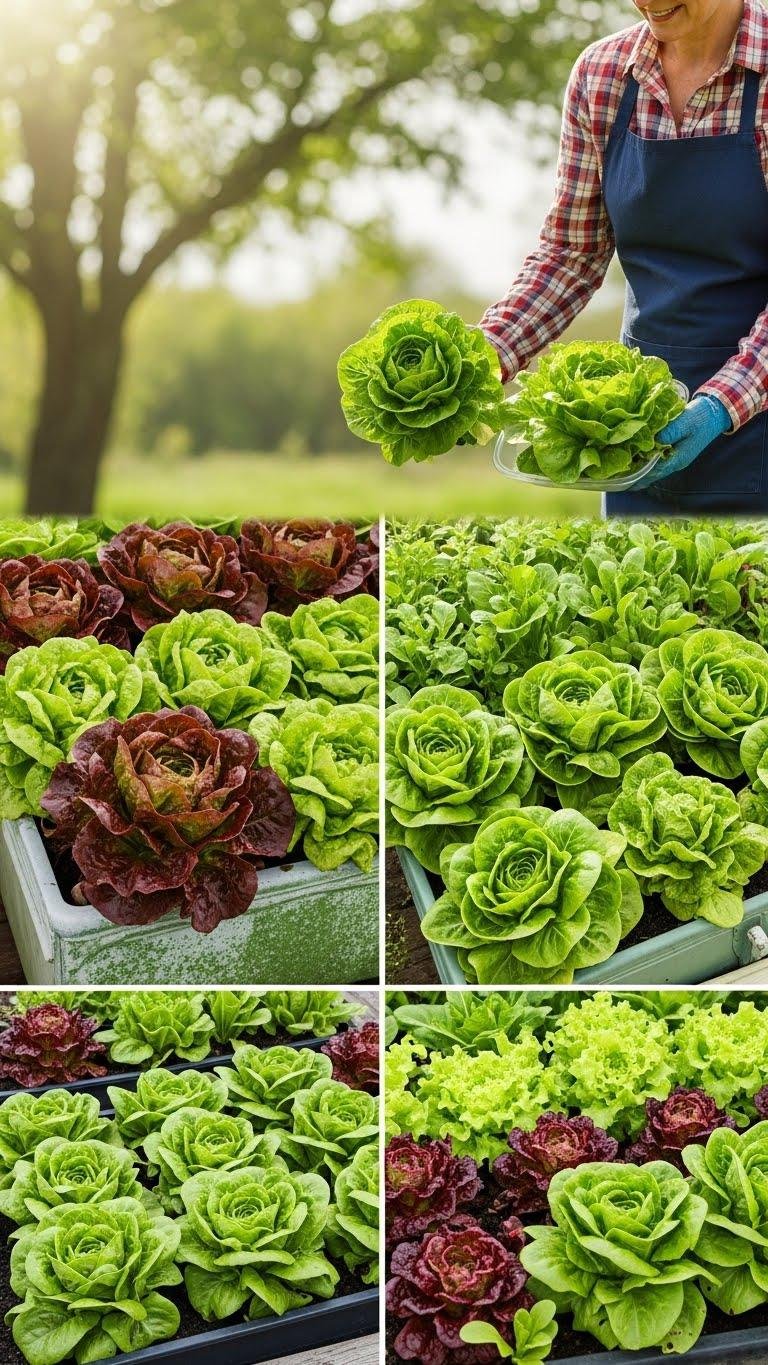
Often overlooked, loose-leaf lettuces give you fast, continuous harvests of tender, flavorful leaves without waiting for a full head to form.
You can sow seeds in succession planting every two weeks for nonstop greens. They suit containers and small beds, tolerate light shade tolerance better than many crops, and let you pick what you need.
Grow them for freedom to harvest daily.
Beans — Kentucky Wonder
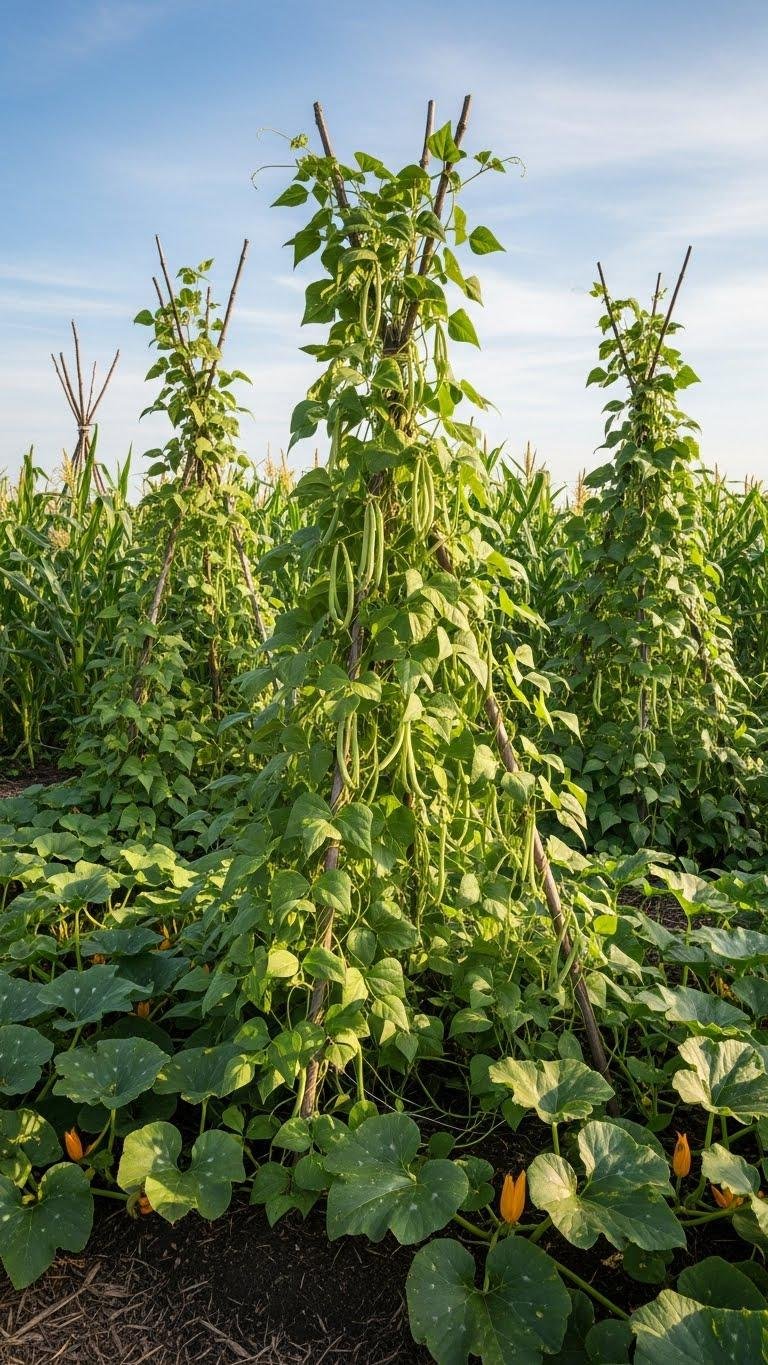
If you liked the steady yields of Blue Lake, Kentucky Wonder will give you a different thrill: vigorous pole beans that climb high and produce abundant, flavorful pods over a long season.
You’ll plant them near corn or squash for companion planting benefits, use simple staking techniques or teepees to save space, harvest often, and enjoy reliable, freeing productivity with minimal fuss.
Beans — Bush Beans
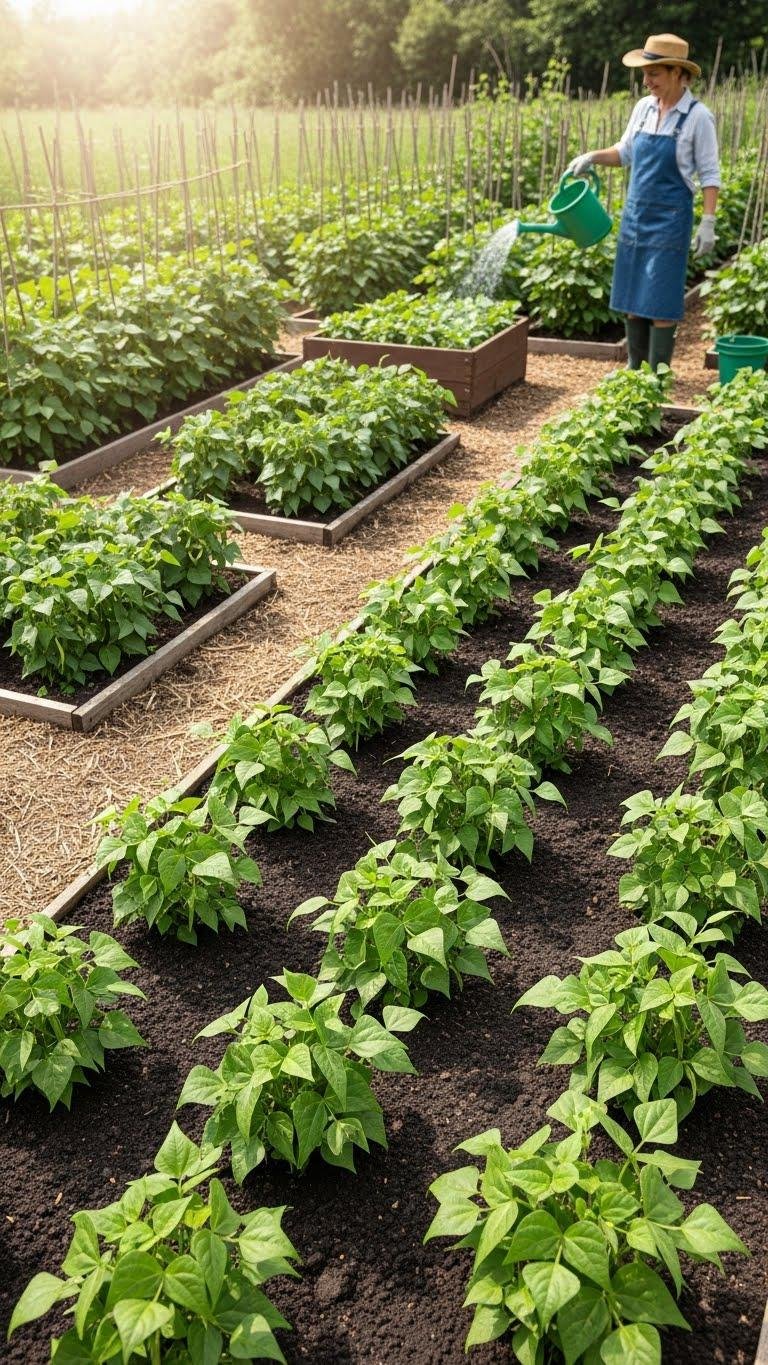
You’ll find bush beans are a perfect choice when you want quick, compact plants that start producing earlier than poles and need no trellis. Plant seeds in well-drained soil, space rows for airflow, and water consistently.
They show some shade tolerance but perform best with sun. You won’t need trellis training, so they suit small beds, containers, and busy schedules.
Beans — Provider
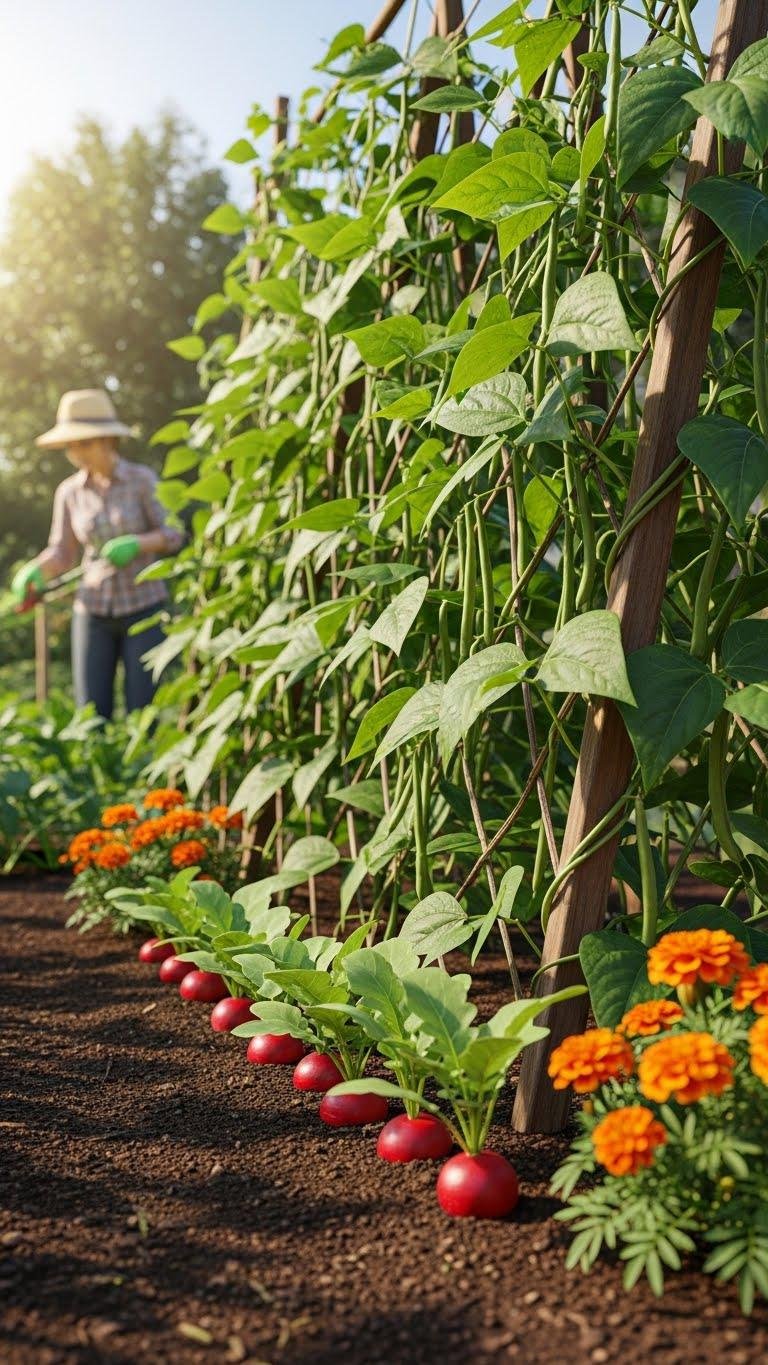
Provider beans are a reliable all-purpose choice for beginner gardeners, combining early yields with good disease resistance and forgiving growing habits.
You’ll plant them easily, pair them with companion planting like radishes or marigolds, and save space by training vines on a simple trellis support.
They’re low-maintenance, give quick rewards, and free you to enjoy more gardening with less fuss.
Tomatoes — Cherry Tomatoes
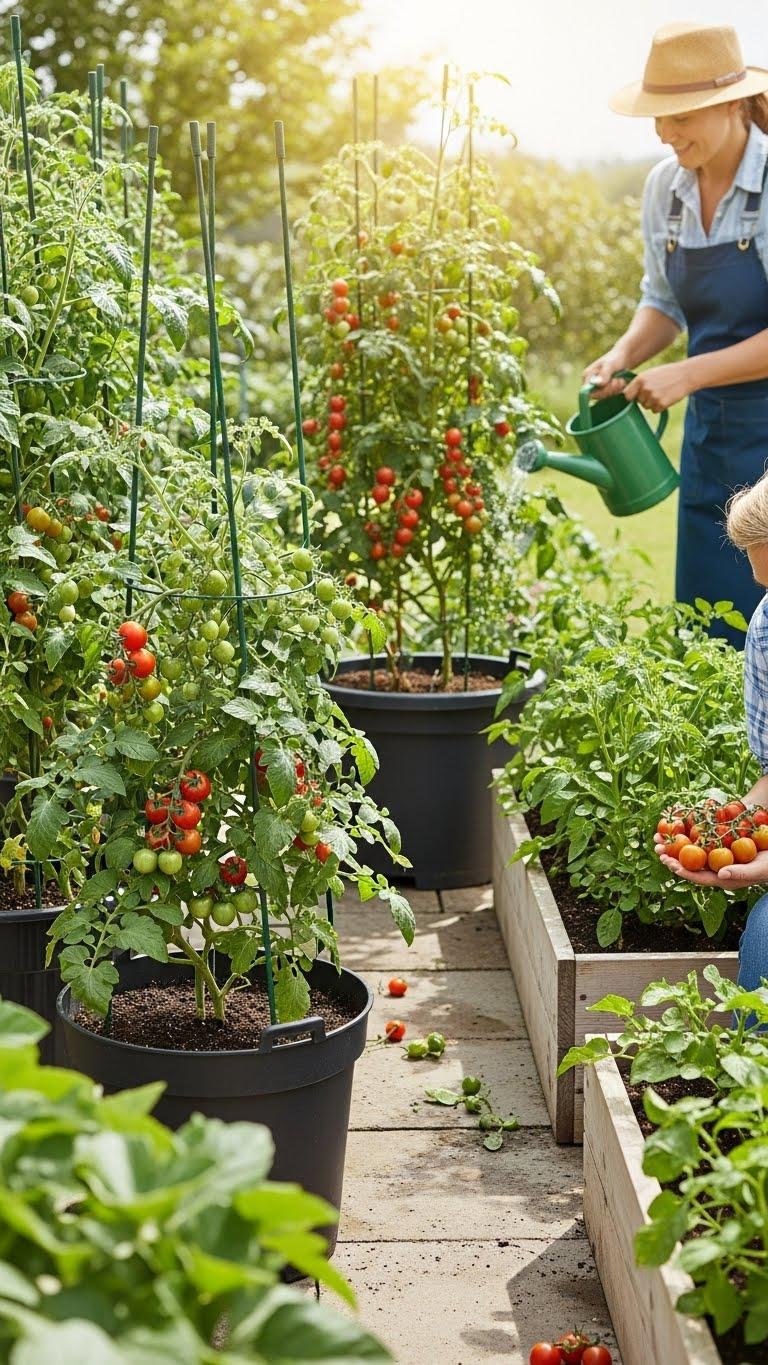
When you want fast, abundant fruit with minimal fuss, cherry tomatoes are a perfect starter crop for new gardeners.
You can grow them in containers or beds, choosing compact container varieties for balconies. Water regularly, feed lightly, and use simple pruning techniques to improve airflow and yield.
Harvest often, taste freedom in sun-warmed fruit, and keep gardening effortless and rewarding.
Tomatoes — Determinate Paste (Roma)
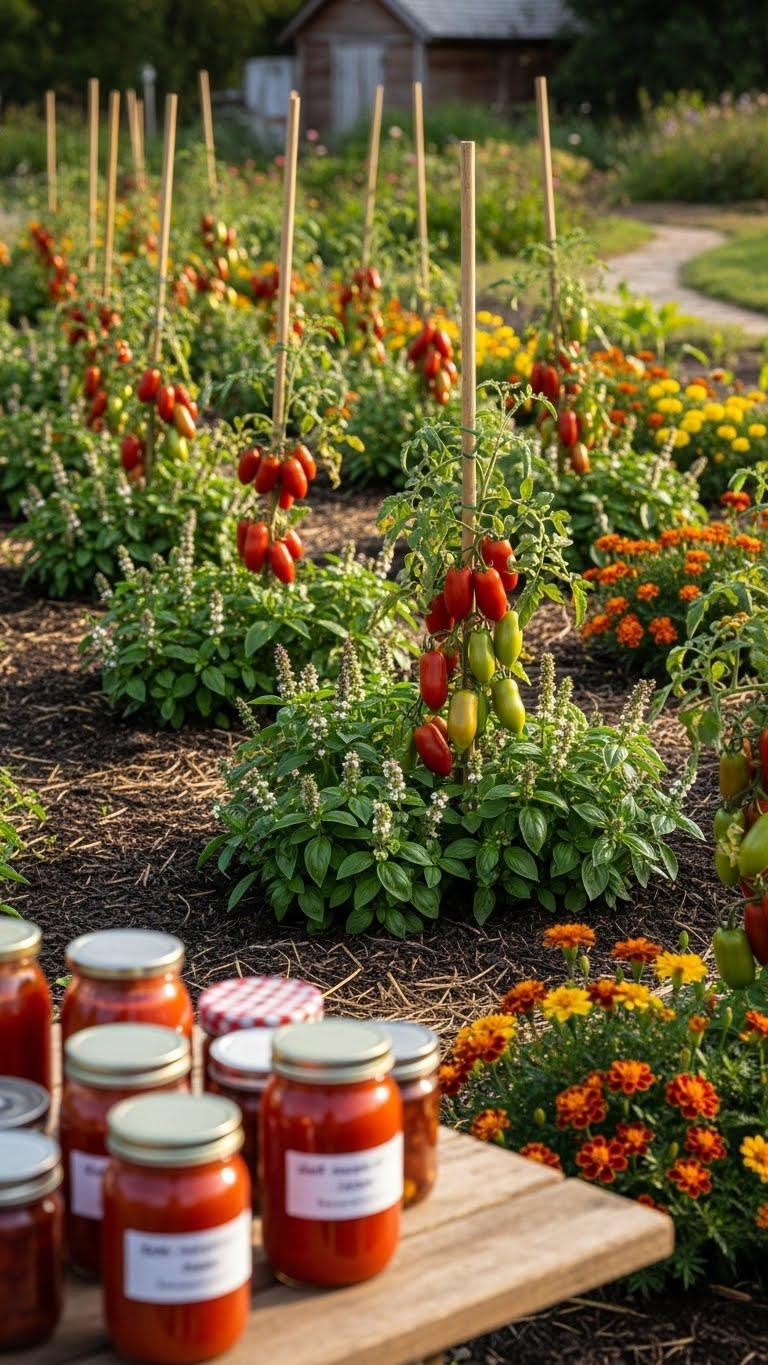
Choose Roma (determinate paste) tomatoes when you want compact plants that set a big, predictable crop of dense, flavorful fruit ideal for sauces and canning.
You’ll plant them with companion planting like basil and marigolds, stake lightly, and follow simple pruning tips to remove suckers only if needed.
They’re low-maintenance, productive, and let you enjoy homemade preserves with minimal fuss.
Tomatoes — Sweet Million
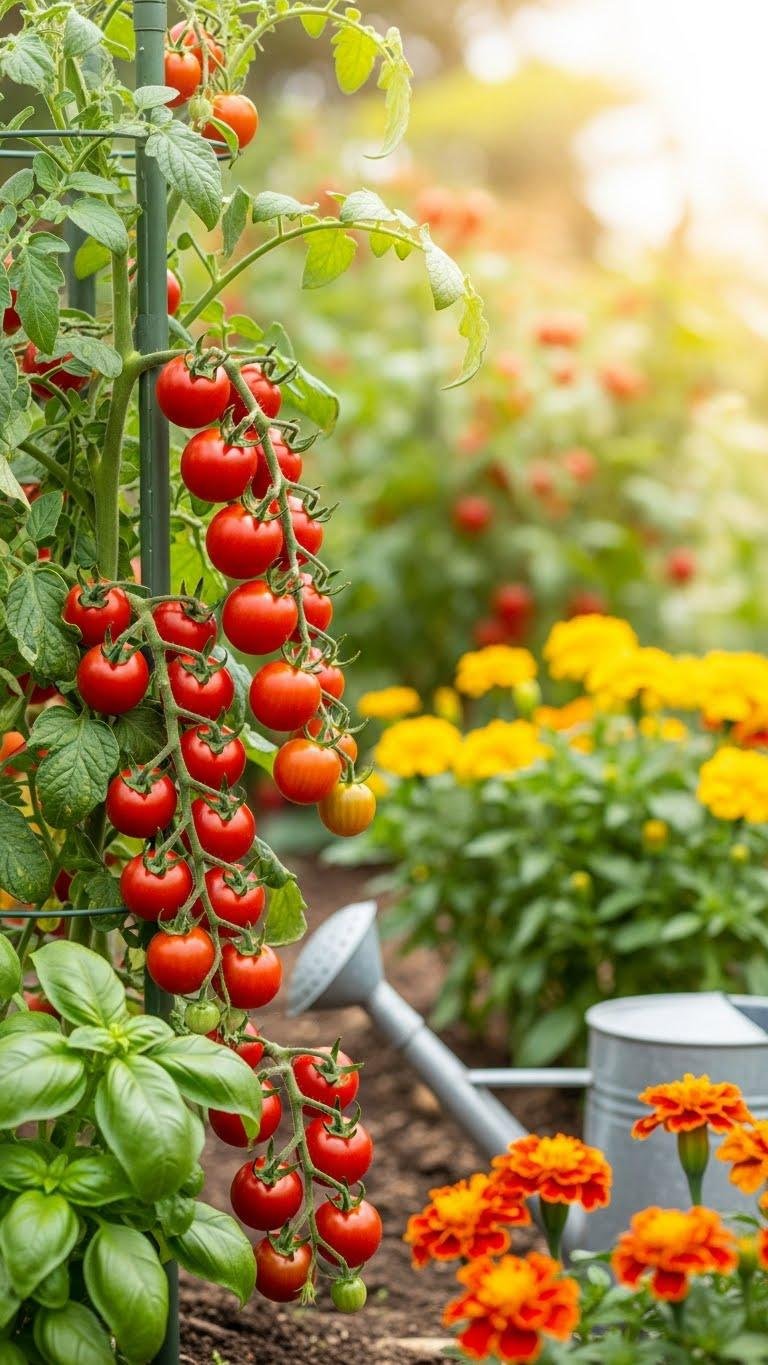
Often you’ll pick Sweet Million cherry tomatoes for their nonstop chains of tiny, super-sweet fruits that keep producing all season long.
You’ll enjoy easy care: stake or cage indeterminate pruning growth, pinch suckers selectively, and water consistently.
Plant basil or marigolds for companion planting to deter pests and boost flavor.
They reward minimal fuss with abundant harvests, freeing you to enjoy fresh snacks.
Zucchini — Black Beauty

If you want a generous, easy-to-grow summer squash, plant Black Beauty zucchini and you’ll be harvesting glossy, dark-green fruits in no time.
You’ll appreciate its strong disease resistance and fast yields.
Give it room to spread, water deeply, and use companion planting like nasturtiums or beans to deter pests.
Harvest often so plants keep producing and you stay free to enjoy the bounty.
Yellow Squash — Yellow Crookneck
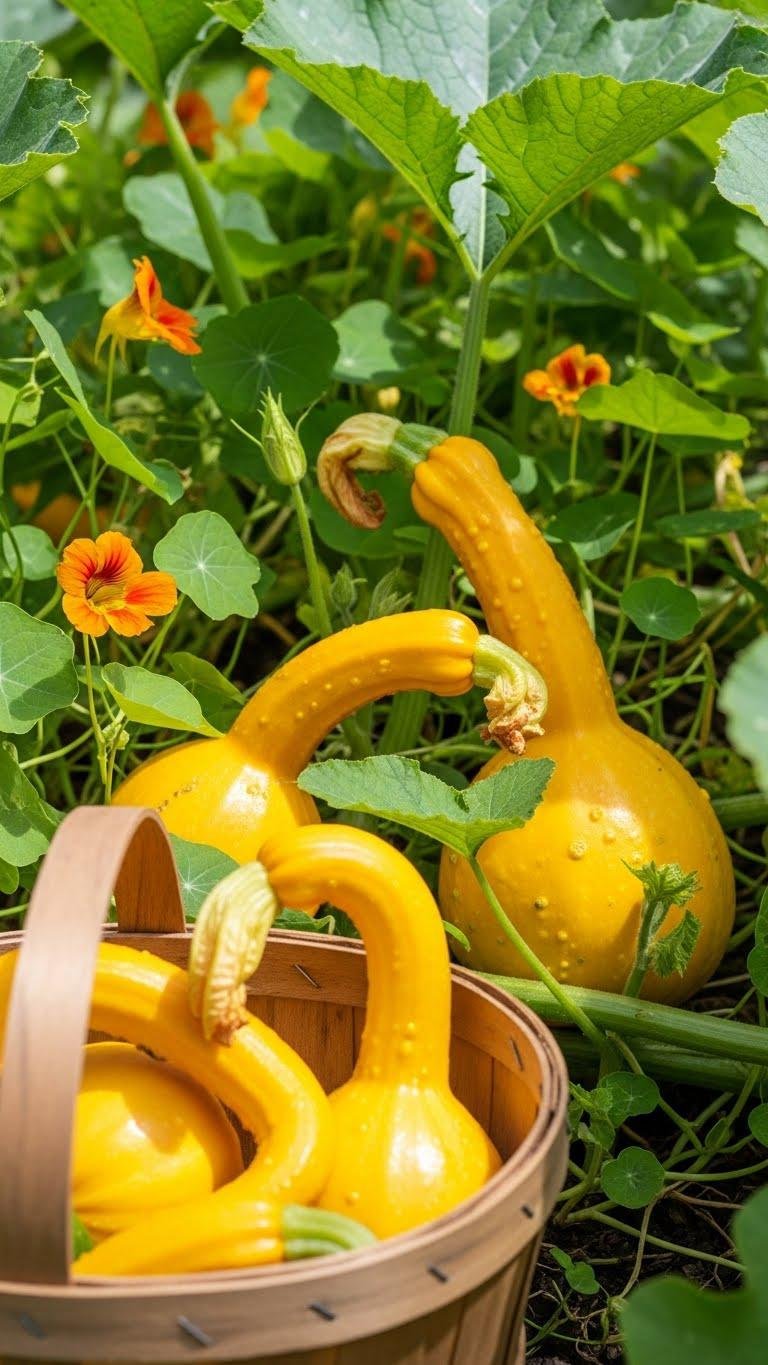
Where Black Beauty gives you glossy green fruits, Yellow Crookneck offers bright, knobby-skinned squash that bring color and buttery flavor to your garden and plate.
You’ll find it forgiving: plant in full sun, use companion planting with nasturtiums or beans, and practice succession sowing for steady harvests.
Harvest young, cook simply, and enjoy freedom from fuss in every bite.
Squash — Lemon Squash

Try lemon squash when you want a compact, bright addition to small beds or containers—its round, pale-yellow fruits look like little suns and have a mild, slightly sweet flavor that cooks up quickly.
You’ll enjoy easy care: give full sun, regular water, and room for vines or train them in container cultivation. Pair with companion planting like beans for shared benefits.
Root Vegetables — Radishes
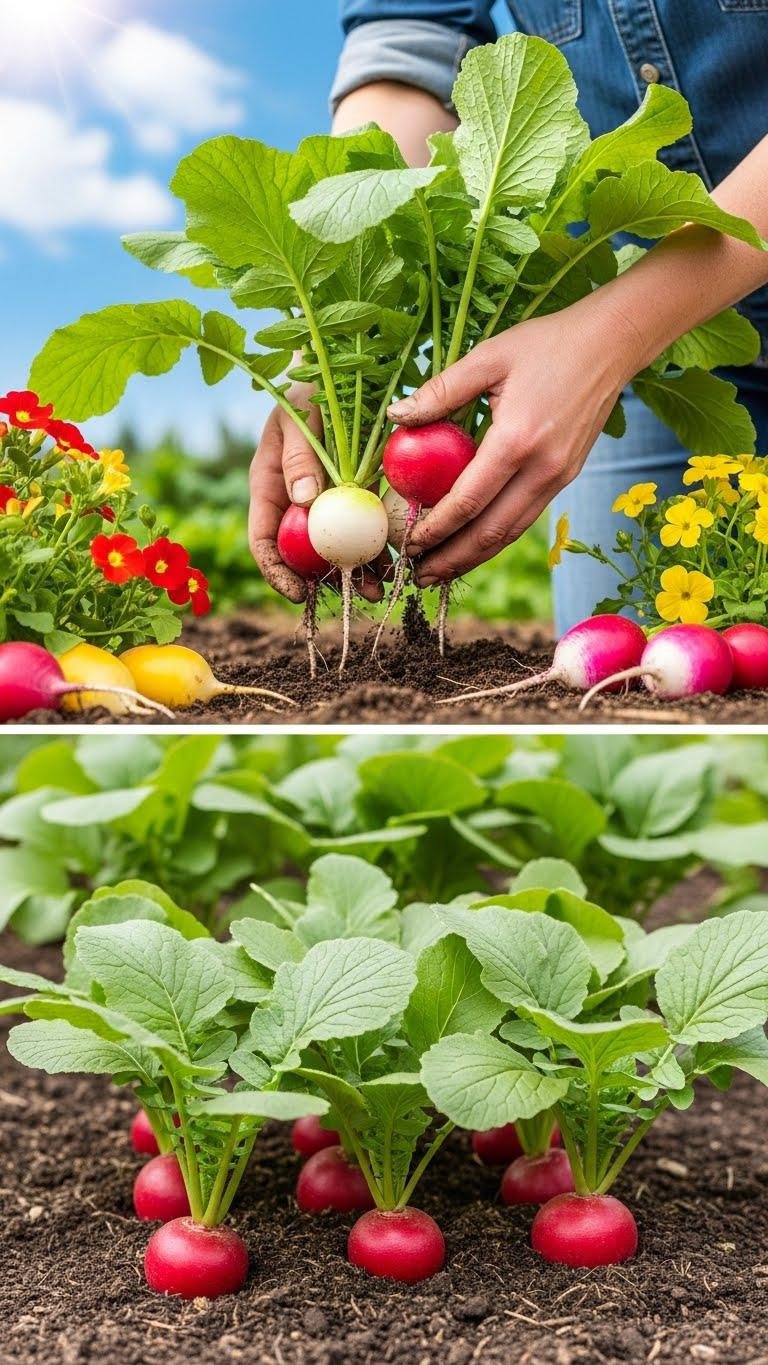
Radishes are one of the quickest, easiest root vegetables you’ll grow, producing crisp, peppery roots in as little as three to four weeks.
You can sow fast, harvest often, and use succession planting to keep a steady supply.
They need minimal space, tolerate partial shade, and even yield attractive edible flowers.
Plant, pick, and taste freedom from your own garden.
Root Vegetables — Carrots
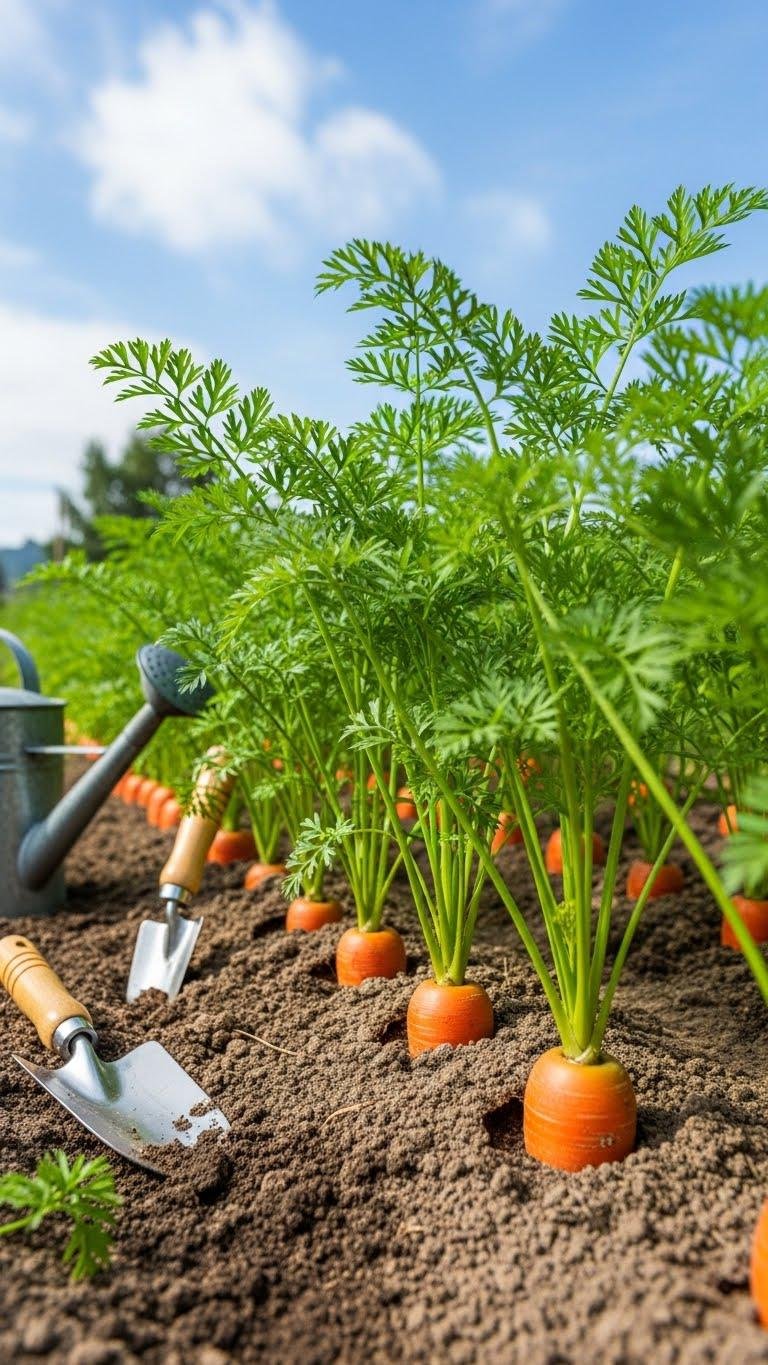
Carrots are a rewarding choice for beginners because they grow quietly with minimal fuss and give you sweet, crunchy roots after a few months.
Plant in loose soil, practice succession sowing for steady harvests, and use gentle seed thinning methods to avoid crowding.
Water consistently, weed sparingly, and harvest when roots reach desired size—you’ll enjoy fresh, independent food with little hassle.
Root Vegetables — Beets
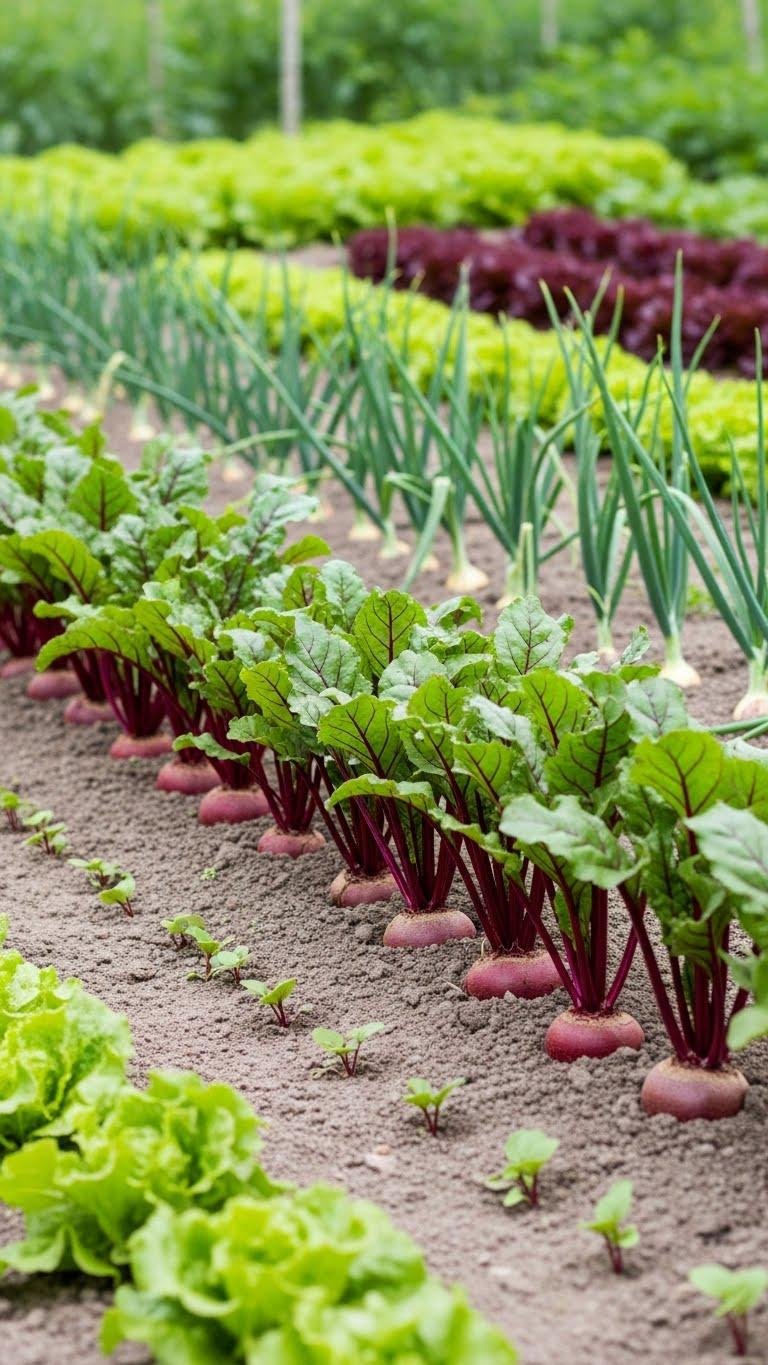
Beets are one of the easiest root vegetables to grow, and they reward you with colorful, sweet roots plus tender greens you can eat fresh.
Plant in loose soil, thin seedlings to avoid crowding, and use succession sowing for steady harvests. Try companion planting with onions or lettuce to save space and deter pests. Harvest young for best flavor.
Leafy Greens — Arugula
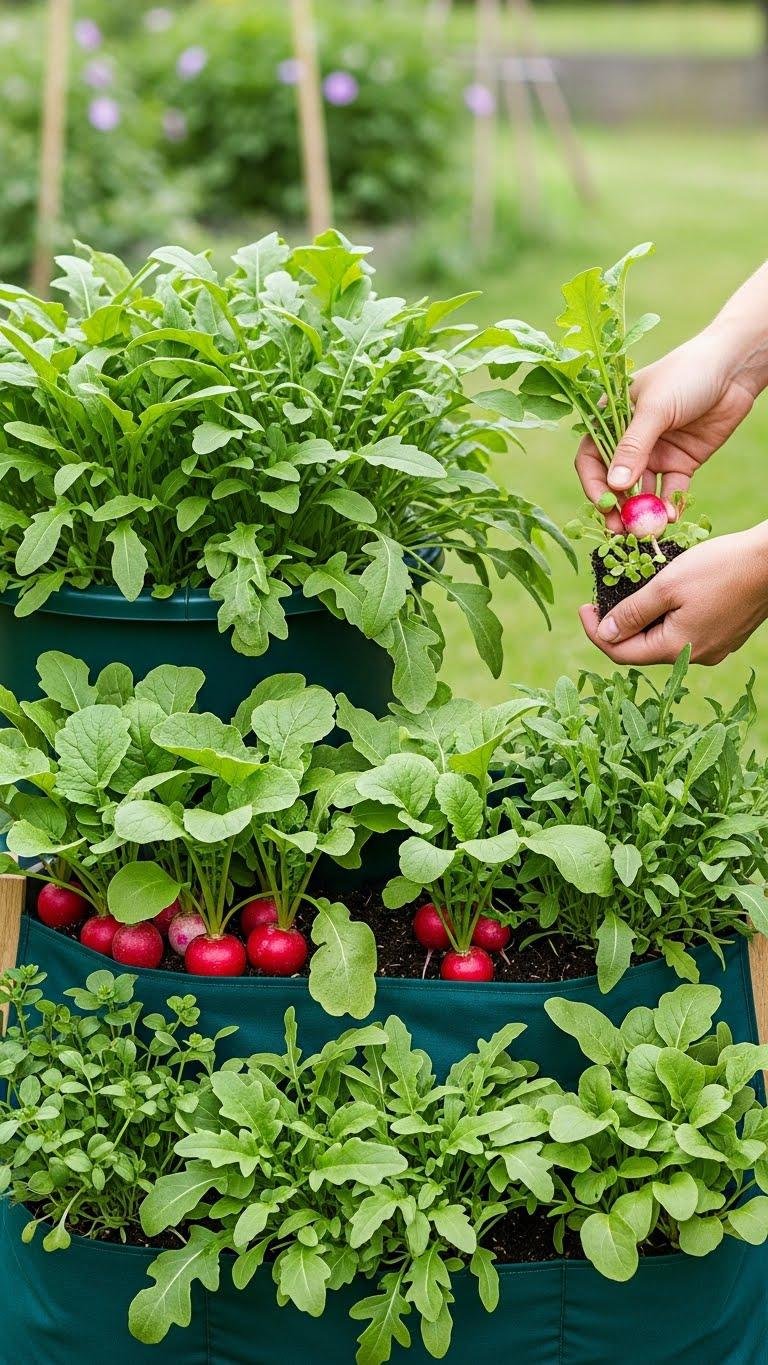
After enjoying the hands-on, slow-build rewards of potatoes, you’ll appreciate how fast and forgiving arugula is — it gives spicy, peppery leaves in weeks instead of months.
You can sow it in pockets or containers, harvest baby greens, and experiment with arugula flavor profiles.
Plant alongside radishes and herbs for arugula companion planting benefits.
It’s low-maintenance and freeing.
Leafy Greens — Kale
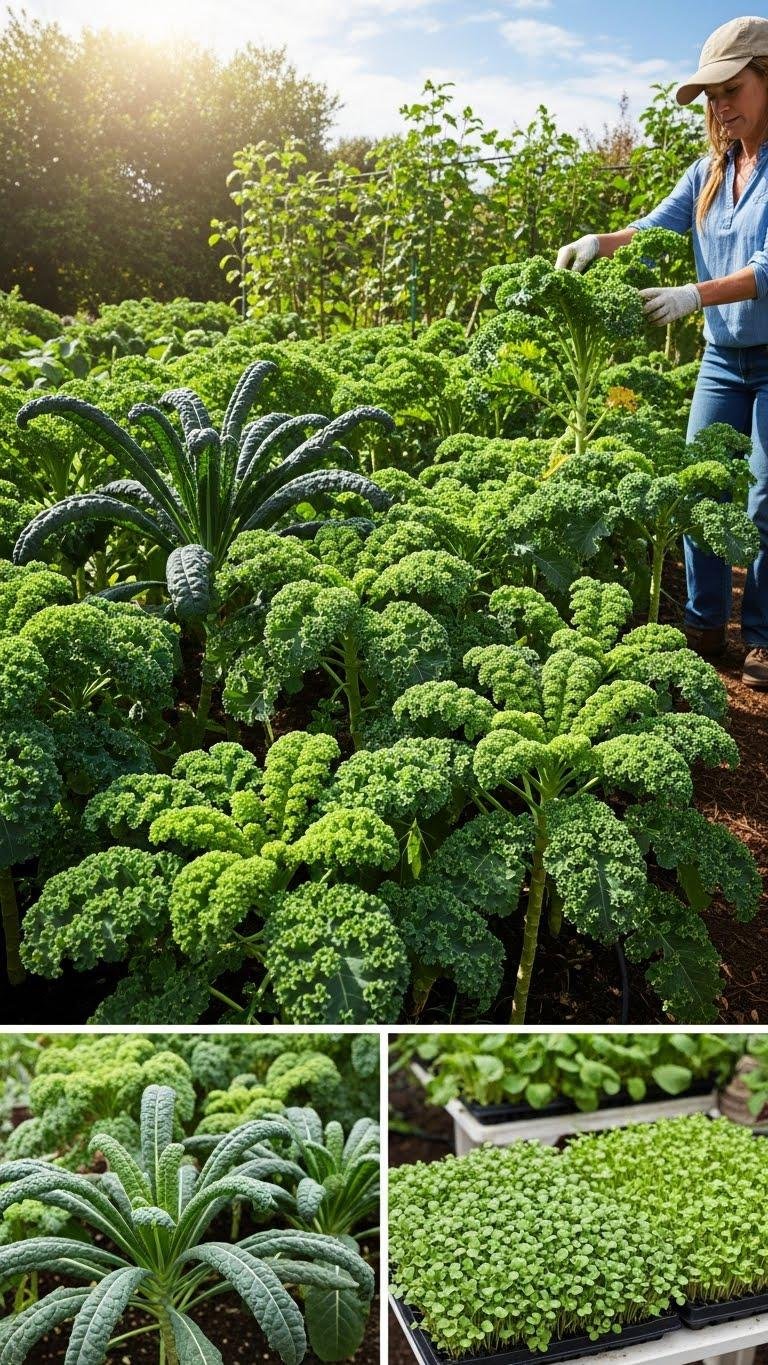
Kale’s a sturdy, cold-tolerant green that rewards you with continuous harvests—pick outer leaves as needed and it keeps producing.
You can grow classic curly kale, try ornamental kale for visual flair, or experiment with microgreen production for quick, nutrient-dense snacks.
Sow in full sun to partial shade, water regularly, and harvest young leaves for tenderness.
It’s low-maintenance and liberating.
Peas — Snow and Snap Peas
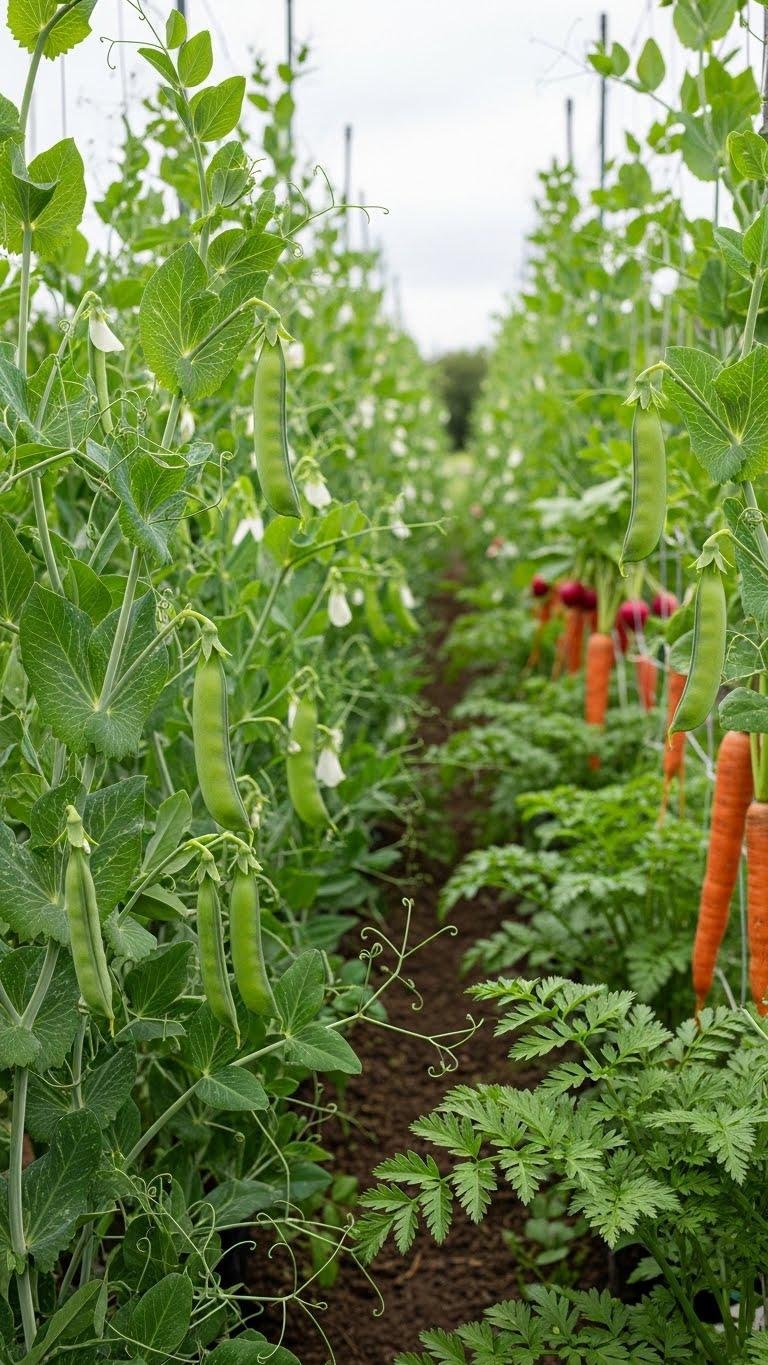
Peas are one of the easiest vegetables to grow — you’ll get sweet, crunchy pods with minimal fuss.
Plant early, sow directly, and give plants trellis support so they climb and stay healthy.
Choose snow or snap varieties for fresh eating.
Use companion planting with carrots or radishes to deter pests.
Harvest often, and you’ll enjoy freedom-filled, continuous rewards all season.