
You can turn tiny balconies and narrow walls into productive, attractive green zones with a few smart vertical tricks. Think stacked panels, slim troughs, trellis arches and tiered towers that save floor space and boost yields. I’ll show plant-wise choices, moisture-smart irrigation, and setup tips that fit light and weight limits—enough to get started, and one practical hack that changes everything.
Build a Freestanding Tiered Garden Tower
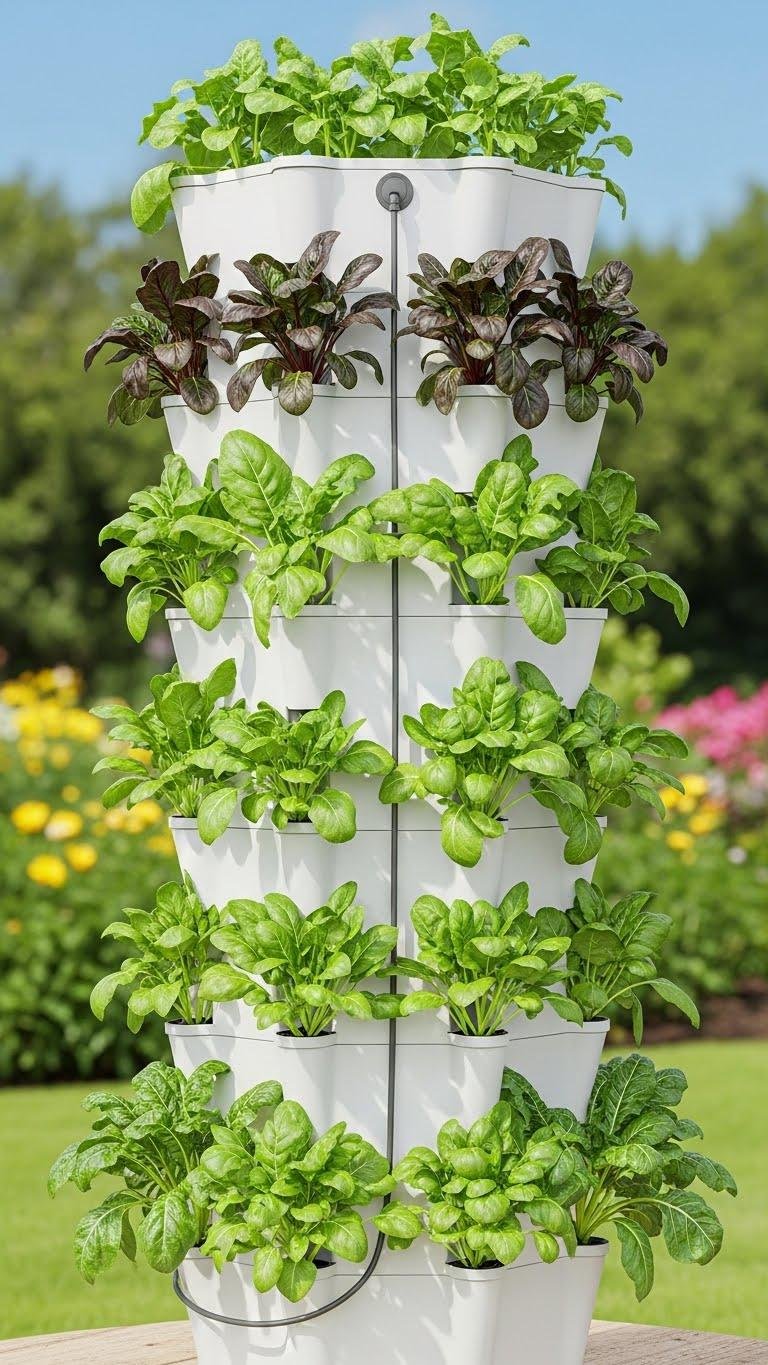
A tiered garden tower gives you stacked growing space where floor area is limited, so you can fit multiple crops in a single vertical footprint. Build a freestanding tower with portable tiers for easy rearrangement. Use lightweight frames, deep pockets for roots, and a central stacked irrigation line to feed each level. Position for sun, rotate crops seasonally, and move the tower to follow opportunity.
Install a Vertical Trellis for Climbing Vegetables
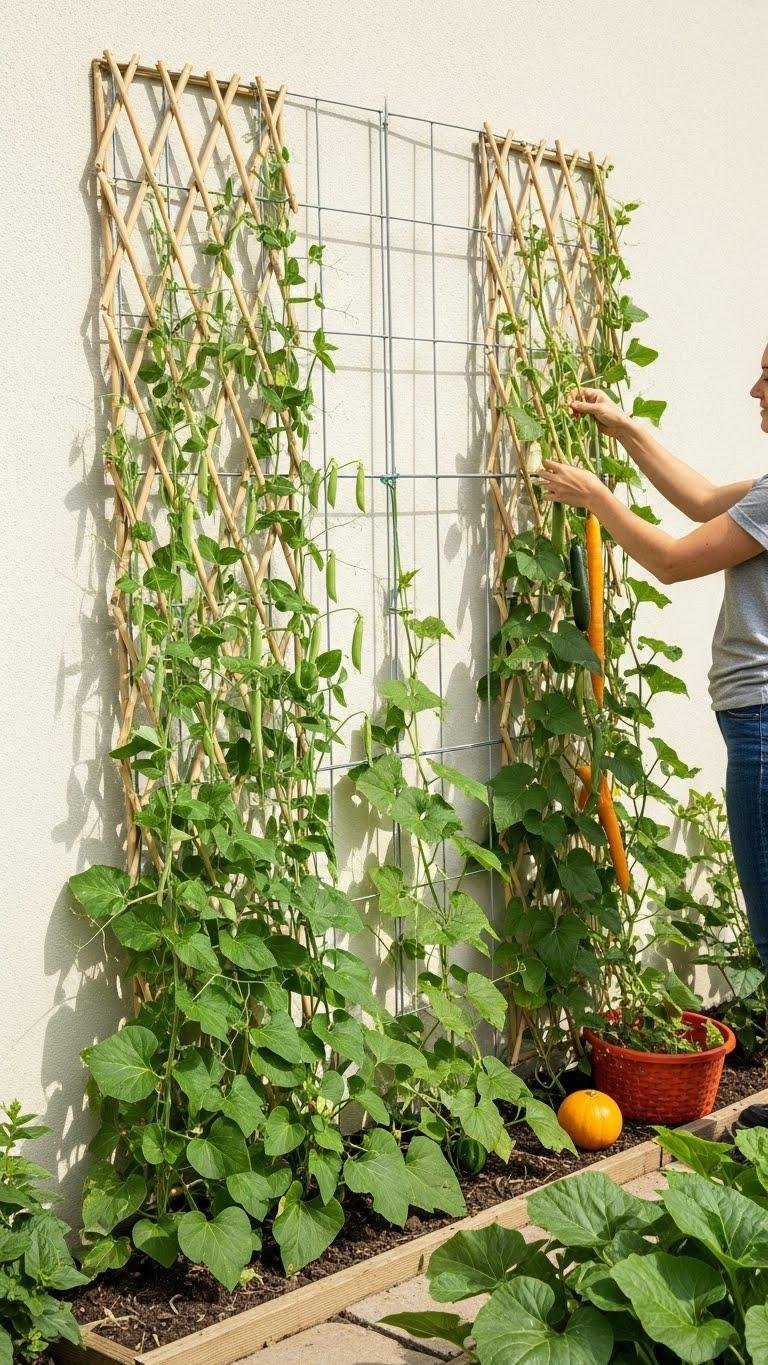
When you train peas, pole beans, cucumbers or vining squash upward, you free ground space, improve air circulation and make harvesting easier.
Mount a sturdy bamboo lattice or wire frame against a sunny wall, or sculpt a vertical grapevine-style arbour to guide vines. You’ll latch tendrils, prune for light, and harvest higher—claiming room and freedom while keeping plants healthy and productive.
Convert Pallets Into Rustic Planter Shelves
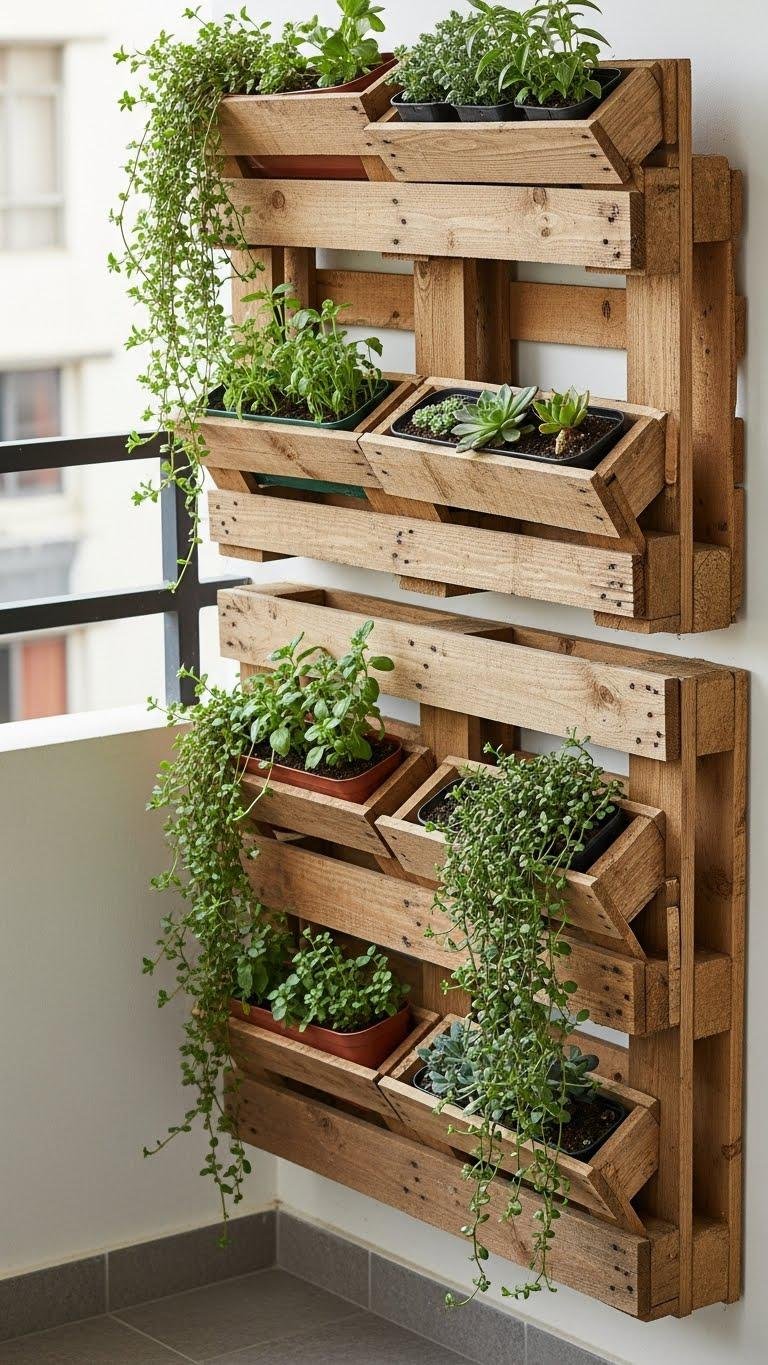
Turn old pallets into vertical planter shelves to maximize narrow walls or balcony corners without wasting floor space. Fasten pallet frames securely, sand and treat reclaimed wood, and respect pallet seasoning to avoid rot.
You’ll angle shelves for drainage, mount brackets at studs, and group herbs, succulents, and trailing vines by water need. It’s rugged, flexible, and lets you roam free with your mini-garden.
Create a Living Privacy Screen With Stacked Boxes
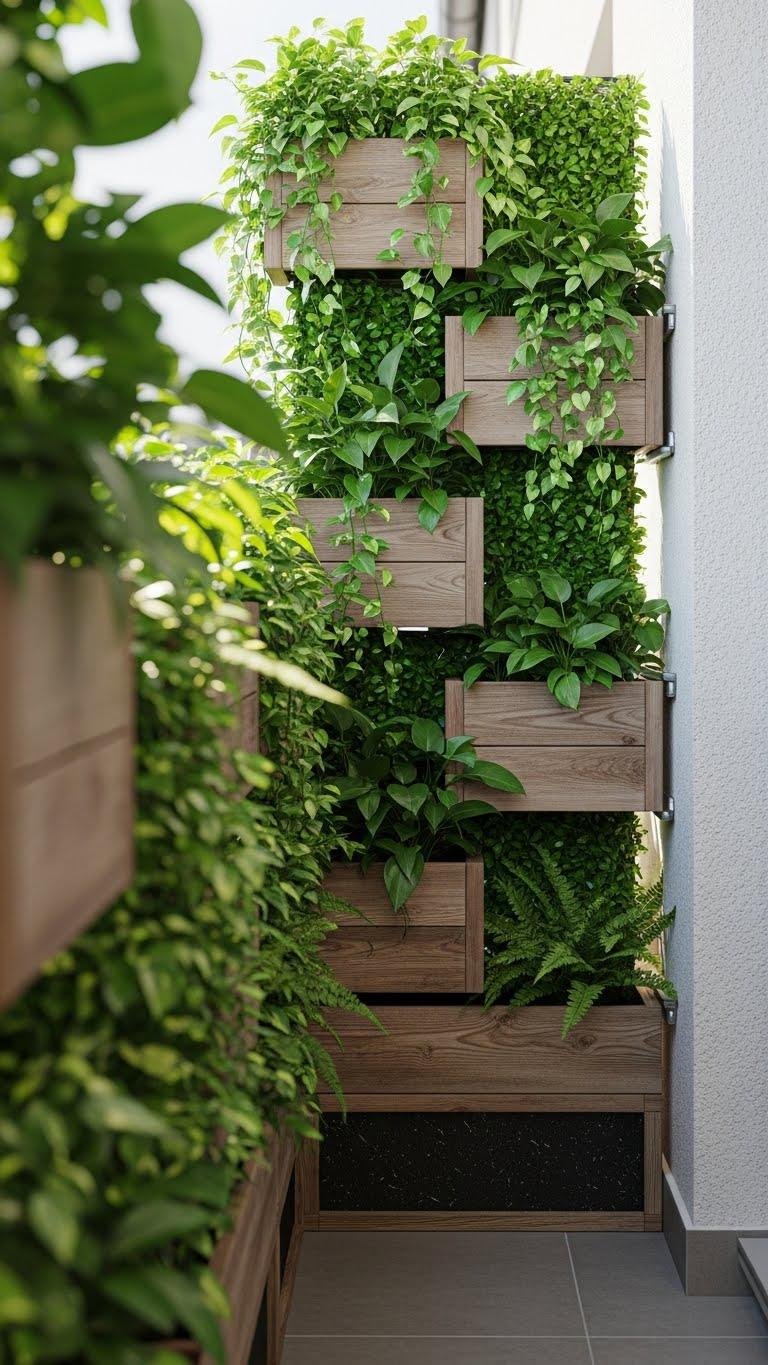
Because stacked wooden boxes let you build height without stealing floor area, you can craft a compact living privacy screen that feels lush and deliberate.
Stack reclaimed crate modules, stagger them for stability, and line with reservoir soil.
Plant dense vines and ferns for soundproof greenery and shade.
Anchor to a wall, allow air flow, and prune for sightlines that keep your balcony feeling free.
Mount Slim Window Boxes on Railings and Balconies
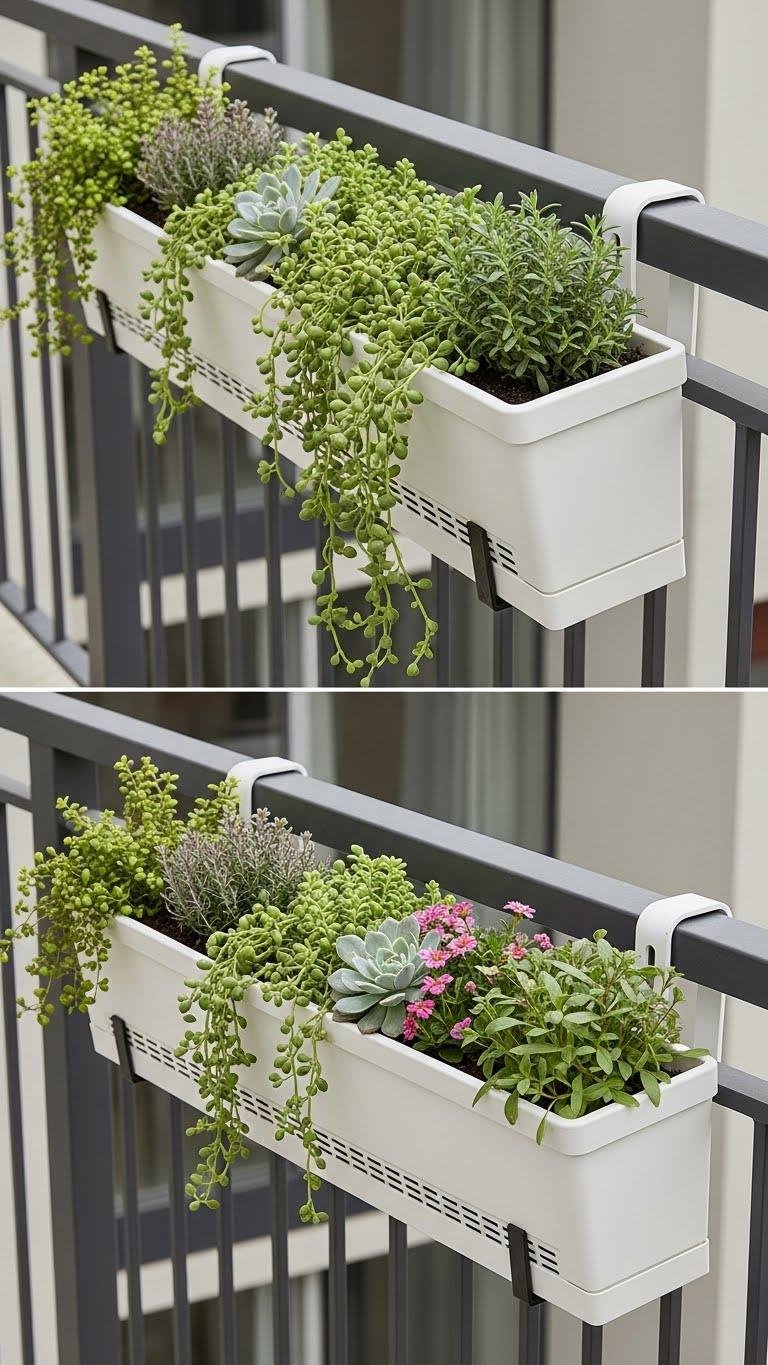
Slip slim window boxes onto railings or hang them from balcony edges to add layers of greenery without losing walkway space.
You’ll maximize vertical surface by aligning boxes along balcony railings and beneath window ledges, choosing shallow-rooted herbs, trailing succulents, and compact annuals.
Secure brackets, level trays, and allow drainage.
This keeps plants reachable, wind-stable, and your outdoor freedom intact.
Grow Strawberries in Vertical Pocket Systems

If you’ve been lining railings with slim boxes, you can use that same vertical mindset to grow strawberries in pocket systems — they take up almost no floor space and put fruit within easy reach.
Choose container varieties suited for pockets, rotate pockets for sun, and plant strawberry companions like thyme or chives to deter pests.
Water consistently, feed lightly, and harvest freely.
Employ Self-Watering Wick Planters for Busy Schedules
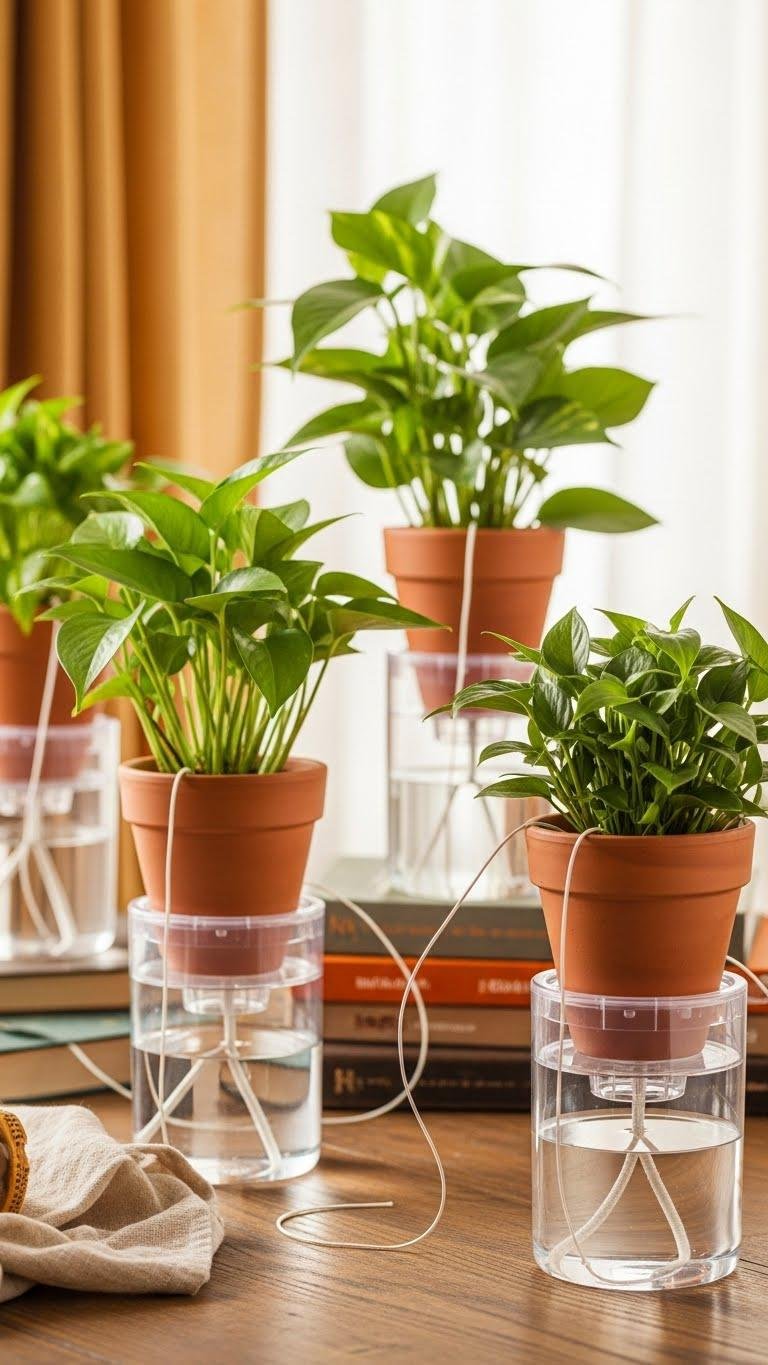
Regularly, you’ll find a self-watering wick planter keeps roots evenly moist without daily attention, making it perfect for busy schedules and tight vertical spaces.
You’ll set up compact wick reservoirs behind or beneath pots for automatic watering, freeing you from constant maintenance. Position units to maximize sunlight, choose drought-tolerant mixes, and enjoy reliable moisture control that lets you travel and garden on your terms.
Train Vines With Wire and Cable Trellises
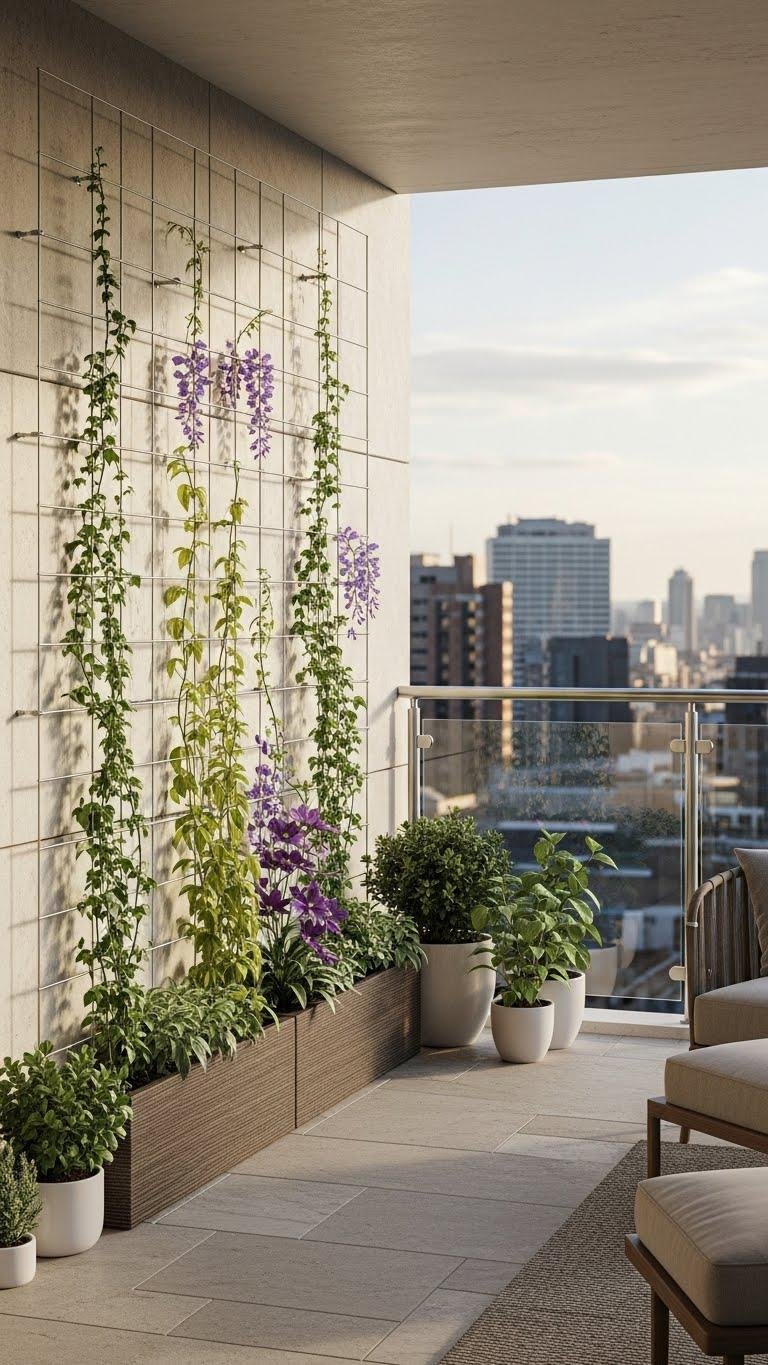
Paragraphs
Use Lightweight, Shallow-Root Containers for Greens
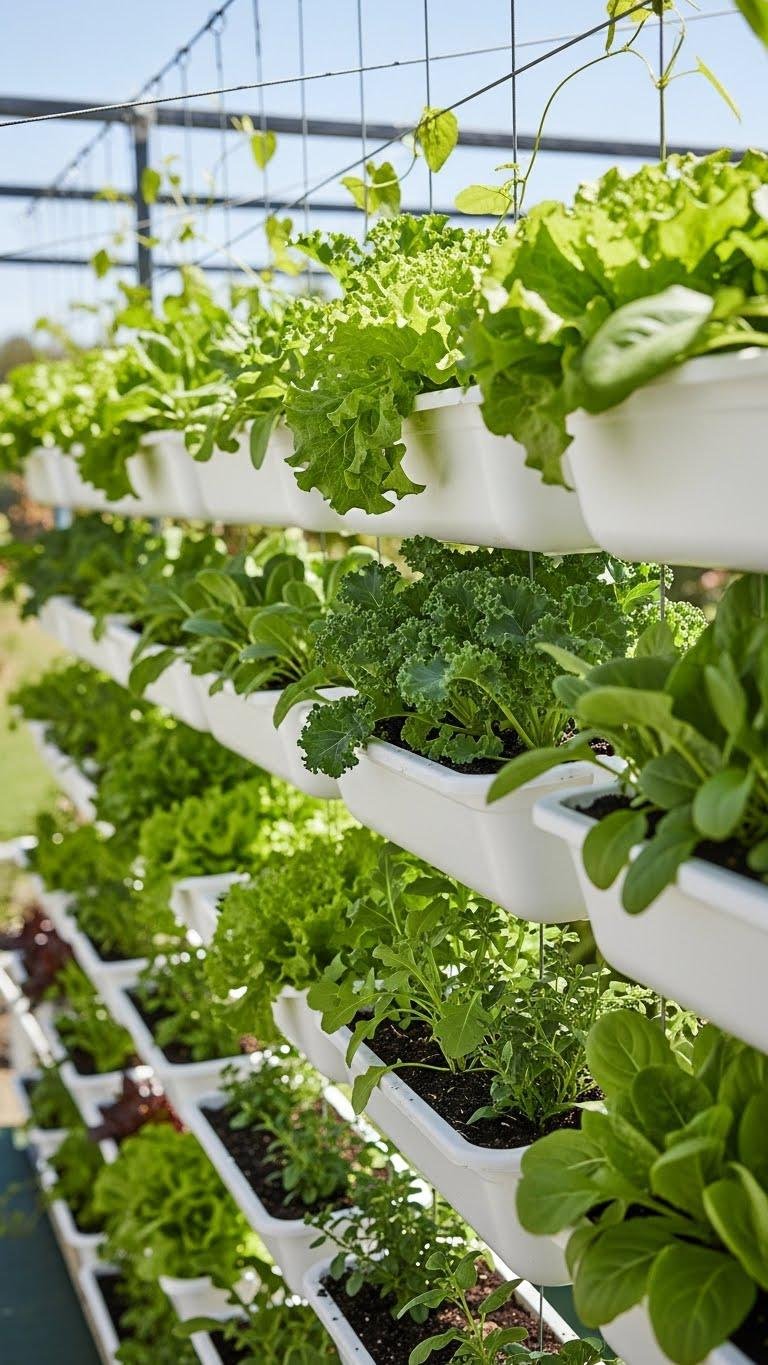
After you’ve run vines up wires and cables, shift attention to greens that prefer shallow soil: lettuce, arugula, baby kale and herbs flourish in compact, lightweight containers.
You’ll choose shallow soilbeds and lightweight pots to keep weight low and mobility high.
Mount or hang them in staggered rows, rotate exposures, and refresh soil frequently so your small vertical plot stays productive and free.
Add Decorative Succulent Frames for Low-Maintenance
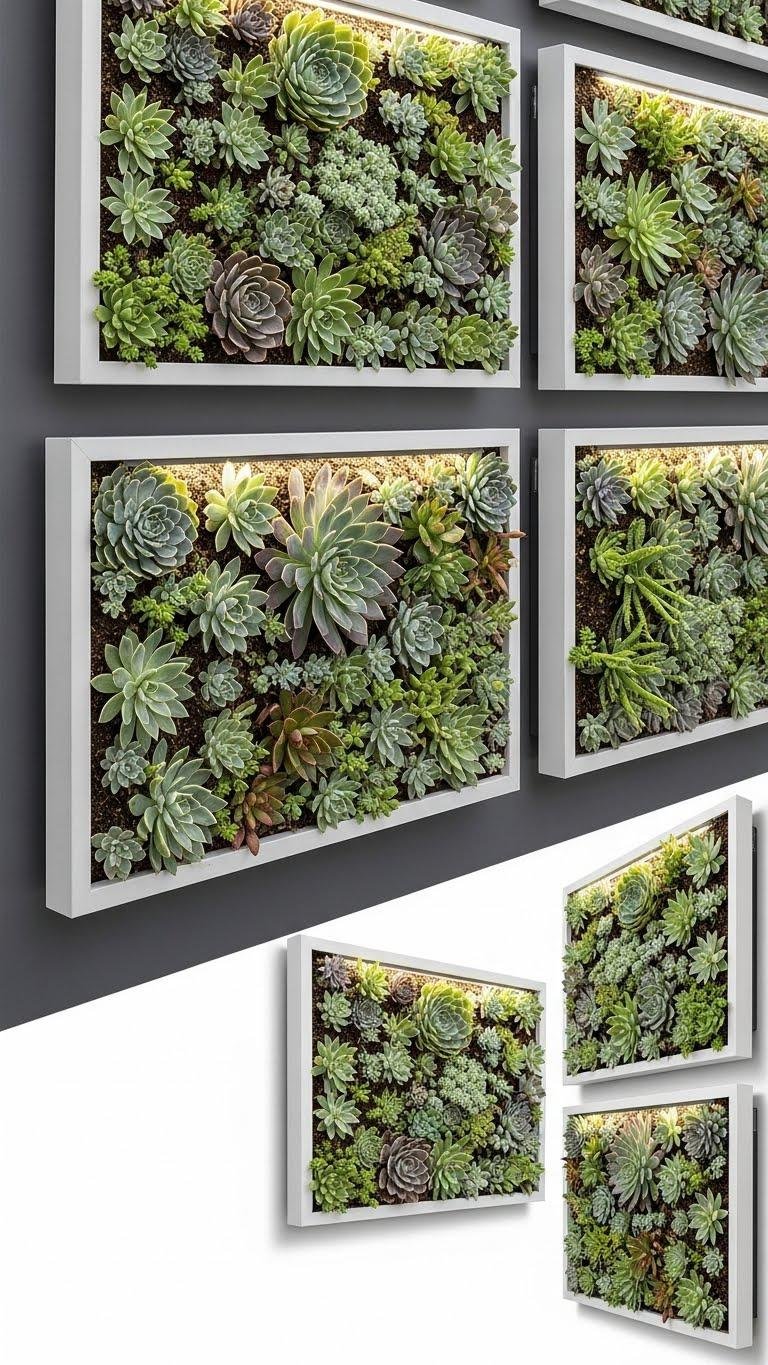
Choose Dwarf and Compact Plant Varieties
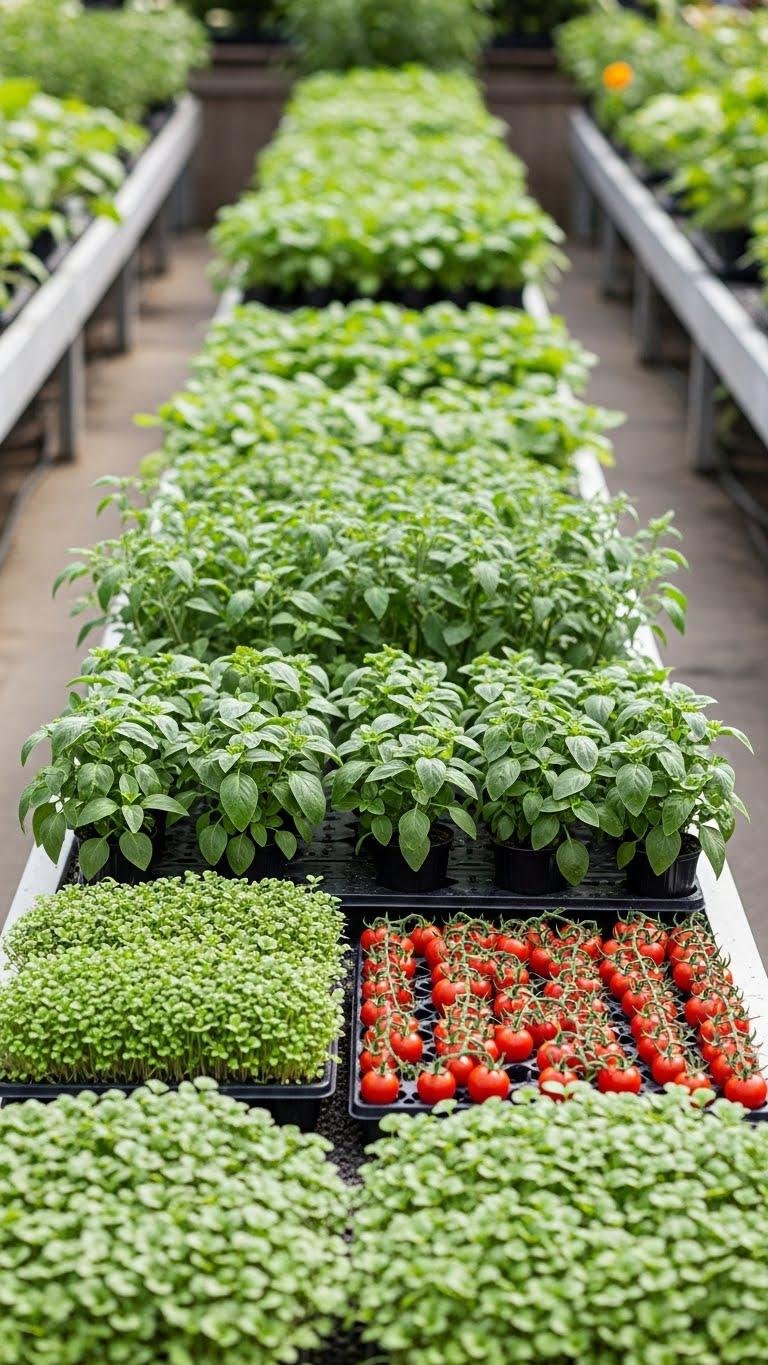
Pick compact cultivars and dwarf rootstocks to get more plants per panel and less crowding. Choose varieties that stay tidy, save depth, and let you roam the space.
Use compact rootstocks for fruiting herbs and small tomatoes, and dedicate shallow trays to micro greens for instant harvests.
You’ll maximize yield, reduce maintenance, and keep pathways and sightlines open for freedom.
Reuse Gutters as Narrow Planter Channels
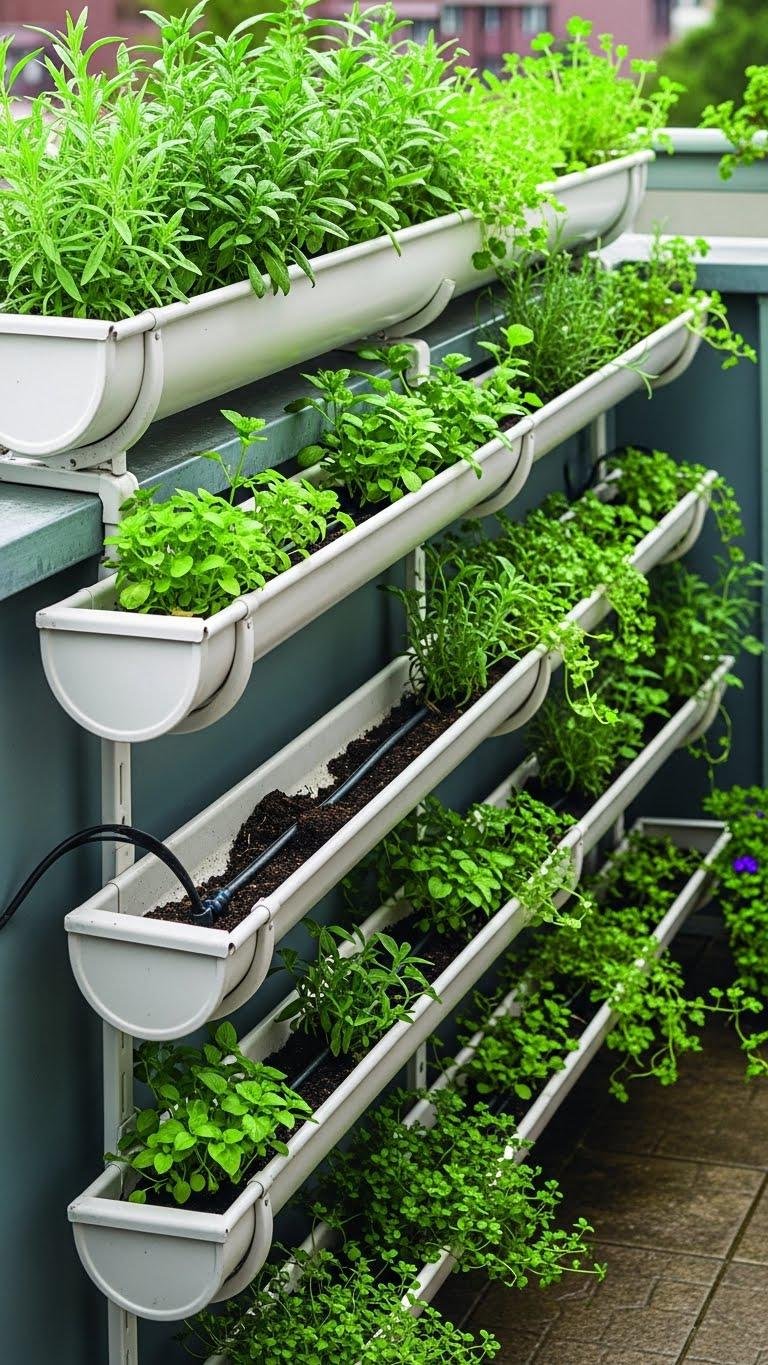
If you’re tight on ledge or balcony depth, retrofit old gutters into slim planter channels to squeeze productive growing space along railings and walls.
You’ll mount them horizontally or stagger vertically, add drainage holes and a simple gutter irrigation line, and fill with shallow soil mixes.
Use sections as seedling nurseries or to grow herbs and trailing greens, freeing floor space while keeping access easy.
Combine Edible and Ornamental Plants for Visual Impact
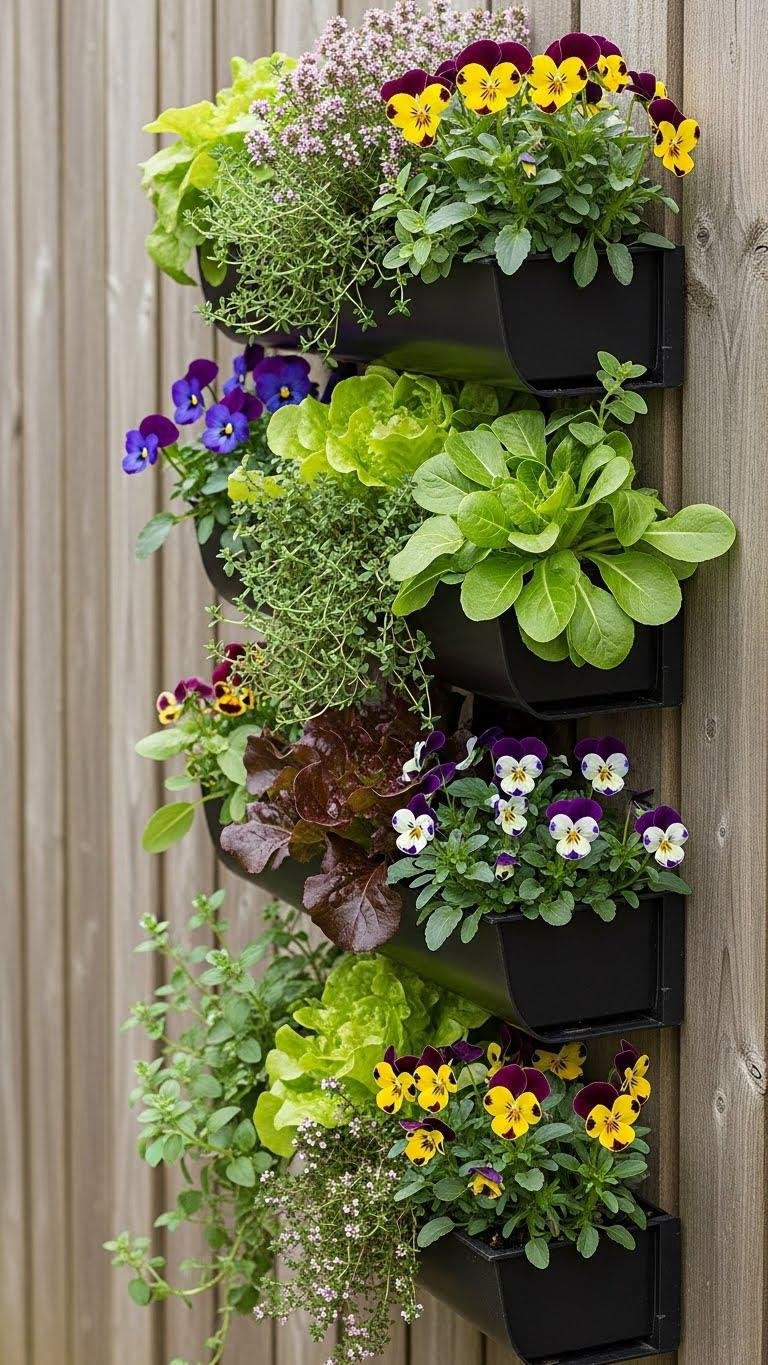
Those slim gutter planters don’t have to be purely functional — you can mix ornamentals with edibles to create depth, color, and continuous harvests in the same narrow band.
Pair trailing herbs, compact lettuces, and dwarf flowers for edible aesthetics and texture. Stagger heights and bloom times to exploit seasonal contrasts. You’ll maximize yield, visual drama, and a liberated, efficient vertical palette.
Install Removable Panels for Easy Maintenance
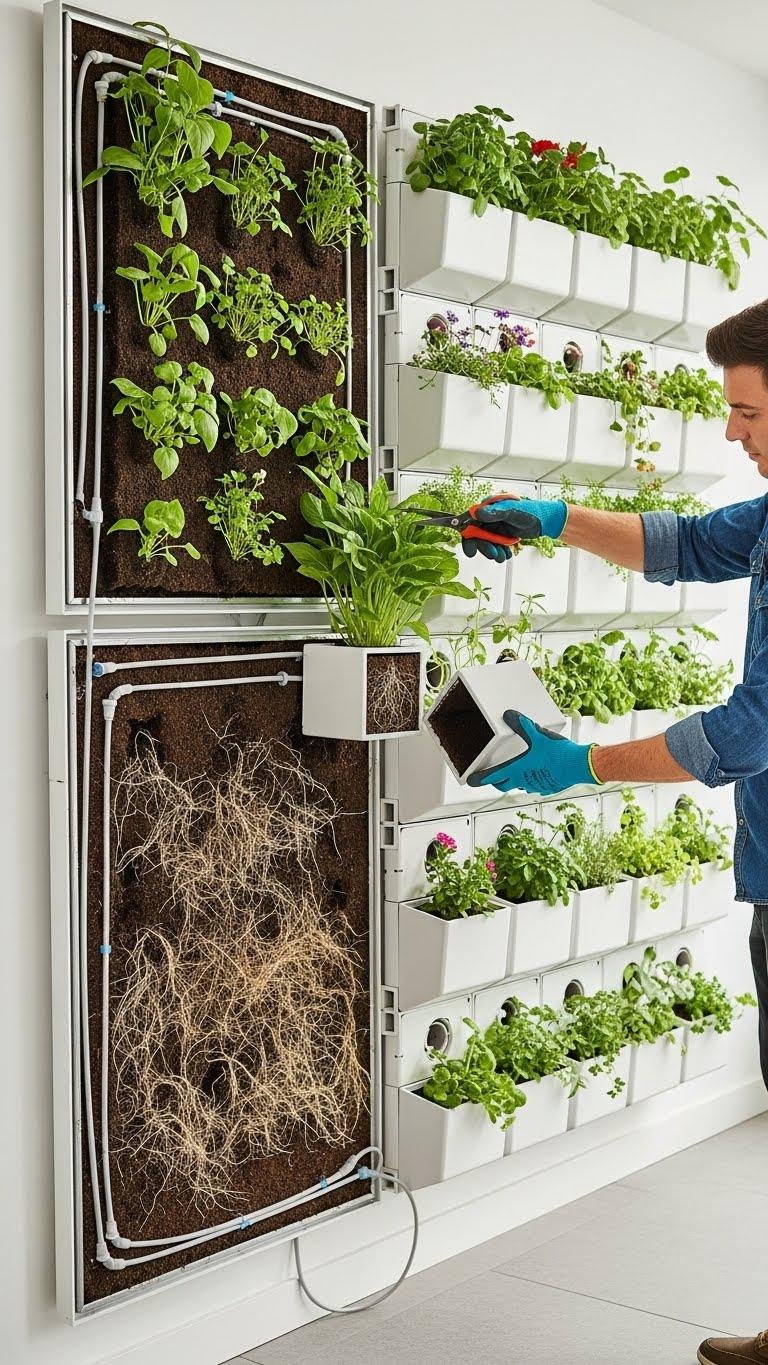
Flip out removable panels to give you direct access to roots, irrigation lines, and stubborn pests without dismantling the whole structure. You’ll enjoy quick maintenance access to soil, hoses, and anchors; swap modular removable planters, prune, or replace plants in seconds.
This keeps the vertical bed tidy, lets you experiment with layouts, and frees you to tend your garden without structural headaches.
Use Reflective Surfaces to Boost Light in Shaded Areas
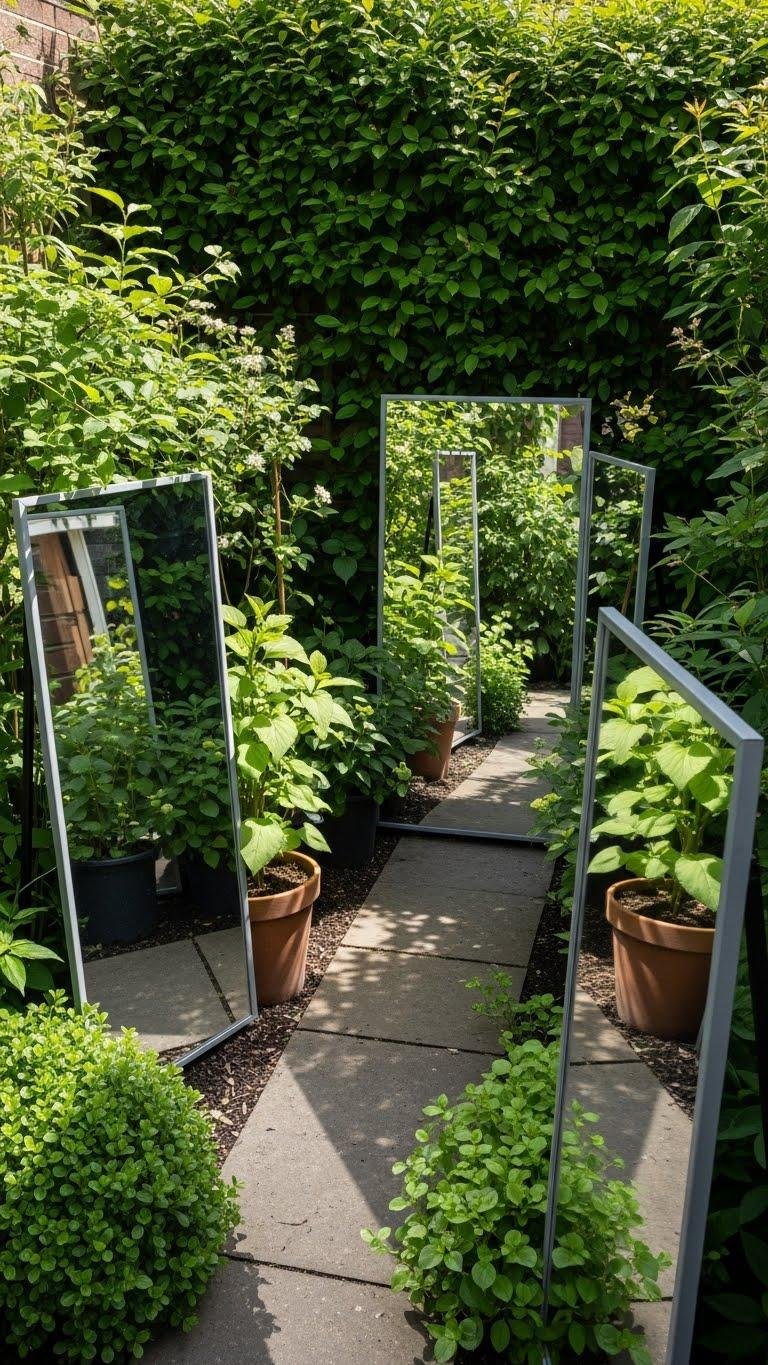
Brighten shaded corners by positioning reflective panels to bounce available light onto plants’ leaves; you’ll get more photosynthesis without moving the whole garden.
Mount mirror panels or lightweight frames with foil backings behind pots or along narrow passages to channel sunbeams into deep foliage.
Angle them to reduce glare, secure for wind, and rotate orientation seasonally so your vertical plot stays productive and free.
Incorporate Trellis Arches to Define Vertical Rooms
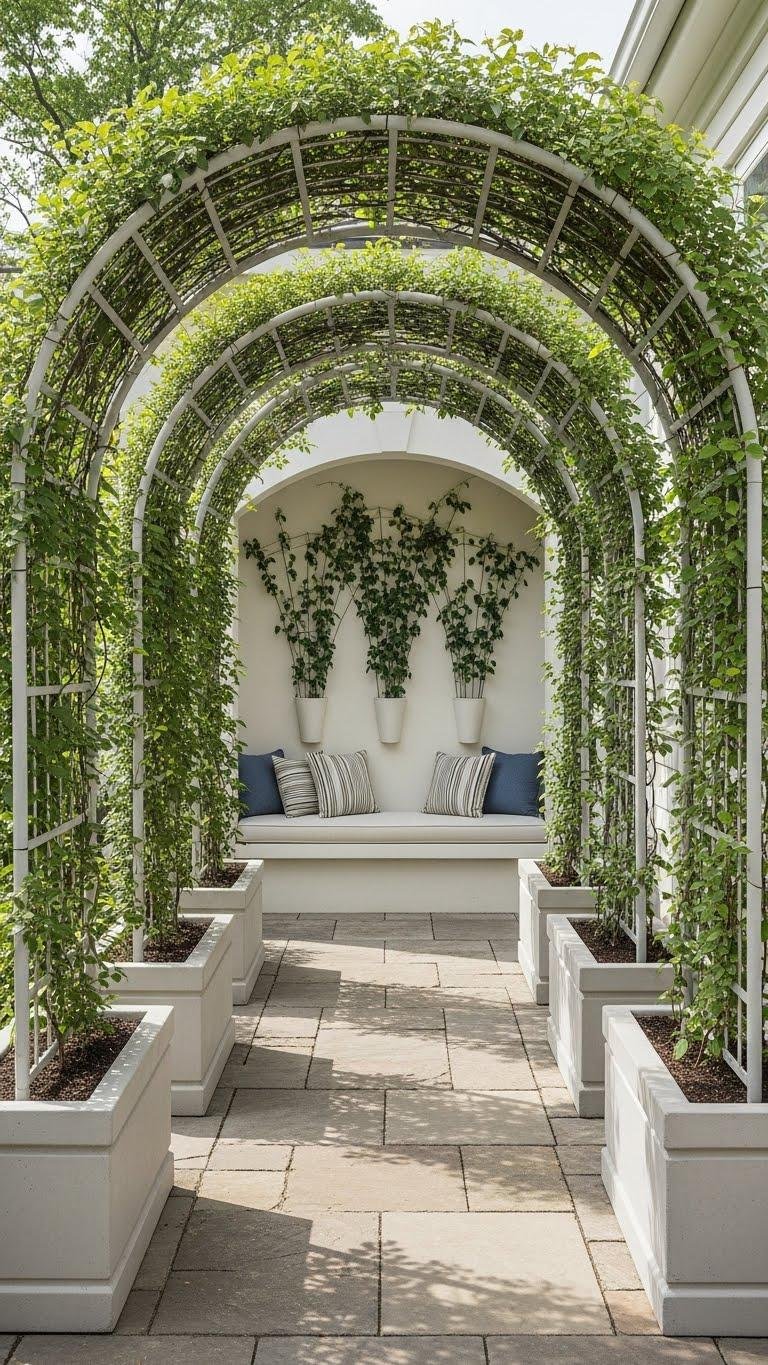
Framing a path or seating nook with a trellis arch turns vertical growth into a room-defining wall, guiding sightlines and plant habit while saving floor space.
You’ll use arched planters to funnel vines upward, create privacy and shade, and nestle vertical seating beneath green canopies. Keep structure light, anchor pots securely, and pick fast-climbing, low-maintenance plants for effortless, liberated outdoor rooms.