
You can design a garden that reliably supports wildlife by combining native wildflower masses, layered hedges, fruiting trees and water features to provide staggered food and shelter across seasons. Think in systems: create connected microhabitats—pond, log piles, nesting boxes, compost and long‑grass corners—manage invasives, minimise chemicals, and monitor outcomes. Start with a few resilient elements and scale up to increase habitat connectivity and resilience.
Plant Masses of Native Wildflowers
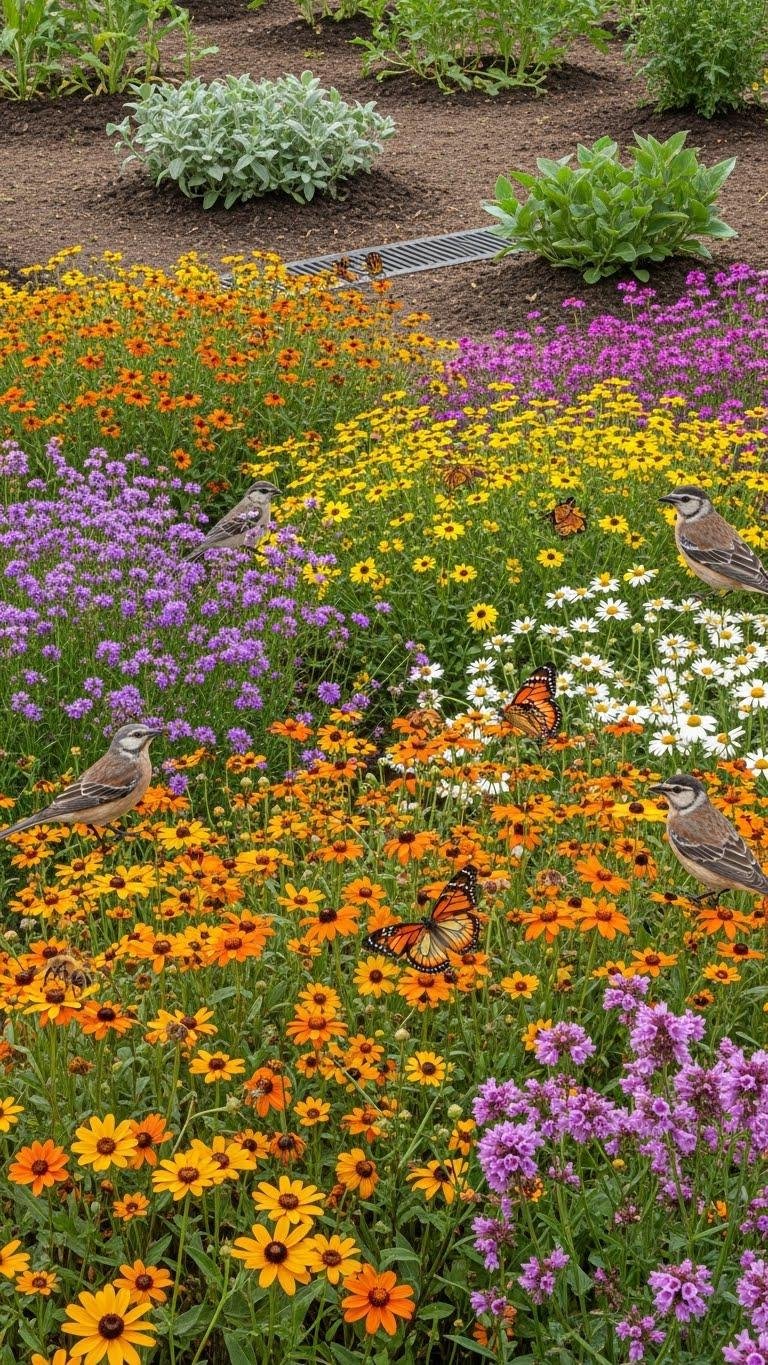
When you plant large, contiguous patches of native wildflowers, you create concentrated resources that reliably support pollinators, seed-eating birds, and beneficial insects while simplifying maintenance and monitoring.
You’ll plan seeding timing to match local phenology, prioritize soil preparation for drainage and native microbiota, and design modular clusters you can scale.
This lets you steward habitat efficiently while retaining tactical freedom.
Create a Layered Hedge for Shelter
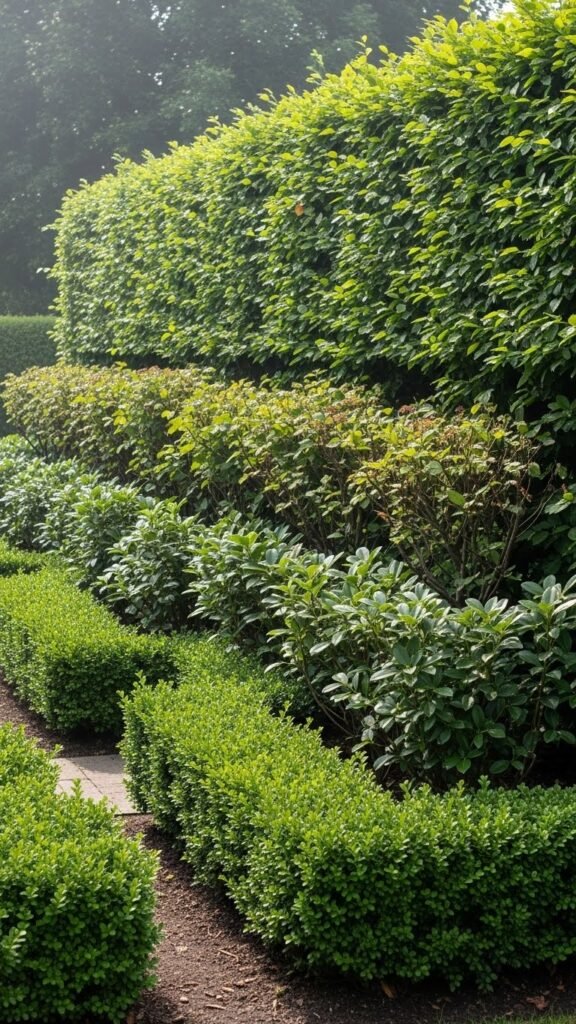
Because a layered hedge combines structural diversity and year-round resources, you’ll give wildlife reliable shelter, nesting sites, and travel corridors while maintaining a compact footprint.
Design hedgerow layers with low shrubs, mid-height woody plants, and taller trees to create microhabitats.
You’ll prioritize native species, stagger flowering and fruiting times, and manage shelter planting as an adaptive, low-intervention system supporting movement and refuge.
Install Birdbaths at Multiple Heights
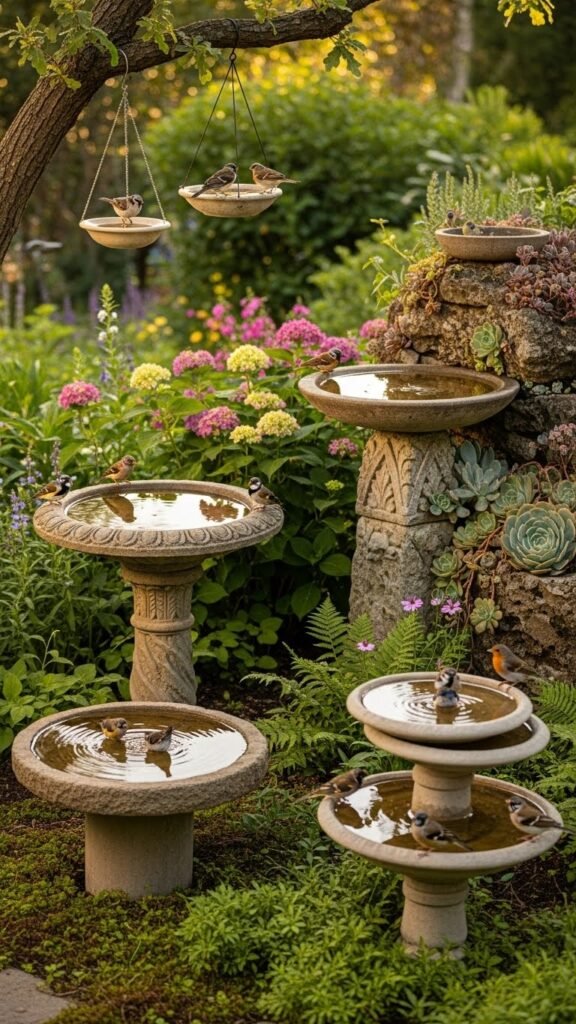
Think vertically: placing birdbaths at multiple heights gives different species access to water while reducing competition and predation risk. You’ll position heated baths for winter resilience and shallow decorative basins for small songbirds, spacing them to minimize visual overlap.
Monitor usage, adjust heights and substrates, and integrate water sources into existing flight paths so birds retain freedom to choose safe, efficient resources.
Build a Small Wildlife Pond
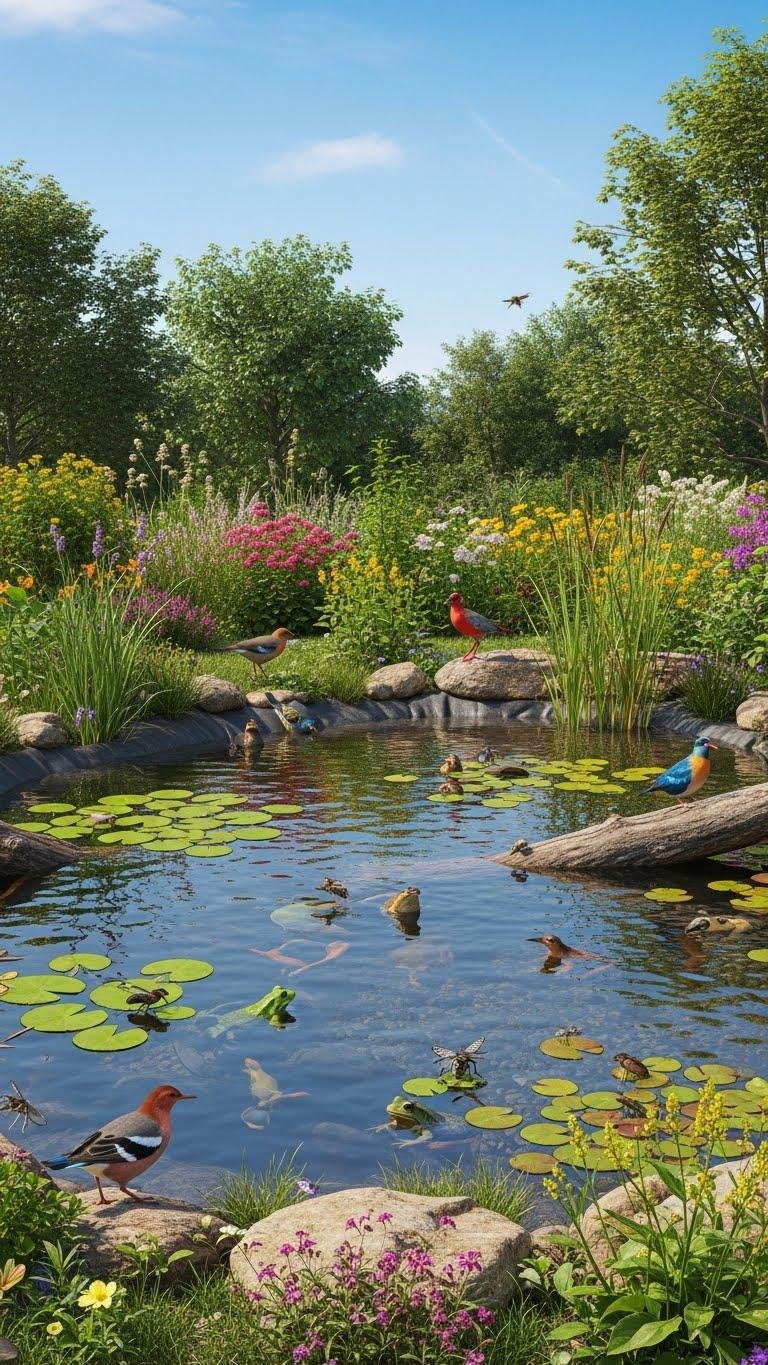
If you start with clear goals and site constraints, you’ll design a small wildlife pond that reliably supports amphibians, insects, and visiting birds while fitting into your garden’s hydrology.
You’ll size, grade, and liner pragmatically, plan seasonal planting for habitat continuity, manage water quality, and encourage microhabitat creation.
Monitor for predators, welcome nocturnal visitors, and adapt system parameters to retain ecological freedom and resilience.
Make Log and Rock Piles for Habitat
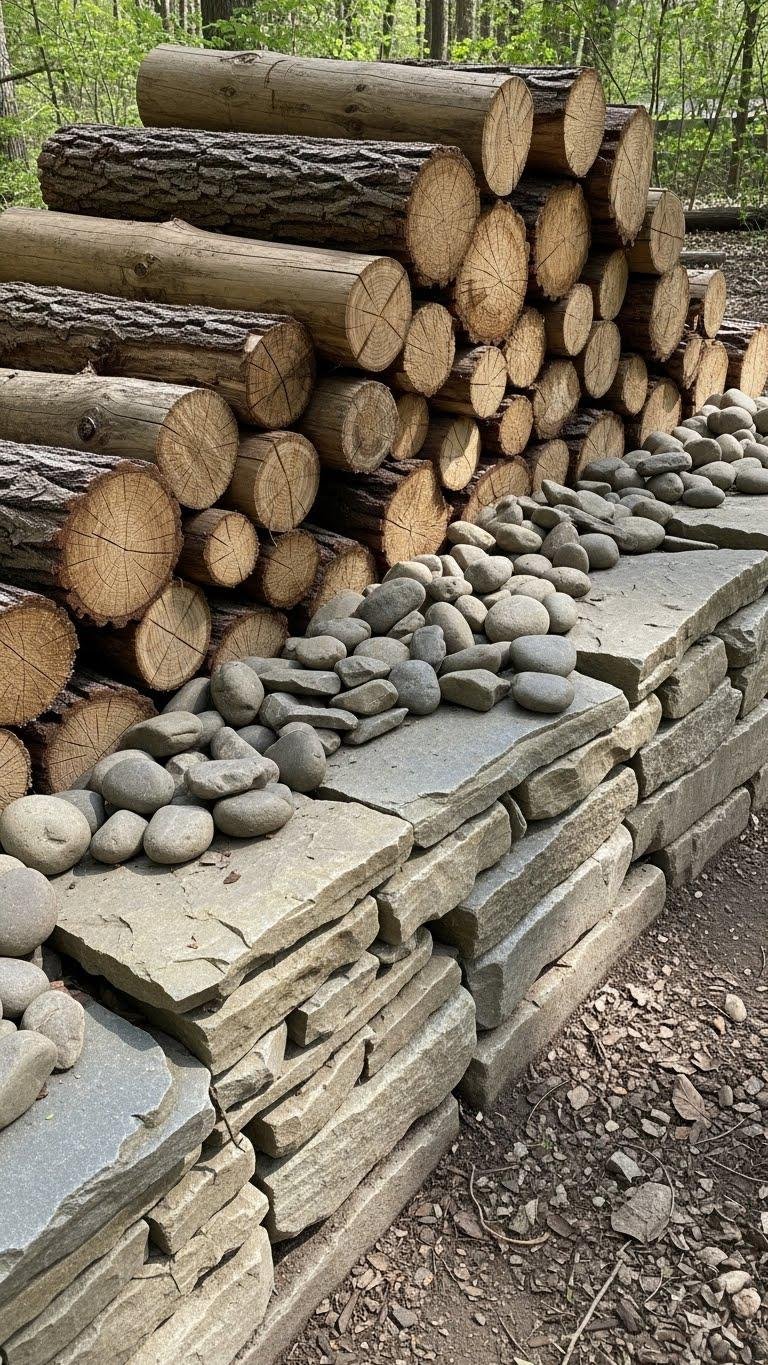
Pile up logs and rocks to create compact refugia that deliver disproportionate ecological benefits: stacked timber, fallen trunks, and layered stones form temperature-stable, moisture-retaining microhabitats used by amphibians, reptiles, invertebrates, fungi, and ground-nesting birds.
You’ll design deadwood habitat and microclimate shelter intentionally, orienting pieces for drainage, shade, and connectivity so species can move, breed, forage, and persist autonomously.
Plant a Pollinator Meadow Strip
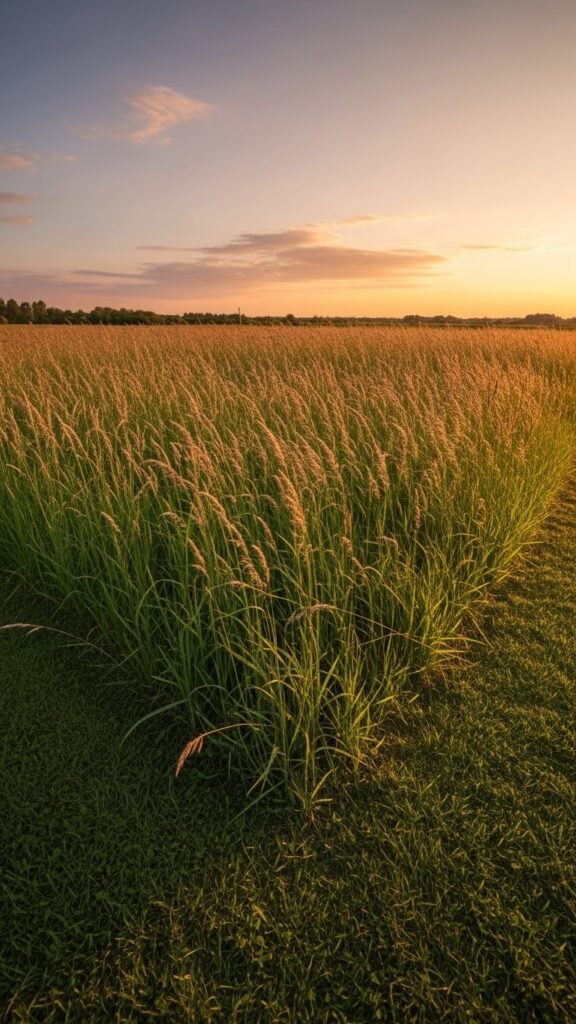
Start by carving a narrow meadow strip along a sunny edge or between garden zones to create continuous foraging habitat and movement corridors for pollinators.
You’ll plan species mixes for staggered bloom timing, improve soil preparation with minimal disturbance and organic amendments, and seed native forbs and grasses.
Monitor establishment, reduce mowing intensity, and adapt management to maximize nectar and pollen continuity for mobile pollinator populations.
Install Birdhouses and Nesting Boxes
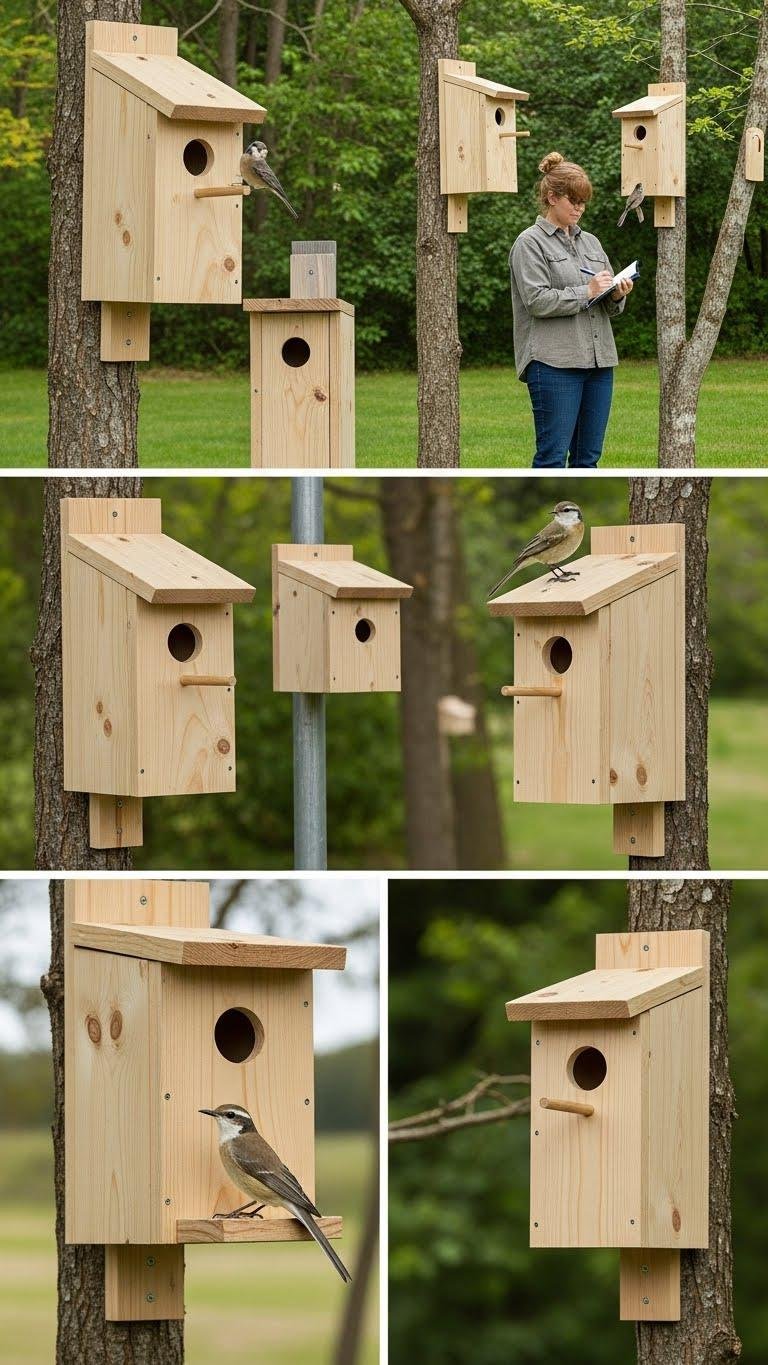
Add properly designed birdhouses and nesting boxes to provide safe, species-specific breeding sites that supplement scarce natural cavities and increase local avian reproductive success. You’ll assess entrance orientation, cavity dimensions, and placement height against target species, plan mackintosh maintenance schedules for weatherproofing, and monitor occupancy. This systems approach preserves nesting opportunities, reduces competition, and lets you manage populations responsibly while keeping ecological freedom.
Provide Bee Hotels for Solitary Bees
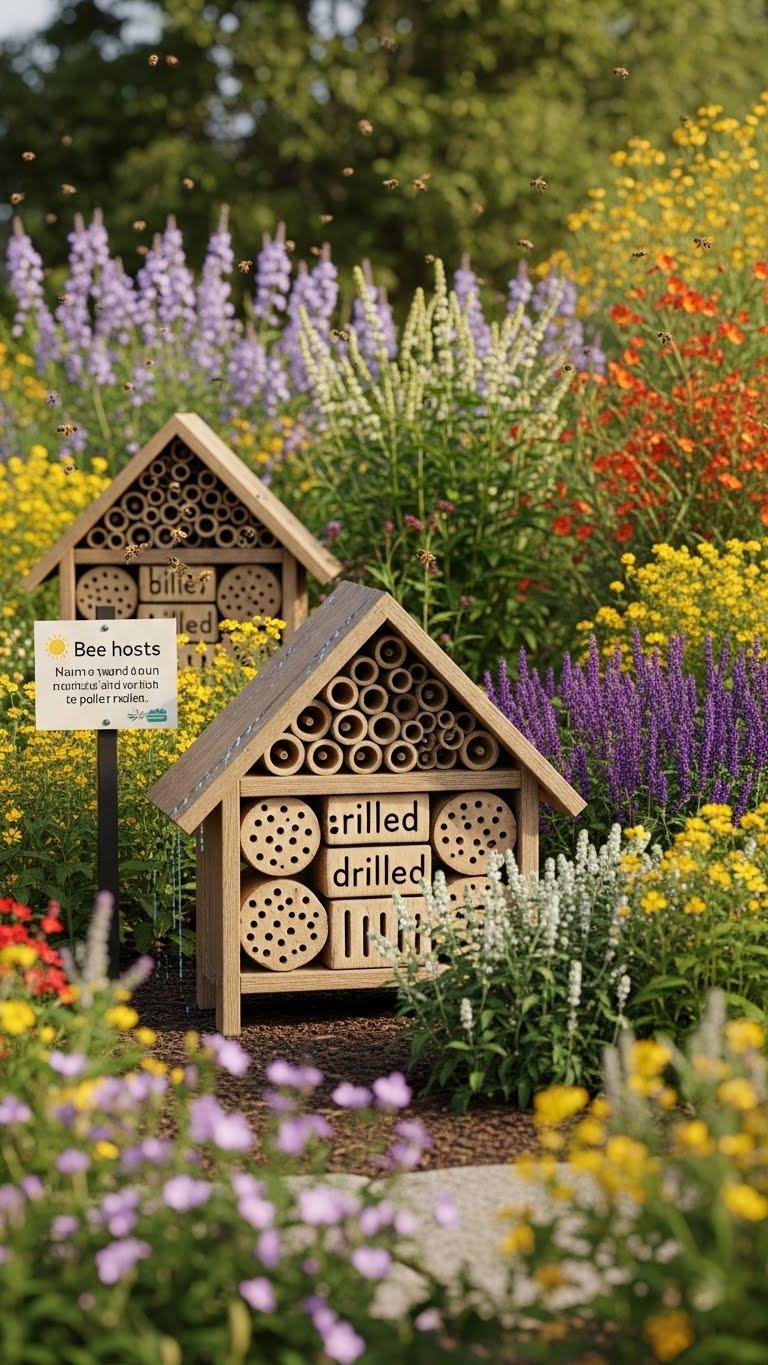
A few well-placed bee hotels give solitary bees secure nesting cavities and bolster local pollination services by supplementing scarce natural stems and beetle-bored wood.
You’ll orient hotels to sun, protect them from rain, and provide nesting material bundles of hollow reeds or drilled blocks. Add bee friendly signage so neighbors respect placements and understand ecological function; monitor occupancy to adapt designs and spacing.
Establish a Rain Garden for Moisture-loving Species
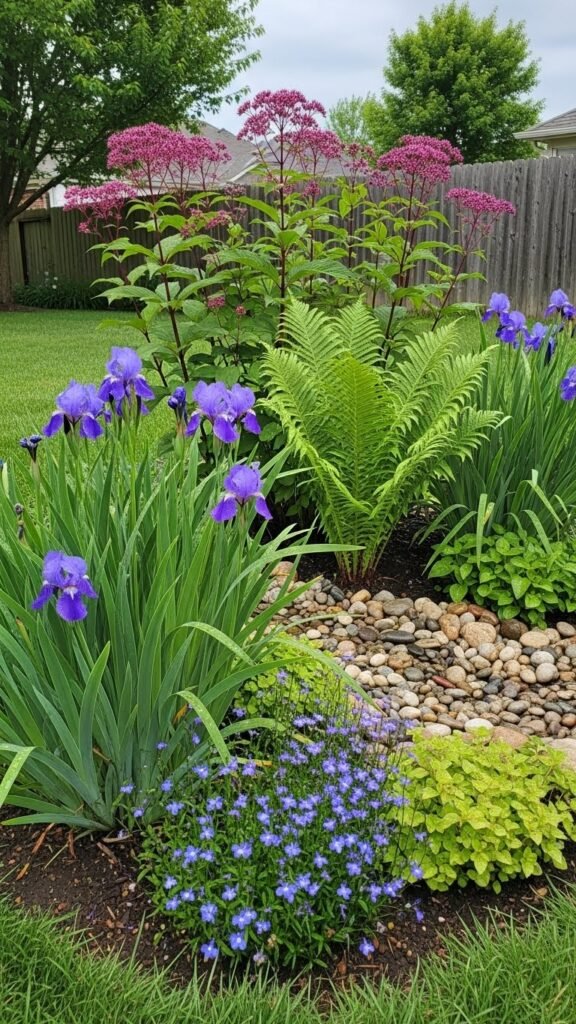
Providing nesting habitat for solitary bees complements larger landscape-scale water management: a rain garden extends that functional diversity by creating moist microhabitats that support amphibians, moisture-loving plants, and invertebrates while managing runoff.
You’ll design a seasonal wetland pocket, grade soil for infiltration, plant native sedges and forbs, and maintain free-draining edges so species move freely and the system self-regulates.
Add Native Trees for Year-round Food
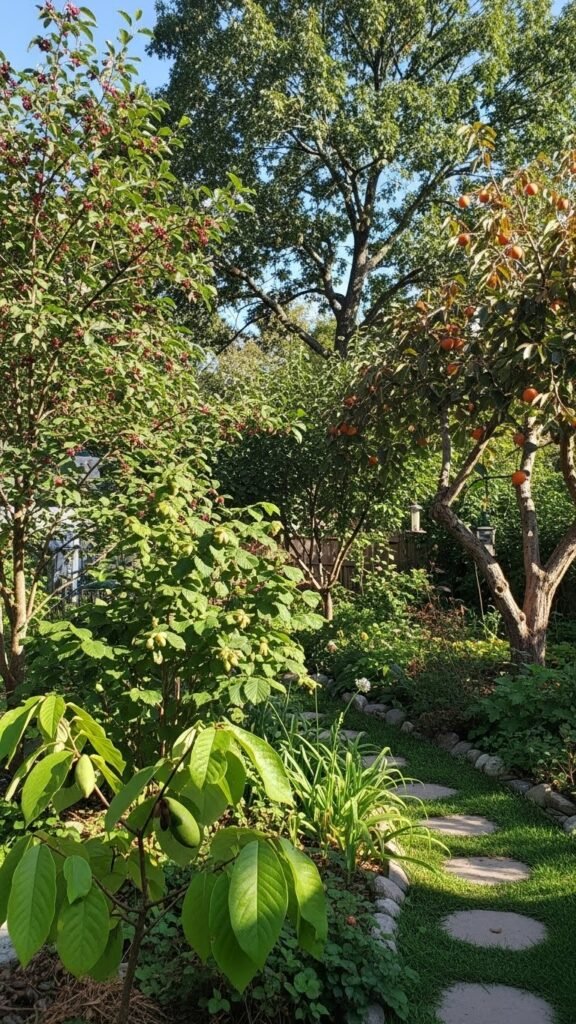
Think strategically about selecting native trees that deliver year-round food resources for wildlife: fruit, nuts, seeds, buds and nectar across seasons keep food webs intact and buffer population swings.
You’ll prioritize species that create layered fruiting canopies and staggered seasonal mast production, optimizing resource continuity.
Plant for spatial diversity, monitor recruitment, and manage competition so wildlife access, resilience, and your garden’s ecological function remain uncompromised.
Create Dense Shrubbery as a Wildlife Corridor
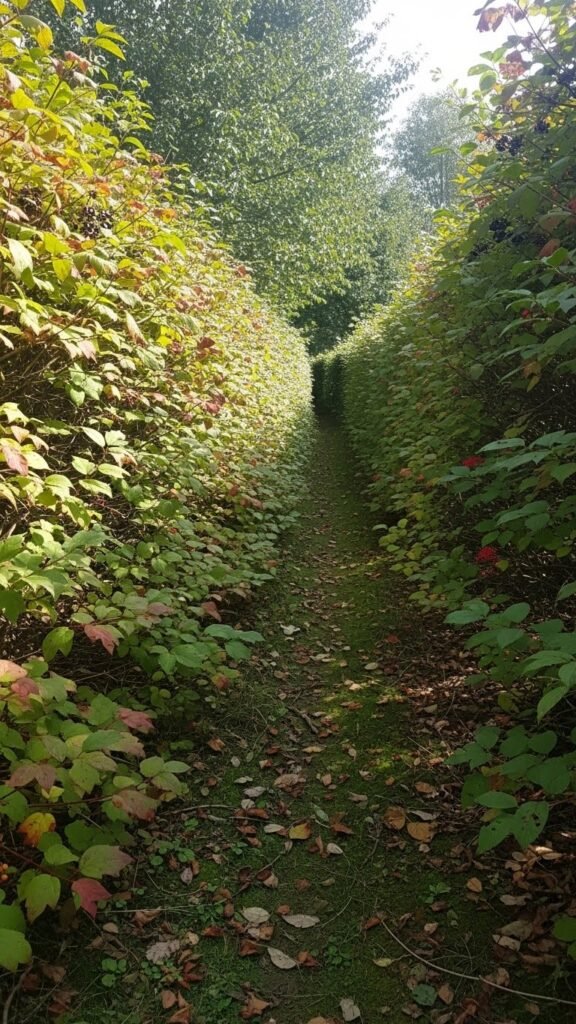
Stratifying dense shrubbery into contiguous layers lets you create a living corridor that connects habitat patches, facilitates safe movement, and sustains species-specific needs across life stages.
You’ll design native corridors using multi-species understory plantings, prioritizing structural diversity, bloom timing, and shelter density.
Monitor connectivity, adjust species composition for local fauna, and manage invasives to maintain functional, low-intervention movement pathways.
Put Out Shallow Dishes of Water
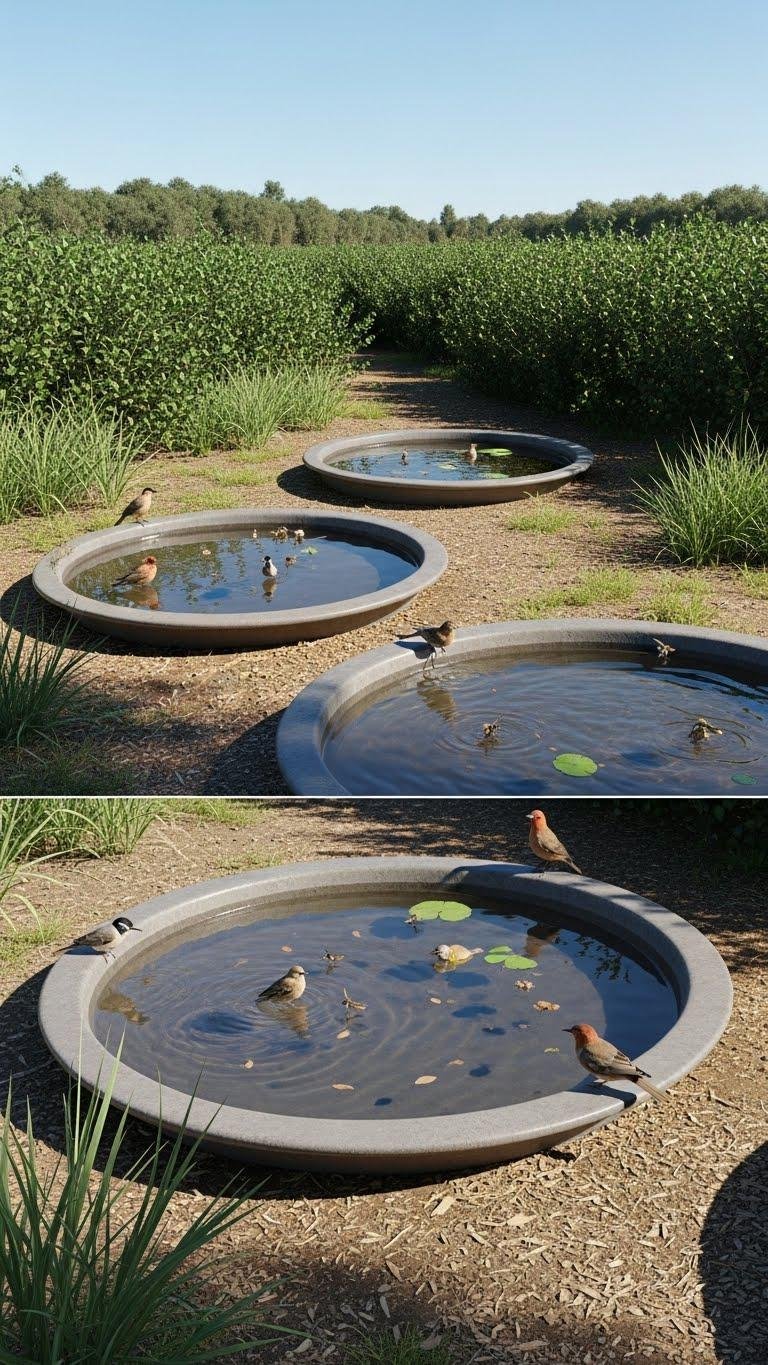
After you’ve established connected shrub corridors, add shallow water sources nearby to support drinking, bathing, and foraging behaviors without fragmenting movement routes.
Place a shallow dish in sun and shade gradients, secure low edges for small species, and design discreet overflow to prevent mosquitoes.
Monitor usage, schedule water refilling based on temperature and demand, and adapt placement to maintain free animal movement.
Incorporate Fruit-bearing Shrubs and Vines
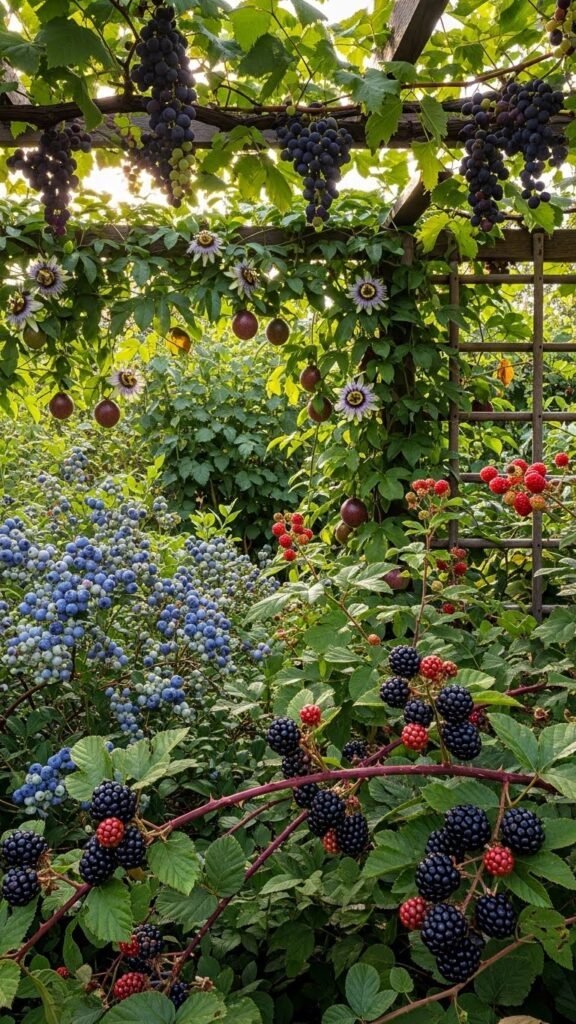
By adding fruit-bearing shrubs and vines near your shrub corridors, you create reliable food nodes that support birds, mammals, and pollinators across seasons.
You’ll design edible hedges that deliver predictable seasonal yield, enhance habitat connectivity, and reduce foraging pressure on remnant wild patches.
Choose native species, stagger fruiting times, and manage density to balance wildlife needs with your desire for open, autonomous garden systems.
Build a Bat Box on a Sunny Wall
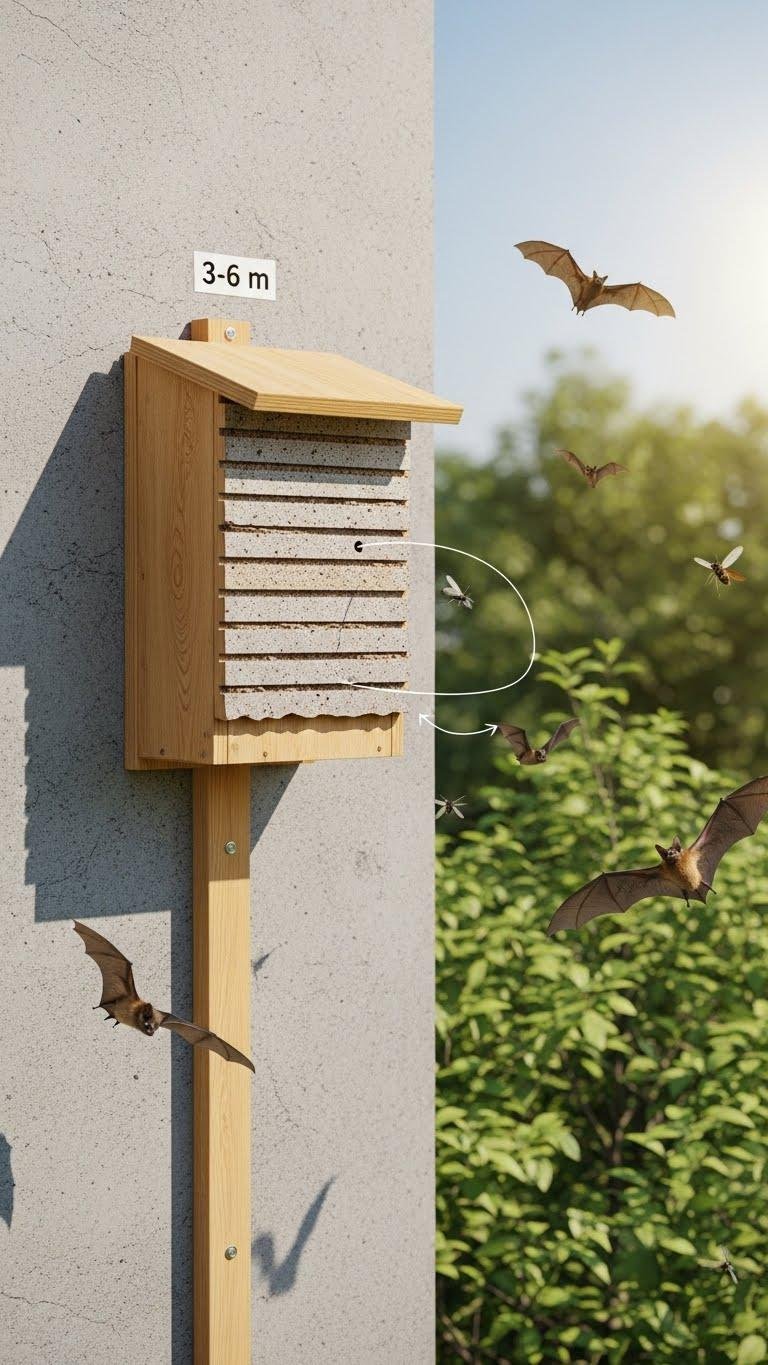
Installing a bat box on a sunny wall gives you a compact, high-value habitat that supports nocturnal insect control and local bat populations.
You’ll position for sunlit mounting, 3–6 meters high, clear flight paths, and ventilate to prevent overheating.
Design an echolocation friendly entrance and rough interior surfaces.
Monitor occupancy, reduce pesticides, and maintain access so bats can freely forage and reproduce.
Use Mulch-free Native Planting in Bare Spots
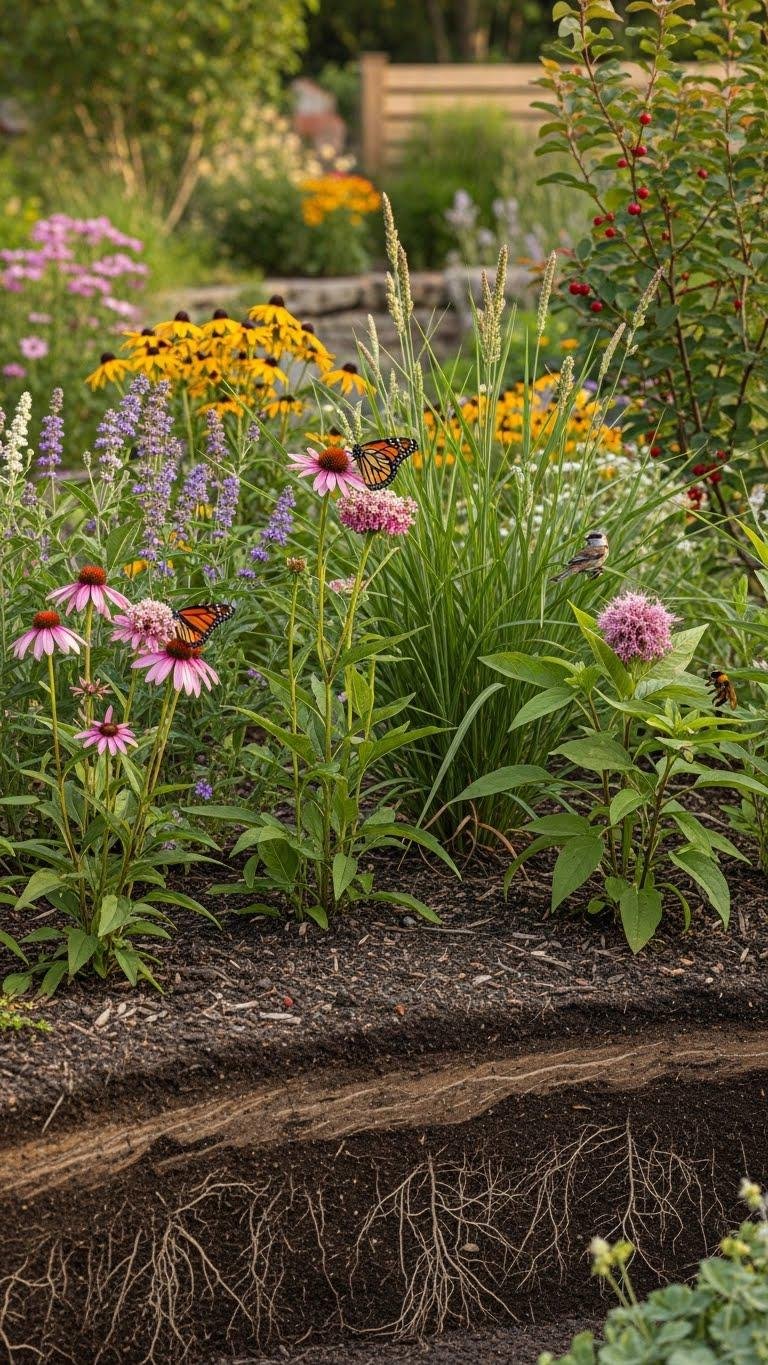
Mulch-free native planting lets you restore bare spots with resilient, ecosystem-compatible species that suppress weeds, improve soil structure, and support local wildlife.
You’ll prioritize soil health and microhabitat creation by selecting local forbs, grasses, and shrubs, planting to match moisture gradients, and avoiding turf or mulch layers that impede natural processes.
This pragmatic approach reduces maintenance and strengthens ecological connectivity.
Create Hedgehog Houses and Access Points
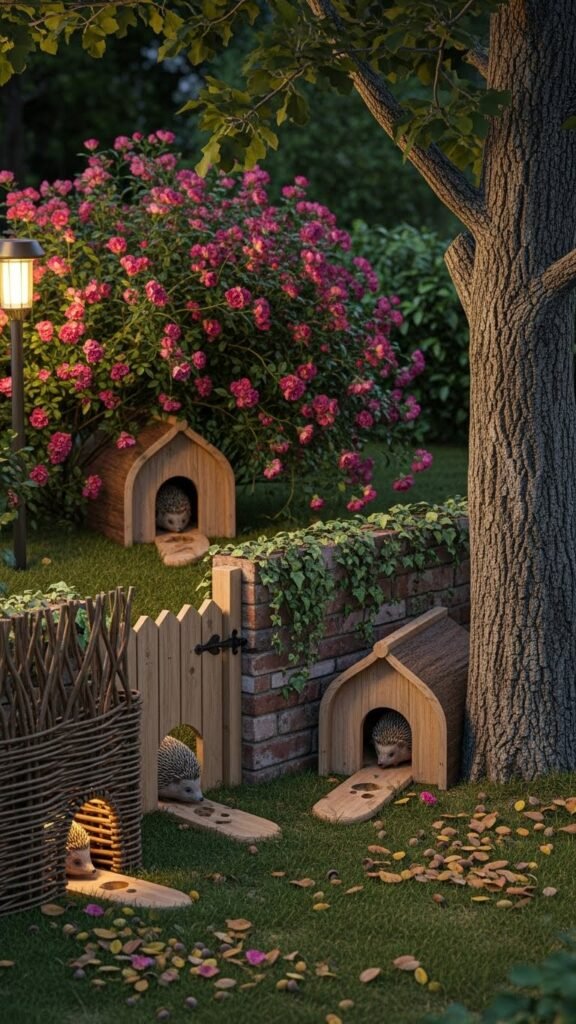
Because hedgehogs need safe, connected refuges to forage, breed, and hibernate, you should provide purpose-built houses and unobstructed access between gardens to support local populations and ecosystem function.
Design simple, ventilated wooden shelters, place them near ground cover, and maintain consistent hedgehog feeding stations.
Make certain tunnel access—36×13 cm or small gaps—so individuals move freely, preserving genetic flow and resilience without confinement.
Design a Wildflower Border for Mass Blooms
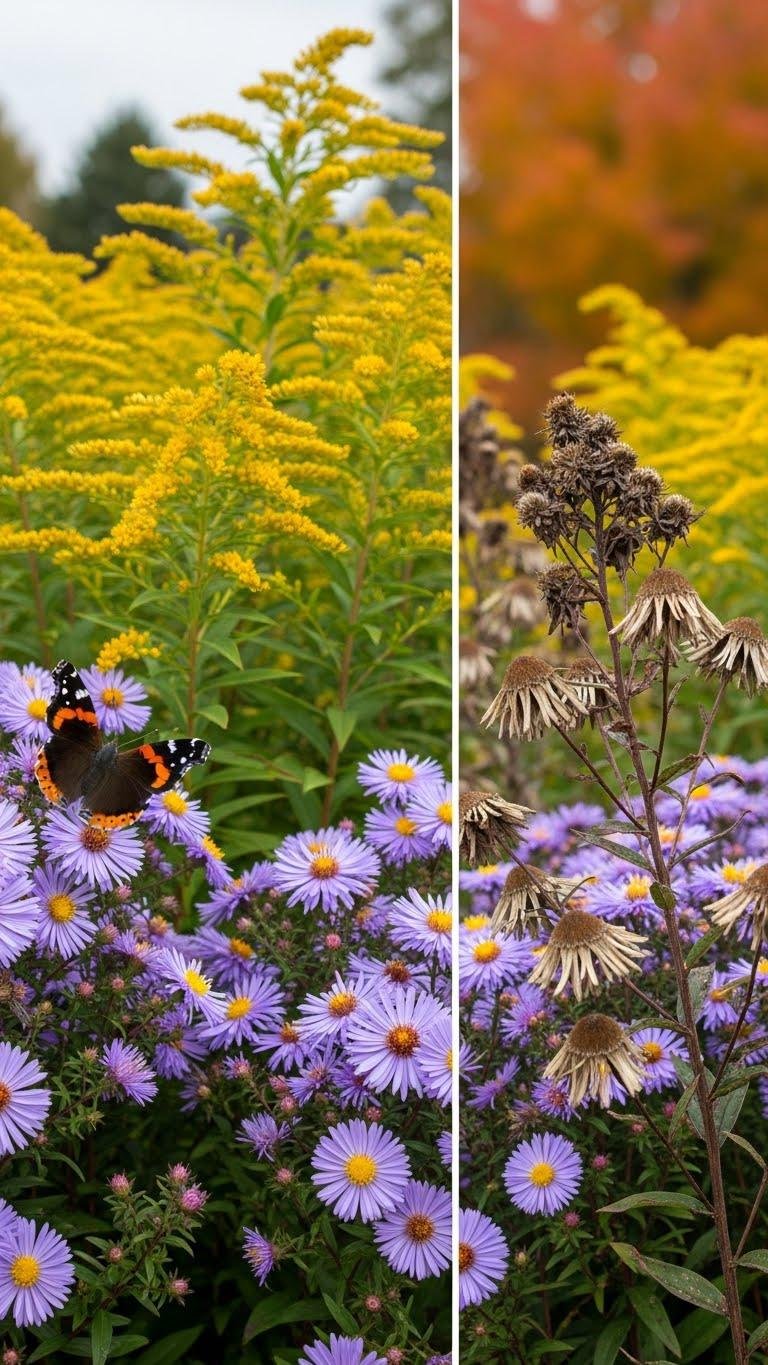
When you plan a wildflower border for mass blooms, aim for a layered planting system that staggers species by bloom time, height, and pollinator value so the display—and the resources it provides—lasts from spring through autumn.
You’ll map seasonal succession, choose native mixes, and do targeted soil preparation. Plant in drifts, allow for self-seeding, monitor density, and adjust species composition annually.
Maintain Compost Heaps to Support Invertebrates
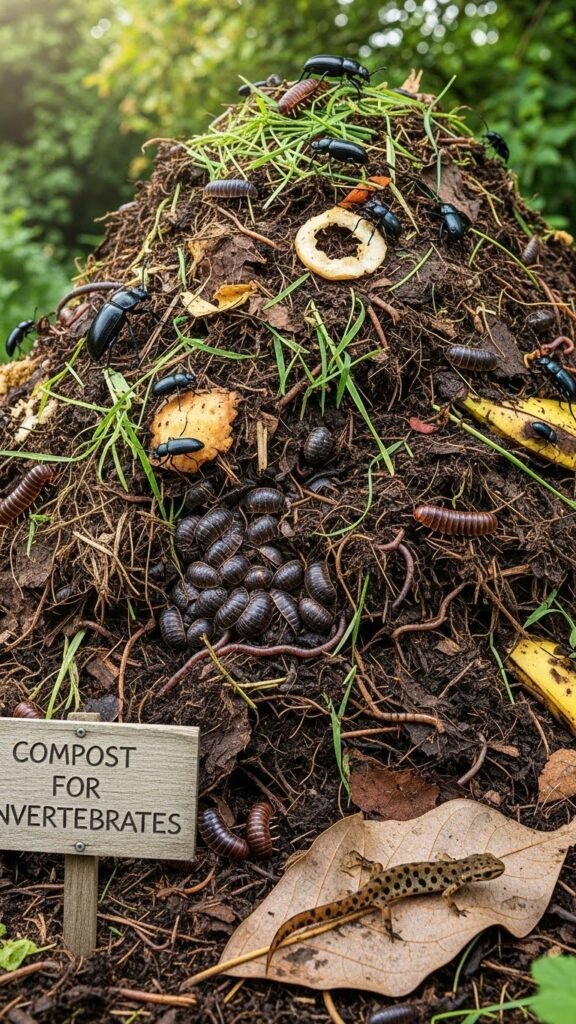
Maintaining a compost heap for invertebrates means designing and managing it as a layered habitat—your pile should offer moisture gradients, varied particle sizes, and a mix of green and brown inputs so beetles, worms, springtails and predatory mites can find food, shelter and microclimates.
Monitor temperature, rotate layers, leave undisturbed refugia, and record inputs to maximize compost biodiversity and sustain an effective invertebrate refuge.
Introduce Aquatic Plants to Pond Edges
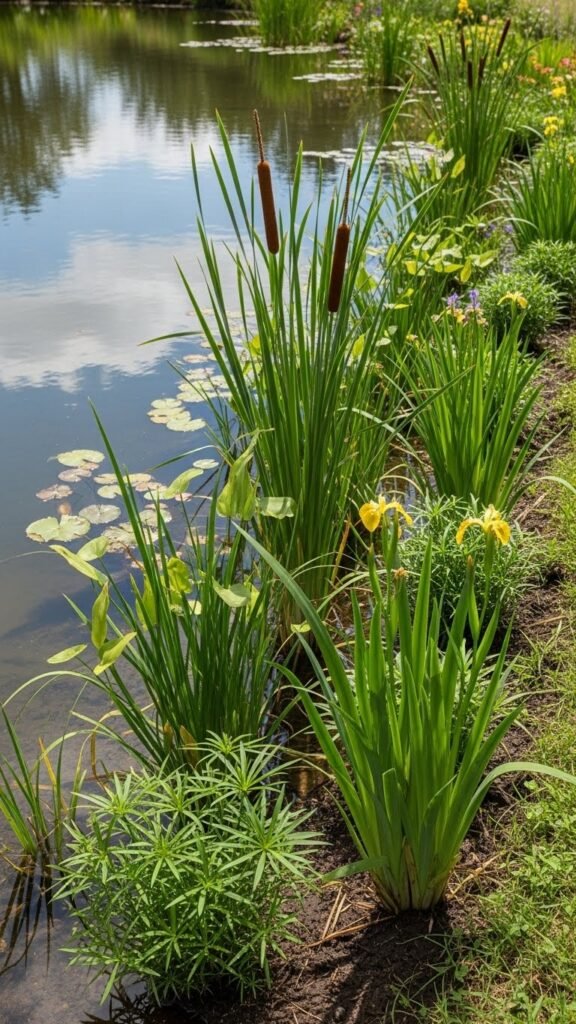
Frequently, adding aquatic plants to pond edges transforms them into resilient, multifunctional habitats that stabilize banks, filter nutrients, and create microhabitats for invertebrates, amphibians and fish.
You’ll implement marginal planting to reduce erosion and uptake runoff nutrients, while arranging submerged refuges for larvae and small fish.
Choose native species, space strategically, monitor growth, and adapt management to preserve ecological balance and your autonomy.
Leave Leaf Litter and Undisturbed Areas for Overwintering
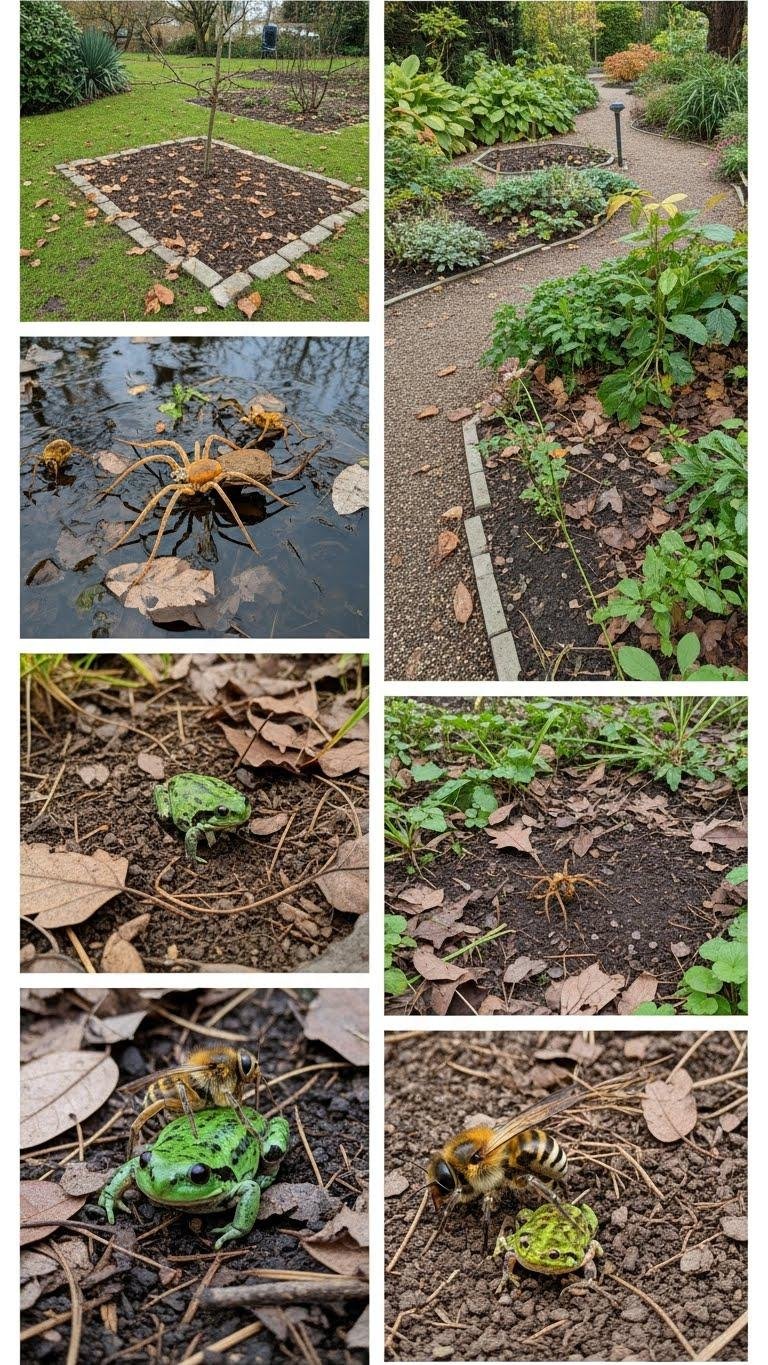
Moving from the pond margins into the surrounding garden, leave leaf litter and small undisturbed patches to support overwintering insects, spiders, amphibians and ground-nesting bees.
You’ll create microhabitats that buffer temperature swings, retain moisture and preserve prey resources.
Manage pathways strategically, designate undisturbed corners, and limit autumn cleanups so ecological networks persist and you maintain practical, low-effort biodiversity gains.
Install Green Roofs or Pollinator Planters
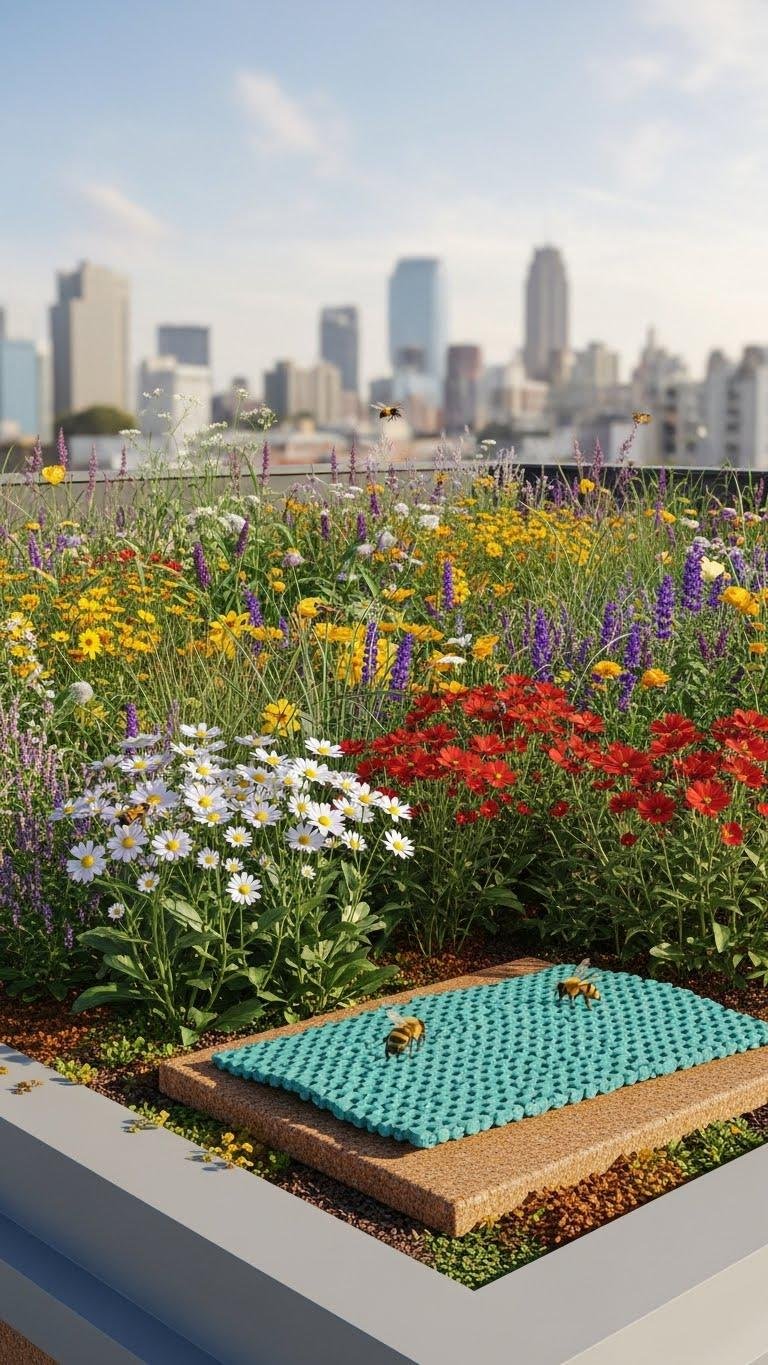
Think of a green roof or pollinator planter as a compact ecosystem you install to extend habitat into built spaces: they capture rain, moderate temperature extremes, and supply nectar, pollen and nesting substrate for bees, flies and other beneficial insects.
You’ll design rooftop pollinators and container terraces with drought-tolerant native plants, modular substrates, drainage, and seasonal diversity so pollinator networks expand reliably across urban matrices.
Create Pathways and Neat Edges to Balance Tidiness and Habitat

Carve clear pathways and define neat edges to reconcile human use with ecological function: well-planned routes concentrate foot traffic, reduce soil compaction in planting zones, and create microhabitats along their margins where pollinators and predators can forage.
You’ll use edge definition to separate zones, durable materials to guide movement, and low-impact pathway lighting to preserve nocturnal behavior while keeping access efficient and flexible.
Add Climbing Structures and Gaps in Fencing for Wildlife Movement
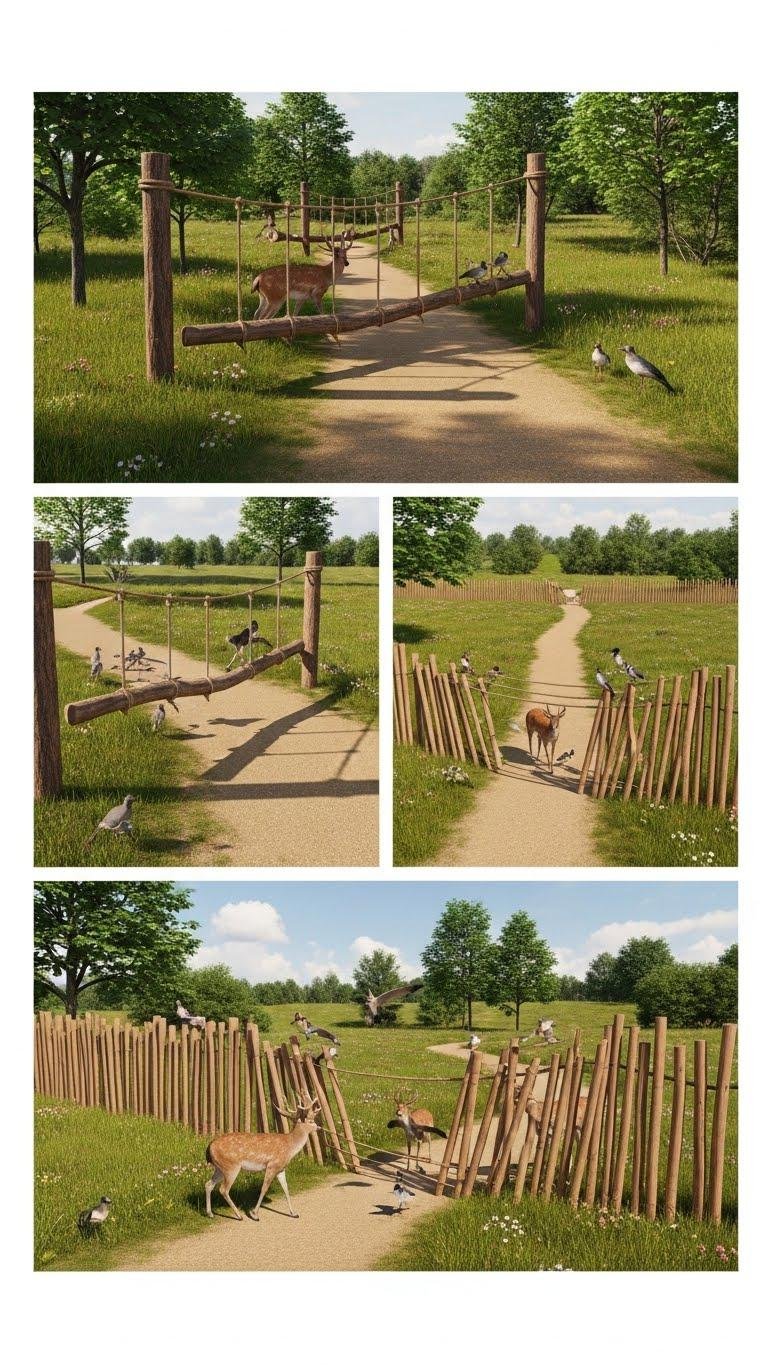
Paths and edges that guide people also offer logical places to integrate routes for wildlife: by adding climbing structures and deliberate gaps in fences you maintain human access while enabling animals to move, forage, and disperse.
Design climbing corridors to connect vertical habitat, size fencing gaps for target species, and monitor movement.
You’ll preserve connectivity, increase resilience, and support autonomous wildlife use.